
As online shopping becomes the new norm, sports brands are increasingly embracing pop-up shops as a flexible and dynamic alternative to traditional brick-and-mortar spaces. These temporary setups allow brands to deliver immersive, experiential shopping experiences that resonate with modern consumers, offering the chance to collaborate with athletes and complementary brands. Such collaborations, often cross-promoted, not only engage customers through interactive experiences but also help brands gather insights, increase awareness, and test new products—all without the constraints of permanent stores. For example, American Express and NBA 2K22 launched “The American Express x NBA 2K22 Experience” pop-up near Crypto.com Arena, featuring exclusive products, a face scan studio for custom avatars, and an immersive “Infinity Cube.” Stars Paul George and Breanna Stewart also faced off in a live-streamed game. Other brands are following suit as the pop-up shop becomes an exciting new avenue for sports brand retail.

Pop-Up Power: Elevating Athlete Visibility and Brand Engagement
In the world of sports retail, pop-up stores offer a unique platform for collaborative partnerships that can elevate both brand and athlete visibility. These temporary retail spaces enable brands to partner with high-profile athletes, creating one-of-a-kind experiences that traditional stores cannot replicate. For instance, athletes can launch exclusive merchandise in a pop-up, or participate in live events, autograph signings, and social media takeovers, all of which create memorable, immersive brand experiences for consumers.
Collaborations between sports brands, athletes, and other companies can expand customer reach and share marketing costs. These partnerships often offer engaging, sensory-driven experiences that build customer loyalty. For instance, the NBPA’s 2023 Summer League pop-up, in partnership with Amazon’s Black Business Accelerator, featured NBPA member-led brands, exclusive merchandise, and support for Black-owned businesses. The event showcased apparel from players like Jaylen Brown and Kevin Porter Jr. and included special collaborations. Such pop-ups highlight athlete entrepreneurs and create meaningful experiences for fans, while also increasing brand awareness and generating buzz.
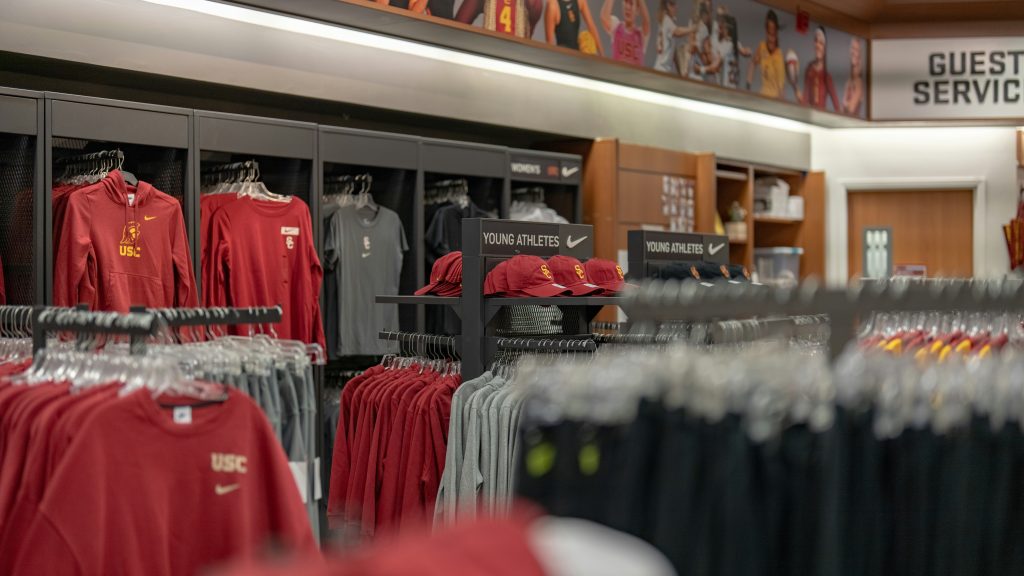
Where Collaboration Meets Innovation
As e-commerce grows, pop-ups provide engaging, in-person shopping experiences that online platforms can’t match. These temporary spaces let brands, from established names to new entrepreneurs, create immersive environments where customers interact with products, building a sense of community. Success often comes from collaborations that help brands share resources, reduce costs, and expand customer bases. For example, Nike’s pop-ups at events like the NBA All-Star Game and the Olympics offer exclusive products and personalized experiences, attracting both loyal and new customers.
Collaborations also help small businesses test markets and build awareness without the costs of permanent spaces. Under Armour’s recent pop-up in Paris, in partnership with Salvy, offered gym enthusiasts a three-day event focused on fitness and community, showcasing the brand’s commitment and connecting with local consumers. Such collaborations not only boost short-term foot traffic but also attract long-term customers.

Pro’s and Con’s: Brick-and-Mortar vs. Pop-Up Shops
Brick-and-mortar stores offer consistent shopping experiences, allowing customers to interact with products and build long-term loyalty. They provide convenience and variety, boosting a brand’s market presence and sales. Retailers like JD Sports and Intersport Group have succeeded with this model, benefiting from established visibility and customer trust. However, these stores come with high costs, including rent, staffing, and inventory management, making them a major financial commitment. Additionally, competition in these spaces can dilute brand identity, as products often sit alongside similar items from rival brands.
In contrast, pop-up shops are a flexible, cost-effective option. These temporary spaces incite urgency and exclusivity that generates excitement for new product launches or seasonal collections, while allowing brands to test new markets and demographics. Adidas’ Terrex launch and ASICS’ Paris Fashion Week event are examples of how pop-ups create buzz and drive sales through interactive experiences and targeted marketing. In some cases, a hybrid approach—combining elements of both models—can be most effective. This strategy leverages the stability of brick-and-mortar with the excitement of pop-ups, creating an adaptable and engaging shopping experience that maximizes visibility and builds community connections in the competitive sports retail landscape.
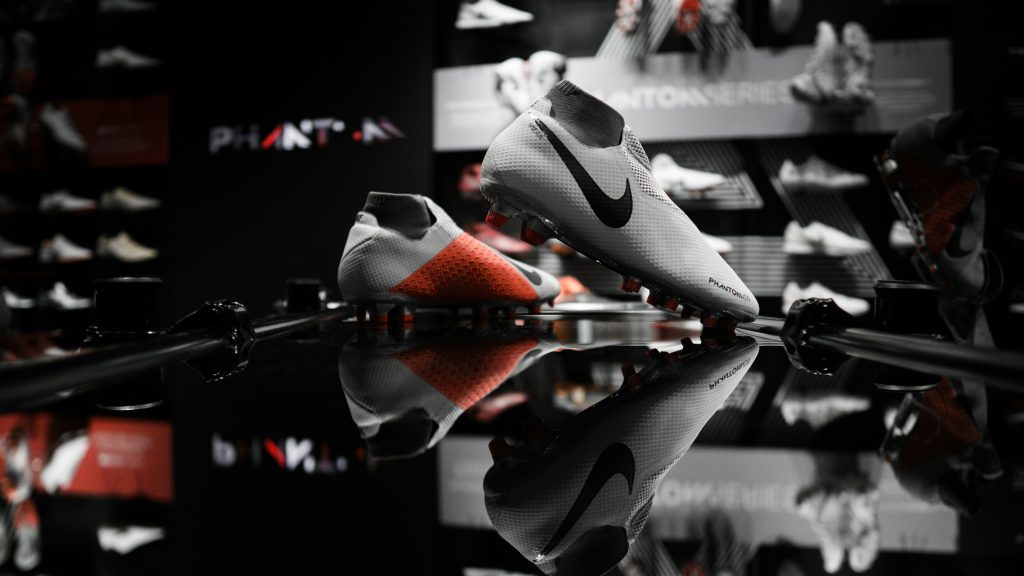
Ultimately, the future of retail will likely depend on blending tradition with innovation, leveraging the immersive nature of pop-up stores to enhance athlete visibility and community. Brands that embrace this shift will be better positioned for success in the competitive market.
Sources:
- https://finance.yahoo.com/news/pop-shops-future-retail-140640382.html
- https://www.ispo.com/en/sports-business/multi-brand-stores-vs-pop-stores-retail-strategies-sports-brands
- https://fastercapital.com/content/Collaborative-partnerships–The-Power-of-Collaboration-in-Pop-Up-Retail.html
- https://nbpa.com/news/nbpa-prepares-to-launch-first-ever-fan-shop-pop-up-during-summer-league
- https://blog.sportheroes.com/10-examples-of-innovative-experiences-in-sport#anchor4
- https://magazine.gopopup.com/en/success-stories-brands-that-have-transformed-pop-up-stores-into-unforgettable-experiences/#:~:text=1.,significant%20buzz%20on%20social%20media.
- https://www.thestorefront.com/mag/sport-sportswear-pop-up-store-examples/