
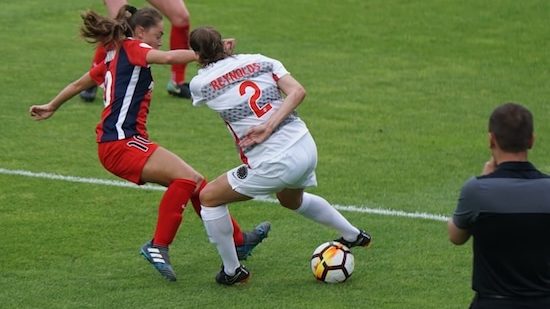
The sports industry recently witnessed a major shift towards addressing gender-specific health concerns, especially surrounding anterior cruciate ligament (ACL) injuries in female athletes.
Historically, sports medicine research predominantly focused on male athletes, often ignoring the key physical and biomechanical differences in women. But now, growing research is helping explain why female athletes face higher risks for ACL injuries.
This turning point is influencing both sports science and brand strategies.
Quick Highlights
- Studies indicate that female athletes are two to eight times more likely to suffer ACL injuries than their male counterparts.
- Approximately two-thirds of these injuries occur without any physical contact.
- Less than 9% of published sports science studies were focused exclusively on female athletes.
- Only 5 to 6% of studies within sports medicine have focused specifically on female athletes.
- PUMA is investing over $1 million in research to understand ACL injury causes and improve women-specific footwear.

Understanding the Gender Disparity in ACL Injuries
Female athletes are at a much higher risk to tear their ACLs compared to their male counterparts due to a mix of biological and physical factors.
There is a mix of modifiable and non-modifiable aspects that play a part in the difference between male and female risk.
Dr. Mary K. Mulcahey, division director of Sports Medicine at Loyola University highlights that “non-modifiable risk factors, things we cannot change, include gender-related differences in knee anatomy, like the size of the ACL and hormonal fluctuations during the menstrual cycle.”
She mentions that other factors, like muscle strength and landing technique, can be improved through training and conditioning. With focused research, there is potential for improvements in preventative health for female athletes to better understand their bodies and prevent injury.
The Rise of Female-Focused Medical Research
For decades, most medical and sports science research relied heavily on male participants, shaping protocols, treatments, and training standards based on male bodies and physiology. However, there’s been a growing recognition that female athletes have unique needs that require dedicated attention, from hormones and joint stability to recovery patterns and injury prevention.
This broader trend of female-focused medical research is finally gaining traction across multiple fields. In fact, there is an estimated 10 to 20 percent annual increasing rate of research dedicated to female athletes.
Researchers are finding that sex-based differences impact everything from drug efficacy to pain tolerance. In sports, that includes injury risk — yet female athletes are still less likely to receive targeted injury prevention training. One study found that less than half of high school girls reported access to these programs, despite their elevated risk.
This means women need different prevention strategies than men. And for the sports industry, it’s more than a medical update; it’s a strategic opportunity. With better data on women’s physical health, there’s room to rethink training programs, design gear that actually fits, and build recovery systems that protect and empower female athletes.
Industry Response: Brands’ Commitment to Research
Recognizing the need for focused research, FIFA has pledged support to studies investigating the causes of ACL injuries in female athletes. A notable example is a year-long study at Kingston University in London, which tracks hormonal fluctuations in female athletes aged 18–35 and analyzes their performance during different menstrual phases.
The goal is to correlate hormonal changes with movement patterns indicative of injury risk, such as during direction changes or landings. This research aims to contribute to broader efforts to lower ACL injury rates in women’s football, acknowledging that there is no one-size-fits-all solution.
Nike is tackling ACL injuries in women’s sports through Project ACL, a three-year study launched with FIFPRO, the Professional Footballers Association, and Leeds Beckett University. The project looks at risk factors like workload, travel, and match frequency to improve injury prevention and management. By including player feedback, it aims to build more practical, athlete-informed solutions.
Product Innovation
The increasing emphasis on female-specific sports research presents significant opportunities for brands targeting female athletes. Companies like Nike and PUMA are already capitalizing on this trend.
PUMA has invested in a research study to explore ACL injuries in women’s football, aiming to develop an effective training program and enhance women’s fit for football footwear. This commitment underscores the importance of providing tailored equipment and support to female athletes.
Nike created the Phantom Luna boot, designed specifically to curb the risk of an ACL tear by including a circular traction pattern to ensure soccer players are able to pivot freely on the turf.
From designing footwear that accommodates unique biomechanical requirements to creating training programs that address gender-specific injury risks, there is a growing market for innovations that prioritize female athletes’ health and performance.
Authenticity and Purpose-Led Marketing
Today’s consumers, especially Gen Z and millennial women, actively seek out brands that stand for something. It’s not just about products anymore; it’s about values. Companies investing in research, supporting athlete wellbeing, and advocating for gender equity in sport build deeper emotional connections with this audience.
Campaigns that spotlight long-term athlete health, particularly in areas where women have been historically underserved, help reinforce trust and loyalty. Adidas leaned into this with its “The Ridiculous Run” campaign, which called attention to the safety challenges women face while running and encouraged men to step up as allies.
Athletes themselves are also pushing for change. Allyson Felix, one of the most decorated track and field athletes, publicly criticized Nike after the company refused to guarantee that her sponsorship wouldn’t be penalized during pregnancy. Her New York Times op-ed sparked a wave of attention, leading Nike to implement a new policy that ensures 18 months of protected pay for pregnant athletes.
Brands that authentically back this kind of advocacy, by funding research, promoting safe training environments, or supporting athletes through life transitions, aren’t just making statements. They’re building credibility and long-term loyalty with both athletes and the consumers who support them.
Investing in Women is Investing in the Game
The growing focus on ACL injuries in female athletes signals real progress in sports science and the sports industry at large.
As leaders like FIFA and Nike invest in research and innovation, brands have a clear opportunity to meet the specific needs of women athletes and build meaningful, lasting connections with consumers.
At Athelo Group, we see this as part of a broader responsibility. We’re committed to supporting our athletes on and off the field, from injury prevention and performance to advocacy and representation. Championing women’s sports isn’t a trend for us, it’s part of how we do business.