
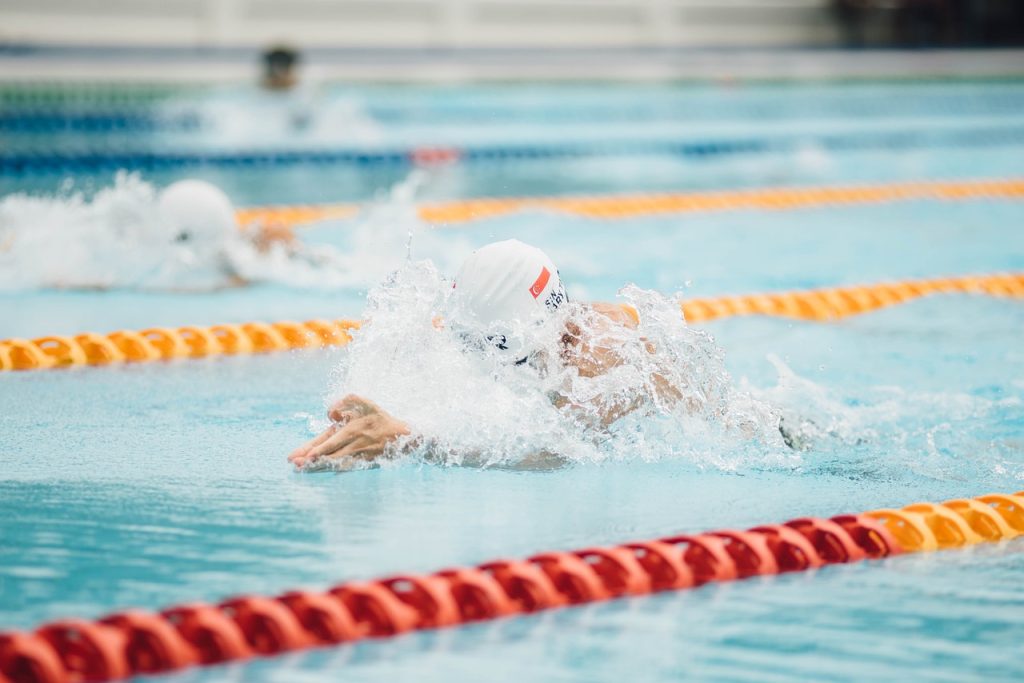
In light of the Paris Olympics, doping in sports is no longer just a battle between athletes and governing bodies. Chinese swimmers are now under scrutiny for potential doping in both Tokyo and Paris, leading the U.S. to launch a formal investigation. In response, China levied doping allegations of their own, honing in on U.S. track and field athletes. The conflict reveals deep-seated tensions between global anti-doping agencies, highlights the serious consequences of athlete oversights, and the fallout for those denied of their rightful victories. As the fight continues to evolve, preventing doping in sports depends on consistent enforcement and a collective commitment to fair play.
USADA, WADA, and CHINADA Clash
A major conflict is brewing in the realm of anti-doping enforcement, pitting the United States Anti-Doping Agency (USADA) against the World Anti-Doping Agency (WADA). This long-standing tension has been further complicated by the rise of China’s own anti-doping body, the China Anti-Doping Agency (CHINADA). The disagreements between these authorities center on how anti-doping laws should be implemented and how athlete cases should be handled.
USADA and WADA have had their differences for years. USADA pushes for stricter and more transparent anti-doping rules, wanting national agencies to have more power. On the other hand, WADA, which works globally, prefers a uniform international approach. This often leads to conflicts over suspension lengths, handling of therapeutic use exemptions (TUEs), and case resolution speed. Recently, CHINADA’s involvement has added more complexity to the situation.

Athlete Pay the Price For Minor Oversights
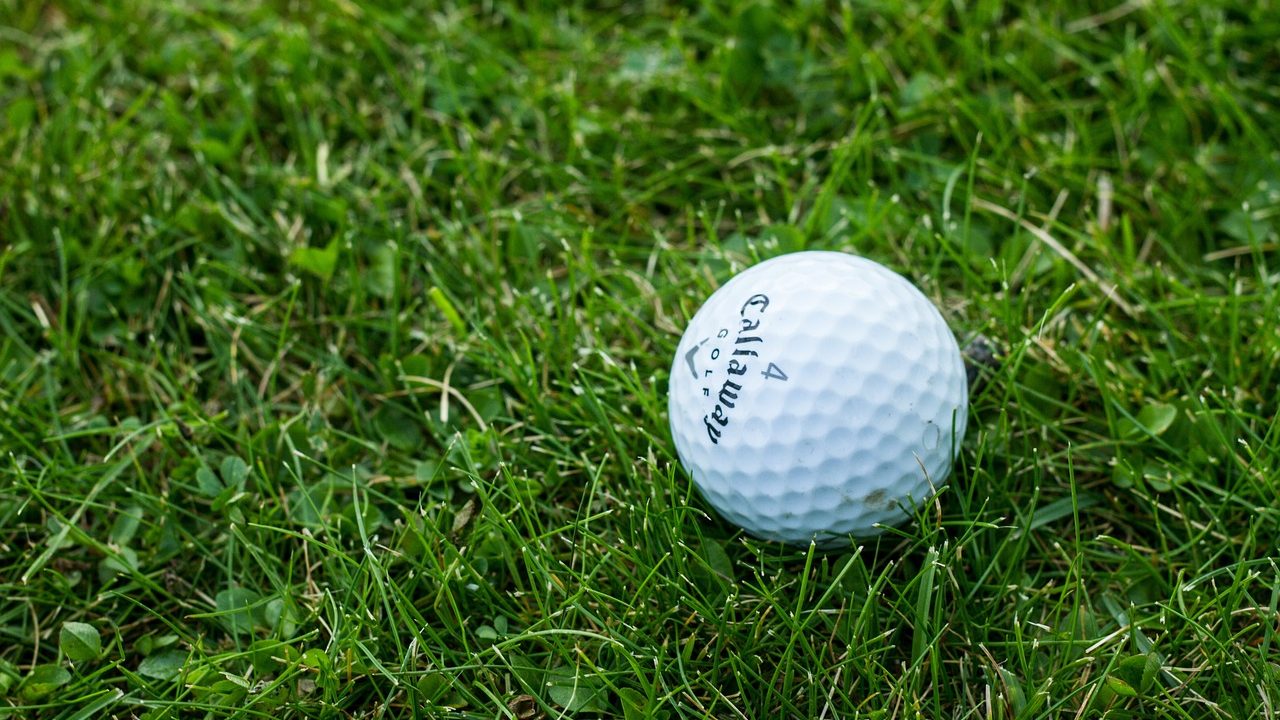
In professional golf, doping isn’t as common as other sports. However, even minor oversights by athletes can lead to significant consequences due to strict doping regulations. Recently, Graeme McDowell, a seasoned golfer and former U.S. Open champion, found himself at the center of a doping controversy. He tested positive for levomethamphetamine, the active ingredient in Vicks VapoInhaler, which is on LIV Golf’s list of banned substances. McDowell used the over-the-counter nasal decongestant to help him sleep before a tournament and took full responsibility for the oversight. He shared on social media: “As a professional golfer, I understand the importance of checking all medications and the option to apply for a Therapeutic Use Exemption (TUE). Unfortunately, I did not take the time to do this due to the over-the-counter nature of this medicine and deeply regret the oversight.”
LIV Golf acted swiftly, imposing a $125K fine on McDowell and suspending him for one tournament. Additionally, he had to forfeit the $127K he won by finishing 42nd at the LIV Golf Nashville competition. Other athletes like track record-holder Shelby Houlihan and Olympic medalist Devin Logan have made similar mistakes. These incidents highlight the importance of vigilance and responsibility in an era where even minor oversights can have major consequences.
Delayed Justice: Olympic Medal Reallocation
Doping doesn’t just affect the athletes who get caught—it has ripple effects that can alter the lives and careers of others. This was painfully evident in a recent medal reallocation ceremony, where Beverly McDonald and Lashinda Demus finally received the Olympic medals they deserved after years of waiting.
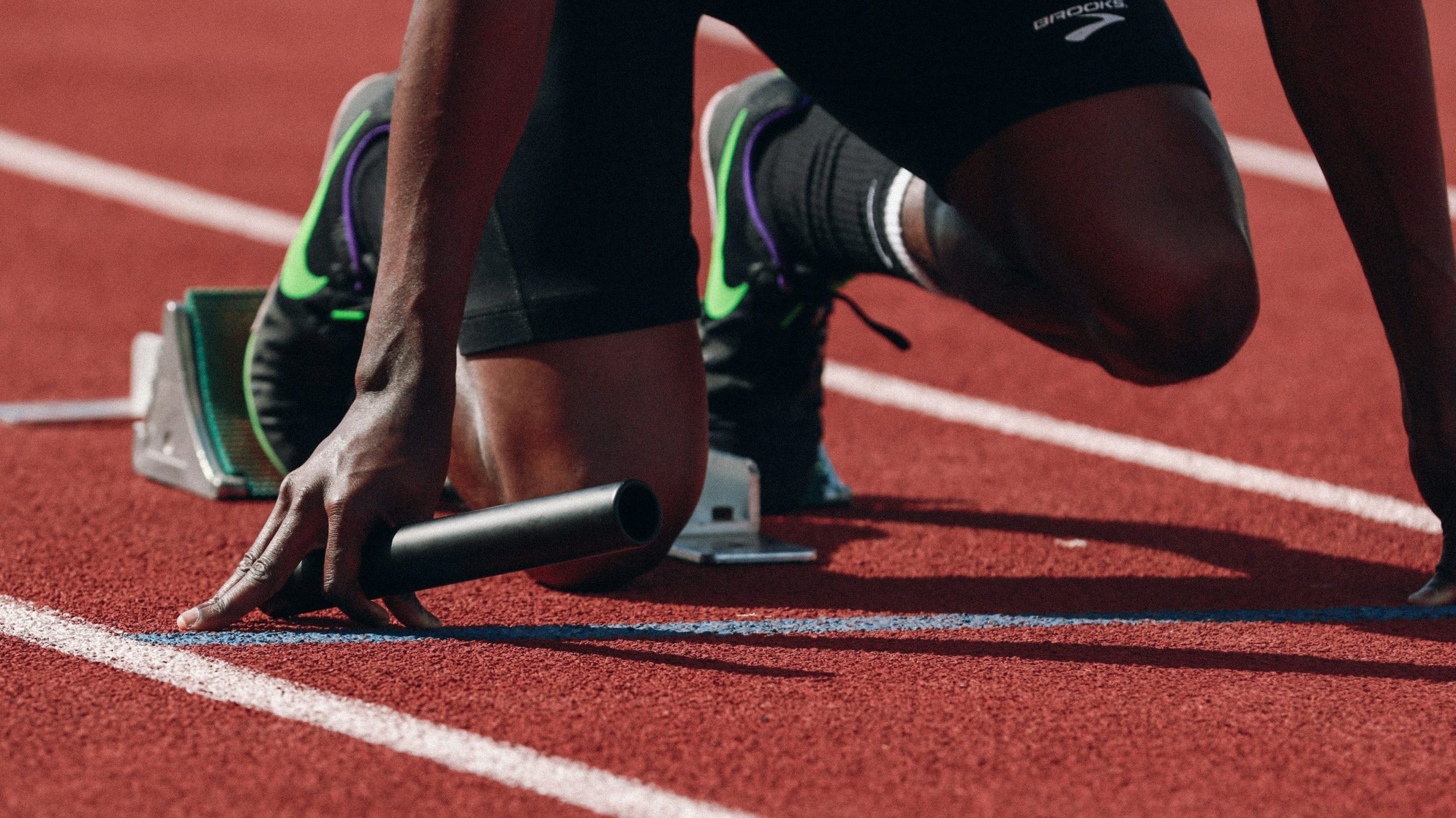
Beverly McDonald, a Jamaican sprinter, was upgraded from silver to gold for her performance in the 2000 Sydney Olympics after Marion Jones was disqualified for doping with anabolic steroids. Similarly, Lashinda Demus, an American hurdler, was awarded gold for the 2012 London Olympics following the disqualification of Russia’s Natalya Antyukh.
This reallocation was bittersweet for McDonald and Demus. While it was a long-overdue recognition of their achievements, it also served as a stark reminder of the years they lost, the celebrations they missed, and the emotional toll of being denied their rightful place on the podium. Their stories underscore the lasting impact of doping on clean athletes and the ongoing battle for justice in sports.
The Fight Against Doping: An Ongoing Struggle
As these stories show, the fight against doping in sports is far from over. Anti-doping agencies continue to develop new methods to detect and prevent the use of banned substances, but for every victory, a new challenge seems to arise. Athletes and coaches constantly look for new ways to gain an unfair advantage, making it clear that this battle is ongoing and complex.
The world of sports is a reflection of our society’s values, and as long as there are those who seek to compete fairly, the fight against doping will continue. It’s a fight that requires vigilance, innovation, and a commitment to preserving the integrity of competition—because, in the end, true victory can only be achieved through honesty and hard work.
Sources:
- https://www.npr.org/2024/08/08/nx-s1-5067767/feuding-anti-doping-agencies-usada-wada-chinada-olympics
- https://frontofficesports.com/graeme-mcdowell-liv-vicks-250k-pga/
- https://www.marca.com/en/olympic-games/track-and field/2024/08/11/66b8d7d6e2704e4f258b45aa.html
- https://www.usatoday.com/story/sports/olympics/2024/08/09/reallocated-medals-ceremony-beverly-mcdonald-lashinda-demus/74737989007/
- https://apnews.com/article/olympics-2024-china-swimming-doping-51cd4e42bf73f4b9b0f8bb37453775a2
- https://nationalpost.com/sports/olympics/kamila-valieva-the-unlikely-possibility-of-testing-positive-for-doping-via-saliva