
The high-speed worlds of Formula 1 and MotoGP are both thrilling, but each pushes motorsport in a different direction. F1 teams represent the peak of open-wheel engineering and data-driven strategy, while MotoGP showcases the fastest bikes and most fearless riders on two wheels.
Both are filled with elite athletes, cutting-edge machines, and massive global followings, but couldn’t be more different when it comes to how they test the boundaries of speed, strategy, and human endurance.
With recent momentum building around U.S. interest in international racing thanks to series like Drive to Survive and standout Grand Prix moments, now’s the perfect time to break down what sets F1 teams and MotoGP apart.
Quick Highlights:
- F1 cars reach top speeds of ~231 mph, while MotoGP bikes hit ~225 mph.
- F1 drivers endure up to 6 Gs of force in corners, with cockpit temperatures exceeding 140°F.
- F1 cars weigh ~1,760 lbs (including driver) with 1,000+ hp. MotoGP bikes weigh just ~350 lbs with ~280 hp, resulting in a much higher power-to-weight ratio.
- MotoGP sees far more crashes per season (1,000+ across all classes in 2023) due to the open nature of the sport. F1 crashes are rare, but often more violent.
- F1 relies on massive teams of 300-1200 people. MotoGP prioritizes rider instinct and physical agility, with much smaller team operations.
Machines Made for Mayhem
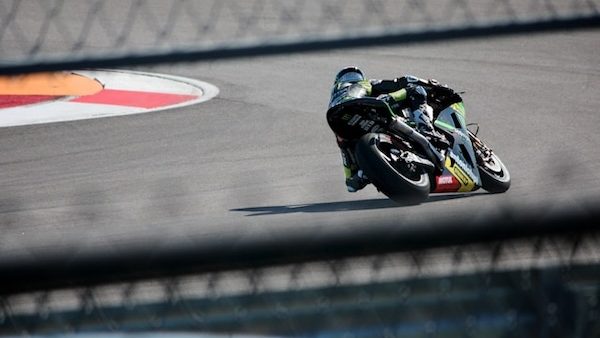
F1 might win the top-speed stat sheet, but MotoGP’s acceleration and agility put them nearly neck and neck. F1 cars generate immense downforce that lets them corner like no other vehicles on Earth. Think Lewis Hamilton carving through Maggotts-Becketts at over 170 mph, a move that highlights how critical precision and grip is in F1 racing.
In contrast, MotoGP riders rely on body control and instinct, like Marc Márquez’s famous 2019 save in Thailand when he caught a slide with his elbow mid-turn.
Where F1 thrives on aerodynamic mastery, MotoGP is all about physical finesse and control. Each sport demands a different type of athleticism, pushing the human body in unique ways.
Two Forms of Athleticism
F1 drivers are often overlooked as athletes, but their necks must endure immense G-forces while maintaining control for up to two hours in extreme heat. In Drive to Survive, Daniel Ricciardo and Carlos Sainz Jr. are shown performing resistance band neck workouts to prepare for the extreme lateral forces of racing, which can reach up to 6Gs during high-speed corners and braking zones.
On the other side, MotoGP athletes must physically wrestle their machines through corners, keep balance on two wheels, and adapt to rain, wind, and flat conditions with no protective cockpit. Riders like Fabio Quartararo and Marc Márquez spend hours on core work using wobble boards, BOSU balls, and stability discs to simulate the constant balance adjustments required on a bike leaning at over 60 degrees.
Both sports demand elite conditioning, but training comes in very different forms.
Danger Factor
Despite incredible advances in safety, F1 remains a dangerous sport. But when it comes to risk, MotoGP arguably takes it up a notch. Riders are fully exposed, making even minor crashes a serious threat. Protective leathers and tech have helped reduce injury, but the margin for error is razor thin.
One striking example was Marc Márquez’s 2020 crash at Jerez, where a low-side slide quickly escalated into a violent high-side that launched him into the air, resulting in a fractured humerus and multiple surgeries.
While MotoGP now employs airbag suits that deploy within milliseconds, the fact remains: riders lack the structural protection F1 cockpits provide, and even with high-tech suits and reinforced helmets, the physical toll can be immediate and severe.
F1 Teams vs. MotoGP Individuals
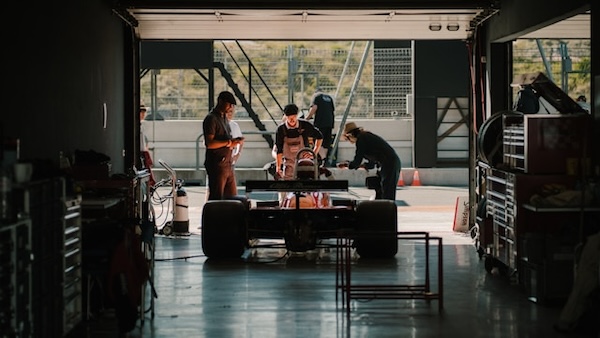
F races are won through tire strategy, pit stops, and data-driven decisions made by massive support teams. Hybrid power units combine turbocharged engines with energy recovery systems to deliver up to 1,000 hp with improved efficiency. Engineers use wind tunnels and simulated modeling to fine-tune aerodynamics down to the smallest winglet.
MotoGP, by contrast, centers on rider instinct. There is no radio coaching mid-race. Riders manage tire wear, execute overtakes, and make real-time decisions at 220 mph. Bikes feature seamless shift gearboxes, ride height devices, and traction control, but the rider is the deciding factor.
Sponsorship Niches
F1 draws polished, luxury-focused sponsors like Rolex, Emirates, and Richard Mille—brands that value exclusivity and global prestige. Even tech giants like Amazon Web Services and Lenovo have joined the grid, tapping into F1’s innovation and massive reach. With global sponsorship revenue set to reach $2.9 billion in 2025, it remains one of the most valuable platforms in sports.
MotoGP appeals to a more grassroots, performance-first audience. Brands like Monster Energy, Red Bull, and Alpinestars align with its raw intensity and loyal fan base, especially across Europe and Southeast Asia. While overall sponsorship revenue is smaller, brand affinity runs deeper, with partners prioritizing authenticity over polish.
At Athelo Group, we see this same dynamic in sports like surfing, where non-endemic brands build credibility through community-driven partnerships and athlete-first storytelling. For brands entering motorsports, the choice isn’t just about budget—it’s about fit. F1 offers high-gloss global exposure, while MotoGP opens the door to deeper, culturally embedded brand moments.
Where the Extremes Meet
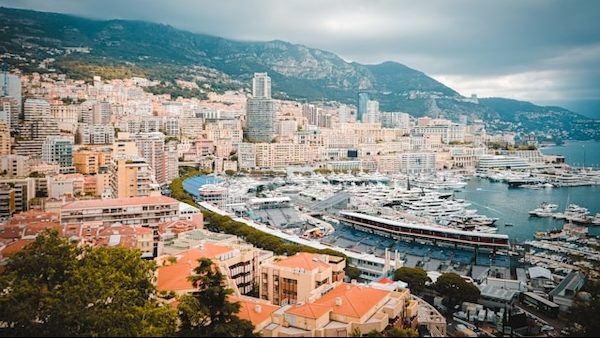
F1 might be the more extreme sport when it comes to speed and innovation, but MotoGP makes its case through danger, athleticism, and raw competition.
We believe both racing series offer brands and athletes a compelling entry point into motorsports’ growing appeal. Whether you’re after the polish of F1 or the edge-of-your-seat thrills of MotoGP, the opportunities to connect, inspire, and evolve are limitless.