
College football is at a crossroads. The ongoing House vs. NCAA lawsuit could reshape college sports as we know it.
The case challenges how athletes are compensated, with potential consequences for football programs, recruitment, and even smaller sports. This lawsuit could lead to massive changes in how college athletics are funded and how athletes are treated across all sports.
Quick Highlights
- The House vs. NCAA lawsuit could lead to $2.78 billion in athlete compensation, with $1.2 billion allocated over the next decade.
- Division I football programs will increase scholarships from 85 to 105 starting in 2025, with some teams splitting them into partial awards to manage costs.
- Top programs like the University of Texas secured $50,000 annual NIL deals for each offensive lineman in 2023, initiating a competitive recruitment advantage.
- Recruitment could be dominated by wealthier programs, with schools in Power Five conferences already outspending smaller schools by millions in NIL deals.
- Non-revenue sports, including women’s soccer, could face funding cuts as schools prioritize football and basketball, with smaller programs operating on budgets under $40 million annually—far less than the $250 million-plus budgets of top-tier schools.

What is the House vs. NCAA Case?
The House vs. NCAA lawsuit revolves around the rights of college athletes to receive compensation beyond their scholarships. The plaintiffs argue that the NCAA’s restrictions on education-related benefits and Name, Image, and Likeness (NIL) opportunities violate antitrust laws.
This legal battle follows the landmark Alston decision in 2021, which allowed schools to provide athletes with unlimited education-related benefits and paved the way for the current NIL era.
The House case pushes the boundary even further, seeking direct revenue sharing with players. If the ruling favors the athletes, it could open the door for broader financial compensation, impacting how programs fund their football teams and athletic departments at large.
This lawsuit is not just about football; it could create a power imbalance across collegiate sports. Revenue-dominant programs like football and men’s basketball stand to benefit the most, while athletes in non-revenue and niche sports–such as fencing, rowing, and gymnastics–could be left fighting for scraps. Critics argue that Olympic and niche sports athletes, who often rely on scholarship support, may see their funding reduced as schools prioritize revenue-generating programs.
Athletes like Dani Speegle, who transitioned from collegiate sports to become a top-tier CrossFit competitor, underscore the importance of investing in athletes beyond the major sports. Her success highlights the untapped potential of athletes in non-revenue sports, a group that could face increased challenges if funding shifts away from them.
Impact on Football Scholarships and Team Budgets
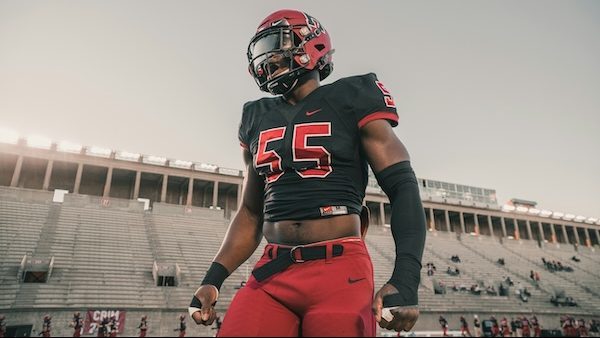
Football programs, particularly those in Division I, could face major budgetary shifts. Schools may have to reallocate funds to compensate athletes, potentially reducing the number of scholarships or cutting costs in other areas like facilities or coaching staff. Smaller programs with limited budgets might struggle to keep up with powerhouse schools, deepening the divide between major conferences and smaller institutions.
According to industry reports, Ohio State’s athletic budget exceeded $251 million in 2023, while smaller programs like those in the Mid-American Conference (MAC) often operate on less than $40 million annually. Revenue sharing could stretch these lower-budget schools to their financial breaking point.
Additionally, non-revenue sports could be at risk. Take the case of women’s soccer–while the sport has grown rapidly, it still relies heavily on institutional funding. A shift toward revenue sharing could result in fewer resources for those teams.
Recruitment and Competitive Balance
If players can earn more through NIL deals and direct compensation, recruitment strategies will shift significantly. High-profile football programs with bigger media markets and sponsorship opportunities could dominate recruitment, leaving smaller schools at a disadvantage. This could lead to a “pay-to-play” atmosphere, where the richest programs attract the best talent, challenging the NCAA’s commitment to maintaining competitive balance.
For example, the University of Texas reportedly secured a $50,000 annual NIL deal for each offensive lineman on scholarship in 2023. This level of compensation is far beyond what most Group of Five or FCS programs can offer, creating an uneven playing field.
Beyond football, elite gymnasts like Olivia Dunne have built multi-million dollar NIL brands. While this is a win for top-tier athletes, it further illustrates how marketable stars benefit most, while less-known athletes struggle to attract deals.
Opting Out of the Settlement: What Does It Mean?
While the proposed settlement represents a significant step toward athlete compensation, both individual athletes and Ivy League schools like Harvard, Yale, and Princeton have chosen to opt out. Some athletes are pursuing individual lawsuits for potentially higher payouts, though it comes with risks like prolonged legal battles.
Meanwhile, schools like those in the Ivy League have opted out entirely, choosing to forgo direct payments to athletes to preserve their academic-focused athletic model. These opt-outs could fragment the college sports landscape further, creating disparities in how athletes are compensated and shaping future legal challenges for both institutions and players.
The Future of College Football: Professionalization or Preservation?
Critics argue that this case could push college football closer to a professional model, blurring the lines between amateur and professional sports. While some see this as a necessary evolution to fairly compensate athletes for their contributions, others worry it will erode the traditional college sports experience.
The NCAA’s long-standing model of “amateurism” has defined college sports for over a century, but legal experts argue that clinging to this ideal is no longer sustainable in a billion-dollar industry. In 2022, the SEC alone generated $802 million in revenue. With these figures in mind, the argument for player compensation becomes increasingly difficult to ignore.
For niche sports, however, professionalization may pose a risk. Athletes in sports like swimming or track and field often rely on the collegiate system as a stepping stone to the Olympics. If funding shifts disproportionately toward football and basketball, these athletes could lose critical development opportunities.
We Think It’s About Time
At Athelo Group, we believe it’s time to fully embrace the future and turn all of college athletics into a full-blow professional system. Salaries, trades, free agency, the works. Let boosters operate like team owners, let athletes sign multi-year contracts out of high school, and turn the transfer portal into a televised draft event with ESPN-grade coverage.
Want to see Stanford trade its top swimmer to Florida for cash and future recruiting considerations? Why not. If college sports are a business, let’s lean all the way in and let the chaos reign.
Regardless of the outcome, House vs. NCAA will set a precedent for how college football operates in the future.
As the legal battle unfolds, fans, athletes, and institutions alike will need to adapt to the new reality of college sports. While college football has always been more than just a game, this ruling could accelerate its transformation, pushing the sport further toward treating players as employees rather than student-athletes.