
In recent years, Saudi Arabia has made headlines for its aggressive expansion into global sports and esports. Through its sovereign wealth fund, the Public Investment Fund (PIF), the Kingdom has made multibillion-dollar investments in marquee properties ranging from professional golf and soccer to esports organizations and gaming platforms.
This surge of capital reflects a broader effort to diversify Saudi Arabia’s economy and reshape its global image, a strategy both praised for its ambition and criticized as a form of “sportswashing.”
Quick Highlights
- Saudi Arabia’s PIF is now valued at over $925 billion, making it one of the largest sovereign wealth funds in the world.
- LIV Golf, backed by Saudi funding, has received nearly $5 billion since launching in 2022 and merged with the PGA Tour in 2023.
- Cristiano Ronaldo signed with Saudi Arabia’s Al Nassr in 2023 for a contract reportedly worth up to $200 million per year.
- PIF subsidiary Savvy Games Group has pledged $38 billion toward gaming and esports industry development.
- Saudi Arabia secured hosting rights for the 2034 FIFA World Cup, further cementing its global ambitions in sport in addition to its permanent inclusion in the Formula 1 calendar since 2021.
The Strategic Context: “Vision 2030”
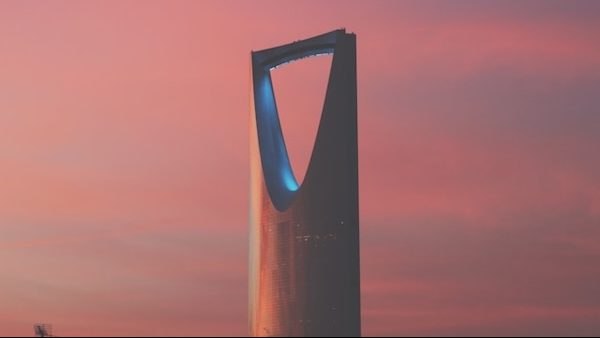
Saudi Arabia’s sweeping investment in sports and entertainment is directly tied to its Vision 2030 initiative, a comprehensive strategy to diversify the country’s economy and reduce its dependence on oil revenue.
Sports and esports are front and center in this push, seen as vehicles for soft power, tourism, and youth engagement. Beyond international perception, the focus is domestic: building arenas, attracting events, and creating jobs across media, infrastructure, and tech.
By acquiring global sports properties and locking in high-profile partnerships, Saudi Arabia is securing both economic return and cultural influence in sectors that increasingly shape global conversation.
The Scope of Saudi Investment in Traditional Sports Properties
Saudi Arabia has dramatically expanded its presence in global sports through the PIF, which now holds assets estimated at over $925 billion. One of its most high-profile moves came with the launch of LIV Golf in 2022, which has received nearly $5 billion in funding and disrupted the global golf ecosystem, eventually leading to a merger with the PGA Tour.
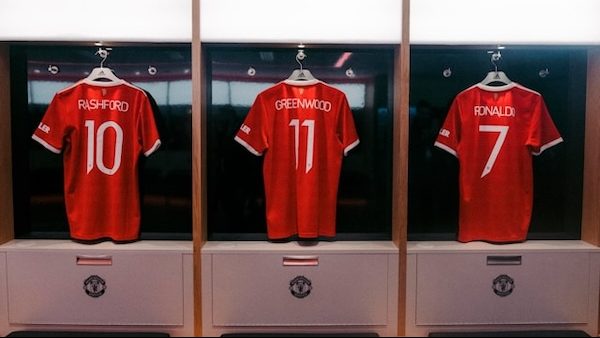
In soccer, the Saudi Pro League has invested heavily in international talent, signing stars like Cristiano Ronaldo to contracts reportedly worth up to $200 million annually. The PIF has also taken majority control of four domestic clubs and is backing the country’s efforts to host global events like the 2034 FIFA World Cup.
Additional investments have gone toward hosting major events in Formula 1 and heavyweight boxing, including title fights featuring Tyson Fury and Anthony Joshua.
The Esports Expansion
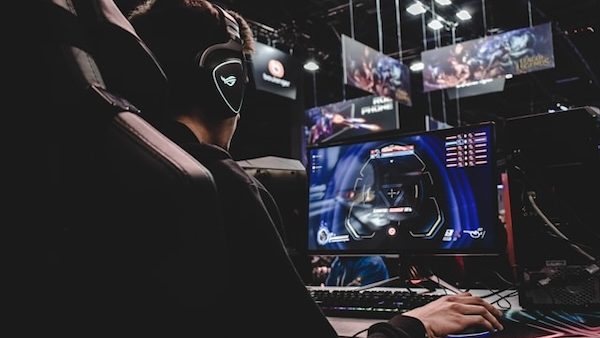
Saudi Arabia has also made substantial inroads in esports, aligning with national goals to grow its digital sector and connect with younger audiences. In 2022, the PIF launched Savvy Games Group and pledged $38 billion toward gaming and esports. Key acquisitions like ESL and FACEIT, which merged into ESL FACEIT Group, help position the Kingdom as a rising force in global competitive gaming.
In 2023, Savvy Games also expanded into mobile gaming with its $4.9 billion acquisition of Scopely, one of the largest deals in the sector’s history. The Kingdom has become an active host of global esports events, with the Gamers8 festival in Riyadh offering a record-setting $45 million prize pool in 2023 and drawing top-tier teams and fans worldwide.
These efforts are anchored in Saudi Arabia’s National Gaming and Esports Strategy, which forms part of its broader Vision 2030 framework and aims to generate 39,000 jobs in the esports sector by the end of the decade.
With over 3 billion active video game players worldwide, the gaming industry continues to grow at a breathtaking pace. Saudi investment in esports seeks to capitalize off of this trend.
Criticism and the “Sportswashing” Debate
Despite its economic ambition, Saudi Arabia’s surge in global sports investment has drawn sustained criticism from human rights groups and media organizations who argue the efforts represent a form of “sportswashing”: using high-profile events to distract from its poor record on free speech, gender equality, and press freedom.
The murder of journalist Jamal Khashoggi and the imprisonment of dissenters remain prominent concerns for critics of Saudi policy. Organizations such as Amnesty International and Human Rights Watch have warned that major sports tournaments and celebrity endorsements risk obscuring these issues.
Some athletes, such as Tiger Woods and Phil Mickelson, have faced scrutiny over their involvement with LIV Golf, while brands and broadcasters working with Saudi-backed entities must navigate the reputational risks associated with aligning with an authoritarian state.
As these investments grow, the global sports community continues to grapple with ethical questions surrounding legitimacy, complicity, and the appropriate boundaries of partnership.
Influence vs. Ideology
Despite criticism, Saudi investment has already reshaped key areas of global sports and esports. For many organizations like the PGA Tour and Gamers8, the scale and stability it offers outweigh ideological concerns—especially in fast-growing, underfunded sectors. With deep financial resources and defined national goals, Saudi Arabia shows no sign of slowing down.
The confirmed 2034 FIFA World Cup will mark a major milestone for the Kingdom, providing a global stage to showcase its transformation. Continued acquisitions and world-class events such as Gamers8 are likely to deepen its influence in esports.
At the same time, scrutiny over Saudi Arabia’s human rights record has raised concerns. Human Rights Watch calls its strategy “an effort to sportswash its appalling human rights record,” while other critics cite ongoing restrictions on free expression.
Saudi officials, however, position sports investment as a pillar of transformation. “We are delivering a future that is brighter for our youth,” said Sports Minister Prince Abdulaziz bin Turki Al-Faisal. That tension between ethics and opportunity is likely to shape the Kingdom’s next chapter.
In the coming years, how that tension plays out will ultimately determine Saudi Arabia’s future on the global sporting stage.