
The world’s most thrilling soccer tournament returns to U.S. soil in 2026 for the first time since 1994. But following a series of unfortunate events at the recent Copa America, the anticipated FIFA World Cup does not come without controversy. Established in 1930, the tournament spans nearly 6 weeks of intense competition between the most talented players from the largest nations in the world. The Federation Internationale de Football (FIFA), the sport’s global governing body, is tasked with setting the rules, establishing standards, organizing tournaments, managing transfers, and promoting the sport.
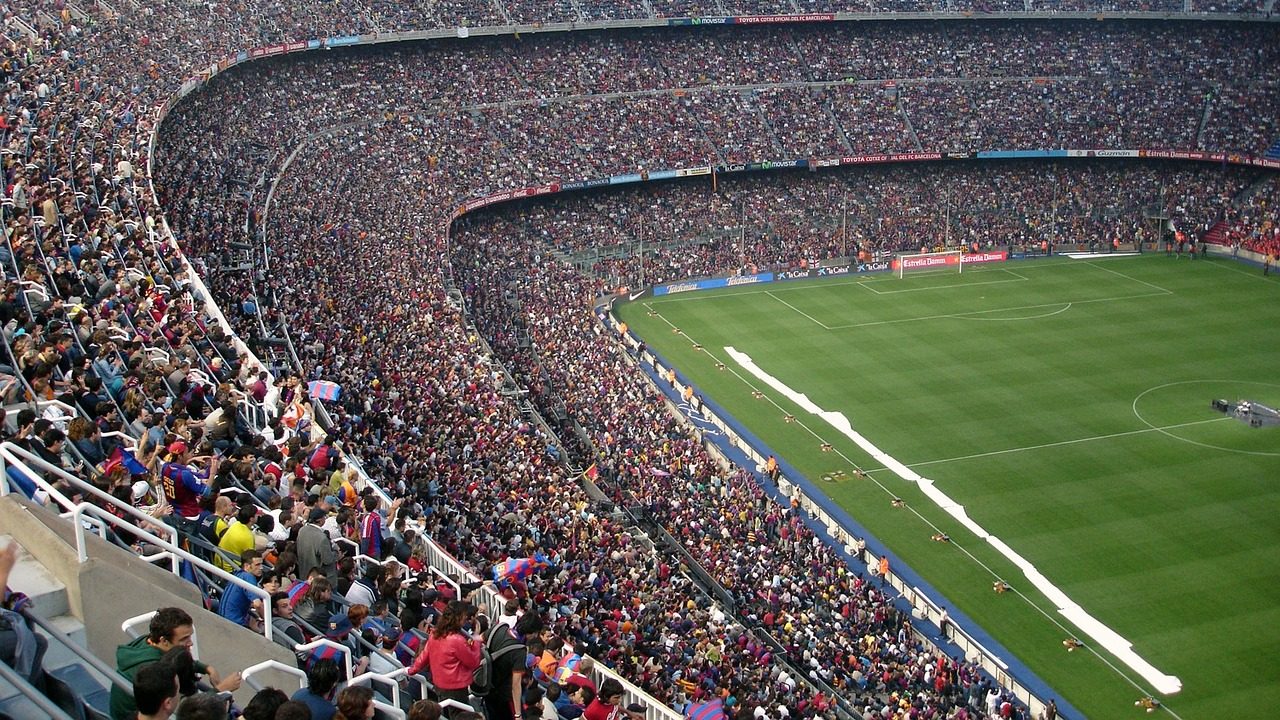
The 2026 World Cup will be hosted across 16 cities in North America, with most matches taking place in the United States. Iconic venues like MetLife Stadium, AT&T Stadium, Arrowhead Stadium, and SoFi Stadium—each with a capacity of around 80,000—will be key locations. These same stadiums recently hosted the Copa America, where security issues, safety concerns, and fan violence were prevalent. While the Copa America showcased remarkable matches, it was also marred by poor field conditions, oppressive heat, and sky-high ticket prices that left many seats empty. These challenges set the stage for what promises to be a complex and intriguing World Cup in two years.

Ensuring Fan and Player Safety
Following the Copa America, the fan experience in 2026 is poised for significant changes. Heightened security measures will be implemented to address the issues that millions witnessed on television. During a semifinal match between Uruguay and Colombia, Uruguayan players rushed into the stands to protect their families from violent behavior, triggering a brawl between players and fans that took nearly ten minutes for police to control. Additionally, pitch invasions were a frequent occurrence throughout the tournament, raising further concerns for the World Cup. FIFA will conduct a thorough review of these security failures and strategize to ensure a better execution for the upcoming event.
Beyond security concerns, the NFL stadiums used for these games and the upcoming World Cup are not ideally suited for soccer. Most venues could only accommodate a 100m by 64m field, falling short of the World Cup’s minimum requirement of 105m by 68m. Players and coaches also reported uneven field conditions. The grass used across the U.S. involved a special technology where seeds are placed on a bed of plastic to ensure uniform growth. Although these platforms were chosen for their ease of transportation and installation, each stadium applied different treatment methods during the tournament, leading to inconsistent results. This was due to varying weather and construction conditions. To address these issues, FIFA plans to launch a research and development project aimed at achieving optimal field conditions for the 48-team World Cup in two years.

Referee Controversy
One of the most significant controversies during the tournament, especially for American fans, centered around the officiating. In the United States’ crucial match against Uruguay, referee Kevin Ortega’s decisions came under intense scrutiny. Ortega, who has a history of questionable calls, was inexplicably chosen to officiate one of Copa America’s most critical games. Notably, he once took a bribe and awarded a controversial game-winning penalty. To make matters worse, after millions tuned in to watch, Ortega refused to shake the hand of the U.S. captain, sparking nationwide outrage. In a tournament meant to promote soccer in America, such incidents undermined its integrity. As FIFA prepares to bring the world’s best players to America, it will undoubtedly learn from these officiating issues to ensure a smoother World Cup experience.
Bad Behavior and Stadium Mismanagement
One question at the forefront of the World Cup controversy is how FIFA can control the fan experience on U.S. soil. During the Copa America final in Miami, the excitement surrounding Argentina and Colombia’s match-up quickly descended into chaos. The game was delayed for over an hour as fans threw rocks and debris at gate officials, forcing them to close all entrances and call in armed SWAT patrols. Thousands of people without tickets pushed past security, leading to nearly 7,000 unauthorized entries. Meanwhile, legitimate ticket holders, who had spent thousands of dollars, were left stranded outside. With the heat index around 90 degrees, people were fainting, and their families were desperately seeking help. Videos even showed fans attempting to climb a canopy to gain entry, only to fall to the ground.
In the aftermath, tournament organizers and venue authorities began pointing fingers, blaming each other for the chaos. With the United States set to host the World Cup in less than two years, this incident highlights the urgent need for effective crowd control measures. While FIFA will undoubtedly play a role in developing strategies to manage such extreme crowds, the question remains: Is the U.S. truly ready to host the World Cup in 2026 after this Copa America disaster?
Future Implications for Fans, Sponsors, and the Sport
The lead-up to the World Cup carries significant implications for both fans and sponsors. Fans expect thrilling matches in a safe and enjoyable environment, making it crucial for FIFA and organizers to rebuild trust with stringent security measures. Addressing concerns about ticket prices and availability is also essential to avoid empty stadiums. Some fans, disheartened by recent incidents, are already considering watching from home instead of attending in person.
For sponsors, the World Cup presents massive opportunities to reach billions of viewers, but they need assurance that the event will run smoothly. Clear communication from FIFA and local organizers about safety measures can enhance brand reputation and elevate soccer’s profile in the U.S., turning a challenging situation into an opportunity for long-term growth and fan engagement.
Sources:
- https://www.insidehook.com/sports/copa-america-chaos-isnt-ready-world-cup
- https://huddleup.substack.com/p/disastrous-copa-america-final-has
- https://www.espn.com/soccer/story/_/id/40562604/copa-america-2024-review-controversies-surprises-analysis-reaction
- https://frontofficesports.com/copa-america-fallout-greater-logistical-challenges-await-2026-world-cup/
- https://www.sportsbusinessjournal.com/Articles/2024/07/15/copa-america-final-world-cup-test-run
- https://www.espn.com/soccer/story/_/id/40548890/uruguay-marcelo-bielsa-copa-america-2024-organizers-usa-players
- https://www.espn.com/soccer/story/_/id/40491687/copa-america-poor-pitch-conditions-united-states-2026-world-cup