
Social media has become central to how people consume information, and sports are no exception. Instead of sitting down to watch a full game, fans can now catch the most exciting moments in short form content delivered straight to their phones.
These bite-sized highlights package the best plays into quick, shareable content that spreads fast. The shift is changing how athletes, leagues, and sponsors think about marketing, fan engagement, and the overall viewing experience.
Quick Highlights:
- In a 2021 survey, 58% of MLB fans, 54% of NBA fans, and 48% of NFL fans aged 18–34 said they prefer highlights over full games.
- 43% of young adult sports fans follow their favorite league on social media.
- In 2025, the average social media video length has dropped 13%.
- The WNBA saw a 470% jump in average engagement per post from 2023 to 2024.
- In the first half of 2025, vertical video formats (Reels, TikToks, etc.) made up 63% of all content — an 87.5% year-over-year increase.
How Short-Form Content and Social Media Link
The rise of platforms like TikTok and Instagram has changed how quickly information spreads and how people consume it. Instead of long-form content, audiences are now primed to receive and prefer shorter bursts of media.
Easily accessible technology has accelerated this shift, especially among younger generations. A Microsoft study found the average attention span has dropped to less than nine seconds… even shorter than a goldfish’s.
With most sporting events lasting hours, it’s no surprise fans are leaning toward highlights that match this shorter focus. In January 2025, a clip of NBA star Ja Morant dunking over Victor Wembanyama went viral with over 11 million views, despite the play being called off. For fans, every big moment — even those that don’t count — is still worth watching.
The NBA: A Highlights League
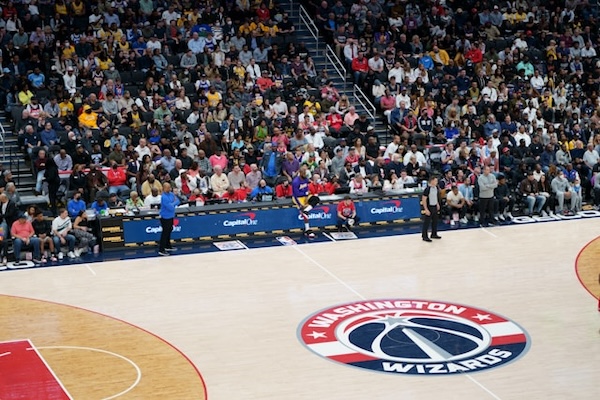
A recent example of short-form highlights shaping sports comes from NBA commissioner Adam Silver. At a September 16 press conference, Silver drew backlash after saying that “there’s a huge amount of our content that people essentially consume for free. [The NBA] is very much a highlights-based sport.”
In 2025, the NBA’s average audience was 1.04 million — a 5% year-over-year drop from the 2023–24 season. Many fans criticized Silver for promoting highlights over live broadcasts.
Still, Silver may have a point. Billionaire Mark Cuban defended him, arguing that while the wording could have been better, Silver is one of the few executives acting in fans’ best interests.
For all the pushback, short-form highlights could end up being a long-term advantage for the NBA.

Are Highlights Impacting Fan Engagement?
While live broadcasts are seeing declines, highlights are driving a surge in fan interactions. During the 2022–23 season, NBA social accounts generated 32 billion views with an increase of over 10% year over year. By posting highlights openly on social media, leagues make it easier for casual fans to connect with teams and players.
Highlights also serve as a powerful promotional tool. A recent study found that 64% of sports fans engage with teams or athletes on social platforms, giving organizations a way to spotlight upcoming events or showcase rising talent.
In short, even as live viewership dips, highlights are proving to be one of the strongest tools for keeping fans more connected and more engaged than ever.
A Rise in Athlete Recognition
It takes one piece of short-form content for an athlete’s brand to instantly boom. In the first half of 2025, 3.5 million highlights were published in real time, up 19% from 2024.
One example came during a recent WNBA game, when Indiana Fever’s Sophie Cunningham defended teammate Caitlin Clark after a hard foul. A clip of the exchange went viral that same night, and Cunningham’s following skyrocketed. Before the video, she had around 200K followers on TikTok and 350K on Instagram.
Today, those numbers have grown to 1.6 million on TikTok and 1.3 million on Instagram. This kind of visibility not only builds personal brands for established athletes, but also gives amateurs a chance to showcase their ability and get noticed by high-level organizations.
The Shift in Sponsorship
Brands have noticed a substantial increase in short-form content viewership, and it is changing the way they sponsor sports.
Daniel Kirschner, Co-Founder and CEO of Greenfly, explained that “short-form content is now a primary way fans engage with sports, and rights holders must tap into its media and sponsorship value.”
To reach younger demographics, brands are leaning on social media instead of traditional signage. Rights deals tied to short-form content are delivering unprecedented returns, while billboards and static ads lose relevance.
The sports sponsorship market is projected to hit over $55 billion in 2025, an 8% increase from 2024. With short-form content now central to sports marketing, that growth should not come as a surprise.
Continued Growth and Relevance
The rise of short-form content shows no signs of slowing down. Instagram Reels, launched only four years ago, now draws more than 2 billion people to its short-form videos.
Sports highlights will remain a key driver of this growth. For athletes, leagues, and sponsors, short-form content has become an effective way to reach fans and strengthen engagement across platforms.
Certain sports may lean into this trend more than others. Motorsports and lacrosse, for example, are well positioned to benefit from a highlight-driven approach. Fans can expect to see athletes in these spaces, like Chandler Smith and Marcus Holman, appearing more frequently in their feeds.