
Formula 1 has officially rewritten the playbook on urban transformation.
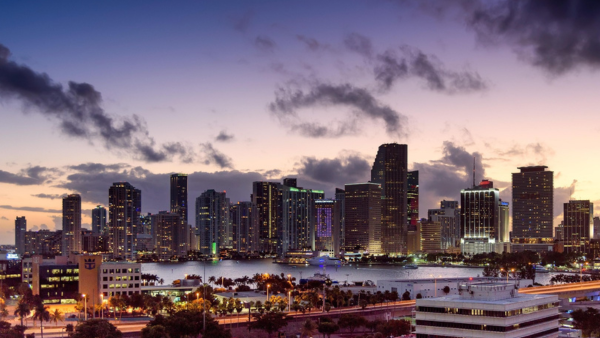
While the “F1 effect” has already turned global hubs like Las Vegas and Miami into neon-lit sports spectacles, the real story is beginning to unfold elsewhere. Formula 1 proved that a single, high-octane sporting event can do more than just fill hotel rooms. It can fundamentally shift a city’s economic trajectory and global brand identity.
But as the dust settles on the Vegas Strip, the focus is shifting.
We are entering an era where mid-sized cities are no longer content being “flyover” territory. Instead, they are betting on sports to facilitate a total rebrand. The question is: which secondary cities are poised to become the next Las Vegas?
Quick Highlights
- Las Vegas reportedly saw a total economic impact of nearly $1.5 billion from its inaugural Grand Prix, a figure that has secondary markets racing to replicate the model.
- Major sport events act as a “billboard” for a city, increasing brand sentiment and attracting future corporate investment far beyond the event weekend.
- Cities like Nashville and Austin have utilized sports tourism to fund massive urban development and transit improvements.
- Experience-based travelers are prioritizing “bucket list” sport events, with sports now accounting for 10% of global tourism spending. In 2023 alone, global sport tourism amassed over $560 billion with projections of that value being close to $1.3 trillion by 2032.
- A single event can move a city from a “regional market” to a “global destination” in the eyes of international media and sponsors.
The Urban Planning of Fandom
In the past, stadium construction was often isolated, a concrete island surrounded by parking lots. Today, the “F1 Effect” has taught secondary cities that the city is the venue. Urban planning is now being viewed through the lens of fandom.
Mid-sized cities are increasingly investing in “Sports Districts,”. These are mixed-used developments that blend arenas with retail, residential and tech hubs. This strategy isn’t just about the three-hour game window. It’s about creating a 365-day ecosystem.
Major cities and sport franchises like the Dallas Cowboys and Atlanta Braves have already capitalized on this concept, with the Star District in Frisco, TX and The Battery in Atlanta, Georgia. When a city like Nashville invests in its stadium district, it isn’t just for the fans. It’s a long-term play to lure permanent residents and corporate headquarters.
The Mid-Market Blueprint: Who is the Next Vegas?
Beyond traditional, primary markets like Dallas and Atlanta, several smaller cities are leading the charge in their new era of sports-driven rebranding.
Oklahoma City is perhaps the most aggressive example of a mid-sized market doubling down on its “Global City” aspirations. In March 2026, the city broke ground on the Continental Coliseum, a $990 million, 750,000 square foot arena designed to anchor a new modern downtown. This project most notably includes “Thunder Alley,” a massive fan activation zone designed to foster a street-level energy that mirrors the spectacle of major European or F1 circuits.
Jacksonville is currently executing a $1.4 billion transformation of its riverfront, anchored by what they’ve branded as the Stadium of the Future. The project includes a 30-year commitment to community growth, featuring nature parks, immersive in-bowl technology and scenic lookout decks.
Adjacent developments like the Four Seasons Hotel and Private Residences signal that Jacksonville is specifically targeting the high networth “experience traveler” that F1 made famous in Miami.
Indianapolis is leveraging the domestic growth of soccer to rebrand its southwest downtown quadrant. The Eleven Park development, a $1 billion mixed-use district centers on a 20,000 seat soccer-specific stadium. The project includes a four-acre plaza for community gatherings, an indoor concert venue and significant residential and office space. This aims to create a self-contained ecosystem that mimics the live-work-play districts of much larger global markets.
The Live-Work-Play Multiplier: Beyond the Visitor Economy
The long-term success of these secondary cities depends on their ability to convert a one-time sports tourist into a permanent resident or corporate stakeholder. We are seeing a shift where sports infrastructure is no longer treated as a weekend luxury but as a core utility for talent recruitment.
Mid-sized cities are using their sports identities to signal a high quality of life. They are recruiting the creative class and pitching to tech workers and entrepreneurs who want to live in a “global destination” without the cost of living hurdles that an alpha city might have.
Districts like the Continental Coliseum or Eleven Park are becoming laboratories for smart-city technology, piloting connectivity, biometric access and autonomous shuttles that eventually benefit the everyday consumer.
Successfully managing the logistical complexity of a major event proves a city has the infrastructure and governance to support a corporate headquarters in relocation. We saw this with the halo effect in Frisco, TX, where the Star District became a magnet for firms looking to align with the prestige of athletics.
By integrating sports into the fabric of urban life, these cities ensure that the ROI of their multi-billion dollar bets is measured in decades of population growth, not just days of event revenue.
The Experience-Based Traveler
Building a world-class sports district is only half the battle. The real ROI of these multi-billion dollar developments lies in their ability to solve the 365 day problem, ensuring a city remains a destination even when the stadium lights are off.
As cities like Oklahoma City and Jacksonville invest in the urban planning of fandom, they are specifically designing for a new archetype: the experience-based traveler. This demographic doesn’t just attend a game; they consume the entire city as a curated, immersive ecosystem. To understand why mid-sized cities are winning, we have to look at the shifting psychology of the modern fan.
Today, the modern traveler no longer settles for a standard hotel stay; the value of sports tourism rests in being redefined by experience.
Secondary cities have a unique advantage here: local flavor. While Las Vegas offers a curated spectacle, cities like Austin or Charlotte offer an authentic cultural immersion that the experience-based traveler craves. These cities are leveraging sports to showcase their culinary scenes, music and luxury hospitality, tapping into a demographic that views sports as the catalyst for a broader cultural exploration.
Media, Branding and Identity
Recognition in the modern sports landscape is shaped by visibility. For a secondary city, hosting a major event is a fast track to institutional legitimacy.
Formula 1 provides a masterclass in this: the global broadcast reach of a single race can put a mid-sized city in front of hundreds of millions of viewers. This media exposure allows a city to shed an outdated industrial image and emerge as a vibrant, tech-forward hub. In the same way that NIL monetization has changed the game for collegiate athletes, sports tourism allows a city to monetize its own Name, Image and Likeness on a global scale.
Free-to-air and streaming coverage significantly increase brand sentiment, which directly correlates to future tourism by highlighting a locality’s unique attractions to international audiences. By the time a broadcast ends, the city has transitioned from a dot on a map to a high-value asset in the eyes of international sponsors and corporate relocations.
The Opportunities Ahead
The blueprint is clear. The cities that will win the next decade are those that view sports as an anchor for broader, year-round economic development rather than a weekend-only revenue spike.
We are moving into the age of expansions, where the physical spaces of sports stadiums and arenas are evolving into community-centric hubs that drive value beyond gameday.
We are seeing a massive opportunities in three specific areas:
Beyond the big four, secondary cities are becoming hubs for burgeoning pro league movements. Major league Pickleball (MLP) for example, is utilizing cities like Columbus, Grand Rapids and Austin as key team hubs and tournament sites. They are tapping into a younger, creator-driven demographic that traditional sports often miss.
There is also a growing gap for brand partnerships to bridge local infrastructure and global audiences through Agentic AI and personalized fan engagement. Secondary cities that embed high-tech workflows into their new stadium districts, such as Jacksonville’s Stadium of the Future, create a competitive edge that lures tech-focused corporate headquarters.
Lastly, recent data shows that 82% of sports travelers explore destinations beyond the host city. This creates an opportunity for regional fan zones, like Washington state’s plan for nine district zones for the 2026 World Cup, distributing economic impact across an entire state rather than just a single downtown core.
Whether it’s a Tier-1 soccer friendly, a specialized racing circuit, or a growing niche sport hub, the barriers to entry for “Global City” status are lower than ever for those willing to invest in the scoreboard.
Redefining the Map
We are witnessing a literal remapping of the tourism industry. The “F1 Effect” has proven that geography is no longer destiny; instead, a city’s relevance is now determined by its ability to curate world-class, high-stakes environments that blur the line between a “mid-sized market” and a “global destination.”
This shift represents a structural change in how urban centers compete for human capital, as investments like the Stadium of the Future or Continental Coliseum serve as a “seat at the table” of international relevance. By building these ecosystems, cities signal to the world that they possess the vision and local flavor to host the next generation of global nomads.
For the sports industry, the implications are massive. We are moving away from a world where alpha cities hold a monopoly on major events. The democratization of sport tourism means that any city with a strategic urban plan and a commitment to the 365 day ecosystem can become a powerhouse. The finish line for these cities is no longer just the end of a successful event, it’s the start of a completely new identity.
The map of the world’s most influential cities is being redrawn in real-time, and sports are the ink. As we look toward the next decade of development, one thing is certain: the cities that viewed themselves as “secondary” are the ones currently making the primary moves.
FAQ:
- What exactly is the “F1 Effect” on secondary cities? The “F1 Effect” refers to the transformative economic and cultural shift that occurs when a high-profile sporting event is used as a catalyst for urban rebranding. It goes beyond temporary tourism, fundamentally changing a city’s global brand identity and its ability to attract long-term corporate investment.
- Why are mid-sized cities prioritizing sports districts over traditional stadiums? Unlike traditional stadiums that often sit isolated in parking lots, modern sports districts are mixed-used developments designed to be 365-day ecosystems. By blending arenas with residential, retail and tech hubs, cities ensure a continuous return on investment that lures permanent residents rather than just weekend visitors.
- How does hosting a major event help a city recruit the “creative class?” Mid-sized cities use their sports identities to signal a high quality of life and global relevance. By proving they can host world-class events, these cities pitch themselves to entrepreneurs and tech workers as global destinations that offer elite amenities without the high-cost burdens found in major cities.
- Can sports tourism actually fund long-term infrastructure improvements? Yes. cities like Nashville and Austin have successfully leveraged the revenue and visibility from sports tourism to fund massive urban developments and transit improvements. These projects often pilot smart-city technologies that eventually become central utilities for the general public.
- What is the 365-day problem in sports tourism? The 365-day problem is the challenge of keeping a sports-centric area vibrant and profitable when no games or events are scheduled. Secondary cities solve this by designing immersive ecosystems, featuring culinary scenes and luxury hospitality that appeal to the experience-based traveler year-round.