
When we talk about brand partnerships in sports, the conversation usually centers on what brands get out of the deal— exposure, cultural relevance, maybe a boost in sales. But here’s what we’re missing: the best partnerships don’t just benefit the sponsor. They fundamentally transform the sports property itself.
The most successful collaborations go far beyond writing a check and slapping a logo on a jersey. They turn teams, leagues, and events into cultural phenomena that transcend sports entirely, breaking into fashion, music, technology, and art in ways that seemed impossible just a few years ago.
Quick Highlights:
- PSG x Jordan Brand elevated the club into a global fashion icon, selling over 1 million jerseys and driving commercial revenue over $450 million.
- Formula 1 and LVMH inked a 10-year, $1 billion partnership set to redefine F1 as a luxury lifestyle brand, attracting younger and more diverse audiences.
- Como 1907 x Uber’s multi-year partnership signals the club’s ambition to build international credibility and align with a globally recognized brand.
PSG x Jordan Brand: When Football Meets Streetwear Culture
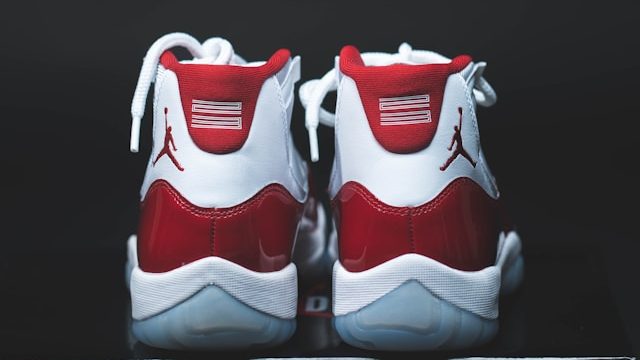
Let’s start with what one of the most game-changing brand partnerships in modern sports marketing: Paris Saint-Germain and Jordan Brand. PSG had been with Nike since 1989, but everything changed when they launched their Jordan collaboration in 2018.
Before Qatar Sports Investments acquired PSG in 2011, the club was barely a blip on the international radar. But instead of just throwing money at big-name players, PSG’s leadership took a different approach. They positioned the club as more than a football team; they made it a lifestyle brand that embodied Parisian culture, complete with streetwear aesthetics, music collaborations, and high-fashion sensibilities.
The results speak for themselves: PSG sold over 1 million Jordan-branded jerseys in the first year alone, suddenly attracting a younger, style-conscious audience across the U.S. and Asia who might never have cared about Ligue 1 football.
The numbers tell the story of this transformation:
- In 2017-18, PSG’s revenue was around $544 million.
- By 2023-24, they’d crossed $907 million, making them the third highest-earning football club globally.
- Their commercial revenue jumped from $337 million in 2016 to over $453 million by 2023.
- Their current Nike deal is worth $90 million annually through 2032, now one of the most lucrative in football.
- The club has over 160 million followers on social media, ranked 4th most of all football clubs in the world.
What started as a three-year partnership became a cultural phenomenon that redefined what a football club could be.
Formula One x LVMH: Racing Meets Luxury
Formula One’s 2025 partnership with LVMH represents another seismic shift in sports branding. This 10-year, $1 billion agreement aims to completely reimagine how fashion and luxury influence F1’s cultural identity.
While F1 had always flirted with luxury through partnerships like Rolex, the LVMH deal brings brands like Louis Vuitton, TAG Heuer, and Moët & Chandon into every aspect of race weekends. We’re talking bespoke trophy trunks, luxury champagne celebrations, and limited-edition timepieces that turn each Grand Prix into a premium lifestyle experience.
This strategy aligns perfectly with F1’s broader ambitions. The sport has successfully attracted celebrities, fashion icons, and lifestyle media coverage, especially at glamorous venues like Monaco and Miami. Today, over 40% of F1’s global audience is under 35, with a rapidly growing female fanbase, demographics that traditional motorsports struggled to reach for decades.

Como 1907 x Uber: The Underdog’s Bold Play
At first glance, Como 1907’s jersey sponsorship with Uber might seem like an odd choice, especially given that Uber’s ride-hailing services are technically restricted in Italy. But the move reflects a smart, forward-thinking strategy.
Newly promoted to Serie A after 21 years, Como isn’t trying to match legacy clubs like Juventus or AC Milan on traditional football terms. Backed by the Indonesian Djarum Group, with Cesc Fàbregas as minority owner and head coach and Thierry Henry as a shareholder, the club is building something more ambitious. Como is positioning itself as a global lifestyle brand.
With its lakeside stadium and postcard-worthy setting in Lombardia, Como has leaned into its unique identity. The Uber partnership signals international intent, offering global recognition and brand alignment well beyond Italian borders.
The club has doubled down on this vision by partnering with L.A.-based luxury fashion label Rhude. In October 2024, Rhude founder Rhuigi Villaseñor was named Como’s Chief Brand Officer, tasked with overseeing creative direction and brand strategy across lifestyle and consumer ventures. The goal: elevate Como from provincial team to cultural icon.
The strategy is working. By the end of the 2024–25 Serie A season, Como ranked 9th in the league for Instagram followers (750,000)—despite being its newest club. Their focus on fashion, culture, and hospitality is clearly resonating, particularly with American fans looking for something beyond the usual football giants.

The Future of Sports Partnerships
These examples point to a fundamental shift in how we should think about sports sponsorships. The most successful partnerships create mutual value benefiting the brand while also elevating the sports property into entirely new cultural territories.
At Athelo Group, we see this firsthand. Whether it’s pairing an adaptive athlete with a healthcare brand or aligning a lifestyle-focused lacrosse player with a fashion-forward supplement company, our goal is to build partnerships that support the athlete’s image and community.
When executed thoughtfully, these collaborations can dramatically increase a property’s revenue, relevance, and cultural footprint. More importantly, they help sports properties tap into markets and communities they never could have reached through traditional means.
The lesson for sports properties is clear: stop thinking of sponsorships as just revenue streams. Start thinking of them as opportunities to redefine who you are and who you can become.