
In August, the first U.S. Women’s National Sled Hockey Team competed in Slovakia at the inaugural Para Ice Hockey Women’s World Championship.
Sled hockey is part of a growing adaptive sports movement, combining the intensity and physicality of traditional hockey with the accessibility of adaptive play. Adaptive sports include competitive and recreational activities designed for individuals with physical or cognitive disabilities.
As adaptive sports athletes step into the spotlight, they embody resilience, authenticity, and empowerment. Forward-thinking brands are recognizing the partnership potential, bringing genuine storytelling to their marketing and pushing adaptive sports from niche to mainstream coverage.
Quick Highlights
- Nearly 1 in 4 Americans live with a disability, yet they lack authentic representation in the media.
- The global adaptive sports market was valued at $5 billion in 2024 and is projected to reach almost $11 billion by 2032.
- The Paris 2024 Paralympic Games broke every broadcasting record with live audiences up 40% from Tokyo 2020 and 117% compared to Rio 2016.
- For the first time, all 22 Paralympic sports were broadcast at the Paris 2024 Games. Para powerlifting and Para rowing doubled their audience numbers compared to Tokyo.
- The inaugural Para Ice Hockey Women’s World Championship took place this year, marking another major step toward Paralympic inclusion by 2030.
Brands for Adaptive Sports
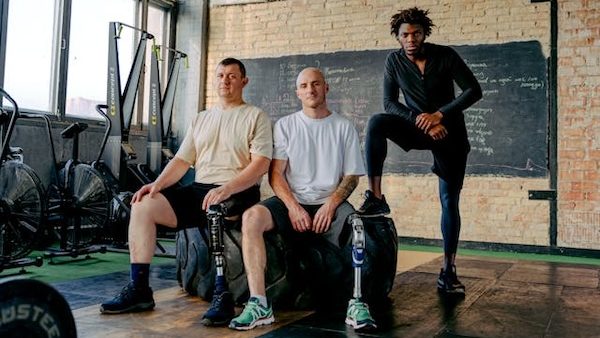
The growth of adaptive sports is fueled by athletes who raise awareness while building powerful personal brands.
Paralympic track athlete Hunter Woodhall, for example, lost his legs due to a congenital birth defect. Despite this tragedy, he’s dominated the adaptive sports space and cultivated a strong social media following in the process.
Woodhall shares authentic moments with his 3M TikTok followers, from his wedding day to his breakfast and race days. His high engagement and inspirational story make him a natural partner for brands like Lululemon.
With nearly 1 in 4 Americans living with a disability, brands that partner with adaptive athletes tap into a highly engaged audience while advancing authentic representation.
Adidas innovation director Emily Jagos calls it “a huge opportunity,” pointing to the community’s significant purchasing power. Adidas’s investment in adaptive sports innovation underscores the commercial potential for companies willing to embrace this space.
A Valuable Asset: Compelling Storytelling
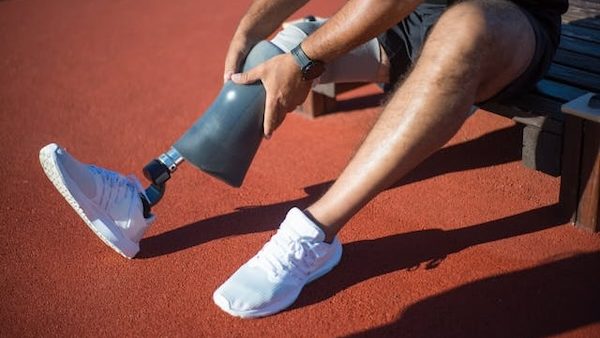
Adaptive athletes hold a unique power in marketing and advertising: their ability to deliver authentic storytelling. Long overlooked and underrepresented in mainstream media, they now have a platform to share their stories of perseverance and excellence.
This past summer, Paralympic champion Ezra Frech debuted his docuseries Adaptive on Peacock, serving as executive producer for the behind-the-scenes series that follows several U.S. Paralympians.
Frech, who competes in sprinting, long jump, and high jump, told interviewers: “The way ‘Adaptive’ portrays me is a hyper-obsessive, competitive kid who will stop at nothing that’s in front of him to get to his goals.”
Unique narratives like Frech’s fuel performance and inspire audiences to rise stronger after setbacks. In sports marketing, this is what brands love to capture. Campaigns featuring adaptive athletes often move beyond endorsements to bridge the gap between brand messaging and consumer relatability.
The Role of Adaptive Athletes
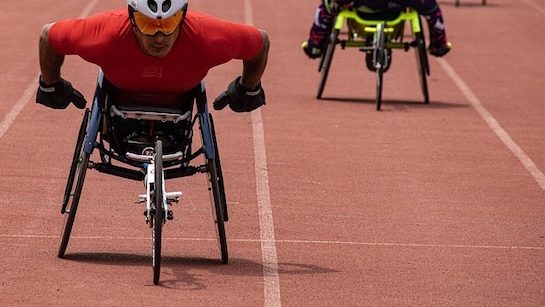
Adaptive athletes are leading the way in popularizing their sports, and brands are increasingly turning to them as campaign leaders. Partnerships have raised awareness and transformed the adaptive sports world, with the Paris 2024 Paralympic Games breaking every broadcasting record.
Athelo Group’s own Amy Bream and Chris Ruden exemplify how sponsorship can amplify reach. Chris, an adaptive weightlifter and fitness entrepreneur, has partnered with brands like Nike, RockTape, and Quest Nutrition to merge performance with advocacy for diabetes awareness and disability inclusion.
Amy, a CrossFit athlete and motivational speaker, joined forces with Under Armour in its The Only Way Is Through campaign. She has also collaborated with Reebok, showcasing how adaptive athletes can represent mainstream performance brands while challenging industry norms.
Adaptive athlete partnerships expand representation, break down stigmas, and inspire new audiences. By sharing both victories and daily challenges, adaptive athletes build authentic connections with audiences, turning relatability into influence.
Looking Ahead
As global sports events approach, adaptive athletes will play a central role in shaping inclusive marketing. Milan Cortina 2026 Winter Games and Los Angeles 2028 Summer Games will be great opportunities to see this in action.
Brands like Uber, Airbnb, and Omega have already committed as partners for upcoming Games, signaling adaptive sports’ growing appeal.
For companies, the message is clear: aligning with adaptive athletes is more than “good optics.” It’s a chance to lead in inclusivity and connect with one of the most engaged audiences in sports today.