
Recovery tools like ice baths, foam-rolling, sauna, and nutrition have always been critical to athlete performance. Top athletes know their recovery is just as important as training.
In recent years, shifting league policies and medical research have opened the door to a new recovery tool: cannabidiol, or CBD, a compound derived from the hemp plant.
Once considered taboo, CBD has entered the mainstream recovery conversation thanks to mounting evidence and athlete testimonials highlighting its effects on inflammation, pain relief, mental stress, and overall repair.
Quick Highlights
- In 2018, the World Anti-Doping Agency (WADA) removed cannabis from its banned list, opening the door for CBD-based recovery products.
- By 2024, major U.S. leagues including the NCAA, MLB, NBA, and NFL had relaxed cannabis testing or approved CBD sponsorships.
- MLB’s $30.5 million partnership with Charlotte’s Web marked the first league-wide CBD deal in professional sports.
- A 2023 study found athletes using CBD after exercise reported less soreness and discomfort, supporting what many have claimed anecdotally.
- The CBD market in sports recovery is projected to exceed $6 billion globally by 2030, driven by expanding league acceptance and athlete advocacy.
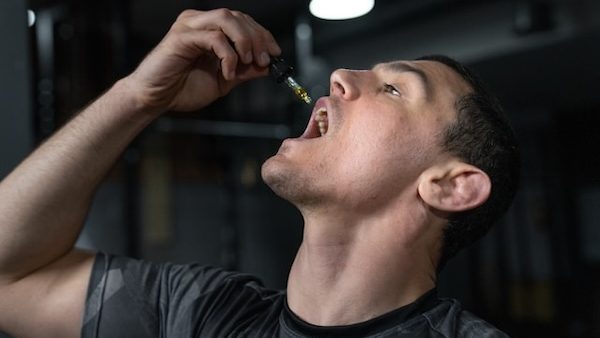
Current Policy Landscape on Cannabis
In 2018, the World Anti-Doping Agency (WADA) removed cannabis from its list of banned substances. THC and other psychoactive cannabinoids still remain prohibited. The door for cannabis-based recovery tools is narrow: any product containing even trace levels of THC risks violating anti-doping rules.
In June 2024, the NCAA Division I Council voted to remove cannabinoids from its banned substances list for championships and postseason football. Individual schools can still choose to test for THC, but the policy marks a broader shift toward acceptance. Across U.S. professional sports, no single unified policy exists, yet leagues are increasingly re-evaluating their stance on cannabis.
How Leagues Are Adapting
Major League Baseball has led the way, removing cannabis from its banned list years ago and, by 2022, allowing CBD sponsorships under strict NSF-certified standards.
That same year, MLB struck a $30.5 million multi-year deal with Charlotte’s Web, making it the official CBD brand of the league. Soon after, the Chicago Cubs partnered with MYND Drinks, and the Kansas City Royals with Pure Spectrum CBD.
Other leagues are following suit. The NBA has dropped marijuana testing entirely, the NFL no longer tests for THC, and the UFC stopped treating marijuana positives as violations. Even college programs like the USC Trojans have signed CBD sponsorships.
Across sports, the “recovery tool” narrative has become the clearest and most legitimate entry point for CBD brands.
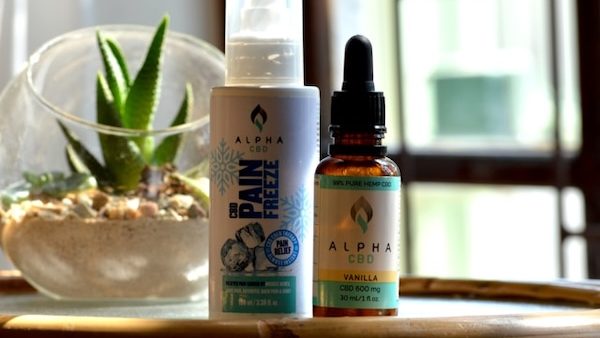
Athlete Testimony & Market Narratives
Recent studies have started exploring CBD’s role in athletic recovery. One 2023 trial found that participants who took CBD after exercise reported feeling less soreness and discomfort than those who didn’t.
While large-scale studies are still limited, the early signs point toward potential recovery benefits that athletes have long described anecdotally.
Former NHL enforcer Riley Cote called CBD a “game changer” for managing chronic pain and brain trauma after his playing career. NFL Hall of Famer Champ Bailey has said cannabis helped him avoid heavier pharmaceuticals and “just calm my mind and get through it.” Similarly, Rob Gronkowski has been vocal about using CBD for recovery, partnering with CBDMedic to develop topical pain treatments.
Sleep, pain, inflammation, stress are all among the recovery demands of athletes. Positioning cannabis as an alternative for athletes to opioids and heavy NSAID use could be an effective and realistic strategy for brands.
Limitations & Implications
Research on CBD and recovery remains limited. Most studies are small, use non-athlete samples, and don’t isolate CBD’s effects. Until larger trials emerge, CBD should be viewed as one piece of the broader recovery ecosystem alongside mobility, sleep, nutrition, and load management.
For brands, the focus should be on safety and transparency. Products must be completely free of THC, with clear compliance standards to protect both the athlete and the brand. Once that foundation is set, authentic storytelling becomes the differentiator, sharing real experiences of recovery and wellness.
CBD and recovery-focused brands are especially well aligned with high-intensity sports like football, CrossFit, soccer, and rugby. One example is Athelo Group’s own DJ Diveny, who partnered with Snapbac, a recovery apparel brand using heat and ice therapy technology to support athletic repair.
Trends & Opportunities
Any recovery tool with legitimate benefits inevitably finds its place in high-performance settings. CBD in sports isn’t a fleeting trend; it’s about extending an athlete’s ceiling and redefining sustainable performance.
As U.S. leagues continue to open up to CBD sponsorships and recognize its legitimacy, investment in the space will grow. Athelo Group is helping brands and athletes position themselves at the forefront of this movement.