
Not too long ago, the value of an athlete was measured exclusively by what they did and how they performed in their respective sport.
In today’s world of sports, athletes’ values are now measured by their brand or marketability.
NIL offers expansive opportunities to collegiate athletes, sports betting partnerships are popping up everywhere, and media deals are reaching never before seen heights. The economics of sports are evolving at a rate nobody saw coming.
It is essential for athletes, brands, and agencies to understand these trends in order to stay ahead of a very unpredictable curve.
Quick Highlights
- College athlete compensation through NIL and revenue sharing is projected to reach $2.25 billion in 2026, more than doubling the original revenue sharing number from 2021.
- Legal U.S. sportsbooks produced over 16.5 billion in revenue in 2025, a 22.5% increase from 2024, and Americans wagered over $165 billion on sports in 2025 alone.
- U.S. television and streaming companies are expected to spend $29.25 billion on sports media rights in 2026, projecting to exceed $37 billion by 2030.
- College conference media deals continue to reshape the college sports world. The Big10’s media rights are worth approximately $8.05 billion, while the SEC’s deal is worth about $7.1 billion.
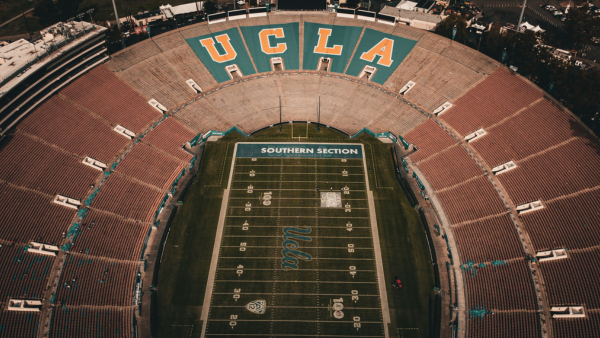
The Rise of the Athlete Entrepreneur in College Sports
Previously, college athletes had very limited opportunities to profit from the values they had helped create. The only “compensation” they were allowed to receive was through academic scholarship, academic support, and other smaller benefits from the NCAA and its rules.
The arrival of NIL in July 2021 completely changed that relationship. Athletes could now begin earning money through various endorsements, appearances, autograph signings, and many other types of monetizable business activities. Opendorse projected that total NIL in collegiate sports grew from just over $900 million in 2021 to over $1.65 billion in 2025.
NIL encourages student athletes to think beyond their performance on the field and to invest in building their personal brand. By growing an audience, launching their own brands, and partnering with sponsors, these student athletes are now able to create their own financial opportunities well before their playing days end.
A very popular example is former LSU gymnast Livvy Dunne. She was able to leverage her massive following on social media into various endorsement deals with big names brands. The success she was able to display demonstrates that in today’s NIL era, the brand of an athlete can be just as or even more valuable than their performances.
NIL Opportunities
As NIL opportunities become more complex, the shift in demand for athlete representation has become increasingly more important.
Agencies help these student athletes navigate contracts, ensure compliance within the regulations of NIL, protect the athletes intellectual property rights, and also build up their personal brands that are able to create long-term value beyond single endorsement deals.
NIL has not only added a new source of income to college sports, but it has also introduced a brand new business entity that these student athletes have the ability to take advantage of while still competing at the highest level.
The House is Winning
For decades, many professional sports leagues tried to stay away from legal wagering. Today, not only do they approve of it, they also present it to their fans and viewers routinely.
Sportsbook advertisements appear during live broadcasts. Betting lines are incorporated into studio programming. Odds makers have live segments on ESPN and other well known sports networks.
According to the American Gaming Association, sports betting in the United States reached revenues of approximately $16.96 billion in 2025. This number was up 22.8% from 2024. The total amount wagered was also north of $166 billion in 2025.
Not only does this revenue help the sportsbooks, but it also works wonders for the TV networks and leagues themselves.
This new “trend” has allowed viewership to skyrocket. Sportsbooks benefit from the extra activity, but so do media companies, advertisers, leagues, and data providers. These fans are not only watching, they are following stats, checking mobile devices/apps, consuming analysis of the sport, and chatting about any outcomes that may or may not have helped them and their pockets.
This up and coming industry is also generating revenue beyond wagers. Many state-regulated operators generated approximately $3.7 billion in sports-betting taxes in 2025.
The Battle for Live Sports
The way people consume their entertainment has changed drastically over the past decade. Streaming services have become king when it comes to movies, television, documentaries, and other on-demand content. Live sports, however, remained one of cable television’s last strongholds in the industry, until recently.
Sports are the only thing in today’s world that people want to watch as they happen live. The uncertainty of live action makes the viewer feel as if they are missing out on a monumental life moment. This scarcity makes sports one of the most valuable assets in the media world. It is estimated that U.S. television and streaming sports payments would total up to around $29.5 billion in 2025.
This number has doubled from $14.64 in 2014. The growth is undeniable.
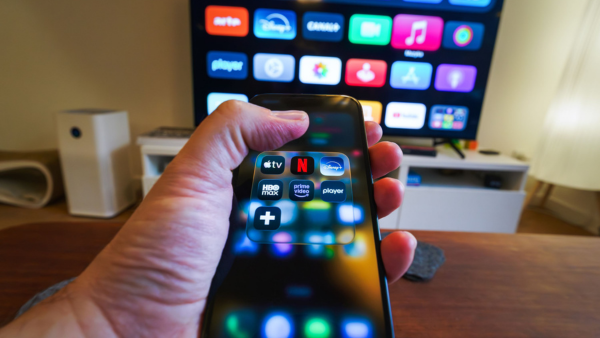
Streaming services has become increasingly aggressive when pursuing the streaming rights to all of the “Big 4” sports leagues (NFL, NBA, MLB, NHL). Streaming services have become the primary place to watch many live sporting events.
As streaming platforms such as Amazon Prime Video, Peacock, YouTube TV, Netflix, and Apple TV continue to acquire the exclusive media rights for these sports, fans need multiple subscriptions just to follow and watch their favorite teams. Not only does this attract subscribers, it retains them. By holding these games “hostage” to the viewers, it creates less subscription cancelations, generates ad revenue, and encourages the viewer to spend more time within that certain platform.
These rising rights fees are also affecting the sports economy. It allows these leagues to help support player compensation, improve league operations, upgrade facilities, and also experiment with expansion.
What the Future Holds
It is evident that the sports industry will continue to evolve as technology advances, regulations change, and new platforms challenge each other for viewership attention.
NIL has allowed student athletes to obtain greater control over their various identities. The sports betting world has become a major revenue engine and has changed the way people engage with sports. The competition in media rights has turned live sports into one of the most prized possessions in the entertainment industry.
On the outside, they seem like simple changes. However, athletes are now forced to think like entrepreneurs. Brands are now creating and maintaining very authentic connections with consumers. Agencies are helping talent to build value that goes well beyond a single season or career.
The new economy of sports is not just about the total amount of money entering the industry. It reverts back to who can and will create value, who is able to get firm control of that value, and how these athletes, brands, leagues and media platforms will come together and share this revenue year over year.
FAQ:
- What is NIL? NIL stands for Name, Image, and Likeness. This allows student athletes the ability to earn money from sponsorships, endorsements, social media, and other opportunities that present themselves.
- When was sports betting legalized in the U.S.? Sports betting was legalized in 2018. This was done after the Supreme Court demolished the Professional and Amateur Sports Protection Act.
- Why are media rights becoming more valuable? Media rights have become more valuable because streaming services and traditional broadcasts are in constant competition for live sports due to the audience they attract. When one out bids the other, the price continues to surge up.
- How do these trends benefit athletes? Athletes nowadays at all levels have more opportunity to earn income beyond their salaries or prize money.