
If the first half of 2026 has proven anything, it’s that sports marketing is evolving faster than ever.
The relationship between athletes, brands, and fans continues to shift as technology changes how content is created, consumed, and monetized. Traditional sponsorships are no longer enough on their own. The brands seeing the greatest success are adapting to how modern fans actually engage with sports.
From creator-driven athletes to the continued dominance of live sports, here are three of the biggest trends shaping the industry so far this year.
Quick Highlights
- The global creator economy is on pace to top $300 billion in 2026, up from roughly $205 billion in 2024.
- Influencer marketing spend is projected to hit $40+ billion in 2026, up from just $1.7 billion in 2015.
- The global sports sponsorship market is estimated at roughly $70–75 billion in 2026, and nearly 46% of sponsors now prefer multi-season contracts over one-off deals.
- Streaming platforms are set to spend a combined $14.2 billion on sports rights in 2026, a 7% increase over 2025.
Athletes Are Becoming Media Companies
Today’s athletes aren’t waiting for broadcasters or reporters to tell their stories. They’re building their own audiences every day.
Social platforms are transforming athletes from brand ambassadors into full-time content creators. Training sessions, travel days, behind-the-scenes moments, business ventures, and personal milestones have become valuable content that keeps fans engaged long after the final whistle.
Professional lacrosse players Alex Aust and Marcus Holman’s partnership with U.S. Bank is a great example of this in action. The couple’s content brings fans into their shared training and family life in a way that feels personal rather than promotional, exactly the kind of storytelling brands are now paying for.
This shift gives athletes something even more valuable than reach. It gives them ownership. By building direct relationships with their audiences, athletes can influence purchasing decisions, launch businesses, and create communities that exist independently of any team or league.
The global creator economy, the ecosystem athletes now operate inside of alongside traditional influencers, is estimated to be worth around $325 billion in 2026. Influencer marketing specifically, a category that increasingly includes athlete-led content, has grown from just $1.7 billion in 2015 to a projected $40+ billion in 2026. That’s a compound annual growth rate above 33% sustained for a decade.
Brands aren’t chasing this trend blindly, either. The average campaign now returns $5.78 for every dollar spent, with the best-targeted campaigns hitting $11–$18.
For brands, this means evaluating athletes beyond traditional performance metrics. Engagement, storytelling ability, audience trust, and consistency have become just as valuable as championships and statistics. They’re the metrics with the receipts to prove ROI.
Long-Term Partnerships Are Delivering Better Results
The era of one-off sponsored posts is slowly fading.
Consumers have become increasingly skeptical of partnerships that appear transactional or disconnected from an athlete’s authentic interests. Instead, brands are investing in ambassadors who can tell an ongoing story across multiple campaigns, platforms, and real-world experiences.
The strongest partnerships today feel less like advertisements and more like collaborations. Athletes are helping shape creative direction and creating content throughout the year rather than only supporting one single campaign.
This shows up clearly in the data. Industry research now finds that more than 46% of sponsors prefer multi-season contracts over single-event or single-campaign deals.
Even the world’s biggest properties are leaning into this logic. The FIFA World Cup 2026 commercial cycle is targeting roughly $13 billion in revenue, a 72% jump from the previous cycle, built substantially on long-running sponsor relationships. Companies like Adidas, Coca-Cola, and Visa, among many other brands with FIFA ties stretching back decades rather than a single tournament are seeing these returns.
This approach benefits everyone involved. Brands build stronger credibility, athletes gain more meaningful business relationships. Fans receive content that feels genuine instead of promotional.
Live Sports Continue to Command Attention
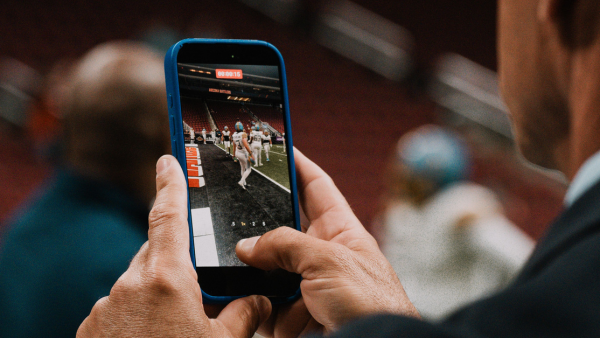
In 2026, live sports remain one of the few experiences audiences still prioritize watching in real time.
Whether it’s the Super Bowl, March Madness, Wimbledon, Formula 1, or the growing number of global soccer competitions, live sports consistently generate massive audiences across television, streaming platforms, and social media.
Fan interest has stayed the same but where fans are watching is continuously changing, and how much brands are paying to be there. Streaming platforms are projected to spend a combined $14.2 billion on sports rights in 2026 alone, a 7% jump from 2025’s $13.2 billion, with Amazon Prime Video expected to account for roughly 27% of that spend on the strength of its NFL, NBA, and Champions League rights.
At the same time, highlights, creator reactions, and behind-the-scenes content extend the lifespan of every game across TikTok, Instagram, YouTube, and other platforms. Notably, only about 19% of fans aged 18–34 report watching an entire game live at home. The rest engage through clips, social content, and secondary screens.
For marketers, this creates multiple touchpoints before, during, and after competition. A sponsorship is no longer limited to signage inside a stadium. It can live across livestreams, creator content, short-form video, and experiential activations.
Sports Marketing Agencies Are Growing Right Alongside These Trends
None of this growth is happening without agencies driving it. As athletes, brands, and leagues chase creator-driven storytelling and long-term partnerships, the agencies that connect all three sides of that equation are seeing real growth of their own.
In the U.S. alone, the celebrity & sports agents industry has grown to $15.9 billion in revenue. This is driven largely by clients building digital influence and monetizing deals that don’t depend on just traditional broadcast.
More than 5,500 agencies now manage upwards of 380,000 professional athletes across 190 leagues worldwide. Roughly 70% of athlete endorsement deals are handled through agency partnerships rather than negotiated independently.
This is exactly where an agency’s role is expanding. From negotiating a single deal to helping build an athlete or a brand’s entire commercial presence.
Agencies that build this kind of integrated capability are positioned to capture a growing share of a market that’s expanding faster than traditional sports marketing ever did.
Looking Ahead
If the first half of 2026 has shown us anything, it’s that sports marketing is becoming less about interrupting a game and more about connecting outside of it.
Athletes are building million dollar media businesses alongside their playing careers. Brands are prioritizing authentic, year-round relationships over short-term campaigns, and putting real budget behind that shift. Live sports continue to deliver something few forms of media can replicate. Real-time attention at scale, backed by tens of billions of dollars in licensing fees and sponsorship investment.
As these trends continue to evolve, the organizations that succeed won’t simply sponsor sports. They’ll become part of the stories fans choose to follow.
FAQ:
- What’s the biggest sports marketing trend in 2026? Athletes operating as independent media companies, backed by a creator economy on pace to top $300 billion this year.
- Do long-term sponsorships actually outperform one-off deals? Yes. Nearly 46% of sponsors now prefer multi-season contracts, citing stronger trust and better long-term ROI.
- Is streaming bigger than TV for live sports now? In the U.S., yes — 105 million digital viewers have overtaken 85.7 million traditional TV viewers.
- How much are brands spending on sports rights in 2026? Streaming platforms alone are projected to spend $14.2 billion, up 7% from 2025.