
Sports are often associated with strength, toughness, and the ability to perform under pressure. For athletes, however, the pressure can extend far beyond the competition itself.
Fear of failure, injuries, intense training schedules, pressure from coaches and teammates. Over time, these demands can contribute to anxiety, depression, stress, and burnout.
Despite these challenges, athletes are often expected to “push through” both physical and mental struggles. Mistakes, losses, injuries, and periods of poor performance can feel like personal failures, making it difficult for athletes to recognize when they need help.
As awareness of mental health continues to grow, the sports world is beginning to recognize that psychological well-being is an essential part of athletic performance and overall health. Organizations such as the NCAA have developed Mental Health Best Practices for student-athletes to encourage schools and athletic programs to take these concerns seriously.
Supporting an athlete’s mind is not separate from supporting their body. It is an essential part of helping athletes perform, recover, and thrive.
Quick Highlights
- 34% of current elite athletes reported symptoms of anxiety or depression in a systematic review and meta-analysis of nearly 2,900 athletes.
- More than 23,000 NCAA student-athletes participated in the NCAA’s 2022–23 Student-Athlete Health and Wellness Study, which found that mental health concerns remained elevated despite improvements since the pandemic.
- Fewer than half (47%) of NCAA student-athletes said they would feel comfortable seeking support from a mental health provider on campus, showing that stigma and barriers to care remain an issue.
- 35% of women’s-sports student-athletes reported feeling mentally exhausted in the NCAA’s 2022–23 findings, compared with 16% of men’s-sports student-athletes.
- 51% of Division I men’s basketball players reported receiving social-media abuse related to their athletic performance in the NCAA’s 2025 GOALS study, highlighting the growing pressure athletes can face online.
- Mental health concerns among NCAA athletes can affect major decisions: among student-athletes considering transferring, 61% of women and 40% of men said their mental health was part of the decision.
When Being an Athlete Becomes Your Identity
For athletes whose identity is closely connected to their sport, an injury can feel like more than a physical setback. It can challenge how they see themselves and their future in the sport.
That connection between identity and performance also shows up off the field. It’s part of why 61% of women and 40% of men in the NCAA’s transfer data cited mental health as a factor in whether to stay in their sport at all.
Access to resources does not always mean athletes feel comfortable using them. Sport psychologists can play an important role in changing that culture. They can help athletes manage competition pressure, recover from injuries, improve focus, and develop mental strategies such as visualization, relaxation, and self-talk. These skills can help athletes manage challenges both during competition and in their everyday lives.
Seeking psychological support should not be viewed as a weakness or a sign that an athlete is struggling to perform. The U.S. Olympic & Paralympic Committee now has 18 dedicated psychologists serving nearly 6,000 athletes. The committee’s psychologists provide support for both mental health concerns and performance-related challenges. At the 2024 Paris Games alone, the committee conducted more than 1,200 individual sessions.
Mental health support should be viewed in the same way as physical training or rehabilitation. It’s essentially another tool that can help athletes become healthier, more resilient, and better prepared to handle the demands of their sport.
The Impact of Social Media
That same pressure to appear mentally unshakeable is amplified by a relatively new force: constant public visibility.
For years, there has been a perception that athletes need to be mentally tough enough to handle anything that comes their way. While mental toughness can be an important part of competition, it should not mean ignoring mental health struggles.
Social media has made it increasingly difficult for athletes to separate their performance from their personal lives. A single mistake can be recorded, shared, and discussed by thousands of people within minutes. Athletes may encounter criticism from fans, comparisons to other players, and expectations from people they have never met. The NCAA has recognized social media as a factor that schools should consider when addressing student-athlete mental health.
For professional athletes, this pressure can be even more intense. Their performances are followed by millions of people. Every missed shot, dropped pass, or bad game can quickly become a major topic of conversation online.
At the same time, the rise of short-form content has changed how quickly sports moments can spread and how fans consume sports coverage. Constant exposure to criticism and commentary can make it difficult for athletes to mentally move on from a poor performance, even after the game is over.
Social media has also given athletes more control over how they present themselves and communicate with fans. The growth of athlete-owned media allows players to share their perspectives directly rather than relying entirely on traditional sports coverage. While this can help athletes take control of their narratives, it also shows how closely an athlete’s public identity, performance, and online presence have become connected.
Athletes Are Speaking Up
Athletes speaking openly about mental health has become one of the defining shifts in modern sports.
Olympic gymnast Simone Biles brought significant attention to the subject when she withdrew from several events at the Tokyo Olympics, explaining that she needed to prioritize her mental well-being. Her decision challenged the idea that athletes must always compete regardless of what they are experiencing mentally.
Tennis star Naomi Osaka has also been open about experiencing anxiety and depression and has taken steps to protect her mental health, including stepping away from competition when she felt she needed to prioritize her well-being. Rather than hiding her difficulties, Osaka used her platform to start conversations about the emotional demands athletes face and the importance of seeking support. This shows that taking care of mental health can sometimes mean recognizing personal limits and making difficult decisions, even when millions of people are watching.
The willingness of athletes like Biles and Osaka to share their experiences is important because it can make other athletes feel less alone.
When high-profile athletes acknowledge that they struggle with anxiety, depression, or overwhelming pressure, they show younger and less experienced athletes that mental health challenges are not signs of weakness or a lack of commitment. It encourages athletes to seek help before their struggles become more serious.
The impact extends beyond sports. Athletes have large public platforms, and their openness can help reduce the stigma surrounding mental health and encourage broader conversations about the importance of asking for help.
Building a Healthier Sports Culture
Addressing mental health in sports cannot fall entirely on the athlete. Coaches, teammates, athletic departments, parents, schools, and professional organizations all play a role in creating an environment where athletes feel comfortable asking for help.
Coaches can make a particularly significant difference. An athlete may be more willing to speak up about struggling when they know their coach will listen instead of immediately judging them or questioning their commitment. This is part of why the NCAA’s Mental Health Best Practices specifically call on athletic departments, not just athletes, to build response plans and educate staff on recognizing warning signs.
Creating a culture where mental health is treated similarly to physical health can make athletes more likely to seek assistance before a problem becomes a crisis.
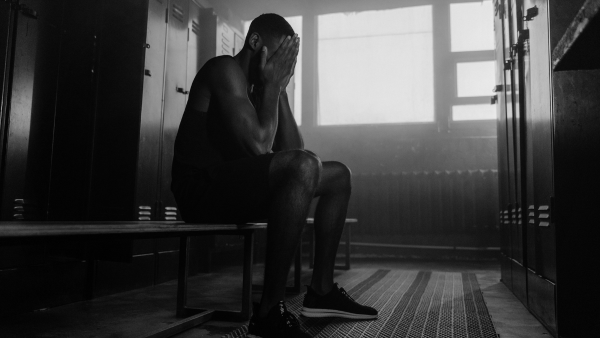
Changing the Conversation
Sports can have a positive impact on mental health, and the future of athletics depends on recognizing that physical performance and mental well-being must go hand in hand.
At the same time, sports organizations are increasingly recognizing the need to address the unique pressures that come with competition. Moving forward, mental health support should become a normal part of an athlete’s journey, not something addressed only when a crisis occurs.
Creating that culture can have an impact far beyond sports. When athletes openly discuss mental health and seek support without shame, they help younger athletes, teammates, fans, and communities see mental health care as a normal part of taking care of themselves. The NCAA’s Mental Health Best Practices reflect this broader shift toward making mental health an ongoing part of athlete well-being.
The future of sports should not require athletes to choose between success and their mental health. By continuing to reduce stigma and make psychological support accessible, sports can help create a culture where asking for help is viewed as a form of strength, and where that message extends well beyond the playing field.
FAQ:
- Why is mental health important in sports? Mental health can directly affect an athlete’s confidence, focus, motivation, relationships, and overall quality of life. Taking care of mental health can help athletes handle the pressures that come with competition while maintaining their overall well-being.
- What mental health challenges do athletes face? Athletes can experience many of the same mental health challenges as anyone else, including anxiety, depression, stress, burnout, and problems related to self-esteem. The pressures of competition, injuries, performance expectations, academics, and social media can add additional challenges.
- Is asking for mental health help a sign of weakness? No. Asking for help is not a sign of weakness. Speaking with a counselor, psychologist, or other qualified professional can be an important part of maintaining an athlete’s mental and physical health.
- How can coaches support athletes’ mental health? Coaches can create an environment where athletes feel comfortable discussing mental health without fear of judgment. They can also educate themselves about warning signs, encourage athletes to use available resources, and connect them with qualified professionals when necessary.
- Can sports actually improve mental health? Yes. Regular physical activity can provide mental health benefits, including improvements in mood and overall well-being. However, the competitive environment can also create stress, so athletes need a healthy balance between competition, training, recovery, and their personal lives.
- What can athletes do if they are struggling? Athletes should consider talking with someone they trust, such as a teammate, coach, family member, counselor, athletic trainer, or mental health professional. Reaching out early can make it easier to receive support and develop healthy ways to manage challenges.