
A running back plants to cut, his knee buckles, and every football fan winces. As trainers jog onto the field, viewers already suspect a torn ACL before the broadcast even airs the replay.
They’re often right. From 2012 to 2023, 524 NFL players tore an ACL, an injury that takes nearly a year to come back from. It’s also one of the clearest signs of a bigger trend across sports: athletes keep pushing their bodies to the limit, and they’re getting hurt more often and more severely.
So why are injuries on the rise? Modern sports reward maximum effort: year-round training, faster and more explosive movement, and higher intensity. Today’s athletes may be progressing faster than their tendons and ligaments can handle.
The good news is that sports medicine is keeping pace. Advances in surgery and rehab are bringing athletes back sooner and closer to their pre-injury form, and recovery has become one of the biggest trends in sports and on social media.
Quick Highlights
- Sports injuries send Americans aged 5-24 to the emergency room 2.7 million times per year, with football the leading cause.
- The NFL recorded 524 ACL tears between the 2012-13 and 2022-23 seasons. Any given player has a 1.9% chance of tearing his ACL during the season.
- Tommy John (UCL) surgeries in professional baseball tripled from 104 in 2010 to 314 in 2020.
- Female athletes are 2-8 times more likely to tear their ACL than male athletes.
- 83% of professional athletes return to their pre-injury level after ACL reconstruction.
Faster, Stronger, and More Fragile?
The modern athlete is a product of optimization. Teams have become remarkable at tracking every data point and turning it into wins on the field, and pushing athletes even harder is increasingly important. The problem is that muscle can be trained faster than ligaments and tendons can adapt.
No league demonstrates this better than the NFL. Since Next Gen Stats, an RFID player analytics system, was implemented in 2016, organizations have gained easier access to data such as speed and acceleration. Tyreek Hill and Raheem Mostert have both reached top speeds above 23 mph. At speeds like that, every hard cut puts an enormous load on the knee and ankle.
Wide receivers tear their ACLs more often than any other positional group in the NFL. Two-thirds of tears occur in games, and injuries are more common in the first half of the season.
Scheduling plays a significant role as well. Players are 1.5 times more likely to tear an ACL on a short week than in a normal week with seven days between games. Every team plays at least one Thursday Night Football game, which means two games in the same week.
How Other Leagues Stack Up
People commonly point to the playing surface as a culprit for more injuries. When Aaron Rodgers tore his Achilles on the opening drive of his New York Jets career, the NFL Players Association renewed its calls for grass fields throughout the league, citing player health and safety.
FIFA requires a natural grass playing surface, so 11 of its host stadiums for the 2026 tournament had to swap their turf for grass. The NFL, however, has found no significant difference in injury rates between artificial turf and grass fields.
The NFL isn’t the only big American sports league dealing with injury troubles. Major League Baseball has seen a surge in Tommy John surgeries and general arm injuries, and the NBA saw stars Jayson Tatum, Tyrese Haliburton, and Damian Lillard tear their Achilles during the 2025 playoffs.
Athletes continue to get faster and stronger, but the trend is clear: the human body may not be able to keep up.
Are Injuries Starting in Youth Sports?
Many professional athletes’ injuries begin long before they reach the highest level of competition. Youth athletes now choose one sport early and play it year-round, chasing recruiting attention and scholarships. Football accounts for the highest share of youth sports ER visits due to frequent collisions and immense stress on growing bones and joints.
The jump to the NFL presents its own risk. Players with three or fewer years in the league tear an ACL at a rate almost twice that of league veterans. Adapting to the NFL’s speed and strength almost instantly is a tall task for new players.
Injury risk is even greater for female athletes. Women are significantly more likely than men to tear an ACL, with rates climbing for girls aged 11 to 17. Athletes who stick to one sport year-round face a 31% higher risk of significant injury than multi-sport athletes. The conversation made waves beyond basketball when USC star JuJu Watkins tore her ACL during the 2025 NCAA Tournament.
Proactivity and proper training can aid prevention, but when injuries do happen, medicine is ready to help.
How Sports Medicine Is Redefining the Comeback
Modern medical advancements are the reason athletes are able to recover from devastating injuries.
Take Tommy John surgery. When Dr. Frank Jobe pioneered the risky procedure in 1974, it was a long shot that pitcher Tommy John would return to the mound. He ended up pitching for 14 seasons after surgery. Today, over 80% of MLB pitchers who undergo the procedure return to the league.
Recovery from Tommy John takes close to a year, even with refinements and mastery over the past half-century. But the next step may already be here.
UCL repair with an internal brace reinforces the athlete’s existing ligament rather than replacing it altogether. Of the patients who undergo this procedure, 92% return to play in an average of 6.7 months.
Knee and Achilles repairs have followed a similar path. Many athletes who tear an ACL return to their pre-injury levels after surgery, and most perform at levels matching their uninjured leaguemates. Achilles tears were once the poster child for career-ending injuries, but treatment has improved rapidly as well. Kevin Durant tore his Achilles in 2019 and returned 18 months later to play at an elite level. Cam Akers suffered the injury in July 2021 and made an unprecedented return in under six months, contributing to the Los Angeles Rams’ Super Bowl 56 victory.
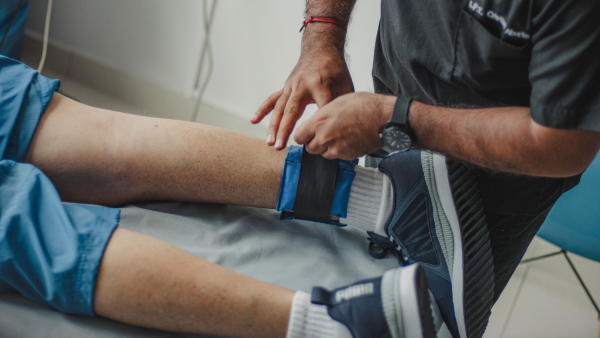
Rehabilitation has also become much more data-driven. Wearables track factors such as workload and heart rate, and force plates compare strength between legs. Data can be obtained more easily and converted into actionable steps. ACL patients are not allowed to start running until they regain at least 80% of their pre-surgery strength.
The most difficult part of recovery is often mental. Many athletes who never return from major surgery cite fear of reinjury as a key factor. It can be extremely difficult for athletes to completely shift their routines and constantly worry whether they will ever return to form because of something outside their control. The biggest hurdle in an athlete’s comeback may be the belief that they can make one in the first place.
How Recovery Products Went Mainstream
Recovery processes and tools that were once exclusive to the highest-level athletes have transformed into a consumer category worth billions.
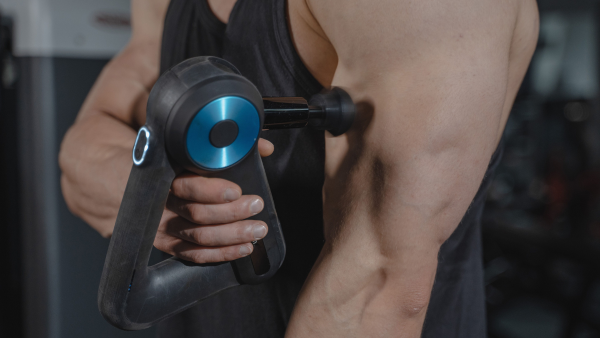
The sports recovery market was valued at around $4.2 billion in 2025, including everything from cold plunge tanks to massage guns to infrared saunas. The cold plunge segment by itself is projected to double from $0.6 billion to $1.3 billion over the next decade.
The concept is simple: elite athletes adopt new systems and practices, and suddenly everyone wants to get their hands on them. Many North American sports teams have incorporated cold-water immersion into their routines. Gyms have rapidly invested in spaces for cold plunges, saunas, cryotherapy chambers, and compression boots, and a gym’s recovery space now affects where people choose to train.
It’s the same dynamic that has driven the rise of competitive fitness among everyday people. Everyone from elite athletes to weekend warriors has prioritized recovery to stay on top of their health. Wearables measure things such as heart rate variability, sleep scores, and VO2 max, and they allow users to adjust their lifestyle and see their numbers improve.
Sleep, nutrition, and training will always be the foundation of proper recovery, but these new tools can supplement the process.
Recovery as Content
Recovery products took off because they’re visible. These tools commonly show up in athletes’ training videos, locker room clips, and on the bench.
Leagues and brands began to take notice. The NBA named Hyperice its official recovery technology partner in 2020. Professional athletes not only endorsed the brand but also wanted in. Among the athletes who invested in Hyperice were Russell Westbrook, Trae Young, and Naomi Osaka.
The products aren’t the only subject of content; the rehabilitation process itself is too. Recovering athletes document their comebacks through milestones such as therapy, drills, and running, which keeps them connected to their audience and gives fans a place to voice their support.
Authentic recovery builds trust, which is exactly what brands and sponsors search for. Athelo Group’s Dani Speegle and her partnership with KRĒO come to mind. Audiences and companies can easily discern whether an athlete truly implements products in their recovery or is simply chasing a paycheck. Partnerships last when each party is engaged.
What’s Next for Athlete Health?
Athletes continue to push the human body to new limits, and the injury report reflects that. The cost of being elite is often substantial.
At the same time, injuries are becoming more of a temporary absence from competition. Faster, better surgeries, higher rates of returning to form, and more calculated rehab efforts are not just saving careers but elevating them. They’ve also allowed the recovery industry to shine on its own.
The next key step in sports is prevention. The athletes who last the longest won’t just be those who return to form the fastest. They’ll be those who never need to make a comeback at all.
FAQ:
- What is the most common serious injury in the NFL? The torn ACL is both common and significant. Knee injuries account for 20-30% of football injuries, while ACL tears make up almost 2% by themselves.
- How long does it usually take to recover from major injuries? Most athletes need nine months to recover from an ACL tear and 12 months to recover from a UCL or Achilles tear.
- What is the difference between an ACL and MCL tear? The ACL controls rotation and forward movement, while the MCL is a major stabilizer of the knee. The ACL almost always requires surgery, while the MCL often does not.
- How can poor recovery affect injury risk? Poor recovery can cause the body to fatigue and compensate by shifting workload onto other muscles, which increases stress and injury risk.