
For years, WWE has been one of the biggest names in sports entertainment. But lately, it’s been undeniable.
Viewership is climbing. Social media clips are going viral with audiences who’ve never stepped foot in an arena. Fans who swore they stopped watching years ago are quietly setting reminders for Monday nights again.
What’s changed?
The real story behind WWE’s resurgence isn’t happening inside the ring. It’s in the writing room.
Quick Highlights
- WWE’s focus on long-term storytelling has helped increase fan engagement across television, streaming, and social media platforms.
- Netflix signed a landmark deal with WWE worth over $5 billion to bring Raw to the platform beginning in 2025.
- Storylines involving stars like Roman Reigns and Cody Rhodes have generated millions of views across digital platforms and helped bring former fans back to WWE programming.
- WWE’s premium live events regularly trend across social media, with clips spreading far beyond traditional wrestling audiences.
- Character development, emotional rivalries, and long-term narratives are helping WWE compete more like an entertainment property than a traditional sports league.
The Importance of Storylines
One of the biggest differences in WWE today is how connected fans feel to the wrestlers themselves.
Storylines now stretch across months, sometimes even years, allowing audiences to become emotionally invested in outcomes rather than just individual matches.
The Bloodline storyline is probably the clearest example of this shift. Centered around WWE superstar Roman Reigns and his rise as “The Tribal Chief,” the storyline followed a powerful wrestling family dynasty built around loyalty, manipulation, pressure, and betrayal.
What started as a championship run evolved into a years-long character arc involving Reigns’ cousins, family alliances, and constant power struggles within the group known as “The Bloodline.” Instead of fans tuning in just for matches, audiences became invested in the emotional dynamics between the characters and wanted to see how the story would unfold week after week.
That emotional investment kept fans consistently watching to see what would happen next.
Fans Are Investing in Characters Again
The payoff mattered because the story had time to build. When Cody Rhodes finally finished his storyline at WrestleMania 40, it felt bigger than a normal title match because fans had followed the journey for years.
That kind of long-form storytelling is part of why WWE content performs so well online. Fans aren’t just reacting to highlights. They’re reacting to narratives they’ve already spent months following.
WWE isn’t the only one reading the room. The NFL leaned into player personalities and landed Hard Knocks. The NBA built a global brand on superstar narratives as much as championships. Formula 1 cracked an entirely new audience wide open with Drive to Survive.
The pattern is impossible to ignore. This is why athlete-driven storytelling has become such a major focus across sports media.
Social Media Has Amplified WWE Storytelling
WWE’s storytelling style also works perfectly with social media.
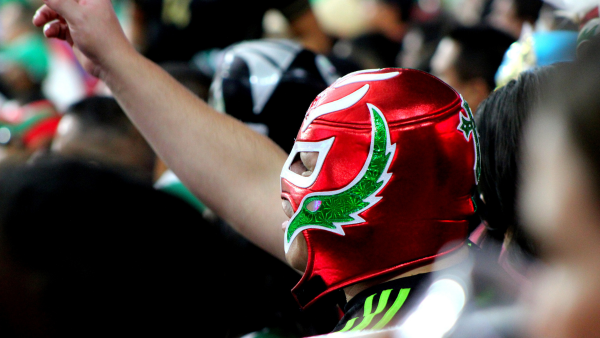
Short clips of dramatic entrances, emotional promos, surprise returns, and crowd reactions spread quickly across platforms like TikTok, Instagram, and X. The audience watching doesn’t even need to be a wrestling fan.
When content feels like culture, it spreads like culture. That visibility matters.
According to WWE’s corporate reports, WWE continues to generate massive digital engagement numbers across social platforms, helping the company expand its reach globally.
The company has also leaned heavily into cinematic presentation. Entrance music, production, camera work, backstage segments, and post-match reactions are all treated like part of a larger entertainment experience rather than separate pieces.
That makes WWE easier to consume casually online, especially for younger audiences who primarily discover sports content through clips instead of full broadcasts.
The Netflix Deal
The clearest sign that WWE had crossed into something bigger came with a single deal.
Netflix didn’t pay over $5 billion for Monday Night Raw just because wrestling is popular. They paid it because WWE operates like a prestige television series. One with a fiercely loyal audience that returns every single week without being asked twice.
Fans follow ongoing story arcs, speculate between episodes, and treat WrestleMania like a season finale. That structure is enormously valuable in the streaming era, where consistent engagement matters more than one-time viewership spikes.
The agreement showed that streaming platforms see WWE as more than a niche wrestling product. They view it as consistent weekly entertainment with a highly engaged audience.
Netflix saw what WWE had built. And they paid accordingly.
WWE Has Become More Culturally Relevant Again
Within the WWE, celebrities regularly appear during major events, clips trend during premium live shows, and wrestlers are becoming mainstream personalities outside the ring. WrestleMania weekend now feels closer to a large entertainment festival than a traditional sporting event.
That crossover appeal has helped attract audiences who may not have considered themselves wrestling fans before.
According to CNBC’s coverage of WWE and TKO growth, live entertainment and sports properties with highly engaged fan communities have become increasingly valuable in media and advertising.
WWE fits directly into that shift because its audience is active, emotional, and extremely online.
The company has also benefited from nostalgia. Many fans who watched during the early 2000s are reconnecting with WWE because current storylines feel more layered and character-driven than they did during certain past eras.
Why Storytelling Matters More Than Ever
WWE’s recent growth shows how important storytelling has become in modern sports and entertainment.
People no longer just want highlights or results. They want personalities, emotional investment, and moments that feel shareable. Storytelling gives audiences a reason to care before the match even starts.
That’s something leagues, brands, and athletes across sports are all trying to figure out right now. WWE simply happens to be one of the clearest examples of it working at a massive scale.
By committing to long-term storytelling, deep character development, and an entertainment universe that extends far beyond the ring, WWE has rebuilt the one thing that no media deal or production budget can manufacture on its own: genuine emotional investment from its audience.
That investment shows up in the viewership numbers. It shows up in the Netflix deal. It shows up every time a clip goes viral with someone who swears they don’t even watch wrestling.
Stories well told have a way of finding their audience. WWE told better stories. The world is showing up to watch.
FAQ:
- Why has WWE become more popular again? A major reason is its stronger focus on storytelling. Long-term character arcs and emotional rivalries have helped fans become more invested in weekly programming and premium live events.
- How does storytelling help WWE grow viewership? Storytelling keeps fans emotionally connected over time. Instead of tuning in only for matches, audiences follow ongoing narratives and character development week after week.
- Why is WWE successful on social media? WWE content works well online because dramatic moments, entrances, promos, and crowd reactions are easy to clip and share across platforms like TikTok, Instagram, and X.
- What was the significance of the Netflix WWE deal? Netflix’s multi-billion-dollar agreement for Raw showed how valuable WWE’s weekly audience and consistent engagement have become in the streaming era.
- How is WWE different from traditional sports leagues? WWE blends athletics with entertainment storytelling. Character development and scripted rivalries are central to the viewing experience, making it feel closer to episodic entertainment than a traditional sports broadcast.