Racial Equity in Sports and Its Importance

There are many controversial issues that face almost every sport that is played. In terms of gender, race, nationality, sexuality, and the many other factors that make humans unique, there are inequities that separate people within the world of sport. One of the biggest controversies in sport is the lack of diversity. There are many sports where one group almost monopolizes a sport and there are unfair and unequal opportunities for participation. The future of sport must include fair opportunity for anyone who wants to participate to be able to do so. Because of this issue, many initiatives are being taken to ensure an increase in diversity.

The Current State of Racial Equity in Modern Sport

Lacrosse is perhaps one of the sports that has the largest dominance by a single demographic. Lacrosse is a predominantly white sport. Data from the NCAA in 2019 shows that 84% of female college lacrosse players identified as white and 85.5% of male college lacrosse players identified as white. Not only do the statistics show the lack of diversity in lacrosse, but human interaction on and off the field can show the stereotypes that most people have when they think about lacrosse. Gina Oliver Thomas, who retired in 2013, was the last black women’s player to compete on the US Women’s National team. She expressed to US Lacrosse Magazine, “I had my black friends and family that were like, You’re white. You play a white sport and you act white. Then, you have the other side of it, where you’re around a lot of white people that don’t understand Black culture, so you’re defending that and educating them.”

There are many reasons why lacrosse has such a lack of diversity compared to other sports. However, the largest reason why the upper-white middle class demographic makes up for the largest portion of lacrosse participants is because of the cost to play. Anyone who wants to pursue their dream of playing their favorite sport competitively as they grow older, usually has to start at a young age. This is true for every sport, as most professional athletes have been playing their respective sport for as long as they can remember. Lacrosse is no different. However, what does make lacrosse different in that aspect is that it is way more expensive to maintain than most other sports. For example, it does not cost much to play basketball. For basketball, as long as you have a pair of supportive sneakers and a basketball, you are good to go. However with lacrosse, there are a lot more costs. The first one of these costs is the cost of equipment. Because there are so little lacrosse equipment manufacturers, the companies that do make the equipment can set their own price. On average, a lacrosse head costs between $50-120, a lacrosse shaft costs between $50-200, and a lacrosse helmet costs $300. All of the other equipment needs to be purchased as well makes the entire equipment costs well over $1000. Additionally, because lacrosse is such a white dominated sport, fees to play on club and travel teams for the youth can be very expensive.

Barriers to Participation: Cost, Culture & Access

Because of the cost of play, it is extremely difficult for kids who grow up without the privilege of having wealth, to maintain playing lacrosse for a long period of time. Because of this, kids who grow up without the privilege must look elsewhere for athletics. Sports like football and basketball are a lot more affordable in this aspect, while lacrosse as well as sports like hockey are continuously dominated by white people in terms of participation.

There is a whole other side to the equation as well. If you are a true lacrosse historian, then you would know that the sport was created by Native Americans. They used it as an activity to stay in shape as well as prepare for battles. However, like explained before, because of all of the factors the sport has gotten away from the great culture who has created it. Because of this, many initiatives are being put in place to not only honor these cultures, but also try to close the gap in participation. The PLL (Premier Lacrosse League) and the Iroquois Nationals Lacrosse announced a partnership in January of 2021. The partnership will encompass four pillars: mentorship, cultural awareness training, events, and brand. The goal of the partnership is to raise global awareness towards the roots of lacrosse while sustaining a more collaborative relationship between Native communities and the league. There will be youth mentoring opportunities for PLL athletes and Native Youth, as well as a cultural awareness training program provided by Iroquois Nationals Lacrosse that will be implemented at the league level. This unique partnership between the PLL and Iroquois Nationals Lacrosse will benefit the game of lacrosse worldwide by bringing the origins of the sport to the forefront, while providing education and support for all involved.

Initiatives Driving Progress in Diversity & Inclusion

Also, this summer, PLL players wore orange helmet straps in support of indigenous communities. The PLL announced this initiative to raise awareness and drive education around the multiple, tragic discoveries of unmarked graves at the site of former indigenous residential and boarding schools. Cannons LC attackman Lyle Thompson said, “Every child matters and we need to honor all of the indigenous children that never returned home from residential and boarding schools’ ‘. The PLL partnered with Every Child Matters to make sure that this would be a healing journey for Native survivors through a commitment by all to recognize these historical injustices.

The Path Forward: Building a Truly Inclusive Sports Landscape

With all of the problems that are facing lacrosse in terms of diversity, there is an increase of awareness regarding those issues. With teamwork from major leagues involved as well as the NCAA, the message of inclusion as well as respecting the roots of the sport is important and needs to be distributed. There are no simple solutions to equalizing lacrosse, however with a sport so great and so impactful, there needs to be a way to make sure that anyone who wants the chance to pursue this sport, has a pathway to be able to do so.

Sources

  1. https://premierlacrosseleague.com/articles/premier-lacrosse-league-and-iroquois-nationals-lacrosse-announce-partnership
  2. https://thesewaneepurple.org/2021/03/26/a-white-sport-lacrosse-cultures-racial-fragility/
  3. https://premierlacrosseleague.com/articles/premier-lacrosse-league-players-to-wear-orange-helmet-straps-in-support-of-the-indigenous-communities

Why Is Recovery So Important?

The multibillion-dollar category of recovery has changed how athletes maintain their health and wellness throughout their careers. The biggest names in sport spend millions of dollars a year on recovery routines to reach peak performance and prevent injury. Tom Brady’s diet program alone is estimated to be around $16,000 per year, while LeBron James spends nearly $1.5M per year on various training, recovery, and diet programs to maintain his body, and Russell Wilson devotes over $1M per year on physical and mental recovery.

Recovery: The Hidden Engine Behind Elite Performance

As professional athletes have led the charge in streamlining recovery, more and more companies tailored to physical and mental restoration begin to rise in valuation and popularity. Sports analytics and technology companies like Kitman Labs, which raised over $82M since 2012, have created the billion-dollar industry of athlete performance technology directly influencing athlete recovery.  

So, let’s take a step back, what is recovery and why is it so important? Recovery aims to restore physiological and psychological processes that are essential to an athlete’s performance. Creating a well-rounded recovery plan and executing it in between high-stress competition and training sessions is essential for athletes to compete and train at an appropriate level all while decreasing the risk of injury. Recovery involves techniques from stretching and massage therapy to high-tech compression equipment and cryotherapy. 

What Recovery Really Means: From Rest to Tech

Although professional athletes are leading in dollars spent on recovery, everyday people and fitness enthusiasts across the world continue to participate in physical and mental recovery treatments and routines. Interactive stretching, mobility, and meditation classes like those developed by Mobility MVMNT have shown the masses extensive benefits recovery and mobility may offer them. Programs and interactive classes like those developed by MVMNT are meant to unleash the nervous system and promote superior performance overall for professional athletes and the weekend warrior. 

From Pros to Everyday Athletes: Recovery for All Levels

As recovery companies continue to surface and high-profile athletes spend countless hours and money on recovery, other professional athletes are capitalizing on the recovery craze to diversify. Athelo Group athlete, professional volleyball player, and health coach Kim Hildreth even gives viewers on social media a behind-the-scenes look into her recovery routine and actively uses her education and personal athletic experience to regularly blog about wellness, dieting, and recovery. Not only are businesses and labs giving the general population access to amazing recovery techniques and technology used by pros, but athletes themselves are able to participate and provide everyday people with the information contained in this multibillion-dollar industry.

The Future of Recovery: Tech , Access & Mainstream Potential

While the industry rapidly grows, many are even predicting that athletic performance tech and athlete recovery will take on a Tesla-like trickle-down technology model, where expensive early programs and equipment created by companies like Orreco and Kitman Labs pave the way for more affordable recovery technologies utilized in all aspect of health, eventually creating a mainstream appeal. Since recovery is so widely received across all levels of sport, fitness, and mindfulness, there is no stopping the industry’s growth within and beyond athletics.

Sources

  1. https://www.thestreet.com/lifestyle/tom-brady-can-afford-a-16-000-diet-you-probably-can-t-14310464
  2. https://www.youtube.com/watch?v=GsRqQi2rk1k&t=800s
  3. https://www.aspetar.com/journal/viewarticle.aspx?id=182#.YYmJXS1h2Tc
  4. https://insider.fitt.co/issue-no-102-the-big-business-of-recovery/
  5. https://mobilitymvmnt.com/pages/about
  6. https://www.businessinsider.com/how-lebron-james-spends-money-body-care-2018-7

Is a Revolution on the Way for Tennis?

Tennis is considered one of the most popular sports in the world and has a diversified global audience. Much like the world of motorsports, sponsorship deals represent the lifeblood for tennis players given the structure of the professional ranks and lack of consistent salary. These inherent challenges have made the sport a continuous case study for brand building and capitalizing on opportunities away from the playing surface. As with all sports, the evolution of social media has given more power to the athletes to generate meaningful engagement with fans. However, the sport of tennis finds itself at a potentially revolutionary point in its history that can have a direct impact on the kind of partnerships that will come. Recent developments over the past couple of years have challenged the sport and have left many wondering whether brands would be better off seeking partnerships in other sports. 

Since the early years of the 2000s, tennis has seen the emergence of superstar athletes with the likes of Serena Williams, Roger Federer, and Rafael Nadal. These names have dominated the sport and accumulated a wealth of sponsorships due in large part to their success on the court. Out of the 71 Grand Slams held from 2003, 60 have been won by either Federer, Nadal, or Novak Djokovic. On the women’s side, Serena Williams led the way with 23 Grand Slam titles for second all-time. However, age, injuries, and other personal decisions have limited the ability of some of tennis’ greats to continue furthering their successful careers and growing their following. Coincidentally, up-and-coming players have risen to the spotlight and tapped into the younger generation of tennis fans. Additionally, the new crop of talent has used their platforms to share their voice about social movements including Black Lives Matter, female empowerment, and mental health.

Before covering what could be coming to the sport in the future, it’s worth it to look back at a case study of how building a brand outside of tennis can help create a devout following. When Roger Federer began his career, he did not have a strong following despite the success others predicted he would find as he grew older. Coming from a relatively small country in Switzerland, Federer was forced to be strategic in how he formed partnerships and endorsement deals. In 2005, Maria Sharapova had accumulated nearly $20 million in sponsorship deals while Roger Federer failed to surpass $10 million. After signing with leading sports agency IMG, Federer’s earnings reached nearly $43 million as he partnered with Mercedes-Benz, Rolex, and other notable brands. While those moves made more sense for bringing up his bottom line, Federer’s acumen for building a brand that thrived on international support began to grow. Federer struck up a relationship with fellow Nike athlete Tiger Woods when Woods was at the peak of his career. Their friendship helped Federer score a sponsorship with Gillette and brought a new market of American followers to his growing fanbase. More brands began looking closer at Federer even after the Tiger Woods controversy and understanding the “complete package” he possessed (Christopher Clarey, The New York Times). What set Federer apart was his genuine interest and willingness to deliver personal attention to sponsors and what they said or did. He captivated those around him by consistently asking questions and learning about what a company was doing outside of the sport. Federer has managed to become one of only a handful of athletes to have accumulated $1 billion throughout his career, with only $130 million coming from prize money.

Although Federer was a gifted athlete, he would not have achieved the level of personal and financial success if he simply focused on tennis. Today’s rising tennis stars can learn a lot from his approach to constructing a strong personal brand. Naomi Osaka has been one example of how being an advocate can strengthen their connection to fans outside of competition. Osaka made headlines by showing her support for the Black Lives Matter movement last September at the US Open. On a larger scale, “athlete ‘advocacy posts’ on social media generated 63% more engagement for brands compared to other owned social media content” according to Nielsen Sports Digital Analysis. Osaka also withdrew from the French Open in May citing her need to address her mental health as her top priority at the time. Mastercard, one of her sponsors, shared their support for Osaka’s decision as they tweeted “Naomi Osaka’s decision reminds us all how important it is to prioritize personal health and well-being” (Sean Gregory, Time Magazine). The brands that are deriving the most value from partnering with an athlete understand that the players’ personalities and reach are important factors when considering the effectiveness of a partnership. The correlation between an athlete’s character and the benefits for the brand through a partnership still holds with today’s younger stars, albeit with more resources and platforms to share their voice than previous generations. The door is open for new companies willing to embrace these athletes as human beings to make their mark on the sport and acquire a new crop of advocates who drive bona fide engagement with fans. 

While players have already reaped the benefits of new opportunities in competition and genuine support from brands, the economics of the sport still hamper tennis’ growth and put the athletes at a significant disadvantage. Tennis is currently organized by the ATP and WTA, both entities that control the relationship between players and tournament organizers. These two governing bodies often deal with issues unrelated to the growth of tennis or the empowerment of players. Currently, tennis ranks below the core four major sports in North America and behind soccer and cricket internationally in terms of global media rights value (David Yaffe-Bellany, Bloomberg). The complicated structure of professional tennis and lack of anything resembling a union advocating for the players has led to the creation of the Professional Tennis Players Association (PTPA) by Novak Djokovic and Vasek Pospisil back at the 2020 US Open. Although skepticism and uncertainty are surrounding the ability of the PTPA to make significant changes to the sport of professional tennis, the association provides another opportunity for the younger generation of players to take more control of how their sport is organized and viewed by the public. The PTPA’s goal of providing more player empowerment is an exciting development that presents a step forward for tennis’ growth, in the long run, should others join the cause. 

Tennis may have some issues that must be addressed when it comes to media attention and general organizational structure, but a paradigm shift is underway that can spur positive change in a sport that needs revision. Tennis, much like the other individual sports that saw growth at the lower levels during the pandemic, will be challenged to maintain a new market of fans and attract future generations to the sport as well. Top players and rising stars will need to continue utilizing their platforms to connect with fans and work towards change internally within their sport to prepare them better for the future. The landscape of tennis is at a precarious point coming out of the pandemic which brands must be aware of when it comes to how athlete partnerships line up with their marketing goals. However, brands willing to take a chance during this time of change within tennis and form creative partnerships with players can be the first to see the trickle-down rewards in the future. 

Sources

  1. https://www.forbes.com/sites/timnewcomb/2020/05/04/the-anatomy-of-a-tennis-players-sponsorship-deals/?sh=18c26e6b789c
  2. https://nielsensports.com/the-changing-value-of-sponsorship/
  3. https://www.tennis365.com/tennis-news/emma-raducanu-announces-sponsorship-deal-brand-ambassador-dior-influenced/
  4. https://www.forbes.com/sites/timnewcomb/2021/08/30/professional-tennis-players-association-over-500-members-growing-benefits-at-one-year-mark/?sh=226373f6491b
  5. https://www.nytimes.com/2021/08/25/magazine/roger-federer-brand-legacy.html
  6. https://tennishead.net/daniil-medvedev-speaks-on-how-sponsorships-lead-to-a-lot-of-problems-in-tennis/
  7. https://www.forbes.com/sites/brettknight/2021/08/30/highest-paid-tennis-players-2021-federer-serena-and-nadal-win-even-when-they-cant-take-the-court/?sh=844c7d645d24
  8. https://time.com/6071645/naomi-osaka-french-open-sponsors-brands/

The Hardships of Amateur Boxing

When people think about fighting, they think of Muhammad Ali, Floyd Mayweather, Ronda Rousey, and Conor McGregor. Those are the athletes who have been synonymous with the sport for decades. People see all of the glory, money, and fame that is brought upon these athletes because of their physical and mental prowess in the ring. What people do not see is the hard work and sacrifice that goes into reaching that level. These fighters all started as young amateurs, fighting at arenas with barely any spectators, just trying to earn respect and advance their careers.

The Reality Behind the Amateur Boxing Dream

The life of an amateur fighter is very intriguing. Amateur fighters have to endure many things and make many sacrifices in order to be successful. The first and maybe the hardest sacrifice that these athletes are in regards to finances. According to combatsportsevents.com, an amateur boxer will make between $4,000 and $10,000 per fight. So, if a fighter fights every four months, that would give them a maximum of $30,000 dollars per year for an income.

Keep in mind, these athletes have to dedicate their full selves to the sport in order to get better. In many cases, fighters cannot afford to get other jobs or find other ways to get income because they are too busy training and getting better. In this case, they really struggle financially to support themselves. This issue is not one that has not been discussed, and there are people who are trying to do everything they can to help the situation. World heavyweight champion and Olympic gold medalist Anthony Joshua has given a good amount of financial backing to the Amateur National boxing federations of England, Wales, and Scotland. The money will be distributed directly to clubs in most need of support through the National federations.

In addition to these athletes struggling financially, they also have to sacrifice another very important thing. Since these boxers are constantly traveling for different fights around the world, they have to sacrifice spending time with loved ones and friends. In addition to this, many of these young fighters have become mothers and fathers and they have to sacrifice seeing their children grow up.

Amateur fighter Raiyan Anwaar said, “You don’t have time to hang out, once you start fighting you don’t really have friends. Your only friends are your training partners.” So not only are these fighters sacrificing spending time with their families, but they also are forfeiting their social lives, which is a huge aspect of life as a young person.

Gender Inequality and Structural Barriers in Amateur Boxing

Another factor that makes amateur fighting that much harder is that the sport is largely dominated by men. So for all the real struggles that male fighters face when trying to move up the ranks as a fighter, females have an even more difficult time.

In an article in “The New Yorker”, it is explained that, “Every four years, you’ll see a new crop of top amateur men come up,” Mike Reno, who trains both male and female boxers, said. “Men usually do the best they can until the Olympics, and they either make the Games, or they don’t and decide to make money in the pros.”

But female fighters can’t depend on a living wage if they turn professional. Keisher McLeod won the Daily News Golden Gloves four times before she decided to turn pro. “My last fight was a world title, and the purse was two thousand dollars,” she said. “I’m a world champion, and that’s what I’ve gotten for ten professional rounds!”

Long-Term Risk, Identity & What It Takes to Make It

Lastly, and perhaps one of the most pressing issues that amateur fighters face is that with the length of time that it takes to gain true success, these fighters are putting their bodies on the line for years. Now, of course, there is a risk that is taken when entering this sport. However, because it takes so long to get to the top, as well as these fighters struggling financially, it does not seem fair that some of these fighters can become permanently damaged because of the sacrifices that they are making.

There are so many issues that come with the life of an amateur fighter. Perhaps they are issues that cannot be solved with one solution. However, it is definitely important that people note the hard work and sacrifice that it takes to be entertained by these amazing athletes.

Sources

  1. https://www.sun-sentinel.com/sports/fl-sp-sfl-amateur-mma-fighters-20180606-story.html
  2. https://www.newyorker.com/sports/sporting-scene/the-complex-calculus-of-womens-amateur-boxing
  3. https://www.skysports.com/boxing/news/12183/12169995/anthony-joshua-pledges-financial-backing-to-amateur-national-boxing-federations-of-england-wales-and-scotland
  4. https://combatsportevents.com/how-much-do-boxers-get-paid/

Sustainable Values Help to Build Sustainable Consumers

More and more companies around the world have put a much larger emphasis on their initiatives, values, and support of non-profit organizations. When a brand initiates a sustainable marketing strategy, marketers notice a direct increase in customer loyalty, internal culture, and sales. Consumers prefer to give back when they shop and 81% of millennials expressed that they want to support companies with strong corporate citizenship.

Brand Values Are the New Currency for Consumers

In parallel, the consciousness of our population’s excessive consumption of resources and reliance on fossil fuels has risen rapidly since the 1980s. Much like other corporate citizenship, sustainability often lives at the bottom of many “about us” web pages as brands follow the buzz of eco-conscious initiatives. You have seen this word plastered across marketing campaigns and brand values, but what is the definition of sustainability? For an entity to be considered sustainable, it must meet human necessity without diminishing environmental protection, economic development, and social development. In a nutshell, sustainability affects all, not just a single target market or demographic, which makes this initiative so enticing among brand marketers.

From Buzzword to Action: Defining True Sustainability

In a decade where sustainability has become a marketing tool, it is difficult for consumers to weed out which brands are genuine in supporting the environment. Likewise, when athletes look to partner with brands that match their values and eco-friendly efforts, they must first determine if sustainability lies at the forefront of a brand’s mission or is dormant at the bottom of their website. Taking a look at which brands have truly made a historical effort to put these values to action is a starting point for comparison. Brands like TOMS, Patagonia, and Beyond Meat have put their environmentally friendly marketing directly into their product production and daily practices.

TOMS not only uses their profit to directly impact communities around the world positively, but they use only recyclable and sustainable materials to create both their product and packaging. Patagonia has taken a different approach; they have been transparent about their use of fossil fuels to create certain products, but they work to create balance by donating 1% of all sales to Earth Tax and continuously search for new methods of production. Beyond Meat is a brand that has created a product that is a direct alternative to a major factor in climate change, which is the animal meat production industry.

Athlete Partnerships & the Power of Authentic Brand Alignment

While large brands bring global attention to this topic, rising brands like Natreve Wellness have paved the way for plastic and carbon-neutral companies. Neutrality is a major accomplishment in itself for many companies, but Natreve goes beyond, paying plastic collectors in underdeveloped countries a premium to support education, health insurance, and other basic family necessities. Companies that are genuine in working to improve our environment are those like Natreve who naturally enact eco-friendly products and practices. Athletes like WSL surfer Brisa Hennessy, NBA player Danny Green, and tennis player Maria Patrascu have noticed Natreve’s authentic initiatives and likewise amazing product. These athletes have created strong meaningful partnerships with a brand that matches their values. While sponsorships can be powerful in themselves by creating vast brand awareness and media exposure, the most successful partnerships in terms of sales, are those that extend beyond the product itself. Similarly, an up-and-coming wine company, Head High Wines has partnered with a leading production company to deliver decomposable canned wine. Their partnership with eco-expert and World Champion Waterman Zane Schweitzer has created a reliable and relatable spokesman for the company and its sustainable action. Sponsorships like those of Natreve x Brisa Hennessy and Head High Wines x Zane Schweitzer tend to be the most relatable, organic, and successful.

Building Loyalty Through Genuine, Long-Term Sustainability

While corporate responsibility and giving back draws consumers in, eventually increasing sales, being genuine in these eco-initiatives is what creates long-term success and consumer loyalty. Ambassadors that share these environmental values are the perfect way for brands to market organically. Since sustainability affects the entire population, it is often overused as a charitable value and is commonly mistaken by consumers as authentic. Consumers and brand partners must notice this discrepancy, but legitimate eco-friendly brands must also work to set themselves apart by partnering with like-minded athletes and creators.

Sources

  1. https://theworldenergyfoundation.org/a-brief-history-of-sustainability/
  2. https://www.forbes.com/sites/tmobile/2021/09/29/why-upgrading-to-5g-phones-and-devices-makes-sense-for-small-business/?sh=37b236d42174
  3. https://fabrikbrands.com/eco-friendly-companies/
  4. https://www.thebalancesmb.com/sponsorship-a-key-to-powerful-marketing-2295276

What is the Metaverse and How Will it Impact the Sport Industry?

Companies and brands are always looking forward to the future to get ahead of the next trend or phenomenon. Shrewd marketers are researching new ways to connect with fans and identifying (at least, attempting to identify) channels and mediums where fans are more likely to engage with their content. The hunt for the next big thing has now extended past cryptocurrency, past blockchain, and has led to an exciting area known as the metaverse. Thought leaders have predicted the metaverse is the future of the internet and the logical path towards a completely futuristic and decentralized society. But what exactly is it and how will it affect the sport and entertainment industry as a whole?

Understanding the Metaverse: A New Reality for Sports

The origin of the “metaverse” and where the term comes from can be traced back to Snow Crash, a 1992 science fiction novel by Neal Stephenson. In the book, Stephenson describes the arrival of a persistent virtual world where people can interact, claim territory, and even make money. His description formed the foundation of what technology and industry leaders are now considering the evolution of the internet. While it may seem radical that a notion about the next phase of the internet comes from a science fiction novel, even the early days of the web drew skepticism. The metaverse can be seen as the “’successor state’ to the modern internet, with all the same content but fewer limitations as to where and how that content can be accessed” (Alexander Lee, Digiday). Right now, humans’ relationship with the internet can be conceptualized as two-dimensional with people inputting and extracting information in two-way interaction. The metaverse is intended to revolutionize the internet by giving people the ability to engage with the internet through technology that brings us away from the restrictions of physical reality into an open world. And there can even be more than one metaverse worlds, such as Decentraland, Sandbox, and NVIDIA. These different settings all include general characteristics which are:

  • Identity: Users can express themselves as whoever or whatever they wish through their digital avatar.
  • Accessibility: the metaverse can be accessed through a variety of technologies, including smartphones, tablets, VR headsets, and more. 
  • Immersion: An experience that utilizes the five senses (sight and sound are the two senses VR can currently capture).
  • Economy: A functioning economy where users can earn and spend digital or fiat currencies (like Robux in the game Roblox).
  • Community: Users can interact with other users and share social experiences.
  • Persistent: The worlds continue even after you take yourself out of the metaverse

Discussions of the metaverse and its impact on society have been ongoing for years, but one global event finally accelerated the conversation: the COVID-19 pandemic. Nearly the entire population was forced to work from home without the traditional live sports and entertainment events we became accustomed to before the coronavirus made its mark on society. No matter which industry you worked in, the size of your company, or even if you had a job at all, the pandemic challenged the population to rethink the norms and values that guided our everyday lives. As many aspects of life became digital in some capacity, people began looking for solutions that were effective given the limitations imposed by the physical world.

Cryptocurrency rose as the shift to decentralized finance — another key part of the success of the metaverse — gained momentum. NFT collectibles and their blossoming marketplaces began offering a variety of assets that people could purchase, regardless of whether their interests lie in art, gaming, or even music. Blockchain technology backed it all up by proving the authenticity of assets through its decentralized and distributed ledger. Crucial pieces to the functionality of the metaverse have developed where brands and sports properties alike need to begin planning for its arrival — if they have not already.

How the Metaverse Is Transforming Fan Engagement & Immersive Experiences

So what does this mean for the world of sports now? The metaverse is not a threat when it comes to the success and continuation of live sports on a global scale. However, everything surrounding those games and events could start to look different. One company, in particular, Dapper Labs, has been a leader when it comes to assimilating metaverse concepts into the sports industry. After making headlines with NBA Top Shots, an NFT marketplace for NBA highlights and other assets, the company recently formed partnerships with the NFL and La Liga. The partnership with La Liga is arguably the biggest move by an NFT company to bring the world’s most popular sport to the virtual world. In doing so, Dapper Labs has strategically captured an element that has been and will be vital to the success of the metaverse: fandom. With nearly half the global population being exposed to the technology Dapper Labs brought to the NBA, the familiarity with blockchain technology and the building blocks of the metaverse are strategically playing out. 

Some companies and properties have already tested the waters with experiences that will become the norm within the metaverse. Epic Games’ Fortnite experimented by producing live concerts for Travis Scott and Ariana Grande where players could join the game and attend the virtual experience with others. Both virtual shows exceeded the number of views of any of their physical performances with over 1 million views within the Fortnite world. Properties like the Virtual Athletics League (VAL) have gone so far as to create games that replicate popular culture like their VR Space Jam Arena experience (Alexander Lee, Digiday). An interesting case study can be seen with one of America’s oldest sports properties in NASCAR. Back in August, NASCAR formed a partnership with Virtually Human Studio to include NASCAR-branded horses in their popular game Zed Run. In the game, users can purchase, breed, sell and race digital horses as NFTs to win money. This example is one of many that has illustrated how gaming and eSports have opened the door to the influence digital experiences will have as we move closer to the metaverse reality.

What Sports Brands Must Do to Stay Ahead

It is important to remember that there is no foreseeable start date for when/if the metaverse will arrive. The pieces of the puzzle are starting to come together and in many ways, it has already begun embedding itself into the traditional sports and entertainment landscape. The brands, leagues, athletes, and influencers who understand the potential of this digital revolution and can find creative ways to monetize their assets will be steps ahead of the rest of their competitors. Even though it is not here yet, the leaders and innovators of tomorrow must be asking themselves: “what should be our company’s metaverse strategy?”

  1. https://www.businessinsider.in/investment/news/the-metaverse-may-change-the-way-you-earn-money-shop-or-even-chill-with-friends-in-the-future/slidelist/86677906.cms
  2. https://www.axios.com/virtual-reality-training-walmart-nfl-e8b2efc8-971d-4ceb-b9d4-98d9d5edfd6c.html
  3. https://seekingalpha.com/article/4455169-the-metaverse-takes-shape-as-several-themes-converge
  4. https://www.forbes.com/sites/cathyhackl/2021/09/22/with-more-funds–a-new-la-liga-nft-partnership-dapper-labs-seeks-to-unlock-fandom-in-the-metaverse/?sh=7fc1cacd5de3
  5. https://digiday.com/marketing/mixed-reality-sports-companies-are-building-the-pastimes-and-brand-activations-of-the-future/
  6. https://www.sportspromedia.com/categories/metaverse-virtual-reality-facebook-oculus-nfts-blockchain-zed-run/
  7. https://www.sporttechie.com/zed-run-digital-horse-racing-gets-nascar-partnership/
  8. https://www.sportico.com/business/tech/2021/metaverse-explainer-sports-tech-vr-1234637119/
  9. https://digiday.com/marketing/wtf-is-the-metaverse/

Sports Betting Growth: Emerging Markets & Global Expansion

The sports betting and gambling industry is one of the fastest-growing industries in the United States. It is estimated that by 2024, the sports betting and gambling industry’s market size will reach $8 billion. While not all states in the United States have legalized sports betting and gambling at the point of this article, it is almost certain that all states will legalize sports betting and gambling in the coming years with the billions of dollars in revenue states have made each year, along with the popularity of independent sports betting companies such as Draftkings and Fanduel.

Why Emerging Markets Are the Next Frontier for Sports Betting

While sports betting and gambling have been prominent since the 1870s, sports betting as we know it today was shaped by Las Vegas in the 1940s. in 1949, the first sportsbook, or at the time known as turf clubs, was set up in Las Vegas that exclusively handled bets for sporting events. By the 1990s, more states were considering legalizing sports betting. In response to this, the U.S. Congress passed the Professional and Amateur Sports Protection Act of 1992 (PASPA). PASPA banned sports betting in all states except for the four states that already legalized sports betting (Nevada, Oregon, Montana, and Delaware). Sports betting became prominent again when PAPSA was overturned by the Supreme Court in 2018.

Today, companies like Draftkings and Fanduel have partnered with professional sports teams to create sportsbooks. The most recent partnership is Caesars Sportsbooks partnering with LSU athletics to create the Caesars Sportsbook Skyline Club at the Tiger Stadium in Baton Rouge, Louisiana. This will be the first partnership between a Southeastern Conference school and a sports betting company. Other sportsbooks include the Fanduel sportsbook at the Footprint Center in Phoenix Arizona in collaboration with the Phoenix Suns.

In addition to partnering with teams, the proliferation of sports betting and gambling opens the opportunity for partnerships between sports betting and gambling companies and athletes. As of the writing of this article, there are no partnerships or activations between sports betting companies and individual athletes.

Risks and Challenges: Integrity, Regulation & Responsible Gaming

While these partnerships might be difficult as there is controversy on athletes endorsing gambling practices, especially given past controversies such as the 1919 Black Sox Scandal and Pete Rose’s gambling on MLB games. A potential avenue for individual athletes to partner with sports betting and gambling companies would be to promote healthy gambling habits along with educating others on the laws and regulations of sports betting in their states. The athlete and company would also work alongside the American Gaming Association and use them as a resource for the best practices and sports betting and gambling laws.

What This Means for Brands, Leagues & the Global Betting Economy

At the time of this blog post, more than 20 US states have legalized sports betting. On average, each state that has legalized sports betting is making millions of dollars each year, with New Jersey leading in total revenue with over $1.2 billion since 2018. Sports betting and gambling have become an emerging industry in sports, spreading to partnerships with professional teams and helping states make millions of dollars in revenue per year. It is realistic to see sports betting and gambling not only become legal in every state in the United States but will give users the opportunity to engage in international sports betting and gambling. There is also the potential for individual athletes partnering with sports betting and gambling companies, acting as positive ambassadors for best gambling practices, and educating on the proper sports betting and gambling laws in each state.

Sources

  1. https://www.nola.com/sports/betting/article_040181ee-17cb-11ec-81d5-6f9223def545.html
  2. https://www.bonus.com/sports-betting-partnerships/
  3. https://www.legalsportsbetting.com/history-of-sports-betting-in-the-usa/#:~:text=In%20the%20early%2019th%20century%2C%20betting%20on%20horses,that%20traditional%20sports%20betting%20came%20to%20the%20forefront.
  4. https://www.legalsportsbetting.com/what-is-papsa/
  5. https://www.nuwireinvestor.com/sports-betting-as-a-profitable-investment-in-2021/#:~:text=According%20to%20the%20American%20Gaming%20Association%20%28AGA%29%2C%20sports,amount%20from%20the%20entire%20first%20quarter%20of%202020
  6. https://www.grandviewresearch.com/industry-analysis/online-gambling-market

Gender Inequality in Sports

One of the most controversial topics that sports face is gender inequality. There is not just inequality in participation and opportunity, but also with pay. That comes mainly in professional sports, wherein in almost all cases, men make more money than women.

Understanding the Gender Gap in Sports Participation & Pay

Male athletes in basketball, golf, soccer, baseball and tennis make anywhere from 15% to 100% more than female athletes. There are many reasons why that is. A popular argument is that women’s sports do not nearly bring in the revenue that men’s sports do. Using that logic, the question of, “So why should they get paid the same?” is often asked. The fact is that many arguments go beyond that one point that would suggest that sports are naturally unfair to women and that they are not granted the same opportunities that men are to even be able to earn the amount of money that men do.

Why Women’s Sports Still Get Less Media, Sponsorship & Exposure

In catching up with professional boxer Sarah Thomas, she was able to grasp and explain some of the concepts that may lead to the unfair pay gap in sports, specifically combat sports. 

Sarah was asked to describe her opinion on the gender pay gap in sports. 

She replied, “One of the bigger arguments I have heard regarding women in sports making less money than their male counterparts, is that fewer people watch women’s sports, so the women are paid proportionately based on demand. Simply put, more people watch men’s sports. This results in higher revenue. Therefore, there is more available money to give to male athletes. I do agree that this logic is fair. Sports are a business just like any other business. The companies pay salaries that are typically reflective of how much money the companies are bringing in. However, I think there should be a shift in focus. Female athletes should be marketed better. Successful marketing could lead to more revenue and higher-paying salaries.”

What’s Changing and What Still Needs to Happen

This is an interesting point. Women’s sports are not nearly as marketed as men’s sports are. Sports Illustrated did a study on media coverage in sports. Women’s sports account for 5.7% of media coverage by ESPN. As well as 80% of sports news programs and highlights that this study analyzed covered zero stories on women’s sports. So perhaps if fans were more exposed to women’s sports, that would draw a lot more interest thus significantly increasing revenue. 

Sarah was also asked about where in sports has she seen progress and if that is a direction that the sport of boxing should go in as well. 

She replied, “Mixed martial arts is a combat sport that has successfully closed the pay gap. I believe boxing organizations should take notes from the UFC. The UFC has successfully marketed its female athletes. Many main events are female fighters and some of the sport’s biggest stars are women.”

That is very true. Stars like Amanda Nunes and Ronda Rousey were some of the highest-paid athletes in the world, despite their gender. That could be something boxing could take as well. Using women in their main events more, or switching up marketing tactics to gain more exposure. It should not just be up to the media to expose these hard-working athletes, but there is so much that the sports itself can do to further expose their athletes. 

The issue of gender inequality in sports is not going away anytime soon. However, there are very clear ways in how the gap can become smaller. Marketing is probably the best answer because it directly contradicts any argument of how men bring in more revenue so they should be paid more. 

Sources

  1. https://www.actionnews5.com/2021/02/01/best-life-female-athletes-speak-out-against-gender-gap/
  2. https://www.si.com/sports-illustrated/2021/03/24/womens-sports-gender-study-discrepancy

Drive to Survive: How Netflix Changed Formula 1 Forever

In 2019, Netflix released a docuseries produced by Box-to-Box Films titled, “Formula 1: Drive to Survive”. This now four-season series pulls back the curtain on one of the world’s greatest racing competitions and “is credited with driving a 99% year-over-year increase in social media engagements in 2020 for Formula 1 across Facebook, Twitter, Instagram, and YouTube” (Poindexter, Front Office Sports). Just a year prior, the streaming platform released its first episode of the wildly popular series titled, “Explained” produced by Vox Media. “Explained” takes a deep dive into topics that impact all walks of life and explores questions that don’t appear on the average news broadcast.

How “Drive to Survive” Changed Sports Storytelling

Now in 2022, Netflix, Box-to-Box Films, and Vox Media will join forces to create a new series following the Drive to Survive model, about the PGA Tour. The series will give an unprecedented backstage look into the lives of some of the best golfers on tour. 

After “Formula 1: Drive to Survive” caused a direct impact on F1 viewership in the United States, the PGA version is expected to bring a younger generation of viewers to golf. In fact, Drive to Survive is said to have been “the single most important impact for Formula 1 in North America” (Zak Brown, CEO of Mclaren Racing) with the United States viewership increasing by nearly half a billion since the show’s inception. 

While golf is often regarded as a boring or a buttoned-up sport, many potential viewers do not often get to see beyond the quiet demeanors shown on the course. Bryson DeChambeau, Justin Thomas, Rickie Fowler, Tony Finau, and Cameron Champ are all in contention to be the featured athletes on season one. These charismatic personalities are the perfect way for this series to follow in the footsteps of Drive to Survive and impact the PGA’s engagement and viewership.

Turning Niche Sports into Mainstream Fandom

Providing behind-the-scenes access and educating viewers on sports outside of the core four (MLB, NFL, NHL, NBA), has created mainstream content surrounding niche sports. Having platforms like Netflix to distribute this content to a wide variety of audiences is vital in creating new fan bases for the featured sport. ABC also followed a similar path when creating the reality competition show called the “Ultimate Surfer” which has already made an impact on the surf community in its first season. 

As this mainstream content helps build diverse audiences for niche sports, it is also extremely valuable for the athletes and their careers inside and outside of their respective sport. When brands evaluate an athlete to partner with, they not only look for synergies but bandwidth and relatability across multiple demographics. Having streaming services and/or established networks produce these series, not only enhances the marketability of the featured but also of the other athletes who compete within the sport.  

With newfound attention comes the opportunity for golf as a whole and those competing on tour to explore unchartered waters. When engagement and recognition increase with the release of this series, capitalizing on the spotlight will open more doors into the sponsorship world for less prominent figures in golf. Likewise, when attention is brought to any niche sport, athletes and their teams must be able to recognize potential and work to create opportunity from mainstream media exposure.

The Future of Sports Content: Beyond the Track

Just as Formula 1 drivers have capitalized on the buzz created by Netflix, golfers should be preparing to do the same. Behind-the-scenes content like such creates shared audiences and turns general sports fans into lifelong supporters. Bryson DeChambeau, Justin Thomas, Rickie Fowler, Tony Finau, Cameron Champ and more, are all being set up for an audience boost whether or not they appear in the series. The capabilities of Netflix expand far beyond entertainment – their docuseries, informative content, and relatable stories create interest and dedicated fans. 

A new driver is about to take the front seat in sports, and it is soon to be golf. 

Sources

  1. https://golf.com/news/netflix-launching-pga-tour-show/ 
  2. https://www.gq.com.au/fitness/sport/netflixs-new-pga-tour-doco-will-brings-a-new-meaning-to-drive-to-survive/news-story/94b6477932836ff3a0f7248d8ea7f663
  3. https://frontofficesports.com/pga-tour-looking-for-drive-to-survive-bump/

IndyCar’s Road to Progress

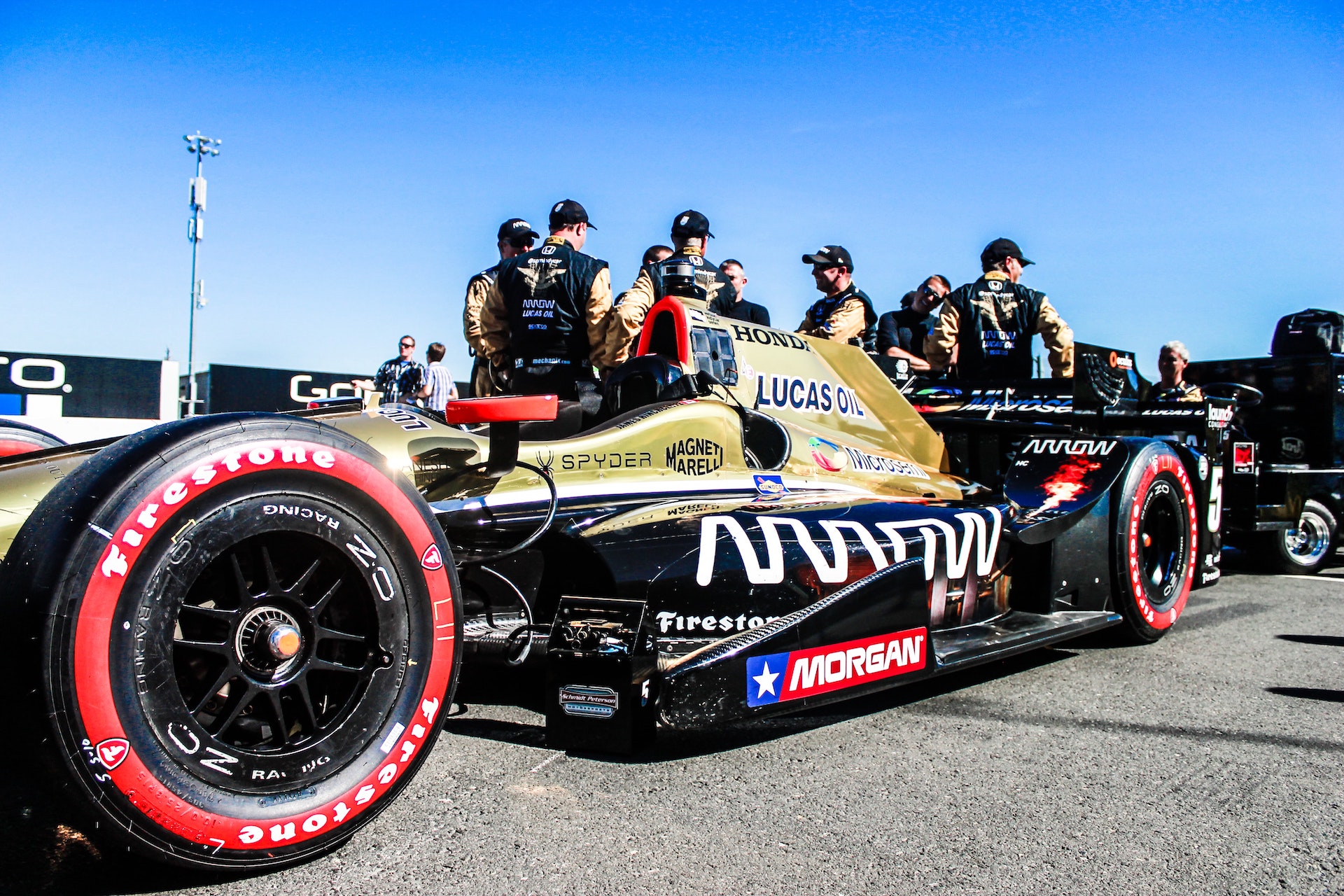
Motorsports has a deep history within the United States and the actual racing used to be enough entertainment to keep fans engaged with the sport. Now though, all organizations within sports are pressed with attracting eyeballs through a combination of experiential marketing, team or athlete performance, and social media creativity. IndyCar is no different when it comes to this challenge. Going up against a storied property like NASCAR and the increasing popularity surrounding Formula 1, the league has been forced to get creative when it comes to increasing viewership and engagement with the younger demographics. In recent years, IndyCar has made significant moves to reach the millennial audience by exploring new events, attracting a diversity of sponsorships across all teams, and promoting unique experiences that have become attached to the league. Let’s take a closer look at what IndyCar has done well in each of those areas and identify ways it can continue the momentum.

IndyCar’s Evolution: From Tradition to Transformation

New Events & Structure

Developing a strategic schedule where premier events are highlighted with minimal conflicts gives any league the greatest opportunity to capitalize with regard to viewership. For IndyCar, the Indianapolis 500 is the marquee event that all but guarantees the most attention given the storied history and record-holding capacity of the venue. Outside of that race and those within the city of Indianapolis, there are no other clear-cut gems that people recall when they think of IndyCar. There is, however, one that many will remember — Nashville. The Big Machine Music City Grand Prix, set in the streets of Nashville, was a new race on the IndyCar schedule this year. Although the actual race itself was a disaster with a flurry of crashes and restarts. But more importantly, the race was lauded for being a historic spectacle and an entirely new kind of entertainment for the nearly 110,000 people who experienced it that weekend. Former Pocono Raceway President described it best when he said: “It can’t just be a race. It has to be an event, OK? And nobody throws a party like Nashville” (Estes, Tennessean). There are several other prime destinations for new races, but arguably the most logical choice? Las Vegas. Not only has professional sports flourished over the past 5 years, but the prominence of sports gambling in the area makes it an attractive opportunity to reach the younger audience. Additionally, Nevada has become more populous and diverse according to the most recent census report. Nevada’s diversity index has gone up to 68.8% — third behind Hawaii and California — and the population grew 15% over the past 10 years with less than 50% being caucasian (Rodgers, Las Vegas Sun). Replicating what happened in Nashville in a budding city like Las Vegas would bring IndyCar’s viewership and demographics to a new level.

Diversity of Sponsorships

Gone are the days of the traditional categories of companies sponsoring sports. New players have entered the space and changed the way sponsorship looks for a team and driver. In a previous post, I mentioned NASCAR Xfinity Series driver Landon Cassill’s partnership with Voyager and how impactful that was on several levels. IndyCar has also managed to tap into cryptocurrency through the relationship between Ed Carpenter Racing and Bitcoin. Carpenter explains how “Bitcoin is revolutionizing our financial system” and he sees the sponsorship as “an opportunity to transform how we operate within our motorsport industry” (Pruett, Racer). For activation, a QR code allowed Rinus Veekay’s #21 Chevy to be completely crowdfunded as the first-ever “peer-to-car” contribution model in all of motorsports. Giving the people the opportunity to actively participate in a campaign brings them closer to the sport, not to mention exposing them to the future of finance. Another partnership changing the game is DarkTrace’s work with McLaren Arrow SP. Already a crucial part of McLaren’s Formula 1 team, DarkTrace has extended their autonomous cyber-AI (artificial intelligence) to McLaren’s US-based IndyCar team. With a greater majority of McLaren’s organization working remotely and relying on cloud collaboration platforms, DarkTrace has successfully protected the team from a variety of cyberattacks. The synergy of DarkTrace’s cyber-AI technology and the team’s need to make real-time decisions without sacrificing time has culminated in a partnership that every team seeks to create. A greater number of these kinds of partnerships in emerging areas can help bring innovation to the sport and expose their audience to new companies that are making an impact beyond a simple sticker on a car.

Unique Experiences

Even though COVID-19 is not technically gone, experiential marketing and entertainment have become crucial with fans returning to stadiums and sporting events. Genuine engagement that can be formed between fans and IndyCar both physically and virtually are key steps to the growth of the league. On that front, IndyCar is on the right track (pun not intended). Ruoff Mortgage’s “Fastest Seat in Sports” is a one-of-a-kind experience that gives some of the world’s most recognizable celebrities and stars a first-hand look at what racing in IndyCar looks like. While this experience is great for publicity and creating content that can be repurposed, there isn’t much when it comes to a real fan connection other than the fact that someone may follow that celebrity and might enjoy the content. Another popular experience surrounding IndyCar includes the Indy 500 Snake Pit — an extravaganza of music, dancing, alcohol, and partying that rings in summer like no other event. This event is critical as it provides an opportunity for those who come to see the performances and the atmosphere to take in the racing aspect and learn about the sport. On the virtual side, IndyCar has been late to the party. NASCAR has already tapped into virtual racing with eNASCAR and you can even buy, breed, and race a NASCAR digital horse as an NFT. In July, IndyCar announced that a new NTT IndyCar Series video game would be available in 2023 for PCs and gaming consoles. Although it is a good sign that they are creating an “esports competition featuring potential driver participation and collaborations” (IndyCar.com) which could start before the year ends, leagues like NASCAR have jumped ahead early and established themselves in virtual racing. For IndyCar to continue to grow, they will need to provide unique in-person experiences and map out how to tap into new digital realms like the metaverse.

What’s Next for IndyCar

IndyCar has made significant progress in becoming relevant for younger audiences and has been successful in creating a personal brand that lives and breathes alongside another major sports property in NASCAR. The challenge is, and always has been, finding ways to generate more genuine interactions with fans through a variety of channels. The framework is there and there is evidence of what works, but it will be up to IndyCar to take the wheel and push forward to continue changing the motorsports landscape in the US.

Sources

  1. https://racer.com/2021/06/07/opinion-how-to-energize-and-expand-motorsports-audience/
  2. https://www.indycar.com/news/2021/04/04-17-ruoff-fastestseat
  3. https://www.tennessean.com/story/sports/2021/08/08/indycar-music-city-grand-prix-nashville-event-race/5432634001/
  4. https://lasvegassun.com/news/2021/aug/12/census-nevada-population-grew-15-over-last-decade/
  5. https://racer.com/2021/05/12/bitcoin-comes-to-indycar-with-ecr/
  6. https://www.darktrace.com/en/blog/how-autonomous-cyber-ai-scaled-to-protect-arrow-mc-laren-sp/
  7. https://www.ledgerinsights.com/buy-breed-race-a-nascar-digital-horse-as-an-nft/

Become a Sponsor.

Join us in making a difference. Tell us a bit about yourself and we’ll be in touch with sponsorship details.

By submitting this form, you agree to be contacted by the Athelo Group team regarding sponsorship opportunities.