Selling the Experience: What Traditional Sports Can Learn From the Savannah Bananas

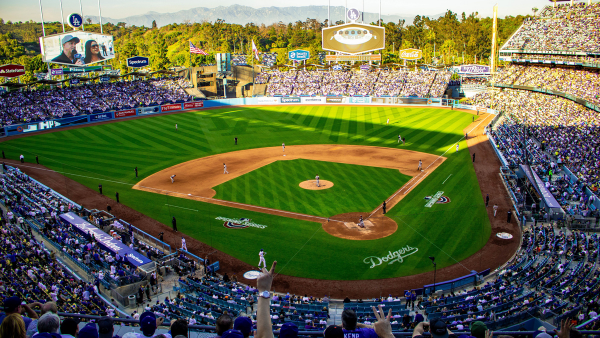
A baseball team can have a talented roster and winning record and still give fans an average night at the ballpark.

The game matters, but so does everything around it. Buying the ticket, getting into the stadium, finding food, interacting with staff, and feeling like the experience was worth the money: all of these shape a fan’s night at the ballpark. The experience surrounding the game is just as important as what happens on the field.

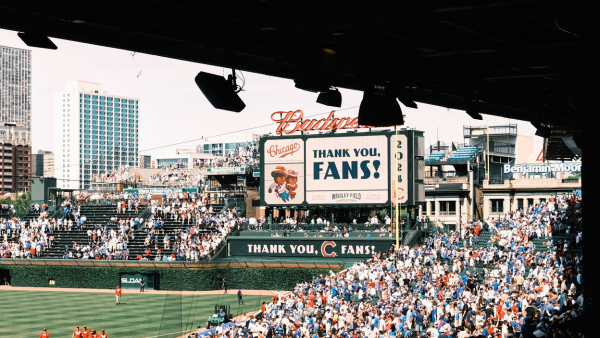
The Savannah Bananas, a baseball team known for blending the sport with choreographed dances, on-field stunts, and fan participation, have made those details central to their business. Their continued expansion raises a different question for traditional sports organizations: What can teams take from their model to make their own fans want to come back?

The biggest opportunities involve decisions teams already make every day, from ticket packages to sponsor activations and the way they follow up after the game.

Quick Highlights

  • Banana Ball sold 2.2 million tickets across 113 shows in 2025, with a 91% ticket redemption rate, showing the scale of demand for its blend of sports and entertainment.
  • Across all its teams, the organization reported more than 35 million social media followers and 18 million YouTube live views in 2025, extending its reach well beyond the fans attending in person.
  • Fans ordered 1.97 million merchandise items in 2025, giving the Banana Ball brand a presence beyond the stadium through products supporters could wear and share.
  • The organization’s 2026 Fan First Report outlines more than $10 million in live-show investment, putting resources behind the entertainment and memorable moments fans come to experience.
  • The ESPN and Disney Banana Ball package grew from 12 games in 2025 to 25 games in 2026, giving its mix of competition, player personalities, and fan interaction a larger national platform.
  • Banana Ball listed starting ticket prices of $35 at minor league parks and $40 at MLB and NFL stadiums, with taxes paid and no added ticket or service fees on its own tickets, making the advertised starting price easier for fans to understand.

Build Value Around What the Team Can Control

Winning games gives people a reason to celebrate.

However, winning can be a difficult foundation for a team’s guest service strategy. Guest service is about the way a team welcomes fans, supports them throughout their visit, and makes their time at the ballpark enjoyable. No team can promise a win every night, but it can commit to helpful staff, efficient concessions, and a welcoming atmosphere that gives fans a reason to return regardless of the final score.

Teams have more control over how fans are treated and what they can enjoy throughout the visit.

For an MLB club, that could mean turning a quieter weeknight game into a family outing with an easy-to-understand ticket bundle and pregame activities. An NBA team could use scheduled breaks for recurring fan competitions that people recognize and look forward to. A college athletic department could build a student section tradition that gives attendees a role beyond filling the seats.

These are ways to create value alongside the competition. They give a first-time guest or casual fan something to enjoy even if the team is struggling. This is exactly what Banana Ball does by making entertainment and fan participation central to the experience, giving fans reasons to come back beyond the final score.

The practical question for a team is whether someone could leave after a loss and still recommend attending. If the answer depends entirely on the score, there is room to improve the experience.

Make the Full Outing Easier to Buy

A ticket price is only one part of a fan’s decision. Parking, food, fees, and transportation shape the real cost of attending a game.

Banana Ball’s starting prices include taxes and carry no added ticket or service fees on its own tickets. Seating options and availability vary.

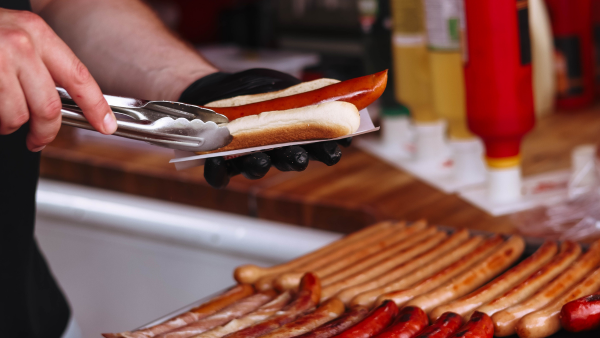
Traditional sports already offer examples of addressing another part of that budget. Mercedes-Benz Stadium’s ATL Fan Fare menu lists a classic hot dog at $2. That gives fans an affordable option inside a major stadium.

Teams could apply this thinking through a package that clearly includes admission, a meal, and parking. Sponsors could help fund youth tickets or provide food credits, giving the partnership a practical benefit families can understand before purchasing.

The business question is whether that offer attracts additional buyers and encourages return visits while covering its costs. Teams should test the package against comparable games and track both spending and repeat packages.

A clear offer makes the decision easier. Whether it builds lasting business should be measured.
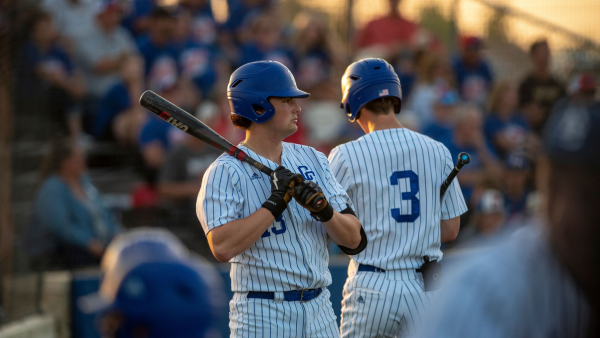
sports fan experience

Give Sponsors a Useful Role

The Bananas offer an interesting challenge to the usual sponsorship model.

In an interview, owner Jesse Cole explained that the organization removed traditional advertising from their stadium, taking down sponsor billboards and signs along the outfield wall to keep fans’ attention on the game and entertainment. Most professional sports teams operate with substantial sponsorship commitments. Their opportunity is to examine how those partnerships contribute to the visit.

A hydration brand could support a fan refill station. A restaurant partner could host a player-inspired tasting before first pitch. A technology sponsor could help fans create a personalized photo or video souvenir.

Sports pop-up shops offer another possible format, combining product discovery, athlete appearances, and activities in one space.

These are proposed applications for traditional teams. Each starts with something a fan might choose to use or enjoy.

The Bananas have put this approach into practice through their partnership with Dairy Queen. Their “DQ Shake Snag” promotion connects a signature Banana Ball rule, a fan catching a foul ball counts as an out, with a free small shake offer for new DQ Rewards members through the DQ app. The partnership gives fans a tangible benefit while making the brand part of an entertaining moment of the game.

From there, teams and brands can agree on measures that match the purpose: participation, samples, opt-in signups, or changes in brand recall. Those results give sponsors a clearer picture of what their investment accomplished beyond having a logo in the building.

Give the Visit a Life Beyond Game Day

An entertaining moment can reach people who never entered the stadium. The next step is giving those people somewhere to go.

A team could turn a recurring fan challenge into a short social series, introduce the player behind a popular celebration, or share reactions from a themed game night. A thoughtful social media content strategy for athletes can also give players a format that fits their personality and interests.

That content should connect to a relevant next action. A video from a family night could link to the next family package. A player-led food feature could direct fans to an upcoming tasting event.

Trackable links, campaign codes, and optional post-purchase surveys can help connect content to ticket interest. With permission, a first-time attendee could receive a follow-up offer for a similar experience.

The Bananas’ expanded ESPN and Disney package also shows how their entertainment product has gained a larger distribution platform. For a traditional team, the useful question is how its own content helps people discover, understand, and eventually experience the product in person.

Bringing the Ballpark to the Feed

The Savannah Bananas make social media an extension of their live experience.

Clips of choreographed dances, unexpected plays, and player personalities give viewers a taste of Banana Ball before they even buy a ticket. These moments can entertain someone who has never followed baseball, creating an introduction built around curiosity and enjoyment.

For traditional teams, the opportunity is to show more of what makes attending a game worthwhile.

A funny player interaction, a memorable fan celebration, or a behind-the-scenes look at a ballpark tradition can communicate something a score update cannot. What it feels like to be there. Teams can then connect that interest to clear ticket information and track whether viewers visit ticket pages, sign up for updates, or purchase seats. The goal is to give people a reason to picture themselves in the crowd, and an easy way to join in.

Know What Transfers and What Does Not

The Bananas have unusual freedom to shape their competition and entertainment together. Traditional teams work within league rules, broadcast schedules, player obligations, and established fan expectations.

An MLB club cannot simply adopt Banana Ball’s rules. A basketball team also has to consider whether an activation distracts from live play or interferes with an athlete’s preparation.

There is another business difference: a touring event’s demand does not automatically predict demand across a traditional team’s home schedule. A promotion that works once may lose its appeal when repeated every week.

That makes small tests valuable. Try one new experience across a few comparable games. Ask attendees what they enjoyed, what frustrated them, and whether they would return. Give athletes a choice about how they participate, and listen to longtime supporters as well as new guests.

A quieter family section, clearer directions, or faster service could be more valuable to a particular audience than another loud promotion. The right choice depends on the people attending.

Measure What Happens After the Applause

A crowded activation or popular video can look successful. Teams need to understand what happens afterward.

For ticketing, useful measures include whether first-time buyers purchase again, whether package buyers return without another discount, and whether existing ticket holders renew. With guest service, teams could track entry times, concession waits, and recurring complaints. For sponsors, the measures should reflect the agreed purpose of the activation.

Comparisons need context. A Saturday rivalry game and a Tuesday game against a less popular opponent attract different demands. Weather, team performance, and pricing can also influence results.

Looking across similar events gives teams a better basis for deciding what to expand, adjust, or stop. It helps prevent a strong night on the field from receiving all the credit for a change in the fan experience.

Make the Next Visit an Easy Decision

Traditional sports organizations have plenty of opportunities to improve the experience around their competition.

The Bananas provide a reason to examine those opportunities more closely. Their approach puts attention on what fans receive for their money, how they participate, and what they remember afterward.

For a team, that could start with clearer ticket packages, a more useful sponsor activation, or a better follow-up after someone’s first game. The result worth pursuing is a fan who leaves feeling that the organization respected their time and gave them a reason to return.

That is a relationship teams can keep building, regardless of the final score.

FAQ:

  1. How is this different from simply adding more entertainment? A better fan experience includes buying tickets, arriving, finding food, and receiving help. Entertainment is one part of the journey. Teams should identify what their audiences value, then improve the steps that matter most to them.
  2. Can traditional teams apply the Bananas’ approach without changing their sport? Yes. Ticket packages, guest service, pregame activities, content, and sponsor experiences offer room to experiment within league and venue requirements. Teams should choose ideas that fit their audience and preserve attention on the competition.
  3. How can sponsors benefit from this approach? Sponsors can provide something fans find useful or enjoyable, such as food credit, interactive activity, or service. Teams and brands should define the intended benefit and agree on how to evaluate participation and results.
  4. What is the strongest sign that an experience improvement is working? Repeat attendance is a useful signal when evaluated alongside satisfaction, costs, and revenue. Teams should compare similar games and account for other factors that could explain changes in purchasing.
The Price of Pushing Limits: Why Athlete Injuries are on the Rise

A running back plants to cut, his knee buckles, and every football fan winces. As trainers jog onto the field, viewers already suspect a torn ACL before the broadcast even airs the replay.

They’re often right. From 2012 to 2023, 524 NFL players tore an ACL, an injury that takes nearly a year to come back from. It’s also one of the clearest signs of a bigger trend across sports: athletes keep pushing their bodies to the limit, and they’re getting hurt more often and more severely.

So why are injuries on the rise? Modern sports reward maximum effort: year-round training, faster and more explosive movement, and higher intensity. Today’s athletes may be progressing faster than their tendons and ligaments can handle.

The good news is that sports medicine is keeping pace. Advances in surgery and rehab are bringing athletes back sooner and closer to their pre-injury form, and recovery has become one of the biggest trends in sports and on social media.

Quick Highlights

  • Sports injuries send Americans aged 5-24 to the emergency room 2.7 million times per year, with football the leading cause.
  • The NFL recorded 524 ACL tears between the 2012-13 and 2022-23 seasons. Any given player has a 1.9% chance of tearing his ACL during the season.
  • Tommy John (UCL) surgeries in professional baseball tripled from 104 in 2010 to 314 in 2020. 
  • Female athletes are 2-8 times more likely to tear their ACL than male athletes.
  • 83% of professional athletes return to their pre-injury level after ACL reconstruction.

Faster, Stronger, and More Fragile?

The modern athlete is a product of optimization. Teams have become remarkable at tracking every data point and turning it into wins on the field, and pushing athletes even harder is increasingly important. The problem is that muscle can be trained faster than ligaments and tendons can adapt.

No league demonstrates this better than the NFL. Since Next Gen Stats, an RFID player analytics system, was implemented in 2016, organizations have gained easier access to data such as speed and acceleration. Tyreek Hill and Raheem Mostert have both reached top speeds above 23 mph. At speeds like that, every hard cut puts an enormous load on the knee and ankle.

Wide receivers tear their ACLs more often than any other positional group in the NFL. Two-thirds of tears occur in games, and injuries are more common in the first half of the season.

Scheduling plays a significant role as well. Players are 1.5 times more likely to tear an ACL on a short week than in a normal week with seven days between games. Every team plays at least one Thursday Night Football game, which means two games in the same week.

How Other Leagues Stack Up

People commonly point to the playing surface as a culprit for more injuries. When Aaron Rodgers tore his Achilles on the opening drive of his New York Jets career, the NFL Players Association renewed its calls for grass fields throughout the league, citing player health and safety.

FIFA requires a natural grass playing surface, so 11 of its host stadiums for the 2026 tournament had to swap their turf for grass. The NFL, however, has found no significant difference in injury rates between artificial turf and grass fields.

The NFL isn’t the only big American sports league dealing with injury troubles. Major League Baseball has seen a surge in Tommy John surgeries and general arm injuries, and the NBA saw stars Jayson Tatum, Tyrese Haliburton, and Damian Lillard tear their Achilles during the 2025 playoffs.

Athletes continue to get faster and stronger, but the trend is clear: the human body may not be able to keep up.

Are Injuries Starting in Youth Sports?

Many professional athletes’ injuries begin long before they reach the highest level of competition. Youth athletes now choose one sport early and play it year-round, chasing recruiting attention and scholarships. Football accounts for the highest share of youth sports ER visits due to frequent collisions and immense stress on growing bones and joints.

The jump to the NFL presents its own risk. Players with three or fewer years in the league tear an ACL at a rate almost twice that of league veterans. Adapting to the NFL’s speed and strength almost instantly is a tall task for new players.

Injury risk is even greater for female athletes. Women are significantly more likely than men to tear an ACL, with rates climbing for girls aged 11 to 17. Athletes who stick to one sport year-round face a 31% higher risk of significant injury than multi-sport athletes. The conversation made waves beyond basketball when USC star JuJu Watkins tore her ACL during the 2025 NCAA Tournament.

Proactivity and proper training can aid prevention, but when injuries do happen, medicine is ready to help.

athlete injuries

How Sports Medicine Is Redefining the Comeback

Modern medical advancements are the reason athletes are able to recover from devastating injuries.

Take Tommy John surgery. When Dr. Frank Jobe pioneered the risky procedure in 1974, it was a long shot that pitcher Tommy John would return to the mound. He ended up pitching for 14 seasons after surgery. Today, over 80% of MLB pitchers who undergo the procedure return to the league.

Recovery from Tommy John takes close to a year, even with refinements and mastery over the past half-century. But the next step may already be here.

UCL repair with an internal brace reinforces the athlete’s existing ligament rather than replacing it altogether. Of the patients who undergo this procedure, 92% return to play in an average of 6.7 months.

Knee and Achilles repairs have followed a similar path. Many athletes who tear an ACL return to their pre-injury levels after surgery, and most perform at levels matching their uninjured leaguemates. Achilles tears were once the poster child for career-ending injuries, but treatment has improved rapidly as well. Kevin Durant tore his Achilles in 2019 and returned 18 months later to play at an elite level. Cam Akers suffered the injury in July 2021 and made an unprecedented return in under six months, contributing to the Los Angeles Rams’ Super Bowl 56 victory.

Rehabilitation has also become much more data-driven. Wearables track factors such as workload and heart rate, and force plates compare strength between legs. Data can be obtained more easily and converted into actionable steps. ACL patients are not allowed to start running until they regain at least 80% of their pre-surgery strength.

The most difficult part of recovery is often mental. Many athletes who never return from major surgery cite fear of reinjury as a key factor. It can be extremely difficult for athletes to completely shift their routines and constantly worry whether they will ever return to form because of something outside their control. The biggest hurdle in an athlete’s comeback may be the belief that they can make one in the first place.

How Recovery Products Went Mainstream

Recovery processes and tools that were once exclusive to the highest-level athletes have transformed into a consumer category worth billions.

The sports recovery market was valued at around $4.2 billion in 2025, including everything from cold plunge tanks to massage guns to infrared saunas. The cold plunge segment by itself is projected to double from $0.6 billion to $1.3 billion over the next decade.

The concept is simple: elite athletes adopt new systems and practices, and suddenly everyone wants to get their hands on them. Many North American sports teams have incorporated cold-water immersion into their routines. Gyms have rapidly invested in spaces for cold plunges, saunas, cryotherapy chambers, and compression boots, and a gym’s recovery space now affects where people choose to train.

It’s the same dynamic that has driven the rise of competitive fitness among everyday people. Everyone from elite athletes to weekend warriors has prioritized recovery to stay on top of their health. Wearables measure things such as heart rate variability, sleep scores, and VO2 max, and they allow users to adjust their lifestyle and see their numbers improve.

Sleep, nutrition, and training will always be the foundation of proper recovery, but these new tools can supplement the process.

Recovery as Content

Recovery products took off because they’re visible. These tools commonly show up in athletes’ training videos, locker room clips, and on the bench.

Leagues and brands began to take notice. The NBA named Hyperice its official recovery technology partner in 2020. Professional athletes not only endorsed the brand but also wanted in. Among the athletes who invested in Hyperice were Russell Westbrook, Trae Young, and Naomi Osaka.

The products aren’t the only subject of content; the rehabilitation process itself is too. Recovering athletes document their comebacks through milestones such as therapy, drills, and running, which keeps them connected to their audience and gives fans a place to voice their support.

Authentic recovery builds trust, which is exactly what brands and sponsors search for. Athelo Group’s Dani Speegle and her partnership with KRĒO come to mind. Audiences and companies can easily discern whether an athlete truly implements products in their recovery or is simply chasing a paycheck. Partnerships last when each party is engaged.

athlete injuries

What’s Next for Athlete Health?

Athletes continue to push the human body to new limits, and the injury report reflects that. The cost of being elite is often substantial.

At the same time, injuries are becoming more of a temporary absence from competition. Faster, better surgeries, higher rates of returning to form, and more calculated rehab efforts are not just saving careers but elevating them. They’ve also allowed the recovery industry to shine on its own.

The next key step in sports is prevention. The athletes who last the longest won’t just be those who return to form the fastest. They’ll be those who never need to make a comeback at all.

FAQ:

  1. What is the most common serious injury in the NFL? The torn ACL is both common and significant. Knee injuries account for 20-30% of football injuries, while ACL tears make up almost 2% by themselves.
  2. How long does it usually take to recover from major injuries? Most athletes need nine months to recover from an ACL tear and 12 months to recover from a UCL or Achilles tear.
  3. What is the difference between an ACL and MCL tear? The ACL controls rotation and forward movement, while the MCL is a major stabilizer of the knee. The ACL almost always requires surgery, while the MCL often does not.
  4. How can poor recovery affect injury risk? Poor recovery can cause the body to fatigue and compensate by shifting workload onto other muscles, which increases stress and injury risk.

Is the NFL Super Bowl Halftime Show Now the Main Event?

The Super Bowl halftime show used to be a bathroom break. Marching bands and themed shows filled the time while viewers grabbed snacks, stretched their legs, or changed the channel. The first halftime show in 1967 featured a trumpeter and two college marching bands, and for years the format barely changed. Nobody was planning their night around it.

Today it’s a completely different story. Halftime is one of the most-watched live performances in the world, with 128.2 million U.S. viewers tuning in for Bad Bunny in 2026 and billions more watching clips online. For many fans, it’s the main reason they tune in. Some people couldn’t tell you the score of the game, but they can tell you exactly what the performer wore, which guests showed up, and which moment took over their feed the next morning.

So what changed?

A comedy show, a pop superstar, and a lot of data. In 1992, a competing broadcast showed that viewers would leave halftime if given somewhere else to go. In 1993, Michael Jackson gave them a reason to stay. From there, streaming and social media turned a 13-minute break into a year-round cycle of announcements, speculation, and replays. One that artists, brands, and the NFL now build entire strategies around.

Quick Highlights

  • In 1992, Fox aired a live episode of In Living Color against the halftime show, and CBS reportedly lost about 22% of its audience.
  • Michael Jackson’s 1993 show was the first time Super Bowl ratings went up between halves.
  • Kendrick Lamar’s 2025 show set the U.S. live record at about 133.5 million viewers.
  • Roc Nation reported that Bad Bunny’s 2026 show reached 4.157 billion views worldwide, including social media and YouTube.
  • Bad Bunny’s Apple Music streams jumped seven times higher after the show.
  • Bad Bunny’s 2026 halftime show drew 128.2 million U.S. viewers, about eight times the average World Series game in 2025.

How Halftime Became a Must-See

For the first 26 Super Bowls, halftime was filler, not a headline.

The first Super Bowl halftime in 1967 featured a trumpeter and two college marching bands, and the shows didn’t change much for years. In 1991, the NFL tried something new by booking New Kids on the Block, the first contemporary pop act to play halftime. But the real wake-up call came a year later.

The 1992 Super Bowl halftime featured a winter-themed production with Olympic skaters, and it was widely panned. Meanwhile, Fox, then a young network, aired a live episode of a sketch comedy show, In Living Color, as an alternative. Viewers switched in huge numbers, with reports putting the audience at more than 20 million.

The message to the NFL was clear. Halftime needed to be more than a performance. It needed to be an event. The concern wasn’t necessarily that viewers found skating boring, but that the show lacked the star power, spectacle and appeal needed to hold the attention of the NFL’s massive audience. 

Fans expected a cultural moment, not simply a break in the game. If the entertainment failed to meet those expectations, the fear was that viewers would tune out, or leave altogether.

The league’s answer was Michael Jackson in 1993. His performance drew an estimated 133 million viewers, and it was the first time in Super Bowl history that ratings rose during halftime. It even boosted his album sales by 83%. From then on, the NFL kept booking major pop stars, and the show kept growing.

The Show Is Now a Cultural Moment

Modern halftime shows aren’t just concerts. They’re built to be clipped, shared, and argued about online. A single moment can dominate social media for days, and artists plan their sets with that in mind.

Bad Bunny’s 2026 halftime performance was more than a musical spectacle. It was a cultural milestone that brought Puerto Rican identity and Latin culture to one of America’s biggest stages.

As the first halftime headliner to perform almost entirely in Spanish, he challenged traditional ideas of mainstream entertainment and showed that a global audience doesn’t have to share the same language to connect with a performance. The show featured hits like “DtMF,” guest appearances from Ricky Martin and Lady Gaga, and a real wedding staged live during the broadcast.

The show showcased meaningful cultural representation. For Latino audiences, it was a powerful moment of visibility. For the NFL, it demonstrated how halftime entertainment can attract new audiences and spark conversations far beyond football. The performance also became part of a broader cultural discussion about identity, inclusion, and what it means to be American.

Ultimately, Bad Bunny showed that the most memorable halftime shows do more than entertain. They create cultural moments that resonate long after the final whistle.

The online reach was just as big as the TV audience. According to the NFL, over half of its social media views came from outside the U.S., and some of the league’s most-viewed posts ever came from this show. It shows how far halftime now reaches beyond American football fans. Fans watching clips on their phones and on social media around the world don’t necessarily care who wins the football game.

NFL Super Bowl Halftime

Why Artists and the NFL Both Win

The NFL’s reason is simple: a huge halftime show keeps viewers glued to the screen. In fact, the 2026 broadcast of the game between the Seattle Seahawks and the New England Patriots had a peak audience of 137.8 million during the second quarter, a record for the game.

For artists, the payoff comes in the days after. Following Bad Bunny’s show, his Apple Music streams went up sevenfold, and he took over the top spots on Spotify’s U.S. chart within days.

It also shows how closely sports and entertainment are tied together now. Leagues act like media companies, and musicians treat the Super Bowl like the biggest stage of their year.

Each side needs the other to reach a bigger audience.

Is It Getting Too Big?

Not everyone loves this trend. Some fans think halftime has become too polished and corporate, with every detail planned to be shareable. When a show is designed to go viral, it can start to feel more like a marketing event than a live performance. And with so many sponsors, partners, and platforms involved, there’s less room for the messy, unpredictable moments that people remember most.

Picking the performer is its own challenge. No choice can make everyone happy. Choose a global superstar and some fans feel left out. Choose a safe act and the show feels forgettable. The NFL has to balance broad appeal with cultural relevance, and every year the internet has strong opinions on whether it got the balance right.

The 2026 show proved how divided opinions can be. A rival halftime broadcast aired online during the game, and it drew millions of viewers of its own. Whether you loved the main show or skipped it, that kind of split shows how much people care about who gets the stage.

There’s also a bigger question about where the audience is going. Bad Bunny’s live U.S. TV audience was a bit lower than Kendrick Lamar’s the year before, but his global online views rose 137% over 2025. That suggests halftime is growing less on TV and more on phones and social feeds, which changes how these shows are built and who they’re built for.

That debate is a sign the show matters. A halftime performance that nobody argues about probably isn’t saying much, and the ones people remember tend to take a risk.

What Will Happen?

Halftime started as filler and became one of the biggest moments in sports and entertainment. It grew because a comedy show proved audiences would leave, and because the NFL responded by chasing the biggest names in music. Michael Jackson showed that a great performance could pull in more viewers than the game itself, and every show since has been trying to top that.

Today, halftime is more than a TV event. It’s a global moment that lives on social media, streaming charts, and group chats long after the final whistle. Artists use it to reach new fans, the NFL uses it to hold its audience, and viewers use it to start conversations, whether they’re praising the show or complaining about it.

That’s what makes it so interesting for anyone who follows sports and entertainment. The line between the two keeps getting thinner, and halftime is the clearest example. As long as the audience keeps growing, expect the NFL to keep swinging big.

The next question isn’t whether halftime matters. It’s who gets the next stage, and what they’ll do with it.

FAQ:

  1. When did halftime shows start featuring pop stars? The NFL tried a pop act for the first time in 1991, but the big shift came in 1993 with Michael Jackson. That show worked so well that the league has booked major stars ever since.
  2. Who has the most-watched halftime show? It depends on how you count. In the U.S., Kendrick Lamar’s 2025 show leads live TV viewership at about 133.5 million. Globally, Bad Bunny’s 2026 show leads with 4.157 billion views across platforms, according to Roc Nation.
  3. Why do artists want to perform at halftime? The exposure is huge. Performers often see big jumps in streams and chart rankings right after the show, which can be worth more than a full tour.
  4. Is the halftime show really that important to the NFL? Yes. It keeps viewers watching through the break and brings in fans who might not follow football. In 2026, the broadcast set a record for peak viewership during the second quarter.
  5. Do all fans agree on who should perform? Not at all. Every pick sparks debate, and in 2026 a rival halftime broadcast drew its own audience online.

Priced Out of the Stands? The Real Cost of Being a Sports Fan

The final score isn’t the only number fans pay attention to when attending a game.

Before the first pitch, opening faceoff, or kickoff, a family may have already paid for tickets, transportation, and parking. Add food, drinks, and a souvenir, and the cost of an afternoon cheering for their favorite team can look very different from the ticket price that first caught their attention. 

Affordability is a major concern fans themselves recognize. In February 2025, 86% of fans believed sporting events were too expensive for the average person to attend.

For teams and brands, that raises a business question: How can live sports generate revenue while giving fans a realistic opportunity to participate?

Quick Highlights:

  • A 2026 NFL study estimated a $733.80 average outing for a group of four people attending a game. This included tickets, parking, and specified food/drink items. 
  • A 2026 study done by the MLB estimated only $225.90 for those combined purchases, while the NHL and NBA came in at an estimated $277.65 and $304.01 respectively. These are study benchmarks from different seasons and collection methods. 
  • 37% of sports fans identified affordable tickets as one of the most important elements of fandom in 2025. 
  • During the 2026 World Cup, Atlanta Stadium maintained $2 hot dogs and $2 refillable soft drinks for all games. 
  • The Phoenix Suns introduced a $2 menu for certain concession items for all games in December 2024. This displayed a new approach for fans to have affordable food during games. 
cost of being a sports fan

The Ticket is Only the Beginning

A ticket gets fans through the gate and into their seats. It does not necessarily cover the entire visit.  

Driving will require parking, while public transportation and rideshares create their own fees and expenses. Food and drink add yet another layer. Merchandise is optional, but a child’s first jersey or a limited edition souvenir cup can still become part of a family’s budget. 

Ticketing fees also deserve a lot of the negative attention. Sites like Ticketmaster explain that event organizers set the original ticket prices, while resellers set their own resale ticket prices. Its upfront displayed prices include mandatory fees, which are generally before taxes. There are also sometimes additional delivery charges that can be added at checkout. 

It is very important to understand the distinction. A resale listing is not necessarily the team’s original price, and it can sit well above or below face value. Fans comparing options should look at the final purchase total and the other costs of attending. 

The practical question becomes less about the cheapest ticket someone can find and more about what the full outing will cost their group as a whole.

What Does a Day at the Game Cost?

Published attendance studies offer a useful starting point, provided their assumptions stay visible.

These studies use tickets, one parking space, four hot dogs, two beers, and two sodas for a family of four. These reported averages illustrate the scale of a basic outing rather than the amount every family actually spends. 

  • NFL (2026): $733.80
  • MLB (2026): $225.90
  • NBA (2025/26): $277.65
  • NHL (2025/26): $304.01

These figures are not perfectly comparable. The NFL study uses the price of the lowest-priced available block of four tickets, while the MLB study multiplies the average entry level prices by four. Reportings by the MLB also estimate some concession prices. Collection dates and methods differ from league to league, and the packages do not include the purchase of any game day merchandise or travel accommodations. 

A family taking public transportation/transit, skipping alcohol, or choosing a promo package would most likely spend less. On the other end, better seats, additional food, and a hotel stay would push their total higher.

The Same Sport, a Different Price

Ticket prices involve several decisions made by various parties.

According to a study done by the NBA during the 2025/26 season, the estimated outing for four at a New York Knicks game reached $831.20. That price is nearly 3x more than the average $277.65 league benchmark. 

These numbers do not mean all Knicks games cost that much money. It gives us a better understanding of why a broad league average cannot substitute for checking a particular opponent, date, and seating option. 

For a fan choosing between certain games, the market and matchup play a much larger role than most people realize.

What Happened to the Affordable Day at the Game?

Today’s game day budget becomes much more revealing when looking at it compared to historical ticket prices.

According to a 2003 NFL data set, Team Marketing Report put the league’s average ticket prices at just $52.95. 20 years later, Team Marketing Report reported the average general ticket price at $120.94. 

This data set shows an increase of $67.99 per ticket, or an approximate 128.4% growth over just 20 years. When applying those averages to four tickets (admission only) this puts the 2003 total at $211.80 versus $483.76 in 2023.

A difference of $271.96 before parking, food, drinks, or souvenirs. 

These figures describe a specific historical period (2003-2023) rather than prices for every game today. They compare reported NFL average ticket prices from the same research series, not resale listings or the total family-outing estimates used elsewhere in this article. The increase is in nominal dollars, meaning it includes inflation. These numbers do not establish how much ticket prices rose relative to household income or general consumer prices. 

Even with distinctions such as these, the comparison shows why tickets deserve particular attention in discussions about accessibility. Multiplying a higher admission price across a family can change the outing’s budget before anyone has even entered the stadium. 

sports stadium prices

Why Prices Vary So Much

According to Ticketmaster, organizers consider factors including venue size, event interest, and production cost when setting these prices at face value. Resellers are then allowed to set their own prices at whatever they’d like. 

The study completed by the NBA also describes tiered pricing for visits by higher profile teams. Tickets cost more when teams like the Lakers, Warriors, and Celtics visit town. Seeing opponents with a rich history or larger fanbase carry a different price from simply just seeing the home team play.

For families, another issue that is seen fairly frequently is whether affordable tickets are available together. The 2026 NFL study showed that the league’s analysis changed its method to measure a block of four rather than the single cheapest listing. 

Four inexpensive tickets scattered throughout the stadium do not solve the same issues as four seats a parent and children can use together. The greater details behind a headline price can determine whether an offer is practical or not. 

When Fandom Becomes a Budget Decision

Fans can still love a team while also questioning the cost of seeing it live.

The findings from these studies make the statement above very clear. Affordability in tickets was identified as “most” important by 37% of fans, compared to the 24% who selected team success. Respondents could identify multiple priorities, so these figures clearly show there is a strong preference for cheaper tickets over a winning product. 

The business risk is worth considering. If attending becomes difficult to fit into a household budget, some families may choose fewer games or reserve the experience for special occasions. The studies do not establish that prices cause an attendance decline, but they do give teams a reason to take affordability concerns seriously. 

Live attendance creates opportunities for shared experiences, from a child’s first game to watching a favorite player warm up or continuing a family tradition. From a marketing perspective, making these experiences accessible could help teams attract first-time attendees and give existing fans more reasons to return. Family ticket packages, discounted youth admission, or bundles that include food and parking could make the total cost easier to plan for while giving teams a clear value proposition to promote.

These offers can also create opportunities to build relationships beyond a single ticket sale. Teams could follow up with attendees who opt into communications, promoting relevant games, youth events, or future ticket packages.

Fans who enjoy the experience may also share photos, recommend attending to friends, or bring others to their next game, extending the reach of the team’s marketing. Affordable access therefore has potential value beyond filling seats for one event: it can help introduce new fans to the team and encourage an ongoing connection.

Making Game Day More Accessible

Affordability can be addressed at several points within the visit.

During the 2026 World Cup, Atlanta Stadium offered $2 hot dogs and $2 refillable soft drinks to all fans. Management at the venue distinguished the food prices it controlled from ticket prices set by event promoters.

Affordable concessions do not make the tickets free. They show how various venues can address another portion of the budget while still providing fans a choice about what to buy.

sports ticket prices

Bundling the Experience

Food inclusive packages give fans a much clearer view of what an outing includes.

According to SeatGeek’s guide to 2026 MLB food offerings, the Athletics’ “Sunday Family Four Pack” starts at $99. This includes four tickets, four drinks, four hot dogs, and four bags of chips or popcorn. It also identifies the Astros’ Coca-Cola Ballpark Bundle, combining a ticket with a hot dog, soda, and popcorn at an advertised price between $29-$66 depending on the selected seats and section. 

For brands, packages such as these suggest a useful partnership opportunity.

In 2026, the St. Louis Cardinals introduced Coca-Cola Unlimited, offering tickets starting at $29 that included unlimited select ballpark foods and Coca-Cola products through the end of the eighth inning. The package illustrates how a brand can become part of the value fans receive from attending a game.

From a marketing perspective, this gives Coca-Cola product exposure while connecting its name with an accessible, memorable outing. Other sponsors could explore similar opportunities through food credits, ticket discounts, or transportation support, with athlete content helping explain the offers and encourage participation.

What the Future Holds

The cost of attending professional sporting events is ultimately a question about the relationship between the sports organization and its supporters.

Premium experiences can serve fans willing to spend more. Accessible tickets and concessions options deserve attention alongside them. Teams should consider whether supporters with different budgets have a realistic way to enjoy the same event. 

For brands, helping a fan attend or reducing a practical expense could make a partnership more meaningful than visibility alone. For athletes, promoting those opportunities could connect their influence with a tangible benefit for supporters.

The strongest game day experience should leave fans thinking about the memories they made, and looking forward to coming back.

FAQ:

  1. How much does it cost to attend a professional sporting event? There is no universal set price for these events. The studies cited above estimate outings for four using specific tickets, parking, and concession assumptions. The actual price depends on the game, seats, transportation, and purchases.
  2. Why can resale tickets cost more than the original ticket price? Resellers set their own listing prices, which may be above or below face value. Event organizers set the original prices for tickets.
  3. How can teams make attending games more affordable for fans? Examples of this include lower prices concession options and food inclusive package options. Examples like the Suns or from Atlanta Stadium illustrate those approaches. 
  4. What should fans budget for beyond tickets? Fans should budget for transportation, parking, applicable taxes/fees, food, drinks, and merchandise. There may also be additional costs for overnight travel depending on where these individuals are coming from. 

Female Sports Marketing: The Call to Empower Female Athletes

Over the past decade, viewership and popularity have grown exponentially across all facets of women’s sports.

Female athletes drive monumental growth in audience engagement by using their platform to share their perspectives and reshape narratives imposed upon them. Success stories such as Sophie Cunningham, Simone Biles, Naomi Osaka, and Serena Williams are speaking out and paving the way for younger generations to show up for the sports that pique their interest. 

Representation of title-winning, devoted players starts a conversation that viewers can’t brush off.

As women’s sports continue to gain popularity, brands are recognizing the value of partnering with female athletes and the importance of increasing visibility. Fandoms grow as the spotlight broadens, providing brands access to a unique marketing opportunity.

Engagement is a direct segue into connection with consumers. 

Quick Higlights

  • According to the NORC Center for Public Affairs Research, around 3 in 10 adults in the United States follow women’s professional or college sports. 
  • Those who tune into women’s sports show their enthusiasm by tuning into six other leagues, compared to the general population average of 2.5. 
  • In 2025, women’s sports generated an estimated $2.4 billion in global revenue; they are projected to reach $3 billion in 2026. 
  • The 2023 Women’s World Cup generated 3.2 billion views throughout digital and social content, reported by FIFA.
  • NBCUniversal Winter Olympics coverage averaged 26.7 million viewers.
female sports marketing

The Importance of Personal Brand

An integral aspect that is ingrained in a successful partnership and campaign is personal branding. It provides the audience something they can connect to, and allows them to empathize and engage with the athlete. 

With the increase in visibility of women’s sports teams and athletes, existing fandoms are beginning to grow. In a space with an abundance of talented players, performance is not the main factor for an athlete or team to rely on in terms of brand enhancement. It is the narrative that takes precedence when marketing. 

One of the most notable success stories of the 2026 Olympics was American figure skater and two-time gold medalist Alysa Liu. Liu garnered audience attention by standing apart from the competition. As a talented athlete, she had a running start to captivating audiences’ attention with her impeccable form and effortlessly suave movements throughout her routines. 

Her technique won her the gold for the U.S. However, it was her authenticity that ultimately won audiences over in the end, making her a household name to date. 

Authenticity is Key

On the ice, Alysa beamed from head to toe with pride and persistence. Liu has been skating since the age of five, but the mentality she harbored on the Olympic ice was not maintained throughout her career. She was candid with the media about the burnout she experienced at the age of 16 after placing sixth at the 2022 Winter Olympics. Consequently, Liu decided to take a two-year break, revealing she briefly fell out of love with the sport. 

Liu eventually returned to the sport in 2024, and refused to return to the toxic constraints that were holding her in the negative space she so despised in years previous. Her positive demeanor shocked audiences, since that enthusiasm is rarely displayed on the ice. Her eagerness came off as charming and inspiring, enticing viewers to root for her success. 

Alysa’s hair also tells a story. “Every year, I add a stripe,” Liu told NBC. “It’s going to be like this for a year, then—next wintertime, end of December—I do another ring.” Her horizontally-banded blond and brunette hair marks her commitment to staying true to her individuality. 

Alysa Liu’s story reinforces the importance of storytelling when it comes to marketing an athlete’s personal brand. She did it by remaining true to herself. From a marketing standpoint, Liu’s story shows how personality can strengthen an athlete’s position as a brand partner. 

The Power of a Successful Campaign

Athletes deserve to be heard and accurately represented when they work with a brand. In selling a product or service, brands have an obligation to elevate the athlete’s own brand and turn the audience into a community. That takes more than placing an athlete’s image next to a product.

A campaign that reflects an athlete’s experiences and personality lets audiences connect with the athlete, and with the brand by association.

The story of a female athlete often involves overcoming barriers unjustly placed in her path, along with pushing past physical exhaustion and self-doubt. Viewers can relate to these struggles in some way, which gives a campaign built on them real emotional pull.

The strongest partnerships highlight an athlete’s contribution to her sport while recognizing her tenacity as both a player and a person. When brands emphasize these qualities, the campaign speaks to the community that already supports the product while uplifting the athlete through a human lens.

When the narrative is executed with care, brands can close the gap between themselves and their audience.

Nike Campaign That Changed the Game

Nike recognized the audience it could reach by bringing two generations of athletes together.

In the “You Got This” campaign, Nike celebrates female athletes by tackling nuanced topics. In a five-episode mini-series, star athletes such as Jordan Chiles, Bebe Vio, Lotte Wubben-Moy, and more sit down for a group conversation with younger student athletes. Together they discuss what they find difficult about their sports and how they push through mental and physical blockages. The veterans share the challenges they’ve faced in their careers, while the students are given space to express themselves too.

What makes the campaign inspiring is that both the athletes and the students open up about their doubts and acknowledge that those feelings are normal. The takeaway is that reframing your mindset can help you believe you’re capable of whatever you set your mind to.

Nike also went the extra mile by presenting each athlete’s experiences candidly, giving every featured voice room to be heard in a dedicated mini-series.

Everyone experiences doubt and uncertainty. What resonates with audiences is female athletes’ ability to overcome adversity.

The campaign’s strength lies in making female athletic accomplishments feel tangible to young athletes. Perseverance is a selling point, but it is also a mindset and a process. When viewers see athletes acknowledge their struggles, they can infer that those athletes worked through them. This humanizes them beyond their success as players.

The Call to Action For Brands

A successful campaign featuring women athletes aims to break barriers, not just sell a product.

Fans increasingly want to engage with players beyond their performance on the field, ice, or court. Social media has accelerated this shift by letting athletes share their personalities directly with their followers. Brands can tap into this hunger for connection by showcasing athletes, especially female athletes, on a larger scale.

A female athlete’s journey is inspirational to everyone involved and can leave a lasting impact on a rapidly growing industry. The most meaningful partnerships will be those that celebrate individuality and tell stories that deepen the audience’s connection.

FAQ:

  1. How can smaller or lesser-known athletes build a personal brand? An athlete does not need to be a title-winning, household name to cultivate a personal brand: it’s executed when remaining consistent and authentic. What is crucial, especially in the women’s sports industry, is remaining true to oneself. Developing a sense of personal identity is the first step to establishing a community as well as an audience.
  2. Why do fans connect with athletes when represented in a campaign? Fans and other athletes find athletic drive and determination inspirational. 
  3. What challenges do brands face when approaching a partnership with female athletes? Rather than treating women’s sports as a long-term investment, brands that treat women’s sports as a temporary phenomenon or trend fail to market the athlete they are partnering with correctly. Brands also seek value in statistics rather than including personal brand strength in the equation.
  4. Why is female representation important in sports advertising? Featuring female athletes in advertisements or campaigns promotes well-deserved recognition on a larger scale.
  5. Are younger audiences important to the future of women’s sports? Younger athletes represent the next generation of fans and athletes. When a younger person witnesses the visibility of female athletes, they recognize that female success is encouraged, therefore reflecting that belief.

Sports Documentaries: The New Playbook for Athlete Branding

The modern sports documentary is no longer just a recap of a season. It is a branding engine. 

For athletes, a few episodes of behind-the-scenes access can do what a press conference, highlight reel, or Instagram post can’t. It gives fans a reason to care beyond the game. 

Viewers get to see the preparation, pressure, family life, injuries, setbacks, and personalities that are usually hidden behind gameday performances.

That is why streaming platforms and leagues are investing so heavily in athlete-centered storytelling. Giving fans this inside access creates an emotional connection that highlights what happens beyond the final score. Series like Quarterback, Receiver, Starting 5, and Full Swing turn athletes into year-round personalities rather than people fans only watch on gameday. 

This allows audiences to follow athletes’ careers, engage with their content, and connect with the brands they partner with. The numbers back this up. From golf to basketball to women’s soccer, the results show just how far this kind of storytelling can carry an athlete’s brand.

Quick Highlights

  • Full Swing Season 1 was watched for 53.1 million hours between its February 2023 launch and the end of June, making it Netflix’s 267th most watched series in that period. 
  • 63% of Full Swing viewers watched PGA Tour coverage in the two months after the show’s debut, showing how athlete storytelling can create interest in the sport itself.
  • Starting 5 brings fans inside the 2023-2024 NBA season through Lebron James, Jimmy Butler, Jayson Tatum, Anthony Edwards, and Domantas Sabonis. Rather than just recapping highlights, the series shows the personal expectations, family dynamics, and injuries that come with being the face of an NBA franchise. 
  • Netflix’s The Clubhouse: A Year with the Red Sox gives baseball a more human entry point by following the Sox’ ups and downs of a full season. The behind-the-scenes access makes players feel less like distant names and more like personalities fans can be invested in.
  • Women’s sports are using the same model; Under Pressure: The U.S. Women’s World Cup Team documented the USWNT’s 2023 World Cup. Full Court Press followed three elite women’s college basketball players through the 2023-2024 season. 
  • Netflix’s engagement report in 2023 covers more than 18,000 titles and nearly 100 billion hours of viewing, illustrating the scale athletes can reach when their stories live on a global platform. 

The Highlight Reel is No Longer Enough

A great play may dominate social media for a day. A great documentary can shape how fans see an athlete for years to come.

That difference matters. Highlights show what an athlete can do. Documentaries explain who they are. 

A quarterback can be seen as the face of a franchise, but Quarterback showed viewers the weekly preparation, family sacrifices, physical punishments, and leadership demands behind the position. 

The format also made the stakes of each week feel more personal. Viewers could see how much goes into leading a team when the cameras are off. From game-planning and recovery to handling setbacks in front of an entire organization. That kind of access gives fans a reason to care about an athlete’s journey even when they are not watching them on Sunday.

Patrick Mahomes was already one of the NFL’s biggest stars, but the series gave fans a more complete version of him. Not just the Super Bowl quarterback, but the father and family man, teammate, and competitor. A great throw can impress a fan for a moment, but seeing the pressure of preparing for a game, the frustration of an injury, or the way a player interacts with his family gives that moment context.

The series also made fans more invested in players like Kirk Cousins and Marcus Mariota, whose stories were not always at the center of weekly NFL coverage. Following Cousins through the physical toll of the season and Mariota through the uncertainty around his role made their careers feel more personable and relatable. Fans do not build long-term loyalty to state lines. They build it around stories, struggles, and the people behind the jersey. 

From Athletes to Main Characters

The best documentaries borrow from the same formula that makes scripted TV work: clear stakes, personal conflict, and emotional highs and lows that fans want to follow. 

Starting 5 season 1 applied that formula to the NBA. The series did not simply recap the 2023-2024 season. It gave five players completely different storylines. 

Each player’s storyline showed a different version of what pressure looks like in the NBA. For some, it was the expectation to win immediately. For others, it was proving they could lead a team or sustain success over time. By putting those individual stakes front and center, the series gave fans a reason to see each player as more than the role they play on the court. 

Lebron James was chasing longevity in his 21st year. Jayson Tatum was pursuing a championship. Anthony Edwards was stepping into super star status. Jimmy Butler was navigating the intensity of Miami. Domantas Sabonis was trying to prove he belonged among the league’s best. 

The athletes were not interchangeable, and that is what made the show work. 

Sports Documentaries

Why Authenticity Drives Athlete Value

For brands, that distinction is important. 

A partnership with an athlete becomes more valuable when an audience understands the person behind the jersey. Fans can see which athletes are family-oriented, funny, obsessive about training, community-focused, or willing to speak honestly about what they believe. Those details give brands a clearer picture of what an athlete genuinely stands for. 

When a partnership connects naturally to the athlete’s real interest and lifestyle, it feels like an extension of their story instead of a forced advertisement. That authenticity makes the endorsement more credible to fans who are more likely to trust a product recommendation when it comes from an athlete they feel they actually know.  

Access is the Product

What makes documentary storytelling powerful is access. Specifically the kind that strips away the larger-than-life persona of professional sports. 

Showing film sessions, recovery routines, tedious travel days, and quiet family moments makes these athletes feel less like distant celebrities and more like human beings audiences can actually understand. 

Documentaries like Quarterback create immense value by revealing the raw emotional swings and everyday realities that happen between Sundays. The same is true for Netflix’s Receiver, which shifts the focus to the distinct personalities thriving in one of football’s most visible positions.

That emotional connection is a major advantage in a crowded sports media landscape. While content is more abundant than ever, genuine behind-the-scenes access remains scarce. When athletes open their lives beyond the field, the results feel far more personal and compelling than any traditional postgame interview. 

Full Swing Turned Golfers Into Personalities

Golf may be one of the best examples of how documentaries can change the way fans engage with athletes. 

Netflix’s Drive to Survive helped set the blueprint for this type of sports storytelling, giving Formula 1 fans access to the rivalries, personalities, and pressure that are often missed during a race broadcast. Its success showed how a documentary can make a sport feel more accessible to casual viewers while giving athletes and teams new ways to build their brands. 

Before Full Swing, many casual viewers knew the sport’s biggest names but had little understanding of the rivalries, travel, pressure, injuries, and career uncertainty that shape a PGA Tour season. The series made golfers more relatable by following them away from the course, where they were no longer just players in polos on a leaderboard.

The results were tangible. Full Swing logged 53.1 million hours viewed in its first four months, and its audience did not stay confined to Netflix. According to Nielsen data cited by the PGA Tour, 63% of viewers watched PGA Tour programming in the two months after watching the series.

That is the athlete-branding opportunity in its clearest form. The show did not need every viewer to become a golf expert. It only needed to make them care enough about a player, rivalry, or tournament to keep watching. 

When that happens, the athlete’s value grows beyond the course. Sponsors get a more engaged audience, the league reaches new fans, and athletes gain a larger platform to tell their own stories.

Baseball Finally Gets Its Behind-the-Scenes Moment

Baseball has always had personalities. It just has not always made them as accessible as other sports.

The Clubhouse: A Year with the Red Sox is a step in that direction. The series follows the 2024 Boston Red Sox through the highs and lows of a full season, exploring pressure from a demanding fanbase, roster decisions, injuries, and the individual stories within the clubhouse. 

The last part is crucial. In a sport built around 162 games, the traditional broadcast often focuses on results. Who won, who homered, who is struggling. A documentary has that time to focus on why those moments matter to the people involved.

The series also showed the potential for sports documentaries to handle more meaningful conversations. Jarren Duran’s discussion of his mental-health journey brought a level of honesty that cannot be captured in a standard game broadcast. It gave fans a chance to see the human impact of professional sports, while allowing the athlete to define his own story. 

For baseball, that is an important opportunity. Younger audiences are drawn to athletes they can relate to and follow as people, not just players during a three-hour game. Giving fans an inside look can create the kind of attachment that turns a casual viewer into someone who follows the sport year-round. 

Women’s Sports and Storytelling

Women’s sports are built for this type of content because the opportunity is not only to deepen existing fandom. It’s to introduce athletes and leagues to entirely new audiences. 

Under Pressure: The U.S. Women’s World Cup Team followed Alex Morgan, Megan Rapinoe, Kelly O’Hara, and the USWNT through the 2023 World Cup. Across four episodes, the series showed the tension of a team chasing a third straight title while managing the expectations that come with being one of the most recognizable teams in global sports. 

Meanwhile, Full Court Press’ first season followed Caitlin Clark, Kamilla Cardoso, and Kiki Rice during the 2023-2024 college basketball season. The series arrived at the exact moment women’s basketball was exploding in popularity, giving fans a closer look at the athletes driving the conversation. 

This is where documentary storytelling can have a profound impact that reaches far beyond the score. Showing the relentless work, distinct personalities, and intense pressure behind their performances makes female athletes household names before the biggest games, not after. 

On a broader level, this kind of visibility reshapes how society views women in high-stakes, competitive roles, challenging long-standing gender bias and inspiring the next generation. By humanizing these athletes, documentaries give both sponsors and society a deeper blueprint for investing in women as leaders, role models, and complete people. Not just players. 

The Brand Benefit

A documentary is still content, but it does not feel like an ad. That is why it works. 

A brand partnership built around an athlete’s documentary presence can feel more natural because viewers have already seen the athlete’s routines, values, and interests. The strongest opportunities do not force products into the story. They build from what fans already know about the athlete. 

If a viewer watches a golfer prepare for a major, a quarterback recover after a game, or a basketball player manage the demands of fame, they gain context. That context creates a more authentic relationship between athlete, fan, and brand.

The next generation of athlete marketing will not be built only on endorsements. It will be built on storytelling.

What Happens After the Credits

The biggest takeaway is simple: sports documentaries extend an athlete’s season.

An athlete may play once a week, once a month, and for only a few months out of the year. A documentary can keep them relevant long after the final whistle, putting them in front of audiences who do not normally watch their sport, and creating new opportunities for partnerships, appearances, social content, and long-term fandom.

The best athletes have always had compelling stories. These platforms are finally giving those stories the scale they deserve. 

For fans, that means better access. For leagues, it means new audiences. For brands, it means more authentic partnerships. 

And for athletes, it means the most valuable part of their brand may no longer be what happens during the game. It may be everything the cameras capture around it. 

FAQ:

  1. Why are sports documentaries so effective for athlete branding? They show fans the athlete beyond their performance. Behind-the-scenes access helps audiences connect with an athlete’s personality, routine, family life, challenges, and values, creating stronger long-term loyalty. 
  2. What makes a sports documentary different from regular sports coverage? Traditional coverage focuses on what happens during the game. Documentaries focus on the story behind it, including prep, pressure, relationships, and moments not on the broadcast.
  3. Do sports documentaries really help leagues grow as well as athletes? Yes. Full Swing is a strong example. The series drew 53.1 million viewing hours in its first four months, while data showed 63% of its viewers went on to watch PGA Tour programming in the two months following its release. 

The Three Pillars that Pushed Surfing to the Spotlight

Uppers, Lowers, Middles. Cobblestone reef waves. A Pacific Coast Highway walk that guides people underneath a train bridge.

This is Trestles Beach, a surf capital of California and the home of the sport during the 2028 Summer Olympic Games in Los Angeles. The brand of surfing on display at Trestles will look much different than the version that made its debut in Tokyo in 2020. 

Over the past few decades, surfing has morphed from a cultural identity and lifestyle into a full-fledged sport driven by professionalism and the sharp advancement of technology. The sport has rapidly grown faster, more equitable, and environmentally aware.

Competition, conservation, and culture are the pillars supporting the fastest-growing water sport in the world. All three are set to converge ahead of a massive milestone in surfing’s history.

Quick Highlights

  • World Surf League Championship Tour winners earn $80,000 in events before the mid-season cut and $100,000 in events after the cut.
  • A surfboard typically ranges from 6-9 feet in length and weighs 5-15 pounds. 
  • The average wave height surfed is 2-5 feet tall. The tallest wave ever surfed was 86 feet tall, surfed by Sebastian Steudtner in 2020.
  • Between 2013 and 2019, Women’s Championship Tour prize money rose by 153% and there were over four times as many events on tour.
  • Kelly Slater is the most decorated surfer ever, winning 11 titles in his World Surf League career.
  • Since its debut at the Tokyo Olympics in 2020, surfing has seen overall participation grow by over 35%.

Competition: Surfing Grows Up as a Sport

Surfing spent close to a century petitioning for a spot on the Olympic program and clearing the requirements to earn one. When it finally debuted in Tokyo in 2020, it delivered.

Two years later it was named a mainstay of the Games, and by Paris in 2024, it had grown enormously in scale and attention.

It got there in part by making itself equitable for every competitor. In 2019, the World Surf League became the first United States-based global sports league to pay men and women equal prize money across every event. In the seven years between 2013 and 2019, Women’s Championship Tour prize money rose by 153%, and the number of global women’s events climbed from 14 to 64.

Athelo’s Brisa Hennessy and Bella Kenworthy are two of the many women competing on that tour today, with Hennessy placing 3rd at the Fiji Pro in August and Kenworthy earning several top-5 finishes in 2025.

Improvements in technology are reshaping the competitive stage, too. Kelly Slater’s Surf Ranch and wave-pool venues like BSR Surf Resort are turning “perfect waves” from a rare accident of geography into an on-demand product, giving contests a predictable setting for the first time. Newer safety equipment (inflatable vests, jet-ski rescue teams, tow-in systems) is making spots like NazarĂ© and Mavericks far less treacherous.

Surfing’s Next Olympics Home

The 2028 Summer Games in Los Angeles give surfing its best shot yet at breaking through, and organizers won’t be sending it to a stadium built for the occasion. They’re sending it to Trestles Beach. 

Part of San Onofre State Beach in San Clemente, Trestles draws roughly 2.5 million visitors a year and hosts the World Surf League’s Trestles Pro every September. Known for its consistent waves and graffiti-lined pathways, it’s every bit as embedded in California culture as surfing itself.

The pitch from LA28 and California State Parks was simple: showcase the sport in a place synonymous with surf culture, not just a scenic backdrop.

Surfing spent the last 15-20 years building the infrastructure to be taken seriously as a global sport. LA28 is where that infrastructure will be put to the test.

surfing at the 2028 Olympics

Conservation: Surfing’s History

The surfboard carries an environmental history most people never think about.

Ancient Polynesians shaped the first boards from solid wood, which were heavy but sustainable. The 1950s brought polyurethane foam and fiberglass: lighter and more accessible, but petroleum-based and non-biodegradable. The 1980s added expanded polystyrene for even lighter boards, at a further environmental cost. The modern push toward epoxy resins, recycled foam, and bio-based materials is a direct response to that legacy.

That push now has real momentum behind it. Sustainable Surf’s Ecoboard Project is the only independent, third-party sustainability certification recognized by the Surf Industry Manufacturers Association. More than 250 surfboard manufacturers are now certified under it.

Conservation Continued: Recent Shifts

Wetsuits are changing, too. One example is Patagonia’s shift to Yulex natural rubber instead of petroleum-based neoprene. This has cut CO2 emissions from manufacturing by roughly 80%. Patagonia intentionally made the material patent-free so competitors would adopt it as well.

Similarly, surfers have become some of the most vocal advocates for the coastline they depend on. The Surfrider Foundation has run decades of grassroots, volunteer-driven campaigns on clean water, plastic pollution, and beach access. These campaigns have significantly shifted consumer behavior. Surfers are seeing firsthand how much environmental damage can cost their sport every time they paddle out, and increasingly, that’s pushing them toward more sustainable products.

Another example is musician and Hawaii native Jack Johnson. Currently on tour for the first time since 2022, SURFILMUSIC combines music, film, and environmental storytelling into one experience. Johnson was a competitive surfing prodigy as a kid, and he has since gone on to direct multiple surf documentaries, blending his passion for the ocean with his creative pursuits.

The tour partners with the nonprofit REVERB to shrink its footprint. Every stop will feature a “Village Green” of local environmental nonprofits, and the tour splits $2 from every ticket between REVERB’s carbon-reduction projects and those local partners. This goes on top of net proceeds from premium ticketing, which go directly to nonprofits in each city.

Culture: Surfing as Identity

Many people who will never surf competitively, or even paddle out, still consider surfing a part of who they are.

Surfing originated in Polynesian culture thousands of years ago and became a prominent piece of Hawaiian culture, written about as early as the 18th century. It was largely suppressed by American Protestant missionaries in the 1800s before a major revival in Waikiki. 

Outrigger Canoe Club and Hui Nalu are largely credited with preserving Hawaiian culture and wave-riding. Olympic gold medalist swimmer Duke Kahanamoku is credited with introducing the sport to California and Australia.

Culture Continued: The Golden Coast

Surf communities in California are tight-knit, built on camaraderie and a shared connection to nature. They often repay the state that’s given them so much by leading cleanup efforts and fighting things like offshore drilling. It’s the laid-back, carefree lifestyle so synonymous with California that helped surf culture stick.

As the state’s official sport, surfing will have all eyes on it in 2028, and the location and momentum should help push it from newcomer to must-watch at the Games.

The sport has also become far more accessible and therapeutic along the way.

Adaptive surfing has gone from novelty to reality over the past decade. Organizations like Operation Surf run structured programs for veterans and people with disabilities, pairing adaptive equipment with community and peer support. Para USA Surfing now serves as the sport’s national governing body for competitive adaptive surfing.

These programs are generating real results. A San Diego State University study working with Operation Surf tracked 41 veterans through a weeklong surf therapy program and found decreases in depression, anxiety, and PTSD symptoms. Today’s programs welcome surfers with physical disabilities, limb differences, spinal cord injuries, neurodivergence, and PTSD. These programs are steadily replacing the old idea that surfing is only for the able-bodied.

A Sport Evolved

Decades of work has earned surfing its legitimacy: an Olympic debut in Tokyo, a WSL tour that pays men and women equally, and new technology that’s made the sport safer and more accessible. The people running the sport know it deserves the same credibility and platform as any other major sport.

Conservation is where surfing started paying its bill. More eco-friendly materials are being used for equipment like boards and wetsuits, and organizations and communities are taking action to give back to the environment they’ve received so much from. 

Culture is where surfing found its actual reason for being. Adaptive surfing and therapy programs are giving veterans and people with disabilities something the competitive side of the sport never could. Communities are also leaning into their identity to help enhance the sport. 

Who wins at Trestles isn’t going to decide surfing’s next chapter. It’ll be whether the sport keeps investing in the parts of itself that don’t show up on a scoreboard.

FAQ:

  1. Where did the sport of surfing first originate? Surfing is said to be a staple of ancient Polynesian culture and became popular in Hawaii hundreds of years ago.
  2. How will the surfing format look during the 2028 Olympics? Surfing is tentatively scheduled over a 9 day window to account for weather. 48 total athletes (24 men and 24 women) will compete in 25-35 minute heats featuring 2-3 surfers each.
  3. When did the World Surf League start? The World Surf League was originally founded as the International Professional Surfers in 1976 by Fred Hemmings and Randy Rarick.
  4. How does surfing scoring work? In Olympics format, five judges on a panel score each wave on a scale of one to ten. For each wave, the highest and lowest scores are discarded and an average of the remaining three scores is taken. The two highest-scoring waves are combined for an overall heat total.

Mental Health in Sports: The Conversation Athletes Can’t Afford to Ignore

Sports are often associated with strength, toughness, and the ability to perform under pressure. For athletes, however, the pressure can extend far beyond the competition itself. 

Fear of failure, injuries, intense training schedules, pressure from coaches and teammates. Over time, these demands can contribute to anxiety, depression, stress, and burnout.

Despite these challenges, athletes are often expected to “push through” both physical and mental struggles. Mistakes, losses, injuries, and periods of poor performance can feel like personal failures, making it difficult for athletes to recognize when they need help. 

As awareness of mental health continues to grow, the sports world is beginning to recognize that psychological well-being is an essential part of athletic performance and overall health. Organizations such as the NCAA have developed Mental Health Best Practices for student-athletes to encourage schools and athletic programs to take these concerns seriously.

Supporting an athlete’s mind is not separate from supporting their body. It is an essential part of helping athletes perform, recover, and thrive.

Quick Highlights

  • 34% of current elite athletes reported symptoms of anxiety or depression in a systematic review and meta-analysis of nearly 2,900 athletes.
  • More than 23,000 NCAA student-athletes participated in the NCAA’s 2022–23 Student-Athlete Health and Wellness Study, which found that mental health concerns remained elevated despite improvements since the pandemic.
  • Fewer than half (47%) of NCAA student-athletes said they would feel comfortable seeking support from a mental health provider on campus, showing that stigma and barriers to care remain an issue.
  • 35% of women’s-sports student-athletes reported feeling mentally exhausted in the NCAA’s 2022–23 findings, compared with 16% of men’s-sports student-athletes.
  • 51% of Division I men’s basketball players reported receiving social-media abuse related to their athletic performance in the NCAA’s 2025 GOALS study, highlighting the growing pressure athletes can face online.
  • Mental health concerns among NCAA athletes can affect major decisions: among student-athletes considering transferring, 61% of women and 40% of men said their mental health was part of the decision.

When Being an Athlete Becomes Your Identity

For athletes whose identity is closely connected to their sport, an injury can feel like more than a physical setback. It can challenge how they see themselves and their future in the sport.

That connection between identity and performance also shows up off the field. It’s part of why 61% of women and 40% of men in the NCAA’s transfer data cited mental health as a factor in whether to stay in their sport at all.

Access to resources does not always mean athletes feel comfortable using them. Sport psychologists can play an important role in changing that culture. They can help athletes manage competition pressure, recover from injuries, improve focus, and develop mental strategies such as visualization, relaxation, and self-talk. These skills can help athletes manage challenges both during competition and in their everyday lives.

Seeking psychological support should not be viewed as a weakness or a sign that an athlete is struggling to perform. The U.S. Olympic & Paralympic Committee now has 18 dedicated psychologists serving nearly 6,000 athletes. The committee’s psychologists provide support for both mental health concerns and performance-related challenges. At the 2024 Paris Games alone, the committee conducted more than 1,200 individual sessions.

Mental health support should be viewed in the same way as physical training or rehabilitation. It’s essentially another tool that can help athletes become healthier, more resilient, and better prepared to handle the demands of their sport.

The Impact of Social Media

That same pressure to appear mentally unshakeable is amplified by a relatively new force: constant public visibility.

For years, there has been a perception that athletes need to be mentally tough enough to handle anything that comes their way. While mental toughness can be an important part of competition, it should not mean ignoring mental health struggles.

Social media has made it increasingly difficult for athletes to separate their performance from their personal lives. A single mistake can be recorded, shared, and discussed by thousands of people within minutes. Athletes may encounter criticism from fans, comparisons to other players, and expectations from people they have never met. The NCAA has recognized social media as a factor that schools should consider when addressing student-athlete mental health.

For professional athletes, this pressure can be even more intense. Their performances are followed by millions of people. Every missed shot, dropped pass, or bad game can quickly become a major topic of conversation online.

At the same time, the rise of short-form content has changed how quickly sports moments can spread and how fans consume sports coverage. Constant exposure to criticism and commentary can make it difficult for athletes to mentally move on from a poor performance, even after the game is over.

Social media has also given athletes more control over how they present themselves and communicate with fans. The growth of athlete-owned media allows players to share their perspectives directly rather than relying entirely on traditional sports coverage. While this can help athletes take control of their narratives, it also shows how closely an athlete’s public identity, performance, and online presence have become connected.

Athletes Are Speaking Up

Athletes speaking openly about mental health has become one of the defining shifts in modern sports.

Olympic gymnast Simone Biles brought significant attention to the subject when she withdrew from several events at the Tokyo Olympics, explaining that she needed to prioritize her mental well-being. Her decision challenged the idea that athletes must always compete regardless of what they are experiencing mentally.

Tennis star Naomi Osaka has also been open about experiencing anxiety and depression and has taken steps to protect her mental health, including stepping away from competition when she felt she needed to prioritize her well-being. Rather than hiding her difficulties, Osaka used her platform to start conversations about the emotional demands athletes face and the importance of seeking support. This shows that taking care of mental health can sometimes mean recognizing personal limits and making difficult decisions, even when millions of people are watching.

The willingness of athletes like Biles and Osaka to share their experiences is important because it can make other athletes feel less alone.

When high-profile athletes acknowledge that they struggle with anxiety, depression, or overwhelming pressure, they show younger and less experienced athletes that mental health challenges are not signs of weakness or a lack of commitment. It encourages athletes to seek help before their struggles become more serious.

The impact extends beyond sports. Athletes have large public platforms, and their openness can help reduce the stigma surrounding mental health and encourage broader conversations about the importance of asking for help.

Building a Healthier Sports Culture

Addressing mental health in sports cannot fall entirely on the athlete. Coaches, teammates, athletic departments, parents, schools, and professional organizations all play a role in creating an environment where athletes feel comfortable asking for help.

Coaches can make a particularly significant difference. An athlete may be more willing to speak up about struggling when they know their coach will listen instead of immediately judging them or questioning their commitment. This is part of why the NCAA’s Mental Health Best Practices specifically call on athletic departments, not just athletes, to build response plans and educate staff on recognizing warning signs.

Creating a culture where mental health is treated similarly to physical health can make athletes more likely to seek assistance before a problem becomes a crisis.

mental health in sports

Changing the Conversation

Sports can have a positive impact on mental health, and the future of athletics depends on recognizing that physical performance and mental well-being must go hand in hand.

At the same time, sports organizations are increasingly recognizing the need to address the unique pressures that come with competition. Moving forward, mental health support should become a normal part of an athlete’s journey, not something addressed only when a crisis occurs.

Creating that culture can have an impact far beyond sports. When athletes openly discuss mental health and seek support without shame, they help younger athletes, teammates, fans, and communities see mental health care as a normal part of taking care of themselves. The NCAA’s Mental Health Best Practices reflect this broader shift toward making mental health an ongoing part of athlete well-being.

The future of sports should not require athletes to choose between success and their mental health. By continuing to reduce stigma and make psychological support accessible, sports can help create a culture where asking for help is viewed as a form of strength, and where that message extends well beyond the playing field.

FAQ:

  1. Why is mental health important in sports? Mental health can directly affect an athlete’s confidence, focus, motivation, relationships, and overall quality of life. Taking care of mental health can help athletes handle the pressures that come with competition while maintaining their overall well-being.
  2. What mental health challenges do athletes face? Athletes can experience many of the same mental health challenges as anyone else, including anxiety, depression, stress, burnout, and problems related to self-esteem. The pressures of competition, injuries, performance expectations, academics, and social media can add additional challenges.
  3. Is asking for mental health help a sign of weakness? No. Asking for help is not a sign of weakness. Speaking with a counselor, psychologist, or other qualified professional can be an important part of maintaining an athlete’s mental and physical health.
  4. How can coaches support athletes’ mental health? Coaches can create an environment where athletes feel comfortable discussing mental health without fear of judgment. They can also educate themselves about warning signs, encourage athletes to use available resources, and connect them with qualified professionals when necessary.
  5. Can sports actually improve mental health? Yes. Regular physical activity can provide mental health benefits, including improvements in mood and overall well-being. However, the competitive environment can also create stress, so athletes need a healthy balance between competition, training, recovery, and their personal lives. 
  6. What can athletes do if they are struggling? Athletes should consider talking with someone they trust, such as a teammate, coach, family member, counselor, athletic trainer, or mental health professional. Reaching out early can make it easier to receive support and develop healthy ways to manage challenges.

The Trends Driving Viewership in Sports: What Makes America Tune In?

Not every sporting event is created equal.

In today’s world of sports, millions of fans follow their favorite teams throughout an entire season. However, certain games, rivalries, holidays, and championship moments also attract audiences far beyond a sport’s everyday fanbase.

Reports show that the NFL continues to dominate television ratings, college football’s biggest rivalries attract enormous audiences, and postseason games across the MLB, NBA, and NHL demonstrate just how much the stake of a game can influence how many people tune in. At the same time, global sports such as the FIFA World Cup have shown the ability to turn even the most casual sports fans into regularly scheduled viewers.

Understanding when fans tune in and what makes them watch has become increasingly valuable for not only the leagues, but also the networks and brands that represent them.

Quick Highlights

  • The NFL averaged approximately 18.7 million viewers per regular-season game during the 2025 season, continuing its position as the most watched sports league in the United States.
  • The 2025 NFL Thanksgiving slate averaged roughly 44.7 million viewers, demonstrating the impact tradition and scheduling can have on a sports audience.
  • “The Game” (Ohio State vs Michigan) attracted just under 18.5 million viewers in 2025, displaying the continued power of rivalry games in the world of college football.
  • The NHL experienced significant national television growth during the 2025-26 season, reaching its highest average regular-season audience in more than a decade.
  • The 2026 FIFA World Cup produced record setting U.S. audiences, highlighting the growing American appetite for international soccer and major global sporting events.
sports viewership trends

Football OWNS the Sports Calendar

Football holds a unique position within American sports culture. 

Every single weekend, from Labor Day to New Years, Saturday’s have become synonymous with college football, while Sunday’s belong to the NFL. Instead of simply giving fans games to watch, football has built a weekly routine around its product.

The NFL’s numbers demonstrate just how powerful that routine has become. The league averaged 18.7 million viewers per game during the 2025 regular season, up 10% from the previous year. That was the second-highest regular-season average since audience tracking began in 1988, trailing only the 19 million average recorded in 1989.

Part of football’s advantage comes from scarcity. An NFL team plays just 17 regular-season games, compared with 82 games for NBA and NHL teams and 162 for MLB. Every football game carries weight. A loss in September can eventually determine whether a team reaches the playoffs in January, giving fans a reason to tune in every week.

The NFL has also created recognizable viewing windows throughout the week. Sunday afternoon football transitions into Sunday Night Football, followed by Monday Night Football and eventually Thursday Night Football. Sunday Night Football averaged 23.5 million viewers during the 2025 season, putting it on pace to finish as television’s top-ranked primetime program for the 15th consecutive year.

College football has developed a similar grip on Saturdays. Few examples demonstrate this better than Ohio State and Michigan. Their 2025 matchup averaged 18.4 million viewers on FOX, making it the most-watched game of the college football regular season and the second-most-watched college football game ever aired on the network. 

Football’s dominance is not simply a result of Americans loving the sport. Its limited schedule, recognizable viewing windows, historic rivalries, and weekly importance have created an environment where missing one game can feel like missing a major part of the season. 

The Bigger the Stakes, the Bigger the Audience

Regular-season games build fandom, but the postseason often brings the more casual fan into the conversation.

The NBA provided one of the clearest examples of this throughout their 2026 season. The league had 57 telecasts averaging at least two million viewers, the most since the 2011-12 season. Nineteen games surpassed three million viewers, showing strong interest throughout the year.

Once the NBA Finals arrived, however, those numbers reached another level. The New York Knicks and San Antonio Spurs averaged 20.6 million viewers across the 2026 NBA Finals, the league’s largest Finals audience in 28 years. The Knicks championship clinching Game 5 win averaged 24.5 million viewers and peaked at 33 million as they captured their first championship in 53 years.

The NHL experienced a similar postseason boost. After averaging 546,000 viewers across national regular-season broadcasts, the 2026 Stanley Cup Final averaged 5.2 million viewers across six games on ABC. The championship series was up 106% from 2025, while the deciding Game 6 averaged 5.9 million viewers and peaked at 7.2 million.

The Power of the “Casual” Fan

Baseball is also another example of how dramatically the postseason can elevate attention.

Through the 2025 League Championship Series (LCS), MLB’s postseason was averaging 4.48 million U.S. viewers, up 13% year over year and its strongest mark since 2017. 

Game 7 of the American League Championship Series between Toronto and Seattle drew 9.03 million viewers in the United States alone as the Blue Jays earned their first trip to the World Series in 32 years.

These jumps help demonstrate the power of the “casual” sports fan. Someone may not watch a random NBA game in February, an NHL game in November, or an MLB game in June. However, once a championship is within reach, the game becomes more than another date on the schedule.

The higher the stakes become, the greater the feeling that something historic could happen. And when history is possible, people tend to watch.

Rivalries, Stars, and Storylines

The importance of a game matters, but so does who is playing in it.

One of the strongest examples of this is rivalries. Ohio State vs Michigan is played every season, but “The Game” consistently attracts an audience more comparable to postseason football than an ordinary regular-season matchup. The 18.4 million viewers who watched in 2025 demonstrate the value created by decades of history, fan loyalty, and genuine dislike between two programs.

Star power can create a similar effect. Shohei Ohtani has helped turn Los Angeles Dodgers games into international viewing events. During Game 4 of the 2025 National League Championship Series, Ohtani delivered one of the most memorable postseason performances of his career, hitting three home runs while striking out 10 batters. The game attracted 10.26 million viewers in Japan, becoming the country’s second-most-watched League Championship Series game ever. The entire Dodgers-Brewers NLCS averaged 7.34 million viewers in Japan, setting another record.

The 2025 World Series further demonstrated what can happen when star power meets an intriguing storyline. The Dodgers featured international stars including Ohtani, Yoshinobu Yamamoto, and Roki Sasaki, while the Toronto Blue Jays represented an entire Canadian market. The deciding Game 7 ultimately attracted approximately 51 million viewers across the United States, Canada, and Japan, making it the most-watched MLB game globally since Game 7 of the 1991 World Series.

Fans are not only watching the action taking place on the field. They are watching stories unfold in real time. Historic rivalries, recognizable stars, championship droughts, potential dynasties, breakout performances, and unexpected runs all give viewers a reason to become emotionally invested.

Sometimes the difference between another game and must-watch television is simply having a story worth following.

When Sports Become Tradition

Some sporting events have become so deeply connected to certain days and times of the year that watching them feels like part of the calendar itself.

There may be no better example than the NFL on Thanksgiving.

The NFL’s three Thanksgiving games in 2025 averaged 44.7 million viewers, the largest Thanksgiving Day average on record. The Kansas City Chiefs vs Dallas Cowboys matchup alone averaged 57.2 million viewers, becoming the most-watched NFL regular-season game ever. The early Packers-Lions matchup also attracted 47.7 million viewers.

Those audiences were far greater than the NFL’s already massive 18.7 million regular-season average. The games mattered, and the teams involved certainly helped, but Thanksgiving football has also become a tradition passed between generations.

For millions of families, watching football is simply part of the holiday.

The Sports Calendar

Other sports have been able to create similar places on the American calendar as well. 

March means March Madness. The 2026 NCAA Men’s Basketball Tournament averaged 10.9 million viewers, making it the second-most-watched tournament since 1994. The National Championship between Michigan and UConn drew 18.3 million viewers, the largest audience for the title game since 2019.

October brings postseason baseball, New Year’s brings the college football playoffs, and Christmas has become a major date for both the NBA and NFL. These events benefit from more than the teams and athletes competing in them.

They benefit from familiarity. Fans know when they are coming.

That creates a powerful form of habitual viewership. Instead of discovering a sporting event while flipping through channels or scrolling through a streaming platform, viewers already associate a particular day, holiday, or season with watching it.

When a sporting event becomes part of a tradition, the audience can become much larger than the sport’s everyday fanbase. 

sports viewership trends

The World Cup Effect

If weekly NFL and college football demonstrate the power of scarcity, the FIFA World Cup takes that idea to the extreme.

The tournament only arrives once every four years. For fans watching their country compete, there is no guarantee another opportunity will come soon. A loss in the knockout stage does not mean waiting until next week or next season. It means waiting another four years.

The 2026 World Cup demonstrated just how powerful that combination of scarcity, national pride, and global star power can be.

The tournament became the most-watched FIFA World Cup in U.S. history, averaging approximately 7.74 million viewers across 104 matches on FOX, FS1, and Tubi. That represented a 116% increase compared with the 2022 tournament. The numbers became even more impressive as the stakes increased.

The 2026 World Cup Final averaged 38.94 million viewers on FOX, making it the most-watched soccer telecast in U.S. television history. Viewership peaked at approximately 51.7 million as Spain defeated Argentina in extra time. The Final’s average audience was 132% higher than the 2022 World Cup Final and 240% higher than the 2018 Final.

And Americans were not only watching the championship match. Two matches during the tournament surpassed 30 million viewers on FOX, five exceeded 20 million, and 11 eclipsed 15 million.

Nielsen reported that World Cup matches generated more than 84 billion viewing minutes across FOX and NBCUniversal properties during June alone. Combined with the NBA Finals, the tournament helped drive a 118% increase in broadcast sports viewing during the month.

The World Cup creates something most domestic leagues cannot fully replicate. National identity gives casual viewers a reason to care. The knockout format makes every result matter. Global stars attract audiences across borders. Hosting the tournament in the United States, Canada, and Mexico brought the event even closer to American fans.

Someone does not have to watch soccer every weekend to care about a World Cup match. Sometimes, the magnitude of the event itself is enough to make people tune in.

What the Future Holds

There is no single formula that determines how many people will watch a sporting event.

The NFL demonstrates the power of scarcity and routine, while college football demonstrates the strength of rivalries. The NBA, MLB, and NHL show how championship stakes can grow audiences, while events like Thanksgiving football and March Madness, and the World Cup highlight the impact of tradition and cultural significance.

What these trends have in common is the importance of the moment.

Fans have more entertainment options competing for their attention than ever before. Yet millions of Americans are still willing to stop what they are doing and watch the same event at the same time when they believe something important could happen.

That may be the most important trend in sports viewership.

The future is not simply about determining which league or sport can attract the largest audience. It is about understanding what turns an ordinary game into an event, what turns casual observers into invested fans, and ultimately, what makes America tune in.

FAQ:

  1. What is the most watched sport in the United States? Football remains the most frequently watched sport in the United States, with the NFL producing the country’s largest sports audiences year after year.
  2. Why do playoff games attract more viewers than regular season games? Due to the win-or-go-home nature of the playoffs, many post season matchups attract casual viewers who may not regularly follow a team or league, but want to watch when a championship is on the line.
  3. Why are sporting events like the World Cup so widely watched? The main factor for this is scarcity. The World Cup only comes around once every four years. Fans who rarely watch soccer can still become very invested when their country is competing for a world championship. 
  4. What factors have the biggest impact on viewership in sports? There are several factors that can influence viewership. These factors include the importance of the game, recognizable athletes/teams, historic rivalries, compelling or dramatic storylines, scheduling, and tradition. 

Dropping the “Diva”: The WWE Rebrand That Changed Women’s Wrestling

When WWE retired the term “Diva” in favor of the previously male-associated “Superstar,” it redefined how female talent was perceived. This opened the door to greater opportunities and equal prospects for success.

Today, women in WWE such as Adriana Rizzo are considered “Superstars”. They exude charisma with developed narratives and outspoken identities like their male counterparts.

Historically, female performers weren’t given the same opportunities as male performers. This included a lack of airtime and developed storylines. These discrepancies were not considered a part of the larger conversation until the “Diva” title was dropped in 2016. 

It took careful consideration to change the deep-rooted perspective of women in the WWE as gimmicks rather than performers. 

Quick Highlights

  • The WWE Divas Championship title sustained for 8 years until it underwent the retitle of WWE Women’s Championship.
  • The only women’s match of the night on the three-hour episode of Monday Night Raw show on Feb. 23, 2015, in Nashville lasted 29 seconds.
  • WrestleMania 32 held a crowd of 101,763 people in Arlington, Texas.
  • Stephanie McMahon introduced three divas to the main roster on July 12, 2015.

The Eras of the Early 2000s

Historically, women in the WWE held a secondary position in a professional wrestling space long considered male-dominated.

This was especially true during what is known in WWE lore as “The Attitude Era.” From 1997 to 2002, the WWE product took on a much harsher edge. This marked a time when women were often on stage accessorizing the male performers rather than participating in matches. The minimal storylines and matches served as tools of exploitation.

It was a jarring shift in women’s wrestling. Performers dressed up in scantily clad outfits in the ring while the crowd, consisting mostly of men, would jeer and catcall. The performances featured women in the ring engaging in short segments containing diluted content in comparison to male performers. The pillow fight matches featured during Monday Night Raw were a notable example. As a result, female wrestlers’ talent and athleticism were largely overshadowed by the crude nature of the era.

“The Ruthless Aggression Era,” spanning 2002 to 2008, began to paint a picture of what wrestling would look like in the next decade.

In 2003, WWE premiered Diva Search, a reality TV show formatted as a beauty pageant. Rather than offering women meaningful recognition, the show prioritized looks over professional talent, with recurring storylines centered on drama and conflicts over men. It was during this period that women in WWE began to be referred to exclusively as “Divas”.

By the “PG Era” (2008–2014), a new “TV-PG” network rating pushed WWE to leave its crude content behind and refocus on wrestling itself.

This shift brought a pivotal moment in 2008: the debut of the inaugural Divas Championship at the pay-per-view event The Great American Bash. It was won by Michelle McCool, giving women a platform to showcase their talent in front of a global audience.

But while things appeared to be looking up for women competitors, a clear line had still been drawn.

Divas v. Superstars 

By creating a different term for women wrestlers rather than allowing the two genders to share the “Superstar” term, it was implied that female advancements in the WWE would not signify equality. 

This was especially evident when the belt for the Divas Championship was presented to McCool: pink and studded with a butterfly emblem. A divided contrast to the traditional gold belt bestowed upon the winner. 

During the “PG era,” women wrestlers received more opportunities, but equality remained elusive. Women were confined to a separate, lesser role. Diva matches were still shorter than their Superstar counterparts, and their storylines lacked depth. 

Used as a marketing tool rather than treating female performers as professional wrestlers, the Diva term was upheld until controversy ensued in 2015. During the Monday Night Raw episode that aired on Feb. 23, 2015, four Divas stepped into the ring for merely 29 seconds. Fans noticed the match felt condensed and frustrations became vocal, pinpointing the beginning of the women’s revolution.

After years of placing women on the back burner, WWE faced the repercussions as fans’ frustrations turned into outrage. 

WWE

#GiveDivasAChance: The Divas Revolution

The #GiveDivasAChance social-media movement came as a response to the Monday Night Raw episode, pressing the WWE to change its ways.

Fans, as well as female wrestlers, were fatigued from the constant belittlement. This was the company’s wake-up call to provide the longer match times and fruitful storylines they deserved. The following week, they gave the female performers more airtime. 

The movement gained attention from the former owner and CEO, Vince McMahon, as he responded to the Players Tribune saying, “Our female performers are world-class athletes, actors, public speakers and philanthropists. They’re role models, inspiring and empowering women and girls to be confident and strong. They dedicate themselves to WWE, achieve great success and earn the same respect as their male counterparts.”

New Faces, New Era

Momentum continued to build, and on July 13, 2015, WWE’s Divas Revolution debuted on Monday Night Raw in direct response to fan demand.

WWE executive Stephanie McMahon later reflected on the broader wave of momentum in women’s sports that inspired the shift: “I talked about what was happening in the world with the evolution of women in sports from Ronda Rousey in the UFC to Serena Williams winning Wimbledon to the U.S. women’s soccer team. There was this revolution happening and I said I want this revolution to happen here in WWE.”

On that same episode, she introduced three standout women from NXT to the main roster: Charlotte, Becky Lynch, and Sasha Banks. The trio quickly proved themselves as elite competitors, ushering in a new attitude and a new era for women in WWE.

Retiring the Term

At WrestleMania 32 in 2016, the “Diva” term was dropped and women were integrated into the “Superstar” category by replacing the title name of the Divas Championship with the Women’s Championship. To further signify the change, the Women’s Championship belt is currently gold rather than pink.

With this change, women were finally considered competitors rather than a lesser professional sector of the WWE. 

The revolution reached a significant milestone at WrestleMania 35 in 2019. For the first time in WWE history, women were given a main-event position. Becky Lynch battled Raw women’s champion Ronda Rousey and SmackDown women’s champion Charlotte in winner takes all, where Lynch was victorious. 

The revolution sparked a transformation still being felt in the WWE today. One that has finally given women the same spotlight as men.

FAQ:

  1. Who were the Four Horsewomen? The Four Horsewomen of the WWE were Becky Lynch, Bayley, Charlotte Flair, and Mercedes MonĂ©; four fierce competitors who pioneered the Women’s Revolution. 
  2. Is it WWF or WWE? The World Wrestling Federation (1979 to 2002) lost a trademark lawsuit to the World Wildlife Fund, adopting their present company name World Wrestling Entertainment. 
  3. What is the NXT Group? NXT, a developmental brand and program for the WWE, was founded in 2012 by Paul Levesque or “Triple H”. It paved the way for female performers and created avenues that redefined their place in the WWE.
  4. Who was the first female wrestler? The first recorded female wrestler in history was Mildred Burke, a nationwide champion who performed in carnivals and sideshows. 

Become a Sponsor.

Join us in making a difference. Tell us a bit about yourself and we’ll be in touch with sponsorship details.

By submitting this form, you agree to be contacted by the Athelo Group team regarding sponsorship opportunities.