How International Players Are Driving Global Growth in Sports Leagues

There was a time when growing an American sports league meant filling more seats in more American cities. Build a better product, sell more tickets, negotiate a bigger TV deal and repeat. 

That model still works, but it’s no longer where the biggest growth is coming from.

Today, leagues aren’t just expanding their footprint, they’re expanding their audience. And the most effective way they’ve found to do it isn’t through media deals or marketing campaigns. It’s through players. 

International talent has quietly become one of the most powerful business development tools in sports. They have opened markets, attracted sponsors and pulled in fans far beyond the U.S. The MLB, NBA, and NFL are all figuring this out in real time.

Quick Highlights

  • Shohei Ohtani’s $700 million contract with the Dodgers is one of the largest in MLB history.
  • The 2025 MLB Tokyo Series became the largest standalone international event in league history, drawing over 250,000 in combined attendance across games and exhibition matchups.
  • The NFL’s Global Markets Program now covers 22 international markets, with all 32 teams holding international rights somewhere in the world.
  • A record 135 international players appeared on NBA opening night rosters for the 2025-26 season, representing 43 countries across 6 continents.
  • The 2025 NFL International Games averaged 6.2 million viewers per game, a 32% increase from the prior year.
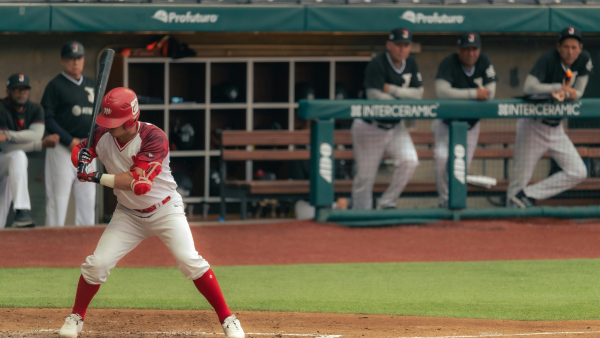
international players

The MLB: The Player as a Business Development Asset

When a specific league signs a rising international player, it doesn’t just add to its roster.

It buys itself access to a commercial ecosystem.

This includes sponsorships from regional brands, merchandise demand from overseas fans and broadcast partnerships in countries that had no reason to carry the games before. The player is what creates the market.

The clearest example of this is when Shohei Ohtani landed in Los Angeles. Within a single season, the Dodgers attracted a wave of Japanese corporate sponsorships from brands that had never put money into American sports before. 

Daiso, the Japanese retailer, became one of those new partners, a brand with massive consumer reach in Asia that had no prior presence in MLB before Ohtani arrived. No marketing campaign does that. A player from a specific country or region playing at the highest level does.

The ripple effect spreads beyond one team.

International players have climbed to the top of MLB’s jersey sales rankings, and a lot of that demand is coming from fans overseas who are buying in because of a specific international player.

That’s a meaningful distinction for anyone thinking about how leagues grow. It means tapping into an existing fanbase rather than building one from nothing.

The MLB has also started bringing the game directly to those audiences instead of waiting for them to find it. In recent years, The Seoul Series and the Tokyo Series have set records for viewership, merchandise and sponsorship activation in their respective markets. 

The 2025 Tokyo Series became the largest standalone international event in MLB history. These trips aren’t goodwill gestures or novelty events. They’re the league showing up to do business in markets where it already has a foothold, and leaving with more than it came with.

The NBA: What Happens When the Whole Roster Is Global

The NBA was early to this. 

When a player from a given country makes it to the league and succeeds, fans from that country follow. It doesn’t matter if those fans have never watched a game before. 

International players aren’t just showing up on rosters. They’re winning championships, taking home awards and becoming the faces of franchises. 

Nikola Jokic winning three MVPs pulled Serbian viewers in. Dirk Nowitzki turned Germany into a basketball market for over a decade. Yao Ming opened China to the NBA in a way no business deal could have engineered. When Luka Doncic became the first international player to lead the league in jersey sales in 2025, it signaled something real about where the NBA’s consumer base is shifting.

The NBA now broadcasts to over 200 countries, and the talent responsible for that reach didn’t come from one place or one pipeline. It came from everywhere, and that variety is part of what makes the NBA’s global product hard to replicate.

The league has taken that momentum and leaned into it through its Global Games campaign, putting regular season games in Paris, London, Mexico City, Berlin, Abu Dhabi, and more cities in the years ahead.

The goal is to build the kind of local attachment that holds up after the game ends. Sponsorship deals, merchandise revenue and broadcast rights are all easier to negotiate when a fanbase is already in waiting.

The NFL: A Cultural Export

American football brings a unique perspective compared to the NBA and the MLB. It’s culturally American in a way that doesn’t translate automatically. 

In the U.S., football is more than a sport. It’s Friday night games under the lights and Thanksgiving evening on the couch. It’s the Super Bowl as a national event that stops the country.

That cultural weight is real, but it doesn’t exactly travel overseas.

An international fan sitting down to watch their first NFL game doesn’t necessarily have a frame of reference. A sport cannot simply be introduced to a new market with the expectation that it will immediately resonate, particularly in regions where it lacks cultural familiarity or an established audience.

The NFL knows this, and its approach has been to build international audiences and international talent at the same time.

international sports

Building the Game and the Audience

Within the NFL, the International Player Pathway Program does both. It recruits elite athletes from overseas sports backgrounds, including rugby players, soccer players and track athletes, and develops them for NFL rosters.

The development matters. The story matters just as much. 

When a player from a foreign country makes it through the program and becomes a real contributor, their story becomes the league’s best advertisement in that country. 

Jordan Mailata, an Australian who had never played football before joining the program and went on to win Super Bowl LIX in 2025, is the clearest example of what this looks like when it works. The NFL announced its first ever regular season game in Australia shortly after, scheduled for Melbourne in 2026. That timing wasn’t a coincidence.

The international games have followed a similar trajectory. 

What started as a few games in London has expanded into a multi-continent operation that now takes the league to Europe, Australia and South America, with more markets being added regularly.

Each new city comes with local sponsorship opportunities, new broadcast deals and marketing rights for the franchises involved.

The NFL has distributed those rights across all 32 teams. This means international expansion isn’t just a league office initiative. Every franchise has skin in the game.

Beyond The Box Score

Not long ago, an athlete from Serbia, Japan or Australia becoming the face of an American sports league would have been a pipe dream. 

The leagues paying attention have started treating foreign born talent as a growth strategy, not just a roster decision. They open markets, move merchandise and drive viewership in countries that had no prior attachment to the sport.

This gives leagues a real reason to show up in places they couldn’t have justified entering before.

The sports leagues investing in that now, through overseas talent development, international competition and global broadcast infrastructure, are the ones building something that lasts.

The talent has already crossed the borders. Now, the business is catching up.

FAQ:

  1. What is the International Player Pathway? It’s a system leagues use to identify and develop athletic talent from outside the United States and bring it into American professional sports. The NFL has a formal program for it. The NBA and MLB have built pipelines through scouting, academies, and international partnerships.
  2. Why do leagues care so much about international players right now? Because domestic market growth has a ceiling. Once you’ve saturated your home country, the only way to keep expanding revenue is to find new audiences. International players are the most natural way to do that.
  3. Do international players actually move the needle commercially? More than most front offices probably expected. When the right player lands in the right market, sponsorship deals follow, jersey sales climb, and viewership in their home country can grow overnight.
  4. Why do overseas games matter if most fans are still watching from home? Showing up in a market shows commitment. It tells local fans, sponsors, and broadcasters that the league is serious about being there long term. That makes deals easier to close and fanbases easier to build.
  5. Isn’t American football too complicated to grow internationally? That’s what people assumed for a long time. The NFL’s answer was to put the product in front of people and let players from those countries tell the story. It’s harder to dismiss a sport when someone from your country is winning at it.
  6. Does any of this actually translate to real revenue? The sponsorships, merchandise sales, and broadcast deal growth across all three leagues suggest yes. International expansion is no longer a side project. It’s a core part of how these leagues plan for the future.
  7. Is this a recent shift or has it been building for a while? It’s been building. The NBA started taking it seriously decades ago. MLB and the NFL have accelerated in the last several years.

Athletes Becoming Sports Analysts: The Post-Retirement Career Path

The average professional sports career is relatively short. In the NFL, the average is only 3.3 years. In the NBA, it’s roughly 4.5 years. This leads many athletes to look beyond their playing career into other avenues where they can excel professionally. 

Many aim to remain in the sports world. As former athletes, audiences respect these figures as trusted media voices. They are often sought-after for roles such as a sports analyst, host, podcaster, or influencer.

The natural transition from player to on-air personalities has helped shape sports culture, fan engagement, and brand strategy.

Quick Highlights:

  • The average retirement age for an athlete is under 30 years old: 29.5 in the MLB, 28.2 in the NHL, 28 in the NBA, and 27.6 in the NFL.
  • With careers ending so early, many athletes look to broadcasting as a second chapter. From 2015–2018, 38% of NFL Broadcasting Bootcamp participants transitioned into jobs in sports media, a number that has only grown since.
  • 46% of Gen Z sports fans say they watch live games not out of team loyalty, but because of the athletes they follow. This creates opportunities for retired players to remain influential voices.
  • Fans also gravitate toward a recognizable sports analyst. A New York Times survey found that 57.4% of NFL fans favored the pairing of Tony Romo and Jim Nantz over other broadcast teams.
sports analyst at georgia football game

The History

Athletes stepping into the broadcast booth isn’t new. Legendary sports figures, such as John Madden, showed how former players can bring something new to sports commentary. However, what was once just a simple “career extension” of athletes converting to commentators has now shifted into a very diverse media landscape. 

Today, ex-athletes appear as podcast hosts, YouTube creators, and studio analysts, while others move into leadership roles. Some even build their own media companies, giving them creative control and long-term influence.

A prime example is Peyton Manning, who launched Omaha Productions after his playing career. Together with his brother Eli, he helped create The Manningcast, a Monday Night Football broadcast that became one of the most popular alternate viewing experiences in sports.

Authenticity and the Athlete Perspective

Streaming platforms, networks, and advertisers favor athletes in sports analyst roles because they bring an authentic perspective. Having competed at the highest level, they offer insights no outsider can match, and fans value hearing experiences from people who have lived them.

Many praise Tony Romo, for example, for predicting plays in real time and breaking down the quarterback’s POV for audiences. The NFL even created a bootcamp program to help players like Romo transition into media after their careers.

From a business standpoint, athletes also carry a built-in following. Millions of fans who watched them compete now follow them into media, giving these voices instant credibility and relevance. After a long, high-profile MLB career, Alex Rodriquez leveraged his fame to work as an MLB analyst for Fox Sports, co-host shows like The Deal on Bloomberg, and contribute to networks like ABC and ESPN.

The Entertainment Factor

Entertainment value often enhances a former athlete’s role on air. Inside the NBA has become inseparable from the sport itself, thanks to the chemistry of Shaquille O’Neal and Charles Barkley blending humor with professional insight.

The show’s popularity built such a loyal following that fans grew anxious when its contract was uncertain. With so much viewer demand, keeping the program alive became a necessity for both business and entertainment reasons.

IndyCar driver and Athelo Group athlete Conor Daly also shows how athletes can thrive by leaning into entertainment. He hosts the weekly podcast Speed Street, where he discusses his sport, and regularly appears on talk shows and media segments to expand his reach.

The Criticism

Not every athlete successfully transfers their on-field skills to the broadcast booth. Some have faced backlash for being unprepared, lacking fresh perspective, or struggling with on-air presence. Networks have at times leaned too heavily on name recognition, as seen with Jason Witten’s short stint as a Monday Night Football commentator.

Another challenge arises when athlete-analysts clash with traditional media professionals. On a recent episode of ESPN’s Get Up, ex-NFL player Ryan Clark and analyst Peter Schrager got into a heated argument that quickly spread across social media. Clark was criticized for dismissing Schrager’s viewpoint by saying he lacked a player’s perspective, a response many felt crossed a line.

The incident highlighted the importance of balance. Networks rely on athlete voices for authenticity, but they also need analysts who can pair expertise with fairness and professionalism. Without that balance, credibility and fan trust can be put at risk.

Athletes as Hosts Beyond Commentary

Social media, streaming, and podcasts have allowed athletes to launch media careers before retirement. Shows like The Pivot Podcast or New Heights with Travis and Jason Kelce have redefined athlete-led content, blending analysis with personality.

Fans now follow athletes who not only share professional insight but also humor, cultural takes, and behind-the-scenes moments that traditional networks might filter out. This mix has expanded how athletes connect with audiences and grow their media presence.

Beyond podcasts, many athletes move into mainstream entertainment. Michael Strahan is just as well known on Good Morning America as he was in the NFL, while Nate Burleson has built a similar crossover career. Dwayne “The Rock” Johnson went even further, shifting from wrestling into blockbuster films, with The Scorpion King grossing $180 million worldwide.

The Future of Athlete Media

The end of an athlete’s career no longer signals the end of their influence. From television broadcasts to podcasts and social platforms, retired players are rewriting the playbook for how sports stories are told.

For fans, this shift delivers unfiltered access to voices they trust, people who know the game because they have lived it. For athletes, it creates a second career that can be just as impactful as their time on the field, giving them the chance to shape conversations around the sports they helped define.

How Gen Z Trends Are Shaping the Sports Economy

Gen Z trends are reshaping sports consumption as fans move away from cable toward dynamic, bite-sized clips on social media. Instead of sitting through long games, Gen Z prefers highlights, behind-the-scenes content, and interactive videos that keep them engaged in quick bursts.

Leagues are adapting quickly. The NFL is working with influencers like Brazilian streamer Casimiro Miguel to promote content on social platforms, while the MLB launched a TikTok Creator Class to connect with younger fans. These changes show how important it is for sports organizations to meet Gen Z trends where they are—online, with content that’s fast, fun, and easy to share.

gen z trends

A Values-Driven Generation

Gen Z doesn’t just watch sports for entertainment; they want the teams and athletes they follow to stand for something. Causes like sustainability, mental health, and racial justice are priorities for this socially-conscious generation. Teams that embrace these causes build stronger connections with Gen Z fans. 

For example, Adidas’s efforts to clean up ocean plastics and USA Lacrosse’s diversity grants resonate with this audience. When leagues and players back important causes, Gen Z pays attention and sticks around. About 60% of Gen Z and Millennials in the U.S. say they’re more loyal to brands that tackle social issues. On the flip side, organizations that ignore these values risk losing this critical fan base.

gen z trends

Spending Power That’s Changing the Game

With $143B in spending power, Gen Z is sending waves through the sports economy. Prioritizing affordability and inclusivity, Gen Z pushes teams to offer eco-friendly merchandise and accessible, meaningful game-day experiences.

Their influence mirrors trends in industries like fashion, where Gen Z’s preference for sustainable and inclusive brands has led to a rise in eco-conscious products. Sportswear companies have also embraced these values, blending lifestyle and performance to capture Gen Z’s loyalty through sustainable and inclusive offerings.

This shift is prompting leagues to create more meaningful ways for fans to engage, like interactive events and behind-the-scenes content. For example, the Los Angeles Lakers’ “Backstage: Lakers” series offers fans unprecedented access to the team’s inner workings, enhancing their connection to the players and organization.

Gen Z wants to feel like they’re part of the action, and organizations that deliver authentic experiences are the ones winning their loyalty and their dollars.

gen z trends

The Future of Sports in a Gen Z’s Digital- First World

Gen Z’s habits and values are forcing the sports world to evolve. They want fast, digital content, teams that stand for something, and experiences that feel accessible and meaningful. Leagues that adapt to these expectations are better positioned to capture this generation’s attention and loyalty. Gen Z isn’t just a new audience—they’re redefining what it means to be a sports fan, and they’re setting the tone for the future of the industry. For teams and leagues ready to evolve, the opportunities are limitless.

Sources:

  1. https://www.nytimes.com/2022/01/12/sports/video-games-nfl-gamers-gen-z.html
  2. https://www.oliverwyman.com/our-expertise/insights/2023/oct/gen-z-reshaping-professional-sports-economics.html
  3. https://nielsensports.com/why-gen-z-is-challenging-the-notion-of-the-hard-core-sports-fan/#:~:text=Gen%20Z%20sports%20consumption%20trends&text=Our%20research%20shows%20Gen%20Z,any%20long%2Dterm%20contractual%20commitment.
  4. https://medium.com/ipg-media-lab/gen-zs-impact-on-the-future-of-sports-87930b83b672
  5. https://www.ourperspectives.com/article/28785-gen-z-will-reshape-the-economics-of-professional-sports

Baseball’s Downfall: How MLB Blackout Rules Destroy Viewership

Baseball has been long known as America’s pastime, but soon this may not be the case. Major League Baseball is facing a critical challenge: shrinking viewership. A significant factor contributing to this decline is MLB’s controversial blackout policy. First implemented over 50 years ago, blackouts restrict live game broadcasts in specific regions. They were originally meant to protect exclusive media rights for Regional Sports Networks and fill stadiums. But now that streaming is king and many RSNs are battling bankruptcy, it’s clear these regulations are a relic of the past. 

Impact of MLB Blackouts on Fans

To confront changing times, MLB introduced their first-of-its-kind service, MLB.tv, back in 2002. This was meant to become the gold standard for sports streaming. Flash forward to 2024 and MLB.tv still struggles to gain widespread success largely due to its inability to address blackout regulations. MLB blackouts give RSNs exclusive rights to broadcasting, preventing streams through the platform in teams’ home territories. For instance, if you live in Dallas, you can’t stream Texas Rangers games. The same applies to residents of Chicago wanting to watch the Cubs or White Sox, and to Houston fans looking to watch the Astros. Essentially, these rules affect every city with an MLB team.

Fans experiencing blackouts who live close to the stadium can attend the games in person, which aligns with MLB’s goal of driving ticket, food, and merchandise sales. However, not all blackout areas are within driving distance of the stadiums. For example, a fan in Tulsa, Oklahoma, would face blackouts for Houston Astros, Kansas City Royals, and Texas Rangers games. This fan would need to drive 4 hours to Kansas City or Arlington, 6 hours to St. Louis, and nearly 8 hours to Houston to see these teams play live. This setup makes MLB.tv an impractical service for many fans who want to watch their favorite teams, regardless of their proximity to the stadiums.

Alarming Decline in World Series Viewership

Today’s audiences are used to the accessibility of streaming their favorite sports all season long. As blackouts hinder fans following regular-season play, they also lead to less engagement on baseball’s biggest event: The World Series. This wasn’t always the case– just over 10 years ago, 19M viewers tuned in to watch the Red Sox capture their eighth Series over the St. Louis Cardinals. 10 years later, when the Texas Rangers beat the Arizona Diamondbacks, the World Series averaged 9M viewers, becoming the least watched on record. 

This mark continued the trend of declining audiences, with the past four World Series’ ranking as the four least-watched in history. The Rangers-Diamondback matchup was especially alarming as viewership dropped 23%. This can’t be because baseball is “getting boring.” In fact, it’s growing worldwide, with players like Japanese phenom Shohei Ohtani leading the way. Postseason games are featured on FOX, ESPN, and ABC, so both cable and streaming subscribers can tune in. It’s the regular season blackouts that make it so difficult for fans to access games.

Bally Sports Blackout Leaves Fans Without Local MLB Games

While blackouts are still going strong, the RSNs they’re designed to protect are not. Bally Sports, a group of regional networks in the United States, went dark at the beginning of May after Comcast and Bally’s operator, Diamond Sports Group, failed to agree on a new contract. This has left MLB fans across the country unable to watch their local teams.

Diamond Sports Group holds broadcasting rights to 12 MLB teams. 4 of these teams have alternate viewing options, but fans of the other 8 are unable to watch local games unless they are picked up nationally. Will MLB.tv lift blackout restrictions for these eight teams without a RSN? Unfortunately not. MLB cannot lift blackout restrictions due to contract stipulations. As a result, fans of these 8 teams will have to watch on their devices if they choose to stay within legal viewing options.

Blackouts Impact MLB Sponsorship Value

While blackouts pose pain points for viewers, it’s only a matter of time before sponsors feel it too. Sponsorship value is dependent on audience size, and if MLB viewership continues to decline, sponsors may renegotiate their agreements or pull out entirely. This would be a massive hit to MLB who earned $1.5B in sponsorship deals just last year alone. Longtime sponsors like Anheuser-Busch, Mastercard, and PepsiCo rely on MLB to reach large audiences. Blackouts undermine their partnerships by reducing viewership, which means fewer eyes and less engagement. This could lead to brands shifting their ad spend towards sports and leagues with growing audiences like U.S. soccer and the WNBA.

Ultimately, blackouts are a significant barrier to growing a viewership base in today’s age. MLB needs to serve its fans better and find a way to work around these blackouts, especially for the fans of the 8 teams with no RSN home. The future of baseball depends on MLB’s ability to adapt to the evolving media landscape, and addressing blackout policies is the first step to making that happen. 

Sources:

  1. https://nondoc.com/2023/05/23/its-time-to-fix-the-confounding-mlb-blackout-problem/
  2. https://www.mlb.com/live-stream-games/help-center/blackout-policy
  3. https://www.baseballamerica.com/stories/cooper-mlb-blackouts-impact-baseball-fans-ability-to-witness-history/
  4. https://www.mlb.com/live-stream-games/help-center/blackouts-teams
  5. https://www.forbes.com/sites/maurybrown/2013/10/31/game-6-that-sees-red-sox-win-world-series-a-massive-tv-ratings-homerun/?sh=796ad9127c4a
  6. https://www.sportspromedia.com/news/mlb-world-series-2023-tv-ratings-viewership-fox-texas-rangers/#:~:text=TV%20audiences%20dropped%20by%2023,per%20cent%20on%20last%20season
  7. https://www.espn.com/mlb/story/_/id/40071329/bally-sports-channels-pulled-air-comcast

Trend Alert: Team Relocations in North American Sports

The landscape of North American sports is undergoing a significant transformation, marked by a notable increase in team relocations over the past decade. Owners across various leagues are leveraging relocation to bolster their franchises, often in tandem with the construction of state-of-the-art venues. Since 2016, five major teams have relocated, and two more are currently in process. These moves signify more than shifts in geographical location; they are strategies to maximize revenue streams, enhance fan engagement, and solidify longevity in a competitive sports market. Among these, the Oakland Athletics are currently transitioning to Las Vegas, and the Arizona Coyotes are working on a move to Salt Lake City.

team relocations

The Athletics

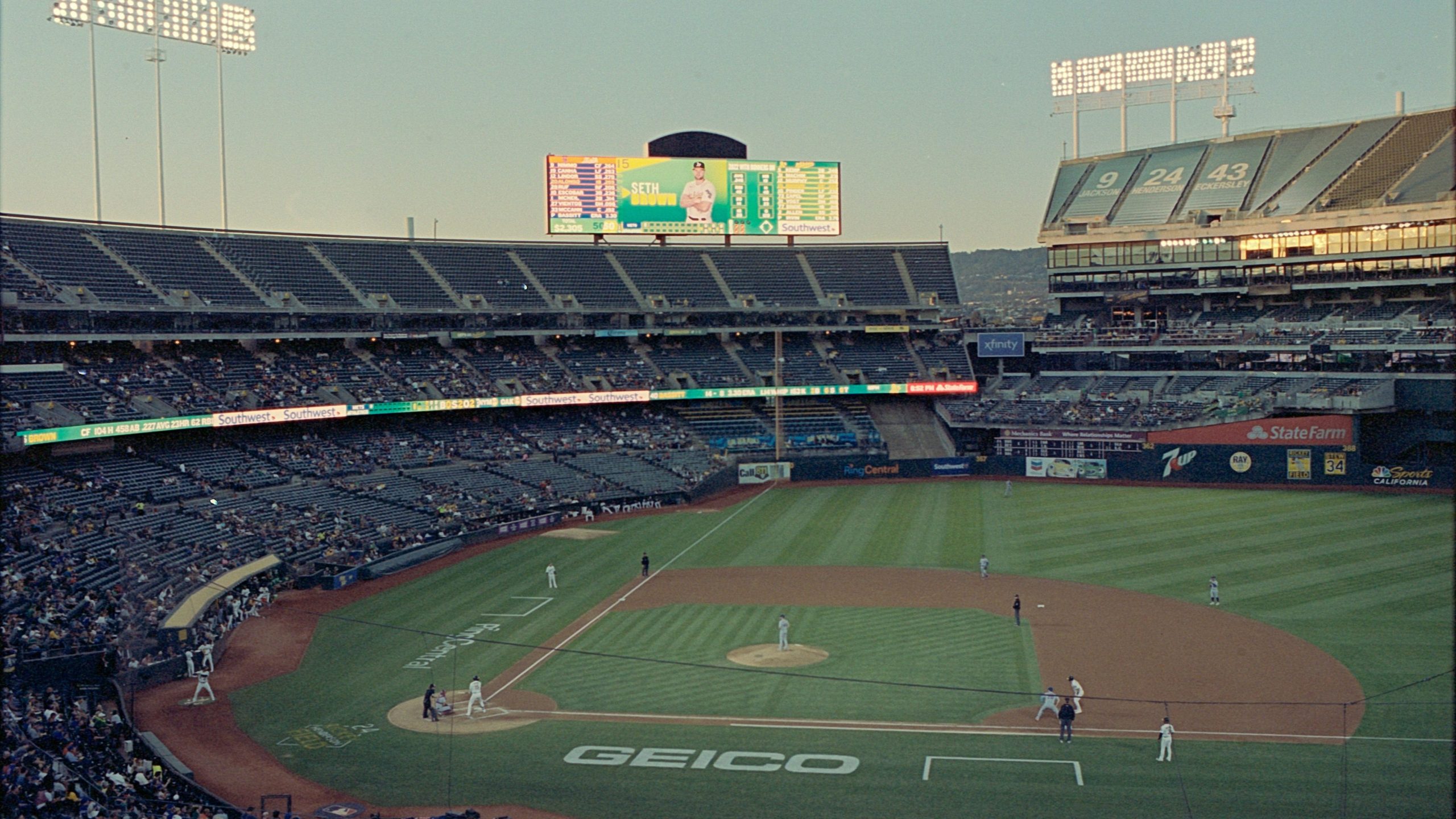
The impending relocation of the Oakland Athletics marks the end of an era as they leave their long-time home at the Oakland Coliseum. The Coliseum’s outdated facilities no longer meet the needs of modern sports entertainment, prompting the Athletics to seek a new venue. Additionally, they could not agree on a lease extension with the Coliseum. Preparing for their move to Las Vegas in 2028, the team plans to temporarily play at Sutter Health Park in West Sacramento for the next three seasons, beginning in 2025.

The Athletics’ future home in Las Vegas promises to revolutionize the fan experience with cutting-edge amenities. Set on the site of the Tropicana hotel, the new stadium will seat 33,000 people and feature improved sight lines with a tiered-seating system. Highlights include a fixed roof with overlapping layers, the world’s largest cable-net glass window behind the outfield, and an 18,000-square-foot jumbotron—the biggest in the league. The venue will also address logistical concerns with 2,500 onsite parking spots, making it easy for fans to attend games. This ambitious project highlights the Athletics’ dedication to creating a top-notch sports environment and marks a new chapter in the team’s history.

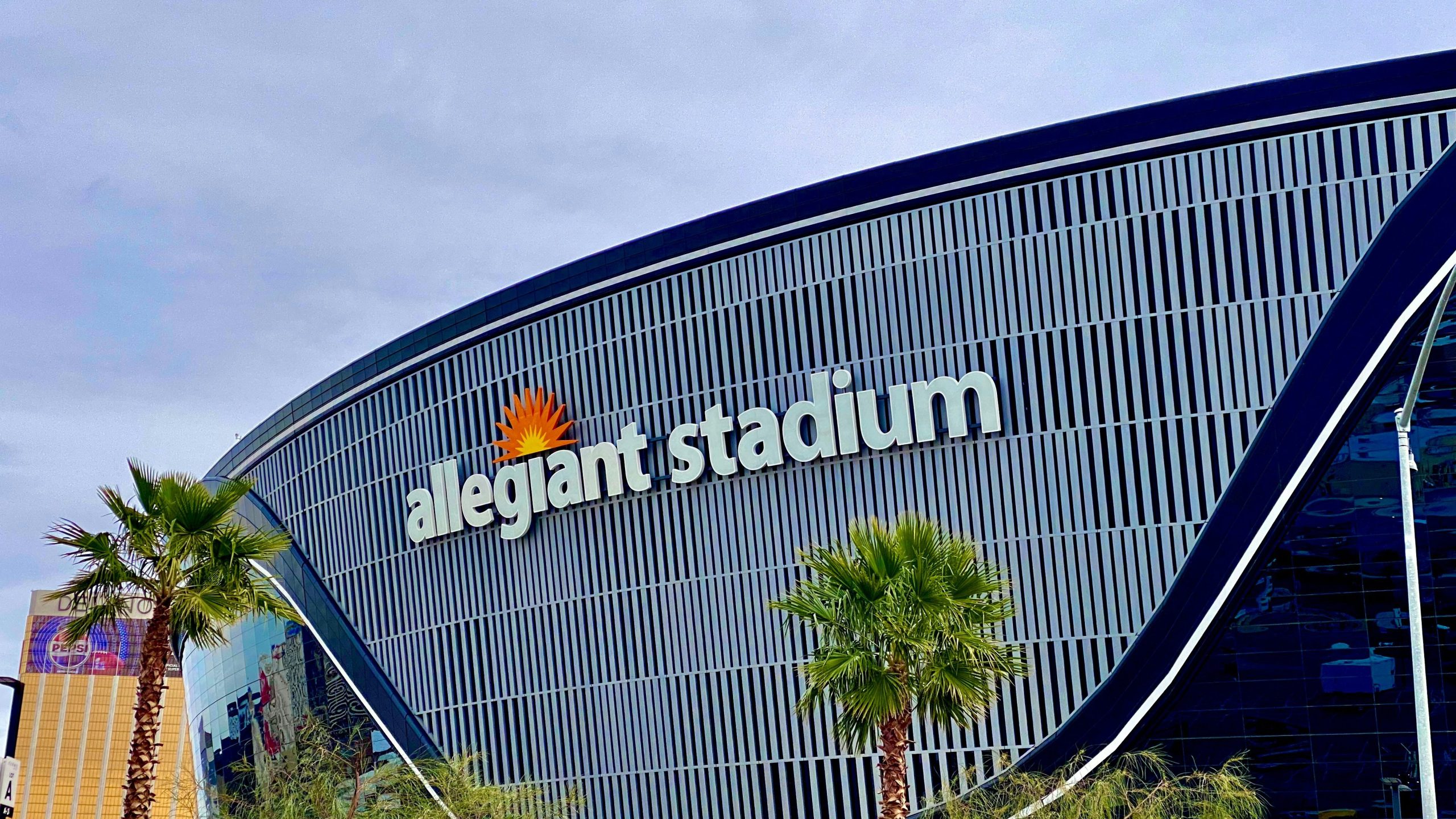
The Athletics aren’t the only professional sports franchise to leave Oakland. In 2020, the Raiders also made the transition to Las Vegas, where they now play in the domed Allegiant Stadium. This move was driven by the desire for a more modern facility and the opportunity to tap into the lucrative Las Vegas market. Additionally, the Golden State Warriors, who played their home games in Oakland for several decades, relocated to San Francisco in 2019. They now play in the brand new Chase Center, an arena designed to enhance the fan experience and provide greater revenue opportunities. These moves reflect a broader trend among sports franchises seeking to upgrade their facilities and capitalize on new markets.

team relocations

The Coyotes

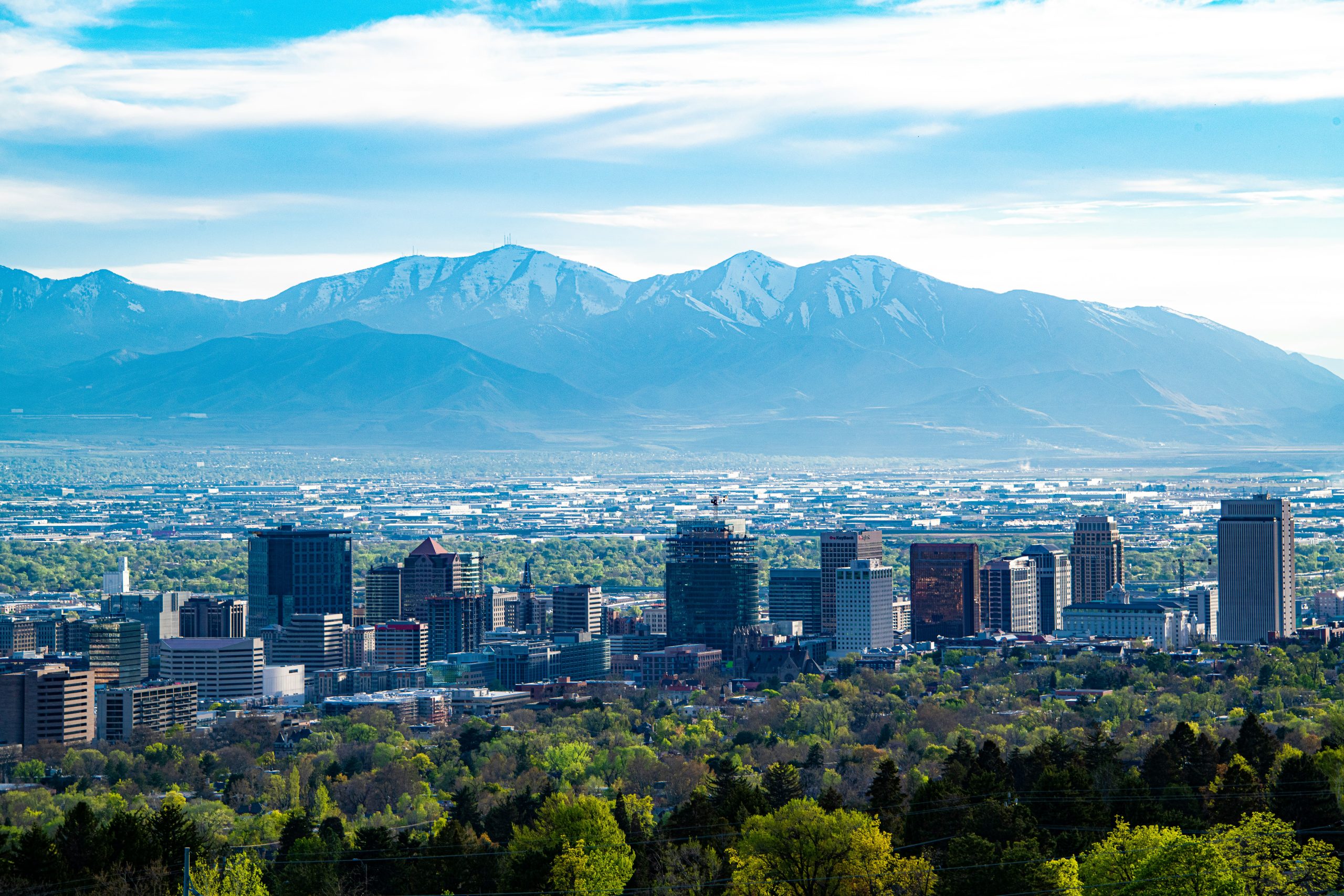
The Arizona Coyotes are at a crossroads as they prepare to leave their temporary home at the 5,000-seat Mullett Arena, which they share with the Arizona State Sun Devils hockey team. The NHL and the players’ association have raised concerns about staying in this venue for a third season. In response, team owner Alex Meruelo began exploring new options. A major development followed when the NHL Board of Governors unanimously approved the sale of the Coyotes for $1.2 billion to Ryan and Ashley Smith, owners of the Utah Jazz. This sale paves the way for the team’s relocation to Salt Lake City, where they plan to temporarily play at the Delta Center, home of the Jazz.

Locals are big fans of the impending move, with Salt Lake City Mayor Erin Mendenhall considering it a transformative moment for the city’s identity and future. With a shared vision of community integration and enhanced opportunities for residents and visitors alike, the Coyotes’ relocation represents not only a strategic maneuver for the franchise but also a catalyst for growth and revitalization within Salt Lake City’s downtown core.

team relocations

Looking Ahead: Sports Relocation Trends

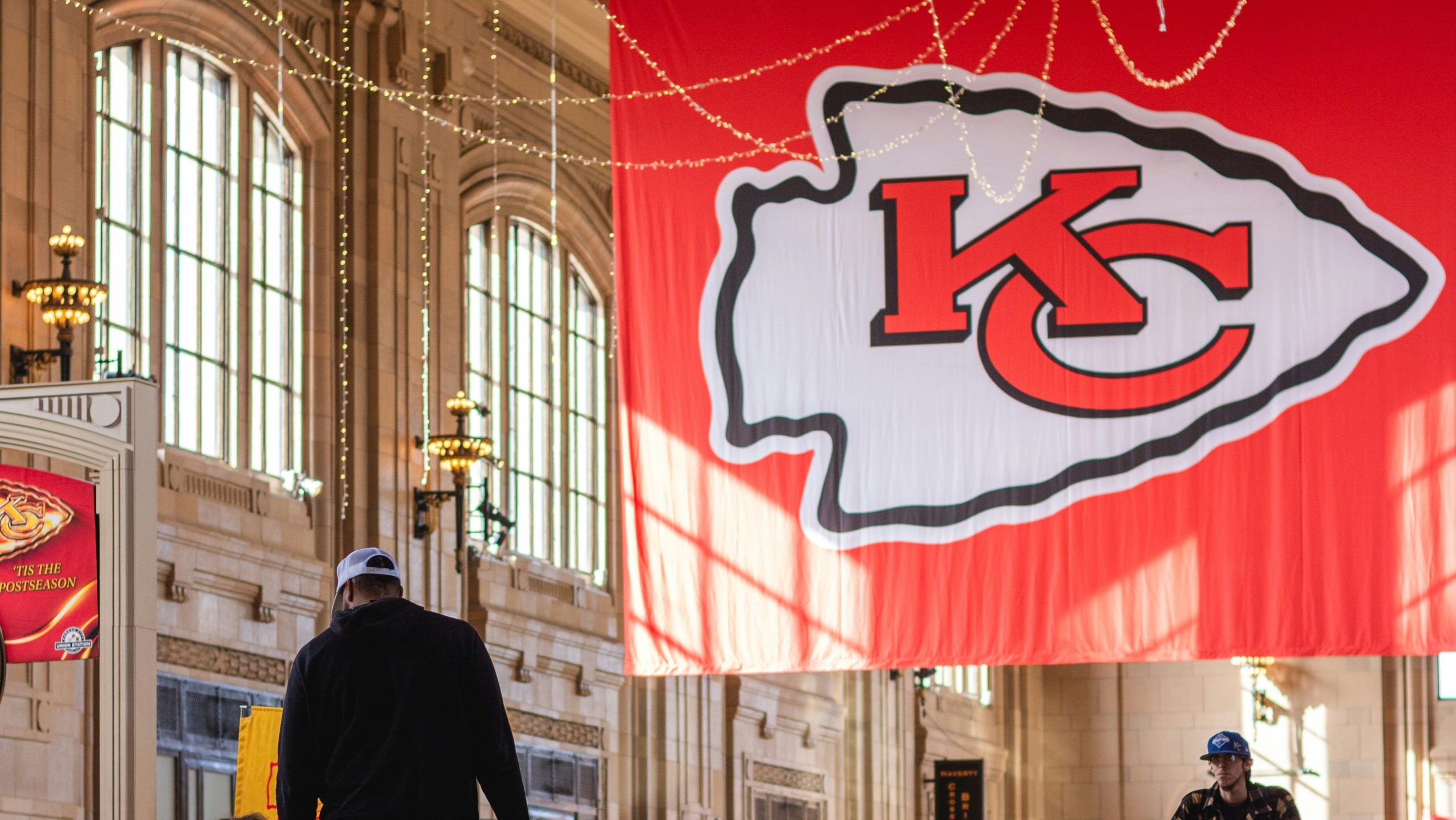
Beyond these specific cases, the broader landscape of North American sports has witnessed several high-profile relocations in recent years. These relocations are often due to old stadiums, changing local populations, and the lure of more money. Team owners aim to set up their franchises for long-term success in a competitive sports market. A recent example is the Kansas City Chiefs, who may leave Jackson County after voters turned down an $800 million request for stadium upgrades. With an aging stadium and the need for updates, the Chiefs may leverage the threat of moving as a way to secure funding. Looking ahead, we can expect to see similar relocation bids arise as negotiations heat up between sports franchises, local governments, and communities over stadium financing and improvements.

Sources:

  1. https://athlonsports.com/mlb/pro-sports-franchise-relocation-every-pro-team-to-move-since-2000
  2. https://bleacherreport.com/articles/10111821-athletics-unveil-updated-renderings-of-planned-las-vegas-stadium-ahead-of-relocation
  3. https://apnews.com/article/arizona-coyotes-salt-lake-city-relocation-f847c9206632db191463128b01347857
  4. https://www.kron4.com/mlb/as/as-fail-to-reach-deal-with-city-of-oakland-over-coliseum-future/

Mixed-Use Sports Venues: How Development Boosts Stadium Revenue

As cities evolve, the integration of mixed-use projects around sports venues has evolved alongside them, marking the beginning of a transformative era in urban development. Gone are the days when stadiums or arenas stood alone. These venues have now blossomed into vibrant urban ecosystems, incorporating a diverse range of amenities like hotels, bars, retail outlets, entertainment venues, and residential developments. This trend not only transforms urban landscapes but has also provides huge economic advantages for local communities and stakeholders. 

mixed-use development

Building a Community

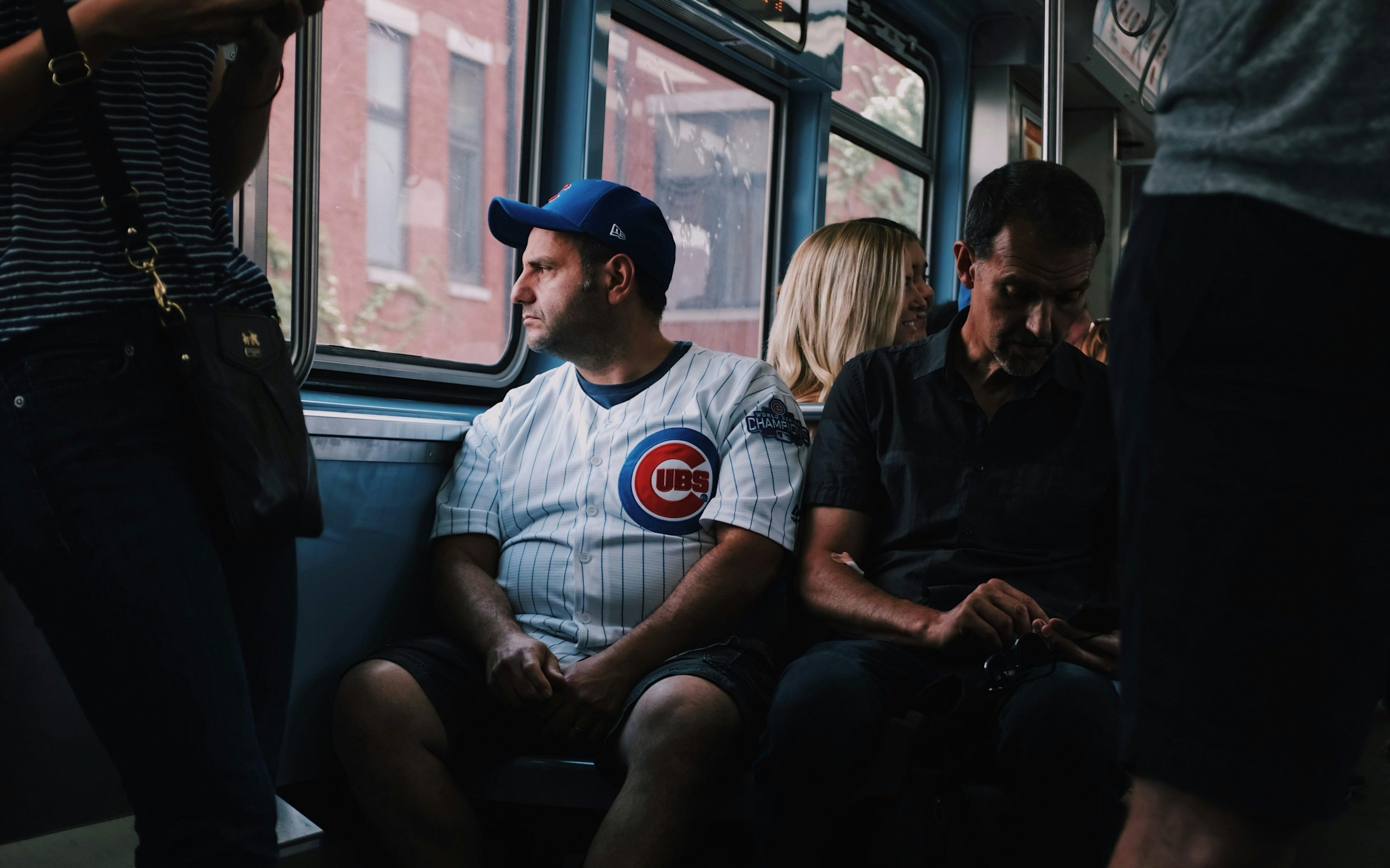
No longer solely a historic ballpark, Wrigley Field has become the focal point of a vibrant mixed-use development known as the 1060 Project. The project was conceptualized to ensure the viability of the game for future generations and to enrich the surrounding community. Women and minorities comprised nearly half of project’s workforce, and minority and female-owned businesses won $90M in construction projects towards its completion. The area now includes a mixed-use office tower and open-air plaza, which serves as a community space for activities like ice skating and concerts. Wrigley Field has also built and added a connecting sportsbook to enhance the fan experience. Through strategic urban planning and innovative partnerships, the Cubs have successfully transformed Wrigley Field into a year-round hub of activity, setting a standard for sports venue integration in the modern era.

mixed-use development

Economic Benefits

Mixed-use developments surrounding sports venues offer a great number of economic advantages. By diversifying income streams, these multi-use projects provide stability to sports franchise cities, lessening the reliance on seasonal events and game days. Traditional game-day revenues like parking, ticket sales, and concessions are starting to get a smaller share of overall revenue. Anchoring investment in surrounding areas will generate more revenue outside of the sports franchise. 

The city of Inglewood, once on the brink of bankruptcy, saw this best with its development of Hollywood Park. This $5B project, spearheaded by Rams owner Stan Kroenke, encompasses not only the iconic SoFi Stadium, home to both the Los Angeles Rams and Los Angeles Chargers, but also an extensive retail and entertainment district, luxury residential units, and multiple hotels. The stadium alone boasts a seating capacity of 70,000 and is equipped with cutting-edge amenities, making it a premier venue for sporting events, concerts, and other entertainment spectacles. The Hollywood Park project has been a game-changer for Inglewood’s economy, bringing in significant investment, job opportunities, and tourism revenue. It’s estimated that the development has created thousands of jobs during construction and will continue to support numerous permanent jobs once fully operational.

mixed-use development

Elevated Fan Experience

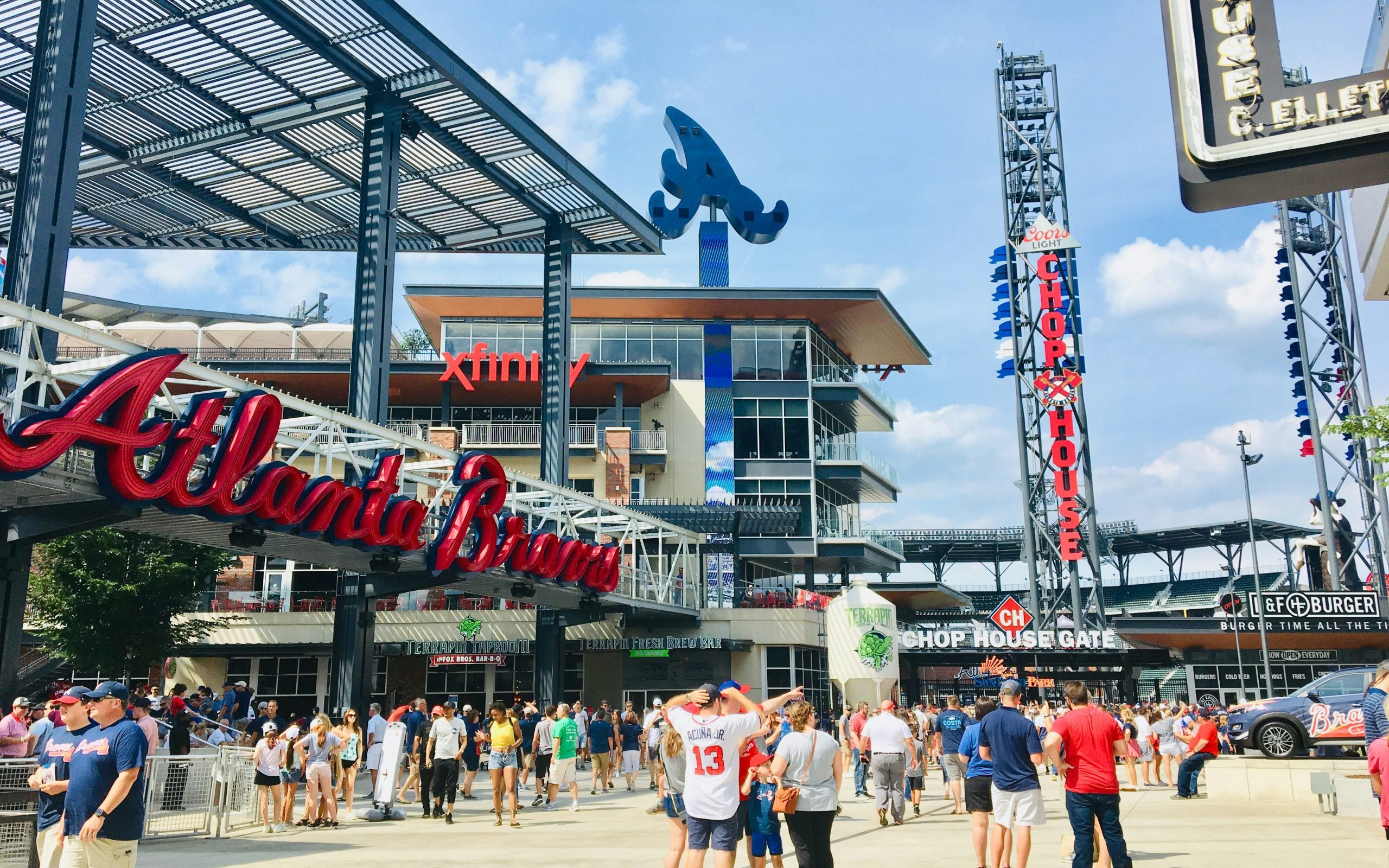
In 2017, the Atlanta Braves made a significant move to Truist Park, accompanied by the construction of The Battery Atlanta—a 2.25 million square foot mixed-use development. This complex features a plethora of amenities including restaurants, hotels, shopping outlets, 531 residences, and various entertainment options. Visitors can also indulge in cinematic experiences, social and virtual gaming, and live music performances at venues like the Coca-Cola Roxy and Park Bench Battery, ensuring year-round revenue generation. The Braves also partnered with The Omni Hotel to attract travelers during baseball season. While relaxing by the pool, Omni guests can watch the game from the pool deck. Omni CFO Mike Garcia calls the partnership a way for guests to feel like they are “a part of the Braves organization.” His sentiment has been felt across the Battery Atlanta: from 2017 to 2019, the Braves saw a 69% increase in revenue.

As the trend of mixed-use developments anchored around sports venues continues to gain momentum, the future holds exciting possibilities for urban development and community engagement. Looking ahead, we can expect to see a continued trend towards creating venue districts that cater to a wide range of interests. From soccer stadiums to basketball arenas, teams across all sports will likely prioritize the incorporation of mixed-use developments to enhance fan experiences and drive economic growth.

Sources:

  1. https://hollywoodparkca.com/
  2. https://urbanland.uli.org/development-business/inglewoods-transformation-how-an-nfl-stadium-brought-the-city-back-from-the-brink-of-bankruptcy
  3. https://www.mortenson.com/newsroom/economic-considerations-of-sports-mixed-use-developments
  4. https://www.mortenson.com/newsroom/rise-in-adjacent-sports-developments
  5. https://populous.com/project/atlanta-braves-ballpark
  6. https://batteryatl.com/information/
  7. https://www.caaicon.com/portfolio/1060-project
  8. https://www.jll.pe/es/trends-and-insights/ciudades/how-sports-stadiums-are-giving-mixed-use-developments-a-winning-edge

MLB Pitch Clock & NFL Global Games: How Leagues Adapt for Fans

It seems in an age where entertainment is always at our fingertips, U.S. professional sports leagues are under more pressure than ever to capture the attention of new audiences and cater to fans. As a result, leagues like the NBA, NFL, MLB, and NHL have all taken steps to attract new fans, create a more exciting game experience, and increase audiences abroad. From MLB rule changes to international NFL games, let’s break down some of the biggest shifts in recent years and how it has directly affected U.S. professional sports and their fans. 

nfl international games

How Fan Engagement Drove MLB’s Evolution

MLB’s pitch clock implementation is one of the most widely-discussed enhancements to occur in sports this year, and it’s quickly creating positive results. Back in the 2010s, MLB was facing a 7% decline in attendance per-game. Heading into the next decade, MLB knew something had to be done to right the ship. A big complaint amongst MLB fans was that the games were too long and oftentimes boring. In response to the criticism, the league implemented a pitch clock to speed up game play. This strategy was an immediate success as the MLB saw a nearly 10% increase in attendance from the 2022 season to the 2023 regular season. In addition, MLB regional sports networks saw a 7% increase in ratings and the games were on average quicker by 30 minutes. The league’s revenue also soared, with MLB estimating a $500M increase as a result of its implementation. The NFL and NBA have taken similar approaches as well. The NFL, for example, added rules to better protect receivers and quarterbacks that result in more exciting offensive play for fans. The NBA added a play-in tournament before playoffs and made small tweaks to improve flow of play.

In another effort to capture new audiences and evolve with changing times, American sports leagues have honed in on globalization. Shifting the sports landscape abroad has opened new doors for leagues, teams, and fans everywhere. Prominent sports leagues have gained a global fanbase by holding regular-season games in various foreign cities. This move not only increases the popularity of these sports but also strengthens the bonds amongst followers throughout the world who have a passion for the same sport. For example, the NBA’s yearly Global Games series has helped to foster an international basketball community by crossing cultural divides and bringing the thrill of live action to fans in nations like China, Mexico, and the United Kingdom. MLB has held international games since 1996 when the Padres and Mets played a 3-game series in Monterrey, Mexico. International NFL games first started back in 2007, and the league just recently held their first game in Frankfurt, Germany where the Chiefs beat the Dolphins. Their approach was met with exciting results: the game was the most-watched international NFL game in history, averaging 9.6M viewers. 

nfl international games

The Business Case Behind the Fan-Focused Moves

American pro sports leagues have also emphasized recruiting foreign talent as a means of globalization. Teams now regularly scout and sign players from all over the world to increase their talent pool and create more competitive play for fans. For instance, the NHL has experienced a surge in the number of gifted European players who have greatly benefited their various clubs. In the same vein, MLB has seen a boost in the number of players from Asian and Latin American nations. In addition to improving the standard of play overall, these international athletes serve as role models for aspiring athletes back home and expand each league’s global reach. 

In addition, leagues have capitalized on the digital era to expand U.S. professional sports audiences worldwide. With streaming platforms like FuboTV, social media content, and international broadcasting deals such as the NFL’s 10-year agreement with DAZN, fans worldwide find it incredibly easy to follow their favorite teams and players. Fans from all over the world may watch live games, participate in online chats, and keep up with the most recent sports news with just the click of a button. These online platforms have surpassed national borders and created a worldwide sports community that is unaffected by linguistic and cultural divides. The NBA has seen an increase in their International League Pass every year. Similarly, NFL Game Pass saw a 10% increase over the past year.

nfl international games

What the Future Holds for Sports Leagues and Fans

Between globalization strategy and rule changes, professional sports leagues will continue to develop and adapt in the future to satisfy the shifting demands and expectations of their ever-expanding fan base. Fans and sports organizations are experiencing an exciting journey towards a sporting world that is even more fan-centric, inclusive, and internationally connected. So, whether you’re watching from home, abroad, or the stadium, the sense that professional sports are evolving to enhance your experience should feel more palpable than ever. 

Sources:

  1. https://www.newyorker.com/magazine/2023/04/24/newer-better-rule-changes-for-baseball-and-other-sports
  2. https://www.si.com/mlb/2019/12/23/baseball-decade-in-review
  3. https://www.sportspromedia.com/news/mlb-world-series-2023-tv-ratings-viewership-fox-texas-rangers/
  4. https://www.mlb.com/glossary/rules/pitch-timer
  5. https://creatitive.com/evolution-of-sports-fan-engagement/

Going for the Gold: The Olympics Are Raising Standards and Growing Their Roster

Whether you’re watching from the couch with your family or experiencing the games in person, you can’t get away from the energy that surrounds the Olympics. Within the next two cycles, 2024 and 2028, that energy is set to be amplified. Not only are the games growing in size, but the International Olympic Committee (IOC) is working to guarantee positive socioeconomic outcomes for the hosting countries. As the games grow, their impact on the surrounding community and beyond grows in tandem. From adding sports to increasing opportunities, the IOC is committed to making the Olympics larger and more equitable inside the events and out. 

what is ioc

Why the Olympics Are Growing Their Sporting Roster

The Olympic Games have been a growing, beloved world event since 1896. With the inclusion of more sports in 2028, they’re gearing up to expand even more. Cricket, baseball, softball, and lacrosse are returning to the Olympic roster, while flag football and squash will join for the first time. These sports were welcomed with open arms as only two people of the 90 IOC members voted “no” to their addition. The IOC voted on the sports as one package, and lots of big enterprises had their hands on the deal. 

The NFL and MLB were particularly huge players in adding these sports to the lineup. Their goal in this development is to propel their players to the world stage. Such an expansive move is a huge jump for the NFL and MLB because it brings two American sports to the international level and taps into a whole new market and fanbase. This, no doubt, will do the same for the Olympic brand. In the U.S., the NFL and the MLB are two of the most popular, successful sports brands. By tapping into the world of baseball and football, the Olympics have made a strategic move into two very powerful fanbases. Americans who were not interested in watching the prior cycles now have their favorite games to watch on on-screen.

The Commercial & Brand Implications of New Sports

In addition to garnering more engagement, the inclusion of new sports is sure to draw in more sponsorships and brand deals. It’s likely that football and softball/baseball-centric companies will want to join in on the action. With the inclusion of flag football, we can also expect more sports betting partnerships to emerge. This comes as over 30 states have now moved towards the legalization of sports betting and a record 73M Americans plan to bet on football this year alone. As a result, brands like DraftKings, FanDuel, and Ceasars could find it beneficial to expand into the Olympics. 

what is ioc

Hosting the Games: Legacy, Economy and Infrastructure

The appeal of the Olympics isn’t just brand and industry-exclusive, either. Each cycle, there is a bidding war against countries to decide who will host. Originally, the Olympics were hosted in developed countries able to sustain themselves after such an costly event. Post-1988 cycle held in Los Angeles, when the Olympics saw a $198M increase in revenue, many countries fought to host. However, there is now a debate about whether the Olympics help or hurt the economy of the hosting city. Tokyo, for example, spent $150M to bid in 2016 and didn’t win. In the case of the 2004 Athens Olympics, the city invested substantial financial and material resources to construct venues in record time. While their aspiration to host the event was realized, the huge costs associated with these venues posed significant issues. Unfortunately, after the games concluded, many of these facilities remained largely unused. Despite their aesthetic appeal, the financial losses incurred in the process ultimately played a part in the Greek Debt Crisis that Greece continues to grapple with today.

what is ioc

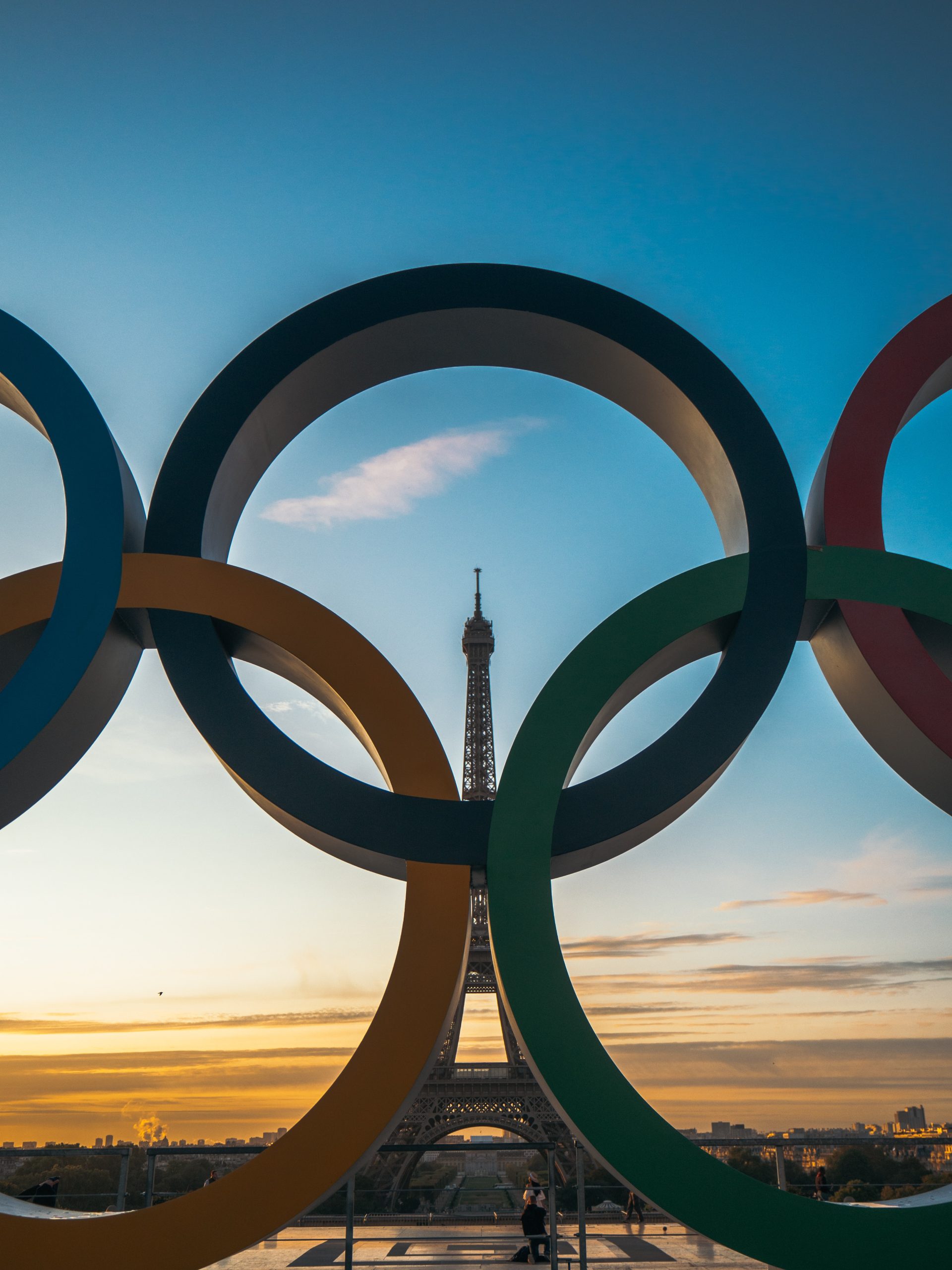
To address these challenges, the International Olympic Committee (IOC) is actively working to shift the debate by introducing financial opportunities and benefits that accompany hosting the Olympic Games. The primary objective of the IOC in the current cycle is to foster a range of opportunities not only during the events but also extending beyond them. As an example, Paris 2024 is projected to create approximately 150,000 employment opportunities across various sectors. According to the IOC, these job prospects will span event organization, construction, tourism, catering, and more. The IOC also aims to sustain post-Olympic opportunities by establishing permanent community fixtures. Notably, the Paris Olympic Village, currently under construction, will remain as a residential area after the games, providing employment for Parisians through its shops and public facilities. Additionally, the 2024 games will leave a lasting aquatic facility, serving as a versatile multi-sport facility and local gym, ensuring ongoing employment opportunities for Paris residents.

What This Means for the Future of the Olympic Movement

If all goes according to plan, the Olympic Games won’t just be about sports this cycle and the next. The IOC has paid close attention to the gaps that past games have left unfilled and their goal now is to close them. Adding popular sports with financial benefits is a large part of their strategy, and if the IOC can replicate what they are doing for Paris in future cycles, the Olympic Games will become an international financial asset. 

Sources:

  1. https://olympics.com/ioc/news/paris-2024-strives-to-maximise-the-socio-economic-impact-of-sport
  2. https://olympics.com/ioc/news/ioc-session-approves-la28-s-proposal-for-five-additional-sports
  3. https://www.espn.com/olympics/story/_/id/38670676/cricket-flag-football-5-sports-added-2028-olympics
  4. https://www.nbclosangeles.com/news/local/new-olympic-sports-2028-la-games/3244566/#:~:text=The%20International%20Olympic%20Committee%20announced,to%20the%20event’s%20sports%20program.
  5. https://www.cfr.org/backgrounder/economics-hosting-olympic-games https://www.cnbc.com/id/37484301

Become a Sponsor.

Join us in making a difference. Tell us a bit about yourself and we’ll be in touch with sponsorship details.

By submitting this form, you agree to be contacted by the Athelo Group team regarding sponsorship opportunities.