
From CrossFit to HYROX: Why Everyone Suddenly Wants to Compete

Going to the gym used to be simple. Now, people pay to push sleds across convention-center floors, throw medicine balls at walls and run kilometers in between, all while thousands of people watch.

Welcome to competitive fitness, the era where the gym isn’t just a place you go anymore.

It’s something you train for.

What was once a solo workout has become a measurable test of speed, strength, and endurance. Competitive fitness gives athletes clear benchmarks to chase while creating an environment built around shared competition. That combination has helped turn traditional training into something people can prepare for, participate in, and compare on a global scale. 

CrossFit opened that door, proving that everyday gym-goers could train and compete like athletes. Now HYROX has walked through it, taking that same idea and turning it into a global phenomenon with millions of participants and no signs of slowing down.

So, is HYROX just the latest fitness trend? Or is it something more permanent, a real shift in how people want to work out?

Quick Highlights

  • HYROX attracts athletes from multiple fitness backgrounds. A 2025 study of HYROX athletes found that 40.3% came from CrossFit or powerlifting backgrounds, 26.6% from endurance sports, and 16.9% from team sports, showing how the format is pulling competitors from across the fitness landscape. 
  • What began with just 650 HYROX competitors in 2017 has developed into a worldwide fitness competition targeting over 2 million athletes of all skill levels
  • HYROX reports that more than 99% of its athletes complete their race, with no qualification requirement or finishing-time restriction for standard participation.
  • An analysis of 34 cities that hosted HYROX events in consecutive seasons found that participation increased 118% overall, with 22 of those 34 cities experiencing growth of at least 100%. Washington, D.C. and Stockholm each saw participation jump by more than 330%.
  • Fitness concepts like New Jersey-born Alpha Fit Club are embracing the same combination of strength, cardio, community, and competition. 

rise of HYROX

The CrossFit Blueprint

Prior to the HYROX movement, CrossFit helped change the culture surrounding fitness. Instead of walking into a traditional gym and figuring out your workout yourself, CrossFit handed people structure: programmed workouts, coaches, leaderboards, and most notably, a community. 

Suddenly, a workout could be a sport.

CrossFit popularized functional movements and high-intensity interval training while creating an environment where people could measure their performance against themselves and everyone around them. That competitive element became a major part of its appeal. 

But the functional fitness category is continuing to evolve. A new generation of hybrid fitness concepts is growing around the combination of strength, endurance, competition, and community. 

No brand has capitalized on that shift quite like HYROX.

Enter HYROX

If CrossFit helped turn the gym into a sport, HYROX figured out how to turn that sport into something closer to a marathon. It was through trailblazers like Hunter McIntrye, one of the first HYROX world champions (he won three years in a row), to really turn the page and begin turning this event into what it is today. 

The HYROX format is simple. Competitors complete eight one-kilometer runs, with each run followed by a functional workout station. Think SkiErg, sled pushes, sled pulls, rowing, farmer’s carries, lunges, and the infamous wall balls waiting at the finish line.

What matters most is that the format never changes. A HYROX in New York is functionally the same competition as a HYROX in London, Sydney, or Hong Kong. Athletes can compare times across cities, chase personal records, and know exactly what they’re training for no matter where they race. Think of it as a 10K with a lot more working out, and apparently, that’s exactly what people are craving.

Why is HYROX Growing so Fast?

One of HYROX’s smartest moves might also be its simplest: You don’t have to be an elite athlete to feel like one. Running a marathon can be intimidating. Competing in the CrossFit Games can be unrealistic. HYROX sits somewhere in the middle. 

The workout is difficult, but also understandable. You can train specifically for it, compete individually or with a partner, and enter different divisions based on your ability. The standardized format also makes progress easy to measure from race to race. Athletes can track their times, identify weaknesses, and set specific goals for their next competition. That built-in sense of progression gives training a clear purpose beyond simply getting fitter. 

Most importantly, there’s a finish line. That is something traditional fitness often lacks. “Get in shape” is vague. “Beat my HYROX time from last year” is not. The race gives people a reason to train, and training gives them a reason to keep showing up. 

Then there’s the social layer. Race photos, training partners, gym leaderboards, TikTok videos, Instagram posts, matching team outfits. 

The experience extends far beyond race day, becoming part of how athletes present their fitness journeys online. Competitors share months of training, race prep, and results with their communities, creating a steady stream of content around HYROX. Each post helps expand the event’s reach while strengthening the sense of community surrounding it. 

HYROX has fused fitness with the same social identity that fuels marathon culture. Finishing one doesn’t just give you a workout. It gives you something to post about. That makes social media especially valuable because every training video, race photo or finish-line post extends HYROX’s reach beyond the people who actually attend the event.

Competitors introduce the sport to their own audiences, helping HYROX build awareness and potentially turn viewers into future participants. Sponsors benefit from the same reach. When athletes post their training and race-day experiences, the shoes, apparel, fuel, and recovery products they use become part of the content, giving brands authentic exposure rather than a traditional advertisement.

The Gym is Becoming the Locker Room

HYROX’s growth isn’t just happening on race weekends. The company has created an environment of gyms and fitness studios where athletes can prepare for races throughout the year. 

This creates a powerful cycle: Someone sees a HYROX video, talks a friend into signing up, starts training, competes, posts about it, and three more friends decide they want in too. It’s the same community wheel that turned CrossFit into a culture force, except HYROX has attached it to a standardized global event. 

Major brands have also taken notice. Puma, for example, has extended its partnership with HYROX through 2030. Amazfit is the official timing tracker of the whole event, and Centr supplies HYROX with all their equipment.

These examples are a strong signal that sports industry giants are starting to treat HYROX competitors as athletes, not just gym-goers. That brand investment is critical to HYROX’s long-term growth, giving the sport greater visibility and credibility while introducing it to audiences beyond the existing fitness community.

At the same time, partnerships with competitors turn athletes into ambassadors who can bring sponsors directly into their training, race-day and recovery content, showing why effective athlete marketing can help emerging sports build awareness and develop long lasting communities.

rise of HYROX

Same Playbook, Different Brand: Alpha Fit Club

You don’t have to look across the world, or even outside the Northeast, to see the same shift happening. Alpha Fit Club, founded in Westfield, New Jersey in 2019, has built its entire experience around the same pillars fueling hybrid fitness: strength, conditioning, coaching, and community.

Alpha’s 60-minute classes move members through six stations combining total-body strength training with conditioning. The other half of the equation is belonging. 

Alpha calls its community “The Pack,” and that community-driven model has helped the company expand beyond its New Jersey roots. With 20 studios already open in New Jersey, Alpha plans to more than double that footprint up and down the East Coast by the end of 2026. Alpha is even leaning further into competition through the Alpha Games, where members can put their training to the test in a competitive fitness environment. 

Sound familiar? Workout. Community. Competition. Event. Repeat.

Alpha isn’t HYROX, and it isn’t CrossFit. However, its growth reflects the same broader movement reshaping fitness. People increasingly want their workouts to feel like they’re training for something. 

Fitness is Becoming a Sport Again

The biggest takeaway from the rise of CrossFit, HYROX, and brands like Alpha Fit Club is that people don’t just want exercise. They want goals, teammates, competition. They want something circled on the calendar that makes the 6 a.m. workout feel like it has a purpose.

HYROX has tapped into that desire better than almost anyone. The line separating “workout” from “training” is getting blurred every year. There’s a big difference between telling someone they should go to the gym, and giving them a reason they actually want to go.

CrossFit helped prove fitness could become a community. HYROX is proving that community can be a global sport. And if the current growth is any indication, there are going to be a whole lot more sleds getting pushed in the years ahead.

FAQ:

  1. What is HYROX? HYROX is a global fitness competition that combines running with functional strength exercises. Competitors complete eight one-kilometer runs, with each followed by a workout station such as sled pushes, rowing, farmer’s carriers, lunges, or wall balls. The same format is used at HYROX events around the world.
  2. Why has HYROX become so popular? HYROX hits a sweet spot between competition and accessibility. You don’t have to be a professional athlete to enter, but you still get the experience of training for and competing in a real sporting event. Add doubles and relay divisions, gym communities, social media, and the ability to chase personal records, and HYROX gives everyday athletes something bigger to train for.
  3. Is HYROX Replacing CrossFit? Not exactly. It’s better to think of HYROX as another evolution of the competitive fitness movement CrossFit helped popularize. CrossFit showed that strength and conditioning could become a competitive sport surrounded by a passionate community. HYROX takes some of those same ideas and packages them into a standardized race format that can appeal to runners, lifters, and everyday gym goers. 
The Biggest Sports Marketing Trends We’ve Seen So Far in 2026

If the first half of 2026 has proven anything, it’s that sports marketing is evolving faster than ever. 

The relationship between athletes, brands, and fans continues to shift as technology changes how content is created, consumed, and monetized. Traditional sponsorships are no longer enough on their own. The brands seeing the greatest success are adapting to how modern fans actually engage with sports.

From creator-driven athletes to the continued dominance of live sports, here are three of the biggest trends shaping the industry so far this year.

Quick Highlights

  • The global creator economy is on pace to top $300 billion in 2026, up from roughly $205 billion in 2024.
  • Influencer marketing spend is projected to hit $40+ billion in 2026, up from just $1.7 billion in 2015.
  • The global sports sponsorship market is estimated at roughly $70–75 billion in 2026, and nearly 46% of sponsors now prefer multi-season contracts over one-off deals.
  • Streaming platforms are set to spend a combined $14.2 billion on sports rights in 2026, a 7% increase over 2025.
View this post on Instagram

A post shared by U.S. Bank (@usbank)

Athletes Are Becoming Media Companies

Today’s athletes aren’t waiting for broadcasters or reporters to tell their stories. They’re building their own audiences every day.

Social platforms are transforming athletes from brand ambassadors into full-time content creators. Training sessions, travel days, behind-the-scenes moments, business ventures, and personal milestones have become valuable content that keeps fans engaged long after the final whistle.

Professional lacrosse players Alex Aust and Marcus Holman’s partnership with U.S. Bank is a great example of this in action. The couple’s content brings fans into their shared training and family life in a way that feels personal rather than promotional, exactly the kind of storytelling brands are now paying for.

This shift gives athletes something even more valuable than reach. It gives them ownership. By building direct relationships with their audiences, athletes can influence purchasing decisions, launch businesses, and create communities that exist independently of any team or league.

The global creator economy, the ecosystem athletes now operate inside of alongside traditional influencers, is estimated to be worth around $325 billion in 2026. Influencer marketing specifically, a category that increasingly includes athlete-led content, has grown from just $1.7 billion in 2015 to a projected $40+ billion in 2026. That’s a compound annual growth rate above 33% sustained for a decade. 

Brands aren’t chasing this trend blindly, either. The average campaign now returns $5.78 for every dollar spent, with the best-targeted campaigns hitting $11–$18.

For brands, this means evaluating athletes beyond traditional performance metrics. Engagement, storytelling ability, audience trust, and consistency have become just as valuable as championships and statistics. They’re the metrics with the receipts to prove ROI.

Long-Term Partnerships Are Delivering Better Results

The era of one-off sponsored posts is slowly fading.

Consumers have become increasingly skeptical of partnerships that appear transactional or disconnected from an athlete’s authentic interests. Instead, brands are investing in ambassadors who can tell an ongoing story across multiple campaigns, platforms, and real-world experiences.

The strongest partnerships today feel less like advertisements and more like collaborations. Athletes are helping shape creative direction and creating content throughout the year rather than only supporting one single campaign.

This shows up clearly in the data. Industry research now finds that more than 46% of sponsors prefer multi-season contracts over single-event or single-campaign deals.

Even the world’s biggest properties are leaning into this logic. The FIFA World Cup 2026 commercial cycle is targeting roughly $13 billion in revenue, a 72% jump from the previous cycle, built substantially on long-running sponsor relationships. Companies like Adidas, Coca-Cola, and Visa, among many other brands with FIFA ties stretching back decades rather than a single tournament are seeing these returns.

This approach benefits everyone involved. Brands build stronger credibility, athletes gain more meaningful business relationships. Fans receive content that feels genuine instead of promotional. 

Sports Marketing Trends

Live Sports Continue to Command Attention

In 2026, live sports remain one of the few experiences audiences still prioritize watching in real time.

Whether it’s the Super Bowl, March Madness, Wimbledon, Formula 1, or the growing number of global soccer competitions, live sports consistently generate massive audiences across television, streaming platforms, and social media.

Fan interest has stayed the same but where fans are watching is continuously changing, and how much brands are paying to be there. Streaming platforms are projected to spend a combined $14.2 billion on sports rights in 2026 alone, a 7% jump from 2025’s $13.2 billion, with Amazon Prime Video expected to account for roughly 27% of that spend on the strength of its NFL, NBA, and Champions League rights. 

At the same time, highlights, creator reactions, and behind-the-scenes content extend the lifespan of every game across TikTok, Instagram, YouTube, and other platforms. Notably, only about 19% of fans aged 18–34 report watching an entire game live at home. The rest engage through clips, social content, and secondary screens.

For marketers, this creates multiple touchpoints before, during, and after competition. A sponsorship is no longer limited to signage inside a stadium. It can live across livestreams, creator content, short-form video, and experiential activations. 

Sports Marketing Agencies Are Growing Right Alongside These Trends

None of this growth is happening without agencies driving it. As athletes, brands, and leagues chase creator-driven storytelling and long-term partnerships, the agencies that connect all three sides of that equation are seeing real growth of their own.

In the U.S. alone, the celebrity & sports agents industry has grown to $15.9 billion in revenue. This is driven largely by clients building digital influence and monetizing deals that don’t depend on just traditional broadcast.

More than 5,500 agencies now manage upwards of 380,000 professional athletes across 190 leagues worldwide.  Roughly 70% of athlete endorsement deals are handled through agency partnerships rather than negotiated independently.

This is exactly where an agency’s role is expanding. From negotiating a single deal to helping build an athlete or a brand’s entire commercial presence.

Agencies that build this kind of integrated capability are positioned to capture a growing share of a market that’s expanding faster than traditional sports marketing ever did.

Looking Ahead

If the first half of 2026 has shown us anything, it’s that sports marketing is becoming less about interrupting a game and more about connecting outside of it.

Athletes are building million dollar media businesses alongside their playing careers. Brands are prioritizing authentic, year-round relationships over short-term campaigns, and putting real budget behind that shift. Live sports continue to deliver something few forms of media can replicate. Real-time attention at scale, backed by tens of billions of dollars in licensing fees and sponsorship investment.

As these trends continue to evolve, the organizations that succeed won’t simply sponsor sports. They’ll become part of the stories fans choose to follow.

FAQ:

  1. What’s the biggest sports marketing trend in 2026? Athletes operating as independent media companies, backed by a creator economy on pace to top $300 billion this year.
  2. Do long-term sponsorships actually outperform one-off deals? Yes. Nearly 46% of sponsors now prefer multi-season contracts, citing stronger trust and better long-term ROI.
  3. Is streaming bigger than TV for live sports now? In the U.S., yes — 105 million digital viewers have overtaken 85.7 million traditional TV viewers.
  4. How much are brands spending on sports rights in 2026? Streaming platforms alone are projected to spend $14.2 billion, up 7% from 2025.

How Storytelling Has Grown WWE Viewership

For years, WWE has been one of the biggest names in sports entertainment. But lately, it’s been undeniable.

Viewership is climbing. Social media clips are going viral with audiences who’ve never stepped foot in an arena. Fans who swore they stopped watching years ago are quietly setting reminders for Monday nights again.

What’s changed? 

The real story behind WWE’s resurgence isn’t happening inside the ring. It’s in the writing room.

Quick Highlights

  • WWE’s focus on long-term storytelling has helped increase fan engagement across television, streaming, and social media platforms.
  • Netflix signed a landmark deal with WWE worth over $5 billion to bring Raw to the platform beginning in 2025.
  • Storylines involving stars like Roman Reigns and Cody Rhodes have generated millions of views across digital platforms and helped bring former fans back to WWE programming.
  • WWE’s premium live events regularly trend across social media, with clips spreading far beyond traditional wrestling audiences.
  • Character development, emotional rivalries, and long-term narratives are helping WWE compete more like an entertainment property than a traditional sports league.

The Importance of Storylines

One of the biggest differences in WWE today is how connected fans feel to the wrestlers themselves.

Storylines now stretch across months, sometimes even years, allowing audiences to become emotionally invested in outcomes rather than just individual matches. 

The Bloodline storyline is probably the clearest example of this shift. Centered around WWE superstar Roman Reigns and his rise as “The Tribal Chief,” the storyline followed a powerful wrestling family dynasty built around loyalty, manipulation, pressure, and betrayal. 

What started as a championship run evolved into a years-long character arc involving Reigns’ cousins, family alliances, and constant power struggles within the group known as “The Bloodline.” Instead of fans tuning in just for matches, audiences became invested in the emotional dynamics between the characters and wanted to see how the story would unfold week after week.

That emotional investment kept fans consistently watching to see what would happen next.

Fans Are Investing in Characters Again

The payoff mattered because the story had time to build. When Cody Rhodes finally finished his storyline at WrestleMania 40, it felt bigger than a normal title match because fans had followed the journey for years.

That kind of long-form storytelling is part of why WWE content performs so well online. Fans aren’t just reacting to highlights. They’re reacting to narratives they’ve already spent months following.

WWE isn’t the only one reading the room. The NFL leaned into player personalities and landed Hard Knocks. The NBA built a global brand on superstar narratives as much as championships. Formula 1 cracked an entirely new audience wide open with Drive to Survive

The pattern is impossible to ignore. This is why athlete-driven storytelling has become such a major focus across sports media.

WWE Storytelling

Social Media Has Amplified WWE Storytelling

WWE’s storytelling style also works perfectly with social media.

Short clips of dramatic entrances, emotional promos, surprise returns, and crowd reactions spread quickly across platforms like TikTok, Instagram, and X. The audience watching doesn’t even need to be a wrestling fan. 

When content feels like culture, it spreads like culture. That visibility matters.

According to WWE’s corporate reports, WWE continues to generate massive digital engagement numbers across social platforms, helping the company expand its reach globally.

The company has also leaned heavily into cinematic presentation. Entrance music, production, camera work, backstage segments, and post-match reactions are all treated like part of a larger entertainment experience rather than separate pieces.

That makes WWE easier to consume casually online, especially for younger audiences who primarily discover sports content through clips instead of full broadcasts.

The Netflix Deal

The clearest sign that WWE had crossed into something bigger came with a single deal.

Netflix didn’t pay over $5 billion for Monday Night Raw just because wrestling is popular. They paid it because WWE operates like a prestige television series. One with a fiercely loyal audience that returns every single week without being asked twice. 

Fans follow ongoing story arcs, speculate between episodes, and treat WrestleMania like a season finale. That structure is enormously valuable in the streaming era, where consistent engagement matters more than one-time viewership spikes.

The agreement showed that streaming platforms see WWE as more than a niche wrestling product. They view it as consistent weekly entertainment with a highly engaged audience.

Netflix saw what WWE had built. And they paid accordingly.

WWE Storytelling

WWE Has Become More Culturally Relevant Again

Within the WWE, celebrities regularly appear during major events, clips trend during premium live shows, and wrestlers are becoming mainstream personalities outside the ring. WrestleMania weekend now feels closer to a large entertainment festival than a traditional sporting event.

That crossover appeal has helped attract audiences who may not have considered themselves wrestling fans before.

According to CNBC’s coverage of WWE and TKO growth, live entertainment and sports properties with highly engaged fan communities have become increasingly valuable in media and advertising.

WWE fits directly into that shift because its audience is active, emotional, and extremely online.

The company has also benefited from nostalgia. Many fans who watched during the early 2000s are reconnecting with WWE because current storylines feel more layered and character-driven than they did during certain past eras.

Why Storytelling Matters More Than Ever

WWE’s recent growth shows how important storytelling has become in modern sports and entertainment.

People no longer just want highlights or results. They want personalities, emotional investment, and moments that feel shareable. Storytelling gives audiences a reason to care before the match even starts.

That’s something leagues, brands, and athletes across sports are all trying to figure out right now. WWE simply happens to be one of the clearest examples of it working at a massive scale.

By committing to long-term storytelling, deep character development, and an entertainment universe that extends far beyond the ring, WWE has rebuilt the one thing that no media deal or production budget can manufacture on its own: genuine emotional investment from its audience.

That investment shows up in the viewership numbers. It shows up in the Netflix deal. It shows up every time a clip goes viral with someone who swears they don’t even watch wrestling.

Stories well told have a way of finding their audience. WWE told better stories. The world is showing up to watch.

FAQ:

  1. Why has WWE become more popular again? A major reason is its stronger focus on storytelling. Long-term character arcs and emotional rivalries have helped fans become more invested in weekly programming and premium live events.
  2. How does storytelling help WWE grow viewership? Storytelling keeps fans emotionally connected over time. Instead of tuning in only for matches, audiences follow ongoing narratives and character development week after week.
  3. Why is WWE successful on social media? WWE content works well online because dramatic moments, entrances, promos, and crowd reactions are easy to clip and share across platforms like TikTok, Instagram, and X.
  4. What was the significance of the Netflix WWE deal? Netflix’s multi-billion-dollar agreement for Raw showed how valuable WWE’s weekly audience and consistent engagement have become in the streaming era.
  5. How is WWE different from traditional sports leagues? WWE blends athletics with entertainment storytelling. Character development and scripted rivalries are central to the viewing experience, making it feel closer to episodic entertainment than a traditional sports broadcast.

America’s Favorite Sport: The Rise and Reign of Football

41% of adults consider football to be their favorite sport to watch. This statistic reflects how the game has grown into more than just a pastime. Football has become a weekly routine and a national obsession woven into everyday American life.

American Football has remained the country’s most popular sport for more than 50 years.  It has evolved beyond the action on the field to keep fans engaged year-round, even long after the season ends.

Fantasy football, sports betting, and nonstop social media coverage ensure constant interaction. The Super Bowl’s blend of competition and entertainment transforms the sport into a national phenomenon that dominates conversation and culture across the country.

Quick Highlights

  • The 2025 NFL season is projected to generate $30 billion in sports betting wagers.
  • 41% of adults list American football as their favorite sport to watch, reinforcing its dominance in U.S. sports culture.
  • The 60th Super Bowl will feature Bad Bunny as its headliner – showing the event’s blend of sports and entertainment.
  • In 2024, 25% of viewers tuned in solely for the halftime show, while 21% watched just for the commercials.
America's favorite sport

Fantasy Football Changed How Fans Watch the NFL

Football fans have never cared more about the outcomes of teams they do not root for, or even about how well the running back on their most rivaled team is performing. The era of solely tracking your favorite football team is over.

With fantasy sports participation at an all-time high, fans are now closely tracking the statistics of individual players across the league. This shift means fans have a personal stake in nearly every game. This leads to tuning into matchups they would normally ignore. It represents a major cultural change driven by emotional investment and high-stakes moments tied to fantasy team performance.

Fantasy football has also created a new audience: the temporary fan. These are participants who engage primarily because of the community built within workplaces, friendships, and families.

These temporary fans, who did not previously exist, are now locked into a sport they otherwise would not have invested their time in. The culture fantasy football has cultivated has drawn both fans and non-fans into caring about game outcomes and player performance.

Sports Betting Increased Fan Engagement and Makes Each Game More Exciting

As sports betting has become widely accepted as a societal pastime, it has fundamentally changed how fans watch games. It has turned every play into something personal, emotional, and high-stake.

In the United States, football attracts the most bettors and the highest volume of frequent betting activity. Wagers are predicted to reach $30 billion this season. Sports betting also appeals to those who may not enjoy the sport itself as much as they enjoy betting. This adds a layer of excitement that extends beyond team loyalty.

Once financially invested, bettors become focused on whether their parlays will hit. This makes games that might otherwise seem boring feel far more intense.

Social media has also shortened attention spans, a challenge sports like football continue to face. Player props and spreads help keep fans engaged throughout the entire game. Fans and general bettors actively tune in to monitor their bets and outcomes.

This heightened engagement pushes viewers to stay informed on more than just their favorite teams. Instead, fans follow football news as a whole to better understand and support their betting decisions. 

sports betting

Why Football Wins the Week, Not Just Sunday

Social media usage is more prominent than ever, driven by content formats that cater to every generation. As social media has become a key measure of influence and popularity, American football has consistently thrived in this space.

In a digital era built around concise content, social platforms have become essential for maintaining interest in sports – even during the offseason. YouTube Shorts, Instagram Reels, TikTok, and similar platforms have made sports media more accessible. This allows fans to engage with trending content throughout the week.

As content spreads across platforms, conversation extends far beyond a single moment. Within minutes, big plays, highlights, and memes appear before, during, and after games. This keeps teams, players, and major moments constantly visible and top of mind from Monday to Sunday.

Even in the offseason, football teams continue to push content, ensuring there is always something to react to. With content moving quickly and football generating it endlessly, the sport remains relevant every day – not just during the season and not just on game day.

Super Bowl: Where Sports Meets Entertainment

The Super Bowl remains one of the most anticipated mega-events year after year. Culturally, it never loses momentum. Even when the same team appears three years in a row, the stadium sells out and viewership stays massive. This is fueled by the event’s intersection with entertainment.

More than the teams themselves and often unknown until weeks before, the most anticipated question is always who will perform. Each year, speculation builds for months, culminating in a polarizing announcement. This season, Bad Bunny’s selection sparked both excitement and backlash. 

This prompted the NFL Commissioner to publicly defend the decision: “He’s one of the leading and most popular entertainers in the world… That’s what we try to achieve… It’s carefully thought through. I don’t think we’ve ever selected an artist without some blowback or criticism.”

The Super Bowl is a spectacle by design, and the NFL leverages it to draw as many eyes as possible – and it works. The halftime show alone brings in roughly 25% of total viewership, attracting audiences who don’t typically follow the NFL. Every year, social media fills with posts from viewers who tune in solely for those 20 minutes.

By positioning the Super Bowl as both a sport and cultural event, the NFL consistently captures a multifaceted audience. This includes people who may not be year-round football fans, but who are deeply invested in the Super Bowl itself.

America's favorite sport

Football Owns the Calendar and the Culture

American football has remained the most popular sport in the United States for 54 years. This is largely because of its ability to adapt alongside shifting cultural preferences. As fan habits change, football continues to evolve with them.

Fantasy football has deepened that engagement by expanding participation beyond traditional fans to include friends and family. This shift has made viewers more invested in the league as a whole – not just individual teams. This drives higher viewership and stronger emotional attachment.

Football’s dominance has also translated into becoming the most bet-on sport following legalization. Bettors now watch more games to inform their decisions. This increases engagement, viewership, and excitement across every matchup.

Social media and marquee events like the Super Bowl keep football culturally relevant year-round. From short-form content to commercials and halftime performances, football consistently stays in the national conversation. This reinforces its position at the center of both the sports calendar and American culture.

Incoming Social Media Trend: The Hybrid Athlete

The hybrid athlete weaves strength and endurance into a training style that’s gaining traction on Instagram and TikTok. Once separated into distinct worlds like bodybuilding, CrossFit, and running, these disciplines are now merging into a performance-driven lifestyle that offers strong potential for brand placement.

This shift reflects a generational change in how fitness is approached online. Gen Z’s focus on balance and overall wellness, accelerated by the Covid-19 pandemic, has pushed the industry toward a more holistic approach to training.

Quick Highlights 

  • The #hybridathlete tag has surpassed 280K posts and 85M TikTok views, with creators like Alex Kukla, Nick Bare, and Ashley Horner driving daily content.
  • Hybrid fitness events like HYROX are seeing over 600,000 competitors in the 2024/25 season, up from just 650 at launch.
  • HYROX reached 1 million tickets sold in May 2025, signaling explosive growth.
  • CrossFit Open 2025 saw a 32% decline in registrants while HYROX’s greater accessibility drove a surge in participation. 
  • Brands like PUMA, Red Bull, and Amazfit are sponsoring hybrid fitness events. Peloton also joined HYROX last week with a new collaboration.
hybrid athlete running in desert

A New Breed of Athlete

Gone are the days of the one-dimensional fitness influencer. This new wave of hybrid creators might deadlift 400 pounds for sets, then knock out a 6-mile ruck right after.

Luke Hopkins stands out on social media for showcasing the hybrid lifestyle. His day in the life video garnered 1M+ views on YouTube, which included:

  • 6:00 AM – 29.14 mile stationary bike averaging 188 watts
  • 8:15 AM – 8 mile run averaging 8:17 pace
  • 12:15 PM – Deadlift for sets up to 405lbs, then back workout
  • 4:20 PM – Form work in the pool 

Viewers gravitate to this content because of the sheer volume of work and the discipline it takes to maintain. The “day in the life” format gives an inside look at the hybrid athlete’s mindset and training load.

Hybrid Events: The Newest Branding Arena

As hybrid athletes gain momentum, hybrid events are exploding in popularity. Competitions like HYROX, DEKA, and GoRuck test both strength and endurance through timed circuits of sprints, sled pushes, and lifts, creating plenty of Instagram-worthy moments. 

Brands like Puma, Concept 2, and MyProtein have already jumped on HYROX sponsorships.

Unlike the CrossFit Games, which require years of technical training and multiple qualifiers, hybrid events are open to all fitness levels with simple, time-based rankings. That accessibility makes them appealing to athletes and a prime opportunity for brand activations.

With the sport still growing, it’s a key moment for brands to establish a foothold, much like Rogue and Reebok did early in the CrossFit era.

resistance bike for hybrid athlete

The Gold Rush for Hybrid Athletes 

Brands have a short window to get in early as hybrid athelete-influencers continue their rise. 

Hybrid athletes are highly marketable because of the breadth of products they touch—pre-workout and hydration supplements, heart rate monitors, smartwatches, and athleisure. Their daily training routines create natural opportunities for product integration.

Nick Bare shows the engagement opportunity for this space: his 1.4M+ YouTube and Instagram followers have helped turn Bare Performance Nutrition into a multimillion-dollar brand, powered by his hybrid training content.

With participation in hybrid events climbing each season, these athletes are positioned to become key faces for sponsorships in the next five years, similar to how Athelo Group positioned Liquid IV early in the functional hydration market.

Fresh Faces in Fitness

Gen Z grew up watching Chris Bumstead and Ronnie Coleman dominate YouTube with iconic bodybuilding content, shaping early online fitness culture around muscle and aesthetics.

As that audience matures, so does their definition of health. They’re shifting from pure aesthetics to optimization and performance, wanting athletes who can blend strength, endurance, and longevity.

Will Tennyson is a standout example of this evolution. Known for his mix of hybrid training and highly shareable content, he’s built a 4M+ subscriber YouTube channel and a fast-growing supplement line by leaning into the lifestyle side of fitness. 

His ability to entertain while showcasing training variety has made him one of the most marketable creators in the space.

With hybrid events making this style of training accessible to a broader audience, the opportunity for brands is clear: align with athletes redefining what modern performance looks like.

Breaking Tradition

As social media continues to reward grit and authenticity, expect influencers to keep blurring the line between sports and lifestyle. While traditional fitness partnerships will always hold weight, the future is in creators who combine athleticism with relatable, day-to-day content.

Athelo Group specializes in building strategic partnerships with rising athlete creators, including hybrid athletes. Explore our work to see how athlete influencers are changing the game for brands.

The Rise of Behind-the-Scenes Content Like NFL Hard Knocks

Early sports media focused almost exclusively on performance, leaving little room for the personal side of athletes. Today, social media and behind-the-scenes content like NFL Hard Knocks are shifting that dynamic. Stars like LeBron James and Naomi Osaka are using their platforms to discuss mental health and social issues, building deeper connections with fans. 

As fans demand more than just scores and stats, behind-the-scenes footage and shows offer an intimate look into athletes’ lives, helping break down the barriers between professional sports and their audiences. As technology has evolved, fans now expect more from the brands they follow, driving digital platforms to enter the sports industry.

Quick Highlights

  • Personal connection for fans, especially younger demographics, makes them more likely to support an athlete or team.
  • 70% of Gen Z fans keep up with social media posts and updates from their favorite teams.
  • Netflix’s “Drive to Survive” achieved over 90 million viewing hours for Season 5 during its first few months.
  • NFL Hard Knocks’ 2024 premiere smashed records, making it the most-watched premiere in the last 5 years.
  • The “Caitlin Clark effect” led to a $136 million sponsor media value in the 2024 WNBA regular season, driven by increased social media engagement and fan interest.
  • 31% of Gen Z sport fans want access to BTS content from athletes.
players on nfl hard knocks

The Shift in Sports Media

Sports media was dominated by companies like ESPN, CBS, and FOX, focusing primarily on broadcasting rights, interviews, and highlight reels, often overlooking athletes’ personalities and team operations. This surface-level coverage didn’t give fans insight into aspects like training, locker room culture, or travel.

For example, Pat McAfee, once a low-profile punter for the Indianapolis Colts, became a household name after joining ESPN. His radio show and takeover of College GameDay allows him to showcase his fun-loving personality, connecting with fans on a more personal level. His engaging presence increased viewership in the 18-to-24 demographic by 34% compared to the previous year.

As platforms like YouTube, Instagram, and X gained popularity, athletes and teams found new ways to connect directly with their fans. This shift has fueled a demand for continuous content, with fans now seeking more involvement and connection beyond just the games.

NFL Hard Knocks Peels Back the Curtain

Behind-the-scenes footage allows fans to peek inside the lives of their favorite teams, making them more than just figures on a screen. This access creates a level of intimacy that was previously unavailable, helping to build deeper connections.

The NFL has capitalized on this trend through its in-house content development with NFL Films, showcasing players in dramatic, inspiring ways using exclusive footage. The content creates a new connection point for fans, making them feel closer to the athletes.

The NFL’s Hard Knocks series has been a successful avenue for offering fans a closer look at teams throughout the season. Recently, the series expanded to include off-season and training camp coverage, providing a more comprehensive view of team dynamics. During the 2024 season, viewers got an inside look at the New York Giants’ decision-making process regarding star running back Saquon Barkley, a storyline that sparked widespread conversation among fans.

social media apps to follow nfl hard knocks content

Netflix and Formula 1 Draw New Audiences

Netflix broke into the live sports industry by broadcasting NFL/ NBA games and WWE’s Monday Night Raw, but initially lacked surrounding programming and storytelling. Formula 1, a major European sport, hadn’t gained significant traction in the United States until the league partnered with Netflix. To diversify their portfolios and tap into new fan bases, Netflix and F1 collaborated to create Drive to Survive.

Drive to Survive offers unprecedented access to drivers, managers, and team owners, providing fans with previously unavailable insights. The series has significantly expanded F1’s audience. Over 6.8 million viewers have tuned in globally, with 31% of the audience aged 18 to 29.

Viewers witness athletes navigating personal and professional challenges, from team politics to media scrutiny, deepening their connection to the sport. By showcasing intense rivalries and behind-the-scenes moments, the series drives loyalty among fans, enhancing their understanding of both the on-track action and off-track dynamics.

More Than The Game: Knowing The Ins And Outs

Due to social media’s popularity with younger audiences, sports teams have shifted focus to content beyond just the game. For example, 29 of the 32 NFL teams have joined TikTok. Each team averages 234,000 followers, highlighting widespread adoption and engagement across the league.

Several NFL teams, including the Los Angeles Chargers, use the platform to showcase roles that help athletes perform at their best. For example, the Chargers posted a video of their dietician preparing for game day, surprising fans with the behind-the-scenes look.

Other teams, like the Tampa Bay Buccaneers and New England Patriots, have followed suit. The Buccaneers highlighted the challenges of booking hotels for the team, while the Patriots gave fans an inside look at their equipment team’s preparations for a new player’s arrival.

@patriots

equipment gearing up for the new guys to arrive 🏈 #newengland #patriots #equipment #eq

♬ original sound – New England Patriots

When Athletes Become Influencers

Athletes are a powerful source of insider content, admired by fans eager to learn more about them. With the rise of social media, many athletes have embraced the role of influencers, using their platforms to build personal brands, connect with fans, and offer exclusive behind-the-scenes content.

Rugby star Ilhona Maher gained fame during the Paris Olympics with her relatable, empowering TikTok posts. Her social media presence helped her land a spot on Dancing with the Stars, and she’s now known for her authentic views on body image and the balance between strength and femininity.

While athletes often gain large followings based on their sports achievements, more are using social media to create exclusive content and connect with fans. Athlete influencers see a 3.9% engagement rate on Instagram, significantly higher than standard influencers. LSU gymnast Livvy Dunne, for example, has become a prominent figure despite gymnastics’ lower profile, sharing personal and athletic content to make herself more relatable to fans.

fans at a sports game

A New Future For Sports Fandom

Seeing athletes beyond the stat lines humanizes them, helping fans connect on a deeper level. More detailed and holistic coverage lets fans feel part of the team, enhancing the fan experience.

At Athelo Group, we specialize in storytelling that humanizes athletes, building personal brands and stronger fan connections. We highlight each athlete’s unique journey—like Chris Ruden, an elite powerlifter with Type 1 diabetes who uses his story to inspire others. We’ve helped him partner with brands like Eversense to strengthen his connection with his audience and make a positive impact.

The shift toward behind-the-scenes content reflects the changing nature of sports media. Simply covering the game isn’t enough anymore—fans want more insight into athletes’ lives and challenges. As the industry adapts, this deeper connection leads to greater fan engagement and loyalty.

New Leagues Like Unrivaled Are Shaping the Future of Pro Sports

At the start of 2025, two groundbreaking sports leagues—Unrivaled and The Kings League—have captured the attention of the media and fans. The Kings League World Cup, held January 12th, became an overnight sensation, attracting 1.5 billion impressions without the backing of traditional TV broadcasters.

Meanwhile, Unrivaled, a new 3v3 women’s basketball league, tipped off its inaugural season on January 17th, with an ambitious mission to transform the experience for WNBA players. Both leagues are making waves by addressing players’ needs, engaging new audiences, and offering fresh perspectives on sports marketing in the digital age.

Quick Highlights

  • Kings League garnered an average viewership of 700,000 per game, with a peak of 1.3 million viewers.
  • Juventus became the first professional soccer team to sponsor a Kings League team, Zebras FC.
  • Unrivaled will provide players with an average salary of $200,000 across the league and a 15% equity share in the league’s revenue.
  • Unrivaled aims to address long-standing concerns about player amenities in the WNBA, hoping to influence changes in the WNBA’s 2027 Collective Bargaining Agreement (CBA). 

The Kings League: A New Era for Soccer

The Kings League, founded by former soccer player Gerard Piqué and Spain’s top online streamer, Ibai Llanos, is turning soccer on its head. Its distinctive format and quirky rule changes set it apart from traditional soccer, drawing comparisons to LIV and TGL Golf

Played with seven-a-side teams, the matches are 40 minutes long, divided into two 20-minute halves. Before each match, teams pick from a set of “golden cards” that offer various in-game advantages, like granting a penalty or removing an opposing player. These innovative twists have been a hit, drawing an average of 700,000 viewers per game, with peaks hitting 1.3 million.

The Kings League blends soccer with entertainment, appealing to Gen Z and Gen Alpha audiences on platforms like TikTok, YouTube, and Twitch. While it’s not a direct competitor to traditional soccer, the Kings League offers a fresh, entertaining experience that draws in a younger, digitally-native fanbase. In fact, some of the biggest names in soccer, including Javier “Chicharito” Hernández and Sergio Agüero, have joined the competition to generate cross-generational appeal.

Emerging Partnerships

Professional soccer teams are taking notice of this rapidly growing league. Juventus, Italy’s powerhouse club, made history by sponsoring Zebras FC, becoming the first professional team to sponsor a Kings League team. The team will compete in the debut season of the Italian Kings League this upcoming year. 

Through the partnership, Zebras FC gains access to Juventus’ exclusive training facilities and content creation labs, offering unique opportunities for fan engagement and media exposure. This kicks off a trend of professional clubs teaming up with leagues like the Kings League to win over young, affluent fans without firm team loyalties.

Unrivaled: Rewriting the Rules for Women’s Basketball

Just days after the Kings League’s explosive World Cup final, Unrivaled, a new 3v3 women’s basketball league, made its debut. WNBA stars Breanna Stewart and Napheesa Collier cofounded Unrivaled to improve player experience through benefits like increased salaries and better family support services.

The league has set a high bar for player compensation, with an average salary of over $200,000, an $8 million salary pool, and 15% of the league’s revenue pot split among the players. This approach is a significant step up from the WNBA’s current CBA, where the top players earn just over $200,000 and the supermax salary caps out at $241,000. 

Members of the league have access to childcare, with a nursery and playroom staff onsite. Additionally, players’ wellness amenities include saunas, cold plunges, a state-of-the-art gym, and a hair and makeup room. These features aim to expose the shortcomings of current WNBA accommodations and advocate for better treatment for female professional athletes.

Unrivaled isn’t designed to compete with the WNBA but to complement it during the offseason. However, it remains a powerful statement by modeling how female basketball players should be supported. By offering players better salaries, more family support, and a larger share of the revenue, Unrivaled is setting a new standard.

The Bigger Picture: What These Leagues Mean for Professional Sports

Both the Kings League and Unrivaled offer bold lessons for how new competitions can support existing professional leagues while also forging their own path.

The Kings League leverages digital platforms to engage with younger audiences in ways that traditional sports can’t match. It incorporates video game-style sound effects during rule changes and features interactive livestream elements, like real-time voting on match outcomes. Unrivaled, on the other hand, addresses the economic and personal challenges faced by female athletes, providing a platform that speaks to their needs.

For professional soccer clubs and leagues like the WNBA, these new competitions are not competitors, but collaborators. By tapping into these new and innovative leagues, soccer clubs can reach fresh audiences and strengthen their brand. Meanwhile, leagues like Unrivaled can create opportunities for athletes to shine, elevating the status and visibility of women’s sports as a whole.

The inception of these leagues is not just about the games played on the field; it’s about creating a more inclusive, dynamic, and profitable sports ecosystem—one that puts athletes first and taps into the power of digital engagement to build lasting, global fan bases.

How Gen Z Trends Are Shaping the Sports Economy

Gen Z trends are reshaping sports consumption as fans move away from cable toward dynamic, bite-sized clips on social media. Instead of sitting through long games, Gen Z prefers highlights, behind-the-scenes content, and interactive videos that keep them engaged in quick bursts.

Leagues are adapting quickly. The NFL is working with influencers like Brazilian streamer Casimiro Miguel to promote content on social platforms, while the MLB launched a TikTok Creator Class to connect with younger fans. These changes show how important it is for sports organizations to meet Gen Z trends where they are—online, with content that’s fast, fun, and easy to share.

gen z trends

A Values-Driven Generation

Gen Z doesn’t just watch sports for entertainment; they want the teams and athletes they follow to stand for something. Causes like sustainability, mental health, and racial justice are priorities for this socially-conscious generation. Teams that embrace these causes build stronger connections with Gen Z fans. 

For example, Adidas’s efforts to clean up ocean plastics and USA Lacrosse’s diversity grants resonate with this audience. When leagues and players back important causes, Gen Z pays attention and sticks around. About 60% of Gen Z and Millennials in the U.S. say they’re more loyal to brands that tackle social issues. On the flip side, organizations that ignore these values risk losing this critical fan base.

gen z trends

Spending Power That’s Changing the Game

With $143B in spending power, Gen Z is sending waves through the sports economy. Prioritizing affordability and inclusivity, Gen Z pushes teams to offer eco-friendly merchandise and accessible, meaningful game-day experiences.

Their influence mirrors trends in industries like fashion, where Gen Z’s preference for sustainable and inclusive brands has led to a rise in eco-conscious products. Sportswear companies have also embraced these values, blending lifestyle and performance to capture Gen Z’s loyalty through sustainable and inclusive offerings.

This shift is prompting leagues to create more meaningful ways for fans to engage, like interactive events and behind-the-scenes content. For example, the Los Angeles Lakers’ “Backstage: Lakers” series offers fans unprecedented access to the team’s inner workings, enhancing their connection to the players and organization.

Gen Z wants to feel like they’re part of the action, and organizations that deliver authentic experiences are the ones winning their loyalty and their dollars.

gen z trends

The Future of Sports in a Gen Z’s Digital- First World

Gen Z’s habits and values are forcing the sports world to evolve. They want fast, digital content, teams that stand for something, and experiences that feel accessible and meaningful. Leagues that adapt to these expectations are better positioned to capture this generation’s attention and loyalty. Gen Z isn’t just a new audience—they’re redefining what it means to be a sports fan, and they’re setting the tone for the future of the industry. For teams and leagues ready to evolve, the opportunities are limitless.

Sources:

  1. https://www.nytimes.com/2022/01/12/sports/video-games-nfl-gamers-gen-z.html
  2. https://www.oliverwyman.com/our-expertise/insights/2023/oct/gen-z-reshaping-professional-sports-economics.html
  3. https://nielsensports.com/why-gen-z-is-challenging-the-notion-of-the-hard-core-sports-fan/#:~:text=Gen%20Z%20sports%20consumption%20trends&text=Our%20research%20shows%20Gen%20Z,any%20long%2Dterm%20contractual%20commitment.
  4. https://medium.com/ipg-media-lab/gen-zs-impact-on-the-future-of-sports-87930b83b672
  5. https://www.ourperspectives.com/article/28785-gen-z-will-reshape-the-economics-of-professional-sports

Harnessing Data Analytics in Sports for Targeted Sponsorship

Data isn’t just shaping the game on the court— it’s revolutionizing how leagues like the NBA and its sponsors connect with fans and drive revenue. Specifically, the NBA’s partnership with Microsoft leverages data analytics in sports to study fan engagement across platforms, game attendance, and merchandise sales. These insights empower the league and its sponsors to create targeted, personalized campaigns, such as tailored advertisements during broadcasts or exclusive promotions for specific fan segments. As competition for consumer attention grows, data-driven strategies like these help brands resonate more deeply with audiences, boost sponsorship effectiveness, and gain a decisive edge.

data analytics in sports

Understanding Fan Demographics

The foundation of any successful sponsorship strategy is a deep understanding of fan demographics. Brands can analyze data from various sources, including social media platforms, ticket sales, and fan surveys, to gain insights into the demographics of their target audience. For instance, Wow Wipes has successfully leveraged social media platforms like Instagram to engage younger fans through their collaborations with influencers and athletes like surfing star Brisa Hennessy. By focusing on platforms where millennial and Gen Z audiences spend time, Wow Wipes reaches a highly targeted demographic, maximizing engagement and brand visibility.

data analytics in sports

Behavioral Analytics

In addition to demographic insights, behavioral analytics play a crucial role in refining sponsorship strategies. By studying fan behavior such as purchasing patterns, online interactions, and event attendance, brands can identify high-value fan segments that are more likely to engage with their products. The NFL has used behavioral analytics to tailor merchandise offerings based on fan preferences. By analyzing purchasing trends, the league identified that fans of specific teams, like the Dallas Cowboys, are especially eager to buy branded gear. They then created targeted campaigns for these high-value fan segments, offering exclusive items and timed discounts.

Data-driven insights can also inform the timing and channels for marketing efforts. Brands can determine when fans are most engaged—whether during game days, off-season, or special events—and tailor their campaigns accordingly. By focusing resources on these key times, brands can maximize their impact and improve the overall effectiveness of their data analytics in sports sponsorships.

Predictive Analytics

One of the most powerful tools in data analytics is predictive analytics. By leveraging historical data and advanced algorithms, brands can forecast future trends in fan engagement and sponsorship effectiveness. This capability allows companies to anticipate changes in fan behavior and adjust their strategies proactively. PepsiCo has utilized predictive analytics to stay ahead of sports sponsorship trends. Noticing the growing interest in esports, PepsiCo invested in partnerships with organizations like Team SoloMid (TSM) and expanded their portfolio into the gaming sphere, positioning themselves early in a rapidly growing market.

This technology also enables brands to calculate the potential value of sponsorship opportunities with precision. By studying past performance data, companies can pinpoint which partnerships are most likely to drive engagement and revenue, ensuring marketing dollars are spent wisely. Platforms like Google Analytics enhance this process by offering a granular view of fan preferences and behaviors, equipping brands with actionable insights to make confident, data analytics in sports-driven decisions.

data analytics in sports

Measuring and Maximizing Sponsorship Impact Through Collaboration

Effectively measuring sponsorship impact is critical for ensuring a positive return on investment. By using data-driven metrics, brands can evaluate key aspects like brand awareness, engagement rates, and campaign performance. Real-time tracking of key performance indicators (KPIs) allows sponsors to refine their strategies on the fly, optimizing outcomes.

Collaborative data sharing between teams and sponsors is taking these efforts to the next level. By pooling insights, both parties gain a deeper understanding of fan preferences and behaviors, leading to more effective activations and campaigns. For example, Nike’s partnership with the NBA showcases the power of shared data. By analyzing team-provided fan demographics and attendance data, Nike tailored campaigns promoting limited-edition sneakers to specific markets. Simultaneously, Nike’s insights into customer buying trends helped the NBA identify untapped opportunities to enhance fan engagement. This mutually beneficial approach not only elevated sponsorship effectiveness but also enriched the overall fan experience.

data analytics in sports

Future of Data in Sports Sponsorship

The future of sports sponsorship lies in the ability to harness data to create meaningful, lasting connections with fans. By leveraging insights into fan demographics and behaviors, brands can craft personalized marketing strategies that drive deeper engagement and greater success. Prioritizing data analytics will not only enhance the effectiveness of sponsorships but also ensure brands remain relevant and impactful in an increasingly competitive landscape.

Sources:

  1. https://www2.deloitte.com/us/en/pages/consumer-business/articles/fan-engagement-analytics-improve-fan-experiences.html
  2. https://www.pwc.com/us/en/industries/tmt/library/sports-sponsorships-playbook.html
  3. https://www.sponsorcx.com/the-importance-of-data-analytics-in-sponsorship-management/
  4. https://www.thedrum.com/open-mic/making-sponsorships-a-team-sport-with-data-collaboration
  5. https://business.fiu.edu/academics/graduate/insights/posts/the-role-of-data-in-sports-management.html
  6. https://www.nielsen.com/insights/2019/how-to-win-with-data-driven-decision-making-in-sports-sponsorship/

Riding the Wave: The Growth of Professional Surfing

Surfing is a global phenomenon, captivating millions with its mix of athleticism and artistry. Despite being romanticized as a laid-back, easy pastime, professional surfing is an entirely different beast. At its highest level, it’s a fiercely competitive and dangerous sport, where elite athletes ride some of the world’s most notorious waves, all for a shot at immortalizing their name in surf history. Since the founding of the World Surf League (WSL) in 1976, the sport has grown rapidly, solidifying its legitimacy with a structured competition system. The WSL features three distinct tours, with the Championship Tour showcasing the best of the best in nine events throughout the season, leading to the ultimate Final. Far from being just a thrilling spectacle, professional surfing is a booming sport anchored by its premier events and growing fan base.

professional surfing

The Thrill Behind Surfing Competitions

Major surfing events, like those organized by the WSL, play a critical role in elevating the sport’s appeal. Planning these events involves everything from picking the right location to coordinating with local authorities and managing logistics. A dedicated team, including organizers, safety crews, and judges, ensures each competition runs smoothly. The unpredictability of ocean conditions adds an extra challenge, requiring quick decisions based on weather and wave quality. This mix of excitement and uncertainty keeps competitors and spectators on edge.

The Lexus Pipe Pro at Banzai Pipeline in Oahu showcases the complexity of these events. Organizers carefully select dates based on wave patterns, while judges assess surfers’ skills and safety crews remain ready for emergencies. The local community adds to the event’s festive feel, offering food, entertainment, and surf culture celebrations. This blend of competition and community engagement makes the Lexus Pipe Pro a standout in professional surfing.

professional surfing

The Evolving Role of Media in Professional Surfing

Media and broadcasting have transformed how professional surfing reaches global audiences. With advancements in technology and the rise of streaming platforms, fans can now watch surfing competitions in real-time from anywhere in the world. The 2024 WSL Finals, for example, aired on ESPN, Sky Sports, Fox Sports, YouTube, and the WSL app, making the event accessible to a broader audience. This shift allows viewers to experience the excitement of the sport from their homes or on the go. Social media also plays a crucial role, with surfers sharing highlights, personal stories, and behind-the-scenes content, creating a deeper connection with fans.

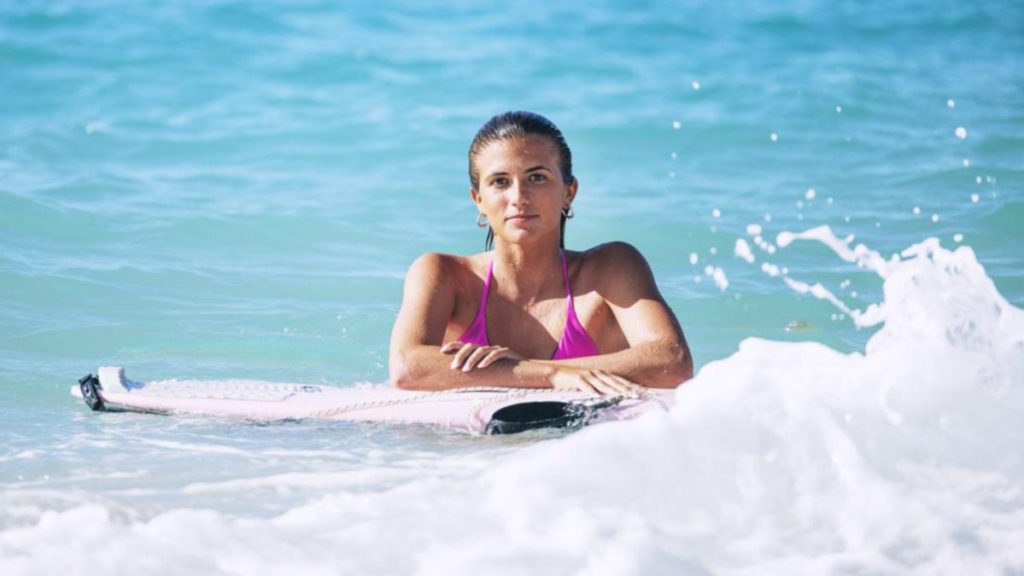
Zoe Benedetto, a rising star in the surfing world, exemplifies how surfers can use social media to build a personal brand. With over 100,000 Instagram followers, she shares her journey as a competitive surfer, offering fans a glimpse into her routines and adventures. Her engaging posts and relatable content inspire a diverse audience, fostering a sense of community. By leveraging platforms like Instagram, Zoe has successfully highlighted both her talent and passion for surfing, helping professional surfing evolve into a global spectacle that captivates millions.

zoe benedetto

The Economic Impact of Surfing Events: The Case of Nazaré

Major surfing events can significantly boost local economies by drawing tourists, increasing business revenue, and creating temporary jobs in hospitality and event management. A prime example is Nazaré, Portugal. Once a small fishing village, Nazaré has transformed into a global surfing destination. In the mid-2000s, legendary big wave surfer Garret McNamara set out to find the world’s biggest rideable wave. After hearing about the massive waves in Nazaré, he couldn’t resist. In 2011, Garret surfed a 78-foot wave, earning a Guinness World Record and forever putting Nazaré on the map. Now known for having the world’s biggest wave, the town hosts surfers each year for competitions and record-breaking attempts. The World Surf League held its first Nazaré Big Wave Challenge in 2016, further cementing the town’s place in the surfing world.

Over the past decade, surfing has had a huge impact on Nazaré’s economy and culture. In 2010, nearly 45,000 tourists stayed in local hotels; by 2019, that number had soared to over 130,000—a 295% increase. This influx has generated millions in revenue for local businesses, including hotels, restaurants, and shops. The events not only raise the town’s profile but also foster community pride and cultural exchange, as locals and visitors connect over shared interests. Investments in infrastructure and services to support these events also help ensure Nazaré’s long-term success as a sustainable tourist destination.

Nazaré, Portugal

The Power of Sponsorship in Surfing

Sponsorships play a vital role in the surfing industry, giving brands significant exposure while supporting events like the Shiseido Tahiti Pro and Lexus Pipe Pro. Major partnerships, such as Pura Vida’s commitment to surf culture and Red Bull’s alignment with extreme sports, show how brands connect with an adventurous lifestyle and passionate fan base. These collaborations allow companies to showcase their products in ways that resonate with their audience, creating a sense of authenticity and shared values. In 2023, sponsorship revenue in professional surfing reached an estimated $150 million, a 30% increase from the previous year, reflecting the sport’s growing popularity and its value as a marketing platform.

Professional surfers aren’t just competitors; they’re influential brand ambassadors whose personal stories and lifestyles resonate deeply with fans. Carissa Moore, for example, leverages partnerships with Nike and Red Bull to promote products that align with surf culture, while Brisa Hennessy’s advocacy for environmental sustainability and mental health awareness extends her influence beyond the sport. Through social media, these athletes cultivate loyal communities, making them valuable to brands across apparel, wellness, and lifestyle markets. Their participation in events, campaigns, and even signature product lines enhances market presence and helps shape public perception of surfing. As they build successful personal brands, surfers like Moore and Hennessy fuel the sport’s growth while setting an example for aspiring athletes on how to turn talent and passion into long-term success.

professional surfing

Surfing’s Next Wave

As surfing continues to evolve, its future holds immense potential for growth and innovation. Advances in technology, such as virtual reality (VR) and augmented reality (AR), could revolutionize how fans experience competitions, allowing them to feel as if they’re riding the waves alongside their favorite surfers. The development of artificial wave pools, like Kelly Slater’s Surf Ranch, could also become a more prominent part of the sport, offering controlled environments for year-round competition and training. Sustainability will remain a crucial focus, with many surfers and brands already advocating for ocean conservation and reducing the environmental impact of events. We may also see increased diversity, with the WSL pushing to include more women and surfers from regions like Asia and Africa, expanding the global talent pool. These changes will not only enhance the sport’s visibility but also ensure that surfing remains a progressive, eco-conscious, and globally inclusive movement that continues to inspire future generations.

Sources:

  1. http://www.the-businessreport.com/article/the-economic-power-of-surf/#:~:text=The%20waves%20have%20made%20us,before%20the%20Garrett%20McNamara%20act
  2. https://www.redbull.com/us-en/history-of-big-wave-surfing-at-nazare 
  3. https://surfsimply.com/magazine/cant-look-away
  4. https://www.surfandsun.com.au/blog/20241/the-history-of-the-world-surf-league.php
  5. https://www.linkedin.com/pulse/riding-wave-remarkable-growth-world-surf-league-future-angus-yeates-ukpbc
  6. https://www.surfertoday.com/surfing/world-surf-league-interesting-facts-about-the-pro-surfing-organization
  7. https://www.forbes.com/sites/isabellebousquette/2021/07/27/as-surfing-makes-its-olympic-debut-billionaire-owned-world-surf-league-hopes-to-catch-a-wave-of-opportunities/
  8. https://www.surfnewsnetwork.com/these-companies-make-it-happen/
  9. https://www.surfertoday.com/surfing/the-business-empire-of-kelly-slater
  10. https://www.riotimesonline.com/brazil-news/brazil/with-italos-gold-the-billion-dollar-surfing-business-heads-for-its-peak/

Become a Sponsor.

Join us in making a difference. Tell us a bit about yourself and we’ll be in touch with sponsorship details.

By submitting this form, you agree to be contacted by the Athelo Group team regarding sponsorship opportunities.