
What a Looming Lockout Means for the Business of Baseball

The business of baseball has seen immense success in the 2020s, coming off one of the most thrilling World Series in recent years, consistent attendance growth, and a booming sponsorship market.

All of this success may come crashing down over the next several months.

The future of Major League Baseball hangs in the balance as its collective bargaining agreement is set to expire this December. The threat of a lockout indefinitely suspending the 2027 MLB season has shifted from possible to highly likely. 

Consequences of a lockout affect far more than the players. No season means the league takes a monumental hit to tangible factors. This includes ticket and broadcast revenue, franchise valuation, and both current and prospective partnerships. Intangible costs like shifting fan sentiment and strained player-franchise relationships threaten the health of the league for years to follow.

But a lockout doesn’t mean baseball will disappear.

Minor League Baseball is poised for massive growth in the uncertainty of a 2027 MLB season, a unique opportunity for cities and brands to seize the moment.

Quick Highlights

  • The average payroll of an MLB team in 2024 was $169,733,434, a 26.2% increase from 2022.
  • The last MLB lockout took place in the 2021-2022 offseason and lasted 99 days, resulting in Opening Day getting delayed one week.
  • The average MLB player salary is $5.34 million and has risen about 5.6% annually since 2022.
  • 28 of 30 MLB teams have deals for jersey patch sponsorships, averaging $17 million annually.
  • Minor League Baseball attendance totaled 30,360,682 in 2025, down 2.9% from the previous year.
business of baseball

Why a Lockout Could Happen

The main issue of the upcoming negotiations is the potential implementation of a hard salary cap. This would be the first of its kind in MLB history. 

The league currently operates under a luxury tax threshold, which serves to discourage teams from spending over the limit by issuing harsh penalties. Several franchises in big cities like New York, Los Angeles, and Chicago frequently boast a payroll above the tax threshold as they can more easily absorb the penalties. Small market teams cannot consistently afford to do so. 

This calls into question the current competitive balance of the league. Franchise owners argue in favor of a hard cap to bring a more even spread to roster construction, as large market teams will not be able to consistently outbid small market teams for free agents. They also call for changes such as a more centralized revenue sharing system.

The MLB Players Association fiercely opposes the implementation of a hard salary cap on the grounds that it limits players’ total earnings potential and the average value of an MLB contract. Instead, they believe a salary floor should be introduced to create a baseline spending threshold and raise the average contract value. Other amendments such as revisions to arbitration and earlier free agency have grown popular among players.

At its core, neither party is willing to budge. Owners are searching for cost certainty and more protected franchise valuation. Players argue that the real issue is owners who elect to field an uncompetitive team, instead pocketing a larger portion of the shared revenue.

The Key Driver in Los Angeles

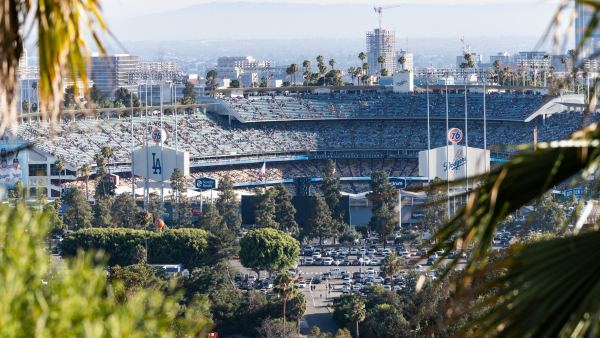
Those hoping for stricter payroll rules often point to the Los Angeles Dodgers as the primary culprit. 

The Dodgers are back-to-back World Series champions and heavy favorites to win a third straight championship in 2026. In the past few years, they have garnered a reputation for boasting an annual payroll far above the competitive balance tax threshold and frequently inking the league’s top free agents to long-term, high-value contracts. Notable signings include Mookie Betts, Freddie Freeman, Yoshinobu Yamamoto, and the recently acquired Kyle Tucker.

The Dodgers, with a valuation of approximately $8 billion, hold the second highest payroll in the league behind the New York Mets. They have not dipped below the tax threshold since 2020.

The biggest point of contention is the Dodgers’ recent pattern of deferrals in their contracts. Such deferrals allow teams to push a percentage of the contract’s value into the future, lowering the present-day amount affecting payroll and the tax threshold. The most notable example is Shohei Ohtani’s 10-year, $700 million contract signed in December 2023, with an unprecedented $680 million deferred until 2034.

Contract deferrals are within the current rules and are rumored to have originated in the 1950s with Ted Williams. And of course, Bobby Bonilla Day serves as a humorous reminder every July 1.

A Matter of Scale

The key here isn’t the deferrals themselves. It’s the scale at which the Dodgers are operating.

The Dodgers currently have over $1 billion in deferrals to be paid out over the next two decades. This is nearly equivalent to the league’s ten lowest total payrolls combined. They owe this money to nine players on the roster, whereas many teams have at most a single deferral on their payroll.

Major League Baseball went without a repeat champion for 25 years before the Dodgers’ recent success. Fans are worried that this shift in contract structure may soon cause large market teams to dominate the league and price small market teams out of being competitive. 

Many executives believe changes like a hard salary cap and bans or limits on deferrals will create a structure where every team is in play for key free agents and can compete for championships.

A Season at Stake: Who Pays the Price?

A partial or even full suspension of the 2027 MLB season threatens major ramifications for all parties involved.

First, the franchises. Valuations will plummet fast. Without a product, key components such as ticket sales, concessions, and in-stadium sponsorships provide no value.

Current and potential sponsors are now forced to reevaluate risk. One might look at MLB’s record $2.05 billion in sponsorship revenue in 2025 and see that the game is as lucrative as ever. 

Brands sign these deals expecting certainty: each team hosts 81 games per season and is on TV almost half a year. Some companies pay specifically to have their jersey patch visible all game.

But a sudden threat of uncertainty means companies are forced to take a step back. They may grow wary of the league or even search for more secure opportunities elsewhere. Of course, the players can’t work if there are no games to be played. But they also miss out on massive marketing opportunities from both the league and their respective teams (endorsements, bobblehead nights, in-stadium jersey sales, etc.).

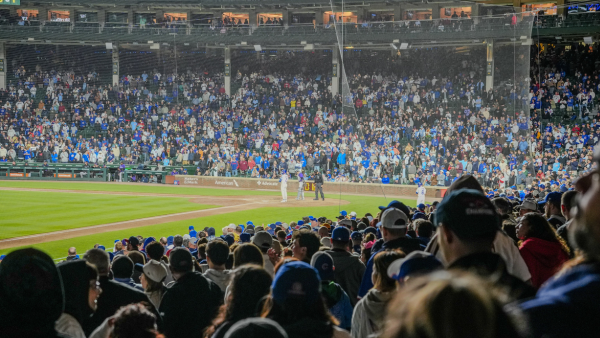
Fan unrest will continue to grow as a lockout marches on, giving baseball the threat of losing a portion of its fanbase entirely. This could make a major dent in all aspects of a team’s valuation.

Once baseball eventually comes back, attendance and sales may decline significantly.
business of baseball

Minor League Growth Potential

In the event of a lockout, Minor League Baseball will be largely unaffected since it operates under its own governance structure. 

Unlike 2020 where the sport was entirely shut down due to the pandemic, a lockout poses no threat to their season. This presents a rare opportunity for franchises and brands to capitalize on the Minor Leagues being vaulted to the forefront of the sport.

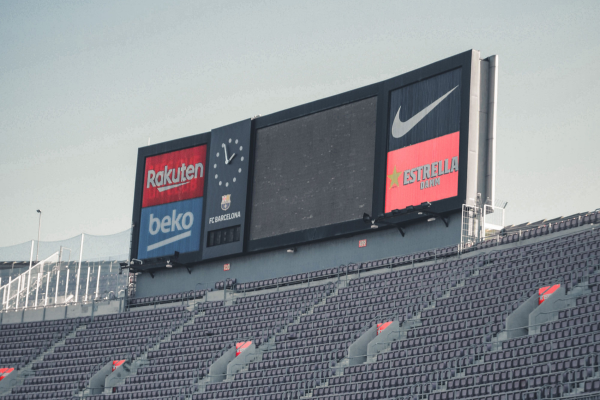
Minor League teams cannot depend on television broadcast deals as a steady source of revenue. National TV ratings remain low as many people do not choose to tune into lower-level professional games, and often these teams do not generate enough revenue to justify the cost of featuring a professional-grade broadcast. Instead, they must leverage local corporate partnerships and stadium signage, a key portion of their overall income behind ticket sales.

With no MLB games, it may prompt the masses to tune into the Minor Leagues more closely. The Minor Leagues are already doing well on the attendance front, averaging over 30 million fans in recent seasons. Most teams have a steady, albeit modest fanbase on a local level.

This opportunity is unprecedented because MLB’s demand funnels to the Minor Leagues by default. Fans in search of baseball will flock to their local ballparks to catch a game. Regional news outlets can lean harder into Minor League coverage and help teams reach new fans and solidify a larger fanbase.

The potential for revenue generation is also massive. Large attendance spikes mean major gains in merchandise, concessions, and parking sales. This creates a perfect opportunity for regional and mid-market brands.

With an extensive lockout looking highly likely, the opportunity for a partnership could prove rewarding for both sides. 

The Bottom Line

Baseball is approaching a climax, and without swift and proper action, all of its recent successes may soon vanish.

Even a temporary pause to the season has potential to set the league back many years. 

Minor League baseball has an opportunity unlike one we’ve seen before: to become the face of baseball. The quickest to recognize this and adapt can build strong, long-lasting relationships within their community, and baseball can continue to grow in a new light.

However long this labor war lasts, it’s clear that the landscape of baseball will look a lot different in the seasons to come.

FAQ:

  1. What is a lockout? A lockout is a work stoppage that occurs when the league’s Collective Bargaining Agreement expires. Team owners initiate a lockout and freeze league operations until a new deal is agreed upon.
  2. How does Minor League Baseball operate? Minor League teams are affiliates of their MLB franchise and consist of players under contract of that franchise. There are four levels of Minor League Baseball, with Triple-A (AAA) being the highest level. The MLB team controls player assignments while each individual Minor League team controls its business operations and fan experiences.
  3. Have lockouts ever resulted in cancelled games? No previous lockout has resulted in the cancellation of games. The most recent lockout in the 2021-22 offseason caused a delay to the start of the season, but a full 162-game season was played. A player strike in 1994 cancelled the remainder of the season, including that year’s World Series.

Athletes in Hollywood: Do Star Athletes Guarantee Box Office Success?

Athletes have increasingly become a major presence in movies, television, and even Broadway, raising an interesting question: does casting an athlete automatically make a project more successful?

In many cases, athletes bring built-in audiences, media attention, and star power that can help generate interest before a project is even released. But name recognition alone is rarely enough to guarantee success. 

Ultimately, the athlete has to fit the role in a way that feels authentic and serves the story rather than distracting from it.

On American Gladiators, casting elite athletes like Athelo’s Dani Speegle brought a level of authenticity that would have been difficult to replicate with traditional actors or entertainers. Her athletic ability allowed the competition to be performed at the highest level, while her credibility reinforced the show’s identity as a genuine test of strength, speed, and skill. 

In cases like this, the athlete is not simply a celebrity cameo. They are essential to making the concept believable.

Quick Highlights

  • American actor and professional wrestler Dwayne Johnson’s films have grossed $6.2B+.
  • Athletes bring huge audiences. LeBron James has 150M+ followers, while Dwayne Johnson has 390M+ on Instagram.
  • The business impact is real. Space Jam earned $250M+ worldwide and generated $1B+ in merchandise sales.
  • Dave Bautista has appeared in 40+ film and TV projects after leaving wrestling.
  • Athlete-led films often secure multi-million-dollar marketing partnerships.

The Marketing Advantage of Athlete Celebrities

Athletes commonly have built-in popularity. They are known by millions of fans before they ever appear on screen or stage. This gives entertainment companies a major advantage when promoting a project.

Dwayne “The Rock” Johnson is one of the best examples because he combines a larger-than-life personality, a recognizable image, and exceptional charisma that translate naturally into entertainment. After transitioning from professional wrestling, Johnson starred in blockbuster films such as Jumanji: Welcome to the Jungle, Fast & Furious, Moana (voice role), and Black Adam.

His films have collectively earned billions of dollars worldwide, making him one of Hollywood’s highest-grossing and highest-paid actors. His proven ability to attract global audiences, lead blockbuster franchises, and secure lucrative brand partnerships has cemented his reputation as one of the entertainment industry’s most marketable stars.

Other athletes have also successfully crossed into entertainment. Michael Jordan’s starring role in Space Jam (1996) helped the film gross over $250 million worldwide, while merchandise sales exceeded $1 billion. This shows the commercial value of pairing a globally recognized athlete with a major entertainment franchise. LeBron James later headlined Space Jam: A New Legacy after building his own entertainment company, further showing how an athlete’s personal brand can extend into film production and media.

How Athlete Branding Drives Movie Success

Casting agents often see athletes as highly marketable because they already have established personal brands, loyal fan bases, and widespread public recognition. 

Studios leverage athletes’ established brands to generate excitement and attract audiences beyond traditional moviegoers. Through endorsements, media appearances, and social media, athletes bring built-in publicity that encourages their fans to watch films simply because of their involvement.

An example of this can be seen with LeBron James. James promoted his movie across his social media accounts, as well as featured the film through his company giving Warner Bros. access to his massive global fan base.

More recently, Nike coordinated a major product launch around Space Jam: A New Legacy, releasing themed shoes and apparel that promoted both the movie and LeBron James’ brand simultaneously. 

Studios and athletes benefit from mutual promotion that expands audience reach and strengthens both the film’s and the athlete’s commercial value.

athlete movie

Why Some Athletes Succeed as Actors

Athletes also bring a distinct set of skills that translate naturally to acting and live theater.

Years of performing under pressure, maintaining rigorous discipline, and pushing through physical and mental fatigue build habits that serve them just as well on a stage or set as they did in competition. Many athletes also know how to carry themselves confidently in front of a crowd, which can make them look natural on camera or on stage. 

At the same time, not every athlete makes the transition easily. Some, like Shaquille O’Neal in films such as Kazaam, were enormously successful as athletes but received mixed reviews for their acting performances. Their experiences show that being comfortable in front of an audience is only one part of what makes a compelling actor.

Acting requires range, memorization, timing, and the ability to deliver lines in a believable way. Some athletes have successfully developed these skills after leaving sports. Dave Bautista balanced physical presence with humor and depth in his portrayal of Drax in the Marvel films, while Terry Crews has showcased strong comedic timing, expressive acting, and memorable character work in Brooklyn Nine-Nine and Everybody Hates Chris. 

These performances demonstrate that success in entertainment comes not only from confidence or charisma, but from understanding acting. Others, however, find that athletic performance and acting demand different skill sets, making the transition more challenging.

Popularity Alone Is Not Enough

In sports movies and television shows, casting real athletes can make a project feel more authentic because they bring firsthand knowledge of the sport to their performances. 

Their involvement can also attract fans who already follow their athletic careers, helping expand the audience. For example, former professional football player Burt Reynolds starred as a quarterback in The Longest Yard, while NBA legend Kevin Garnett received praise for playing a version of himself in Uncut Gems. Because these performers understood the culture and demands of their sports, their performances added credibility to the stories.

On the other hand, not every athlete successfully transitions into acting. Although Ronda Rousey appeared in high-profile action films such as The Expendables 3 and Fast & Furious 7, critics generally viewed her performances as limited, and her acting career never reached the same level as her success in mixed martial arts. 

Similarly, Dennis Rodman starred alongside Jean-Claude Van Damme in Double Team, but the film was poorly received by critics and performed modestly at the box office. 

These examples show that while an athlete’s fame may attract initial interest, long-term success still depends on strong storytelling and convincing performances.

The Verdict

Overall, athletes do not automatically make movies, TV shows, or Broadway productions a success or a failure. 

Their fame can give a project more attention and help create excitement, but the final result still depends on talent, preparation, and how well the athlete fits the role. The most successful athlete-turned-entertainers are usually the ones who know how to shape their public image, connect with audiences, and adapt their skills to a new industry. 

That is why athletes turned actors continue to stand out. They are not just athletes. They are carefully built entertainment brands who know how to keep people watching.

FAQ:

  1. How successful has The Rock been in Hollywood? Dwayne “The Rock” Johnson has starred in films that have generated more than $6.2 billion in worldwide box office revenue as a leading actor, making him one of the highest-grossing actors in modern Hollywood.
  2. Which athlete turned Hollywood star has made the most money? Arnold Schwarzenegger is one of the wealthiest athlete-turned-Hollywood stars, with an estimated net worth of over $1 billion from acting, investments, and real estate. Dwayne “The Rock” Johnson is one of the highest-paid modern actors, building a global entertainment empire.
  3. What did Dani Speegle do on American Gladiators? Dani Speegle joined the Prime show, American Gladiators, as the Gladiator “Crush,” using her background as a six-time CrossFit Games athlete and The Titan Games champion to compete in intense physical challenges against contestants.

The New Economy of Sports: How are the NIL, Sports Betting, and Media Rights Reshaping the Industry?

Not too long ago, the value of an athlete was measured exclusively by what they did and how they performed in their respective sport. 

In today’s world of sports, athletes’ values are now measured by their brand or marketability. 

NIL offers expansive opportunities to collegiate athletes, sports betting partnerships are popping up everywhere, and media deals are reaching never before seen heights. The economics of sports are evolving at a rate nobody saw coming.

It is essential for athletes, brands, and agencies to understand these trends in order to stay ahead of a very unpredictable curve.

Quick Highlights

  • College athlete compensation through NIL and revenue sharing is projected to reach $2.25 billion in 2026, more than doubling the original revenue sharing number from 2021.
  • Legal U.S. sportsbooks produced over 16.5 billion in revenue in 2025, a 22.5% increase from 2024, and Americans wagered over $165 billion on sports in 2025 alone.
  • U.S. television and streaming companies are expected to spend $29.25 billion on sports media rights in 2026, projecting to exceed $37 billion by 2030.
  • College conference media deals continue to reshape the college sports world. The Big10’s media rights are worth approximately $8.05 billion, while the SEC’s deal is worth about $7.1 billion.
college sports

The Rise of the Athlete Entrepreneur in College Sports

Previously, college athletes had very limited opportunities to profit from the values they had helped create. The only “compensation” they were allowed to receive was through academic scholarship, academic support, and other smaller benefits from the NCAA and its rules. 

The arrival of NIL in July 2021 completely changed that relationship. Athletes could now begin earning money through various endorsements, appearances, autograph signings, and many other types of monetizable business activities. Opendorse projected that total NIL in collegiate sports grew from just over $900 million in 2021 to over $1.65 billion in 2025. 

NIL encourages student athletes to think beyond their performance on the field and to invest in building their personal brand. By growing an audience, launching their own brands, and partnering with sponsors, these student athletes are now able to create their own financial opportunities well before their playing days end.

A very popular example is former LSU gymnast Livvy Dunne. She was able to leverage her massive following on social media into various endorsement deals with big names brands. The success she was able to display demonstrates that in today’s NIL era, the brand of an athlete can be just as or even more valuable than their performances. 

NIL Opportunities

As NIL opportunities become more complex, the shift in demand for athlete representation has become increasingly more important.

Agencies help these student athletes navigate contracts, ensure compliance within the regulations of NIL, protect the athletes intellectual property rights, and also build up their personal brands that are able to create long-term value beyond single endorsement deals. 

NIL has not only added a new source of income to college sports, but it has also introduced a brand new business entity that these student athletes have the ability to take advantage of while still competing at the highest level.

The House is Winning

For decades, many professional sports leagues tried to stay away from legal wagering. Today, not only do they approve of it, they also present it to their fans and viewers routinely. 

Sportsbook advertisements appear during live broadcasts. Betting lines are incorporated into studio programming. Odds makers have live segments on ESPN and other well known sports networks.

According to the American Gaming Association, sports betting in the United States reached revenues of approximately $16.96 billion in 2025. This number was up 22.8% from 2024. The total amount wagered was also north of $166 billion in 2025.  

Not only does this revenue help the sportsbooks, but it also works wonders for the TV networks and leagues themselves.

This new “trend” has allowed viewership to skyrocket. Sportsbooks benefit from the extra activity, but so do media companies, advertisers, leagues, and data providers. These fans are not only watching, they are following stats, checking mobile devices/apps, consuming analysis of the sport, and chatting about any outcomes that may or may not have helped them and their pockets. 

This up and coming industry is also generating revenue beyond wagers. Many state-regulated operators generated approximately $3.7 billion in sports-betting taxes in 2025.

The Battle for Live Sports

The way people consume their entertainment has changed drastically over the past decade. Streaming services have become king when it comes to movies, television, documentaries, and other on-demand content. Live sports, however, remained one of cable television’s last strongholds in the industry, until recently.

Sports are the only thing in today’s world that people want to watch as they happen live. The uncertainty of live action makes the viewer feel as if they are missing out on a monumental life moment. This scarcity makes sports one of the most valuable assets in the media world. It is estimated that U.S. television and streaming sports payments would total up to around $29.5 billion in 2025. 

This number has doubled from $14.64 in 2014. The growth is undeniable. 

Streaming services has become increasingly aggressive when pursuing the streaming rights to all of the “Big 4” sports leagues (NFL, NBA, MLB, NHL). Streaming services have become the primary place to watch many live sporting events.

As streaming platforms such as Amazon Prime Video, Peacock, YouTube TV, Netflix, and Apple TV continue to acquire the exclusive media rights for these sports, fans need multiple subscriptions just to follow and watch their favorite teams. Not only does this attract subscribers, it retains them. By holding these games “hostage” to the viewers, it creates less subscription cancelations, generates ad revenue, and encourages the viewer to spend more time within that certain platform.

These rising rights fees are also affecting the sports economy. It allows these leagues to help support player compensation, improve league operations, upgrade facilities, and also experiment with expansion. 

sports media rights

What the Future Holds

It is evident that the sports industry will continue to evolve as technology advances, regulations change, and new platforms challenge each other for viewership attention. 

NIL has allowed student athletes to obtain greater control over their various identities. The sports betting world has become a major revenue engine and has changed the way people engage with sports. The competition in media rights has turned live sports into one of the most prized possessions in the entertainment industry.

On the outside, they seem like simple changes. However, athletes are now forced to think like entrepreneurs. Brands are now creating and maintaining very authentic connections with consumers. Agencies are helping talent to build value that goes well beyond a single season or career. 

The new economy of sports is not just about the total amount of money entering the industry. It reverts back to who can and will create value, who is able to get firm control of that value, and how these athletes, brands, leagues and media platforms will come together and share this revenue year over year. 

FAQ:

  1. What is NIL? NIL stands for Name, Image, and Likeness. This allows student athletes the ability to earn money from sponsorships, endorsements, social media, and other opportunities that present themselves.
  2. When was sports betting legalized in the U.S.? Sports betting was legalized in 2018. This was done after the Supreme Court demolished the Professional and Amateur Sports Protection Act. 
  3. Why are media rights becoming more valuable? Media rights have become more valuable because streaming services and traditional broadcasts are in constant competition for live sports due to the audience they attract. When one out bids the other, the price continues to surge up. 
  4. How do these trends benefit athletes? Athletes nowadays at all levels have more opportunity to earn income beyond their salaries or prize money.

The Racket: Why Are More Adults Picking Up Pickleball?

For a sport that’s only 60 years old, pickleball has earned a reputation as the fastest-growing sport in America. 

Once a niche backyard pastime, pickleball is now almost impossible to ignore. The appeal stems from its convenience and low-commitment nature. The sport itself is low-maintenance and low-stakes, and asks little of you. No expensive gear, no steep learning curve, no major time commitment.

Just a paddle, a ball, and a court.

That accessibility, sense of community, and inexpensive equipment attract those who want to get their body moving without committing to a full-time hobby that will drain the bank. 

Here’s a closer look at where the game came from, why it’s exploded in popularity, and what’s driving so many adults to fall in love with it.

Quick Highlights 

  • In 2024, it was reported that the 2020 COVID-19 pandemic spiked a 21% growth in participation due to an influx in sports and fitness-related activities. 
  • Approximately $152.8 million has been invested in building and upgrading pickleball facilities across the country.
  • The average age of a recurrent pickleball player is about 35 years old
  • According to the Sports & Fitness Industry Association (SFIA), pickleball engagement grew 223.5% over three years, affirming the game’s rapid growth.
pickleball

History of Pickleball

Due to the spike in popularity, the common misconception is that the game was created within the past few decades. The concept of pickleball began in the summer of 1965 on Bainbridge Island, Washington. 

In an effort to occupy their children on a rainy day, vacation home neighbors Joel Pritchard and Bill Bell began improvising on the badminton court. With wooden paddles and a wiffle ball in hand, concepts of a game came into fruition. 

Eventually the adults favored the game considerably more than the children.  

The pickleball rules upheld today were crafted through trial and error. The 7-foot non-volley zone known as the “kitchen” prevented players from spiking at the net. The height of the net at the sidelines is measured to be 36 inches tall because it is set to the height of Joel Pritchard’s waist. 

Barney McCallum, their neighbor, began playing with Pritchard and Bell. It was McCallum who created the paddle design. He used ping-pong paddles as inspiration. Elongating the handle, strengthening the density, and squaring the shape.

The three men worked together to redefine the scoring and penalties to shape the classic pickleball game played today. 

How Pickleball Gained Traction

McCallum, Pritchard, and Bell spread the game of pickleball. Through word of mouth, the game to began to gain notoriety. Rapidly, makeshift courts were being used and mimicked on residences. 

Joel Pritchard was establishing himself as a politician at the time. He would familiarize the guests of his political gatherings with the game. 

Meanwhile, the National Observer published the first ever article about pickleball. McCallum began to mass-produce equipment, leading to the commercialization of the game.

pickleball

Recent Rise in Popularity

The COVID-19 pandemic facilitated the influx of players and facilities. Although pickleball was invented in 1965, its popularity has risen from niche to mainstream throughout the past decade. 

According to the Sports & Fitness Industry Association (SFIA) Topline Participation Report, pickleball engagement grew 223.5% over three years. In 2024, it was reported that the 2020 COVID-19 pandemic spiked a 21% growth in participation due to an influx in sports and fitness-related activities. 

Restrictions on indoor gatherings provided limited options for those who enjoy physical activity and social interactions. Many sought an answer that would allow them to engage with others while staying active. 

Since pickleball’s versatility allows the game to be played either indoors or outdoors, it was seen as a feasible option. 

Attributes to Adults

The average age of a recurrent pickleball player is about 35 years old.

Compared to children, adults are less likely to attempt to try new sports due to cost and skill deficits. Recreational sports are seen as a high-maintenance activity that requires attentive skill. 

Unlike other sports, pickleball requires little equipment or knowledge of the game’s technique to play; paddles and the ball are a necessity, the rules can be digested within a match. Those who aren’t familiar with other sports often get discouraged, assuming that ignorance means that learning to partake in a recreational activity is futile. Players don’t need years of experience or impeccable athletic knowledge to engage. 

Accessibility is a big attribute of the game. It’s a low-impact sport due to the compressed court size, causing less stress on the joints. Since the game utilizes an underhand serve, it is less likely to cause injuries due to the low movement and motion that typically is inflicted from sports with a wider range of motion. There are also different versions of the game that are considered accessibility-friendly, such as wheelchair pickleball. 

The game is social, which gives players a feeling of community. Due to the short match times (15 to 25 minutes per game), there is leeway for chatting to fill the space in between games. 

Pickleball’s Push Toward Professionalism

Professional pickleball entities have also developed since the sport has gone mainstream. 

The PPA (Professional Pickleball Association) Tour was founded in 2019 and hosted it’s first professional and amateur tournament in February 2020. The tournament is held year-round across the United States. Players compete in men’s singles, women’s singles, men’s doubles, women’s doubles, and mixed doubles divisions. 

The International Tournament Series was introduced in 2025, broadening tournaments worldwide. 

Major League Pickleball (MLP), the PPA Tour’s sister company, focuses on team-based competition. Both are owned by the United Pickleball Association (UPA), which created the UPA-A in 2024 to oversee rules, equipment testing, and growth.

The tournaments are offered for all ages and skill levels, which remains faithful to the general appeal of pickleball: inclusivity and accessibility. 

New Pickleball Courts Nationwide

Due to the rise in popularity, thousands of pickleball courts are beginning to pop up nationwide.

Approximately $152.8 million has been invested in building and upgrading pickleball facilities across the country. This includes existing facilities.

Even though it is considered a trend in the sports world, businesses don’t expect attendance to decline anytime soon. 

Whether it’s the competition, the camaraderie, or simply the chance to stay active, pickleball has proven it’s far more than a passing trend. It’s a game more adults are eager to pick up, one match at a time.

FAQ:

  1. How did pickleball get its name? This is widely disputed; it’s either from the rowing term pickle boats, which is the boat to finish last, or it’s names after the Pritchard family dog, Pickles. 
  2. Is pickleball only for adults? No– the sport gained popularity due to its inclusivity and accessibility for all ages. 
  3. Do I need experience to start playing?  Rules and regulations coincide with pickleball. However, the learning curve is slight. 
  4. How is pickleball different from tennis? Pickleball combines badminton, ping pong, and tennis. Compared to tennis, pickleball has a smaller playing area and a slower-moving ball. 

Athelo Group Pickleball Classic

Grab a paddle and join us for a day of friendly competition for a great cause! Whether you’ve been playing for years or never picked up a paddle, all skill levels are welcome. This event is about community as much as it is about competition.

Join us on October 23rd, 2026 at The Sports Haus in Norwalk, CT, and come play for a purpose. Every dollar raised goes directly to Stamford Health’s Bennett Cancer Centers, supporting patient care, research and financial assistance programs for those who need it most. 

It’s more than just a game, it’s a chance to make a difference.

The Biggest Sports Marketing Trends We’ve Seen So Far in 2026

If the first half of 2026 has proven anything, it’s that sports marketing is evolving faster than ever. 

The relationship between athletes, brands, and fans continues to shift as technology changes how content is created, consumed, and monetized. Traditional sponsorships are no longer enough on their own. The brands seeing the greatest success are adapting to how modern fans actually engage with sports.

From creator-driven athletes to the continued dominance of live sports, here are three of the biggest trends shaping the industry so far this year.

Quick Highlights

  • The global creator economy is on pace to top $300 billion in 2026, up from roughly $205 billion in 2024.
  • Influencer marketing spend is projected to hit $40+ billion in 2026, up from just $1.7 billion in 2015.
  • The global sports sponsorship market is estimated at roughly $70–75 billion in 2026, and nearly 46% of sponsors now prefer multi-season contracts over one-off deals.
  • Streaming platforms are set to spend a combined $14.2 billion on sports rights in 2026, a 7% increase over 2025.
View this post on Instagram

A post shared by U.S. Bank (@usbank)

Athletes Are Becoming Media Companies

Today’s athletes aren’t waiting for broadcasters or reporters to tell their stories. They’re building their own audiences every day.

Social platforms are transforming athletes from brand ambassadors into full-time content creators. Training sessions, travel days, behind-the-scenes moments, business ventures, and personal milestones have become valuable content that keeps fans engaged long after the final whistle.

Professional lacrosse players Alex Aust and Marcus Holman’s partnership with U.S. Bank is a great example of this in action. The couple’s content brings fans into their shared training and family life in a way that feels personal rather than promotional, exactly the kind of storytelling brands are now paying for.

This shift gives athletes something even more valuable than reach. It gives them ownership. By building direct relationships with their audiences, athletes can influence purchasing decisions, launch businesses, and create communities that exist independently of any team or league.

The global creator economy, the ecosystem athletes now operate inside of alongside traditional influencers, is estimated to be worth around $325 billion in 2026. Influencer marketing specifically, a category that increasingly includes athlete-led content, has grown from just $1.7 billion in 2015 to a projected $40+ billion in 2026. That’s a compound annual growth rate above 33% sustained for a decade. 

Brands aren’t chasing this trend blindly, either. The average campaign now returns $5.78 for every dollar spent, with the best-targeted campaigns hitting $11–$18.

For brands, this means evaluating athletes beyond traditional performance metrics. Engagement, storytelling ability, audience trust, and consistency have become just as valuable as championships and statistics. They’re the metrics with the receipts to prove ROI.

Long-Term Partnerships Are Delivering Better Results

The era of one-off sponsored posts is slowly fading.

Consumers have become increasingly skeptical of partnerships that appear transactional or disconnected from an athlete’s authentic interests. Instead, brands are investing in ambassadors who can tell an ongoing story across multiple campaigns, platforms, and real-world experiences.

The strongest partnerships today feel less like advertisements and more like collaborations. Athletes are helping shape creative direction and creating content throughout the year rather than only supporting one single campaign.

This shows up clearly in the data. Industry research now finds that more than 46% of sponsors prefer multi-season contracts over single-event or single-campaign deals.

Even the world’s biggest properties are leaning into this logic. The FIFA World Cup 2026 commercial cycle is targeting roughly $13 billion in revenue, a 72% jump from the previous cycle, built substantially on long-running sponsor relationships. Companies like Adidas, Coca-Cola, and Visa, among many other brands with FIFA ties stretching back decades rather than a single tournament are seeing these returns.

This approach benefits everyone involved. Brands build stronger credibility, athletes gain more meaningful business relationships. Fans receive content that feels genuine instead of promotional. 

Sports Marketing Trends

Live Sports Continue to Command Attention

In 2026, live sports remain one of the few experiences audiences still prioritize watching in real time.

Whether it’s the Super Bowl, March Madness, Wimbledon, Formula 1, or the growing number of global soccer competitions, live sports consistently generate massive audiences across television, streaming platforms, and social media.

Fan interest has stayed the same but where fans are watching is continuously changing, and how much brands are paying to be there. Streaming platforms are projected to spend a combined $14.2 billion on sports rights in 2026 alone, a 7% jump from 2025’s $13.2 billion, with Amazon Prime Video expected to account for roughly 27% of that spend on the strength of its NFL, NBA, and Champions League rights. 

At the same time, highlights, creator reactions, and behind-the-scenes content extend the lifespan of every game across TikTok, Instagram, YouTube, and other platforms. Notably, only about 19% of fans aged 18–34 report watching an entire game live at home. The rest engage through clips, social content, and secondary screens.

For marketers, this creates multiple touchpoints before, during, and after competition. A sponsorship is no longer limited to signage inside a stadium. It can live across livestreams, creator content, short-form video, and experiential activations. 

Sports Marketing Agencies Are Growing Right Alongside These Trends

None of this growth is happening without agencies driving it. As athletes, brands, and leagues chase creator-driven storytelling and long-term partnerships, the agencies that connect all three sides of that equation are seeing real growth of their own.

In the U.S. alone, the celebrity & sports agents industry has grown to $15.9 billion in revenue. This is driven largely by clients building digital influence and monetizing deals that don’t depend on just traditional broadcast.

More than 5,500 agencies now manage upwards of 380,000 professional athletes across 190 leagues worldwide.  Roughly 70% of athlete endorsement deals are handled through agency partnerships rather than negotiated independently.

This is exactly where an agency’s role is expanding. From negotiating a single deal to helping build an athlete or a brand’s entire commercial presence.

Agencies that build this kind of integrated capability are positioned to capture a growing share of a market that’s expanding faster than traditional sports marketing ever did.

Looking Ahead

If the first half of 2026 has shown us anything, it’s that sports marketing is becoming less about interrupting a game and more about connecting outside of it.

Athletes are building million dollar media businesses alongside their playing careers. Brands are prioritizing authentic, year-round relationships over short-term campaigns, and putting real budget behind that shift. Live sports continue to deliver something few forms of media can replicate. Real-time attention at scale, backed by tens of billions of dollars in licensing fees and sponsorship investment.

As these trends continue to evolve, the organizations that succeed won’t simply sponsor sports. They’ll become part of the stories fans choose to follow.

FAQ:

  1. What’s the biggest sports marketing trend in 2026? Athletes operating as independent media companies, backed by a creator economy on pace to top $300 billion this year.
  2. Do long-term sponsorships actually outperform one-off deals? Yes. Nearly 46% of sponsors now prefer multi-season contracts, citing stronger trust and better long-term ROI.
  3. Is streaming bigger than TV for live sports now? In the U.S., yes — 105 million digital viewers have overtaken 85.7 million traditional TV viewers.
  4. How much are brands spending on sports rights in 2026? Streaming platforms alone are projected to spend $14.2 billion, up 7% from 2025.

How Women’s Sports Growth is Changing Representation in the Sports Industry

Since 2023, women’s sports have seen noticeable growth across viewership, attendance, sponsorship, media coverage, and fan engagement. At the same time, representation within the sports business industry is also becoming a larger conversation.

More women are being recognized not only as athletes, but also executives, marketers, investors, broadcasters, and more.

The growth of these two areas are connected. 

As women’s sports continue to grow, they create more business opportunities across the industry. Having more women involved in the business side of sports has helped leagues, teams, and brands better understand their audience, stories, and communities connected to women’s sports. 

Quick Highlights

  • Deloitte projects global women’s elite sports revenue to reach at least $3 billion in 2026.
  • SponsorUnited tracked more than 5,300 sponsorship deals across women’s sports properties in 2025.
  • Women’s sports sponsorship grew 17.5% year-over-year in 2025, excluding NIL.
  • The WNBA reported more than 2.35 million fans attended games during the 2024 season, its highest total attendance in 22 years.
  • The 2024 NCAA women’s basketball championship game averaged 18.9 million viewers, making it the most-viewed women’s college basketball game ever.
  • NWSL total viewership across Nielsen-rated platforms reached 18.7 million in 2024, a fivefold increase from 2023.
  • The NCAA reported 279 women serving as athletics directors in 2025, a 24% increase over the past decade.

Women’s Sports Are Becoming a Larger Part of Sports Business

Women’s sports have gained more attention in recent years because of increased fan interest, stronger media coverage, and more brand investment. 

Women’s basketball and soccer are two clear examples of this growth. 

The WNBA has seen increased visibility through attendance, media coverage, merchandise, and player-driven attention. Athletes such as A’ja Wilson, Caitlin Clark, Angel Reese, Sabrina Ionescu, Breanna Stewart, and Cameron Brink have helped bring more casual fans into the sport. Many of them have strong followings through social media, fashion, community involvement, and brand partnerships. This allows for a wide array of audiences who then may become interested in their athletic careers. 

Women’s soccer has also continued to build momentum. The NWSL has grown through expansion, media deals, stronger attendance, and increased interest from sponsors. Clubs such as Angel City FC, Gotham FC, Kansas City Current, San Diego Wave, and Portland Thorns have shown how women’s soccer can connect with fans through both competition and community. 

Angel City FC is a strong example of this. Instead of solely building around the traditional sports model, Angel City has connected women’s soccer to entertainment, local LA culture, and representation. Angel City reports that they were No. 1 in NWSL in 2023 attendance, sponsorship revenue, and total revenue.

This growth matters because the sports business is built around audience attention. When more people watch, attend, follow, and engage, more opportunities follow. 

Advocacy is Helping Push Representation

Women athletes, executives, coaches, broadcasters, agents, and other sports business professionals have used their platforms to call for more visibility across the industry.

For athletes, advocacy can show up in different ways. Some use interviews, social media, podcasts, documentaries, or brand partnerships to speak about equal resources. This includes better media coverage, pay equity, and facility access. Others advocate simply by continuing to build their own brands, support other women athletes, and bring attention to the leagues they play in.

Women working on the business side of sports also play a major role. They help advocate through the decisions they make. They can push for stronger sponsorship deals, better storytelling, more inclusive hiring, and campaigns that highlight women athletes as serious competitors and marketable personalities.

This type of advocacy matters because representation does not only happen organically. It often grows because people inside and outside the industry continue to ask for better opportunities. 

In this way, women athletes and women in sports business are helping each other. Athletes create visibility through performance and storytelling. Women in the industry help turn that visibility into media coverage, partnerships, events, and leadership opportunities.

women in sports

Brand Investment is Expanding the Space

Brand investment shows how far women’s sports have come. A few years ago, a sponsor bought a logo on a jersey and called it done. Now, brands build entire campaigns around these leagues.

Google Pixel is a clear example. They didn’t just buy ad space, they became the official fan phone of the WNBA, and built real product features into the fan experience. Using Google Lens, fans can see exactly what players like Mo Bamba or Kelsey Plum are wearing. At WNBA All-Star Weekend, Pixel ran a “Hall of Fits” pop-up showcasing players’ favorite outfits and custom highlight reels fans could post to social.

That’s not a banner ad. That’s a brand writing itself into how fans watch and share the game.

Google took it a step further. It signed a deal with the WNBPA, NWSLPA, and USWNTPA to become the official phone of the players’ unions. It funded a project to capture and tell athletes’ stories directly.

That’s brand investment in the athlete, not just the league.

For brands, that pays off. Women’s sports fans notice who shows up and who doesn’t. Sponsor the moment right, and you earn attention that a courtside ad never could.

A Road to Opportunity

This is opening real doors. Not just bigger sponsorship checks, but a different kind of partnership.

In the NWSL, Ally and E.L.F. have built activations fans can actually step into: fan zones, content series, event moments tied to specific games. Not a static ad, but an experience.

In the WNBA, Ally sits alongside Google, Nike, CarMax, and Deloitte as a WNBA Changemaker partner. They backed programs on real community issues, not just logo placement. State Farm keeps investing in WNBA programming. 2K keeps building the league into its game. Each deal gives the sport another way to reach people. Whether that’s on TV, in a game console, or at a live event.

More brands means more of these moments. And more moments means stronger media coverage, stronger fan loyalty, and more business built around women’s sports. Not just around one big game.

The Industry Still Has Areas to Improve 

Women’s sports growth and representation in the sports business industry are closely connected. 

As women’s sports continue to grow, they create more opportunities across the industry. At the same time, more representation in business roles can help women’s sports grow in ways that are more authentic and sustainable.

Even with recent growth, there are still areas where the sports industry can improve.

Women’s sports still receive less overall coverage and investment than many men’s sports. Leadership opportunities have increased, but representation and pay gaps still exist in executive roles, ownership, media, and decision-making spaces. A 2026 survey by the Sport Integrity Global Alliance found that women held just over 32 per cent of executive positions across international sports federations.

That is why long-term investment matters. The growth of women’s sports should not only be connected to major events, star players, or short-term attention. It also requires consistent media coverage, strong sponsorship support, better facilities, fair resources, and continued career opportunities across the business side of sports.

FAQ:

  1. Why is women’s sports growth important for the sports business industry? Women’s sports growth is important because it creates new opportunities across media, sponsorship, events, ticketing, marketing, and athlete branding. As more fans engage with women’s sports, more companies and organizations are looking for ways to invest in the space.
  2. How does representation in sports business connect to women’s sports growth? Representation matters because the people behind the scenes help decide how sports are marketed, funded, covered, and experienced. When more women are included in these roles, the industry can better understand and support the growth of women’s sports.
  3. What can brands do to support women’s sports in a meaningful way? Brands can support women’s sports through long-term partnerships, athlete campaigns, team sponsorships, fan events, youth programming, content creation, and investment in women-led sports initiatives.

The Rise of Professional Skimboarding

A rider sprints across wet sand, drops a board at their feet, and within seconds is hurtling toward an incoming wave. They launch off the lip, pull an aerial trick, and stick the landing on a few inches of foam and fiberglass. 

It’s called skimboarding, and while it might look like a beach pastime, it has a legitimate professional circuit, world-class athletes, and a century of history behind it.

Sitting at the crossroads of surfing and its own entity, skimboarding provides casual fans and viewers alike an opportunity to witness a sport that is consistently growing.

Quick Highlights

  • Skimboarding began around 1920 in Laguna Beach, California, giving the sport more than a century of history.
  • The largest events on the United Skim Tour (UST) have offered prize purses of up to $15,000 for a single competition.
  • Three-time UST champion Blair Conklin has built an audience of nearly 4 million YouTube subscribers and more than 3.7 billion views, demonstrating the sport’s growing digital footprint.
  • The first annual World Skimboard Championships were launched in 1976, and The Vic at Aliso Beach is now in its fifth decade as the sport’s most prestigious event.

Where It All Started

Skimboarding’s origins trace back to Laguna Beach, California, around 1920. Two local lifeguards, George Griffeth and a friend known only as Jimmy, fashioned rounded disks from redwood and used them to glide across the shallow water along the shore. 

It was practical as much as playful. It was a way to travel quickly between coves along Laguna’s hilly coastline, where traditional surfing was largely blocked by the Channel Islands.

For decades, the sport stayed small and local. The classic “pizza board” shape dominated through the 1950s. Then, in the early 1960s, Laguna locals began stretching those round boards into oval shapes to better carve into the waves that crashed right on shore. 

That design shift changed everything.

The next major leap came in 1976, when Tex Haines and Peter Prietto founded Victoria Skimboards: a brand that would become synonymous with the sport itself. That same year, they organized the first annual World Skimboard Championships at Aliso Beach. The sport now had a name (before Victoria, it was often called “skidboarding”), a dedicated manufacturer, and a competition. 

In 1980, Victoria introduced the first foam core skimboard covered in fiberglass and resin, bringing the boards into surf shops and serious sporting culture. In 1987, a Sports Illustrated cover featuring Laguna Beach lifeguard Tom Trager catching air gave skimboarding a mainstream spotlight that almost no niche sport ever gets.

What Professional Skimboarding Actually Looks Like

Competitive skimboarding can be broken into two disciplines. 

  1. Wave skimboarding, the more high-profile form, involves riders running down the beach, throwing their board, stepping on, and racing out to meet incoming shore break. The goal is to hit the wave, launch off it, and execute aerial maneuvers before riding back to shore. Tricks range from back-side wraps to aerial floaters to full rotations above the lip.
  2. Flatland skimboarding, more common inland, trades ocean waves for smooth surfaces such as rain puddles, wet pavement, or shallow flats. Flatland skimboarding has an emphasis on technical tricks closer to skateboarding’s street style.

At the professional level, wave riding is king. Competitions are judged on wave selection, speed, trick difficulty, and execution. This format rewards both athletic power and creative risk-taking.

skimboarding

Surfing Versus Skimboarding

At first glance, surfing and skimboarding look like cousins. Both involve riding waves, demand balance and athleticism, and are deeply tied to beach culture. But the two sports are fundamentally different in how they interact with the ocean.

Surfers paddle out beyond the break, waiting for waves to form and carry them toward shore. Skimboarders do the opposite, as they start on the beach and sprint toward the water. They then use the thin film of wash left by a receding wave to glide out and meet the shore break as it arrives. 

Surfboards are large, buoyant, and designed to float. Skimboards are thin, dense, and have virtually no float at all. They rely entirely on speed and momentum to stay on top of the water. Waves in surfing are ridden for distance. In skimboarding, the wave is more of a launching ramp for a trick.

The result is a sport that’s faster, more explosive, and confined to a narrow strip of shore. 

Surfing is known to be easier to learn, as well as provides a longer and more predictable ride. These traits have led it to be more marketable for television and competition. With more sponsorships and training opportunities, athletes can begin to shape skimboarding into the worldwide force professional surfing is. 

The Leagues: Where Pros Compete

The main international circuit for professional skimboarding is the United Skim Tour (UST), widely recognized as the world’s only international professional skimboard tour. 

The UST sanctions events on both coasts of the United States and occasionally abroad, drawing riders from Brazil, Mexico, Japan, and across Europe. A typical season runs through summer and early fall, with stops at iconic locations including Laguna Beach in California, Dewey Beach in Delaware, Nags Head in North Carolina, and Santa Cruz.

The flagship event of the professional calendar is the Vic World Skimboard Championship (“The Vic”) held every August at Aliso Beach in Laguna Beach. Now in its fifth decade, it is the longest-running and most prestigious skimboarding competition in the world. Winning The Vic carries the same weight in skimboarding that winning Pipe Masters carries in surfing.

On the East Coast, the Zap Pro/Am World Championships held at Dewey Beach, Delaware is another major stop. Prize money is awarded to the top finishers in both men’s and women’s professional divisions. The European Skimboard League serves the growing international scene overseas, and Skim USA organizes regional competitions that feed talent into the professional ranks.

View this post on Instagram

A post shared by Lucas Fink (@lucasfink)

The Sponsorship Reality

The sport operates in what riders themselves have described as “no-man’s land.”

Prize purses are real but modest. The largest on the UST circuit have reached $15,000 for a single event. Meaningful, but nowhere near enough to sustain a career on its own.

The brands that anchor skimboarding sponsorships are largely endemic to the sport and surf culture: Victoria Skimboards, Zap Skimboards, Exile Skimboards, CatchSurf, and reef sandal brand Reef are among the most visible. These companies provide boards, gear, and in some cases financial support to their sponsored athletes, but rarely at the level that allows full-time professional focus without supplementary income.

The more interesting sponsorship story is happening through social media and content creation. Professional skimboarders have become some of the most compelling athletes on YouTube and Instagram, precisely because their sport is so visually explosive and underexposed.

Blair Conklin, a three-time UST champion from Laguna Beach, has built a YouTube channel (SkidKids) with nearly 4 million subscribers and over 3.7 billion views. His sponsors include DJI (the drone camera company), I-SEA sunglasses, CatchSurf, Reef, and Exile.This mix of surf brands and technology companies value his reach as a content creator just as much as his competitive credentials.

Lucas Fink, the Brazilian phenom who has won four UST championships including three in a row from 2022 to 2024, has the backing of Red Bull, a rare mainstream crossover sponsorship that signals growing confidence from major brands in skimboarding’s audience potential. Red Bull’s involvement brings production-quality content, global distribution, and the kind of brand legitimacy that elevates an entire sport.

The Road Ahead

Professional skimboarding sits at a fascinating crossroads. Its core infrastructure, the UST, The Vic, the Zap Championships, is well established and growing. Its athletes are among the most creative wave riders in any discipline.

What it still lacks is the broadcast deal, the mainstream sponsor roster, and the mainstream name recognition that would push it from niche obsession to household sport. Whether Red Bull’s involvement and the rise of creators like Conklin signal the beginning of that shift remains to be seen.

But make no mistake: skimboarding has been here since 1920, and its best riders are competing, creating, and pushing the sport’s limits every summer, with or without the mainstream spotlight.

That’s what makes it worth watching.

FAQ:

  1. What makes skimboarding different from surfing? Unlike surfers, who paddle out and wait for waves, skimboarders start on the beach, sprint toward the water, and use speed and momentum to reach an incoming shore break. The wave becomes a launch point for tricks rather than a ride toward shore.
  2. Why is skimboarding so popular on social media? The sport’s biggest maneuvers happen close to shore, making them easy to film and visually impressive. High-flying aerials, wave tricks, and beach-level camera angles have helped skimboarding attract millions of views online.
  3. Can you actually make a living as a professional skimboarder? For most riders, competition earnings alone aren’t enough. While major events offer prize money, many professionals rely on sponsorships, coaching, and content creation to support their careers.     
  4. Why are most professional skimboarders from California? Southern California, particularly Laguna Beach, has the steep shore breaks that are ideal for wave skimboarding. The region’s history, culture, and consistent conditions have made it the sport’s global hub for more than a century.
  5. Why aren’t skimboarders in the Olympics? The sport remains relatively small compared to surfing and skateboarding, with limited international participation and governing infrastructure. Olympic inclusion would require significant global growth and organizational support.

Why the PWHL Is the Best Sponsorship Opportunity in Sports Right Now

Women’s hockey has spent decades being overlooked. That oversight has quietly created one of the best business opportunities in professional sports. 

Without a stable professional league behind it, the sport never had a real chance to prove what it was worth. The foundation is finally there, and the brands that recognize that before everyone else will have a significant head start.

The Professional Women’s Hockey League (PWHL) launched in 2024 with six teams and real financial backing behind it. Since then, the league has doubled in size and now has 12 teams. 

That alone was a bigger deal than most people realized. Previous attempts at a professional women’s hockey league had failed. Not because fans did not care, but because the foundation was never built correctly. 

This time it was, and the market responded in a way that should have every brand paying attention.

Quick Highlights

  • The PWHL set a single game attendance world record for women’s hockey in its inaugural season, drawing 21,105 fans to a game in Montreal.
  • The PWHL surpassed 1 million fans in attendance during the 2025-2026 season.
  • Several PWHL franchises sold out season tickets within hours of going on sale.
  • Women’s hockey viewership during the 2026 Winter Olympics reached an all-time high, further driving interest in the professional game.
PWHL sponsorship

The Demand Was Always There

The old narrative was simple: women’s hockey couldn’t sustain a professional league because fans didn’t care. The Canadian Women’s Hockey League (CWHL) folded in 2019 and that story got louder.

The PWHL’s first season didn’t just challenge that narrative. It buried it.

Arenas were selling out, viewership numbers were climbing, and social media engagement was outperforming expectations. Markets don’t respond that way when there’s no appetite for the product.

Women’s hockey never had a demand problem. It had an investment problem, and for too long, nobody with real money was willing to find out the difference.

That has changed. And the opportunity now sitting in front of brands and business development professionals is one of the most significant in sports.

Sponsorships Are Still Cheap

The business case here is simple. Sponsorship in the PWHL is still priced like a league in its infancy, which technically it is, but the audience it delivers does not reflect that price tag anymore.

Brands that got into the National Women’s Soccer League (NWSL) in its early years or the WNBA before the recent boom will tell you the same story. They paid low rates, built genuine relationships with passionate fan bases, and are now sitting on sponsorship assets worth far more than what they originally paid. 

The brands that waited are paying a premium for the same seat at the table.

Women’s hockey is in that early window right now. It will not stay there. Every sellout, every attendance record, every viral moment makes it smaller. This is not a window that stays open.

The Fan Base Is Worth Paying Attention To

Numbers tell part of the story. The other part is who those numbers represent.

The fans showing up to PWHL games and following the league online are young, vocal, and highly engaged. That is exactly the kind of demographic that brands across almost every industry are trying to figure out how to reach.

Research consistently shows that younger consumers make purchasing decisions based on values alignment, not just product quality. Large portions of Gen Z say authenticity is a key factor in deciding which brands to support. 

Women’s sports have accelerated this shift over the last few years.

More media coverage has brought in new fans, and those fans have proven to be loyal in a way that translates directly into value for sponsors. This is the kind of loyalty that shows up in purchase behavior and brand affinity, not just viewership stats. Women’s hockey sits right in the middle of that shift, with a fan base that is still growing and still forming its habits around which brands it associates with the sport.

The League Is Built Differently This Time

One of the strongest arguments for treating the PWHL as a long-term investment isn’t the attendance numbers or the viewership growth. It’s the infrastructure underneath all of it. 

The CWHL and National Women’s Hockey League (NWHL) both had structural problems that made them fragile. Ownership issues, low salaries, and limited media presence were among the issues. The PWHL studied those failures before a single puck dropped.

Players are earning real salaries. Teams have actual identities and real markets behind them. Media rights deals are in place and growing. That stability is important because sponsors and partners need to believe the league will still exist in ten years before they commit serious resources to it.

Montreal Victoire captain Marie-Philip Poulin is the clearest example of what that looks like in practice. She is not just one of the best players in the league. She is a genuine sports icon whose influence extends well beyond the rink.

At her fifth Olympic Games in Milan, Poulin returned from an injury to score both goals in a semifinal win over Switzerland, setting a new Olympic record with 20 career goals. She now holds five Olympic medals and remains the only hockey player in history, male or female, to score in four consecutive gold medal games. Earlier this month, TIME named her to its inaugural list of the 100 Most Influential People in Sports, putting her alongside the biggest names in global athletics.

Stories like this which gives brands real storytelling opportunities, did not exist in this sport a few years ago.

PWHL sponsorship

The Math Makes Sense

The entry cost is still low. The fan base is growing fast and has a track record of rewarding the brands that showed up early. The league finally has the infrastructure to back it up.

There is a cultural movement around women’s sports that is not slowing down.

The WNBA is the obvious comparison. That league spent years being underestimated and underfunded, and now franchises are selling for hundreds of millions of dollars and expansion fees are rising fast.

The NWSL followed the same arc.

What Comes Next

The PWHL is still in its early chapters. The attendance records and viewership numbers from the first couple of seasons are impressive, but they are just the beginning of what this league can become with the right investment and continued growth.

For anyone working in sports business, the question is not really whether women’s hockey is worth paying attention to. The numbers already answered that. The question is whether you get in now while the market is still catching up, or wait until everyone else figures it out and the price reflects that.

The smart move is obvious.

FAQ:

  1. What is the PWHL? It stands for the Professional Women’s Hockey League. It launched in 2024 as the first fully professional women’s hockey league in North America with real financial backing, legitimate salaries, and six teams built to last. It replaced a landscape of previous leagues that had tried and failed to make the business model work.
  2. Didn’t a professional women’s hockey league already exist? A few of them, actually. The Canadian Women’s Hockey League ran for over a decade before folding in 2019, and the National Women’s Hockey League operated in the US around the same time. Both struggled with funding, low salaries, and limited media presence. The PWHL was built with those failures in mind.
  3. Why is now the right time to invest in women’s hockey? Because the league has proven the demand is real and the sponsorship market has not caught up to that yet. The gap between what the PWHL delivers as an audience and what it currently charges for sponsorship inventory is where the opportunity lives, and that gap is closing fast.
  4. Are women’s hockey fans actually a valuable demographic for brands? Yes, and that is one of the most underappreciated parts of this conversation. The PWHL has built a young, highly engaged fan base in a short amount of time. That demographic is exactly what most brands are spending significant budgets trying to reach through other channels.
  5. How does the PWHL compare to the WNBA or NWSL as a business? It is earlier in its development, which cuts both ways. The risk is slightly higher but so is the upside. The WNBA and NWSL both went through periods where they were undervalued and underinvested, and the brands that got in during those windows built lasting equity. Women’s hockey is in that window right now.
  6. What makes this different from previous failed attempts at a women’s hockey league? Structure and money. Previous leagues collapsed because of ownership instability, inadequate player salaries, and no real media strategy. The PWHL addressed all three before it ever dropped a puck. That foundation is what gives sponsors and partners the confidence to commit long term.
  7. Is this just a trend driven by the broader women’s sports movement, or is it sustainable? The cultural momentum around women’s sports has accelerated, but the PWHL’s numbers are not just riding a wave. Sellout arenas, growing viewership, and strong social engagement suggest a real and growing fan base rather than a temporary spike. The brands that treat it like a trend and wait it out are probably going to regret that.

How Brands Are Using AI to Find the Right Athlete Partners

Traditionally, a brand choosing an athlete partner came down to three things: performance metrics, gut feelings, and a phone call between agencies.

A marketing executive would typically look at jersey sales. Maybe request a media kit, and then run a quick Google search to confirm there were no red flags. 

That model worked when sports marketing was simpler. But in 2026, an athlete’s value isn’t just measured in touchdowns or podium finishes. It lives in engagement rates, audience demographics, sentiment scores, comment section tone, and content performance across five separate platforms at once. 

No gut feeling can process all of that, but AI can.

Brands aren’t just adopting AI to optimize ads or cut costs. They’re using it to answer a question that used to take months of relationship-building and guesswork: Is this the right athlete for us?

Quick Highlights:

  • 48% of sports sponsors planned to integrate AI solutions in 2025, with AI-driven sponsorships shown to enhance brand exposure by up to 30%.
  • Sports organizations that adopted AI sponsorship tools reported an average 3.1x increase in closed deals within the first 12 months.
  • Sports sponsorship is projected to reach $151.4 billion by 2032, with brands demanding more precise, scalable ways to measure ROI.
  • In a 2025 survey of sports media professionals, 81% of executives said they had expanded their AI use in the past year to improve efficiency.
Athlete Partners

The Old Way of Picking Athletes… And Why It’s Breaking Down

For decades, the athlete sponsorship process ran on relationships. An agent knew someone at a brand. A marketing director had a favorite player, or a deal got structured around name recognition and a media impression number that nobody could really verify.

It wasn’t a bad system, and for a long time, it worked.

The problem we are seeing now is that the stakes have grown far beyond what informal vetting can handle. Sponsorship deals are bigger, brand safety concerns are more visible, and the cost of getting it wrong has never been higher. 

A single off-brand moment from an athlete: a controversial post, an unexpected association, a viral incident, can all trigger a public relations crisis that costs a company far more than the partnership ever generated.

At the same time, the data available to evaluate athletes has exploded. Follower counts are easy to inflate. Media impressions don’t tell you who’s actually buying. Reach means very little if the audience doesn’t overlap with the brand’s customer base. 

The traditional metrics that once anchored these decisions no longer tell the full story.

With global sports sponsorship heading toward $151 billion by 2032, brands can’t afford to run on intuition anymore. They need a smarter filter, and agencies are leaning on AI to become that filter.

What AI Actually Analyzes

This is where the real differentiation between humans and AI becomes clear. 

AI isn’t just doing the work of a faster Google search. It’s processing layers of data simultaneously that no human team could realistically evaluate at scale. The most important question in any sponsorship decision isn’t “does this athlete have fans?” It’s “are their fans our customers?” 

AI is able to cross-references an athlete’s actual audience profile: age, location, income bracket, purchasing behavior, etc. against a brand’s target consumer. The result is an audience overlap score that tells a brand, before any money changes hands, whether the partnership is likely to actually reach the people it’s trying to reach.

Sentiment analysis tools sift through social media conversations, fan feedback, and comments to measure what’s being said about an athlete in real time. This search includes things like tone, frequency, and emotional charge. An athlete with 2 million followers and overwhelmingly negative comment sentiment is a liability, not an asset. AI can catch that before a contract is signed.

AI is able to track how an athlete’s branded content historically performs compared to their organic content. Does their audience engage with partnership posts, or do they scroll past? That gap tells a brand more than any follower count. An athlete whose sponsored posts drive the same engagement as their personal content is rare, and genuinely valuable. 

While there are tons of different AI tools out there, they all have one thing in common: The ability to process tons of data at a speed incomprehensible to an average human. 

The Tools Reshaping the Industry

The technology driving this shift isn’t hypothetical. Platforms built specifically for AI-powered sponsorship intelligence are already operating at the professional level.

Relo Metrics uses NVIDIA-powered computer vision and multi-modal AI to track, analyze, and optimize sponsorship visibility in real time. Whether it’s using automated logo detection on athlete apparel or AI-driven impact measurement across leagues and media environments, brands can get a live dashboard of exactly how much exposure they’re receiving and what it’s worth at any given moment.

SSPAIN.ai, developed at Texas A&M, is already generating interest from the NFL, the Dallas Mavericks, Playfly Sports, and 23XI Racing. It was built specifically to close the gap between the sophisticated analytics teams use to evaluate on-field performance and the comparatively basic tools most organizations have used to forecast sponsorship value. That gap in technology continues to be a problem, and SSPAIN.ai is trying to eliminate it.

MOGL and NIL platforms have brought this same intelligence to the college level. These platforms match athletes with brands automatically, accelerating sponsorship campaigns that once took days of back-and-forth discussions into minutes. Doing this across thousands of college athletes is a task that no human team could realistically evaluate one by one. 

For brands, this opens up an entire tier of athlete partnerships that used to be logistically out of reach.

AI fan sentiment systems are taking things a step further. Teams are now building 360-degree fan identity graphs. These are unified profiles that integrate purchase history, digital behavior, and social interactions. AI uses this data to deliver tailored content and brand offers in real time. 

For sponsors, using these systems means being able to identify which athletes are already driving purchasing behavior among their target audience, not just which athletes their target audience follows.

AI in the Fan Experience: The Other Side of the Equation

While AI is perfecting Athlete selection, it is only half of the story. AI is simultaneously transforming how fans experience sports, and that shift is directly reshaping what makes an athlete commercially valuable in the first place.

Younger fans follow individual athletes as much as, if not more than, the teams they play for. They expect content that feels personal and relevant to them. AI is enabling that personalization at scale by allowing for custom highlight reels built around a fan’s viewing history, predictive content feeds that surface the right athlete content at the right time, and chatbot-driven community engagement that keeps fans connected between games.

For brands, this matters in a concrete way. The most valuable athlete partner isn’t necessarily the one with the biggest platform, but the one whose audience is most actively engaged within this AI-personalized content. An athlete whose fans are deeply plugged into team apps, streaming platforms, and digital fan experiences is an athlete whose endorsements actually get seen.

AI also allows brands to track how well sponsorships perform in real time once they’re live. If a campaign isn’t generating the expected response, adjustments can be made before the damage hits. That kind of feedback loop simply didn’t exist at this speed before.

AI Sponsorship

What This Means for Athletes

This shift isn’t just about brands getting smarter, it changes what athletes need to think about too.

An athlete’s digital footprint is now part of their sponsorship value in the same way a batting average or a sprint time is. The content you post, the audiences you build, the brand associations you’ve already established, and even the tone of how your fans talk about you online. These are all part of the data that an AI system is going to score before a brand ever answers an email.

This has real implications for how athletes manage their physical load and personal brand. It’s no longer enough to perform well and hope the right people are watching. The off-field presence and the authenticity of the audience an athlete builds are all inputs into a partnership evaluation that happens long before a conversation starts.

This is exactly where the value of good athlete management becomes most visible. AI can identify the opportunity. But it takes human strategy, working with a team that understands both the data layer and the relationship layer, to build the athlete brand that makes those opportunities worth pursuing in the first place. 

At Athelo Group, this is the work we do every day: helping athletes develop the kind of authentic, consistent brand presence that performs at the highest level. Not just in the eyes of fans, but in the data systems brands are increasingly relying on to make their decisions.

The Limits of AI in Athlete Selection

AI is a powerful filter, but it is not a replacement for judgment. 

The data can tell a brand that an athlete’s audience skews 28–35, is concentrated in the Southeast, and engages at a 6.2% rate. While these are important, AI cannot tell you that the athlete’s story of overcoming adversity is going to connect emotionally with your customer in a way that builds long-term brand loyalty. 

It can flag sentiment trends, but it cannot capture the intangible quality that makes a partnership feel authentic rather than transactional.

There is also a risk in over-evaluating the data. An algorithm optimizing for audience overlap and engagement metrics might consistently surface the same tier of well-known athletes, overlooking the rising athlete in a niche sport whose audience is smaller but deeply loyal and perfectly aligned with a brand’s values. Some of the most effective partnerships in sports marketing history would have looked underwhelming on a spreadsheet before they happened.

The brands using AI best aren’t replacing their partnership strategy with an algorithm. They’re using AI to clear the field, eliminate obvious mismatches, and surface the right candidates faster. 

Then, they do the distinctly human work of forging genuine relationships.

How Will AI Impact Brands in The Future?

Sports marketing is moving in one direction: toward more data, more personalization, and more accountability for every dollar spent. 

AI is the infrastructure making that possible. But the final decision of is this the right person to represent this brand? – is still a human one. The brands that will win the next decade of athlete sponsorships will be the ones that learn to use both. 

AI to find the signal. People that act on it.

For athletes, the takeaway is equally as clear. In a world where brands are running your name through a sentiment engine before they call your agent, the work of building an authentic, consistent, and genuinely engaged personal brand isn’t optional. 

It’s the foundation everything else is built on.

FAQ:

  1. What is AI-driven athlete sponsorship selection? AI-driven athlete sponsorship selection is the process of using artificial intelligence tools to evaluate and identify athlete partners for brand deals. 
  2. How does AI measure athlete brand fit? AI measures brand fit by cross-referencing an athlete’s actual audience profile against a brand’s target consumer. It also evaluates social sentiment, content performance history, and audience authenticity to produce a fit score that helps brands make faster and more data-informed partnership decisions.
  3. Can small or mid-size brands use AI sponsorship tools, or is this only for major corporations? AI sponsorship tools are increasingly accessible to brands of all sizes. NIL platforms like MOGL, for example, were specifically built to balance athlete-brand matching at scale, connecting smaller brands with college and emerging athletes at a fraction of the cost of traditional agency-led processes. The barrier to entry is lower than most brands assume.
  4. What data does AI use to evaluate an athlete’s social media presence? AI evaluates a combination of engagement rate, audience demographics, follower growth patterns, comment sentiment, branded content performance versus organic performance, and audience authenticity signals. Together, these data points give brands a far more complete picture of an athlete’s real social value than follower count alone.
  5. Does AI replace sports marketing agencies in the sponsorship process? No. AI is a tool that enhances the sponsorship process, but it doesn’t replace the strategy, relationship-building, and creative thinking that agencies and management teams bring to the table. What AI does eliminate is the guesswork at the top of the funnel, so that the human work that follows is focused on the right opportunities from the start.

Is the 2026 World Cup America’s Biggest Sports Entertainment Event Ever?

The United States has hosted iconic sporting events before. But the 2026 FIFA World Cup may just become the largest sports entertainment moment the country has ever seen. 

The era of evaluating major sports tournaments purely by tickets and linear TV ratings is officially over. Today’s entertainment landscape is driven by decentralized digital content, creator networks, and multi-industry lifestyle integration. Success is no longer measured by crowning a champion on the pitch. It is about orchestrating a complete cultural takeover that commands the global conversation. 

This shifts the landscape into uncharted territory for brands, agencies, and creators alike, forcing a central question: Has the U.S. ever hosted a sporting event this globally influential, commercially valuable and culturally immersive at the same time?

The reality points to a definitive change in the status quo. The upcoming tournament transcends soccer, functioning instead as a massive anchor for the international entertainment economy. 

Quick Highlights

  • Original market models predicted an astounding $30 billion baseline injected across domestic economies, challenging traditional commercial frameworks.
  • The expansive match calendar transforms standard advertising models, giving brands premium inventory that commands Super Bowl-equivalent ad value across dozens of distinct match windows over a single month.
  • In an unprecedented entertainment play, the final match introduces a historic Super Bowl-inspired musical halftime show, complemented by city opening ceremonies featuring global icons.
  • The core demographic driving soccer interest in the U.S. is heavily concentrated within Millennial and Gen Z buyers, presenting an audience primed for mobile streaming, influencer content and social commerce.
  • Traditional static advertising has taken a backseat to highly integrated partnerships featuring elite athlete-creators, high-fashion houses and live digital activations.
  • At an unparalleled scale, the tournament hosts a historic 48-team roster playing 104 matches mapped across major North American metropolitan hubs. Media metrics forecast a cumulative worldwide audience clipping past 5 billion viewers.
2026 World Cup

Bigger than a Game: Dismantling the Super Bowl Benchmark

To conceptualize the magnitude of what is unfolding, it is essential to measure it against the undisputed heavyweight of the American sports media landscape: the Super Bowl. 

While the NFL’s showcase remains a massive cultural force domestically, its overall infrastructure operates on an entirely different axis compared to this multi-week festival. 

The Super Bowl functions in a hyper-focused 24-hour media window, predominantly concentrated in U.S. markets. The World Cup emerges as a rolling, six-week international festival that transports multi-national viewer networks. The Super Bowl is centered around North American football culture, built as a premium television broadcast asset. The World Cup, however, serves as a fluid integration of global style, music, lifestyle and is distributed as a live, experiential urban takeover. 

The baseline differentiator is clear: the World Cup isn’t just watched – it’s lived. A standard Super Bowl weekend dominates the public consciousness for a brief 48 hours. This tournament maintains that peak level of cultural engagement for well over a month. The sheer volume of matches completely reconfigures local commercial spaces, digital platforms, and hospitality sectors. 

For the duration of the tournament, host cities morph into decentralized fan ecosystems. From packed, city-wide fan zones to multi-million dollar experiential brand pop-ups, the event operates as a continuous, self-sustaining economy. 

If the Super Bowl represents a highly polished piece of legacy television, the World Cup is a dynamic, living marketplace.

The Olympics Comparison – One Unified Obsession

The other natural point of comparison is the Olympic Games. While the Olympics provide an incredible anthology of athletic disciplines, the structure naturally scatters the consumer’s attention span. On any given night, media consumers are fragmented across gymnastics, swimming, track or other niche events. 

The World Cup removes that friction by generating one unified global obsession.  It combines the scale of the Olympics with the emotional intensity of the Super Bowl. 

The deep cultural ties tied to national soccer teams unlock an intense level of daily, recurring drama. The entire event thrives on historic, deeply rooted international rivalries that unfold over consecutive weeks. It feeds a non-stop loop of social media virality. 

Because matches are strategically spaced across a broader calendar window, a singular, cohesive storyline captivates the global public. This gives brands an uninterrupted, highly concentrated audience that the fragmented nature of the Olympics simply cannot deliver. 

Entertainment Is the Real Story

The convergence is precisely where lifestyle marketing and modern agency strategy uncover their greatest opportunities. In the current media landscape, elite sports cannot be separated from music, fashion and digital trends. Recognizing this shift, organizers have given the tournament a complete pop-culture evolution. 

Breaking long-standing tradition, the final match is taking a page straight from the American entertainment playbook. They are hosting a massive halftime show co-headlined by Madonna, Shakira and BTS at New York New Jersey Stadium. Additionally, the opening ceremonies are built to function as full-scale music festivals spanning North America, featuring global chart-toppers like J Balvin, Katy Perry and LISA. 

The lifestyle integration stretches far beyond stadium stages. The explosion of “blokecore” and vintage soccer aesthetics has pushed team jerseys off the training pitch and straight onto luxury runways. Streetwear brands and high-fashion houses are leveraging the match calendar as the premier seasonal retail collection window. 

Major markets like Miami, Los Angeles and Atlanta are evolving past their roles as tournament hosts to become cultural laboratories. Brands and social platforms are installing creator-led content studios directly into urban cores to capture real-time, short-form storytelling.  

Unleashing a Borderless Commercial Ecosystem 

Historically, American sports entertainment required a choice:

  1. You could have the hyper-localized cultural immersion of a home-team playoff run.
  2. Or, you could have the broad, passive global reach of an Olympic broadcast. 

The 2026 World Cup is the first event in history to fuse both into a single, borderless commercial ecosystem. It achieves the ultimate media trifecta. 

The World Cup imports the entire world into the domestic infrastructure. For six weeks, major U.S. cities aren’t just broadcasting to the globe. They are being actively re-authored by international fan bases. This creates a multi-directional exchange of influence that no domestic league can replicate. 

Legacy U.S. mega-events rely on a centralized financial model. The 2026 World Cup shifts the commercial playground entirely.

Because the 104-match format is decentralized across real-time digital streaming, localized creator hubs, and social commerce, it unlocks a multi-tiered marketplace. Brands aren’t just buying ad space. They are embedding themselves into a rolling, data-driven digital economy. 

While past events have treated entertainment as a peripheral add-on, like a concert outside a stadium, the World Cup creates an environment where sports and lifestyle are natively indistinguishable. We are seeing cross-industry collisions where fashion houses design the match-day subculture, musicians drive the digital pre-game narratives, and internet subcultures dictate real-time fan engagement. 

The U.S. has simply never hosted a sports property capable of moving the economics and cultural needles on so many fronts simultaneously. The 2026 World Cup fundamentally redefines how human capital, corporate dollars and digital media converge on a global scale. 

2026 World Cup

The Tournament Paradox: Where Expectations Meet Reality 

While the cultural impact of the tournament remains undeniable, an interesting counter-narrative is emerging from the hospitality and local business sectors.

Has the corporate windfall of the World Cup been massively oversold? 

Just weeks before kickoff, data from American Hotel & Lodging Association (AHLA) revealed a staggering reality check. 80% of surveyed hoteliers reported that World Cup room bookings are tracking significantly below initial forecasts.

In major tier-1 markets like Los Angeles, San Francisco and Dallas, hotel executives are openly calling early numbers a bust. Occupancy in some regions ARE actually tracking below a typical non-sporting summer. 

Early optimism was heavily inflated because FIFA overcommitted and locked down massive blocks of local hotel inventory. Months before the games, FIFA quietly executed material room block releases. Some markets saw up to 70-95% of their contracted inventory suddenly vanish back onto the open market. 

Geopolitical tensions, steep ticket prices, and unexpected bottlenecks in the U.S. travel visa vetting process have severely throttled the wave of high-spending international tourists that host cities prepared for. Instead, the audience is pacing to be overwhelmingly domestic. 

Traditional summer tourists, terrified of hyper-inflated room rates and severe city congestion, are actively avoiding host markets. Modern soccer fans aren’t staying for weeks. Tracking data shows the average attendee books brief, one-to-two night stays centered strictly around match day. 

The traditional “build a stadium and they will buy hotel rooms” playbook is broken. The value of the 2026 World Cup isn’t a traditional brick-and-mortar tourism boom; it is entirely digital, experiential and cultural.

The New Map of Influence

We are witnessing a structural evolution in how global entertainment is produced and consumed. 

The 2026 World Cup has officially broken the mold. They are proving that sports can no longer exist in a silo separate from music, fashion and digital creator networks. 

By transforming a sports tournament into an immersive, multi-city entertainment ecosystem, this event has set a new benchmark for global brand building. The finish line for the brands and creators participating this summer isn’t about surviving a high-profile weekend; it’s about cementing a permanent footprint in global pop culture.

The map of entertainment influence is being redrawn in real-time, and culture is the driving force. 

FAQ:

  1. Has the U.S. ever hosted an event of this scale before? While the U.S. hosted the 1994 World Cup and multiple Olympic Games, the 2026 tournament is fundamentally different. With an expanded 48-team format, a 104-match schedule, and an entertainment infrastructure deeply integrated with streaming and social media platforms, the scale of global culture and digital immersion is entirely unprecedented. 
  2. How does the World Cup benefit lifestyle brands not traditionally connected with soccer? Because soccer culture has deeply penetrated luxury fashion, streetwear and music, the World Cup serves as a massive lifestyle platform. Brands are utilizing high-profile clothing drops, localized creator studios and major concert events to tap into a highly engaged, global audience that views the tournament as a broader cultural festival. 
  3. If hotel bookings are lagging, does that mean the event is failing commercially? Not necessarily. It indicates a massive shift in consumer behavior. The commercial success of the 2026 games is shifting away from traditional lodging and toward short-term rentals (which are up over 50% in markets like Houston) and digital/experiential brand activations. The economic energy is moving to the creator economy rather than traditional hospitality infrastructure.
  4. Why is the 2026 final incorporating a Super Bowl-style halftime show? FIFA is explicitly embracing an entertainment-driven model to maximize global pop-culture reach. By featuring icons like Madonna, Shakira and BTS, organizers are intentionally blurring the lines between elite sports and global entertainment spectacles to capture non-traditional sports viewers. 

Become a Sponsor.

Join us in making a difference. Tell us a bit about yourself and we’ll be in touch with sponsorship details.

By submitting this form, you agree to be contacted by the Athelo Group team regarding sponsorship opportunities.