
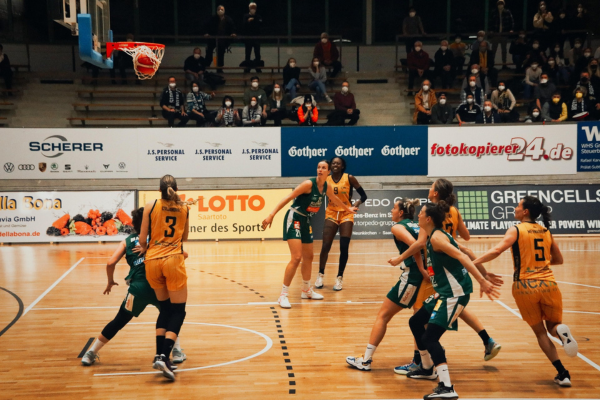
Since 2023, women’s sports have seen noticeable growth across viewership, attendance, sponsorship, media coverage, and fan engagement. At the same time, representation within the sports business industry is also becoming a larger conversation.
More women are being recognized not only as athletes, but also executives, marketers, investors, broadcasters, and more.
The growth of these two areas are connected.
As women’s sports continue to grow, they create more business opportunities across the industry. Having more women involved in the business side of sports has helped leagues, teams, and brands better understand their audience, stories, and communities connected to women’s sports.
Quick Highlights
- Deloitte projects global women’s elite sports revenue to reach at least $3 billion in 2026.
- SponsorUnited tracked more than 5,300 sponsorship deals across women’s sports properties in 2025.
- Women’s sports sponsorship grew 17.5% year-over-year in 2025, excluding NIL.
- The WNBA reported more than 2.35 million fans attended games during the 2024 season, its highest total attendance in 22 years.
- The 2024 NCAA women’s basketball championship game averaged 18.9 million viewers, making it the most-viewed women’s college basketball game ever.
- NWSL total viewership across Nielsen-rated platforms reached 18.7 million in 2024, a fivefold increase from 2023.
- The NCAA reported 279 women serving as athletics directors in 2025, a 24% increase over the past decade.
Women’s Sports Are Becoming a Larger Part of Sports Business
Women’s sports have gained more attention in recent years because of increased fan interest, stronger media coverage, and more brand investment.
Women’s basketball and soccer are two clear examples of this growth.
The WNBA has seen increased visibility through attendance, media coverage, merchandise, and player-driven attention. Athletes such as A’ja Wilson, Caitlin Clark, Angel Reese, Sabrina Ionescu, Breanna Stewart, and Cameron Brink have helped bring more casual fans into the sport. Many of them have strong followings through social media, fashion, community involvement, and brand partnerships. This allows for a wide array of audiences who then may become interested in their athletic careers.
Women’s soccer has also continued to build momentum. The NWSL has grown through expansion, media deals, stronger attendance, and increased interest from sponsors. Clubs such as Angel City FC, Gotham FC, Kansas City Current, San Diego Wave, and Portland Thorns have shown how women’s soccer can connect with fans through both competition and community.
Angel City FC is a strong example of this. Instead of solely building around the traditional sports model, Angel City has connected women’s soccer to entertainment, local LA culture, and representation. Angel City reports that they were No. 1 in NWSL in 2023 attendance, sponsorship revenue, and total revenue.
This growth matters because the sports business is built around audience attention. When more people watch, attend, follow, and engage, more opportunities follow.
Advocacy is Helping Push Representation
Women athletes, executives, coaches, broadcasters, agents, and other sports business professionals have used their platforms to call for more visibility across the industry.
For athletes, advocacy can show up in different ways. Some use interviews, social media, podcasts, documentaries, or brand partnerships to speak about equal resources. This includes better media coverage, pay equity, and facility access. Others advocate simply by continuing to build their own brands, support other women athletes, and bring attention to the leagues they play in.
Women working on the business side of sports also play a major role. They help advocate through the decisions they make. They can push for stronger sponsorship deals, better storytelling, more inclusive hiring, and campaigns that highlight women athletes as serious competitors and marketable personalities.
This type of advocacy matters because representation does not only happen organically. It often grows because people inside and outside the industry continue to ask for better opportunities.
In this way, women athletes and women in sports business are helping each other. Athletes create visibility through performance and storytelling. Women in the industry help turn that visibility into media coverage, partnerships, events, and leadership opportunities.

Brand Investment is Expanding the Space
Brand investment shows how far women’s sports have come. A few years ago, a sponsor bought a logo on a jersey and called it done. Now, brands build entire campaigns around these leagues.
Google Pixel is a clear example. They didn’t just buy ad space, they became the official fan phone of the WNBA, and built real product features into the fan experience. Using Google Lens, fans can see exactly what players like Mo Bamba or Kelsey Plum are wearing. At WNBA All-Star Weekend, Pixel ran a “Hall of Fits” pop-up showcasing players’ favorite outfits and custom highlight reels fans could post to social.
That’s not a banner ad. That’s a brand writing itself into how fans watch and share the game.
Google took it a step further. It signed a deal with the WNBPA, NWSLPA, and USWNTPA to become the official phone of the players’ unions. It funded a project to capture and tell athletes’ stories directly.
That’s brand investment in the athlete, not just the league.
For brands, that pays off. Women’s sports fans notice who shows up and who doesn’t. Sponsor the moment right, and you earn attention that a courtside ad never could.
A Road to Opportunity
This is opening real doors. Not just bigger sponsorship checks, but a different kind of partnership.
In the NWSL, Ally and E.L.F. have built activations fans can actually step into: fan zones, content series, event moments tied to specific games. Not a static ad, but an experience.
In the WNBA, Ally sits alongside Google, Nike, CarMax, and Deloitte as a WNBA Changemaker partner. They backed programs on real community issues, not just logo placement. State Farm keeps investing in WNBA programming. 2K keeps building the league into its game. Each deal gives the sport another way to reach people. Whether that’s on TV, in a game console, or at a live event.
More brands means more of these moments. And more moments means stronger media coverage, stronger fan loyalty, and more business built around women’s sports. Not just around one big game.
The Industry Still Has Areas to Improve
Women’s sports growth and representation in the sports business industry are closely connected.
As women’s sports continue to grow, they create more opportunities across the industry. At the same time, more representation in business roles can help women’s sports grow in ways that are more authentic and sustainable.
Even with recent growth, there are still areas where the sports industry can improve.
Women’s sports still receive less overall coverage and investment than many men’s sports. Leadership opportunities have increased, but representation and pay gaps still exist in executive roles, ownership, media, and decision-making spaces. A 2026 survey by the Sport Integrity Global Alliance found that women held just over 32 per cent of executive positions across international sports federations.
That is why long-term investment matters. The growth of women’s sports should not only be connected to major events, star players, or short-term attention. It also requires consistent media coverage, strong sponsorship support, better facilities, fair resources, and continued career opportunities across the business side of sports.
FAQ:
- Why is women’s sports growth important for the sports business industry? Women’s sports growth is important because it creates new opportunities across media, sponsorship, events, ticketing, marketing, and athlete branding. As more fans engage with women’s sports, more companies and organizations are looking for ways to invest in the space.
- How does representation in sports business connect to women’s sports growth? Representation matters because the people behind the scenes help decide how sports are marketed, funded, covered, and experienced. When more women are included in these roles, the industry can better understand and support the growth of women’s sports.
- What can brands do to support women’s sports in a meaningful way? Brands can support women’s sports through long-term partnerships, athlete campaigns, team sponsorships, fan events, youth programming, content creation, and investment in women-led sports initiatives.