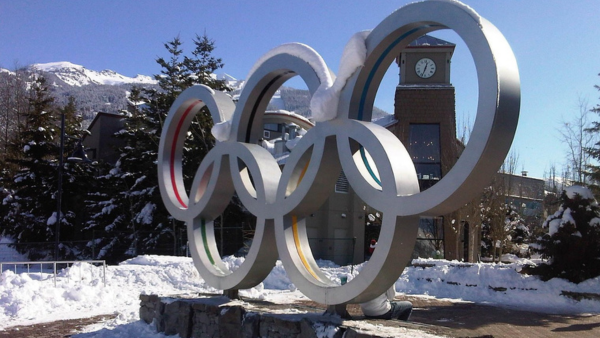

The Harsh Economic Impact of Hosting the Winter Olympics

1.9 billion dollars, 17 days, two cities. This is the number of the operating costs the Milano-Cortina Olympic committee will be working with for this upcoming February’s games, which only spans 17 days. The desire for prestige often leads host cities running themselves into debt and economic strain for years to come. 

When most of us think about the Winter Olympics, we tend to think high-speed thrills, ice and snow, and extreme athletic performances in cold conditions. What often goes unnoticed is the complex and costly effort required to stage the Games, and the lasting impact they leave on host cities and athletes long after the closing ceremonies.

Quick Highlights

  • Milano-Cortina’s proposed budget is $1.9 billion, rising to nearly $6 billion when infrastructure investments are included.
  • Spending for the 2014 Sochi Games exceeded $50 billion – nearly four times the original bid.
  • The Games can create upwards of 100,000 jobs, but most are not sustainable for longer than a year. 
  • The 2026 Milano-Cortina Winter Games are predicted to emit around 930,000 tons of emissions
winter olympics

Lessons From Past Games

There is a longstanding tradition of over spending and over building with the Winter Olympic Games. The 2014 Sochi Games shows the risks of extreme cost overruns. Spending exceeded $50 billion and limited long-term economic return from Olympic-specific infrastructure. 

In contrast, Salt Lake City’s 2002 Games are frequently cited as a more successful example. Venues were reused and costs were more controlled. Facilities continue to generate revenue to this day through ongoing sporting events and tourism.

Vancouver 2010 shows a middle-ground outcome. Investments in transportation infrastructure delivered lasting urban benefits. However, overall economic gains fell short of early projections.

Past Games suggest that the economic success of the Winter Olympics depends less on the event itself. They depend on cost discipline, governance, and how well Olympic investments align with long-term regional needs.

The Upfront Costs and Public Expenditure

Historically, the budget set for the Winter Olympics is largely underestimated and is frequently exceeded by double or triple the original amount. 

The 2014 Sochi Games had a budget of around $12 billion and went on to spend over $50 billion. The $1.9 billion dollar budget estimated for Milano-Cortina represents the operating budget. This does not include additional expenses like new competition venues or International Olympic Committee provided funding. 

A large portion of these additional costs is absorbed by government funding, shifting the financial burden to taxpayers. While sponsorship revenue provides meaningful support, host cities continue to bear significant financial risk for economic returns that are uncertain and challenging to measure. 

olympic skiiing

Infrastructure and Long-Term Usage

Infrastructure projects such as transportation upgrades, security systems, and athlete villages are often justified as long-term investments. However, many struggle to generate sufficient economic returns after the Games conclude. These facilities are frequently designed for highly specific Olympic needs, resulting in limited post-Games functionality. 

As seen in past host cities such as Sochi, Athens, and Sarajevo, the challenge lies in repurposing Olympic infrastructure in ways that are both economically viable and socially sustainable. 

Milano-Cortina aims to address this issue by redefining Olympic tourism through a multi-destination model. It will rely on existing urban centers and larger-capacity venues. This strategy emphasizes upgrading current transportation networks rather than constructing entirely new infrastructure that may not deliver long-term value. 

Community Impact and Employment Sustainability

While the Olympics can provide significant short-term benefits, particularly for businesses in food service and lodging, residents often experience daily disruptions. 

Although tens of thousands of jobs are created, host cities frequently struggle to sustain employment once the Games end. The Olympics have a longstanding history of causing disruption and chaos in the lives of the people that reside in the host cities. 

The Tokyo 2020 Games proved to be one of the harsher on its residents. Over 300 households were displaced or relocated. Over the last 50 years alone, gentrification and new growth in host cities has caused 2 million people to lose their homes. 
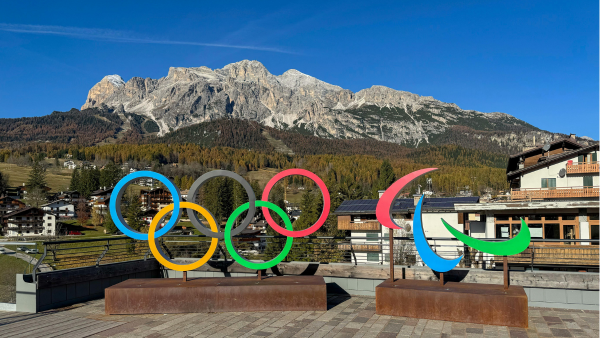
winter olympics

Environmental Sustainability

For Milano-Cortina specifically, there is a strong focus on environmental sustainability and responsibility. Much of this focus comes after facing backlash from athletes about the polluting sponsors. 

The Winter Olympics already produce significant emissions, and fossil fuel sponsorships only amplify this impact. In some cases, this nearly triples the total environmental footprint. In response to this backlash, Milano-Cortina has committed to using existing venues, transportation, and structures.  

Organizers have emphasized public transportation and sustainable construction to reduce emissions. However, critics argue these measures only partially offset the environmental impact of international travel and corporate sponsorships. This tension highlights a broader challenge facing the Winter Olympics: balancing economic interests and global visibility with long-term environmental responsibility.

Economic Outcomes and Insights

Every four years, the Winter Olympics force host cities to balance global spectacle with long-term economic and environmental responsibility. While the Games offer short-term excitement, global visibility, and temporary economic boosts, history shows these benefits often come at a lasting cost.

Without strict budget discipline and long-term planning, Olympic hosting risks becoming a financial burden rather than a legacy.

Ultimately, the success of the Winter Olympics depends not on the spectacle itself, but on whether host cities prioritize long-term public value over short-term prestige.
How Does Olympic Golf Work?

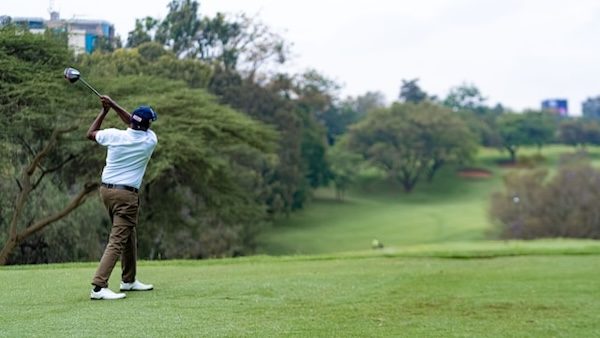
After disappearing from the Games for more than 100 years, golf returned to the Olympics in 2016 and quickly became a must-watch event. Olympic golf is not just another PGA or LPGA Tour stop. It has a unique format, qualification rules, and global selection process that make it one of the most distinctive competitions of the Summer Games.

As the sport grows, fans are paying more attention than ever. Rising American figures like Sydney Grimes combine elite golf with major social media influence, helping bring new audiences into the game.

Whether you are watching for the first time or want to understand the strategy behind the medals, here is everything you need to know.

Quick Highlights

  • With only 60 spots per field, Olympic golf is the most exclusive major event in the sport — less than 15% the size of a standard PGA Tour tournament.
  • More than 40% of Olympic golf qualifiers ranked outside the world’s top 100, proving how the ranking-based system reshapes the field.
  • Golf returned to the Olympics in 2016 after a 112-year hiatus, having last been played in 1904. The sport’s revival aims to boost global participation and increase youth engagement.
  • No team or mixed-format events currently exist, but discussions are underway about potentially adding a mixed team event as soon as the 2028 or 2032 Games.
  • The 1904 Olympics was the only time in history that featured a men’s team golf event.

How the Olympic Qualification System Works

Unlike other pro golf tournaments, Olympic golf uses the Official World Golf Ranking to decide who earns a place on the green. Countries can send up to four golfers per gender if all four are ranked inside the top fifteen. Otherwise, the maximum drops to two, which often leaves elite U.S. players on the outside looking in.

The goal of this format is to expand global participation rather than mirror another major championship. It creates spots for golfers from developing programs who may rank outside the top 100. That level of representation did not exist before golf returned to the Olympics in 2016.

For rising American stars like Rose Zhang and Nick Dunlap, strong results in college and early professional events shape their Olympic hopes. Every point matters as they build their world ranking on their paths toward LA28.

The Tournament Format: A Traditional Structure on a Global Stage

While qualification is complex, the Olympic competition itself is intentionally simple. The competition uses a 72-hole stroke play format across four days, just like major professional tournaments. All 60 athletes play every round, so no one is cut early and everyone has a chance to recover from a slow start.

This structure makes the sport easier to follow for fans watching Olympic golf for the first time. Medals are awarded based strictly on score, and ties for podium positions are settled through a sudden-death playoff. At the Tokyo Olympics, seven players including Rory McIlroy and C.T. Pan battled for the bronze medal in a dramatic playoff, one of the most suspenseful finishes in recent Olympic golf history.

golf ball on tee

The Evolution of Olympic Golf and Future Possibilities

Since its return, Olympic golf has grown more influential with each Games. Around 25 to 30 countries including China, Morocco and Turkey have expanded their investment in youth golf development, television audiences continue to grow, and the tournament has become a career defining goal for many players. 

This momentum has sparked discussion about adding new formats. A mixed team event with one male and one female golfer from the same nation has gained strong support. It would mirror successful mixed events in tennis and track while offering another medal opportunity and emphasizing collaborative play.

The upcoming Los Angeles Games present a perfect chance to introduce this kind of event thanks to golf’s strong popularity in the United States. A team format would create new competitive pathways for players whose skills shine in both individual and paired environments. For a versatile creator golfer like Sydney Grimes, expanded formats could help the sport reach new fans and strengthen its Olympic presence.

golf course

Why Olympic Golf Matters Today

Olympic golf represents far more than another event on the schedule. It is one of the few moments in the sport where individual performance intersects directly with national pride, and the prestige of a medal carries a unique weight. The tournament provides a global platform for the game’s elite while also elevating golfers from countries without long golf histories.

Looking ahead to the 2028 Games in Los Angeles, Olympic golf anticipates its widest reach yet. The competition will showcase the sport’s top talent on one of the biggest stages in athletics, creating unforgettable moments for both new fans and longtime followers. With growing excitement and a rapidly expanding global field, Olympic golf is shaping its own legacy within the future of the Games.

Lacrosse’s Olympics Era: The Road to LA 2028

For over a century, Lacrosse has been sidelined. Despite its deep roots and growing global participation, the sport has often been misunderstood, underrepresented, and underfunded. But that’s all about to change. 

Lacrosse, North America’s first sport, will re-enter the global stage at the Olympics in 2028.  

This milestone reflects an ongoing effort from a sport that has balanced deep tradition with constant evolution to form the modern game we know today. In just two decades, lacrosse has doubled its global participation from 45 to 90 countries, and the momentum is not stopping here. 

Quick Highlights

  • Lacrosse, once referred to as stickball dates back to 12th century Indigenous tribes in North America, where it served as both a ritual and a form of combat training.
  • The sport formalized in the 19th century, with New York University becoming the first U.S. college to establish a team.
  • Lacrosse hasn’t appeared in the Olympics for over 100 years since organizers dropped it in 1908.
  • In 1987, Eagle Pro Box Lacrosse League became the first pro lacrosse league followed by Major League Lacrosse (MLL) in 2001 for outdoor play.
  • The lacrosse global equipment market was valued at $330.19 million in 2024 and is expected to reach $532 million by 2033. 
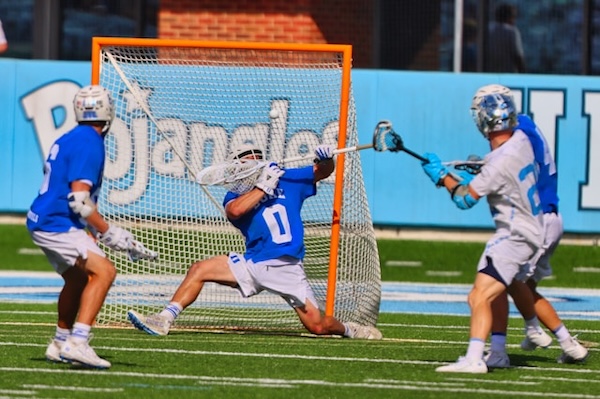
lacrosse player on the field

Lacrosse’s Origin Story

Before becoming the organized high school, college, and professional sport we know today, lacrosse was a sacred game played by the Indigenous peoples of North America. Known as stickball, it united communities through ritual and served as training for war.

The earliest versions date back to the 12th century, with players from neighboring tribes competing across miles-long fields in matches that could last days. French Jesuit missionaries first witnessed the game in 1636, naming it lacrosse after the stick’s resemblance to a bishop’s staff.

By the 1800s, colonial influence brought standardized rules, fewer players, a rubber ball, and redesigned sticks. Formal clubs emerged in Canada, and the game soon reached international audiences, appearing in the 1904 and 1908 Olympics.

Though its form has evolved, the sport’s original spirit of community, teamwork, and dedication remains at its core.

From Sacred Roots to the Global Stage

Today, lacrosse has evolved into one of the fastest-growing sports in North America, spanning youth, high school, and collegiate programs. The intensity and accessibility of these programs have expanded the game’s reach, inspiring new generations to pick up a stick.

At the global level, World Lacrosse membership has surged from 16 nations in 2003 to 95 today—a nearly 500% increase. This growth now represents more than 1.1 million registered players worldwide, signaling the sport’s transformation from regional tradition to international movement.

The rise of professional leagues like the Premier Lacrosse League and Athletes Unlimited Lacrosse has further accelerated that momentum, boosting visibility, investment, and long-term sustainability for the game.

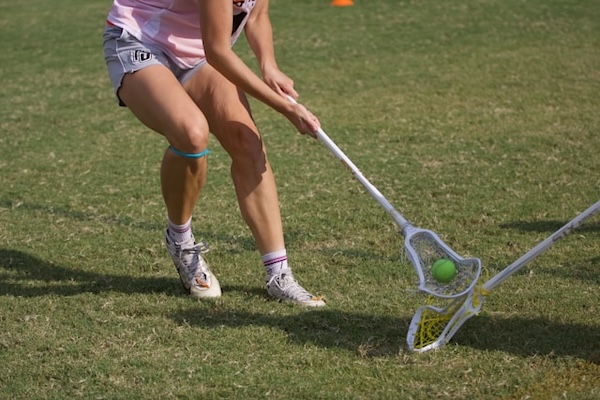
lacrosse player on the field

Breaking Barriers

For the first time, lacrosse athletes have a chance to pursue their dreams after the college level.

Athelo Group’s own Marcus Holman and Alex Aust Holman have been central to that shift. As professional athletes, coaches, and innovators of the game, they’ve inspired the next generation of players to redefine what a lacrosse career can look like.

That momentum extends far beyond the field. The global lacrosse equipment market reached $330 million in 2024, reflecting both rising participation and growing demand for high-performance gear. 

Meanwhile, technology continues to evolve alongside it. From lightweight carbon-fiber sticks that enhance skill and control, to new 3D printed helmets and gloves that improve safety and comfort, lacrosse is optimizing athlete performance.  

As a result of this rapid evolution, lacrosse is no longer just North America’s first sport; it’s one of the most dynamic games shaping the next generation of athletes.

Lacrosse at the Olympics

At the Los Angeles 2028 games, Lacrosse will be a medal event for the first time since 1908. To mark this milestone, the organization launched its A New Era campaign, honoring the sport’s unique origins while ushering it into a renewed Olympic chapter.

Specifically, to enhance audience engagement during the Olympics, the men’s and women’s lacrosse games will be played in sixes, which is a more compact version. The goal is to cultivate fast-paced play with quick transitions and high scoring; combining the best elements of field and box lacrosse. 

The Road to 2028

As lacrosse enters this new era, it carries centuries of resilience, progression, and pride. From Indigenous fields to the Olympic stage in Los Angeles, the sport’s journey remains rooted in something greater than the game itself.

Over the past decade, players like Charlotte North, Brennan O’Neill, Taylor Cummings, and Connor Shellenberger have shaped the next generation of athletes, inspiring the sport’s ongoing growth. This year’s Tewaaraton winners, Chloe Humphrey and CJ Kirst, have also elevated lacrosse’s visibility and momentum.

This is a reintroduction to the world, and it’s a testament to its players, communities, and Indigenous roots that have carried it forward for centuries.

Adaptive Sports: The Future of Representation in Marketing

In August, the first U.S. Women’s National Sled Hockey Team competed in Slovakia at the inaugural Para Ice Hockey Women’s World Championship.

Sled hockey is part of a growing adaptive sports movement, combining the intensity and physicality of traditional hockey with the accessibility of adaptive play. Adaptive sports include competitive and recreational activities designed for individuals with physical or cognitive disabilities.

As adaptive sports athletes step into the spotlight, they embody resilience, authenticity, and empowerment. Forward-thinking brands are recognizing the partnership potential, bringing genuine storytelling to their marketing and pushing adaptive sports from niche to mainstream coverage.

Quick Highlights

  • Nearly 1 in 4 Americans live with a disability, yet they lack authentic representation in the media.
  • The global adaptive sports market was valued at $5 billion in 2024 and is projected to reach almost $11 billion by 2032.
  • The Paris 2024 Paralympic Games broke every broadcasting record with live audiences up 40% from Tokyo 2020 and 117% compared to Rio 2016.
  • For the first time, all 22 Paralympic sports were broadcast at the Paris 2024 Games. Para powerlifting and Para rowing doubled their audience numbers compared to Tokyo.
  • The inaugural Para Ice Hockey Women’s World Championship took place this year, marking another major step toward Paralympic inclusion by 2030.
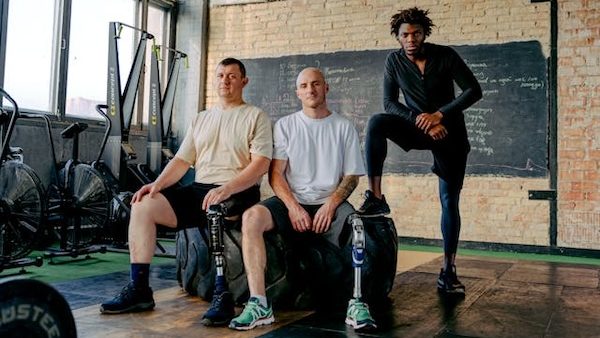
adaptive athletes posing in gym

Brands for Adaptive Sports

The growth of adaptive sports is fueled by athletes who raise awareness while building powerful personal brands. 

Paralympic track athlete Hunter Woodhall, for example, lost his legs due to a congenital birth defect. Despite this tragedy, he’s dominated the adaptive sports space and cultivated a strong social media following in the process.

Woodhall shares authentic moments with his 3M TikTok followers, from his wedding day to his breakfast and race days. His high engagement and inspirational story make him a natural partner for brands like Lululemon.

With nearly 1 in 4 Americans living with a disability, brands that partner with adaptive athletes tap into a highly engaged audience while advancing authentic representation.

Adidas innovation director Emily Jagos calls it a huge opportunity, pointing to the community’s significant purchasing power. Adidas’s investment in adaptive sports innovation underscores the commercial potential for companies willing to embrace this space.

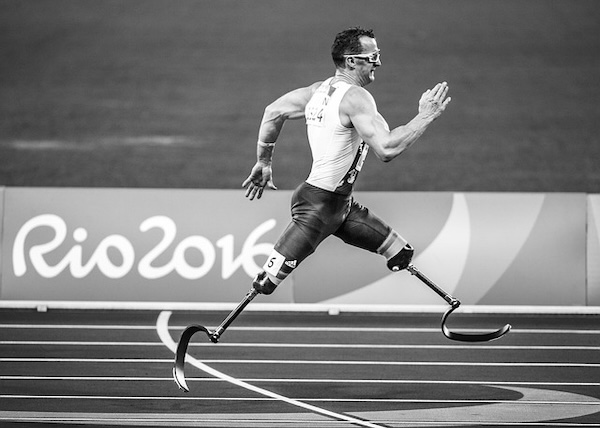
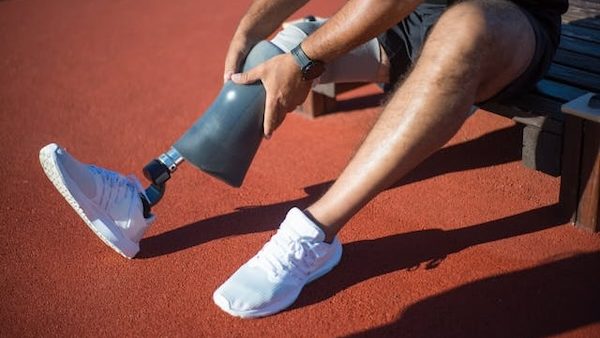
adaptive athlete putting on prosthetic leg for running

A Valuable Asset: Compelling Storytelling

Adaptive athletes hold a unique power in marketing and advertising: their ability to deliver authentic storytelling. Long overlooked and underrepresented in mainstream media, they now have a platform to share their stories of perseverance and excellence.

This past summer, Paralympic champion Ezra Frech debuted his docuseries Adaptive on Peacock, serving as executive producer for the behind-the-scenes series that follows several U.S. Paralympians. 

Frech, who competes in sprinting, long jump, and high jump, told interviewers: “The way ‘Adaptive’ portrays me is a hyper-obsessive, competitive kid who will stop at nothing that’s in front of him to get to his goals.”

Unique narratives like Frech’s fuel performance and inspire audiences to rise stronger after setbacks. In sports marketing, this is what brands love to capture. Campaigns featuring adaptive athletes often move beyond endorsements to bridge the gap between brand messaging and consumer relatability.

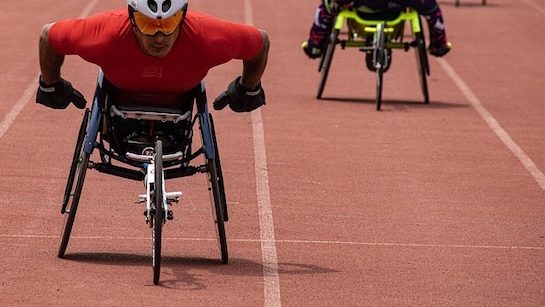
Paralympic athletes racing on track

The Role of Adaptive Athletes

Adaptive athletes are leading the way in popularizing their sports, and brands are increasingly turning to them as campaign leaders. Partnerships have raised awareness and transformed the adaptive sports world, with the Paris 2024 Paralympic Games breaking every broadcasting record.

Athelo Group’s own Amy Bream and Chris Ruden exemplify how sponsorship can amplify reach. Chris, an adaptive weightlifter and fitness entrepreneur, has partnered with brands like Nike, RockTape, and Quest Nutrition to merge performance with advocacy for diabetes awareness and disability inclusion. 

Amy, a CrossFit athlete and motivational speaker, joined forces with Under Armour in its The Only Way Is Through campaign. She has also collaborated with Reebok, showcasing how adaptive athletes can represent mainstream performance brands while challenging industry norms.

Adaptive athlete partnerships expand representation, break down stigmas, and inspire new audiences. By sharing both victories and daily challenges, adaptive athletes build authentic connections with audiences, turning relatability into influence.

Looking Ahead

As global sports events approach, adaptive athletes will play a central role in shaping inclusive marketing. Milan Cortina 2026 Winter Games and Los Angeles 2028 Summer Games will be great opportunities to see this in action.

Brands like Uber, Airbnb, and Omega have already committed as partners for upcoming Games, signaling adaptive sports’ growing appeal.

For companies, the message is clear: aligning with adaptive athletes is more than “good optics.” It’s a chance to lead in inclusivity and connect with one of the most engaged audiences in sports today.

Where the Pros Go: Best Places to Surf in the World

Once tethered to local breaks, professional surfers now chase perfection across the globe’s best places to surf. These athletes, from rising stars like our own Brisa Hennessy to all-time legends like Kelly Slater, seek more than just swell forecasts. They chase identity, community, and soulful connections to places that have shaped their lives and careers.

From the jungle points in Pavones, Costa Rica, to the reef giants of Cloudbreak in Fiji, these best places to surf in the world are home breaks, proving grounds, and personal sanctuaries for pro surfers.

Quick Highlights

  • Surfing’s addition to the Olympics expanded the sport’s global reach, driving pros to refine their craft on the world stage.
  • The global surf tourism market was valued at $68.3 billion in 2024 and is projected to hit $95.9 billion by 2030.
  • CNN named Pipeline on Oahu, Hawaii the world’s top surf spot, celebrated for its towering six-meter waves and flawless barrels.
  • Legends like Kelly Slater and John John Florence built their careers on iconic waves including Pipeline, Teahupo’o, and Kirra.
  • Athelo athlete Brisa Hennessy found her style in Costa Rica’s tropical swells, training at Pavones—home to one of the world’s longest waves, stretching more than 800m.
  • Fellow Athelo surfer Zoe Benedetto honed her grit on Florida’s East Coast, where small, unpredictable 1–2 ft waves demand adaptability.
sunset at one of the world's best places to surf

Brisa Hennessy’s Best Places to Surf: Matapalo & Cloudbreak

Raised off-grid on Costa Rica’s Osa Peninsula in Matapalo, Brisa Hennessy learned the foundations of surfing on waves like Pan Dulce and Pavones. These breaks are encompassed by dense rainforest and local community. 

From a young age, surfing for Brisa was more a way of life than a sport. Her parents ran a local Pan Dulce surf school, where she first stood up on a wave at age three. This foundation has shaped the soulful and grounded competitor we see today.

Years later, during lockdown from the COVID-19 pandemic in Fiji, Brisa faced one of her most defining moments at Cloudbreak, a legendary reef break known for its raw power. As she described in SurfGirl Magazine, confronting fears head-on filled her with confidence. 

“Fear is uncomfortable. But I learnt [at Cloudbreak] that when you accept it’s real, it’s there, you’re willing to embrace it. You either stay uncomfortable or you grow.” 

These two iconic surf spots, Matapalo and Cloudbreak, go beyond just being her favorite. For Brisa, they’re the chapters that shaped her resilience. Matapalo is Brisa’s heritage. Cloudbreak represents her embracing her fears and finding clarity amid the chaos.

Zoe Benedetto’s Favorite Surf Spot: Fort Pierce, Florida

Rising star and pro-surfer Zoe Benedetto grew up surfing the Fort Pierce Inlet. The inlet is a modest, yet challenging beach break she proudly calls her home territory. 

“It’s a pretty solid beach break for Florida,” she told The Inertia. “It definitely prepares you for the grovel and challenging aspect of surfing where it’s not perfect all the time.” This foundation has given her a competitive edge and grit that carried her through her early QS victories.

Beyond her home break, Zoe also loves Playa Escondida in Costa Rica. This sought-after surf spot is revered for its world-class quality and regular wave frequency. While remote, Playa Escondida offers a more intentional surf for Zoe, one that resonates with her evolving style.

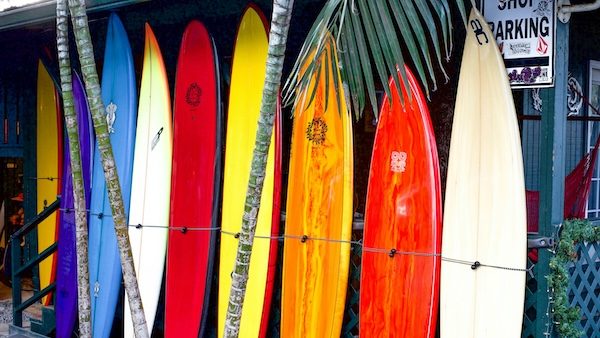
surfboards in one of the best places to surf in the world

Zane Schweitzer’s Top Picks: Maui, Hawaii & Cloudbreak

Born into a water-obsessed family on the island of Maui, our very own Zane Schweitzer mastered ocean sports before he could walk. These watersports include surfing, windsurfing, and stand-up-paddleboarding. His grandfather, Hoyle Schweitzer, invented windsurfing, setting the tone for Zane’s life and passion for the ocean. 

Zane calls Manu’s reef breaks home, especially spots like Honolua Bay with its groomed, hollow right-handers and sheltered trade winds. 

Along with Honolua Bay, Cloudbreak in Fiji also holds a special place in his heart. As one of his favorite surf spots in the world, Cloudbreak pushes Zane to his limits. Out there, it’s all about wave-riding ability and talent on the water, conditions that strip the sport back to pure instinct.

Slater, Florence, and Ewing: Their Favorite Spots

Pro-surf legend Kelly Slater has many break favorites across the globe. His reach spans from Pipeline and Kirra to Jeffreys Bay and Sebastian Inlet. Slater also has described his deep connection to the surf community in Tavarua, Fiji where Cloudbreak feeds his passion.

John John Florence’s homebreak is the iconic surf spot of Pipeline on O‘ahu’s North Shore, arguably the most challenging and celebrated wave in the world. This spot is also home to many surf competitions, where the community and culture has enhanced its appeal and has contributed to the growth of the sport.

Florence has described this wave as both familiar and commanding, saying he’s “not afraid” even when the ocean looms overhead. From childhood paddling to back-to-back world titles, this top surf destination has seen many of his life-defining moments. 

Hailing from North Stradbroke Island, Ethan Ewing’s strength lies in rail control and speed. Yet, he also favors Teahupo’o in Tahiti, a renowned heavy left-side break known for its raw challenge and breathtaking barrels. His 2022 season showed Ewing wasn’t just surviving Teahupo’o, he was excelling in it.

surfer in maui best place to surf in the world

The Places That Shape Surfers & Their Performances

Pro surfers may travel the world in search of waves, but the breaks closest to home often define their style. Brisa Hennessy’s surfing DNA was formed in Matapalo and Cloudbreak, yet her sharpest results have come at Pipeline and Punta Rocas.

Zoe Benedetto learned adaptability in the shifting beach breaks of Fort Pierce, Florida, a skill that now carries into competitions from Oceanside to Barbados.

Kelly Slater’s first proving ground was Sebastian Inlet, but his career-defining wins span Pipeline, Jeffreys Bay, and Teahupo’o. John John Florence, raised on the North Shore’s reefs, has proven himself from Tahiti’s heaviest barrels to South Africa’s point breaks.

These stories show that while identity begins in home waters, a surfer’s legacy is built on waves that demand skill, instinct, and commitment.

Mental Performance Coaching: The Next Competitive Advantage

Historically, training in sports has centered around physical capabilities like speed, strength, endurance, and mechanics. As sports and competition continue to evolve, athletes, teams, and brands are embracing mental performance coaching. 

From the highest stage of competition in the Olympics, all the way down to youth sports, the mental side of the game is becoming one of the most powerful competitive advantages in sports. Now the focus isn’t just on external results but on strengthening athletes from the inside out.

Quick Highlights:

  • Studies have found that over 35% of athletes have concerns surrounding their mental health.
  • Roughly 73–75% of youth athletes experience performance anxiety, yet less than 15% have access to sports psychology support.
  • An NCAA survey found 30% of female and 25% of male college athletes report constant mental exhaustion during the season.
  • The US Olympic Committee formed a team of 15 full-time mental performance coaches for their athletes, leading a trend among major sporting organizations.
  • Major brands are shifting campaigns to normalize these conversations, with Nike’s “Winning isn’t for everyone” campaign leading the way.
athlete working on mental performance

What is Mental Performance Coaching

Many professionals refer to mental training in sports as essential to the success of an athlete. Mental performance coaching can be seen through an athlete’s composure, confidence, and ability to perform under pressure. 

Most mental performance coaches have sports psychology or counseling backgrounds and use strategies such as breathwork, positive self-talk, and mindfulness training. Athletes like Serena Williams, Usain Bolt, Michael Phelps, and Simone Biles credit part of their success to mental performance coaching.

One of Biles’ coaches, Robert Andrews, has played a major role in helping her stay balanced under pressure. Biles has described the value of having a mental performance coach: “It’s honestly petrifying trying to do a skill but not having your mind & body in sync. 10/10 do not recommend.” 

Many teams are now recognizing mental training as a key focus, especially as the importance of the subject grows for newer generations of sports fans.

The Numbers Don’t Lie

A Harvard study found that MLB players who worked with a mental skills coach during their career extended their playing years by an average of 2.3 years. Those players also performed at statistically higher levels of baseball, reaching the equivalent of 1.25 levels above athletes without access to mental coaching.

In youth sports, the benefits are even more pronounced. Research shows that when young athletes use mental performance tools, enjoyment levels increase by 67%.

Access to these resources also reduces burnout rates by 41% and boosts long-term participation in sports by more than 50%. This suggests that mental coaching can sustain both performance and passion over time.

athlete swimming in pool

Sport Organizations Take Notice

Sport organizations are making athlete mental health a core focus. The United States Olympic and Paralympic Committee now has a full-time psychological services staff of 15 professionals offering support from personal crises to performance guidance.

The NWSL requires every team to have mental health professionals on staff and has adopted general mental health leave policies. These measures aim to protect athlete well-being while boosting on-field performance.

Youth athletes are also seeing stronger support networks. Morgan’s Message, a mental health nonprofit, is active on over 1,600 college and high school campuses, creating resources for younger players.

Teams are also turning to former athletes for support roles. The Seattle Mariners hired Adam Bernero, a former MLB pitcher, to work with players on stress, anger management, and in-game mentality.

Private specialists are contributing too. Hannah Huesman’s company, Mental Sweat, works with brands like Adidas and the MLB, offering one-on-one coaching and team consultations to help athletes “master their mental game.”

Growth of Mental Performance Technology

The rise of new digital platforms and AI programs has contributed to the growth of mental health coaching. In fact, mental training programs are some of the fastest growing categories of sports tech with a 47% projected growth rate through 2026. 

Through this popularity, platforms that integrate wellness features, not just performance stats, have experienced over 3x higher daily user rates.

Looking into the future, youth sports programs are creating a massive $2.3B market opportunity by 2027, highlighting how necessary mental wellness is to all businesses in the sports industry.

athlete in mental performance coaching session

Brands Shifting Their Marketing Strategies

Mental wellness is influencing all aspects of the sports industry, including marketing. Major brands are building campaigns that align with themes of mental strength and vulnerability.

Nike’s 2024 Olympic campaign carried the tagline “Winning Isn’t for Everyone,” highlighting the pressure of elite competition. The ad sparked conversations about mental well-being in a culture long-focused on winning at all costs.

Brands are also weighing how authentically athletes advocate for mental health. Marketability now goes beyond follower counts to include those genuinely invested in the message.

Brisa Hennessy, an AG athlete, exemplifies positioning mental health as a core part of her platform. She has shared her struggles and her path to becoming a stronger, more confident competitor on surfing’s world stage.

Our Outlook

At Athelo Group, we recognize mental performance coaching as a necessity for athletic success. Supporting our athletes’ mental health is a priority, not something we brush over. 

Whether it’s with surfers, CrossFitters, or influencers, we want to work with people who are committed to being their best versions of themselves, both on and off the field.

As the sports world continues to evolve, we see mental health as inseparable from performance, and that belief shapes every athlete’s path forward.

Doping in Sports: How Anti-Doping Agencies Fight for Fairness

In light of the Paris Olympics, doping in sports is no longer just a battle between athletes and governing bodies. Chinese swimmers are now under scrutiny for potential doping in both Tokyo and Paris, leading the U.S. to launch a formal investigation. In response, China levied doping allegations of their own, honing in on U.S. track and field athletes. The conflict reveals deep-seated tensions between global anti-doping agencies, highlights the serious consequences of athlete oversights, and the fallout for those denied of their rightful victories. As the fight continues to evolve, preventing doping in sports depends on consistent enforcement and a collective commitment to fair play.

USADA, WADA, and CHINADA Clash

A major conflict is brewing in the realm of anti-doping enforcement, pitting the United States Anti-Doping Agency (USADA) against the World Anti-Doping Agency (WADA). This long-standing tension has been further complicated by the rise of China’s own anti-doping body, the China Anti-Doping Agency (CHINADA). The disagreements between these authorities center on how anti-doping laws should be implemented and how athlete cases should be handled.

USADA and WADA have had their differences for years. USADA pushes for stricter and more transparent anti-doping rules, wanting national agencies to have more power. On the other hand, WADA, which works globally, prefers a uniform international approach. This often leads to conflicts over suspension lengths, handling of therapeutic use exemptions (TUEs), and case resolution speed. Recently, CHINADA’s involvement has added more complexity to the situation.

doping in sports

Athlete Pay the Price For Minor Oversights

In professional golf, doping isn’t as common as other sports. However, even minor oversights by athletes can lead to significant consequences due to strict doping regulations. Recently, Graeme McDowell, a seasoned golfer and former U.S. Open champion, found himself at the center of a doping controversy. He tested positive for levomethamphetamine, the active ingredient in Vicks VapoInhaler, which is on LIV Golf’s list of banned substances. McDowell used the over-the-counter nasal decongestant to help him sleep before a tournament and took full responsibility for the oversight. He shared on social media: “As a professional golfer, I understand the importance of checking all medications and the option to apply for a Therapeutic Use Exemption (TUE). Unfortunately, I did not take the time to do this due to the over-the-counter nature of this medicine and deeply regret the oversight.”

LIV Golf acted swiftly, imposing a $125K fine on McDowell and suspending him for one tournament. Additionally, he had to forfeit the $127K he won by finishing 42nd at the LIV Golf Nashville competition. Other athletes like track record-holder Shelby Houlihan and Olympic medalist Devin Logan have made similar mistakes. These incidents highlight the importance of vigilance and responsibility in an era where even minor oversights can have major consequences.

doping in sports

Delayed Justice: Olympic Medal Reallocation

Doping doesn’t just affect the athletes who get caught—it has ripple effects that can alter the lives and careers of others. This was painfully evident in a recent medal reallocation ceremony, where Beverly McDonald and Lashinda Demus finally received the Olympic medals they deserved after years of waiting.

Beverly McDonald, a Jamaican sprinter, was upgraded from silver to gold for her performance in the 2000 Sydney Olympics after Marion Jones was disqualified for doping with anabolic steroids. Similarly, Lashinda Demus, an American hurdler, was awarded gold for the 2012 London Olympics following the disqualification of Russia’s Natalya Antyukh.

This reallocation was bittersweet for McDonald and Demus. While it was a long-overdue recognition of their achievements, it also served as a stark reminder of the years they lost, the celebrations they missed, and the emotional toll of being denied their rightful place on the podium. Their stories underscore the lasting impact of doping on clean athletes and the ongoing battle for justice in sports.

doping in sports

The Fight Against Doping: An Ongoing Struggle

As these stories show, the fight against doping in sports is far from over. Anti-doping agencies continue to develop new methods to detect and prevent the use of banned substances, but for every victory, a new challenge seems to arise. Athletes and coaches constantly look for new ways to gain an unfair advantage, making it clear that this battle is ongoing and complex.

The world of sports is a reflection of our society’s values, and as long as there are those who seek to compete fairly, the fight against doping will continue. It’s a fight that requires vigilance, innovation, and a commitment to preserving the integrity of competition—because, in the end, true victory can only be achieved through honesty and hard work.

Sources:

  1. https://www.npr.org/2024/08/08/nx-s1-5067767/feuding-anti-doping-agencies-usada-wada-chinada-olympics
  2. https://frontofficesports.com/graeme-mcdowell-liv-vicks-250k-pga/
  3. https://www.marca.com/en/olympic-games/track-and field/2024/08/11/66b8d7d6e2704e4f258b45aa.html
  4. https://www.usatoday.com/story/sports/olympics/2024/08/09/reallocated-medals-ceremony-beverly-mcdonald-lashinda-demus/74737989007/
  5. https://apnews.com/article/olympics-2024-china-swimming-doping-51cd4e42bf73f4b9b0f8bb37453775a2
  6. https://nationalpost.com/sports/olympics/kamila-valieva-the-unlikely-possibility-of-testing-positive-for-doping-via-saliva

Greener Games and New Sports Await at Paris Summer Olympics

All eyes are on Paris, the host of this year’s Summer Olympics. The Games return to Paris after a century, kicking off with the opening ceremony on July 26th and concluding on August 11th. Paris was chosen as the host city not only for its iconic landmarks but also for its vision of blending tradition with a new era of change. This year, we will see several changes in the sporting events and practices aimed at bringing a new level of sustainability to the Games.

paris summer olympics

New Sports in the Mix

Breakdancing, also known as “break,” makes its Olympic debut this year. It gained significant attention during its introduction at the Buenos Aires 2018 Summer Youth Olympic Games, leading to its inclusion in the Paris 2024 Olympic agenda. There will be two divisions: a men’s 16 B-Boys and a women’s 16 B-Girls, where competitors will face off one-on-one. Originating in the Bronx of New York in the 70s, this addition of break can be seen as an attempt to have the Olympics reach their target audience: the younger generation.

Surfing will return after being introduced at the Tokyo 2020 Olympics, but it will not take place on mainland France. Instead, surfing events will be in Teahupo’o, Tahiti in French Polynesia. This decision aims to increase engagement and showcase the diverse culture of France by bringing an Olympic event to a French territory. Several top surfers will return, including reigning Team USA gold medalist Carissa Moore and Brisa Hennessy, the Costa Rican who is currently the No. 1 female surfer in the world. With its stunning landscape and ideal wave conditions, the surfing competitions in Teahupo’o will be a must-watch for viewers worldwide.

After making its debut in Tokyo, skateboarding will be on the program again in Paris. A temporary venue has been constructed in Place de la Concorde, one of Paris’ largest open spaces, for the competitions. This urban playground for athletes offers spectacular views of famous landmarks like the Eiffel Tower and the Arc de Triomphe and features stages for DJ sets and artist performances. The world’s most famous skateboarders, including Great Britain’s 15-year-old prodigy Sky Brown and USA pro Nyjah Huston, will compete in two categories: street and park, showcasing their best tricks.

paris summer olympics

Historic Shift: The Introduction of Prize Money

In addition to the excitement of new sports, prize money is another significant change on the horizon. For the first time in Olympic history, event winners will receive cash prizes in addition to medals. Track and field is the first sport to introduce prize money, with gold medalists earning $50,000. Silver and bronze medal prizes are expected to be introduced at the Los Angeles 2028 Olympics. A total of $2.4 million for all track and field winners has been funded by World Athletics. This initiative aims to pave the way for future athletes to be rewarded for their contributions to the Olympic Games’ global impact. However, the concept is not entirely new, as many countries and governments already reward their gold medal-winning athletes with money.

Swimming in the Seine

The IOC prioritizes sustainability when selecting host cities for future Olympics due to the environmental and financial costs of building new infrastructure. Paris aims to break the cycle of “white elephant” structures by ensuring 95% of their venues are temporary or preexisting, and intends to reduce carbon emissions by 50% compared to the London 2012 and Rio 2016 Games. Despite plans to use the Seine River for open-water events, challenges arise due to historical pollution levels, with over $1.5 billion invested in treatment plans. President Emmanuel Macron and Mayor Anne Hidalgo’s pledge to swim in the Seine reflects their commitment to addressing these concerns and meeting regulatory standards ahead of the Olympics.

paris summer olympics

The upcoming Paris 2024 Games will introduce many firsts, offering viewers a chance to see and appreciate numerous changes and additions, from sports to venues to the overall operation of the Games. Hosting the Olympics is no easy task, as previous host cities know well, but Paris aims to break that trend. As the city eagerly awaits the lighting of the ceremonial torch to commence the 2024 Summer Olympics, all eyes are on them to deliver the most “green” Games to date.

Sources:

  1. https://www.cbsnews.com/news/track-and-field-sport-prize-money-olympics/
  2. https://www.espn.com/olympics/story/_/id/40238384/olympics-2024-iba-award-prize-money-boxing-medals
  3. https://www.nbcolympics.com/news/new-what-are-new-sports-and-events-2024-paris-olympics#:~:text=Other%20changes%20at%20the%202024,which%20will%20debut%20in%20Paris.
  4. https://www.theguardian.com/sport/article/2024/may/24/olympic-games-clean-up-aims-to-leave-parisians-swimming-in-the-seine
  5. https://olympics.com/en/paris-2024/venues/teahupo-o-tahiti
  6. https://olympics.com/ioc/news/less-better-and-for-longer-five-ways-paris-2024-is-delivering-more-sustainable-games
  7. https://www.nbcolympics.com/news/skateboarding-2024-paris-olympic-games
  8. https://www.nbcolympics.com/news/surfing-101-us-olympic-roster-and-athlete-news

From Olympic Basketball to Flag Football: How the Olympics Boost Youth Sports

Ever since the 1992 Dream Team, there have been major benefits to NBA players participating in the Olympic basketball. Flash forward to today, and the NBA is a global brand with audiences from all corners of the world and all age groups. So when will other big U.S. sports follow suit? The NBA, NFL, and MLB have been left out of the Olympics for the better part of a decade and potentially will be in 2028 and 2026, neglecting a major opportunity for global expansion. Most critical to growth, putting these sports on the Olympic stage captures younger audiences and maximizes exposure. During periods in which NBA players compete in the Olympics, there are large spikes in participation among youth basketball compared to overall participation. Considering U.S. basketball has won gold in sixteen of the nineteen Olympic tournaments they’ve entered, the correlation is no surprise. Sporting success at the highest level inspires younger generations to pick up the game. 

olympic basketball

The NBA Success Model

While Olympic participation isn’t the only factor in youth participation, it provides an undeniable boost. After the 2008 Olympics when the U.S. clinched gold, more kids than ever took up basketball for the first time. There was a surge in participation for children aged 7-11 and 12-17 for youth basketball in 2009. For the NBA to continue this growth, they need future generations to stay engaged year-on-year. To make this possible, they must secure their top players’ participation in the Olympics. Lebron James hasn’t played since 2012, and Steph Curry has never played in the Games. Lebron and Steph are just two of many All-NBA players who have opted out in recent years. As we’ve seen with players like Paul George, Olympic participation does open up risks for injury outside of regular season play. Star basketball players in the NBA will have to weigh this risk with how their participation could benefit the league and basketball at large.

As other top American sports leagues explore the potential of Olympic expansion, they lean on the NBA’s success as a model. The NHL, for example, recently announced it would allow their players to participate in the Olympics for the first time since 2014. Similarly, flag football will be included in the Olympics beginning in 2028, which allows for NFL players to get in on the action. Baseball is also set to make its return as an Olympic sport that same year. These additions could provide massive boosts for the sports individually and the Olympics as a whole.

olympic basketball

NHL Seeks Another “Miracle on Ice” Moment

U.S. ice hockey has yet to secure another Olympic gold medal since the 1980 “Miracle on Ice.” Back in the 80s, their victory sparked an increase in youth participation, providing young American players with a memorable triumph to cherish. Decades later, U.S. hockey hasn’t medaled since 2010, and without consistent NHL participation, they haven’t even reached the bronze medal game. This all could change in 2026, as the NHL announced they’re returning to Olympic participation in time for Milan’s Winter Games. NHL commissioner Gary Bettman called the decision “the right thing to do,” citing that it “came down to doing something because the players really wanted it.” With players like Pittsburgh Penguins’ Sidney Crosby competing on the world’s stage in 2026, U.S. ice hockey awaits an exciting opportunity to capture a younger generation of players and fans.

MLB‘s Olympic Revival

MLB has been on a recent campaign to reignite engagement with rule changes and pitch clock enforcement. Olympic participation is one more avenue for MLB to supplement their growth plan, but much depends on the sport’s inclusion in future Games. While baseball returned to the Olympics in Tokyo after a 12-year absence, it will not be featured in Paris this summer. The sport is slated to make its Olympic comeback once more in 2028, with many major leaguers eager to participate. Reports indicate that both owners and players have advocated for major league athletes to compete in 2028. Despite a decline in children playing baseball since 2008, which saw just 17% of children ages 6-12 regularly participating, having MLB stars in the Los Angeles Olympics could reignite youth viewership, interest, and participation—a trend MLB has been striving to foster.

olympic basketball

NFL and Flag Football

The next sport to enter the Olympics is flag football. Many NFL players have expressed interest in participating including Dolphins star wide receiver Tyreek Hill. American football in any capacity has never been a part of the Olympics, so this move could play a major role in growing the game amongst youth outside of America. The NFL has already taken steps to increase its international presence, with games in London, Germany, Mexico, and soon to be Brazil. They have also introduced the International Home Marketing Areas initiative. This gives teams the opportunity to market to strategic countries, ideally creating a secondary home territory of international fans. Coupling these efforts with participation in Olympic flag football, the NFL has the push it needs to appeal to youth on an international level.  

Looking Ahead

No matter the sport, there’s an undeniable phenomenon tying youth participation and the Olympics together. Kids see their home country competing on the world’s biggest stage and feel inspired to take up the sport themselves. We saw this best back in 1992 when U.S. basketball’s Dream Team, stacked with legends like Charles Barkley and Scottie Pippen, captivated adults and children alike. The NBA’s global presence steadily climbed and more kids picked up a basketball than ever before. As more and more popular U.S. sports join the Games, many believe a similar Olympic effect is destined to occur.

Sources:

  1. https://apnews.com/article/nhl-olympics-b251c32f624639f76be2a3f510d7a313
  2. https://sports.yahoo.com/mlb-team-owners-increasingly-supportive-of-allowing-stars-to-participate-in-2028-la-olympics-per-report-024059541.html#:~:text=There%20won’t%20be%20any,Athletic’s%20Evan%20Drellich%20reported%20Wednesday
  3. https://www.nfl.com/news/tyreek-hill-other-nfl-players-could-play-flag-football-in-2028-olympics#:~:text=NFL%20executive%20Peter%20O’Reilly,by%20the%20International%20Olympic%20Committee 
  4. https://www.samford.edu/sports-analytics/fans/2016/olympics-good-or-bad-for-the-nba 
  5. https://www.tandfonline.com/doi/pdf/10.1080/13504851.2015.1068916#:~:text=The%20trickle%2Ddown%20effect%20assumes,sporting%20success%20to%20participate%20themselves
  6. https://abcnews.go.com/Sports/phillies-bryce-harper-hopes-mlb-allows-players-olympics/story?id=104024883#:~:text=Professional%20players%20were%20first%20allowed,Olympics%20(held%20in%202021)
  7. https://www.statista.com/statistics/982278/participation-kids-baseball/ 
  8. https://operations.nfl.com/journey-to-the-nfl/the-nfl-s-international-impact/the-nfl-international-series/
  9. https://operations.nfl.com/updates/the-game/nfl-announces-additional-international-home-marketing-areas/

Flag Football 2028 Olympics: What It Means for the NFL & Sport

With the IOC (International Olympic Committee) announcing the addition of 5 new sports in the 2028 Olympics, flag football will be making its debut.

Flag Football Joins the 2028 Olympics

This development has piqued the interest of the NFL, which is actively promoting and encouraging its players to participate in the upcoming 2028 Olympics.

However, as the anticipation around this milestone grows, a series of pertinent questions and concerns have emerged from both enthusiasts and skeptics alike. Chief among them is the crucial inquiry: would it truly be beneficial for NFL players to participate in flag football at the Olympics? Does this exciting addition enhance the global image of the sport, or does it risk undercutting its international appeal by the sheer dominance of American players? 

The NFL’s Role in Olympic Flag Football

NFL players’ participation in the games hinges beyond elements like their willingness to play. The two-week July window in which the games are set to take place in LA happens to fall right between the start of NFL offseason training programs and camps. As a result, the timing has spurred ongoing discussions on how players would be able to get out of their current contracts to don the the stars and stripes at the games.

Risk of injury is another objection in question, especially since the Olympics overlap with the start of the NFL season. If a high caliber player were to get injured during the games, it would affect their performance and health right at the start of the NFL season. 

NFL owners have remained outspoken on these issues. When asked to comment on this debate, New York Giants owner John Mara said he would “probably not” want any of his players participating in the games. While other owners have voiced their support for players making their own choices, most are still non-committal.

Owners of billion-dollar organizations may be wary of injury risks impacting their teams’ performance during the season. While the full scope remains unclear, superstars like Travis Kelce, Tyreek Hill, and Rob Gronkowski have shown support for participation, and they are likely to be joined by other high-profile names.

Global Impact and Cultural Influence

While some criticism clouds the prospect of NFL players participating in the Olympics, there is also a buzz of excitement. From a skill standpoint, these players are top tier in their given sport and the Olympics has prided themselves as a global platform where the world’s best athletes come to compete. 

Many NFL players are also cultural icons. For example, players like Patrick Mahomes and Travis Kelce have viral social media platforms. Kelce holds 4.6M Instagram followers, while Mahomes is nearing 5M.  As a collective, their ability to promote content surrounding the games and the sport as a whole would amplify football on a global level. And considering an average 17.5M Americans watch football, it is important that the country’s most prominent sport and players are represented at the highest level.

The importance is further amplified when we factor in that America will be hosting the Summer Games for the first time since 1996. Even with the NFL’s involvement abroad with multiple games occurring in England and Germany over the course of the season, the Olympics would help to continue its global reach.

What This Means for the Future of Football

Even with the clear advantage the U.S. would have in these games, it is likely in both organizations’ best interest to allow NFL players to participate. First off, the NFL consists of over 113 foreign players across the 32 teams. The ratio from American to foreign players still leans heavily in the U.S.’s favor, but with the growing numbers of international players joining the league, Olympic participation is a great opportunity to further open the sport to the world. After all, a focal point of the Olympics is for the best athletes to compete against one another. If the IOC or even the NFL were to restrict players from playing, it could do more harm than good.

olympics 2028

The benefits that flag football would have on the Olympics depends fully on NFL players’ involvement. Their already-national status within America will make for one of the most exciting events in the 2028 cycle. Just like the Dream Team caught the world’s attention the summer of 1992, the impact this could have on the NFL’s global efforts would be immense. With this being more than four years away, only time will tell as excited fans are left to wait and see if this plan can come to fruition. 

Sources:

  1. https://www.nbcsports.com/nfl/profootballtalk/rumor-mill/news/using-current-nfl-players-for-olympic-flag-football-raises-plenty-of-questions
  2. https://www.nfl.com/news/tyreek-hill-other-nfl-players-could-play-flag-football-in-2028-olympics
  3. https://www.nj.com/sports/2023/10/nfl-owners-cautious-on-olympic-flag-football-participation.html
  4. https://www.sportsbusinessjournal.com/Articles/2023/10/23/nfl-and-olympics.aspx

Become a Sponsor.

Join us in making a difference. Tell us a bit about yourself and we’ll be in touch with sponsorship details.

By submitting this form, you agree to be contacted by the Athelo Group team regarding sponsorship opportunities.