

Do Women Get Paid the Same in Golf Tournaments?

If you’ve ever searched women’s golf pay, LPGA prize money, or the gender pay gap in sports, you’ve probably noticed the same pattern. Women still aren’t paid the same as men in golf tournaments.

At the same time, the gap isn’t as simple as it used to be.

Pay equity in golf has improved over time, but there are still clear differences in earnings between men’s and women’s tournaments. These gaps reflect bigger trends across the sports landscape. Media coverage, sponsorships and long-term investment all shape how much athletes are paid.

Quick Highlights

  • Women’s golf prize money has grown steadily, but men’s major tournaments still award significantly more. In 2023, the U.S. Open paid $20 million to the men’s champion and $11 million to the women’s champion.
  • Sponsorships and media exposure favor male golfers, with top LPGA earners like Jeeno Thitikul ($7 million in 2025) ranking only around 15th on the PGA money list.
  • Rising athletes like Sydney Grimes are building visibility through social media with a growing following of 50,000+ fans, helping open opportunities for partnerships and brand collaborations.
  • LPGA initiatives and increased tournament prize money have raised total earnings opportunities for women’s majors and the broader tour, with total LPGA prize funds growing from around $69 million in 2021 to over $130 million in 2025.
  • Digital engagement for women’s golf has been expanding, with the LPGA investing in dynamic video content and enhanced digital platforms to connect fans with players and events online.

The Prize Money Gap Is Still There

One of the clearest ways to see the difference is through tournament prize money.

Men’s majors on the PGA Tour consistently offer higher winnings than women’s majors on the LPGA Tour. Events like The Masters and U.S. Open reach prize money totals in the tens of millions, while women’s tournaments have historically been much lower, even as they continue to grow.

Recent data shows that while prize money in women’s golf has increased, the overall gap is still significant.

There has been progress, though. The U.S. Women’s Open, for example, reached a record $12 million purse in 2025, with $2.4 million awarded to the winner, signaling a clear increase in investment in the women’s game.

That kind of movement matters. It shows that organizations are starting to take equity more seriously, even if the gap hasn’t closed yet.

Visibility Drives Earnings

Prize money is only part of the story. A large portion of earnings in professional golf comes from sponsorships and endorsements.

This is where the gap becomes even more noticeable.

Male golfers have historically received more consistent media coverage, leading to greater visibility and more brand opportunities. The more exposure an athlete gets, the more valuable they become to sponsors.

Men’s majors like The Masters are broadcast across multiple days in prime network windows with wall-to-wall coverage, driving massive viewership and sponsor exposure.

Women’s golf hasn’t always had that same level of attention. Even premier events like the U.S. Women’s Open have historically received fewer broadcast hours and less consistent primetime placement. Limited coverage and reduced visibility have made it more difficult for female golfers to build the same level of commercial presence.

Media coverage plays a direct role in how athletes are valued and marketed, which ultimately impacts earnings.

Social media and digital platforms are giving female athletes more control over their visibility, allowing them to build their own audiences and attract partnerships without relying only on traditional coverage. 

This is exactly what we do at Athelo every day. We strive to help surfers like Brisa Hennessy, an Olympian and world champion, and Bella Kenworthy, a rising star in competitive surfing, grow their personal brands, connect with fans and unlock partnerships across lifestyle, fitness and sportswear categories.

womens golf tournament

The Earnings Gap at the Top

The difference in earnings becomes even clearer when comparing top players.

For example, Scottie Scheffler earned over $20 million in prize money during the 2024 PGA Tour season alone. In contrast, Nelly Korda, who had one of the most dominant seasons in women’s golf, earned roughly $4 to $5 million in prize money.

Both athletes competed at the highest level of their sport, yet the gap in tournament earnings remains significant.

This difference highlights how prize structures, not just performance, drive overall income differences between men’s and women’s golf.

Athletes Are Changing the Narrative

This shift is especially clear with the rise of athlete-driven brands.

At Athelo Group, athletes like Sydney Grimes are a strong example of what the modern golfer looks like. She’s not only a competitive athlete with a strong collegiate career, but also a growing presence in fitness and lifestyle content.

Grimes represents a new lane in golf, where performance, personality, and content all come together. Through social media, she’s building visibility in a way that wasn’t as accessible to past generations of female golfers. That visibility opens the door for partnerships across sportswear, wellness, and lifestyle brands.

This matters when talking about pay equity. As more female golfers build personal brands and grow their audiences, they create additional revenue streams outside of tournament winnings. That doesn’t replace equal pay, but it does help close the overall earnings gap.

Progress Is Happening, Just Slowly

Even with these gaps, there has been real progress.

Organizations, sponsors, and players have all pushed for change, leading to gradual increases in prize money and attention. For example, the United States Golf Association has significantly increased the purse for the U.S. Women’s Open, reaching $12 million in 2025, one of the largest in women’s golf.

The LPGA Tour has also seen measurable growth in sponsorship and global reach, with total prize money increasing from around $69 million in 2021 to over $130 million in 2025, helping elevate the women’s game overall.

We’re also seeing a broader shift across all women’s sports. Leagues like the Women’s National Basketball Association and organizations such as CrossFit Games have continued to expand media coverage and sponsorship opportunities, signaling increased investment across the board. As visibility and funding grow, golf is following a similar path.

The growth isn’t instant, but it’s consistent.

Why This Still Matters

The pay gap in golf isn’t just about numbers. It reflects how value is assigned in sports.

When women’s tournaments receive less coverage and lower investment, it directly impacts how much athletes can earn. At the same time, as visibility increases and brands invest earlier, the opportunity for change becomes more realistic.

The gap is smaller than it used to be, but it hasn’t disappeared.

Until prize money, sponsorship opportunities, and media coverage are more equal, women in golf will continue to earn less than men, even as the sport continues to evolve. 

FAQ:

  1. What is the prize money gap in golf? The prize money gap refers to the difference in total earnings awarded to male and female golfers in tournaments. Men’s major tournaments typically offer significantly more than women’s, though the gap has been narrowing over time.
  2. Why do men still earn more than women in golf? The gap exists largely due to differences in sponsorships, media coverage, and historical investment in men’s versus women’s tournaments. While women’s prize money has grown, media attention and brand deals still favor male athletes.
  3. Have women’s tournament earnings increased recently? Yes. LPGA events, including majors, have seen total prize money grow significantly in recent years, with the overall LPGA Tour prize fund nearly doubling from around $69 million in 2021 to over $130 million in 2025. Initiatives by the LPGA and increased investment in tournaments have helped create more earning opportunities for female golfers.
  4. How do female golfers supplement their income? Many top female golfers build personal brands through social media, fitness, and lifestyle content. This visibility allows them to secure endorsements and partnerships, creating additional revenue streams beyond tournament earnings.
  5. Does performance explain the pay difference? Not fully. Top female and male golfers perform at comparable levels in scoring, accuracy, and overall skill. The main differences in earnings come from historical investment, exposure, and sponsorship opportunities, not on-course performance.
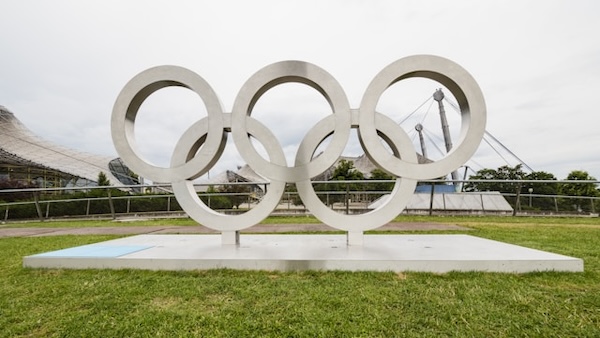

How Does Olympic Golf Work?

After disappearing from the Games for more than 100 years, golf returned to the Olympics in 2016 and quickly became a must-watch event. Olympic golf is not just another PGA or LPGA Tour stop. It has a unique format, qualification rules, and global selection process that make it one of the most distinctive competitions of the Summer Games.

As the sport grows, fans are paying more attention than ever. Rising American figures like Sydney Grimes combine elite golf with major social media influence, helping bring new audiences into the game.

Whether you are watching for the first time or want to understand the strategy behind the medals, here is everything you need to know.

Quick Highlights

  • With only 60 spots per field, Olympic golf is the most exclusive major event in the sport — less than 15% the size of a standard PGA Tour tournament.
  • More than 40% of Olympic golf qualifiers ranked outside the world’s top 100, proving how the ranking-based system reshapes the field.
  • Golf returned to the Olympics in 2016 after a 112-year hiatus, having last been played in 1904. The sport’s revival aims to boost global participation and increase youth engagement.
  • No team or mixed-format events currently exist, but discussions are underway about potentially adding a mixed team event as soon as the 2028 or 2032 Games.
  • The 1904 Olympics was the only time in history that featured a men’s team golf event.

How the Olympic Qualification System Works

Unlike other pro golf tournaments, Olympic golf uses the Official World Golf Ranking to decide who earns a place on the green. Countries can send up to four golfers per gender if all four are ranked inside the top fifteen. Otherwise, the maximum drops to two, which often leaves elite U.S. players on the outside looking in.

The goal of this format is to expand global participation rather than mirror another major championship. It creates spots for golfers from developing programs who may rank outside the top 100. That level of representation did not exist before golf returned to the Olympics in 2016.

For rising American stars like Rose Zhang and Nick Dunlap, strong results in college and early professional events shape their Olympic hopes. Every point matters as they build their world ranking on their paths toward LA28.

The Tournament Format: A Traditional Structure on a Global Stage

While qualification is complex, the Olympic competition itself is intentionally simple. The competition uses a 72-hole stroke play format across four days, just like major professional tournaments. All 60 athletes play every round, so no one is cut early and everyone has a chance to recover from a slow start.

This structure makes the sport easier to follow for fans watching Olympic golf for the first time. Medals are awarded based strictly on score, and ties for podium positions are settled through a sudden-death playoff. At the Tokyo Olympics, seven players including Rory McIlroy and C.T. Pan battled for the bronze medal in a dramatic playoff, one of the most suspenseful finishes in recent Olympic golf history.

golf ball on tee

The Evolution of Olympic Golf and Future Possibilities

Since its return, Olympic golf has grown more influential with each Games. Around 25 to 30 countries including China, Morocco and Turkey have expanded their investment in youth golf development, television audiences continue to grow, and the tournament has become a career defining goal for many players. 

This momentum has sparked discussion about adding new formats. A mixed team event with one male and one female golfer from the same nation has gained strong support. It would mirror successful mixed events in tennis and track while offering another medal opportunity and emphasizing collaborative play.

The upcoming Los Angeles Games present a perfect chance to introduce this kind of event thanks to golf’s strong popularity in the United States. A team format would create new competitive pathways for players whose skills shine in both individual and paired environments. For a versatile creator golfer like Sydney Grimes, expanded formats could help the sport reach new fans and strengthen its Olympic presence.

golf course

Why Olympic Golf Matters Today

Olympic golf represents far more than another event on the schedule. It is one of the few moments in the sport where individual performance intersects directly with national pride, and the prestige of a medal carries a unique weight. The tournament provides a global platform for the game’s elite while also elevating golfers from countries without long golf histories.

Looking ahead to the 2028 Games in Los Angeles, Olympic golf anticipates its widest reach yet. The competition will showcase the sport’s top talent on one of the biggest stages in athletics, creating unforgettable moments for both new fans and longtime followers. With growing excitement and a rapidly expanding global field, Olympic golf is shaping its own legacy within the future of the Games.

How Golf Is No Longer Just the Gentleman’s Sport

For generations, golf was defined by elitism and exclusivity, tied to private clubs and reserved for a privileged few. But in recent years, due to factors like the growth of women’s golf, the sport is rapidly changing.

With new talent, younger crowds, and social media shaking things up, golf is finally moving past its old-school image and reaching a broader, more diverse audience. From record youth participation to new league formats and cultural figures like Steph Curry launching golf gear, today’s golf is more vibrant, inclusive, and culturally relevant than ever.

Quick Highlights:

man playing at topgolf

The New Contributors to the Game

One of the strongest signals of change is participation: over 47 million Americans played golf in 2024. While both on and off-course play have grown, off-course participation driven by entertainment venues has jumped 173% over the past decade. It’s now a major force in golf’s evolution, creating space for new formats and innovation.

Concepts like TGL, the indoor simulator league launched by Tiger Woods and Rory McIlroy, are redefining how the game is played and consumed. Designed to attract new and casual fans, TGL features live audiences, advanced visuals, and primetime broadcasts to deliver a more immersive experience.

Women’s Golf on the Rise

Women’s golf is becoming a major force behind the sport’s growth and evolution. 

 In 2024, the National Golf Foundation reported that 28% of on-course golfers in the United States were women, marking the highest share ever recorded. Women and girls also accounted for 60% of the overall growth in participation since 2019. That same year, 7 million women and girls played golf, the most since 2006.

This surge is fueled by efforts to build community and expand access. Groups like Women Who Golf now span multiple countries, while programs like LPGA and USGA Girls Golf help to make the game more welcoming and accessible.

With greater visibility for female professionals, rising prize money, and new formats tailored to women, golf is finally for the girls.

women's golf game

New Screens, New Fans

Golf has also entered the streaming world, netting new audiences in the process. Netflix’s Full Swing, which launched in February 2023, quickly ranked in the platform’s global Top 10. 63% of Full Swing viewers tuned into PGA Tour coverage within two months of the show’s debut, and 11% were new viewers.

Furthermore, social media is now one of golf’s biggest stages. Influencers like Roger Steele reach millions of views each month and rising stars like Sydney Grimes bring innovative and entertaining content to the table. 

This shift reflects a broader trend in how younger audiences engage with sports, with Gen Z fans more likely to watch highlights or interact on social media than to view full live matches. Such behavior underscores the growing influence of Gen Z preferences in shaping the modern sports economy.

golf bag for women's golf game

The Rise of Disruption

Few things have shaken up the golf world like LIV Golf. Backed by Saudi Arabia’s Public Investment Fund, LIV Golf burst onto the scene in June 2022 with over $5 billion in investment to date, quickly attracting top talent with massive guaranteed contracts. The roster featured stars such as Bryson DeChambeau, Phil Mickelson, and Brooks Koepka.

The move triggered intense media coverage and conflict with the PGA Tour, leading to merger talks in 2023 that ultimately stalled. While its funding sparked controversy, LIV’s impact is clear: it’s brought in younger, more global fans and pushed the sport toward a faster, flashier, more entertainment-driven model.

man swinging golf club

What Can We Expect?

Golf is changing faster than ever before. With the global golf simulator market reaching $1.74 billion in 2025 and projected to nearly double by 2033, technology is opening the door to a whole new generation of players. 

As rising stars like Sydney Grimes gain visibility and new leagues continue to build momentum, golf is steadily moving beyond its traditional roots.

Looking ahead, we can expect even more creativity, deeper engagement from younger audiences, and continued growth in off-course experiences through simulators and other types of immersive digital technology.

TGL Golf Debut Draws Strong Viewership, Directing the Future

On January 7th 2025, the TMRW Golf League (TGL) debuted in front of an energetic live stadium audience, with over 900,000 viewers tuning in to the broadcast on ESPN. High viewership was not the only source of excitement– the league’s rule changes and unique format have been generating plenty of buzz ever since. 

Quick Highlights

  • TGL reaches 900,000 viewers for debut match, expands viewership to 1.13 million for Tiger Woods’ first appearance in week 2
  • New simulator technology proves potential for captivating broadcasts, but players and fans agree that it needs refinement
  • Fast pace-of-play keeps engagement and energy high
  • Unprecedented direct access to star players likely to boost sponsorship value

What is TGL Golf?

The TMRW Golf League (TGL) is revolutionizing the game of golf by merging tradition with technology. Designed to captivate both dedicated fans and a younger, tech-savvy audience, TGL offers an experience unlike anything the sport has seen before.

Matches are held in the SoFi Center, where players compete on a custom-built virtual course and hit real golf shots into a massive screen. Cutting-edge analytics and live data keep fans engaged, while putting takes place on a simulated green that blends precision with strategy. This level of technological innovation is central to the TGL’s differentiation from traditional golf, and creates opportunity for partnerships with high-tech sponsors.

The league boasts an impressive roster of investors, including Tiger Woods and Rory McIlroy, who have helped shape its innovative approach. Celebrity team owners like Serena Williams and Alex Morgan further elevate TGL’s appeal, ensuring it resonates far beyond the golf world.

TGL promises a fresh take on golf centered around technological innovation, match presentation, fan engagement, and star power. Backed by corporate sponsors such as SoFi, FanDuel, Genesis, Best Buy, Business Solver, and leading golf brands, the league has successfully leveraged its innovative format to drive significant partnership revenue.

The TGL’s Teams and Format

The TGL brings together some of the best golfers in the world, representing six major U.S. markets: New York, Los Angeles, Boston, Atlanta, the San Francisco Bay Area, and South Florida.

Each team has four players, including golf legends Tiger Woods and Rory McIlroy, as well as top-ranked talents like Collin Morikawa, Xander Schauffele, Justin Thomas, and Ludvig Ă…berg.

These teams face off in head-to-head matchups throughout the season, with the playoffs arriving in March and a chance to compete for a share of the $21 million purse. The team that comes out on top will walk away with a $9 million prize.

When and How Did the TGL Debut?

On January 7, 2025, TGL kicked off its inaugural match between the Bay Golf Club and New York Golf Club at the SoFi Center in Palm Beach Gardens, Florida. The custom-designed venue seats 1,500 fans, while nearly a million viewers watched the match live on ESPN, TGL’s official broadcast partner. The match highlighted TGL’s mission to make golf faster, more tech-driven, and centered on star power.

The Bay Golf Club secured a dominant 9-2 victory with a roster featuring Ludvig Ă…berg, Wyndham Clark, Min Woo Lee, and Shane Lowry. Hot mics gave fans unique insight into player strategy and personality, while a 40-second shot clock kept the action fast-paced. This level of direct access, coupled with advanced analytics and FanDuel betting odds, delivered a fresh and engaging viewing experience for fans.

For those unable to catch the broadcast, TGL introduced Matchup Live, an innovative feature powered by Next League. This tool provides shot-by-shot tracking, real-time scores, and a live feed of the stadium’s simulator screen via TGL’s app and website.

Simulator Troubles and Tiger’s Defeat

The second match of the TGL season, played between Jupiter Links GC and the Los Angeles Golf Club on the following Tuesday, saw Tiger Woods’ squad defeated by LAGC’s Collin Morikawa, Sahith Theegala, and Justin Rose in a 12-1 trouncing. 

The match was also marked by frustrations from some of the players with the golf simulator technology. At times, the players were overheard on the hot mics questioning the accuracy of the Full Swing technology behind SoFi Center’s simulators and launch monitors. “I didn’t even hook that” was uttered amidst the peak of the players’ frustration with the venue’s simulator.

TGL’s Early Successes and Challenges: What They Mean for the Future of Golf

As the TGL carries on its inaugural season, its rule changes, broadcast style, and technological innovations are already making waves in the sport. The league’s approach promises to influence golf far beyond its arenas.

Unlike the traditional norms of the PGA Tour, TGL events encourage fans to shout and cheer, making the crowd an active part of the experience for the first time. The energy at the SoFi Center is contagious, with both fans and players embracing the lively atmosphere. Wyndham Clark and Shane Lowry described it as “the most fun [they] ever had playing golf.”

The TGL broadcast style places a strong emphasis on player reactions and fan connection. Split-screen views show players’ emotions alongside simulator shots and play-by-play commentator Matt Barrie conducts real-time interviews with competitors during downtime. This level of access to the world’s best golfers doubles down on the impact of relatable media like Netflix’s golf documentary Full Swing.

Faster play, analytics, betting integrations, fantasy sports potential, and a vibrant crowd atmosphere set TGL apart from the PGA Tour and LIV Golf. With fewer formalities and a focus on entertainment, TGL has the potential to expand golf’s appeal among younger fans and newcomers to the sport.

The Future of Corporate Partnerships in the TGL

The advent of the TGL opens up opportunities for corporate sponsors to engage with golf and its fans in fresh, innovative ways. The league’s current partners are already capitalizing on this momentum, and as the TGL grows, more brands are expected to join. Best Buy’s TV ad captures this modern energy, asking fans, “What if tomorrow’s tech met tomorrow’s golf?”

Partnerships in the TGL center on athletes, analytics, and technology. Endemic golf brands will value the personality, humor, and access the league offers through its athletes. Golfers entering stadiums to “Eye of the Tiger” and trash-talking on hot mics create viral moments that engage fans, with apparel, alcohol, and equipment brands set to benefit.

The TGL also provides brands access to a new generation of golf fans drawn to its fast-paced style. Companies like Dryvebox, targeting tech-savvy audiences, are capitalizing on this shift. Additionally, the league’s network of investors, owners, and celebrities opens doors for lucrative corporate partnerships, such as One Flight International, which connects with high-profile clients within the TGL ecosystem.

The Impact of Analytics on TGL Sponsorship

The TGL’s focus on analytics enhances broadcasts, web pages, and live events, opening doors for partnerships in golf coaching, data solutions, fantasy sports, and sports gambling. FanDuel and CapTech are already leveraging this focus. FanDuel’s live odds and one-click betslips bring interactive engagement, while CapTech showcases its ScoreSight features as an example of custom enterprise solutions for the league.

Mobile apps like Sportsbox AI, which use computer vision for golf swing coaching, hint at the potential for more innovative companies to target TGL’s tech-savvy audience. With high-energy moments and creative sponsorships, the league’s future promises to sustain its momentum. Tiger Woods’ appearance boosted week 2 ratings to 1.13 million peak viewers, but competitive matchups like New York Golf Club vs. Atlanta Drive GC will be key to keeping fans engaged.

Want to lean more into leveraging sports events and championships for your brand? We help businesses expand in the sports world to get their name seen and build their fan base. See what Athelo Group can do for you with our Brand Marketing Services.

Sources:

  1. https://www.palmbeachpost.com/story/sports/pga/2025/01/09/tiger-woods-rory-mcilroy-tgl-tv-rat ings/77550079007/ 
  2. https://golf.com/news/tgl-debut-match-genius-rule-twist/
  3. https://www.sportico.com/business/media/2025/tgl-golf-debut-viewers-espn-woods-1234823223/
  4. https://www.pgatour.com/article/news/netflix/2023/02/15/the-netflix-effect-how-golf-can-capitalize-on-the-success-of-full-swing-rory-mcilroy-tony-finau-scottie-scheffler-justin-thomas-jordan-spieth
  5. https://corporate.bestbuy.com/2025/tgl-best-buy-tech/
  6. https://golf.com/news/tgl-golf-league-heres-how-much-money-is-up-for-grabs/
  7. https://golf.com/news/tiger-woods-tgl-debut-highlights/


Doping in Sports: How Anti-Doping Agencies Fight for Fairness

In light of the Paris Olympics, doping in sports is no longer just a battle between athletes and governing bodies. Chinese swimmers are now under scrutiny for potential doping in both Tokyo and Paris, leading the U.S. to launch a formal investigation. In response, China levied doping allegations of their own, honing in on U.S. track and field athletes. The conflict reveals deep-seated tensions between global anti-doping agencies, highlights the serious consequences of athlete oversights, and the fallout for those denied of their rightful victories. As the fight continues to evolve, preventing doping in sports depends on consistent enforcement and a collective commitment to fair play.

USADA, WADA, and CHINADA Clash

A major conflict is brewing in the realm of anti-doping enforcement, pitting the United States Anti-Doping Agency (USADA) against the World Anti-Doping Agency (WADA). This long-standing tension has been further complicated by the rise of China’s own anti-doping body, the China Anti-Doping Agency (CHINADA). The disagreements between these authorities center on how anti-doping laws should be implemented and how athlete cases should be handled.

USADA and WADA have had their differences for years. USADA pushes for stricter and more transparent anti-doping rules, wanting national agencies to have more power. On the other hand, WADA, which works globally, prefers a uniform international approach. This often leads to conflicts over suspension lengths, handling of therapeutic use exemptions (TUEs), and case resolution speed. Recently, CHINADA’s involvement has added more complexity to the situation.

doping in sports

Athlete Pay the Price For Minor Oversights

In professional golf, doping isn’t as common as other sports. However, even minor oversights by athletes can lead to significant consequences due to strict doping regulations. Recently, Graeme McDowell, a seasoned golfer and former U.S. Open champion, found himself at the center of a doping controversy. He tested positive for levomethamphetamine, the active ingredient in Vicks VapoInhaler, which is on LIV Golf’s list of banned substances. McDowell used the over-the-counter nasal decongestant to help him sleep before a tournament and took full responsibility for the oversight. He shared on social media: “As a professional golfer, I understand the importance of checking all medications and the option to apply for a Therapeutic Use Exemption (TUE). Unfortunately, I did not take the time to do this due to the over-the-counter nature of this medicine and deeply regret the oversight.”

LIV Golf acted swiftly, imposing a $125K fine on McDowell and suspending him for one tournament. Additionally, he had to forfeit the $127K he won by finishing 42nd at the LIV Golf Nashville competition. Other athletes like track record-holder Shelby Houlihan and Olympic medalist Devin Logan have made similar mistakes. These incidents highlight the importance of vigilance and responsibility in an era where even minor oversights can have major consequences.

doping in sports

Delayed Justice: Olympic Medal Reallocation

Doping doesn’t just affect the athletes who get caught—it has ripple effects that can alter the lives and careers of others. This was painfully evident in a recent medal reallocation ceremony, where Beverly McDonald and Lashinda Demus finally received the Olympic medals they deserved after years of waiting.

Beverly McDonald, a Jamaican sprinter, was upgraded from silver to gold for her performance in the 2000 Sydney Olympics after Marion Jones was disqualified for doping with anabolic steroids. Similarly, Lashinda Demus, an American hurdler, was awarded gold for the 2012 London Olympics following the disqualification of Russia’s Natalya Antyukh.

This reallocation was bittersweet for McDonald and Demus. While it was a long-overdue recognition of their achievements, it also served as a stark reminder of the years they lost, the celebrations they missed, and the emotional toll of being denied their rightful place on the podium. Their stories underscore the lasting impact of doping on clean athletes and the ongoing battle for justice in sports.

doping in sports

The Fight Against Doping: An Ongoing Struggle

As these stories show, the fight against doping in sports is far from over. Anti-doping agencies continue to develop new methods to detect and prevent the use of banned substances, but for every victory, a new challenge seems to arise. Athletes and coaches constantly look for new ways to gain an unfair advantage, making it clear that this battle is ongoing and complex.

The world of sports is a reflection of our society’s values, and as long as there are those who seek to compete fairly, the fight against doping will continue. It’s a fight that requires vigilance, innovation, and a commitment to preserving the integrity of competition—because, in the end, true victory can only be achieved through honesty and hard work.

Sources:

  1. https://www.npr.org/2024/08/08/nx-s1-5067767/feuding-anti-doping-agencies-usada-wada-chinada-olympics
  2. https://frontofficesports.com/graeme-mcdowell-liv-vicks-250k-pga/
  3. https://www.marca.com/en/olympic-games/track-and field/2024/08/11/66b8d7d6e2704e4f258b45aa.html
  4. https://www.usatoday.com/story/sports/olympics/2024/08/09/reallocated-medals-ceremony-beverly-mcdonald-lashinda-demus/74737989007/
  5. https://apnews.com/article/olympics-2024-china-swimming-doping-51cd4e42bf73f4b9b0f8bb37453775a2
  6. https://nationalpost.com/sports/olympics/kamila-valieva-the-unlikely-possibility-of-testing-positive-for-doping-via-saliva

The Masters Tournament: History & Traditions at Augusta National

April does not just signify the start of spring, warm weather, and rain showers. To many sports fans across the globe, it signifies the beginning of the most famous golf tournament in the world: the Masters. Taking place in the quiet town of Augusta, Georgia, the tournament at Augusta National draws in people from every country. Renowned for its beautiful fairways, blooming azaleas, and the coveted green jacket, the Masters is without a doubt one of the most influential tournaments in history. But for 2024 and beyond, this tradition is coming with some new changes, new competition, and a renewed passion for victory.

the masters

Masters Matchup: PGA Tour vs. LIV Golf

As most of the world knows, the PGA tour is no longer the only professional tour anymore. With the emergence of LIV Golf, the rival league funded by the Saudi Public Investment Fund, the PGA Tour is now beginning to fight for viewers and players. When LIV began to poach players from the PGA Tour, the players who left knew that they would be seen as a “traitor” to PGA Tour supporters. LIV golfers like Bryson DeChambeau were not as welcomed to their now rival tournaments, until recently. Jon Rahm, the 2023 Masters winner and a recent addition to LIV Golf, expressed in an interview that he had hoped his move would unite the two leagues, which unfortunately was not the case. 

Now the PGA is slowly but surely embracing LIV players and inviting them to play in their exclusive tournaments. The 2024 Masters is the first tournament of the year where both PGA and LIV golfers are competing together. Articles and photos immediately swirled: Jon Rahm was pictured speaking with Rory McIlroy— arguably one of the biggest supporters of the PGA Tour and opposers of LIV Golf. Perhaps the biggest headline is that Augusta National invited one of the top LIV golfers, Joaquin Niemann, to play this year. Due to the fact that Official World Golf Rankings (OWGR) does not recognize the points LIV golfers earn, several elite players have been left out because they are not aligned. Regardless, Augusta National allowed 18 LIV golfers to play in the tournament last year and 13 this year. Their continued recognition suggests a turning point in Major competition play.

Project Development: Who Gives in and Who Refuses?

Another Masters topic under discussion is the ever-evolving property of Augusta National and how it is continuously impacting the local community. Augusta retains a standard of excellence, and with LIV Golf giving them a run for their money, they are turning to one thing: expansion. A whole neighborhood near the course has been bulldozed into parking lots, along with an estimated $200M of other surrounding areas. The growth will not stop there. Augusta National has plans to buy and turn huge plots of land into concepts like a banquet hall, on-site housing for the players and media, and an exit off of highway I-20 dedicated to taking people directly to the golf course parking lots. 

The Masters will generate $142M in revenue, raking in $70M in merchandise sales alone during the tournament. With their high profit margin, some are calling Augusta National tone-deaf. About 20% of Augusta’s population lives below the poverty line, so when Augusta National offers to buy the homes of those whose property borders the course, it is hard to say no. One Augusta couple has refused to sell their home to the golf club for years— it’s the home they raised their children and grandchildren in. It seems expansion will continue regardless, but at what cost to the neighboring community?

the masters

Tiger Woods’ Push for a Sixth Jacket

Legendary golfer Tiger Woods has been facing a multitude of changes in the past few years. He has won fifteen major championships, five of them being here at the Masters, and has been named PGA Tour Player of the Year eleven times. Heading into his 26th Masters, Tiger Woods braced for the physical toll of playing through persistent pain, exacerbated by a series of injuries and a life-threatening 2021 car accident. Despite his drive to succeed, Tiger ultimately finished the tournament with the highest score of his professional career. The fans on the course didn’t care— they were in the presence of a great.

This 88th Masters, the greatest tradition in golf, is often regarded as an event that will never change. However, amidst tradition, evolution is occurring. Whether it’s expansion beyond the fairway or rivalry between two leagues, the future of the Masters and golf itself is set to change its course. This year PGA golfer Scottie Scheffler took home the coveted green jacket, but who knows which champion and which changes next year will bring.

Sources:

  1. https://www.golfdigest.com/story/2023-masters-augusta-national-contends-with-liv-golf-distance-property-expansion-impossible-standards
  2. https://www.wrdw.com/2024/03/06/augusta-national-golf-club-buys-city-park-350000/
  3. https://news.yahoo.com/owners-1-900-square-foot-151854421.html?guccounter=1&guce_referrer=aHR0cHM6Ly93d3cuZ29vZ2xlLmNvbS8&guce_referrer_sig=AQAAAC5OfEPgKsRL7tNUxbGyEPQqAhBWTaZ5L28BlRMfiS8KXl6R3h5GgPzWdYt2-BgzYQ1bWweKHlB83yUYJOjgcTv51_dmZIuf19DeAAjQ0JioVG-8fmz1EVqiUlQdLWq1DWMi8y-mTzmN_QaTxItMyc76vJVlNybY69-OAemC8hEU
  4. https://frontofficesports.com/masters-making-way-for-pga-tour-liv-stakeholders-to-discuss-future/
  5. https://www.washingtonpost.com/sports/2024/04/09/tiger-woods-masters/
  6. https://www.cbssports.com/golf/news/majors-continue-to-rise-above-the-pga-tour-vs-liv-golf-noise-with-joaquin-niemanns-masters-invitation/
  7. https://www.si.com/golf/news/timeline-liv-golf-how-pga-tour-adapted
  8. https://www.espn.com/golf/story/_/id/39907017/tiger-says-masters-win-everything-comes-together

Golf’s New Rollback Rule: Is it Really the Right Decision?

With massive changes underway in the golf world, last month’s rollback rule is one more element shaking up the game. It was recently confirmed that the USGA and R&A will enforce the infamous rollback rule for both PGA and LIV golfers in 2028, followed by a universal rollback for every golfer in 2030. The rollback rule, which poses new guidelines to regulatory golf balls, will render every ball in circulation to be non-conforming in just a few short years. Both governing bodies deemed modern distance dangerous for the sport, as courses have failed to keep up with longer hitters. 

While leaving clubs alone for now, the golf ball has become the target of this investigation. After extensive testing, the results are in: modern swing conditions require a distance-restricted ball, forcing ball manufacturers to develop new technology. Both athletes and companies are up in arms over the change. With newfound distance being one of the sport’s most exciting aspects, the rollback rule has the potential to reduce viewership and consumer-brand loyalty.

golf rollback rule

Why Does Golf Need a Rollback?

Through technological and swing developments, driving distance has undoubtedly skyrocketed. Over the last 25 years, some golfers have gained over 30 yards in driving distance. Over the last decade, the number of PGA players who average upwards of 300-yard drives has increased nearly 8-fold. Between land and financial constraints, golf courses stand zero chance of resolving this distance concern. Augusta National, home of the famous Masters Tournament and widely coveted Green Jacket, spent roughly $25M to extend just one hole through the purchase of neighboring land. This decision came in an attempt to restore the famous hole’s arduous nature, as improved distance left players hitting mid-irons for their second shot on the par 5. Less prosperous courses, however, cannot endure similar reconstruction without facing potentially fatal financial blows.

Implications of the Rollback

With the future of golf in question, the USGA and R&A updated testing requirements in hopes of preserving the qualities of the game that have faded throughout recent years. Testing is carried out through a robot-controlled swing with an increased new standard speed of 125 mph. The ball’s spin rate has decreased alongside a slight increase in launch angle. The maximum travel distance for golf balls is capped at 317 yards, prompting ball manufacturers to create shorter-traveling balls. The expected effects on golfers include an average 10-yard loss for elite males, a 6-yard loss for elite females, a 4-yard loss for amateur males, and a 2-yard loss for amateur females. But what about outliers such as Bryson DeChambeau or Rory McIlroy who are known for their extraordinary driving capabilities? Taking away arguably the most impressive aspect of their game could devastate many fans and pose major issues to professional golf viewership.

golf rollback rule

How Might the Rollback Affect Athletes and Sponsors

Professional golf’s expansion hinges on factors like increased viewership and financial gains. The sport has recently experienced massive growth in several areas, especially with the creation of new leagues, content, and technology. As viewership spikes, so does revenue. But with setbacks like the rollback rule’s effect on driving distance, golf could experience decreased engagement and a potential strain on athlete and brand sponsorships. Major companies like Titleist and Callaway garner a substantial amount of their marketing from professional events. If their balls are used less, it could reduce their airtime and create space for competitors to increase their brand awareness. Everyday golfers might resist conforming to new rules, affecting manufacturers’ income and pushing some towards cheaper alternatives. This shift could impact major companies and lead to changes in sponsorships. Amid challenges, opportunities arise, such as professionals reconsidering the balls they play, reminiscent of Tiger Woods’ switch after leaving Nike.

While the effects of the rollback rule will not be seen for years to come, it brings light to an abundance of situations in which golf could fall victim. Will we see leading golf ball brands collapse? Will professionals stay loyal to their sponsorships? Everything is up in the air. However, one thing is for certain: the new rollback rule has left golf’s seemingly bright future somewhat blurry.

Sources:

  1. https://golf.com/gear/golf-balls/golf-ball-rollback-official-what-it-means/
  2. https://www.golfdigest.com/story/usga-r-and-a-golf-ball-rollback-announcment-explained
  3. https://theathletic.com/5114481/2023/12/06/golf-ball-rollback-pga-tour-recreational/
  4. https://www.todays-golfer.com/news-and-events/equipment-news/golf-ball-rollback-and-bifurcation-explained/
  5. https://golf.com/gear/golf-balls/equipment-manufacturers-golf-ball-rollback/

Teeing Off Tradition: The Bold Shift in Golf Apparel Brand Partnerships

The 2024 PGA Tour year kicked off at the Sentry Tournament of Champions at Kapalua. Familiar faces like Scottie Scheffler, Viktor Hovland, and Collin Morikawa are back in action. However, fan favorite Jon Rahm was not in the field this year as he shocked the golf world and made his transition to LIV Golf. Among the star-studded field at Kapalua were the current #6 ranked golfer in the world, Xander Schauffele, and former #1 golfer in the world and major champion Jason Day. But something was different about the golfers this time: Schauffele wasn’t wearing his typical Adidas outfits, and Day wasn’t representing his usual Nike apparel. As the tournament unfolded, it became evident that a significant shift was underway in the golf world, with top players like Schauffele and Day breaking away from their traditional sponsors and signaling a new era of golf apparel brand partnerships.

golf apparel brand

Xander Schauffele

One of the most popular golfers on the PGA tour right now, Xander Schauffele, will be teeing it up this year without the classic three stripes. After debuting on the tour in 2015, Schauffele signed with Adidas and has been very successful during his time on tour. Schauffele started the year at Kapalua in pursuit of another victorious year, but he was wearing Descente this time. Descente, a Japanese apparel company specializing in skiwear, is known for its functional beauty and cutting edge technology within sportswear. The brand was founded in 1935 but launched its very first golf apparel brand line just under ten years ago.

This year, Descente announced that Schauffele had agreed to a multi-year contract for golf wear, training wear, and accessories. Schauffele isn’t the only professional golfer to switch to Descente; Descente also sponsors former Masters champion Danny Willett. Descente has also dipped their toe into women’s professional golf, inking a contract with LPGA star Danielle Kang. Danielle was recently playing with a Descente crop-top hoodie on the course, signaling a new look for the LPGA. Schauffele will work closely with Descente’s product development team and looks to contribute to the company’s success. 

Jason Day

Like Schauffele, Jason Day kicked off his new year at Kapalua, but it wasn’t with the iconic swoosh on his clothes. Since 2016, Day has been striping fairways and winning tournaments with Nike. Yet, on January 2nd, 2024, Malbon Golf announced on their social media that Jason Day would be their first professional golf ambassador, a move that shocked the golf world. Regarding the transition, Day explained he was tired of seeing the same outfits on everyone and sought a more forward-thinking golf fashion brand. In a recent interview, Day stated that being a Maldon ambassador “marks the opening of another door, allowing me to bring the same sense of relaxation and refine my personal style on the golf course as I do in the comfort of my home.” Malbon isn’t your traditional golf apparel company— they aim to inspire the youth by integrating golf apparel into their lifestyle wardrobe. Rather than the stereotypical golf uniform of dress pants and a polo, Maldon seeks a more casual approach. With Day as their ambassador, the brand has big plans to revolutionize how golfers present themselves on the course. 

golf apparel brand

Tiger Woods and Nike

Tiger Woods and Nike are one of the most iconic brand partnerships of all time. Ever since Woods became a brand ambassador in 1996, the partnership has spanned countless advertisements and memorable moments in Tiger’s Sunday red. In fact, Nike was one of the few partners to stick with Tiger through all of his off-the-course drama. And their move paid off: Nike was also alongside him when he made one of the greatest comebacks of all time, winning the Masters Tournament at 43 in 2019. However, when Tiger appeared at the 2023 PNC Championship to compete with his son, Charlie Woods, he wore FootJoy golf shoes. When asked about his relationship with Nike, Tiger responded bluntly: “I’m still wearing their product.” As of right now, it’s all speculation, but there could be a chance the famous Tiger and Nike alliance could be coming to a close. As more and more golfers move towards new, dynamic apparel partnerships, it’s possible this Nike loyalist could make a move.

Future Implications

The recent shifts in apparel partnerships among professional golfers signal a potential transformation in the golf industry’s landscape. As top players like Xander Schauffele and Jason Day break away from established brands like Adidas and Nike, they pave the way for a more diverse market of apparel sponsors. The golf industry may see more players exploring unconventional collaborations and endorsing brands that align with their personal preferences, marking a departure from the conventional norms that have dominated the sport for decades. This shift could influence how golfers approach their brand image in the years to come.

Sources:

  1. https://golf.com/news/rahm-surprise-aberg-new-caddie-sentry/
  2. https://www.descente.com/en/news/18082
  3. https://www.sportsbusinessjournal.com/Articles/2024/01/03/xander-schauffele-adidas-descente-jason-day-malbon
  4. https://hypebeast.com/2024/1/why-jason-day-switched-from-nike-golf-to-malbon-interview
  5. https://golfweek.usatoday.com/2023/12/17/tiger-woods-nike-golf-rumors-partnership-ending/
  6. https://www.mirror.co.uk/sport/golf/schauffele-adidas-tiger-woods-nike-31795364
  7. https://www.descente.co.jp/en/company/history/

LIV Golf News: Changing the Golf Landscape

In recent news on LIV Golf: On October 19th, the PGA TOUR announced a new plan that will look to keep them on the same playing field as LIV Golf, a newly founded league that rivals the PGA Tour. Jay Monahan, PGA TOUR Commissioner, announced that they are elevating four additional events throughout the season that will have increased purses and guaranteed appearances from top players on the tour.

The four events that were announced in October will be the WM Phoenix Open, RBC Heritage, Wells Fargo Championship, and Travelers Championship. Joining these four events will be the four major tournaments, the Players Championship, and other prominent tournaments.

LIV Golf’s Entry into Professional Golf

To ensure that these golfers are committed to playing in these elevated events, Monahan had to make some serious changes to the Player Impact Program, better known as the PIP. It was launched back in 2021 as a way to financially reward the Tour’s most important and popular players, but after a handful of the Tour’s most popular players left, it was due for a makeover.

In 2021, Only $40 million was divided among the top 10 players in the PIP standings at the end of the season. With the recent changes made, the player pool doubled with the top 20 players being rewarded and the prize pool increased to $100 million. Many fans were quick to point fingers at LIV Golf for ruining the integrity of the sport, but in hindsight, all they did was become the catalyst for change in terms of player payout. 

This new league, founded by Greg Norman and backed by the Public Investment Fund of Saudi Arabia, revolutionized the sport of golf in terms of increased purses and player payout. During its inaugural season last year, the winners of each LIV tournament received $4 million while second place earned $2.125 million and third place received $1.5 million.

To gain the necessary credibility as a competent tour, Norman opted to offer lucrative amounts of money to the PGA Tour’s top players, including Dustin Johnson, Cam Smith, and Phil Mickelson. It is being reported that Mickelson received up to $250 million in order to join LIV Golf.

While many see this as a life-changing move for anyone, PGA officials and players saw this as an insult and were forced to make immediate changes to the current PGA structure.  To give you some perspective on the differences between LIV Golf and PGA purses, the biggest paycheck a winner received from a single tournament last year on the PGA TOUR was $3.6 million with second place receiving $2.2 million. With LIV Golf poaching several important PGA players due to monetary reasons, the PGA was forced to think of ways to elevate their events and give their players the money they deserve.

How the Rules, Money & Structure Shift the Game of Golf

Not only has LIV forced the way the PGA pays their players, but it also changed the way golfers gain their PGA Tour cards. After many popular PGA players announced their move to LIV Golf, the PGA was forced to think of a way to not let the next batch of great golfers leave similarly.

For the first time in over a decade, PGA Tour cards will be given out at Q-school, a method for pro golfers to earn Tour cards by scoring well in qualifying tournaments, as the top five finishers on the Korn Ferry Qualifying Tournament will go straight to the PGA Tour.

Korn Ferry President had this to say about the new move, “Bringing back the awarding of PGA TOUR cards at Q-School will be exciting for our fans, membership, and potential new membership.”

The PGA did not stop here as they formed a strategic alliance with the DP World Tour that saw the top 10 finishers on the European tour be granted Tour cards as well. These partnerships not only show the growth of the PGA tour, but also a glimpse of hope that one day there will only be one league that represents all the best golfers throughout the world.

What Does This Mean for Golf’s Future?

While many saw LIV Golf as a bad thing for the sport of golf, some view it as a catalyst for change. Before the introduction of LIV Golf, it was tough to be granted a Tour card, but with the partnerships formed with the DP World Tour and the reintroduction of the Q-school, golfers now have a better opportunity to fulfill their dreams and compete on the PGA Tour. On top of that, current PGA Tour members can change their lives through elevated events and have the opportunity to be viewed as a “top player” in the world. While there is an ongoing feud between the PGA and LIV, we wonder if things can ever be resolved between the two leagues.

Sources:

  1. https://www.pgatour.com/news/2022/08/01/pga-tour-full-schedule-2022-23-season-fedexcup-playoffs.html
  2. https://www.sportskeeda.com/golf/liv-golf-salary-how-much-golfers-get-paid#:~:text=The%20winner%20of%20each%20LIV%20Golf%20tournament%20takes,purse.%20Even%20the%20golfer%20coming%20last%20wins%20%24120%2C000.
  3. https://thegolfnewsnet.com/golfnewsnetteam/2022/02/05/ranking-pga-tour-tournament-purses-from-biggest-to-smallest-for-2021-2022-124875/
  4. https://www.cbssports.com/golf/news/2022-players-championship-leaderboard-grades-cameron-smith-survives-late-mistake-to-win-3-6-million/live/
  5. https://golf.com/news/four-ways-pip-changing/
  6. https://ftw.usatoday.com/lists/pga-tour-new-changes-announced-to-fight-off-liv-golf

What is LIV Golf and How Does It Compare to Rival Leagues

By Thomas Calhoun

The PGA TOUR has always been considered to be one of the most prestigious and well respected leagues in the world, but on June 9th of this past year, the golf landscape changed forever. Just three weeks ago, the first competitor to the PGA TOUR came around and immediately made waves like the sport has never seen before. World Golf Hall of Famer, Greg Norman has spent the last couple of years trying to develop a competitor to the PGA TOUR and he was finally able to make it happen as the CEO of  LIV Golf Investments.

What is LIV Golf?

The PGA TOUR began in 1929 and has been the dominant force in golf for nearly 100 years – until now. The LIV Tour is considered to be a startup competitor to the PGA TOUR and is being funded by the Saudi Public Investment Fund. There are a few key differences between the two golf leagues that are important to note. To begin, LIV stands for 54 in Roman numerals and the reason behind the Tour name ‘LIV’ is due to the tournaments being set up over the course of three days totaling 54 holes of golf. The 54 hole idea came about as many players and fans both agreed that four day tournaments took too long and efficiency could be increased.

How LIV Golf’s Rules, Format & Finances Separate It from the PGA Tour

To continue the trajectory of making tournaments more efficient, the LIV Tour is also implementing a shotgun start, meaning all players start at the same time but from different holes. According to Golfbit, a shotgun tournament will save an average of three hours per day, making for quicker days and an overall quicker tournament. The final major difference in PGA and LIV tournaments is that there are no cuts throughout the weekend. What this means is that any player that finishes the tournament after three days will get paid a portion of the prize money. For example, there were 48 players in the field at the first LIV event, the top player made $4,000,000 and the last place player walked away with $120,000. In order to get paid a prize on the PGA TOUR, you have to be in the top 50 percent of the field after the first two days. This change was put in place so that every golfer that plays for the LIV Tour has the chance to profit off of the work they put in.

Player Migration, Money & the Battle for Golf’s Future

In addition to the change of rules and regulations, the LIV Tour has also spent a monstrous amount of money to influence players to leave the PGA TOUR and play on the LIV Tour. Having what some consider to be “unlimited money” available to spend on these athletes and increase the purses of each tournament is something that the PGA just can’t compete with. According to The Sporting News, Phil Mickelson was paid $200 million to leave the PGA Tour and be the face of the LIV and the former number one world player Dustin Johnson was offered north of $150 million. 

With there being no cuts in the LIV tournaments, players have the opportunity to make more money per week than they would have with the PGA. For example, Charl Schwartzel won the first LIV event a couple of weeks ago and brought home a whopping $4 million. Not only was this the largest tournament that Charl has ever won, but he tripled his career best tournament winnings. The purse numbers in the LIV tournaments are larger than any of the PGA tournaments which provides players yet another reason to change sides. However, there are many players that still hold true to the PGA and continue to speak out against its new rival.

Players on the LIV Tour are saying they joined because it is helping to expand the game of golf and bring the sport to different global demographics. While that may be true, many have speculated that these decisions were primarily made based on one thing: money. Players like Rory Mcllroy and Jon Rahm have spoken out on the new league and are committed to helping the PGA TOUR retain its stature and prominence. During an interview, Rory spoke about the money being thrown at players saying, “any decision you make in life that is purely about the money, usually doesn’t end up going the right way.” A lot of the top players in the world stand by the organization that helped them make the money that they have today and allowed them to play golf for a living. However others believe that playing golf professionally is a business, so it shouldn’t matter where you are competing.

Implications for the Sport, Fans & Industry

Looking at other leagues and their rivals around the world can provide an interesting perspective into how the LIV Tour and the PGA TOUR could one day work together to truly grow the game of golf. Take soccer in Europe for example, the Premier League and the Champions League play hand in hand and have grown soccer to the largest sport in the entire world while also simultaneously being successful. The two leagues have a round robin style tournament at the end of each season and it is one of the most viewed events worldwide. Players are often bought out and sold from team to team but there is never any exclusivity like we are seeing with the PGA TOUR.

The XFL and NFL are another example of two leagues that are competing for similar audiences and that have similar structures. They both have conferences, owners, trades, and similar basic rules. The NFL, formed in 1920, has obviously been around for a lot longer, and has teams with extremely devoted fanbases. Much like the LIV, the XFL is looking to make the game more fun and more viewer friendly. A few differences that the XFL has are a running clock throughout the game, no extra points, and the rule of forward passes. All of the latter are in place to make the game more fun to watch and easier on the players. Despite the fun new rules of the XFL, it is clear that they will never be able to capture the NFL audience or make as much money as the NFL, but it is good to have a competitor in any industry.

Competitive leagues are good for any sport because they provide some balance to the playing field. Having at least one other league to prevent a monopoly in a sport is important, as long as it is being managed properly. The LIV Tour becoming a reality has made golf more interesting as an international sport than it has ever been before. Between the new money, new rules and shifting of players, golf is at the front page of every sports news outlet. Maybe this is the way to grow the game by getting more eyes on the sport, but it could also be tearing its fans apart. If the two leagues found a way to compete on a center stage with one another rather than just argue, there could be an extremely productive outcome. There are lots of potential fun events that could take place between the LIV and PGA Tour similar to the end-of-season tournaments between the two soccer leagues in Europe. As of right now, the two leagues are just butting heads, but as the details get ironed out, it will end up helping the game of golf grow to an even larger worldwide sport.

Sources:

  1. www.sportingnews.com/us/golf/news/liv-golf-tour-name-invitational-series-meaning-explained/ietdisstrdtxa8k3u2s5c5kq
  2. www.sportingnews.com/us/golf/news/liv-golf-prize-money-saudi-golf-tournament/xyzqdhvum39jfz4qdnatd8cb
  3. https://www.thesportsgeek.com/sports-betting/xfl/xfl-vs-nfl
  4. www.footballhandbook.com/premier-league-vs-champions-league/

Become a Sponsor.

Join us in making a difference. Tell us a bit about yourself and we’ll be in touch with sponsorship details.

By submitting this form, you agree to be contacted by the Athelo Group team regarding sponsorship opportunities.