
How Private Equity Is Driving Esports Growth

Private equity firms have played an increasingly pivotal role in shaping the modern esports ecosystem. Early on, esports growth was fueled by venture capital, focused on user acquisition and rapid expansion. 

But as the industry matured and stabilized, private equity entered with a longer-term vision and an eye toward commercializing the space. Much like their recent interest in traditional sports, PE firms see esports as an undervalued media property with strong growth potential.

Quick Highlights

  • The global esports market grew from $1.97 billion in 2023 to a projected $5.18 billion by 2029. 
  • 29.6 million monthly U.S. esports viewers are expected in 2025, increasing by nearly 12%.
  • Sponsorships represented over 60% of global esports team revenue in 2022, totaling approximately $800 million.
  • Savvy Games Group acquired ESL and FACEIT in 2022 for a combined $1.5 billion, one of the largest private equity investments in esports to date.
  • Atlanta Esports Ventures paid over $30 million for Overwatch League and Call of Duty League franchise slots, signaling that PE groups see serious commercial value in competitive gaming.
dreamhack open esports tournament

The Role of Private Equity in Esports Expansion

One of the most visible signals of this shift came in 2022, when Savvy Games Group, backed by Saudi Arabia’s Public Investment Fund, purchased ESL and FACEIT for $1.5 billion. That acquisition consolidated two of the most influential tournament platforms under one roof. 

Similarly, Atlanta Esports Ventures, backed by Cox Enterprises, committed between $30 million and $60 million for slots in the Overwatch and Call of Duty Leagues. Meanwhile, companies like GameSquare Holdings have merged competitive teams with creator-driven content brands such as FaZe Clan, further monetizing esports as lifestyle entertainment.

esports streamer playing call of duty

Audience Growth and Market Opportunity

Esports’ rapid audience expansion makes it an attractive target for both investors and sponsors. Globally, esports viewership now exceeds 500 million, with most fans between 18 and 34—an increasingly difficult audience to reach through traditional media like cable television.

According to SponsorPulse, the U.S. esports audience is expected to reach 29.6 million monthly viewers in 2025, up almost 12% year-over-year. Latin America is experiencing one of the fastest-growing esports audiences in the world, expected to reach over 60 million esports fans by the end of 2025. 

Similarly, esports in Africa is showing significant growth. The continent’s gaming market was valued at $1.8 billion in 2024, with more than 300 million gamers. These trends suggest that younger audiences, increasing internet access, and a mobile gaming surge are driving esports’ expansion.

The global esports market was valued at $1.97 billion in 2023 and is projected to reach $5.18 billion by 2029. This reflects a compound annual growth rate of 17.5%. These figures demonstrate why private equity sees esports not just as entertainment, but as a scalable media and brand engagement platform.

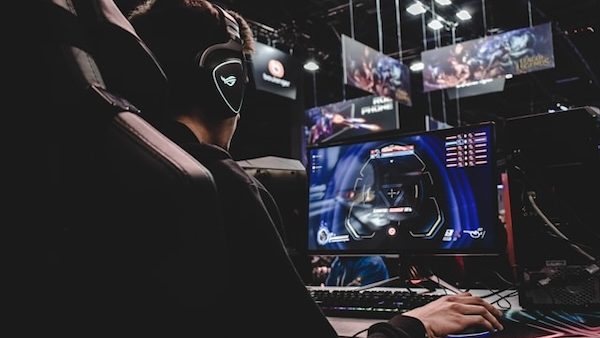
esports player competing on desktop

Shifting Sponsorship Dynamics

Sponsorships have evolved from gaming-adjacent logos to high-value, multi-platform brand integrations. Historically, esports sponsors were mostly endemic. These included PC hardware brands like Alienware and gaming chairs like Secretlab.

But as private capital entered the space, non-endemic sponsors became more prominent. By 2022, sponsorship made up over 60% of global esports team revenue, totaling approximately $800 million.

Mainstream brands such as McDonald’s, Nissan, Nike, and Champion became key partners for teams like FaZe Clan. Meanwhile, Louis Vuitton collaborated with Riot Games on digital fashion skins for League of Legends, and BMW partnered with five global teams in a campaign unified by the hashtag #UnitedInRivalry.

PE-backed teams and event organizers now offer content production, campaign integration, and performance analytics. Sponsorships often include influencer activations, branded streams, and even collaborative product launches that turn teams into media engines.

two people playing video games

ESG and Sponsorship Scrutiny

As esports attracts more institutional money, it is also facing greater scrutiny, particularly around ESG (Environmental, Social, and Governance) concerns. A 2024 report found that more than 30 esports sponsorships had ties to polluting industries such as oil, gas, and military contractors. This drew criticism from fans and advocacy groups, many of whom argue that esports’ young, globally connected audience deserves more ethical brand partnerships.

Controversies like Team Liquid’s Honda split have further fueled debate over brand safety. As teams take on more mainstream sponsors, the expectations around player conduct, organizational transparency, and content moderation are rising. In response, many PE-owned esports entities implemented internal compliance policies and vetting frameworks to reduce reputational risk.

esports tournament

The Private Equity Advantage

Unlike early venture-backed teams, private equity–backed esports orgs bring capital and operational infrastructure that supports brand partnerships, legal compliance, creative services, and international growth. These investments generate greater sponsorship value and enable long-term strategy.

PE also drives consolidation. Companies like GameSquare are bundling teams, creator brands, and tournament rights into unified properties, letting sponsors activate across platforms through one deal. It’s a more efficient, scalable model that benefits brands and teams alike.

At Athelo Group, we view this shift as an opportunity to build deeper, more strategic partnerships around talent. As PE reshapes the business side of esports, we ensure the human side of athlete development, authentic partnerships, and cultural relevance remains front and center.


How Golf Is No Longer Just the Gentleman’s Sport

For generations, golf was defined by elitism and exclusivity, tied to private clubs and reserved for a privileged few. But in recent years, due to factors like the growth of women’s golf, the sport is rapidly changing.

With new talent, younger crowds, and social media shaking things up, golf is finally moving past its old-school image and reaching a broader, more diverse audience. From record youth participation to new league formats and cultural figures like Steph Curry launching golf gear, today’s golf is more vibrant, inclusive, and culturally relevant than ever.

Quick Highlights:

man playing at topgolf

The New Contributors to the Game

One of the strongest signals of change is participation: over 47 million Americans played golf in 2024. While both on and off-course play have grown, off-course participation driven by entertainment venues has jumped 173% over the past decade. It’s now a major force in golf’s evolution, creating space for new formats and innovation.

Concepts like TGL, the indoor simulator league launched by Tiger Woods and Rory McIlroy, are redefining how the game is played and consumed. Designed to attract new and casual fans, TGL features live audiences, advanced visuals, and primetime broadcasts to deliver a more immersive experience.

Women’s Golf on the Rise

Women’s golf is becoming a major force behind the sport’s growth and evolution. 

 In 2024, the National Golf Foundation reported that 28% of on-course golfers in the United States were women, marking the highest share ever recorded. Women and girls also accounted for 60% of the overall growth in participation since 2019. That same year, 7 million women and girls played golf, the most since 2006.

This surge is fueled by efforts to build community and expand access. Groups like Women Who Golf now span multiple countries, while programs like LPGA and USGA Girls Golf help to make the game more welcoming and accessible.

With greater visibility for female professionals, rising prize money, and new formats tailored to women, golf is finally for the girls.

women's golf game

New Screens, New Fans

Golf has also entered the streaming world, netting new audiences in the process. Netflix’s Full Swing, which launched in February 2023, quickly ranked in the platform’s global Top 10. 63% of Full Swing viewers tuned into PGA Tour coverage within two months of the show’s debut, and 11% were new viewers.

Furthermore, social media is now one of golf’s biggest stages. Influencers like Roger Steele reach millions of views each month and rising stars like Sydney Grimes bring innovative and entertaining content to the table. 

This shift reflects a broader trend in how younger audiences engage with sports, with Gen Z fans more likely to watch highlights or interact on social media than to view full live matches. Such behavior underscores the growing influence of Gen Z preferences in shaping the modern sports economy.

golf bag for women's golf game

The Rise of Disruption

Few things have shaken up the golf world like LIV Golf. Backed by Saudi Arabia’s Public Investment Fund, LIV Golf burst onto the scene in June 2022 with over $5 billion in investment to date, quickly attracting top talent with massive guaranteed contracts. The roster featured stars such as Bryson DeChambeau, Phil Mickelson, and Brooks Koepka.

The move triggered intense media coverage and conflict with the PGA Tour, leading to merger talks in 2023 that ultimately stalled. While its funding sparked controversy, LIV’s impact is clear: it’s brought in younger, more global fans and pushed the sport toward a faster, flashier, more entertainment-driven model.

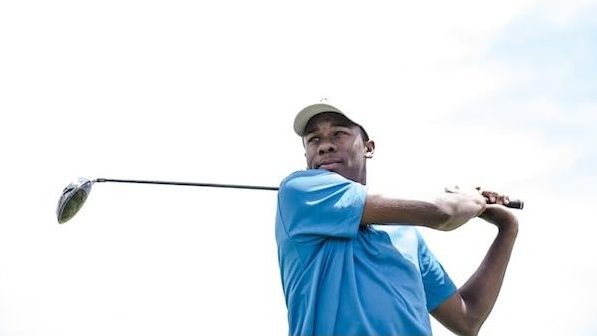
man swinging golf club

What Can We Expect?

Golf is changing faster than ever before. With the global golf simulator market reaching $1.74 billion in 2025 and projected to nearly double by 2033, technology is opening the door to a whole new generation of players. 

As rising stars like Sydney Grimes gain visibility and new leagues continue to build momentum, golf is steadily moving beyond its traditional roots.

Looking ahead, we can expect even more creativity, deeper engagement from younger audiences, and continued growth in off-course experiences through simulators and other types of immersive digital technology.

The Sportswashing Debate: Unpacking Saudi Arabia’s Investments

In recent years, Saudi Arabia has made headlines for its aggressive expansion into global sports and esports. Through its sovereign wealth fund, the Public Investment Fund (PIF), the Kingdom has made multibillion-dollar investments in marquee properties ranging from professional golf and soccer to esports organizations and gaming platforms. 

This surge of capital reflects a broader effort to diversify Saudi Arabia’s economy and reshape its global image, a strategy both praised for its ambition and criticized as a form of “sportswashing.”

Quick Highlights

  • Saudi Arabia’s PIF is now valued at over $925 billion, making it one of the largest sovereign wealth funds in the world.
  • LIV Golf, backed by Saudi funding, has received nearly $5 billion since launching in 2022 and merged with the PGA Tour in 2023.
  • Cristiano Ronaldo signed with Saudi Arabia’s Al Nassr in 2023 for a contract reportedly worth up to $200 million per year.
  • PIF subsidiary Savvy Games Group has pledged $38 billion toward gaming and esports industry development.
  • Saudi Arabia secured hosting rights for the 2034 FIFA World Cup, further cementing its global ambitions in sport in addition to its permanent inclusion in the Formula 1 calendar since 2021.
monument in riyadh where saudi arabia is accused of sportswashing

The Strategic Context: “Vision 2030”

Saudi Arabia’s sweeping investment in sports and entertainment is directly tied to its Vision 2030 initiative, a comprehensive strategy to diversify the country’s economy and reduce its dependence on oil revenue. 

Sports and esports are front and center in this push, seen as vehicles for soft power, tourism, and youth engagement. Beyond international perception, the focus is domestic: building arenas, attracting events, and creating jobs across media, infrastructure, and tech. 

By acquiring global sports properties and locking in high-profile partnerships, Saudi Arabia is securing both economic return and cultural influence in sectors that increasingly shape global conversation.

The Scope of Saudi Investment in Traditional Sports Properties

Saudi Arabia has dramatically expanded its presence in global sports through the PIF, which now holds assets estimated at over $925 billion. One of its most high-profile moves came with the launch of LIV Golf in 2022, which has received nearly $5 billion in funding and disrupted the global golf ecosystem, eventually leading to a merger with the PGA Tour

In soccer, the Saudi Pro League has invested heavily in international talent, signing stars like Cristiano Ronaldo to contracts reportedly worth up to $200 million annually. The PIF has also taken majority control of four domestic clubs and is backing the country’s efforts to host global events like the 2034 FIFA World Cup.

Additional investments have gone toward hosting major events in Formula 1 and heavyweight boxing, including title fights featuring Tyson Fury and Anthony Joshua.

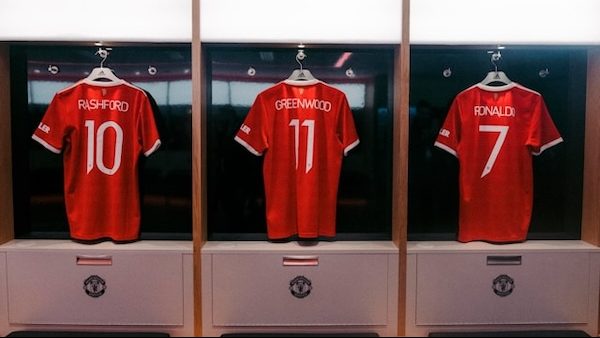
ronaldo jersey in locker room

The Esports Expansion

Saudi Arabia has also made substantial inroads in esports, aligning with national goals to grow its digital sector and connect with younger audiences. In 2022, the PIF launched Savvy Games Group and pledged $38 billion toward gaming and esports. Key acquisitions like ESL and FACEIT, which merged into ESL FACEIT Group, help position the Kingdom as a rising force in global competitive gaming.

In 2023, Savvy Games also expanded into mobile gaming with its $4.9 billion acquisition of Scopely, one of the largest deals in the sector’s history. The Kingdom has become an active host of global esports events, with the Gamers8 festival in Riyadh offering a record-setting $45 million prize pool in 2023 and drawing top-tier teams and fans worldwide. 

These efforts are anchored in Saudi Arabia’s National Gaming and Esports Strategy, which forms part of its broader Vision 2030 framework and aims to generate 39,000 jobs in the esports sector by the end of the decade. 

With over 3 billion active video game players worldwide, the gaming industry continues to grow at a breathtaking pace. Saudi investment in esports seeks to capitalize off of this trend.

Criticism and the “Sportswashing” Debate

Despite its economic ambition, Saudi Arabia’s surge in global sports investment has drawn sustained criticism from human rights groups and media organizations who argue the efforts represent a form of “sportswashing”: using high-profile events to distract from its poor record on free speech, gender equality, and press freedom. 

The murder of journalist Jamal Khashoggi and the imprisonment of dissenters remain prominent concerns for critics of Saudi policy. Organizations such as Amnesty International and Human Rights Watch have warned that major sports tournaments and celebrity endorsements risk obscuring these issues. 

Some athletes, such as Tiger Woods and Phil Mickelson, have faced scrutiny over their involvement with LIV Golf, while brands and broadcasters working with Saudi-backed entities must navigate the reputational risks associated with aligning with an authoritarian state. 

As these investments grow, the global sports community continues to grapple with ethical questions surrounding legitimacy, complicity, and the appropriate boundaries of partnership.

esports in saudi arabia

Influence vs. Ideology

Despite criticism, Saudi investment has already reshaped key areas of global sports and esports. For many organizations like the PGA Tour and Gamers8, the scale and stability it offers outweigh ideological concerns—especially in fast-growing, underfunded sectors. With deep financial resources and defined national goals, Saudi Arabia shows no sign of slowing down.

The confirmed 2034 FIFA World Cup will mark a major milestone for the Kingdom, providing a global stage to showcase its transformation. Continued acquisitions and world-class events such as Gamers8 are likely to deepen its influence in esports.

At the same time, scrutiny over Saudi Arabia’s human rights record has raised concerns. Human Rights Watch calls its strategy “an effort to sportswash its appalling human rights record,” while other critics cite ongoing restrictions on free expression. 

Saudi officials, however, position sports investment as a pillar of transformation. “We are delivering a future that is brighter for our youth,” said Sports Minister Prince Abdulaziz bin Turki Al-Faisal. That tension between ethics and opportunity is likely to shape the Kingdom’s next chapter.

In the coming years, how that tension plays out will ultimately determine Saudi Arabia’s future on the global sporting stage.

Become a Sponsor.

Join us in making a difference. Tell us a bit about yourself and we’ll be in touch with sponsorship details.

By submitting this form, you agree to be contacted by the Athelo Group team regarding sponsorship opportunities.