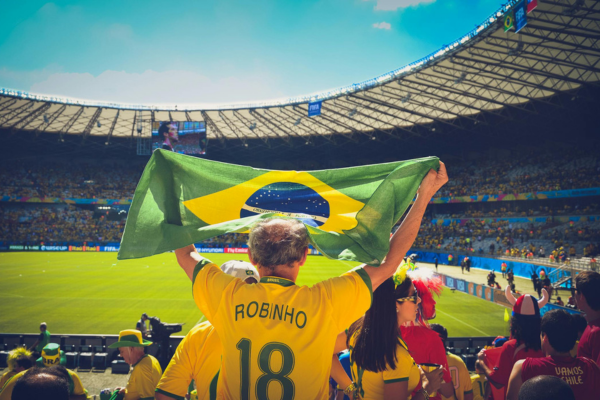
Is the 2026 World Cup America’s Biggest Sports Entertainment Event Ever?

The United States has hosted iconic sporting events before. But the 2026 FIFA World Cup may just become the largest sports entertainment moment the country has ever seen. 

The era of evaluating major sports tournaments purely by tickets and linear TV ratings is officially over. Today’s entertainment landscape is driven by decentralized digital content, creator networks, and multi-industry lifestyle integration. Success is no longer measured by crowning a champion on the pitch. It is about orchestrating a complete cultural takeover that commands the global conversation. 

This shifts the landscape into uncharted territory for brands, agencies, and creators alike, forcing a central question: Has the U.S. ever hosted a sporting event this globally influential, commercially valuable and culturally immersive at the same time?

The reality points to a definitive change in the status quo. The upcoming tournament transcends soccer, functioning instead as a massive anchor for the international entertainment economy. 

Quick Highlights

  • Original market models predicted an astounding $30 billion baseline injected across domestic economies, challenging traditional commercial frameworks.
  • The expansive match calendar transforms standard advertising models, giving brands premium inventory that commands Super Bowl-equivalent ad value across dozens of distinct match windows over a single month.
  • In an unprecedented entertainment play, the final match introduces a historic Super Bowl-inspired musical halftime show, complemented by city opening ceremonies featuring global icons.
  • The core demographic driving soccer interest in the U.S. is heavily concentrated within Millennial and Gen Z buyers, presenting an audience primed for mobile streaming, influencer content and social commerce.
  • Traditional static advertising has taken a backseat to highly integrated partnerships featuring elite athlete-creators, high-fashion houses and live digital activations.
  • At an unparalleled scale, the tournament hosts a historic 48-team roster playing 104 matches mapped across major North American metropolitan hubs. Media metrics forecast a cumulative worldwide audience clipping past 5 billion viewers.
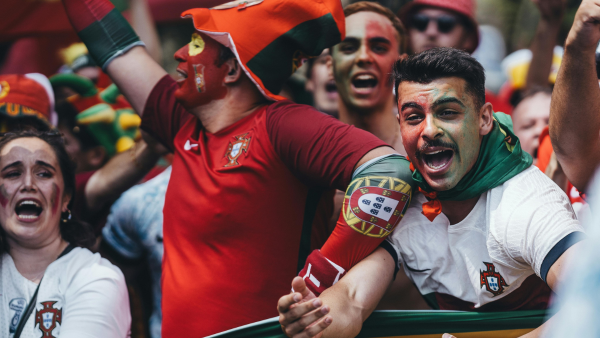
2026 World Cup

Bigger than a Game: Dismantling the Super Bowl Benchmark

To conceptualize the magnitude of what is unfolding, it is essential to measure it against the undisputed heavyweight of the American sports media landscape: the Super Bowl. 

While the NFL’s showcase remains a massive cultural force domestically, its overall infrastructure operates on an entirely different axis compared to this multi-week festival. 

The Super Bowl functions in a hyper-focused 24-hour media window, predominantly concentrated in U.S. markets. The World Cup emerges as a rolling, six-week international festival that transports multi-national viewer networks. The Super Bowl is centered around North American football culture, built as a premium television broadcast asset. The World Cup, however, serves as a fluid integration of global style, music, lifestyle and is distributed as a live, experiential urban takeover. 

The baseline differentiator is clear: the World Cup isn’t just watched – it’s lived. A standard Super Bowl weekend dominates the public consciousness for a brief 48 hours. This tournament maintains that peak level of cultural engagement for well over a month. The sheer volume of matches completely reconfigures local commercial spaces, digital platforms, and hospitality sectors. 

For the duration of the tournament, host cities morph into decentralized fan ecosystems. From packed, city-wide fan zones to multi-million dollar experiential brand pop-ups, the event operates as a continuous, self-sustaining economy. 

If the Super Bowl represents a highly polished piece of legacy television, the World Cup is a dynamic, living marketplace.

The Olympics Comparison – One Unified Obsession

The other natural point of comparison is the Olympic Games. While the Olympics provide an incredible anthology of athletic disciplines, the structure naturally scatters the consumer’s attention span. On any given night, media consumers are fragmented across gymnastics, swimming, track or other niche events. 

The World Cup removes that friction by generating one unified global obsession.  It combines the scale of the Olympics with the emotional intensity of the Super Bowl. 

The deep cultural ties tied to national soccer teams unlock an intense level of daily, recurring drama. The entire event thrives on historic, deeply rooted international rivalries that unfold over consecutive weeks. It feeds a non-stop loop of social media virality. 

Because matches are strategically spaced across a broader calendar window, a singular, cohesive storyline captivates the global public. This gives brands an uninterrupted, highly concentrated audience that the fragmented nature of the Olympics simply cannot deliver. 

Entertainment Is the Real Story

The convergence is precisely where lifestyle marketing and modern agency strategy uncover their greatest opportunities. In the current media landscape, elite sports cannot be separated from music, fashion and digital trends. Recognizing this shift, organizers have given the tournament a complete pop-culture evolution. 

Breaking long-standing tradition, the final match is taking a page straight from the American entertainment playbook. They are hosting a massive halftime show co-headlined by Madonna, Shakira and BTS at New York New Jersey Stadium. Additionally, the opening ceremonies are built to function as full-scale music festivals spanning North America, featuring global chart-toppers like J Balvin, Katy Perry and LISA. 

The lifestyle integration stretches far beyond stadium stages. The explosion of “blokecore” and vintage soccer aesthetics has pushed team jerseys off the training pitch and straight onto luxury runways. Streetwear brands and high-fashion houses are leveraging the match calendar as the premier seasonal retail collection window. 

Major markets like Miami, Los Angeles and Atlanta are evolving past their roles as tournament hosts to become cultural laboratories. Brands and social platforms are installing creator-led content studios directly into urban cores to capture real-time, short-form storytelling.  

Unleashing a Borderless Commercial Ecosystem 

Historically, American sports entertainment required a choice:

  1. You could have the hyper-localized cultural immersion of a home-team playoff run.
  2. Or, you could have the broad, passive global reach of an Olympic broadcast. 

The 2026 World Cup is the first event in history to fuse both into a single, borderless commercial ecosystem. It achieves the ultimate media trifecta. 

The World Cup imports the entire world into the domestic infrastructure. For six weeks, major U.S. cities aren’t just broadcasting to the globe. They are being actively re-authored by international fan bases. This creates a multi-directional exchange of influence that no domestic league can replicate. 

Legacy U.S. mega-events rely on a centralized financial model. The 2026 World Cup shifts the commercial playground entirely.

Because the 104-match format is decentralized across real-time digital streaming, localized creator hubs, and social commerce, it unlocks a multi-tiered marketplace. Brands aren’t just buying ad space. They are embedding themselves into a rolling, data-driven digital economy. 

While past events have treated entertainment as a peripheral add-on, like a concert outside a stadium, the World Cup creates an environment where sports and lifestyle are natively indistinguishable. We are seeing cross-industry collisions where fashion houses design the match-day subculture, musicians drive the digital pre-game narratives, and internet subcultures dictate real-time fan engagement. 

The U.S. has simply never hosted a sports property capable of moving the economics and cultural needles on so many fronts simultaneously. The 2026 World Cup fundamentally redefines how human capital, corporate dollars and digital media converge on a global scale. 
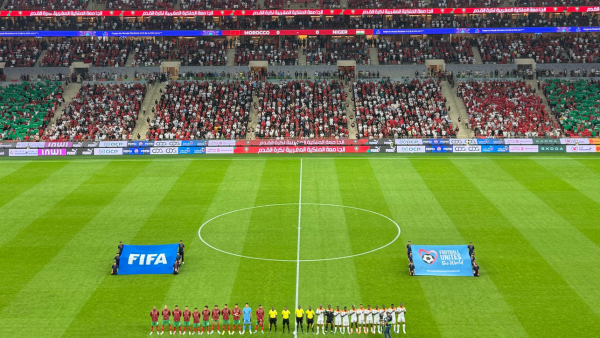
2026 World Cup

The Tournament Paradox: Where Expectations Meet Reality 

While the cultural impact of the tournament remains undeniable, an interesting counter-narrative is emerging from the hospitality and local business sectors.

Has the corporate windfall of the World Cup been massively oversold? 

Just weeks before kickoff, data from American Hotel & Lodging Association (AHLA) revealed a staggering reality check. 80% of surveyed hoteliers reported that World Cup room bookings are tracking significantly below initial forecasts.

In major tier-1 markets like Los Angeles, San Francisco and Dallas, hotel executives are openly calling early numbers a bust. Occupancy in some regions ARE actually tracking below a typical non-sporting summer. 

Early optimism was heavily inflated because FIFA overcommitted and locked down massive blocks of local hotel inventory. Months before the games, FIFA quietly executed material room block releases. Some markets saw up to 70-95% of their contracted inventory suddenly vanish back onto the open market. 

Geopolitical tensions, steep ticket prices, and unexpected bottlenecks in the U.S. travel visa vetting process have severely throttled the wave of high-spending international tourists that host cities prepared for. Instead, the audience is pacing to be overwhelmingly domestic. 

Traditional summer tourists, terrified of hyper-inflated room rates and severe city congestion, are actively avoiding host markets. Modern soccer fans aren’t staying for weeks. Tracking data shows the average attendee books brief, one-to-two night stays centered strictly around match day. 

The traditional “build a stadium and they will buy hotel rooms” playbook is broken. The value of the 2026 World Cup isn’t a traditional brick-and-mortar tourism boom; it is entirely digital, experiential and cultural.

The New Map of Influence

We are witnessing a structural evolution in how global entertainment is produced and consumed. 

The 2026 World Cup has officially broken the mold. They are proving that sports can no longer exist in a silo separate from music, fashion and digital creator networks. 

By transforming a sports tournament into an immersive, multi-city entertainment ecosystem, this event has set a new benchmark for global brand building. The finish line for the brands and creators participating this summer isn’t about surviving a high-profile weekend; it’s about cementing a permanent footprint in global pop culture.

The map of entertainment influence is being redrawn in real-time, and culture is the driving force. 

FAQ:

  1. Has the U.S. ever hosted an event of this scale before? While the U.S. hosted the 1994 World Cup and multiple Olympic Games, the 2026 tournament is fundamentally different. With an expanded 48-team format, a 104-match schedule, and an entertainment infrastructure deeply integrated with streaming and social media platforms, the scale of global culture and digital immersion is entirely unprecedented. 
  2. How does the World Cup benefit lifestyle brands not traditionally connected with soccer? Because soccer culture has deeply penetrated luxury fashion, streetwear and music, the World Cup serves as a massive lifestyle platform. Brands are utilizing high-profile clothing drops, localized creator studios and major concert events to tap into a highly engaged, global audience that views the tournament as a broader cultural festival. 
  3. If hotel bookings are lagging, does that mean the event is failing commercially? Not necessarily. It indicates a massive shift in consumer behavior. The commercial success of the 2026 games is shifting away from traditional lodging and toward short-term rentals (which are up over 50% in markets like Houston) and digital/experiential brand activations. The economic energy is moving to the creator economy rather than traditional hospitality infrastructure.
  4. Why is the 2026 final incorporating a Super Bowl-style halftime show? FIFA is explicitly embracing an entertainment-driven model to maximize global pop-culture reach. By featuring icons like Madonna, Shakira and BTS, organizers are intentionally blurring the lines between elite sports and global entertainment spectacles to capture non-traditional sports viewers. 

Fertility Care in Women’s Sports: How Athletes Balance Family

Women’s sports are entering a pivotal phase, one where athletes are no longer expected to sacrifice personal milestones, like starting a family, to maintain competitive status. Fertility care and motherhood, once largely invisible in the world of elite competition, are now being recognized and supported by some of the world’s most prominent leagues and clubs.

From tennis to soccer, organizations are taking bold steps to support female athletes holistically by offering fertility protection, parental leave, and medical benefits. This shift is not just reshaping sports culture but creating a meaningful opportunity for brands to connect authentically with fans.

Quick Highlights

  • In 2025, the WTA introduced a groundbreaking policy allowing players to retain ranking protection during fertility-related absences, an expansion of its previous maternity rule.
  • Multiple NWSL players have received fertility treatment support, including hormone therapy coverage and time off for egg retrieval.
  • Racing Louisville FC partnered with Kindbody in 2021 to offer fertility preservation services to all players, believed to be a first-of-its-kind deal in pro sports.
  • Veteran WNBA players are eligible for a $60,000 reimbursement for adoption, fertility treatments, and surrogacy costs.
  • The LGPA has removed the 10-game limitation for golfers on maternity leave to enhance player autonomy.
  • FIFA mandates 14 weeks of paid maternity leave for all female footballers under its governance as well as 8 weeks paid leave for those who adopt a child under the age of 2.
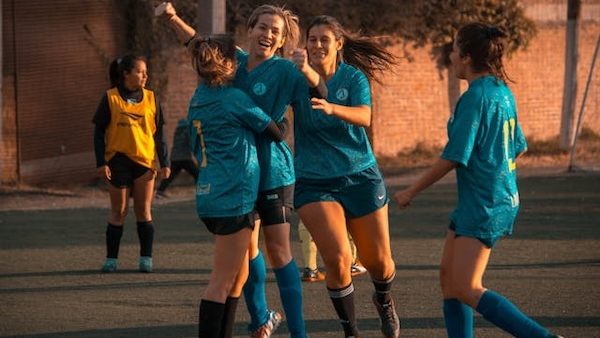
female athletes cheering on soccer field

The Overdue Recognition of Fertility Care in Sports

Fertility care has long been overlooked in elite athletics, despite its critical role in female health.

Treatments like egg freezing and in vitro fertilization (IVF) are physically demanding and time-sensitive, often clashing with an athlete’s competition schedule. Olympic bobsledder Kaillie Humphries opened up about her struggle to balance the IVF process while still maintaining her training regimen. Humphries navigated the hardships of ovary stimulation, egg retrieval, and more while actively gearing up for the Olympics. 

Until recently, female athletes risked losing their rankings, contracts, or roster spots simply for prioritizing reproductive health. In a recent study by Cofertility spanning hundreds of female athletes, 70% of participants revealed they have postponed having children due to their careers. An even greater percentage expressed concerns that having children could negatively impact their earning potential and long-term career opportunities. 

New policies from organizations like the WTA and NWSL are finally acknowledging that reproductive health is essential in empowering female athletes and advancing the game.

Redefining Athlete Support: The WTA’s Historic Maternity Initiative

In a groundbreaking move, the Women’s Tennis Association (WTA) and Saudi Arabia’s Public Investment Fund (PIF) have introduced the PIF WTA Maternity Fund Program, marking the first time in women’s sports history that comprehensive maternity benefits are available to independent, self-employed athletes.

This pioneering initiative provides eligible WTA players with up to 12 months of paid maternity leave, grants for fertility treatments, including egg and embryo freezing and IVF, and two months of paid parental leave for those becoming parents through adoption, surrogacy, or partner pregnancy.

To build on this support, the WTA followed up these provisions with a new policy to protect player rankings while they are away for fertility reasons. 

The program is a significant step forward in supporting female athletes, offering financial stability and flexibility to balance professional careers with family life. It empowers players to make personal decisions without the fear of jeopardizing their careers, setting a new standard for athlete support in women’s sports. 

These initiatives also highlight the importance of partnerships in driving positive change.

While the collaboration with PIF has faced scrutiny due to concerns over Saudi Arabia’s human rights record, both the WTA and PIF emphasize the transformative potential of the program in creating a more inclusive environment where athletes can thrive both professionally and personally.

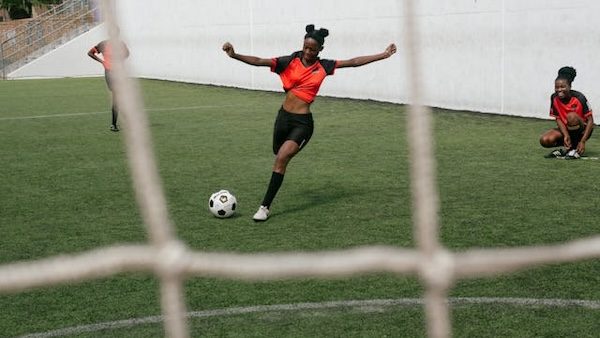
female athlete kicking soccer ball

Changing the Game: Fertility and Family Support in Women’s Soccer

In recent years, the NWSL has emerged as a leader in redefining what athlete wellness looks like through fertility, pregnancy, and motherhood support.

In 2021, the NWSL Players Association ratified its first collective bargaining agreement (CBA), which included comprehensive paid parental leave, adoption support, and guaranteed housing for players with children.

A new CBA executed last year expands on those rights. It states that if a player’s contract expires during her pregnancy, her team must invite her back to give her a chance to earn her spot again. 

Since then, several clubs have gone even further. Racing Louisville FC, for instance, became the first team in professional sports to partner with a fertility care provider, offering players access to egg freezing and fertility preservation through Kindbody, a groundbreaking move that acknowledged the very real-time pressure female athletes face when it comes to reproductive choices.

But the NWSL has not yet standardized fertility support. In some cases, NWSL reimburses players for hormone therapies or provides time off for egg retrievals, however access varies depending on club policies and individual insurance plans. This uneven landscape highlights both the progress made and the work still ahead.

For Brands, Purpose Drives Connection

Consumers today, especially Gen Z and millennial women, expect brands to stand for something. Companies that back fertility access, parental support, and gender equity in sports are setting the tone for modern advocacy.

Take WHOOP, for example. The wearable tech brand invested in extensive research to launch its Menstrual Cycle Coaching feature, helping female users better understand their physiology. It’s a move that signals real investment in women’s health, not just performance.

This kind of purpose-driven work also delivers returns. A recent study found that fans of women’s sports are 2.8 times more likely to buy products endorsed by female athletes. These endorsements land with more impact because women athletes are seen as 7 points more trustworthy than their male counterparts, largely due to their authenticity.

That authenticity deepens when brands support athletes holistically, honoring the entirety of their lives, including family planning.

The most successful brand campaigns in women’s sports have tapped into that message. Nike’s revision of its maternity policy following public criticism from Allyson Felix not only repaired its reputation, it deepened its connection with women worldwide. Likewise, brands that support fertility care in leagues like the NWSL or WTA have the opportunity to lead with empathy and true action.

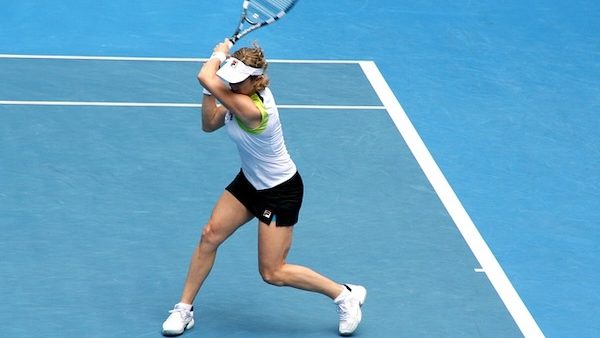
female tennis player swinging racket

A Smarter Model for Athlete Development

Maternity leave and fertility care aren’t “extras,” they’re essentials.

For too long, elite sports treated these aspects of health and life as optional or even burdensome. But as more female athletes speak openly about fertility struggles, pregnancy, and parenting, it’s becoming clear: these experiences are not interruptions to a career, they’re part of it.

By embedding fertility and parental support into athlete wellness strategies, leagues are safeguarding careers from being cut short by life events that disproportionately impact women. This matters especially in sports where peak performance years often overlap with the limited window for starting a family.

Athletes who feel supported holistically—physically, emotionally, and financially—are more likely to stay in the game longer, transition into coaching or leadership roles, and give back to the ecosystem that empowered them. This creates a virtuous cycle of mentorship, visibility, and institutional knowledge that elevates the entire sport.

Investing in the Whole Athlete

Athelo Group is helping drive that shift by empowering its female athletes with the resources and brand alignment needed to allow them to navigate their personal lives without compromising their professional goals. 

Investing in athletes as whole people extends beyond sport. It sends a cultural message that women in any high-performance field shouldn’t have to compartmentalize or delay motherhood in order to be taken seriously. Leagues that prioritize fertility care are modeling what inclusive, future-ready leadership actually looks like.

How a Brand Partnership Can Transform the Sport

When we talk about brand partnerships in sports, the conversation usually centers on what brands get out of the deal— exposure, cultural relevance, maybe a boost in sales. But here’s what we’re missing: the best partnerships don’t just benefit the sponsor. They fundamentally transform the sports property itself.

The most successful collaborations go far beyond writing a check and slapping a logo on a jersey. They turn teams, leagues, and events into cultural phenomena that transcend sports entirely, breaking into fashion, music, technology, and art in ways that seemed impossible just a few years ago.

Quick Highlights:

  • PSG x Jordan Brand elevated the club into a global fashion icon, selling over 1 million jerseys and driving commercial revenue over $450 million.
  • Formula 1 and LVMH inked a 10-year, $1 billion partnership set to redefine F1 as a luxury lifestyle brand, attracting younger and more diverse audiences.
  • Como 1907 x Uber’s multi-year partnership signals the club’s ambition to build international credibility and align with a globally recognized brand.
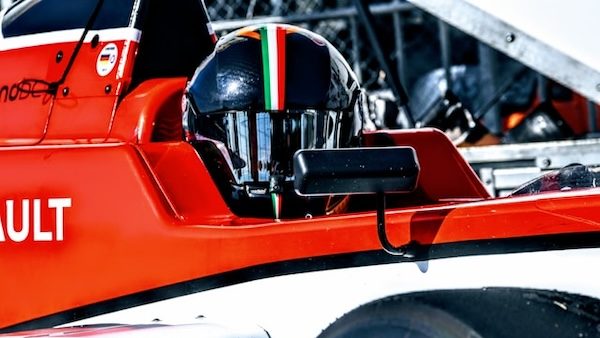
f1 driver with brand partner logo

PSG x Jordan Brand: When Football Meets Streetwear Culture

Let’s start with what one of the most game-changing brand partnerships in modern sports marketing: Paris Saint-Germain and Jordan Brand. PSG had been with Nike since 1989, but everything changed when they launched their Jordan collaboration in 2018.

Before Qatar Sports Investments acquired PSG in 2011, the club was barely a blip on the international radar. But instead of just throwing money at big-name players, PSG’s leadership took a different approach. They positioned the club as more than a football team; they made it a lifestyle brand that embodied Parisian culture, complete with streetwear aesthetics, music collaborations, and high-fashion sensibilities.

The results speak for themselves: PSG sold over 1 million Jordan-branded jerseys in the first year alone, suddenly attracting a younger, style-conscious audience across the U.S. and Asia who might never have cared about Ligue 1 football.

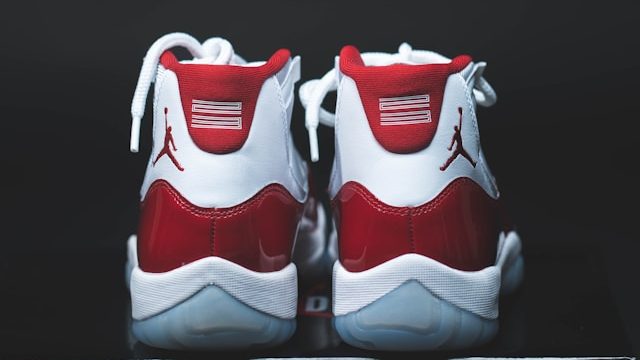
air jordan shoes

The numbers tell the story of this transformation:

  • In 2017-18, PSG’s revenue was around $544 million.
  • By 2023-24, they’d crossed $907 million, making them the third highest-earning football club globally.
  • Their commercial revenue jumped from $337 million in 2016 to over $453 million by 2023.
  • Their current Nike deal is worth $90 million annually through 2032, now one of the most lucrative in football.
  • The club has over 160 million followers on social media, ranked 4th most of all football clubs in the world.  

What started as a three-year partnership became a cultural phenomenon that redefined what a football club could be.

Formula One x LVMH: Racing Meets Luxury

Formula One’s 2025 partnership with LVMH represents another seismic shift in sports branding. This 10-year, $1 billion agreement aims to completely reimagine how fashion and luxury influence F1’s cultural identity. 

While F1 had always flirted with luxury through partnerships like Rolex, the LVMH deal brings brands like Louis Vuitton, TAG Heuer, and MoĂ«t & Chandon into every aspect of race weekends. We’re talking bespoke trophy trunks, luxury champagne celebrations, and limited-edition timepieces that turn each Grand Prix into a premium lifestyle experience.

This strategy aligns perfectly with F1’s broader ambitions. The sport has successfully attracted celebrities, fashion icons, and lifestyle media coverage, especially at glamorous venues like Monaco and Miami. Today, over 40% of F1’s global audience is under 35, with a rapidly growing female fanbase, demographics that traditional motorsports struggled to reach for decades.

monaco grand prix

Como 1907 x Uber: The Underdog’s Bold Play

At first glance, Como 1907’s jersey sponsorship with Uber might seem like an odd choice, especially given that Uber’s ride-hailing services are technically restricted in Italy. But the move reflects a smart, forward-thinking strategy.

Newly promoted to Serie A after 21 years, Como isn’t trying to match legacy clubs like Juventus or AC Milan on traditional football terms. Backed by the Indonesian Djarum Group, with Cesc Fàbregas as minority owner and head coach and Thierry Henry as a shareholder, the club is building something more ambitious. Como is positioning itself as a global lifestyle brand.

With its lakeside stadium and postcard-worthy setting in Lombardia, Como has leaned into its unique identity. The Uber partnership signals international intent, offering global recognition and brand alignment well beyond Italian borders.

The club has doubled down on this vision by partnering with L.A.-based luxury fashion label Rhude. In October 2024, Rhude founder Rhuigi Villaseñor was named Como’s Chief Brand Officer, tasked with overseeing creative direction and brand strategy across lifestyle and consumer ventures. The goal: elevate Como from provincial team to cultural icon.

The strategy is working. By the end of the 2024–25 Serie A season, Como ranked 9th in the league for Instagram followers (750,000)—despite being its newest club. Their focus on fashion, culture, and hospitality is clearly resonating, particularly with American fans looking for something beyond the usual football giants.

lake como, italy

The Future of Sports Partnerships

These examples point to a fundamental shift in how we should think about sports sponsorships. The most successful partnerships create mutual value benefiting the brand while also elevating the sports property into entirely new cultural territories.

At Athelo Group, we see this firsthand. Whether it’s pairing an adaptive athlete with a healthcare brand or aligning a lifestyle-focused lacrosse player with a fashion-forward supplement company, our goal is to build partnerships that support the athlete’s image and community. 

When executed thoughtfully, these collaborations can dramatically increase a property’s revenue, relevance, and cultural footprint. More importantly, they help sports properties tap into markets and communities they never could have reached through traditional means.

The lesson for sports properties is clear: stop thinking of sponsorships as just revenue streams. Start thinking of them as opportunities to redefine who you are and who you can become.

The Sportswashing Debate: Unpacking Saudi Arabia’s Investments

In recent years, Saudi Arabia has made headlines for its aggressive expansion into global sports and esports. Through its sovereign wealth fund, the Public Investment Fund (PIF), the Kingdom has made multibillion-dollar investments in marquee properties ranging from professional golf and soccer to esports organizations and gaming platforms. 

This surge of capital reflects a broader effort to diversify Saudi Arabia’s economy and reshape its global image, a strategy both praised for its ambition and criticized as a form of “sportswashing.”

Quick Highlights

  • Saudi Arabia’s PIF is now valued at over $925 billion, making it one of the largest sovereign wealth funds in the world.
  • LIV Golf, backed by Saudi funding, has received nearly $5 billion since launching in 2022 and merged with the PGA Tour in 2023.
  • Cristiano Ronaldo signed with Saudi Arabia’s Al Nassr in 2023 for a contract reportedly worth up to $200 million per year.
  • PIF subsidiary Savvy Games Group has pledged $38 billion toward gaming and esports industry development.
  • Saudi Arabia secured hosting rights for the 2034 FIFA World Cup, further cementing its global ambitions in sport in addition to its permanent inclusion in the Formula 1 calendar since 2021.
monument in riyadh where saudi arabia is accused of sportswashing

The Strategic Context: “Vision 2030”

Saudi Arabia’s sweeping investment in sports and entertainment is directly tied to its Vision 2030 initiative, a comprehensive strategy to diversify the country’s economy and reduce its dependence on oil revenue. 

Sports and esports are front and center in this push, seen as vehicles for soft power, tourism, and youth engagement. Beyond international perception, the focus is domestic: building arenas, attracting events, and creating jobs across media, infrastructure, and tech. 

By acquiring global sports properties and locking in high-profile partnerships, Saudi Arabia is securing both economic return and cultural influence in sectors that increasingly shape global conversation.

The Scope of Saudi Investment in Traditional Sports Properties

Saudi Arabia has dramatically expanded its presence in global sports through the PIF, which now holds assets estimated at over $925 billion. One of its most high-profile moves came with the launch of LIV Golf in 2022, which has received nearly $5 billion in funding and disrupted the global golf ecosystem, eventually leading to a merger with the PGA Tour

In soccer, the Saudi Pro League has invested heavily in international talent, signing stars like Cristiano Ronaldo to contracts reportedly worth up to $200 million annually. The PIF has also taken majority control of four domestic clubs and is backing the country’s efforts to host global events like the 2034 FIFA World Cup.

Additional investments have gone toward hosting major events in Formula 1 and heavyweight boxing, including title fights featuring Tyson Fury and Anthony Joshua.

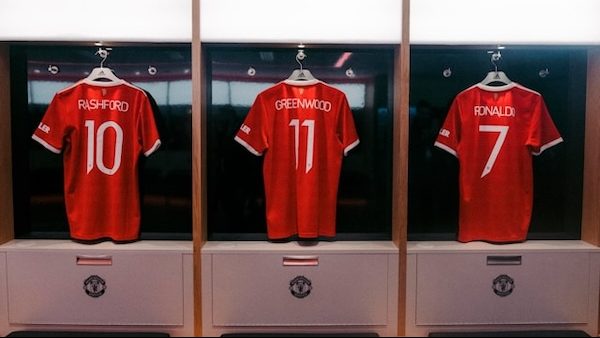
ronaldo jersey in locker room

The Esports Expansion

Saudi Arabia has also made substantial inroads in esports, aligning with national goals to grow its digital sector and connect with younger audiences. In 2022, the PIF launched Savvy Games Group and pledged $38 billion toward gaming and esports. Key acquisitions like ESL and FACEIT, which merged into ESL FACEIT Group, help position the Kingdom as a rising force in global competitive gaming.

In 2023, Savvy Games also expanded into mobile gaming with its $4.9 billion acquisition of Scopely, one of the largest deals in the sector’s history. The Kingdom has become an active host of global esports events, with the Gamers8 festival in Riyadh offering a record-setting $45 million prize pool in 2023 and drawing top-tier teams and fans worldwide. 

These efforts are anchored in Saudi Arabia’s National Gaming and Esports Strategy, which forms part of its broader Vision 2030 framework and aims to generate 39,000 jobs in the esports sector by the end of the decade. 

With over 3 billion active video game players worldwide, the gaming industry continues to grow at a breathtaking pace. Saudi investment in esports seeks to capitalize off of this trend.

Criticism and the “Sportswashing” Debate

Despite its economic ambition, Saudi Arabia’s surge in global sports investment has drawn sustained criticism from human rights groups and media organizations who argue the efforts represent a form of “sportswashing”: using high-profile events to distract from its poor record on free speech, gender equality, and press freedom. 

The murder of journalist Jamal Khashoggi and the imprisonment of dissenters remain prominent concerns for critics of Saudi policy. Organizations such as Amnesty International and Human Rights Watch have warned that major sports tournaments and celebrity endorsements risk obscuring these issues. 

Some athletes, such as Tiger Woods and Phil Mickelson, have faced scrutiny over their involvement with LIV Golf, while brands and broadcasters working with Saudi-backed entities must navigate the reputational risks associated with aligning with an authoritarian state. 

As these investments grow, the global sports community continues to grapple with ethical questions surrounding legitimacy, complicity, and the appropriate boundaries of partnership.

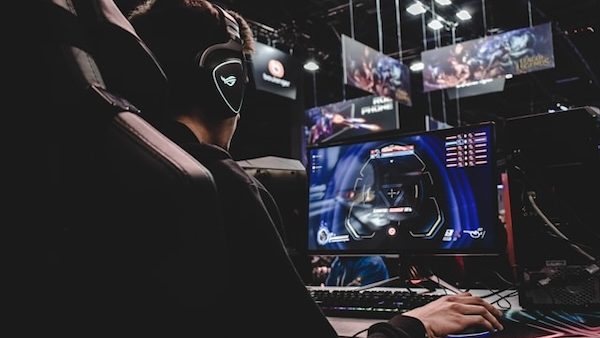
esports in saudi arabia

Influence vs. Ideology

Despite criticism, Saudi investment has already reshaped key areas of global sports and esports. For many organizations like the PGA Tour and Gamers8, the scale and stability it offers outweigh ideological concerns—especially in fast-growing, underfunded sectors. With deep financial resources and defined national goals, Saudi Arabia shows no sign of slowing down.

The confirmed 2034 FIFA World Cup will mark a major milestone for the Kingdom, providing a global stage to showcase its transformation. Continued acquisitions and world-class events such as Gamers8 are likely to deepen its influence in esports.

At the same time, scrutiny over Saudi Arabia’s human rights record has raised concerns. Human Rights Watch calls its strategy “an effort to sportswash its appalling human rights record,” while other critics cite ongoing restrictions on free expression. 

Saudi officials, however, position sports investment as a pillar of transformation. “We are delivering a future that is brighter for our youth,” said Sports Minister Prince Abdulaziz bin Turki Al-Faisal. That tension between ethics and opportunity is likely to shape the Kingdom’s next chapter.

In the coming years, how that tension plays out will ultimately determine Saudi Arabia’s future on the global sporting stage.

Money Talks: Gen Z Sparks Sustainability in Sports

As sustainability in sports becomes a growing priority for consumers, English football clubs are beginning to feel the pressure to adopt eco-friendly practices. This demand is being driven largely by Generation Z, a generation that is redefining how businesses approach environmental responsibility.

Gen Z, born between 1995 and 2010, is the first generation to grow up fully connected in the digital world. They’re using their collective power to encourage change, especially when it comes to the environment. By 2030, Gen Z’s combined income is expected to reach $33 trillion, surpassing the millennials that came before them.

What’s important is that 73% of Gen Z is willing to spend more on sustainable products, and three-quarters of them care more about a product’s sustainability than its brand. This shift is hard to ignore, and sports clubs, including those in English football, are starting to take action to meet this demand.

Quick Highlights

  • Gen Z will control a quarter of global income by 2030. 75% are more concerned about product sustainability than the brand.
  • Sports clubs like the English Premier League are working on sustainability but lack ambitious, verified commitments. Fans are demanding more action.
  • The league introduced their Environmental Sustainability Commitment, including emission tracking and senior leadership accountability, aiming for long-term change.
  • MLS Clubs collectively diverted more than 61 tons of food to donation programs.
  • Food diversion efforts reduced about 146 tons of CO2 emissions.
  • FIFA faced backlash over misleading carbon neutrality claims for the 2022 World Cup, raising concerns about greenwashing in sports.

How Clubs are Taking Action

English football is a great example of how fans are pushing for more focus on sustainability. 64% of fans believe football clubs and sponsors should prioritize sustainability, and even more think governing bodies should consider the climate impact of player travel when scheduling matches.

Younger fans are twice as likely to consider the environmental impact of sports compared to those over 55. However, they’re less likely to demand net-zero carbon emissions within the next decade. This suggests younger generations prefer “realistic” emission reductions over ambitious goals that clubs and companies often set for publicity but fail to meet.

Recent data paints a mixed picture of Premier League clubs’ sustainability efforts. While many highlight their initiatives on dedicated sustainability pages, only a few have set ambitious net-zero targets or earned third-party recognition for their environmental work.

Some clubs have adopted tangible measures like on-site clean energy or sustainable transport policies. Despite this, many clubs are engaging with sustainability in principle but lack commitment to comprehensive, externally verified strategies. 

The Environmental Sustainability Commitment

In 2024, the Premier League rolled out the Environmental Sustainability Commitment, setting clear expectations for all clubs. 

By the end of the 2024/25 season, each club must have a solid sustainability policy in place and appoint a senior leader to take charge of these efforts. Having a senior figure leading the charge is essential for holding clubs accountable— both for fans and outside organizations.

This commitment extends beyond the 2024/25 season, setting the stage for future policies. By the 2025/26 season, clubs must develop detailed GHG emissions data covering all three scopes. They’ll also collaborate with the Premier League Sustainability Working Group to standardize tracking and create a unified action framework, driving greater accountability and lasting environmental impact.

MLS Leads the Charge for Sustainability in Sports

For Earth Day 2024, Major League Soccer launched their “One Planet Pre-Match Jerseys.” These jerseys, with the message “One Planet. One Chance,” were made from recycled materials and came in three colors representing soil, wood, and water.

Fans could buy the jerseys online or at select club retail locations, but the initiative didn’t stop there. MLS also partnered with local charities and food organizations, working together on environmentally-friendly projects to benefit communities. Clubs distributed leftover meals from match days to those in need, helping to reduce food waste.

In total, MLS clubs diverted over 61 tons of food, preventing around 146 tons of CO2 emissions—roughly the same environmental impact as 467 one-way flights from San Jose to Montreal.

Holding the Sports World Accountable

When sports organizations fail to meet their sustainability goals or present misleading data, they open themselves up to significant criticism. FIFA faced backlash over its claims about the 2022 World Cup in Qatar, which it promoted as being carbon neutral. One independent researcher said, “It’s a fantasy to consider that this World Cup was carbon neutral.”

The tournament ended up producing over 3.8 megatons of CO2, far exceeding the 3.6 megatons that carbon consultancy South Pole had initially estimated. Notably, 48% of the emissions that weren’t reduced or avoided could have been offset. South Pole itself came under scrutiny after an investigation revealed they had inflated the number of carbon offsets available in Zimbabwe for profit.

In the end, the Swiss Fairness Commission ruled that FIFA could no longer claim the 2022 World Cup was CO2-neutral, following a complaint filed by Carbon Market Watch and other environmental groups.

Sustainability Goals Under Fire?

Organizations adopting sustainability goals and standards haven’t escaped criticism, especially when considering that several Premier League clubs are indirectly owned by Gulf States, whose wealth is built on fossil fuels.

Wycombe Wanderers midfielder David Wheeler expressed this frustration to BBC Sport, stating: “Waiting two and a half years for a sustainability strategy is dragging your feet. A lack of moral leadership is evident in football’s top organizations, from FIFA to the Premier League. While sustainability professionals drive progress, CEOs and board members seem to hinder positive change.”

Wheeler also called for a cap on domestic flights, accusing the league of “condoning” pre-season tours that generate “colossal amounts of emissions.” He added that football’s ever-expanding calendar is damaging both players and the environment, arguing, “You can’t have infinite growth on a finite planet.”

A Way Forward

With more voices from across the sports industry pushing for more sustainable practices, real progress will depend on bold leadership and a steadfast commitment to transparency. This is the path forward to push the sports industry into a more sustainable future and protect the planet we all call home.

New Leagues Like Unrivaled Are Shaping the Future of Pro Sports

At the start of 2025, two groundbreaking sports leagues—Unrivaled and The Kings League—have captured the attention of the media and fans. The Kings League World Cup, held January 12th, became an overnight sensation, attracting 1.5 billion impressions without the backing of traditional TV broadcasters.

Meanwhile, Unrivaled, a new 3v3 women’s basketball league, tipped off its inaugural season on January 17th, with an ambitious mission to transform the experience for WNBA players. Both leagues are making waves by addressing players’ needs, engaging new audiences, and offering fresh perspectives on sports marketing in the digital age.

Quick Highlights

  • Kings League garnered an average viewership of 700,000 per game, with a peak of 1.3 million viewers.

  • Juventus became the first professional soccer team to sponsor a Kings League team, Zebras FC.
  • Unrivaled will provide players with an average salary of $200,000 across the league and a 15% equity share in the league’s revenue.
  • Unrivaled aims to address long-standing concerns about player amenities in the WNBA, hoping to influence changes in the WNBA’s 2027 Collective Bargaining Agreement (CBA). 

The Kings League: A New Era for Soccer

The Kings League, founded by former soccer player Gerard Piqué and Spain’s top online streamer, Ibai Llanos, is turning soccer on its head. Its distinctive format and quirky rule changes set it apart from traditional soccer, drawing comparisons to LIV and TGL Golf

Played with seven-a-side teams, the matches are 40 minutes long, divided into two 20-minute halves. Before each match, teams pick from a set of “golden cards” that offer various in-game advantages, like granting a penalty or removing an opposing player. These innovative twists have been a hit, drawing an average of 700,000 viewers per game, with peaks hitting 1.3 million.

The Kings League blends soccer with entertainment, appealing to Gen Z and Gen Alpha audiences on platforms like TikTok, YouTube, and Twitch. While it’s not a direct competitor to traditional soccer, the Kings League offers a fresh, entertaining experience that draws in a younger, digitally-native fanbase. In fact, some of the biggest names in soccer, including Javier “Chicharito” Hernández and Sergio Agüero, have joined the competition to generate cross-generational appeal.

Emerging Partnerships

Professional soccer teams are taking notice of this rapidly growing league. Juventus, Italy’s powerhouse club, made history by sponsoring Zebras FC, becoming the first professional team to sponsor a Kings League team. The team will compete in the debut season of the Italian Kings League this upcoming year. 

Through the partnership, Zebras FC gains access to Juventus’ exclusive training facilities and content creation labs, offering unique opportunities for fan engagement and media exposure. This kicks off a trend of professional clubs teaming up with leagues like the Kings League to win over young, affluent fans without firm team loyalties.

Unrivaled: Rewriting the Rules for Women’s Basketball

Just days after the Kings League’s explosive World Cup final, Unrivaled, a new 3v3 women’s basketball league, made its debut. WNBA stars Breanna Stewart and Napheesa Collier cofounded Unrivaled to improve player experience through benefits like increased salaries and better family support services.

The league has set a high bar for player compensation, with an average salary of over $200,000, an $8 million salary pool, and 15% of the league’s revenue pot split among the players. This approach is a significant step up from the WNBA’s current CBA, where the top players earn just over $200,000 and the supermax salary caps out at $241,000. 

Members of the league have access to childcare, with a nursery and playroom staff onsite. Additionally, players’ wellness amenities include saunas, cold plunges, a state-of-the-art gym, and a hair and makeup room. These features aim to expose the shortcomings of current WNBA accommodations and advocate for better treatment for female professional athletes.

Unrivaled isn’t designed to compete with the WNBA but to complement it during the offseason. However, it remains a powerful statement by modeling how female basketball players should be supported. By offering players better salaries, more family support, and a larger share of the revenue, Unrivaled is setting a new standard.

The Bigger Picture: What These Leagues Mean for Professional Sports

Both the Kings League and Unrivaled offer bold lessons for how new competitions can support existing professional leagues while also forging their own path.

The Kings League leverages digital platforms to engage with younger audiences in ways that traditional sports can’t match. It incorporates video game-style sound effects during rule changes and features interactive livestream elements, like real-time voting on match outcomes. Unrivaled, on the other hand, addresses the economic and personal challenges faced by female athletes, providing a platform that speaks to their needs.

For professional soccer clubs and leagues like the WNBA, these new competitions are not competitors, but collaborators. By tapping into these new and innovative leagues, soccer clubs can reach fresh audiences and strengthen their brand. Meanwhile, leagues like Unrivaled can create opportunities for athletes to shine, elevating the status and visibility of women’s sports as a whole.

The inception of these leagues is not just about the games played on the field; it’s about creating a more inclusive, dynamic, and profitable sports ecosystem—one that puts athletes first and taps into the power of digital engagement to build lasting, global fan bases.

Game Changers: The Powerful Role of Women in Sports Today

In recent years, women in sports have taken center stage, not only on the field but in leadership, media, and governance. This shift is evident in major events like the 2023 FIFA Women’s World Cup, which set a viewership record with nearly 2B global viewers, and the Paris 2024 Olympics, which will feature gender-equal medal events for the first time. These milestones underscore the growing influence of women in sports and the increased visibility they’re receiving globally. From football to leadership programs, women are leading the charge and inspiring the next generation to reach new heights. 

Shaping the Future of Football

Football has long been a male-dominated sport, but that’s changing rapidly. According to a recent Front Office Sports feature, women are driving progress both on and off the field. From coaching to team management, roles once seen as inaccessible are now being filled by women. For example, the NFL has seen a 38% increase in women in front-office positions since 2019, a major step forward in diversifying leadership in football.

Sam Rapoport, the NFL’s Senior Director of Diversity, remarked, “We are at the forefront of change and innovation in football. The contributions of women have broadened the horizons of the sport.” This transformation is opening doors for young girls to not only aspire to be athletes but also to pursue careers in football administration, coaching, and executive roles. Women like Katie Sowers, the NFL’s first openly gay female coach, and others who are breaking into traditionally male spaces are proving that there are no limits to what can be achieved in the world of sports. Their influence is not only inspiring future generations but is also expanding the scope and future of football itself​.

women in sports

The Power of Representation

The recent Girls on the Run Women in Sports Summit featured a powerful panel focused on the importance of representation in sports. Female athletes and industry leaders shared personal stories of overcoming obstacles and achieving success. One standout speaker was five-time Olympic swimmer Dara Torres, who highlighted the importance of visibility: “You can’t be what you can’t see. It’s vital for young girls to see women in positions of power in sports.” Her words reflect the growing recognition that female role models are key to inspiring future generations.

Research presented at the summit underscored this idea, revealing that 94% of women in C-suite executive roles participated in sports at some point in their lives. This data illustrates a clear link between athletic involvement and professional success, suggesting that early engagement in sports can foster skills like leadership, teamwork, and resilience. Representation matters not just on the field, but in every aspect of life, as it shows young girls they can aspire to leadership and greatness in any arena.

women in sports

Youth Sports: Building Leadership and Confidence

A recent study by the Women’s Sports Foundation, When Girls Play, We All Win, shows that youth sports play a critical role in shaping future female leaders. The study found that 74% of women in top leadership positions credit sports with helping them develop leadership skills. Girls who engage in sports are more likely to have higher confidence, self-esteem, and ambition, which can pave the way for success in various fields.

Stephanie Adams, CEO of the Women’s Sports Foundation, emphasized the broader benefits of sports for young girls, saying, “It’s not just about physical activity—it’s about setting them up for success in all areas of life.” The study also revealed that girls who play sports are more likely to stay in school, avoid risky behaviors, and enjoy better mental health. These individual benefits contribute to a positive ripple effect, as communities and industries thrive when women take on leadership roles​.

women in sports

A Future Powered by Women

Whether through football, sports panels, or youth programs, women are leading the charge in transforming the sports world. As barriers are broken down, we are witnessing a more inclusive and inspiring future—one where young girls know they can succeed in any field. Women in sports aren’t just participating; they’re changing the game for the better.

With a 38% increase in women in NFL front offices and clear evidence that sports backgrounds shape future female leaders, the message is undeniable: when women lead in sports, everyone benefits. This growing representation is paving the way for a stronger, more equitable sports industry​.

Sources:

  1. https://www.womenssportsfoundation.org/
  2. https://frontofficesports.com/video/the-women-fueling-the-future-of-football/
  3. https://www.girlsontherun.org/blog/women-in-sports-summit-panel/
  4. https://www.prnewswire.com/news-releases/new-womens-sports-foundation-research-proves-youth-sports-fuel-womens-leadership-when-girls-play-we-all-win-302243796.html

Women’s Soccer Shines Light on ACL Injury Research

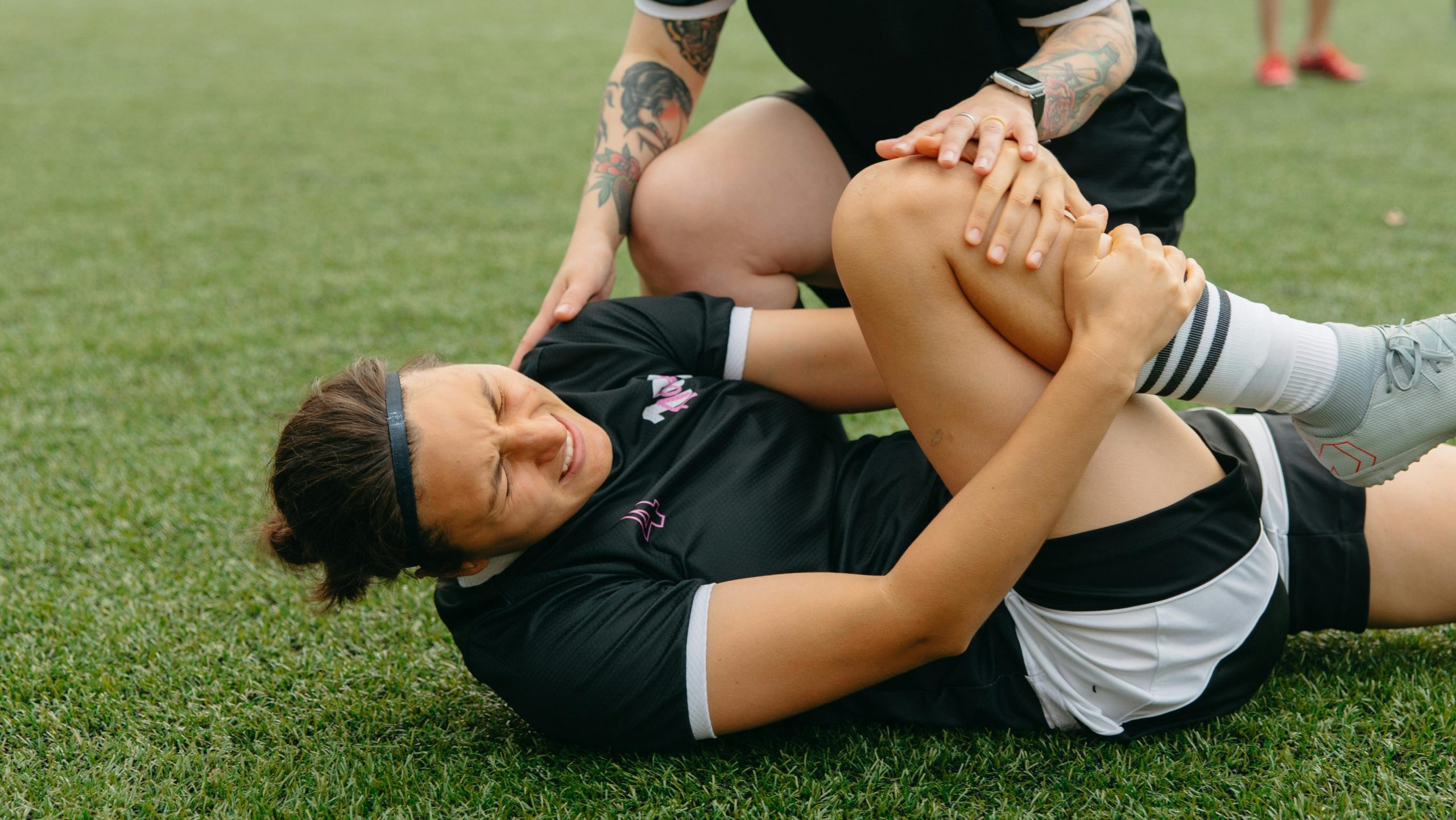
International support for women’s soccer has surged over the past decade, fueled by star players and major tournament victories. With this growing popularity comes increased scrutiny on the health challenges female athletes face. Rising participation rates and heightened competition have exacerbated the issue of sports injuries, particularly anterior cruciate ligament (ACL) ruptures. Health experts warn that women are 6x more prone to an ACL injury than men, and 25% less likely to fully recover. This concerning trend among female soccer players demands attention from the entire sports community. Yet one major question remains: where is the research to prevent this? 

acl injury

ACL Epidemic

ACL injuries in women’s soccer are robbing top competitions, leagues, and even the World Cup of some of their top international talent. This is especially true within major professional teams such as Arsenal Football Club, where in 2023, ACL tears sidelined 4 players out of a 25-person roster. Such a high number of starters succumbing to the same injury has spotlighted the training conditions of the Arsenal women’s team. Among them is Arsenal FC & Netherlands striker Vivianne Miedema, who said, “Instead of 30 games a season, we now play 60. But we don’t have the time and investment that is needed to keep players fit.” Women’s soccer players are not being offered the proper training schedules, facilities, or nutrition to contribute to their success on the field. Season-ending injuries have become the consequence.

Lack of Female-Focused Studies

There are thousands of sports-science academic studies, but few are primarily focused on women’s health in soccer. Female health specialist Dr. Emma Ross explained how misinformation stems from this disparity: “We published a paper over a year ago which showed that, in sport and exercise science research, only 6% of studies are done exclusively on females.” As a result, female ACL injuries fall into this misinformation trap. One common misconception is that body shape, hip width, and the menstrual cycle are all contributing factors. Yet there is still no solid scientific evidence depicting the role they play. Many professional players say this isn’t enough– more research must to be done.

The Right Shoes

One possible culprit for ACL ruptures is women’s athletic footwear. Despite being top athletes, female players frequently find themselves competing in shoes originally tailored for their male counterparts. A recent study by the European Club Association and St. Mary’s University, London revealed that 82% of elite female footballers reported experiencing “pain or discomfort” due to ill-fitting cleats. Soon after this research, Nike released the Phantom Luna, a football boot created with women in mind. Its innovative design incorporates contours specific to female feet, a circular cleat pattern, and a much-requested snug ankle fit. Nike’s preventative technology aims to stabilize the knee and protect against ACL tears. Female players around the world are big fans: Brazilian professional soccer star, Debinha Miri, says the new cleat makes her feel “secure and confident” on the pitch. Given the shoe’s success, it’s likely more brands will follow Nike’s lead.

acl injury

Looking Ahead: Project ACL

The future of ACL ruptures in women’s soccer does have a silver lining. Weeks ago, a new initiative to research and prevent ACL injuries in women’s soccer began. This collaboration incorporates major players like FIFPRO, the Professional Footballers’ Association, Nike, and Leeds Beckett University. The ambitious three-year inquiry is called Project ACL. It will follow the experiences of 300 professional female soccer players across England’s Women’s Super League (WSL), spanning 12 clubs. Although the focus is currently on England, FIFPRO harbors aspirations to expand this initiative on a global scale. The U.S.-based National Women’s Soccer League (NWSL) seems to be the next research target within a few years. As women’s soccer continues to expand, it’s imperative that major leagues and teams continue to research these injuries. Without player health, there is no way to sustain the growth and professionalization of women’s soccer globally.

Sources:

  1. https://theathletic.com/5460039/2024/04/30/acl-injuries-womens-football-study/
  2. https://www.cbssports.com/soccer/news/fifpro-launches-project-acl-aims-to-shift-the-narrative-with-study-into-injuries-in-womens-soccer/
  3. https://www.theguardian.com/football/2024/apr/30/project-acl-wsl-clubs-to-take-part-in-pioneering-injuries-research-project
  4. https://www.nytimes.com/2023/07/19/sports/soccer/womens-world-cup-soccer-torn-acl.html
  5. https://www.thenews.com.pk/print/1184057-fifpro-nike-and-others-team-up-to-study-acl-injuries-in-women-s-game https://www.skysports.com/football/news/11095/12926431/future-of-football-why-acl-injuries-have-been-on-rise-in-women-s-game-and-the-technology-and-solutions-to-fix-it

Copa America 2024: Tournament Guide & US Host Cities

One of the most exciting events in the soccer space is coming to the U.S. this year! Bring on the Copa America– the oldest international continental soccer tournament in the world, first contested in 1916. This premier championship for South American national teams consists of 10 CONMEBOL member nations: Argentina, Bolivia, Brazil, Chile, Colombia, Ecuador, Paraguay, Peru, Uruguay, and Venezuela. Argentina and Uruguay have the best championship records with 15 titles each, followed by Brazil with 9.

This isn’t the first time the tournament’s touched down in America. Back in 2016, Copa America marked its 100th anniversary with a special edition held in the U.S., featuring an expanded 16-team field that included six teams from CONCACAF. Now, in 2024, the tournament returns with a similar format, welcoming six additional teams from the CONCACAF region to join the competition, making a total of 16 teams.

copa america 2024

Host City Breakdown

The 2024 Copa America will be staged across multiple major U.S. markets, bringing South America’s biggest soccer tournament to fans across the nation. The action will kick off on June 20th at the state-of-the-art Mercedes-Benz Stadium in Atlanta, which can hold up to 71,000 people. Other massive NFL venues like AT&T Stadium in Dallas, NRG Stadium in Houston, SoFi Stadium in Los Angeles, and MetLife Stadium in the New York/New Jersey area will also host games. Some smaller soccer stadiums will join in, including Orlando’s Exploria Stadium. The tournament is set to crown its champion on July 14th at the Hard Rock Stadium in Miami Gardens, which previously hosted big matches like the 2026 World Cup bid ceremony. In total, 13 stadiums across 11 metropolitan areas have been selected, capable of accommodating over 1 million collective fans for the Copa America. Having the tournament spread across multiple U.S. cities helps leave a physical imprint, allowing more local markets to host major soccer events and improve infrastructure in preparation for the 2026 World Cup.

A Catalyst for U.S. Soccer Growth

The 2024 Copa America presents a prime opportunity to capitalize on soccer’s growing popularity as a major sport in the U.S. market. With Lionel Messi joining Inter Miami and TV networks’ continued commitment to air thousands of live matches annually, soccer is drawing more American fans than ever. Popular soccer-themed TV shows like Welcome to Wrexham and Ted Lasso also add to the appeal. The passionate fan bases of top national teams such as Argentina, Brazil, and Mexico, along with the star power of players like Messi and Vinicius Jr., ensure massive viewership for the tournament across English and Spanish broadcasts. Hosting competitive matches featuring powerhouse teams like Brazil, Argentina, Mexico, and the U.S. in major American cities provides fans with access to top-level international soccer experiences, driving interest, attendance, media coverage, and sponsorship revenues within the U.S. soccer community. Additionally, it gives the U.S., Canada, and Mexico an opportunity to prepare for the World Cup by testing their teams against elite South American sides.

copa america 2024

Host Country Controversy?

While the U.S. eagerly awaits the tournament, not everyone is as thrilled about the location. The decision to host the 2024 Copa AmĂ©rica in the United States has sparked controversy amongst fans. Some view it as a unique opportunity to expand the sport and attract more U.S. audiences to the passionate rivalries of South American football. Others argue that taking the Copa America outside of its home continent compromises its rich tradition and distinct identity rooted in the greatest clashes between soccer rivals like Brazil and Argentina. Additionally, there are concerns that hosting in the U.S. could give CONCACAF teams an unfair competitive advantage on familiar soil against the South American teams. While some embrace the opportunity to expand the Copa AmĂ©rica’s reach, others argue it should still be in South America to preserve South American soccer history and culture.

Controversy aside, U.S. fans await the chance to watch their national team take on fierce competitors like Uruguay and Bolivia. The incorporation of guest nations like the USMT and Canada adds to the excitement, expanding the tournament beyond South America. It also opens up the possibly for a Copa America 2024 champion outside of CONMEBOL member nations. While the sports betting odds favor Argentina or Brazil to take home the title, only time will tell who will be crowned the winner come July 14th.

Sources:

  1. https://www.foxsports.com/stories/soccer/2024-copa-america-odds-picks-favorites
  2. https://theathletic.com/5304765/2024/05/05/copa-america-guest-nations-usmnt-japan-qatar/
  3. https://mlsmultiplex.com/posts/2024-copa-america-in-the-usa-a-controversial-choice-that-divides-opinions-01hprhwxz9tw#
  4. https://www.cnn.com/2023/12/05/sport/copa-america-2024-host-cities-spt-intl/index.html
  5. https://www.nbcsports.com/soccer/news/copa-america-2024-host-cities-and-stadiums-where-will-the-games-be-played
  6. https://www.forsoccer.com/news/copa-america-2024/
  7. https://www.nytimes.com/2023/01/27/sports/soccer/copa-america-2024.html

Inside Sports Officiating Tech: Decoding VAR and the NFL Replay Assist System

In sports’ modern era, technology has become a game-changer, revolutionizing how athletes compete, officials make decisions, and fans experience the action. From Video Assistant Referees (VAR) in professional soccer to the expanded use of instant replay systems in the NFL, the integration of cutting-edge technology has transformed the world of sports. These innovations hold the promise of enhancing accuracy, fairness, and the overall quality of the game. Their implementation has also been accompanied by a fair share of challenges and controversies, triggering intense debates among those invested in the sport.

nfl replay

What is VAR?

VAR, or Video Assistant Referee, first appeared in major competition during the 2018 FIFA World Cup with the goal of reducing match-changing errors. This behind-the-scenes advancement involves a team of officials who review video footage of key incidents like goals, penalties, red cards, and cases of mistaken identity. Officials communicate with the on-field referee through a headset, providing advice and recommendations based on their analysis of the video replay. The final decision, however, always rests with the main referee. Ever since approval by the International Football Association Board (IFAB) in 2018, the technology has been utilized in leagues like the Premier League, Bundesliga, and Serie A.

Fast forward to 2024 and VAR has continued to be a polarizing topic. Advocates of the technology argue that it holds the potential to improve decision-making, particularly in high-stakes situations where match outcomes hinge on a single call. Others criticize the lack of consistency and transparency in VAR, leading to confusion and frustration among players, coaches, and fans alike.

VAR Controversy

The VAR controversy played out recently in a Premier League match between Tottenham Hotspur and Liverpool earlier this season. Liverpool forward Luis Diaz’ goal was disallowed for offside, despite clear evidence from replays showing that he was indeed in an onside position. The VAR official, Darren England, mistakenly believed that the on-field decision was to award the goal and informed the referee that the check was complete. Even after being made aware of the error, the VAR stated that he could not intervene as play had already resumed.

This high-profile incident underscores the need for clearer protocols and improved communication between officials to prevent such costly errors from occurring in the future. Only by addressing these issues can the implementation of VAR truly enhance the fairness and integrity of the game, ensuring that the technology lives up to its promise of improving the sport for all involved.

nfl replay

NFL’s Replay Assist System

The NFL is making a big move in 2024 by expanding its Replay Assist system to help make officiating more accurate and fair. The new rules will let referees consult the New York replay crew for intentional grounding, roughing the passer, and late hits out of bounds. But there’s a catch—  officials can only request a second look if they threw a flag to begin with. If the review shows there was no foul, the penalty can be overturned. The goal here is to cut down on controversial calls and ensure penalties are ruled consistently and correctly.

While this change could improve accuracy and consistency, there are legitimate worries about how it might affect the speed and flow of the game, similar to the concerns we’ve seen with VAR in soccer. More replays could mean more stoppages, especially at key moments, and maybe even more commercial breaks. Plus, some folks are concerned that giving referees the ability to overturn penalties might actually encourage them to throw more flags, knowing they can always fix it later if needed. 

nfl replay

Looking Ahead

As video replay technology becomes more common in sports, it brings greater innovation and new challenges. Looking at soccer’s use of VAR over the past 6 years gives us an idea of what NFL fans can expect as technology becomes more prevalent in officiating. While VAR has been around for a while, it’s still not perfect. Debates on the technology persist in nearly every soccer match. This shows that integrating technology into decision-making is not so black-and-white. Sports organizations will have to work with players, coaches, and fans to balance innovation with maintaining the human side of the game. It’ll take time and adjustments to get it right, but with more transparency and cooperation, video replay technology will find its place in sports officiating.

Sources:

  1. https://www.teamstats.net/blog/the-impact-of-technology-on-soccer-var-goal-line-technology
  2. https://www.skysports.com/football/news/11095/12975648/var-audio-released-from-liverpool-s-disallowed-goal-by-luis-diaz-in-defeat-at-spurs#:~:text=The%20VAR%20audio%20from%20Luis,showed%20he%20was%20actually%20onside.
  3. https://operations.nfl.com/the-rules/rules-changes/2024-rules-changes/
  4. https://www.theguardian.com/commentisfree/2023/dec/01/the-guardian-view-on-var-a-slower-longer-and-fairer-game-may-not-be-what-football-fans-want#:~:text=The%20trouble%20is%20that%20many,the%20quality%20of%20decision%2Dmaking.
  5. https://gridironheroics.com/nfl-rule-change-2024/
  6. https://bleacherreport.com/articles/10114849-nfl-replay-assist-expanded-for-2024-season-on-roughing-intentional-grounding-more

Become a Sponsor.

Join us in making a difference. Tell us a bit about yourself and we’ll be in touch with sponsorship details.

By submitting this form, you agree to be contacted by the Athelo Group team regarding sponsorship opportunities.