FIFA Club World Cup 2025: Schedule, Teams & Format Explained

The 2026 FIFA World Cup will be the first ever co-hosted by three countries: the United States, Canada, and Mexico. Featuring 48 teams, the tournament aims to expand global reach and raise the level of competition. Matches in iconic North American cities will create a landmark event for fans, players, and sponsors.

This year’s 2025 FIFA Club World Cup serves as an exciting precursor, offering a preview of the energy and global attention that the World Cup will bring.

Quick Highlights:

  • FIFA Club World Cup expanded to 32 clubs from 5 global federations (AFC, CAF, Concacaf, OFC, UEFA).
  • There is a $1 billion total prize pool, with $125 million awarded to the champion.
  • FIFA projects a combined $47 billion economic impact, 290,000 new U.S. jobs, and $62 billion in global GDP growth from the Club World Cup and upcoming World Cup cycles.
  • Each host city will receive $1 million in FIFA “legacy contributions” for local soccer development.
  • DAZN acquired the global streaming rights for the 2025 Club World Cup tournament, worth a reported $1 billion.
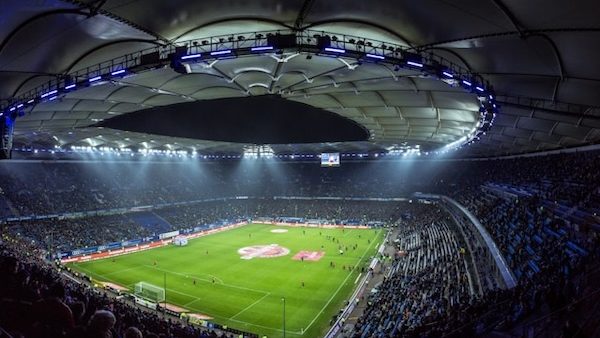
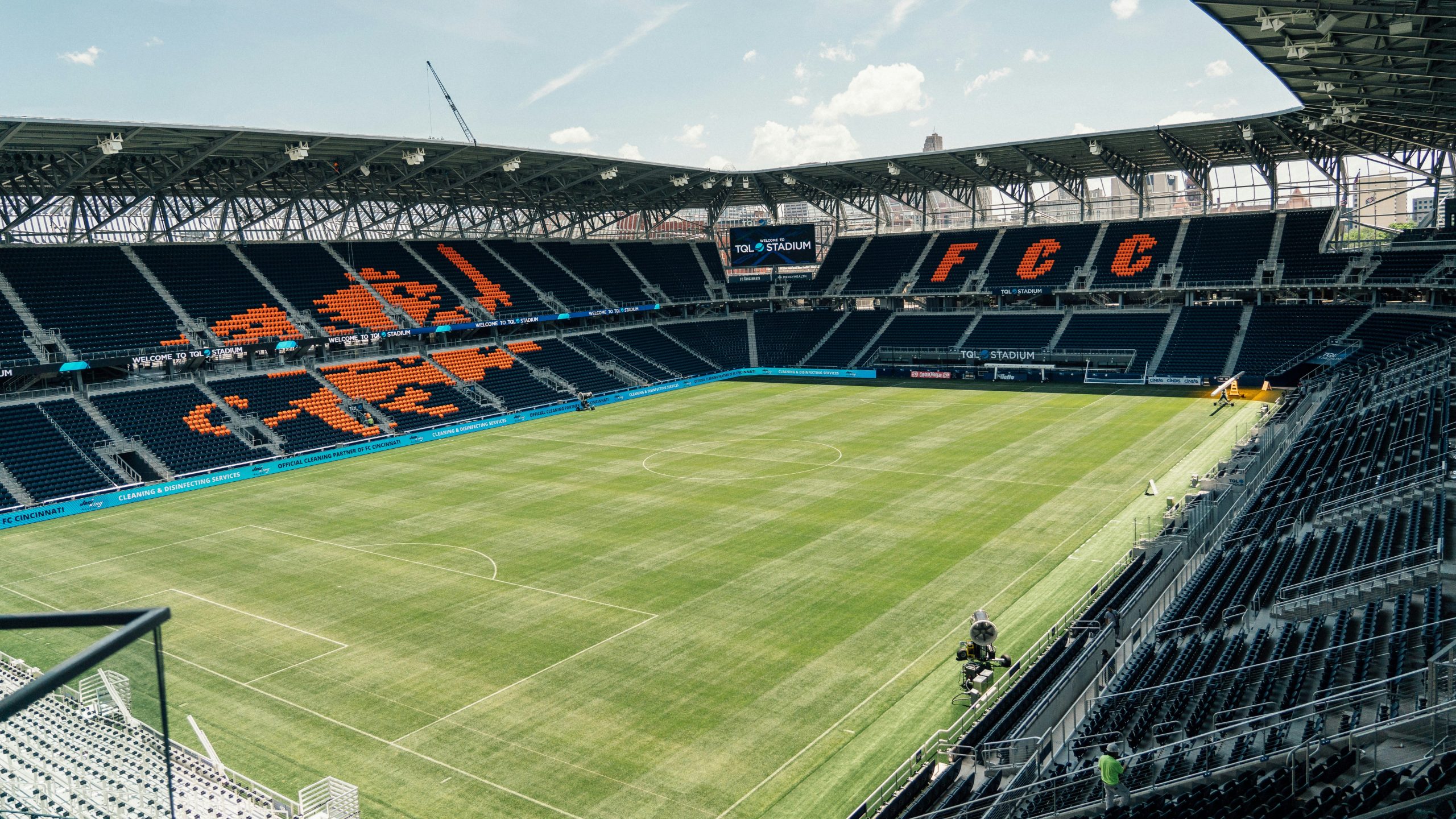
fifa club world cup stadium

About the Tournament

The FIFA Club World Cup has been a fixture on the international stage for years. Founded in 2000 as an annual competition, it ran every year until 2023 (except for a break from 2001–2004), bringing together the best clubs from around the world. FIFA initially hoped the tournament would rival the success of the UEFA Champions League.

Over time, the tournament faced challenges in gaining global recognition, competing against established leagues and continental championships. Still, its ability to bring together top-tier clubs from diverse regions earned it prestige among football fans.

After the 2023 edition concluded, FIFA announced that the Club World Cup would become a quadrennial event (held every four years) starting in 2025.

What to Expect This Year

The 2025 edition will feature 32 teams from five federations: AFC (Asia), CAF (Africa), Concacaf (North and Central America and the Caribbean), OFC (Oceania), and UEFA (Europe). Eight groups of four teams will compete in a round-robin format, with the top two teams from each group advancing to the knockout stages. The tournament has a $1 billion prize pool.

FIFA will debut body cameras for referees and enforce stricter penalties for goalkeepers wasting time. A total of 117 match officials—35 referees, 58 assistant referees, and 24 video match officials—from 41 member associations will oversee matches, including two from the Premier League. FIFA hopes that a diverse and highly reputable officiating pool will reduce referee controversy, an issue that marred the 2024 Copa America.

players with ball in fifa club world cup

FIFA Club World Cup’s Community Impact

Local communities and cities like Atlanta are already reaping the benefits of the tournament. Recently, FIFA President Gianni Infantino announced that FIFA would be donating $1 million towards the sport’s development in the Atlanta community. 

Infantino said, “it’s important to support a city’s social life—maybe with mini soccer pitches for kids where they’re needed most. That ball isn’t just a sports tool; it’s a source of joy and happiness.”

Where Brands Can Win

The Club World Cup has presented numerous branding opportunities, including the trophy itself. This year’s 24-karat gold trophy is custom-made by world-renowned jeweler, Tiffany & Co. The brand took to Instagram to unveil the collaboration, calling it “a proud symbol of [their] long-standing commitment to sporting excellence.”

Other sports properties are finding ways to align themselves with the tournament. The Philadelphia Eagles brought some international flair to Lincoln Financial Field, inviting FIFA to show off the Club World Cup trophy next to the Lombardi. Eight Club World Cup matches will kick off there later this year. 

More U.S. cities and sports organizations like Miami, Dallas, and Los Angeles are building partnerships around the Club World Cup, using the tournament’s momentum to create marketing activations tied to global soccer.

The tournament also creates momentum for the 2031 Women’s World Cup, which will be held in the United States. FIFA’s president has already teased Atlanta as a potential host city, reinforcing the America’s growing role in global soccer.

fifa club world cup stadium

Soccer’s Growing Footprint in the U.S.

All Club World Cup host cities are set to receive $1 million from FIFA in legacy contributions to help grow soccer and build community pitches after the tournament ends.

FIFA’s legacy contributions to Club World Cup host cities are part of a bigger effort to invest in local soccer infrastructure. FIFA President Gianni Infantino emphasized the need for more accessible facilities in North America, calling it a key step toward growing the sport at the grassroots level.

FIFA Club World Cup’s Economic Impact

The winning team will walk away with $125 million of the $1 billion prize pool. That kind of payout is enough to lure the world’s biggest clubs away from traditional pre-season tournaments, which have been especially lucrative for European teams.

FIFA projects that the Club World Cup combined with the World Cup in 2026 will have an economic impact of $47 billion, create 290,000 new jobs within the United States, and $62 billion in gross domestic product globally over the next two summers.
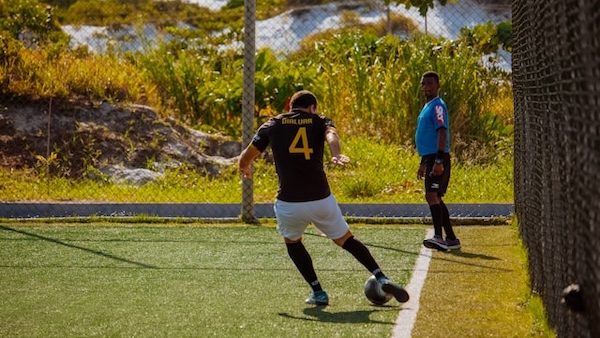
fifa soccer player kicking the ball

The Future of Global Sports Partnerships

The economic impact of the Club World Cup and the 2026 World Cup shows the growing value of global sporting events for cities, industries, and brands. As new opportunities open across emerging sports markets, brands that move early will be best positioned to win.

At Athelo Group, we help brands seize these opportunities by building strategic partnerships across new and growing sports properties worldwide. As momentum around the global game continues to build, the possibilities for brands willing to invest early have never been greater.
Money Talks: Gen Z Sparks Sustainability in Sports

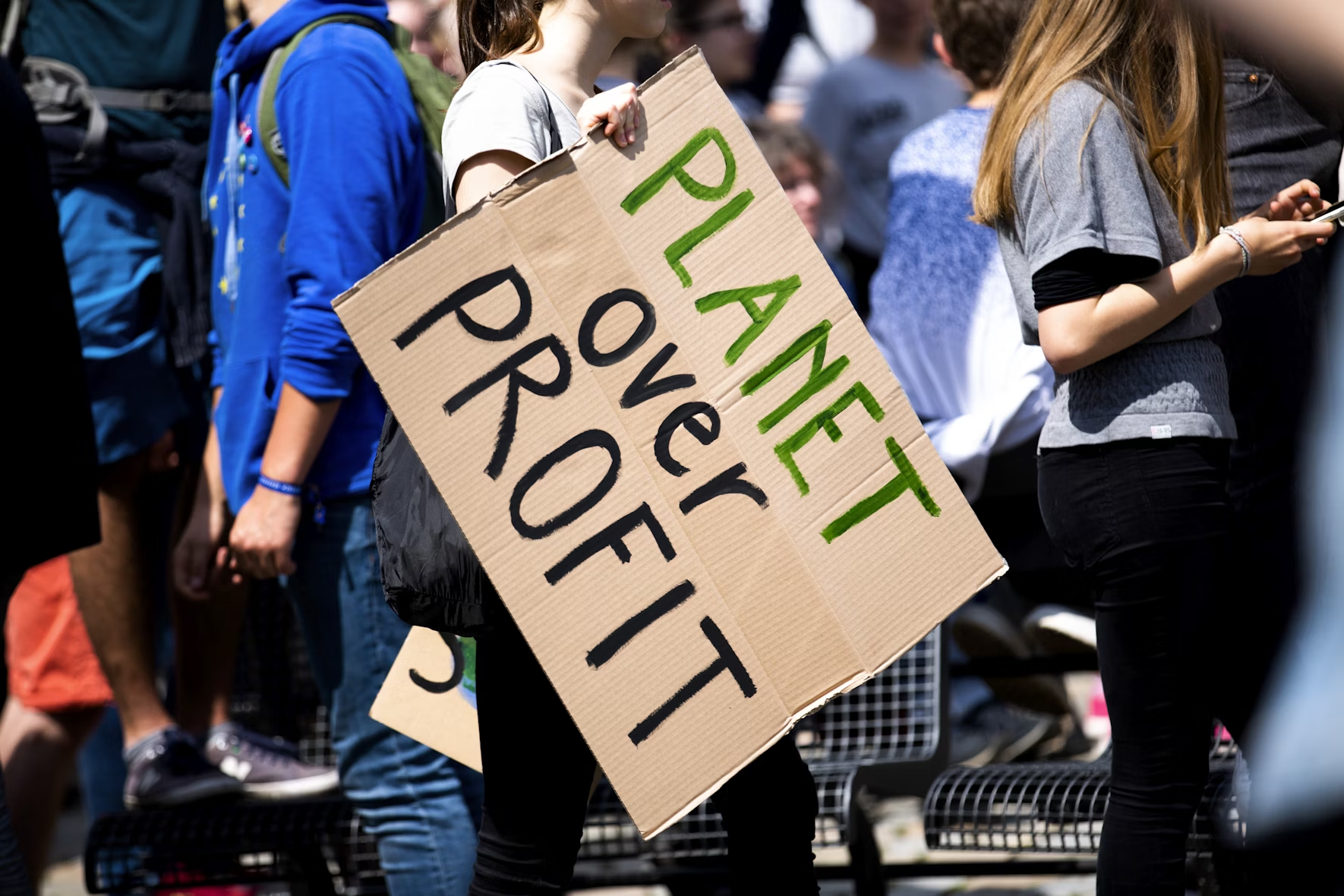
As sustainability in sports becomes a growing priority for consumers, English football clubs are beginning to feel the pressure to adopt eco-friendly practices. This demand is being driven largely by Generation Z, a generation that is redefining how businesses approach environmental responsibility.

Gen Z, born between 1995 and 2010, is the first generation to grow up fully connected in the digital world. They’re using their collective power to encourage change, especially when it comes to the environment. By 2030, Gen Z’s combined income is expected to reach $33 trillion, surpassing the millennials that came before them.

What’s important is that 73% of Gen Z is willing to spend more on sustainable products, and three-quarters of them care more about a product’s sustainability than its brand. This shift is hard to ignore, and sports clubs, including those in English football, are starting to take action to meet this demand.

Quick Highlights

  • Gen Z will control a quarter of global income by 2030. 75% are more concerned about product sustainability than the brand.
  • Sports clubs like the English Premier League are working on sustainability but lack ambitious, verified commitments. Fans are demanding more action.
  • The league introduced their Environmental Sustainability Commitment, including emission tracking and senior leadership accountability, aiming for long-term change.
  • MLS Clubs collectively diverted more than 61 tons of food to donation programs.
  • Food diversion efforts reduced about 146 tons of CO2 emissions.
  • FIFA faced backlash over misleading carbon neutrality claims for the 2022 World Cup, raising concerns about greenwashing in sports.

How Clubs are Taking Action

English football is a great example of how fans are pushing for more focus on sustainability. 64% of fans believe football clubs and sponsors should prioritize sustainability, and even more think governing bodies should consider the climate impact of player travel when scheduling matches.

Younger fans are twice as likely to consider the environmental impact of sports compared to those over 55. However, they’re less likely to demand net-zero carbon emissions within the next decade. This suggests younger generations prefer “realistic” emission reductions over ambitious goals that clubs and companies often set for publicity but fail to meet.

Recent data paints a mixed picture of Premier League clubs’ sustainability efforts. While many highlight their initiatives on dedicated sustainability pages, only a few have set ambitious net-zero targets or earned third-party recognition for their environmental work.

Some clubs have adopted tangible measures like on-site clean energy or sustainable transport policies. Despite this, many clubs are engaging with sustainability in principle but lack commitment to comprehensive, externally verified strategies. 

The Environmental Sustainability Commitment

In 2024, the Premier League rolled out the Environmental Sustainability Commitment, setting clear expectations for all clubs. 

By the end of the 2024/25 season, each club must have a solid sustainability policy in place and appoint a senior leader to take charge of these efforts. Having a senior figure leading the charge is essential for holding clubs accountable— both for fans and outside organizations.

This commitment extends beyond the 2024/25 season, setting the stage for future policies. By the 2025/26 season, clubs must develop detailed GHG emissions data covering all three scopes. They’ll also collaborate with the Premier League Sustainability Working Group to standardize tracking and create a unified action framework, driving greater accountability and lasting environmental impact.

MLS Leads the Charge for Sustainability in Sports

For Earth Day 2024, Major League Soccer launched their “One Planet Pre-Match Jerseys.” These jerseys, with the message “One Planet. One Chance,” were made from recycled materials and came in three colors representing soil, wood, and water.

Fans could buy the jerseys online or at select club retail locations, but the initiative didn’t stop there. MLS also partnered with local charities and food organizations, working together on environmentally-friendly projects to benefit communities. Clubs distributed leftover meals from match days to those in need, helping to reduce food waste.

In total, MLS clubs diverted over 61 tons of food, preventing around 146 tons of CO2 emissions—roughly the same environmental impact as 467 one-way flights from San Jose to Montreal.

Holding the Sports World Accountable

When sports organizations fail to meet their sustainability goals or present misleading data, they open themselves up to significant criticism. FIFA faced backlash over its claims about the 2022 World Cup in Qatar, which it promoted as being carbon neutral. One independent researcher said, “It’s a fantasy to consider that this World Cup was carbon neutral.”

The tournament ended up producing over 3.8 megatons of CO2, far exceeding the 3.6 megatons that carbon consultancy South Pole had initially estimated. Notably, 48% of the emissions that weren’t reduced or avoided could have been offset. South Pole itself came under scrutiny after an investigation revealed they had inflated the number of carbon offsets available in Zimbabwe for profit.

In the end, the Swiss Fairness Commission ruled that FIFA could no longer claim the 2022 World Cup was CO2-neutral, following a complaint filed by Carbon Market Watch and other environmental groups.

Sustainability Goals Under Fire?

Organizations adopting sustainability goals and standards haven’t escaped criticism, especially when considering that several Premier League clubs are indirectly owned by Gulf States, whose wealth is built on fossil fuels.

Wycombe Wanderers midfielder David Wheeler expressed this frustration to BBC Sport, stating: “Waiting two and a half years for a sustainability strategy is dragging your feet. A lack of moral leadership is evident in football’s top organizations, from FIFA to the Premier League. While sustainability professionals drive progress, CEOs and board members seem to hinder positive change.”

Wheeler also called for a cap on domestic flights, accusing the league of “condoning” pre-season tours that generate “colossal amounts of emissions.” He added that football’s ever-expanding calendar is damaging both players and the environment, arguing, “You can’t have infinite growth on a finite planet.”

A Way Forward

With more voices from across the sports industry pushing for more sustainable practices, real progress will depend on bold leadership and a steadfast commitment to transparency. This is the path forward to push the sports industry into a more sustainable future and protect the planet we all call home.

How Young Athletes Are Challenging Sports Legends

In the world of sports, each era is defined by its legendary athletes—figures like Lionel Messi, Serena Williams, and LeBron James, who have set records and reached seemingly untouchable heights. Yet, as the sporting world evolves, a new generation of athletes is emerging. Young stars like Iga Świątek and Erling Haaland are not only learning from the GOATs but increasingly challenging and sometimes surpassing them. From breaking records to changing the game, these young athletes are transforming the landscape of sports. Their rise is fueled by massive advancements in training, sports science, and social media.

Iga ĹšwiÄ…tek

Breaking Records, Setting New Standards

The rise of young stars like Kylian MbappĂ© in soccer and Iga ĹšwiÄ…tek in tennis shows that the younger generation isn’t just playing in the shadows of legends—they’re making their own mark. MbappĂ©, for instance, won his first FIFA World Cup at just 19 and has since been compared to some of the greatest players of all time. Even Lionel Messi, his former PSG teammate, praised his immense talent, stating, “Kylian MbappĂ© is still very young, but his talent is extraordinary.” With MbappĂ© and Erling Haaland often competing for top honors, Messi further predicted that their time would come, leaving fans excited for a new era in soccer.

Similarly, Iga ĹšwiÄ…tek has taken the tennis world by storm. By age 19, she won her first Grand Slam title and quickly ascended to world No. 1 in the WTA rankings. Her dominance on clay courts has drawn comparisons to Rafael Nadal, and her mental toughness at such a young age is setting new standards for success in tennis.

Iga ĹšwiÄ…tek

The Role of Technology and Training

One of the key reasons behind the rapid rise of young athletes like Carlos Alcaraz and Jannik Sinner is the integration of cutting-edge sports science and technology into their training regimens. Advanced data analytics, biomechanical assessments, and wearable technology have allowed these athletes to optimize their performance and reduce the risk of injury.

But what exactly is biomechanics? Biomechanics in sports explores the mechanical principles behind how the body moves and functions. Paired with technology, it allows for more precise analysis to improve efficiency, power, and safety. Using video analysis and motion sensors, athletes and coaches can identify small irregularities in movement that may increase injury risk or hinder performance.  In Luka DonÄŤić’s case, biomechanics helps optimize his shooting mechanics by analyzing his body alignment, muscle usage, and shot trajectory, which reduces unnecessary strain and increases shooting efficiency.

Iga ĹšwiÄ…tek

The Impact of Social Media

Social media plays a crucial role in amplifying the rise of young athletes. Platforms like Instagram, TikTok, and Twitter allow athletes to connect with fans globally, build personal brands, and increase their visibility in ways traditional media outlets can’t match. MbappĂ©, for example, has mastered the art of maintaining his brand through social media, where he shares both his on-field brilliance and off-field activities, further cementing his influence beyond the pitch.

Athletes like Naomi Osaka have also used their platforms for advocacy, raising awareness about mental health and social justice. Osaka’s openness about her mental health struggles made headlines, and through her social media presence, she continues to inspire a younger generation of athletes to use their influence for good​.

Social media also amplifies highlight moments. Whether it’s a viral dunk from Ja Morant or an epic save from a young goalkeeper, these moments are shared and reshared, making them accessible to millions within minutes. This instant exposure has enabled young athletes to gain massive followings and secure sponsorship deals that elevate their careers before they’ve even reached their peak​.

Iga ĹšwiÄ…tek

Changing the Game

Young athletes aren’t just challenging the records of the GOATs; they’re also changing the way their sports are played. In soccer, Erling Haaland’s physical dominance and technical ability are setting new standards for the striker position, blending strength, speed, and precision in ways not seen before.

In basketball, Ja Morant is redefining the point guard position with his athleticism and playmaking ability. Morant’s combination of agility, quick decision-making, and leaping ability has earned him a reputation as one of the most explosive players in the NBA today. His stats back up this claim—Morant led the NBA in points in the paint for a guard in the 2021-2022 season, with an average of 16.6 points per game coming from this area. This is an extraordinary achievement for a point guard, who traditionally plays away from the basket, but Morant’s fearless drives and aerial displays are transforming the position. His unique playstyle is pushing other young players to adapt and innovate, forcing the game to evolve.

This younger generation is taking what they’ve learned from their legendary predecessors, refining it, and creating something entirely new. They’re blending generations of skills and, in the process, evolving their sports in real-time. The rise of young athletes in various sports is a testament to the evolving nature of competition and the relentless pursuit of excellence. Armed with better training, technology, and social media influence, these athletes are challenging the GOATs in ways that were previously unimaginable.

Sources:

  1. https://psgtalk.com/2024/01/mbappe-messi-ronaldo-exits-europe/
  2. https://www.tennisworldusa.org/tennis/news/Tennis_Interviews/148031/boris-becker-gave-honest-analysis-on-sinner-and-alcaraz-s-rivalry/
  3. https://www.espn.com/nba/story/_/id/35197166/the-explosiveness-finesse-feel-turned-ja-morant-elite-paint-presence
  4. https://www.nba.com/news/ja-morant-welcome-to-the-paint
  5. https://www.sportspromedia.com/insights/analysis/sports-teams-athletes-social-media-teamworks-influencer-nashville-predators-irfu/
  6. https://www.wsj.com/articles/luka-doncic-big-data-nba-11552413548
  7. https://theknickswall.com/jalen-brunson-biomechanics-god/

Become a Sponsor.

Join us in making a difference. Tell us a bit about yourself and we’ll be in touch with sponsorship details.

By submitting this form, you agree to be contacted by the Athelo Group team regarding sponsorship opportunities.