
The Racket: Why Are More Adults Picking Up Pickleball?

For a sport that’s only 60 years old, pickleball has earned a reputation as the fastest-growing sport in America. 

Once a niche backyard pastime, pickleball is now almost impossible to ignore. The appeal stems from its convenience and low-commitment nature. The sport itself is low-maintenance and low-stakes, and asks little of you. No expensive gear, no steep learning curve, no major time commitment.

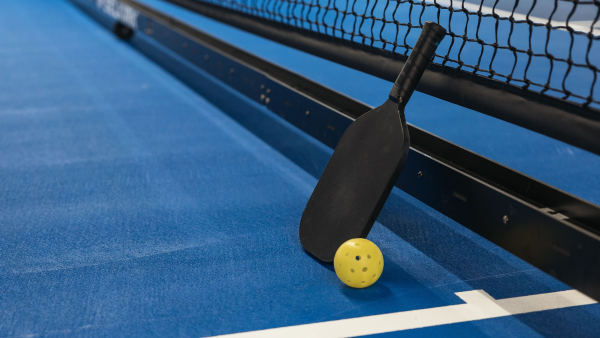
Just a paddle, a ball, and a court.

That accessibility, sense of community, and inexpensive equipment attract those who want to get their body moving without committing to a full-time hobby that will drain the bank. 

Here’s a closer look at where the game came from, why it’s exploded in popularity, and what’s driving so many adults to fall in love with it.

Quick Highlights 

  • In 2024, it was reported that the 2020 COVID-19 pandemic spiked a 21% growth in participation due to an influx in sports and fitness-related activities. 
  • Approximately $152.8 million has been invested in building and upgrading pickleball facilities across the country.
  • The average age of a recurrent pickleball player is about 35 years old
  • According to the Sports & Fitness Industry Association (SFIA), pickleball engagement grew 223.5% over three years, affirming the game’s rapid growth.
pickleball

History of Pickleball

Due to the spike in popularity, the common misconception is that the game was created within the past few decades. The concept of pickleball began in the summer of 1965 on Bainbridge Island, Washington. 

In an effort to occupy their children on a rainy day, vacation home neighbors Joel Pritchard and Bill Bell began improvising on the badminton court. With wooden paddles and a wiffle ball in hand, concepts of a game came into fruition. 

Eventually the adults favored the game considerably more than the children.  

The pickleball rules upheld today were crafted through trial and error. The 7-foot non-volley zone known as the “kitchen” prevented players from spiking at the net. The height of the net at the sidelines is measured to be 36 inches tall because it is set to the height of Joel Pritchard’s waist. 

Barney McCallum, their neighbor, began playing with Pritchard and Bell. It was McCallum who created the paddle design. He used ping-pong paddles as inspiration. Elongating the handle, strengthening the density, and squaring the shape.

The three men worked together to redefine the scoring and penalties to shape the classic pickleball game played today. 

How Pickleball Gained Traction

McCallum, Pritchard, and Bell spread the game of pickleball. Through word of mouth, the game to began to gain notoriety. Rapidly, makeshift courts were being used and mimicked on residences. 

Joel Pritchard was establishing himself as a politician at the time. He would familiarize the guests of his political gatherings with the game. 

Meanwhile, the National Observer published the first ever article about pickleball. McCallum began to mass-produce equipment, leading to the commercialization of the game.

pickleball

Recent Rise in Popularity

The COVID-19 pandemic facilitated the influx of players and facilities. Although pickleball was invented in 1965, its popularity has risen from niche to mainstream throughout the past decade. 

According to the Sports & Fitness Industry Association (SFIA) Topline Participation Report, pickleball engagement grew 223.5% over three years. In 2024, it was reported that the 2020 COVID-19 pandemic spiked a 21% growth in participation due to an influx in sports and fitness-related activities. 

Restrictions on indoor gatherings provided limited options for those who enjoy physical activity and social interactions. Many sought an answer that would allow them to engage with others while staying active. 

Since pickleball’s versatility allows the game to be played either indoors or outdoors, it was seen as a feasible option. 

Attributes to Adults

The average age of a recurrent pickleball player is about 35 years old.

Compared to children, adults are less likely to attempt to try new sports due to cost and skill deficits. Recreational sports are seen as a high-maintenance activity that requires attentive skill. 

Unlike other sports, pickleball requires little equipment or knowledge of the game’s technique to play; paddles and the ball are a necessity, the rules can be digested within a match. Those who aren’t familiar with other sports often get discouraged, assuming that ignorance means that learning to partake in a recreational activity is futile. Players don’t need years of experience or impeccable athletic knowledge to engage. 

Accessibility is a big attribute of the game. It’s a low-impact sport due to the compressed court size, causing less stress on the joints. Since the game utilizes an underhand serve, it is less likely to cause injuries due to the low movement and motion that typically is inflicted from sports with a wider range of motion. There are also different versions of the game that are considered accessibility-friendly, such as wheelchair pickleball. 

The game is social, which gives players a feeling of community. Due to the short match times (15 to 25 minutes per game), there is leeway for chatting to fill the space in between games. 

Pickleball’s Push Toward Professionalism

Professional pickleball entities have also developed since the sport has gone mainstream. 

The PPA (Professional Pickleball Association) Tour was founded in 2019 and hosted it’s first professional and amateur tournament in February 2020. The tournament is held year-round across the United States. Players compete in men’s singles, women’s singles, men’s doubles, women’s doubles, and mixed doubles divisions. 

The International Tournament Series was introduced in 2025, broadening tournaments worldwide. 

Major League Pickleball (MLP), the PPA Tour’s sister company, focuses on team-based competition. Both are owned by the United Pickleball Association (UPA), which created the UPA-A in 2024 to oversee rules, equipment testing, and growth.

The tournaments are offered for all ages and skill levels, which remains faithful to the general appeal of pickleball: inclusivity and accessibility. 

New Pickleball Courts Nationwide

Due to the rise in popularity, thousands of pickleball courts are beginning to pop up nationwide.

Approximately $152.8 million has been invested in building and upgrading pickleball facilities across the country. This includes existing facilities.

Even though it is considered a trend in the sports world, businesses don’t expect attendance to decline anytime soon. 

Whether it’s the competition, the camaraderie, or simply the chance to stay active, pickleball has proven it’s far more than a passing trend. It’s a game more adults are eager to pick up, one match at a time.

FAQ:

  1. How did pickleball get its name? This is widely disputed; it’s either from the rowing term pickle boats, which is the boat to finish last, or it’s names after the Pritchard family dog, Pickles. 
  2. Is pickleball only for adults? No– the sport gained popularity due to its inclusivity and accessibility for all ages. 
  3. Do I need experience to start playing?  Rules and regulations coincide with pickleball. However, the learning curve is slight. 
  4. How is pickleball different from tennis? Pickleball combines badminton, ping pong, and tennis. Compared to tennis, pickleball has a smaller playing area and a slower-moving ball. 

Athelo Group Pickleball Classic

Grab a paddle and join us for a day of friendly competition for a great cause! Whether you’ve been playing for years or never picked up a paddle, all skill levels are welcome. This event is about community as much as it is about competition.

Join us on October 23rd, 2026 at The Sports Haus in Norwalk, CT, and come play for a purpose. Every dollar raised goes directly to Stamford Health’s Bennett Cancer Centers, supporting patient care, research and financial assistance programs for those who need it most. 

It’s more than just a game, it’s a chance to make a difference.

 Fear vs. Fatigue: Free Solo Climbing

What is free solo climbing? 

This increasingly popular sport is a style of rock climbing in which the climber uses only their body strength and chalk to ascend. This is done all without the safety net of ropes, harnesses, or protective gear. Climbers instead rely entirely on their strength, mental focus, and technique.

The sport has recently gained worldwide attention and popularity. This is largely thanks to free soloist Alex Honnold. Climbers like Honnold highlight not only the extreme risks, but also the incredible skill that free solo climbing requires.

While it may appear to be a purely physical challenge, free solo climbing is actually a true battle between fear and fatigue. The mind and body push their limits in order to maintain control and keep themselves alive. 

Quick Highlights

  • Free solo climbing is considered the most dangerous form of climbing over bouldering, free climbing, and sport climbing, due to its high mortality risk. 
  • Climbers solo rocks and buildings nearing 3,000 feet without the safety net of padding or harnesses.
  • ‘Skyscraper Live’, the Netflix documentary featuring Alex Honnold’s free solo of Taipei 101 has amassed over 6.2 million views. 
  • Only one person has successfully free soloed El Capitan, the premier big-wall rock climbing destination in Yosemite.
free solo climbing

Free Solo Climbing v.s. Free Climbing

Many people often confuse free solo climbing with free climbing. While similar, the lack of ropes and other protective gear gives meaning to the word ‘solo’. 

In traditional free climbing, climbers have the help of harnesses with ropes, as well as padding on the ground that saves them from a fall. Additionally, the harnesses can be used to manually ascend the climber if they find themselves stuck. 

While ropes may not seem like a large difference, the consequence of a solo fall is almost always fatal. Climbers solo rocks and buildings nearing 3,000 feet, all without the safety net of padding or harnesses. Falling is not an option.  

Taipei 101

Alex Honnold recently took on the famous skyscraper Taipei 101, which was the tallest building in the world from 2004-2010.

At 1,667 feet, this building towers over the city of Taiwan. 

Honnold performed the feat of climbing it solo, with nothing but a bag of chalk and reliance on his training. His performance was documented by Netflix, creating a thrilling live drama leaving the viewers on the edge of their seats. The documentary has amassed over 6.2 million views. 

Just 50 years ago, free solo climbing was even more unheard of than it is now. 

95% of Americans believed that “mountain climbers” ascended difficult rock cruxes by throwing a grappling hook attached to a hemp rope 30 feet in the air, then scaling the rope hand-over-hand.

With the extreme sport gaining visibility on platforms like Netflix, people who have never climbed before could begin to engage in the risk without proper training or preparation. 

@netflix

Alex Honnold holding on with nothing but his feet at over 1,400 feet above Taipei?!? #skyscraperlive

♬ original sound – Netflix

The Mental Battle

If asked, many climbers would immediately reject the idea of a solo climb. 

Fear is a survival instinct, and not something most people are able to overcome for a supposed quick thrill. Fear is something that free solo climbers must learn to control

Half the battle of free solo climbing is separate from gym training. This includes mental visualization, meditation, memorizing routes, and rehearsing moves. They must be able to remain calm even in extreme situations of exposure, or when something doesn’t go to plan.

The psychological pressure faced is extreme. Even with moves calculated to the centimeter, rock breakage or weather could put the climber in fatal danger. The knowledge of this can lead to stiff or hesitant movements that increase the risk of failure. As long climbs progress, mental fatigue runs the risk of setting in. 

Training and Physical Limits

The physical training that goes into a successful free solo climb is critical. To preserve energy, climbers train efficient body positions and holds to conserve their strength during long and tedious climbs. 

Climbers often simulate ‘Cross-fit’ style circuits. They also participate in finger grip exercises, endurance, and push-pull drills to get as prepared as possible for the climb. Long hangboard sessions often simulate the deep fatigue that will plague climbers’ arms during a free solo. Deep physical fatigue can affect a climber’s grip strength, reaction time, and coordination. 

In climbing, injury prevention and rest are vital. Climbers strengthen muscles, core, and shoulders to withstand the tenuous climbs. Proper rest and recovery allow muscles to rebuild and adapt to intense training sessions. Stretching and mobility work also help maintain flexibility and reduce fatigue. 

free solo climbing

Gym Confidence to Outdoor Reality

Naturally, smaller indoor climbing gyms provide climbers with the safety and security to practice climbing in a controlled environment. They are able to attempt the lifts and grabs they will have to perform thousands of feet in the air from the safety of 15 feet. 

The challenge of training in indoor facilities is that climbers can get too comfortable with movements and the ability to fall. 

There is an immense mental battle for climbers to transfer to the real surfaces.

Where Control Replaces Fear 

Free solo climbing remains one of the most extreme and dangerous sports in the world. Climbers must balance intense training, careful route planning, and the ability to remain calm in situations where a single mistake could be fatal. 

While documentaries and media coverage have brought greater attention to the sport, they also highlight the reality that free solo climbing is far from a casual thrill. The sport is a discipline built on years of preparation and calculated risk. 

Ultimately, free solo climbers push the boundaries of human capability. They show how far the mind and body can go when working together under the most extreme conditions.

FAQ:

  1. What is the tallest free solo climb in history? The tallest free solo climb was completed by Alex Honnold on January 25, 2026. Honnold ascended Taipei 101 in Taiwan, which stands at 1,667 feet. This climb took 91 minutes. 
  2. Is free solo climbing legal everywhere? Yes. Free solo climbing is generally legal in outdoor climbing areas, however the regulations differ by location. Environmental, safety, or conservation concerns can place restrictions. 
  3. How do free solo climbers memorize routes? Climbers have a wide variety of ways in which they attempt to memorize routes and simulate the climb before the real attempt. They climb the route many times using ropes and other protection, while building repetition. This creates the ability to practice sequences of moves in section breaks and memorize hands and footholds. Off the surface, they can mentally rehearse the climb.  
  4. What are ethical concerns surrounding the promotion of free solo climbing? The promotion and filming of free solo climbs can encourage risky behavior. When hit shows or Youtube videos receive millions of views and the climbers large sums of money, beginners can be encouraged to attempt free solo climbing without the skill or training. This also puts pressure on even experienced climbers to attempt more dangerous feats. 
  5. Is free solo climbing the same as ‘free climbing’? No. In free climbing, the ability to use ropes, harnesses, and padding is available to climbers. In free solo climbing, the ascent must be made with just your body and chalk. 
  6. How do climbers deal with fear during a free solo climb? Experienced climbers have all formulated their own routine on how they handle fear before and during a climb, however it is inevitable. They often climb routes that they know well, and prepare extensively for routes they don’t. Most practice mental focus techniques off the surfaces daily, and know to avoid climbing if they feel uncertain or distracted. 

Who is the Greatest Athlete of All Time?

Many argue that greatness is measured in rings, records, or reputation. Others will say greatness is something harder to quantify, something that changes the way a sport is played forever. If greatness is about statistics, the answer would already be settled. However, sports aren’t played on spreadsheets. 

Greatness in sports is dominating competition, influence, and becoming a reference point for generations who come after. The greatest athlete of all time isn’t just a name. It’s an argument. The issue? Many argue without a true definition.

Quick Highlights

  • Tom Brady redefined winning in the NFL with 7 Super Bowl rings, 5 Super Bowl MVPs, and 89,000+ passing yards.
  • Michael Phelps is the most decorated Olympian in history, earning 23 Olympic gold medals and 28 total medals.
  • LeBron James has built a 20+ year case for longevity and dominance, winning 4 NBA titles, 4 MVPs, and scoring 40,000+ career points.
  • With 24 Grand Slam singles titles, Serena Williams holds the most titles in the Open Era.
greatest athlete of all time

A Framework for Measuring Sports Greatness

Greatness in sports isn’t just about being the best. It’s about being exceptional in ways that change the standard. This brings us to the age old debate: Who is the greatest athlete of all time? 

Introducing the G.O.A.T. Index: This system breaks down greatness into five categories. Skill vs Technique, Talent vs Work Ethic, Dominance vs Longevity, Era of Difficulty, and Cultural Impact. 

Skill vs. Technique: What Separates Elite Athletes from Competition?

The first lens through which we define greatness is the tension between skill and technique. 

Skill is an athlete’s natural abilities, creativity, fluidity and instinct. Skills also include attributes like spatial awareness, reaction time, and impeccable hand eye coordination. Highly skilled athletes make their sport or game look easy. 

Technique is the mastery of mechanics that allows athletes to perform almost seamlessly under pressure. Some attributes that fall into this category include proper footwork, timing and balance, shooting/striking form, and technical precision. 

Stephen Curry’s shooting range and off-ball movement are nothing short of technical mastery. He doesn’t just take shots, he invents them, repeats them, and perfects them.

Roger Federer is another star, who may be the clearest modern example of technique elevated to artistry. The mix of Federer’s impeccable footwork, balance, and seamless timing prove why he is the ultimate technical athlete. 

While the exact details look different across every sport, one thing remains the same. Technique is trainable, repeatable and measurable. Highly technical athletes are able to minimize wasted movements to help them outperform their competition.

The true GOAT isn’t defined by just one trait. Pure raw talent without refinement eventually plateaus, and technical skill without elite natural ability has clear limitations. The greatest athletes in the world combine rare genetic gifts with obsessive development. They transform natural skill into consistent, repeatable excellence. The GOAT are the athletes who turn rare talent into repeatable excellence.

greatest athlete of all time

Talent vs. Work Ethic: Are GOATs Born with Natural Ability or Built Through Training?

The second pillar of the GOAT index explores one of the most debated topics in sports history: talent versus work ethic. This is where sports psychology, player development, competitive edge, and high-performance habits collide to determine who rises above the rest.

Talent is an athlete’s physical capacity. Every athlete sits somewhere in between genetic advantages and relentless effort. Talent includes attributes such as height, wingspan, speed, strength and cognitive processing speed. This shows that some athletes are at an advantage before they even begin to train for their sport. 

Work ethic includes attributes such as recovery discipline, repetition, mental resilience, and competitive obsession. This category exists because a GOAT isn’t just born different. They choose to stay different. 

LeBron James is an athlete who exemplifies both natural talent and relentless training. Throughout his career, he has consistently worked to improve his jump shot after early career criticism. He also has shifted play-style to extend efficiency, and became more cerebral as his innate athleticism naturally declined. 

Another example is Michael Phelps. Phelps is not only physically engineered to dominate in swimming, but his medals stand for themselves. His wingspan, torso length, and ankle flexibility gave him a structural advantage in swimming. His consistent training has earned him 28 Olympic medals. 

Some athletes may have overwhelming natural advantages but will never maximize them. Others are not physically outstanding, but outworked their peers to close the performance gap. A true GOAT has an elite and rare combination of peak physical advantages and obsessive grit.

Dominance vs. Longevity

Dominance is about separation. This includes record breaking seasons, undefeated stretches, championship runs, and statistical superiority over your competitors. We see how dominant athletes don’t just win – they overwhelm. The question is, what does it mean about their greatness if they do not stay there for a sustained period of time? 

In the realm of dominance, athletes like Mike Tyson excel. Tyson was the youngest heavyweight champion, fought with devastating knockout power, and had the ultimate fear factor amongst his opponents. At his peak, Tyson overwhelmed opponents in minutes. However, his dominance was relatively brief compared to all-time fighting legends. 

Longevity includes durability, discipline, evolution and consistency and building legacies.

Athletes like Serena Williams champion longevity. Her tennis career lasted over two decades. Williams has faced multiple generations of competitors, consistently reinvented her game over time, and was able to return from injuries.

While these examples do not settle the GOAT debate, they show that dominance makes you undeniable. Longevity makes you unforgettable.

@usopen

Remembering that time Serena Williams won her first US Open in 1999 🥰 #serenawilliams #tennis

♬ original sound – Kellan

Era of Difficulty: How Competition Level, Rule Changes, and Sports Science Impact the GOAT Debate

Greatness doesn’t exist in a vacuum; it lives inside an era.

To compare greatness across generations, the question is: how dominant would they have been in someone else’s time? Modern day athletes have advantages and benefits that previous generations did not have. Athletes in today’s era of sport are able to track every single aspect of their lives, on and off the field or court. Earlier eras relied more on grit and science. 

Technology has influenced how sports are played and how athletes are evaluated. Athletes today are more intensely studied. Weaknesses are exposed quicker, and strengths are highlighted across the media faster than we have ever seen. 

The globalization of sports has resulted in deep talent pools. With more athletes, improved training, and scouts across the globe, it makes the idea of modern dominance harder to conceptualize. The margin between elite and average is thinning. 

Rule adjustments are also critical to analyze. This includes physicality tolerance and changes in officiating standards across different eras. Some eras of sport were more physical, while others focused more skill and stamina. 

Ultimately, this category makes us question if we are evaluating an athlete’s greatness relative to the conditions of their time, or are we imagining how they’d translate to today’s game? To find the true greatest athlete of all time, we are required to consider both.

Greatness isn’t just about benefiting from better tools. It’s about separating yourself despite everyone having access to them.

Cultural Impact in Sports: How the Greatest Athletes Shape Society Beyond the Game

Cultural impact is the force that turns elite competitors into global icons and household names. It measures influence beyond the scoreboard; worldwide recognition, cultural relevance, social change, and the ability to shape conversations far outside the lines of the game. 

Lionel Messi winning the FIFA World Cup in 2022 was not just a victory for him and his team. It was historic, emotional, and touched generations of Argentinians. In the 2022 FIFA World Cup, Messi fulfilled a national dream that had lingered since Diego Maradona lifted the cup in 1986. He strengthened cultural identity and inspired perseverance. He redefined what it meant to carry a nation on your shoulders.

Similarly, Muhammad Ali was known for his dominance in the ring and his political activism. Ali was a global icon and the first to win the heavyweight champion title three times. However, he wasn’t just an elite athlete. He spoke boldly against racial injustice during the Civil Rights Movement, using his global platform to challenge racial inequality and redefine the role of the Black athletes in America. His political activism transformed sports. He proved that athletes could be powerful political voices. 

Billy Jean King won the “Battle of the Sexes” in 1973. She fought for equal prize money in tennis and helped found the Women’s Tennis Association (WTA). She also advocated for Title IX and gender equity. King’s impact wasn’t just competitive – it was institutional. Women’s professional sports opportunities today are directly tied to her activism. 

The GOAT reshapes their sport. They lead their communities and create impactful movements that spread across the globe.

sports culture

The Final Verdict: Who Truly Deserves the GOAT Title?

 So who is the greatest athlete of all time?

This GOAT index shows that this debate will never be simple. Greatness in sports isn’t one-dimensional. Greatness is layered, contextual, and deeply human. Every individual should and will have different answers to who they think the GOAT is. 

The answer to this question depends on what you value most. These categories and the way one perceives them is what makes this debate timeless. The GOAT isn’t just a name. It’s a reflection of our philosophy about greatness itself. Perhaps, that’s why the argument never ends.

FAQ:

  1. Who is considered the greatest athlete of all time? There is no universal answer. The debate often includes names like Michael Jordan, LeBron James, Tom Brady, Serena Williams, Michael Phelps, and Lionel Messi, depending on how greatness is defined.
  2. What defines the greatest athlete of all time? Greatness can be defined by championships, dominance, longevity, skill, physical profile, cultural impact, and the era in which the athlete competed.
  3. Is the GOAT determined by championships or individual performance? Championships matter, but they don’t tell the full story. Some athletes dominate statistically without winning as many titles, while others benefit from stronger teams. The GOAT debate needs to balance team success with individual impact.
  4. Does the era of competition affect who the greatest athlete is? Yes. Athletes from different eras faced different levels of competition, training resources, recovery tools, and technology. Comparing eras requires context about how the sport has evolved.
  5. Does physical profile determine greatness? Physical advantages like height, wingspan, speed, and strength can create a competitive edge, but they do not guarantee greatness. Many elite athletes maximize average physical tools through preparation, refinement and mental toughness.
  6. Who are the most common athletes mentioned in the GOAT debate? Athletes frequently included are Michael Jordan, LeBron James, Tom Brady, Serena Williams, Michael Phelps, Lionel Messi, and Usain Bolt.
  7. Can athletes from different sports be compared? Comparing athletes across sports is difficult because each sport requires different physical and technical demands. However, shared qualities like dominance, longevity, and cultural impact allow for meaningful comparison.
  8. Why does cultural impact matter in determining the GOAT? The greatest athletes transcend their sport and influence society. They are able to inspire social change, grow global audiences, and redefine expectations. Cultural impact often separates great athletes from legendary ones.
  9. Is there ever a clear answer to who the GOAT is? Not definitively. The GOAT debate depends on what qualities you value most. The personal decision and value placed on the categories of dominance, longevity, skill, championships, talent and influence are part of what makes this an ongoing debate.

Sports Pop-Up Shops: How Brands Use Experiential Retail to Win

As online shopping becomes the new norm, sports brands are increasingly embracing pop-up shops as a flexible and dynamic alternative to traditional brick-and-mortar spaces. These temporary setups allow brands to deliver immersive, experiential shopping experiences that resonate with modern consumers, offering the chance to collaborate with athletes and complementary brands. Such collaborations, often cross-promoted, not only engage customers through interactive experiences but also help brands gather insights, increase awareness, and test new products—all without the constraints of permanent stores. For example, American Express and NBA 2K22 launched “The American Express x NBA 2K22 Experience” pop-up near Crypto.com Arena, featuring exclusive products, a face scan studio for custom avatars, and an immersive “Infinity Cube.” Stars Paul George and Breanna Stewart also faced off in a live-streamed game. Other brands are following suit as the pop-up shop becomes an exciting new avenue for sports brand retail. 

pop up shop

Pop-Up Power: Elevating Athlete Visibility and Brand Engagement

In the world of sports retail, pop-up stores offer a unique platform for collaborative partnerships that can elevate both brand and athlete visibility. These temporary retail spaces enable brands to partner with high-profile athletes, creating one-of-a-kind experiences that traditional stores cannot replicate. For instance, athletes can launch exclusive merchandise in a pop-up, or participate in live events, autograph signings, and social media takeovers, all of which create memorable, immersive brand experiences for consumers. 

Collaborations between sports brands, athletes, and other companies can expand customer reach and share marketing costs. These partnerships often offer engaging, sensory-driven experiences that build customer loyalty. For instance, the NBPA’s 2023 Summer League pop-up, in partnership with Amazon’s Black Business Accelerator, featured NBPA member-led brands, exclusive merchandise, and support for Black-owned businesses. The event showcased apparel from players like Jaylen Brown and Kevin Porter Jr. and included special collaborations. Such pop-ups highlight athlete entrepreneurs and create meaningful experiences for fans, while also increasing brand awareness and generating buzz.

Where Collaboration Meets Innovation

As e-commerce grows, pop-ups provide engaging, in-person shopping experiences that online platforms can’t match. These temporary spaces let brands, from established names to new entrepreneurs, create immersive environments where customers interact with products, building a sense of community. Success often comes from collaborations that help brands share resources, reduce costs, and expand customer bases. For example, Nike’s pop-ups at events like the NBA All-Star Game and the Olympics offer exclusive products and personalized experiences, attracting both loyal and new customers.

Collaborations also help small businesses test markets and build awareness without the costs of permanent spaces. Under Armour’s recent pop-up in Paris, in partnership with Salvy, offered gym enthusiasts a three-day event focused on fitness and community, showcasing the brand’s commitment and connecting with local consumers. Such collaborations not only boost short-term foot traffic but also attract long-term customers.

pop up shop

Pro’s and Con’s: Brick-and-Mortar vs. Pop-Up Shops

Brick-and-mortar stores offer consistent shopping experiences, allowing customers to interact with products and build long-term loyalty. They provide convenience and variety, boosting a brand’s market presence and sales. Retailers like JD Sports and Intersport Group have succeeded with this model, benefiting from established visibility and customer trust. However, these stores come with high costs, including rent, staffing, and inventory management, making them a major financial commitment. Additionally, competition in these spaces can dilute brand identity, as products often sit alongside similar items from rival brands.

In contrast, pop-up shops are a flexible, cost-effective option. These temporary spaces incite urgency and exclusivity that generates excitement for new product launches or seasonal collections, while allowing brands to test new markets and demographics. Adidas’ Terrex launch and ASICS’ Paris Fashion Week event are examples of how pop-ups create buzz and drive sales through interactive experiences and targeted marketing. In some cases, a hybrid approach—combining elements of both models—can be most effective. This strategy leverages the stability of brick-and-mortar with the excitement of pop-ups, creating an adaptable and engaging shopping experience that maximizes visibility and builds community connections in the competitive sports retail landscape.

pop up shop

Ultimately, the future of retail will likely depend on blending tradition with innovation, leveraging the immersive nature of pop-up stores to enhance athlete visibility and community. Brands that embrace this shift will be better positioned for success in the competitive market.

Sources:

  1. https://finance.yahoo.com/news/pop-shops-future-retail-140640382.html
  2. https://www.ispo.com/en/sports-business/multi-brand-stores-vs-pop-stores-retail-strategies-sports-brands
  3. https://fastercapital.com/content/Collaborative-partnerships–The-Power-of-Collaboration-in-Pop-Up-Retail.html
  4. https://nbpa.com/news/nbpa-prepares-to-launch-first-ever-fan-shop-pop-up-during-summer-league
  5. https://blog.sportheroes.com/10-examples-of-innovative-experiences-in-sport#anchor4
  6. https://magazine.gopopup.com/en/success-stories-brands-that-have-transformed-pop-up-stores-into-unforgettable-experiences/#:~:text=1.,significant%20buzz%20on%20social%20media.
  7. https://www.thestorefront.com/mag/sport-sportswear-pop-up-store-examples/

Game Changers: The Powerful Role of Women in Sports Today

In recent years, women in sports have taken center stage, not only on the field but in leadership, media, and governance. This shift is evident in major events like the 2023 FIFA Women’s World Cup, which set a viewership record with nearly 2B global viewers, and the Paris 2024 Olympics, which will feature gender-equal medal events for the first time. These milestones underscore the growing influence of women in sports and the increased visibility they’re receiving globally. From football to leadership programs, women are leading the charge and inspiring the next generation to reach new heights. 

Shaping the Future of Football

Football has long been a male-dominated sport, but that’s changing rapidly. According to a recent Front Office Sports feature, women are driving progress both on and off the field. From coaching to team management, roles once seen as inaccessible are now being filled by women. For example, the NFL has seen a 38% increase in women in front-office positions since 2019, a major step forward in diversifying leadership in football.

Sam Rapoport, the NFL’s Senior Director of Diversity, remarked, “We are at the forefront of change and innovation in football. The contributions of women have broadened the horizons of the sport.” This transformation is opening doors for young girls to not only aspire to be athletes but also to pursue careers in football administration, coaching, and executive roles. Women like Katie Sowers, the NFL’s first openly gay female coach, and others who are breaking into traditionally male spaces are proving that there are no limits to what can be achieved in the world of sports. Their influence is not only inspiring future generations but is also expanding the scope and future of football itself​.

women in sports

The Power of Representation

The recent Girls on the Run Women in Sports Summit featured a powerful panel focused on the importance of representation in sports. Female athletes and industry leaders shared personal stories of overcoming obstacles and achieving success. One standout speaker was five-time Olympic swimmer Dara Torres, who highlighted the importance of visibility: “You can’t be what you can’t see. It’s vital for young girls to see women in positions of power in sports.” Her words reflect the growing recognition that female role models are key to inspiring future generations.

Research presented at the summit underscored this idea, revealing that 94% of women in C-suite executive roles participated in sports at some point in their lives. This data illustrates a clear link between athletic involvement and professional success, suggesting that early engagement in sports can foster skills like leadership, teamwork, and resilience. Representation matters not just on the field, but in every aspect of life, as it shows young girls they can aspire to leadership and greatness in any arena.

women in sports

Youth Sports: Building Leadership and Confidence

A recent study by the Women’s Sports Foundation, When Girls Play, We All Win, shows that youth sports play a critical role in shaping future female leaders. The study found that 74% of women in top leadership positions credit sports with helping them develop leadership skills. Girls who engage in sports are more likely to have higher confidence, self-esteem, and ambition, which can pave the way for success in various fields.

Stephanie Adams, CEO of the Women’s Sports Foundation, emphasized the broader benefits of sports for young girls, saying, “It’s not just about physical activity—it’s about setting them up for success in all areas of life.” The study also revealed that girls who play sports are more likely to stay in school, avoid risky behaviors, and enjoy better mental health. These individual benefits contribute to a positive ripple effect, as communities and industries thrive when women take on leadership roles​.

women in sports

A Future Powered by Women

Whether through football, sports panels, or youth programs, women are leading the charge in transforming the sports world. As barriers are broken down, we are witnessing a more inclusive and inspiring future—one where young girls know they can succeed in any field. Women in sports aren’t just participating; they’re changing the game for the better.

With a 38% increase in women in NFL front offices and clear evidence that sports backgrounds shape future female leaders, the message is undeniable: when women lead in sports, everyone benefits. This growing representation is paving the way for a stronger, more equitable sports industry​.

Sources:

  1. https://www.womenssportsfoundation.org/
  2. https://frontofficesports.com/video/the-women-fueling-the-future-of-football/
  3. https://www.girlsontherun.org/blog/women-in-sports-summit-panel/
  4. https://www.prnewswire.com/news-releases/new-womens-sports-foundation-research-proves-youth-sports-fuel-womens-leadership-when-girls-play-we-all-win-302243796.html

How Young Athletes Are Challenging Sports Legends

In the world of sports, each era is defined by its legendary athletes—figures like Lionel Messi, Serena Williams, and LeBron James, who have set records and reached seemingly untouchable heights. Yet, as the sporting world evolves, a new generation of athletes is emerging. Young stars like Iga Świątek and Erling Haaland are not only learning from the GOATs but increasingly challenging and sometimes surpassing them. From breaking records to changing the game, these young athletes are transforming the landscape of sports. Their rise is fueled by massive advancements in training, sports science, and social media.

Iga Świątek

Breaking Records, Setting New Standards

The rise of young stars like Kylian MbappĂŠ in soccer and Iga Świątek in tennis shows that the younger generation isn’t just playing in the shadows of legends—they’re making their own mark. MbappĂŠ, for instance, won his first FIFA World Cup at just 19 and has since been compared to some of the greatest players of all time. Even Lionel Messi, his former PSG teammate, praised his immense talent, stating, “Kylian MbappĂŠ is still very young, but his talent is extraordinary.” With MbappĂŠ and Erling Haaland often competing for top honors, Messi further predicted that their time would come, leaving fans excited for a new era in soccer.

Similarly, Iga Świątek has taken the tennis world by storm. By age 19, she won her first Grand Slam title and quickly ascended to world No. 1 in the WTA rankings. Her dominance on clay courts has drawn comparisons to Rafael Nadal, and her mental toughness at such a young age is setting new standards for success in tennis.

Iga Świątek

The Role of Technology and Training

One of the key reasons behind the rapid rise of young athletes like Carlos Alcaraz and Jannik Sinner is the integration of cutting-edge sports science and technology into their training regimens. Advanced data analytics, biomechanical assessments, and wearable technology have allowed these athletes to optimize their performance and reduce the risk of injury.

But what exactly is biomechanics? Biomechanics in sports explores the mechanical principles behind how the body moves and functions. Paired with technology, it allows for more precise analysis to improve efficiency, power, and safety. Using video analysis and motion sensors, athletes and coaches can identify small irregularities in movement that may increase injury risk or hinder performance.  In Luka Dončić’s case, biomechanics helps optimize his shooting mechanics by analyzing his body alignment, muscle usage, and shot trajectory, which reduces unnecessary strain and increases shooting efficiency.

Iga Świątek

The Impact of Social Media

Social media plays a crucial role in amplifying the rise of young athletes. Platforms like Instagram, TikTok, and Twitter allow athletes to connect with fans globally, build personal brands, and increase their visibility in ways traditional media outlets can’t match. MbappĂŠ, for example, has mastered the art of maintaining his brand through social media, where he shares both his on-field brilliance and off-field activities, further cementing his influence beyond the pitch.

Athletes like Naomi Osaka have also used their platforms for advocacy, raising awareness about mental health and social justice. Osaka’s openness about her mental health struggles made headlines, and through her social media presence, she continues to inspire a younger generation of athletes to use their influence for good​.

Social media also amplifies highlight moments. Whether it’s a viral dunk from Ja Morant or an epic save from a young goalkeeper, these moments are shared and reshared, making them accessible to millions within minutes. This instant exposure has enabled young athletes to gain massive followings and secure sponsorship deals that elevate their careers before they’ve even reached their peak​.

Iga Świątek

Changing the Game

Young athletes aren’t just challenging the records of the GOATs; they’re also changing the way their sports are played. In soccer, Erling Haaland’s physical dominance and technical ability are setting new standards for the striker position, blending strength, speed, and precision in ways not seen before.

In basketball, Ja Morant is redefining the point guard position with his athleticism and playmaking ability. Morant’s combination of agility, quick decision-making, and leaping ability has earned him a reputation as one of the most explosive players in the NBA today. His stats back up this claim—Morant led the NBA in points in the paint for a guard in the 2021-2022 season, with an average of 16.6 points per game coming from this area. This is an extraordinary achievement for a point guard, who traditionally plays away from the basket, but Morant’s fearless drives and aerial displays are transforming the position. His unique playstyle is pushing other young players to adapt and innovate, forcing the game to evolve.

This younger generation is taking what they’ve learned from their legendary predecessors, refining it, and creating something entirely new. They’re blending generations of skills and, in the process, evolving their sports in real-time. The rise of young athletes in various sports is a testament to the evolving nature of competition and the relentless pursuit of excellence. Armed with better training, technology, and social media influence, these athletes are challenging the GOATs in ways that were previously unimaginable.

Sources:

  1. https://psgtalk.com/2024/01/mbappe-messi-ronaldo-exits-europe/
  2. https://www.tennisworldusa.org/tennis/news/Tennis_Interviews/148031/boris-becker-gave-honest-analysis-on-sinner-and-alcaraz-s-rivalry/
  3. https://www.espn.com/nba/story/_/id/35197166/the-explosiveness-finesse-feel-turned-ja-morant-elite-paint-presence
  4. https://www.nba.com/news/ja-morant-welcome-to-the-paint
  5. https://www.sportspromedia.com/insights/analysis/sports-teams-athletes-social-media-teamworks-influencer-nashville-predators-irfu/
  6. https://www.wsj.com/articles/luka-doncic-big-data-nba-11552413548
  7. https://theknickswall.com/jalen-brunson-biomechanics-god/

Playing the Long Game: How the NFL is Innovating Player Safety

Injuries are a part of every athlete’s career, but with the recent spike in NFL concussions, safety is more important than ever. To stay in the game longer, athletes need to be physically fit and ready for both game day and training. In high-contact sports like American football, fitness alone isn’t enough to prevent injuries. Cutting-edge equipment becomes the last line of defense. Known for its gladiator-like intensity, football puts athletes’ bodies on the line, making them heavily reliant on protective gear. That’s why the NFL, alongside several companies, are working hard to develop equipment like Q-Collar to keep players safe and protect their long-term health.

q-collar

 Q-Collar: A New Safety Innovation

Brain injuries are among the most common in the NFL, yet we’ve made only minor progress toward addressing this issue. However, a recent innovation in player head safety, the Q-Collar, offers a simple but potentially effective solution. The Q-Collar is a lightweight, padded device worn around the neck alongside traditional safety gear. It gently restricts a small amount of blood flow, without causing discomfort, to keep a bit more blood in the cranium. This extra blood acts as a protective layer, helping to reduce the impact of sub-concussive blows. 

In a pre-clinical study, the Q-Collar reduced damage to brain neurons and axons—key indicators of brain injury—by 83% through jugular compression. The FDA has approved the Q-Collar as a medical device, further validating its effectiveness. While it doesn’t eliminate the risks of brain injuries, this simple innovation is making a positive difference for NFL players. Former Carolina Panthers linebacker Luke Kuechly was an early adapter to the device in 2016, and now over 100 NFL players are electing to wear it.

NFL Helmet Technology Advancements

The helmet is the most crucial piece of equipment for protecting players’ heads, and the NFL has recently begun encouraging innovation in its design. In 2019, the NFL launched the Helmet Challenge, a competition where teams of engineers vie to create the safest helmets, with a prize of up to $1M. The challenge has been a success, with both of the latest additions to the league’s list of approved helmets coming from winning teams. Beyond this challenge, the NFL conducts annual tests to determine which helmets offer the best protection. These tests help ensure that safer, newer helmets are added to the league’s approved list, while outdated and less effective helmets are phased out. Additionally, the NFL is exploring position-specific helmets and has seen promising results in this area.

A recent innovation is the Guardian Cap, worn by players like Colts running back Jonathan Taylor and Steelers offensive guard James Daniels. This soft shell fits over the helmet, adding an extra layer of protection against impact by absorbing an additional 10% of force. If both players in a collision are wearing the cap, the protection doubles. Since 2022, the NFL has required certain positions to wear the cap during training, which has helped reduce training camp concussions to a seven-year low. This season marks the first time players can wear the cap during games, and many are taking advantage of this added safety measure.

q-collar

Digital Athlete Predicts Injuries

In today’s digital era, the lack of innovative technological solutions for athlete safety is puzzling.  The NFL’s new Digital Athlete technology will be a game changer in this space, predicting and preventing injuries. In collaboration with Amazon Web Services, the NFL created the Digital Athlete to analyze player data and prevent injuries. This unique and innovative collaboration gathers data from training, practice, and games to provide teams and coaches with comprehensive information regarding which players are at the highest risk of injury.  With this information, coaches and trainers can provide players with individualized injury prevention, training, and recovery programs.  Starting this season, all 32 teams will have access to this tool and its effectiveness at reducing injuries will be measured.

Athlete Safety Products and Sport Sponsorship

As player safety initiatives expand, athletes have more opportunities to benefit financially and raise awareness through brand partnerships. When seeking partnerships, it’s crucial for athletes to align with products they genuinely enjoy. With significant time and money invested in developing innovative safety products, nearly every athlete can find opportunities to authentically support and use these items. 

For example, athletes like Luke Kuechly, Marcus Holman, and Tony Pollard have become ambassadors for the Q-Collar, helping raise product awareness. As we gain a deeper understanding of the long-term health risks in professional sports, the market for athlete safety products is expected to expand. Supporting both their short and long-term health is a cause athletes can truly get behind, making them ideal spokespeople for safety-focused brands.

q-collar

Looking to the Future

As we consider what’s ahead, the focus on athlete safety in high-contact sports like football is becoming increasingly important. The integration of innovative safety products and practices will likely become even more advanced. A key factor in this progress will be the continued collaboration between the NFL, equipment manufacturers, and the athletes themselves. By prioritizing player health and embracing these advancements, we can hope to see a game that not only excites fans but also ensures the long-term health of its players.

Sources:

  1. https://www.nytimes.com/2022/12/19/sports/concussion-q-collar.html
  2. https://thehill.com/homenews/nexstar_media_wire/4429819-some-nfl-players-are-wearing-collars-on-their-necks-why-arent-they-all/
  3. https://q30.com/pages/science?srsltid=AfmBOopUU6RFFC1LIRInHyqyvDXeoLDXWNaUmIX3UQ6AsHUNR-AwuUPz
  4. https://www.nfl.com/playerhealthandsafety/equipment-and-innovation/equipment-testing/nfl-raises-standard-for-helmet-performance-as-five-new-models-achieve-record-high-testing-results
  5. https://www.nfl.com/playerhealthandsafety/equipment-and-innovation/innovation-challenges/nfl-helmet-challenge
  6. https://www.nfl.com/playerhealthandsafety/equipment-and-innovation/aws-partnership/video-predicting-player-injury-with-the-digital-athlete
  7. https://www.nfl.com/playerhealthandsafety/equipment-and-innovation/rules-changes/nfl-health-and-safety-related-rules-changes-since-2002
  8. https://www.nfl.com/news/jonathan-taylor-among-colts-players-to-wear-guardian-caps-in-sunday-s-preseason-game

Doping in Sports: How Anti-Doping Agencies Fight for Fairness

In light of the Paris Olympics, doping in sports is no longer just a battle between athletes and governing bodies. Chinese swimmers are now under scrutiny for potential doping in both Tokyo and Paris, leading the U.S. to launch a formal investigation. In response, China levied doping allegations of their own, honing in on U.S. track and field athletes. The conflict reveals deep-seated tensions between global anti-doping agencies, highlights the serious consequences of athlete oversights, and the fallout for those denied of their rightful victories. As the fight continues to evolve, preventing doping in sports depends on consistent enforcement and a collective commitment to fair play.

USADA, WADA, and CHINADA Clash

A major conflict is brewing in the realm of anti-doping enforcement, pitting the United States Anti-Doping Agency (USADA) against the World Anti-Doping Agency (WADA). This long-standing tension has been further complicated by the rise of China’s own anti-doping body, the China Anti-Doping Agency (CHINADA). The disagreements between these authorities center on how anti-doping laws should be implemented and how athlete cases should be handled.

USADA and WADA have had their differences for years. USADA pushes for stricter and more transparent anti-doping rules, wanting national agencies to have more power. On the other hand, WADA, which works globally, prefers a uniform international approach. This often leads to conflicts over suspension lengths, handling of therapeutic use exemptions (TUEs), and case resolution speed. Recently, CHINADA’s involvement has added more complexity to the situation.

doping in sports

Athlete Pay the Price For Minor Oversights

In professional golf, doping isn’t as common as other sports. However, even minor oversights by athletes can lead to significant consequences due to strict doping regulations. Recently, Graeme McDowell, a seasoned golfer and former U.S. Open champion, found himself at the center of a doping controversy. He tested positive for levomethamphetamine, the active ingredient in Vicks VapoInhaler, which is on LIV Golf’s list of banned substances. McDowell used the over-the-counter nasal decongestant to help him sleep before a tournament and took full responsibility for the oversight. He shared on social media: “As a professional golfer, I understand the importance of checking all medications and the option to apply for a Therapeutic Use Exemption (TUE). Unfortunately, I did not take the time to do this due to the over-the-counter nature of this medicine and deeply regret the oversight.”

LIV Golf acted swiftly, imposing a $125K fine on McDowell and suspending him for one tournament. Additionally, he had to forfeit the $127K he won by finishing 42nd at the LIV Golf Nashville competition. Other athletes like track record-holder Shelby Houlihan and Olympic medalist Devin Logan have made similar mistakes. These incidents highlight the importance of vigilance and responsibility in an era where even minor oversights can have major consequences.

doping in sports

Delayed Justice: Olympic Medal Reallocation

Doping doesn’t just affect the athletes who get caught—it has ripple effects that can alter the lives and careers of others. This was painfully evident in a recent medal reallocation ceremony, where Beverly McDonald and Lashinda Demus finally received the Olympic medals they deserved after years of waiting.

Beverly McDonald, a Jamaican sprinter, was upgraded from silver to gold for her performance in the 2000 Sydney Olympics after Marion Jones was disqualified for doping with anabolic steroids. Similarly, Lashinda Demus, an American hurdler, was awarded gold for the 2012 London Olympics following the disqualification of Russia’s Natalya Antyukh.

This reallocation was bittersweet for McDonald and Demus. While it was a long-overdue recognition of their achievements, it also served as a stark reminder of the years they lost, the celebrations they missed, and the emotional toll of being denied their rightful place on the podium. Their stories underscore the lasting impact of doping on clean athletes and the ongoing battle for justice in sports.

doping in sports

The Fight Against Doping: An Ongoing Struggle

As these stories show, the fight against doping in sports is far from over. Anti-doping agencies continue to develop new methods to detect and prevent the use of banned substances, but for every victory, a new challenge seems to arise. Athletes and coaches constantly look for new ways to gain an unfair advantage, making it clear that this battle is ongoing and complex.

The world of sports is a reflection of our society’s values, and as long as there are those who seek to compete fairly, the fight against doping will continue. It’s a fight that requires vigilance, innovation, and a commitment to preserving the integrity of competition—because, in the end, true victory can only be achieved through honesty and hard work.

Sources:

  1. https://www.npr.org/2024/08/08/nx-s1-5067767/feuding-anti-doping-agencies-usada-wada-chinada-olympics
  2. https://frontofficesports.com/graeme-mcdowell-liv-vicks-250k-pga/
  3. https://www.marca.com/en/olympic-games/track-and field/2024/08/11/66b8d7d6e2704e4f258b45aa.html
  4. https://www.usatoday.com/story/sports/olympics/2024/08/09/reallocated-medals-ceremony-beverly-mcdonald-lashinda-demus/74737989007/
  5. https://apnews.com/article/olympics-2024-china-swimming-doping-51cd4e42bf73f4b9b0f8bb37453775a2
  6. https://nationalpost.com/sports/olympics/kamila-valieva-the-unlikely-possibility-of-testing-positive-for-doping-via-saliva

Shifting Gears: F1’s Evolution in the Modern Era

Formula 1 (F1), the pinnacle of motorsport, has always been synonymous with high-performance racing, cutting-edge technology, and a pursuit of excellence. However, as the world changes, so does F1. The sport is undergoing a big transformation driven by new teams, F1 car evolution, new regulations, and continuous technological innovations. This shift ensures that F1 not only maintains its reputation for thrilling races but also embraces a more responsible and forward-thinking approach.

Audi’s Entry Into F1

Audi’s acquisition of Sauber brings financial stability and promises to elevate the team to new heights with Audi’s technical and engineering capabilities. The move marks Audi’s first ever entrance into Formula 1, bringing a fresh wave of innovation and competition to the sport. Known for their prowess in automotive technology, especially in electric and hybrid vehicles, Audi is likely to introduce several groundbreaking features:

Advanced Powertrains– Audi’s expertise in electric and hybrid technology will likely be reflected in their F1 power units. Expect a highly efficient hybrid system with advanced battery technology, ensuring a balance between performance and sustainability.

Aerodynamics– Audi’s experience in endurance racing, particularly in the World Endurance Championship (WEC), has honed their skills in aerodynamic efficiency. This could lead to F1 car evolution, ushering in novel aerodynamic solutions that enhance downforce and reduce drag.

Lightweight Materials– Audi is known for its use of cutting-edge materials like aluminum and carbon fiber-reinforced polymers to reduce weight while maintaining structural integrity. This approach will be crucial in F1, where every kilogram counts.

Commitment to Sustainability

F1’s commitment to sustainability is another critical aspect of its evolution. Recognizing the environmental impact of motorsport, F1 has set an ambitious target to achieve net zero carbon emissions by 2030. This goal is supported by multiple new regulations set to be implemented in 2026. A key strategy is maximizing the use of recycled and sustainable materials in car construction and other areas of the sport. For instance, F1 teams are now integrating recycled carbon fiber into car chassis and using biodegradable materials for various components. 

The introduction of sustainable fuels is another significant step towards F1’s environmental goals. Starting in 2026, all F1 cars will use 100% sustainable fuels from renewable sources. The shift not only reduces the carbon emissions associated with racing but also demonstrates F1’s leadership in promoting sustainable technologies in the automotive industry.

Sustainability efforts also extend beyond the cars. At the Australian Grand Prix, race organizers are working with Green My Plate to cut down on single-use catering ware on race day. They also partnered with Reground to implement a coffee grounds collection service and the Victorian Container Deposit Scheme to recycle cans, containers, and bottles. AGPC’s Sustainability Manager, Sarah Lowe, explained that this suite of efforts is meant to “supercharge the circular economy of the race.”

Technological Innovations: Redesigned Power Units

F1’s redesigned power unit is set to debut in 2026 and marks a major leap forward in performance and efficiency. One of its standout features is increased battery power, which will significantly enhance overall performance. The design aims for an equal balance between the internal combustion engine (ICE) and electric power to boost efficiency and reduce environmental impact. The integration of 100% sustainable fuels with the new power unit further underscores F1’s dedication to sustainability. These fuels, combined with the advanced hybrid powertrain, will significantly reduce the carbon emissions of F1 cars, making the sport more environmentally friendly without compromising performance.

Looking Ahead

F1’s move to net carbon zero can significantly reduce greenhouse gas emissions and set the tone for how organizations combat climate change. Motorsport events traditionally have a high carbon footprint due to travel, logistics, and energy use. By investing in sustainable technologies like hybrid and electric propulsion systems, F1 car evolution will drive innovation in the automotive space. In the future, these advancements may trickle down to consumer vehicles, accelerating the adoption of cleaner technologies in the automotive industry.

Sources:

  1. https://www.formula1.com/en/latest/article/how-the-australian-grand-prix-is-boosting-reuse-and-recycling-as-f1-embraces.ywK32SHTZoT6jnIqAQFcl
  2. https://www.nytimes.com/athletic/5270710/2024/02/16/f1-engine-changes-rules-fuel-electric-2026/
  3. https://www.gpblog.com/en/news/285474/audi-f1-engine-2026-already-on-the-test-bench.html
  4. https://www.formula1.com/en/latest/article/audi-expands-commitment-to-formula-1-with-100-takeover-of-sauber.4g5fNv9jl03sw5btt4LuSw
  5. https://www.the-race.com/formula-1/major-audi-sauber-f1-project-decision-explained/
  6. https://www.audihenderson.com/audi-ultra-audi-space-frame.htm
  7. https://www.skysports.com/f1/news/12433/13116470/formula-1-on-track-to-be-net-zero-carbon-by-2030-after-revealing-13-per-cent-emissions-reduction-in-impact-report#:~:text=Formula%201%20says%20it%20is,50%20per%20cent%20emissions%20reduction.

UFC Drug Testing: Are USADA Policies Effective Enough?

Since its inception, the Ultimate Fighting Championship (UFC) has always implemented drug testing policies to detect and deter the use of performance-enhancing drugs (PEDs) among its athletes. However, with PED use still so prevalent, people are questioning how effective these policies really are. The UFC has made progress in catching those who break the rules, but there’s definitely room for improvement. By testing more often, upgrading testing methods, and revamping punishments, the UFC could take its anti-doping efforts to the next level and ensure a fairer, cleaner sport for everyone.

UFC Drug Testing Breakdown 

The UFC’s partnership with the United States Anti-Doping Agency (USADA) aims to maintain the sport’s integrity, but it hasn’t been without controversy. One of the most debated aspects of the UFC’s anti-doping program is the effectiveness of its current testing protocols. Under the existing guidelines, fighters are subject to both random out-of-competition testing and in-competition testing.

The UFC follows the World Anti-Doping Agency (WADA) Prohibited List, which includes hundreds of banned substances across various categories. Punishments for violating the anti-doping policy vary based on factors like the type of substance and the extent of the violation. Despite these measures, some athletes have consistently found ways to exploit the testing process, raising concerns within the UFC community about the system’s effectiveness.

ufc drug testing

The “Grey Area” Within Current Protocols

Critics argue that the UFC’s testing protocols aren’t comprehensive enough to catch all forms of doping. Some fighters use sophisticated methods to evade detection, such as micro-dosing or using substances not yet on the banned list. For instance, erythropoietin (EPO), a hormone that boosts red blood cell production, is popular among athletes looking to enhance endurance. Fighters caught using EPO can face suspensions of up to two years for a first offense and a potential lifetime ban for repeat offenses. Similarly, anabolic steroids like testosterone are strictly prohibited, with suspensions ranging from six months to two years depending on the circumstances.

Additionally, some fighters who test positive for banned substances successfully argue that the result was due to contaminated supplements or unintentional ingestion. In 2016, Jon Jones, one of the UFC’s most prominent fighters, tested positive for clomiphene and letrozole, both banned substances. Jones claimed the positive test was from taking contaminated sexual enhancement pills, reducing his suspension from two years to one. Cases like these raise questions about the reliability of the testing process and the fairness of the adjudication system.

ufc drug testing

Lack of Consistency

Concerns about the consistency and transparency of the UFC’s anti-doping program persist. Some fighters claim that testing is not applied equally to all athletes, with high-profile fighters receiving preferential treatment or more lenient punishments. For example, when Conor McGregor, one of the UFC’s biggest stars, was involved in an altercation with officials at a Bellator event in 2017, he faced no disciplinary action from the UFC or USADA, despite clearly violating the UFC’s code of conduct.

There have also been calls for greater transparency in the testing process, with some advocating for the public release of all test results to ensure accountability. As the UFC continues to grow and evolve, it is important for the organization to address these concerns and work towards a more effective anti-doping program. This would uphold the sport’s traditional values and ensure a level playing field for all competitors.

Room for Improvement

To improve the UFC’s drug testing policies, increasing the frequency and randomness of out-of-competition testing would make it harder for fighters to cycle PEDs without detection. Advanced methods like hair follicle testing, which can reveal drug use over several months, would help identify long-term or intermittent PED use that might go unnoticed with traditional urine or blood tests.

Additionally, the UFC should collaborate closely with supplement companies to ensure their products are free from banned substances and properly labeled, preventing unintentional ingestion. Emphasizing education and prevention programs will help athletes understand the risks and consequences of PED use. With proper education and safe supplementation available, athletes have no excuse for ignorance. The UFC should also enforce harsher and more consistent punishments like longer suspensions and larger fines to create a stronger deterrent against doping in the sport.

ufc drug testing

Should the UFC Allow PEDs for All?

Some argue that allowing PEDs in the UFC could level the playing field and enhance performance. However, the long-term health risks, such as heart disease, liver damage, and hormonal imbalances, far outweigh any short-term benefits. Permitting PED use could also send a dangerous message to aspiring fighters and young athletes, implying that chemical enhancement is necessary for success in sports.

No matter which side you’re on, the impact of banned substances on competition fairness and athlete health is undeniable. Recent speculation about Conor McGregor’s alleged doping is a prime example. During his time out of competition, McGregor has gained significant muscle mass, and his face has noticeably aged— all potential side effects of PED use. Additionally, his increasingly erratic behavior has fueled suspicions. While these changes don’t prove McGregor has used PEDs, they highlight the need for stricter anti-doping policies in the UFC to ensure abstinence. By taking a firm stance against doping, the UFC can protect the well-being of its athletes and uphold the integrity of the sport, especially given recent concerns about high-profile fighters like McGregor.

Sources:

  1. https://www.usada.org/athletes/antidoping101/athlete-guide-anti-doping/ 
  2. https://www.ufc.com/news/ufc-announces-details-new-anti-doping-program?language_content_entity=en
  3. https://apnews.com/ufc-says-ex-champ-anderson-silva-tests-positive-for-steroids-8e8fd774f6514a26855548981351ce11#
  4. https://www.bbc.com/sport/mixed-martial-arts/64823146#:~:text=Former%20UFC%20champion%20Jones%20was,a%20cheater%2C%22%20Jones%20said. 
  5. https://www.espn.com/mma/story/_/id/38673740/a-detailed-explainer-happening-ufc-usada-conor-mcgregor

Become a Sponsor.

Join us in making a difference. Tell us a bit about yourself and we’ll be in touch with sponsorship details.

By submitting this form, you agree to be contacted by the Athelo Group team regarding sponsorship opportunities.