
Why the PWHL Is the Best Sponsorship Opportunity in Sports Right Now

Women’s hockey has spent decades being overlooked. That oversight has quietly created one of the best business opportunities in professional sports. 

Without a stable professional league behind it, the sport never had a real chance to prove what it was worth. The foundation is finally there, and the brands that recognize that before everyone else will have a significant head start.

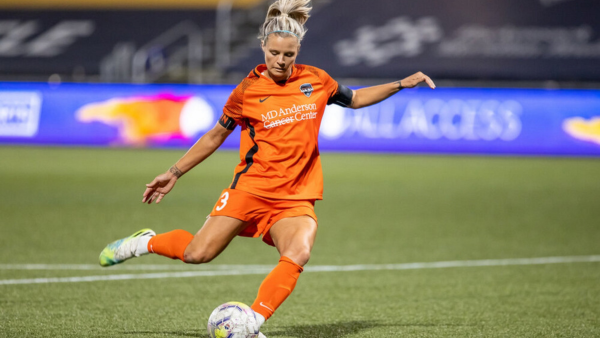
The Professional Women’s Hockey League (PWHL) launched in 2024 with six teams and real financial backing behind it. Since then, the league has doubled in size and now has 12 teams. 

That alone was a bigger deal than most people realized. Previous attempts at a professional women’s hockey league had failed. Not because fans did not care, but because the foundation was never built correctly. 

This time it was, and the market responded in a way that should have every brand paying attention.

Quick Highlights

  • The PWHL set a single game attendance world record for women’s hockey in its inaugural season, drawing 21,105 fans to a game in Montreal.
  • The PWHL surpassed 1 million fans in attendance during the 2025-2026 season.
  • Several PWHL franchises sold out season tickets within hours of going on sale.
  • Women’s hockey viewership during the 2026 Winter Olympics reached an all-time high, further driving interest in the professional game.

PWHL sponsorship

The Demand Was Always There

The old narrative was simple: women’s hockey couldn’t sustain a professional league because fans didn’t care. The Canadian Women’s Hockey League (CWHL) folded in 2019 and that story got louder.

The PWHL’s first season didn’t just challenge that narrative. It buried it.

Arenas were selling out, viewership numbers were climbing, and social media engagement was outperforming expectations. Markets don’t respond that way when there’s no appetite for the product.

Women’s hockey never had a demand problem. It had an investment problem, and for too long, nobody with real money was willing to find out the difference.

That has changed. And the opportunity now sitting in front of brands and business development professionals is one of the most significant in sports.

Sponsorships Are Still Cheap

The business case here is simple. Sponsorship in the PWHL is still priced like a league in its infancy, which technically it is, but the audience it delivers does not reflect that price tag anymore.

Brands that got into the National Women’s Soccer League (NWSL) in its early years or the WNBA before the recent boom will tell you the same story. They paid low rates, built genuine relationships with passionate fan bases, and are now sitting on sponsorship assets worth far more than what they originally paid. 

The brands that waited are paying a premium for the same seat at the table.

Women’s hockey is in that early window right now. It will not stay there. Every sellout, every attendance record, every viral moment makes it smaller. This is not a window that stays open.

The Fan Base Is Worth Paying Attention To

Numbers tell part of the story. The other part is who those numbers represent.

The fans showing up to PWHL games and following the league online are young, vocal, and highly engaged. That is exactly the kind of demographic that brands across almost every industry are trying to figure out how to reach.

Research consistently shows that younger consumers make purchasing decisions based on values alignment, not just product quality. Large portions of Gen Z say authenticity is a key factor in deciding which brands to support. 

Women’s sports have accelerated this shift over the last few years.

More media coverage has brought in new fans, and those fans have proven to be loyal in a way that translates directly into value for sponsors. This is the kind of loyalty that shows up in purchase behavior and brand affinity, not just viewership stats. Women’s hockey sits right in the middle of that shift, with a fan base that is still growing and still forming its habits around which brands it associates with the sport.

The League Is Built Differently This Time

One of the strongest arguments for treating the PWHL as a long-term investment isn’t the attendance numbers or the viewership growth. It’s the infrastructure underneath all of it. 

The CWHL and National Women’s Hockey League (NWHL) both had structural problems that made them fragile. Ownership issues, low salaries, and limited media presence were among the issues. The PWHL studied those failures before a single puck dropped.

Players are earning real salaries. Teams have actual identities and real markets behind them. Media rights deals are in place and growing. That stability is important because sponsors and partners need to believe the league will still exist in ten years before they commit serious resources to it.

Montreal Victoire captain Marie-Philip Poulin is the clearest example of what that looks like in practice. She is not just one of the best players in the league. She is a genuine sports icon whose influence extends well beyond the rink.

At her fifth Olympic Games in Milan, Poulin returned from an injury to score both goals in a semifinal win over Switzerland, setting a new Olympic record with 20 career goals. She now holds five Olympic medals and remains the only hockey player in history, male or female, to score in four consecutive gold medal games. Earlier this month, TIME named her to its inaugural list of the 100 Most Influential People in Sports, putting her alongside the biggest names in global athletics.

Stories like this which gives brands real storytelling opportunities, did not exist in this sport a few years ago.

PWHL sponsorship

The Math Makes Sense

The entry cost is still low. The fan base is growing fast and has a track record of rewarding the brands that showed up early. The league finally has the infrastructure to back it up.

There is a cultural movement around women’s sports that is not slowing down.

The WNBA is the obvious comparison. That league spent years being underestimated and underfunded, and now franchises are selling for hundreds of millions of dollars and expansion fees are rising fast.

The NWSL followed the same arc.

What Comes Next

The PWHL is still in its early chapters. The attendance records and viewership numbers from the first couple of seasons are impressive, but they are just the beginning of what this league can become with the right investment and continued growth.

For anyone working in sports business, the question is not really whether women’s hockey is worth paying attention to. The numbers already answered that. The question is whether you get in now while the market is still catching up, or wait until everyone else figures it out and the price reflects that.

The smart move is obvious.

FAQ:

  1. What is the PWHL? It stands for the Professional Women’s Hockey League. It launched in 2024 as the first fully professional women’s hockey league in North America with real financial backing, legitimate salaries, and six teams built to last. It replaced a landscape of previous leagues that had tried and failed to make the business model work.
  2. Didn’t a professional women’s hockey league already exist? A few of them, actually. The Canadian Women’s Hockey League ran for over a decade before folding in 2019, and the National Women’s Hockey League operated in the US around the same time. Both struggled with funding, low salaries, and limited media presence. The PWHL was built with those failures in mind.
  3. Why is now the right time to invest in women’s hockey? Because the league has proven the demand is real and the sponsorship market has not caught up to that yet. The gap between what the PWHL delivers as an audience and what it currently charges for sponsorship inventory is where the opportunity lives, and that gap is closing fast.
  4. Are women’s hockey fans actually a valuable demographic for brands? Yes, and that is one of the most underappreciated parts of this conversation. The PWHL has built a young, highly engaged fan base in a short amount of time. That demographic is exactly what most brands are spending significant budgets trying to reach through other channels.
  5. How does the PWHL compare to the WNBA or NWSL as a business? It is earlier in its development, which cuts both ways. The risk is slightly higher but so is the upside. The WNBA and NWSL both went through periods where they were undervalued and underinvested, and the brands that got in during those windows built lasting equity. Women’s hockey is in that window right now.
  6. What makes this different from previous failed attempts at a women’s hockey league? Structure and money. Previous leagues collapsed because of ownership instability, inadequate player salaries, and no real media strategy. The PWHL addressed all three before it ever dropped a puck. That foundation is what gives sponsors and partners the confidence to commit long term.
  7. Is this just a trend driven by the broader women’s sports movement, or is it sustainable? The cultural momentum around women’s sports has accelerated, but the PWHL’s numbers are not just riding a wave. Sellout arenas, growing viewership, and strong social engagement suggest a real and growing fan base rather than a temporary spike. The brands that treat it like a trend and wait it out are probably going to regret that.

How Brands Are Using AI to Find the Right Athlete Partners

Traditionally, a brand choosing an athlete partner came down to three things: performance metrics, gut feelings, and a phone call between agencies.

A marketing executive would typically look at jersey sales. Maybe request a media kit, and then run a quick Google search to confirm there were no red flags. 

That model worked when sports marketing was simpler. But in 2026, an athlete’s value isn’t just measured in touchdowns or podium finishes. It lives in engagement rates, audience demographics, sentiment scores, comment section tone, and content performance across five separate platforms at once. 

No gut feeling can process all of that, but AI can.

Brands aren’t just adopting AI to optimize ads or cut costs. They’re using it to answer a question that used to take months of relationship-building and guesswork: Is this the right athlete for us?

Quick Highlights:

  • 48% of sports sponsors planned to integrate AI solutions in 2025, with AI-driven sponsorships shown to enhance brand exposure by up to 30%.
  • Sports organizations that adopted AI sponsorship tools reported an average 3.1x increase in closed deals within the first 12 months.
  • Sports sponsorship is projected to reach $151.4 billion by 2032, with brands demanding more precise, scalable ways to measure ROI.
  • In a 2025 survey of sports media professionals, 81% of executives said they had expanded their AI use in the past year to improve efficiency.
Athlete Partners

The Old Way of Picking Athletes… And Why It’s Breaking Down

For decades, the athlete sponsorship process ran on relationships. An agent knew someone at a brand. A marketing director had a favorite player, or a deal got structured around name recognition and a media impression number that nobody could really verify.

It wasn’t a bad system, and for a long time, it worked.

The problem we are seeing now is that the stakes have grown far beyond what informal vetting can handle. Sponsorship deals are bigger, brand safety concerns are more visible, and the cost of getting it wrong has never been higher. 

A single off-brand moment from an athlete: a controversial post, an unexpected association, a viral incident, can all trigger a public relations crisis that costs a company far more than the partnership ever generated.

At the same time, the data available to evaluate athletes has exploded. Follower counts are easy to inflate. Media impressions don’t tell you who’s actually buying. Reach means very little if the audience doesn’t overlap with the brand’s customer base. 

The traditional metrics that once anchored these decisions no longer tell the full story.

With global sports sponsorship heading toward $151 billion by 2032, brands can’t afford to run on intuition anymore. They need a smarter filter, and agencies are leaning on AI to become that filter.

What AI Actually Analyzes

This is where the real differentiation between humans and AI becomes clear. 

AI isn’t just doing the work of a faster Google search. It’s processing layers of data simultaneously that no human team could realistically evaluate at scale. The most important question in any sponsorship decision isn’t “does this athlete have fans?” It’s “are their fans our customers?” 

AI is able to cross-references an athlete’s actual audience profile: age, location, income bracket, purchasing behavior, etc. against a brand’s target consumer. The result is an audience overlap score that tells a brand, before any money changes hands, whether the partnership is likely to actually reach the people it’s trying to reach.

Sentiment analysis tools sift through social media conversations, fan feedback, and comments to measure what’s being said about an athlete in real time. This search includes things like tone, frequency, and emotional charge. An athlete with 2 million followers and overwhelmingly negative comment sentiment is a liability, not an asset. AI can catch that before a contract is signed.

AI is able to track how an athlete’s branded content historically performs compared to their organic content. Does their audience engage with partnership posts, or do they scroll past? That gap tells a brand more than any follower count. An athlete whose sponsored posts drive the same engagement as their personal content is rare, and genuinely valuable. 

While there are tons of different AI tools out there, they all have one thing in common: The ability to process tons of data at a speed incomprehensible to an average human. 

The Tools Reshaping the Industry

The technology driving this shift isn’t hypothetical. Platforms built specifically for AI-powered sponsorship intelligence are already operating at the professional level.

Relo Metrics uses NVIDIA-powered computer vision and multi-modal AI to track, analyze, and optimize sponsorship visibility in real time. Whether it’s using automated logo detection on athlete apparel or AI-driven impact measurement across leagues and media environments, brands can get a live dashboard of exactly how much exposure they’re receiving and what it’s worth at any given moment.

SSPAIN.ai, developed at Texas A&M, is already generating interest from the NFL, the Dallas Mavericks, Playfly Sports, and 23XI Racing. It was built specifically to close the gap between the sophisticated analytics teams use to evaluate on-field performance and the comparatively basic tools most organizations have used to forecast sponsorship value. That gap in technology continues to be a problem, and SSPAIN.ai is trying to eliminate it.

MOGL and NIL platforms have brought this same intelligence to the college level. These platforms match athletes with brands automatically, accelerating sponsorship campaigns that once took days of back-and-forth discussions into minutes. Doing this across thousands of college athletes is a task that no human team could realistically evaluate one by one. 

For brands, this opens up an entire tier of athlete partnerships that used to be logistically out of reach.

AI fan sentiment systems are taking things a step further. Teams are now building 360-degree fan identity graphs. These are unified profiles that integrate purchase history, digital behavior, and social interactions. AI uses this data to deliver tailored content and brand offers in real time. 

For sponsors, using these systems means being able to identify which athletes are already driving purchasing behavior among their target audience, not just which athletes their target audience follows.

AI in the Fan Experience: The Other Side of the Equation

While AI is perfecting Athlete selection, it is only half of the story. AI is simultaneously transforming how fans experience sports, and that shift is directly reshaping what makes an athlete commercially valuable in the first place.

Younger fans follow individual athletes as much as, if not more than, the teams they play for. They expect content that feels personal and relevant to them. AI is enabling that personalization at scale by allowing for custom highlight reels built around a fan’s viewing history, predictive content feeds that surface the right athlete content at the right time, and chatbot-driven community engagement that keeps fans connected between games.

For brands, this matters in a concrete way. The most valuable athlete partner isn’t necessarily the one with the biggest platform, but the one whose audience is most actively engaged within this AI-personalized content. An athlete whose fans are deeply plugged into team apps, streaming platforms, and digital fan experiences is an athlete whose endorsements actually get seen.

AI also allows brands to track how well sponsorships perform in real time once they’re live. If a campaign isn’t generating the expected response, adjustments can be made before the damage hits. That kind of feedback loop simply didn’t exist at this speed before.

AI Sponsorship

What This Means for Athletes

This shift isn’t just about brands getting smarter, it changes what athletes need to think about too.

An athlete’s digital footprint is now part of their sponsorship value in the same way a batting average or a sprint time is. The content you post, the audiences you build, the brand associations you’ve already established, and even the tone of how your fans talk about you online. These are all part of the data that an AI system is going to score before a brand ever answers an email.

This has real implications for how athletes manage their physical load and personal brand. It’s no longer enough to perform well and hope the right people are watching. The off-field presence and the authenticity of the audience an athlete builds are all inputs into a partnership evaluation that happens long before a conversation starts.

This is exactly where the value of good athlete management becomes most visible. AI can identify the opportunity. But it takes human strategy, working with a team that understands both the data layer and the relationship layer, to build the athlete brand that makes those opportunities worth pursuing in the first place. 

At Athelo Group, this is the work we do every day: helping athletes develop the kind of authentic, consistent brand presence that performs at the highest level. Not just in the eyes of fans, but in the data systems brands are increasingly relying on to make their decisions.

The Limits of AI in Athlete Selection

AI is a powerful filter, but it is not a replacement for judgment. 

The data can tell a brand that an athlete’s audience skews 28–35, is concentrated in the Southeast, and engages at a 6.2% rate. While these are important, AI cannot tell you that the athlete’s story of overcoming adversity is going to connect emotionally with your customer in a way that builds long-term brand loyalty. 

It can flag sentiment trends, but it cannot capture the intangible quality that makes a partnership feel authentic rather than transactional.

There is also a risk in over-evaluating the data. An algorithm optimizing for audience overlap and engagement metrics might consistently surface the same tier of well-known athletes, overlooking the rising athlete in a niche sport whose audience is smaller but deeply loyal and perfectly aligned with a brand’s values. Some of the most effective partnerships in sports marketing history would have looked underwhelming on a spreadsheet before they happened.

The brands using AI best aren’t replacing their partnership strategy with an algorithm. They’re using AI to clear the field, eliminate obvious mismatches, and surface the right candidates faster. 

Then, they do the distinctly human work of forging genuine relationships.

How Will AI Impact Brands in The Future?

Sports marketing is moving in one direction: toward more data, more personalization, and more accountability for every dollar spent. 

AI is the infrastructure making that possible. But the final decision of is this the right person to represent this brand? – is still a human one. The brands that will win the next decade of athlete sponsorships will be the ones that learn to use both. 

AI to find the signal. People that act on it.

For athletes, the takeaway is equally as clear. In a world where brands are running your name through a sentiment engine before they call your agent, the work of building an authentic, consistent, and genuinely engaged personal brand isn’t optional. 

It’s the foundation everything else is built on.

FAQ:

  1. What is AI-driven athlete sponsorship selection? AI-driven athlete sponsorship selection is the process of using artificial intelligence tools to evaluate and identify athlete partners for brand deals. 
  2. How does AI measure athlete brand fit? AI measures brand fit by cross-referencing an athlete’s actual audience profile against a brand’s target consumer. It also evaluates social sentiment, content performance history, and audience authenticity to produce a fit score that helps brands make faster and more data-informed partnership decisions.
  3. Can small or mid-size brands use AI sponsorship tools, or is this only for major corporations? AI sponsorship tools are increasingly accessible to brands of all sizes. NIL platforms like MOGL, for example, were specifically built to balance athlete-brand matching at scale, connecting smaller brands with college and emerging athletes at a fraction of the cost of traditional agency-led processes. The barrier to entry is lower than most brands assume.
  4. What data does AI use to evaluate an athlete’s social media presence? AI evaluates a combination of engagement rate, audience demographics, follower growth patterns, comment sentiment, branded content performance versus organic performance, and audience authenticity signals. Together, these data points give brands a far more complete picture of an athlete’s real social value than follower count alone.
  5. Does AI replace sports marketing agencies in the sponsorship process? No. AI is a tool that enhances the sponsorship process, but it doesn’t replace the strategy, relationship-building, and creative thinking that agencies and management teams bring to the table. What AI does eliminate is the guesswork at the top of the funnel, so that the human work that follows is focused on the right opportunities from the start.

The Economics of the Indianapolis 500: How One Race Generates Millions

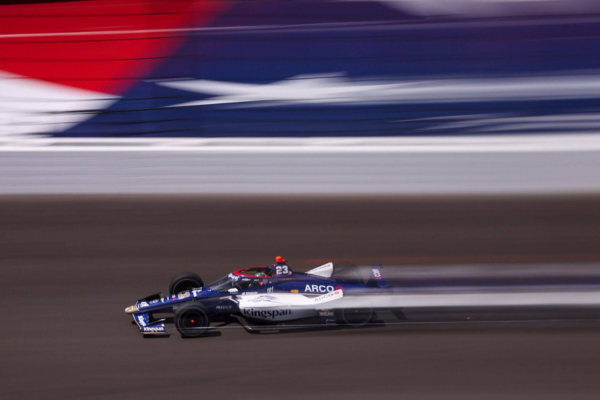
Every May, the roar of engines at the Indianapolis Motor Speedway becomes more than just a racing spectacle. It has become one of the biggest economic engines in sports. 

The Indy 500 is not only a cornerstone of American motorsports culture, but also a massive business ecosystem. It is fueled by sponsorships, tourism, media exposure, hospitality, and brand activations.

For brands, teams, athletes, and the city of Indianapolis itself, the Indy 500 represents a unique opportunity: one event capable of generating millions in economic impact while delivering unmatched fan engagement and storytelling opportunities.

At a time when sports marketing is increasingly driven by authenticity, experiential engagement, and cultural moments, the Indy 500 continues to prove why legacy events still hold enormous commercial power.

Quick Highlights

  • Indianapolis Motor Speedway generates more than $1.058 billion in annual economic activity for the state of Indiana.
  • IMS-related activity supports around 8,440 full-time equivalent jobs and pumps an estimated $360 million in labor income into Indiana’s economy.
  • IndyCar teams are actively diversifying their commercial portfolios, pulling in partners from industries well outside the traditional motorsports world. 
  • TV exposure gets the headlines. But some of the most valuable business at the Indy 500 doesn’t happen on camera at all.
View this post on Instagram

A post shared by Jordan Agajanian (@jordanagajanian)

More Than Just A Race

The Indy 500 is no longer just a three-hour competition. Over race weekend, hundreds of thousands of fans travel to Indianapolis, filling hotels, restaurants, bars, transportation services, and local businesses throughout the city.

The numbers don’t lie. According to a study by the Indiana University Public Policy Institute, Indianapolis Motor Speedway generates more than $1.058 billion in annual economic activity for the state of Indiana. More than half of that, roughly $566.4 million, comes from the month of May alone.

That economic impact extends far beyond the racetrack.

Hotels sell out across the city. Restaurants and bars run at capacity. Transportation hospitality, retail; the entire city feels it. The study also found that IMS-related activity supports around 8,440 full-time equivalent jobs and pumps an estimated $360 million in labor income into Indiana’s economy.

One race weekend. That’s the scale we’re talking about.

Sponsorships Fuel The Entire Ecosystem

Motorsports has always been deeply connected to sponsorships, but the Indy 500 operates on another level. A logo on a car is no longer the product. That’s just the entry point.

According to reporting from the Indianapolis Business Journal, IndyCar teams are actively diversifying their commercial portfolios, pulling in partners from industries well outside the traditional motorsports world. 

Today’s deals stack across multiple layers:

  • Race weekend hospitality and client entertainment
  • Driver-led content 
  • Social media campaigns
  • On-site activations at the Indianapolis Motor Speedway
  • Year-round brand integration across the IndyCar season

At the same time, IndyCar’s biggest event, the Indy 500, acts as the main stage. Sponsors who may only activate heavily around this single race can still receive massive exposure due to the scale, tradition, and media attention surrounding the event.

Indianapolis 500

Hospitality May be the Most Valuable Asset

TV exposure gets the headlines. But some of the most valuable business at the Indy 500 doesn’t happen on camera at all.

Corporate hospitality has become one of the race’s most valuable sponsorship assets. Suites, pit access, garage tours, and VIP experiences allow companies to entertain clients, reward employees, and build relationships in a high-energy environment.

In many cases, the true ROI of a motorsports partnership comes from the business relationships created during race weekend rather than from media impressions alone.

Deals are discussed in suites. Partnerships are strengthened in hospitality areas. Relationships are built through shared experiences.

That is part of what makes the Indy 500 unique compared to traditional advertising channels. 

Drivers Have Become Media Brands

The modern IndyCar driver is no longer just defined by performance on race day. They’re content creators, brand voices, podcast hosts, and social media presences, and sponsors know it.

Social media has fundamentally changed how fans connect with the sport. Drivers are now able to build direct relationships with audiences in real time, sharing behind-the-scenes moments, personal perspectives, training routines, and race-weekend experiences. This level of access has turned drivers into everyday storytellers, not just athletes in helmets.

For sponsors, that shift has created an entirely new layer of value. A driver’s impact is no longer limited to what happens on track. Their personality, online presence, and ability to engage fans now play a major role in shaping partnership decisions.

This has also changed how sponsorships are activated.

Instead of relying solely on traditional logo placement, brands now expect drivers to participate in content creation, social campaigns, and storytelling that continues throughout the season. The most effective partnerships are the ones where the driver becomes a natural extension of the brand’s voice, not just a visual asset on the vehicle.

Why The Indy 500 Still Matters

In an era filled with endless content and fragmented attention spans, the Indy 500 continues to stand out because it combines tradition, scale, speed, community, and business opportunities all in one weekend. 

Very few sporting events can offer all of those elements simultaneously.

The race remains one of the rare sports spectacles where brands, fans, athletes, and businesses all intersect in a meaningful way. Whether through sponsorships, experiential activations, hospitality, or content creation, the Indy 500 continues to generate value far beyond the racetrack.

And as sports marketing keeps pushing toward authentic storytelling and experience-driven engagement, the business case for the Indy 500 only gets stronger.

The race itself is great. But what happens around it? That might be the real show.

FAQ:

  1. How much do IndyCar sponsorships cost? Costs vary depending on the level of partnership. Associate sponsorships can range from low six figures, while primary or full-season deals can reach into the millions. The Indy 500 itself often commands premium pricing because of its global visibility and concentrated audience.
  2. How does the Indy 500 make money? Revenue comes from multiple streams including ticket sales, corporate hospitality suites, sponsorship deals, broadcast rights, merchandise, and event-week activations. Unlike many sports, a significant portion of value is also created indirectly through tourism and brand-driven spending across the city.
  3. Why does the Indy 500 winner drink milk? The milk tradition started in 1936 when winner Louis Meyer drank buttermilk in victory lane after his win. A dairy executive turned it into a marketing moment, and the tradition stuck. Today, every winner of the Indianapolis 500 is offered milk on the podium, choosing from whole, 2%, or skim. It’s now one of the most iconic victory traditions in sports.
  4. How much money does the Indy 500 winner make? The winner of the Indianapolis 500 typically earns around $2 million or more, depending on the yearly prize purse. The total purse has recently exceeded $15 million, with payouts distributed across the full finishing order.
  5. Do sponsors pay drivers directly? In many cases, sponsors fund teams rather than paying drivers directly. However, drivers often benefit through contracts that include salary, bonuses, and personal endorsement opportunities tied to their sponsor relationships.

The Business Behind the Athlete: What Does a Sports Manager Do?

When people think about athletes, they usually think about games, highlights, championships and stats. However, there is an entire side of business behind every successful athlete. 

Athletes today aren’t just players. They have become brands, public figures, business partners, community leaders and role models to the public. This is why sports managers are so important. They help athletes manage the opportunities and responsibilities that come with being in the sports industry. 

So what does a sports manager do?

Sports managers help athletes succeed beyond the game by handling business opportunities, daily responsibilities, personal branding and long-term career growth. Depending on the type of sports manager, they may work with athletes, teams, leagues, brands, schools or sports organizations.

Quick Highlights

  • In 2023, the U.S. Bureau of Labor Statistics estimated there were 12,870 agents and business managers of artists, performers, and athletes in the U.S., with a median salary of $84,900.
  • FIFA reported 10,525 licensed football (soccer) agents worldwide in 2025, showing that soccer has the largest athlete-representation markets in the world.
  • In men’s professional soccer, clubs paid a record $1.37 billion in agent fees in 2025, which was over a 90% increase from the previous year. 
  • The NFLPA lists 1,070 certified contract advisors, and the NBA lists 827 certified agents.
Sports Manager

Connecting Athletes with Business Opportunities

One of the most significant jobs a sport manager does is help athletes find ways to earn money outside of playing their sport. 

Athletes can work with brands through sponsorships, endorsements, partnerships, paid appearances, social media campaigns, and promotional events. This has become even more prominent with the acceptance and normalization of NIL. 

The NCAA now allows their student-athletes to receive compensation for their name, image, and likeness through utilizing their various social media platforms and participating in promotional media. 

A sports manager helps make sure that these opportunities are aligned with what the athlete currently represents, aims to represent and their existing brand. It is the sports managers job to ensure that the brands they are promoting ultimately matches the athlete’s personal brand image. This helps the athlete build partnerships that feel authentic, rather than random money grabs. 

This is exactly the kind of work we do at Athelo Group, helping athletes identify brand opportunities that feel authentic to their story. After IndyCar driver Conor Daly went viral for joking about an unexpected moment during the Indianapolis 500, we helped secure a partnership with Depend that turned the viral moment into a creative sponsorship opportunity that benefited both the athlete and the brand.

Keeping Everything On Track

It’s also a sports manager’s job to help keep athletes organized. Oftentimes an athlete has to balance all of their training, practices, team meetings and more, leaving them with very limited bandwidth for much else. 

Sports managers assist with scheduling, travel, appearances, meetings, communication and other logistics so the athlete can stay focused on their performance. A lot of the time the team behind the athlete ensures they are at every signing event, community appearance and media interview. 

Behind-the-scenes work may not go noticed by fans, but it is extremely important for the athlete. 

If an athlete is late, misses an appearance or has too many things scheduled, they could potentially get overwhelmed. This could lead to reputation and mental health concerns. A sports manager helps prevent that by keeping everything organized and professional on the athletes behalf. 

The Reality of Life After Sports

Unfortunately, athletes can’t play forever (sorry to all the Lebron James fans). Eventually, their career will come to an end. 

Because of that, athletes need to think about what comes next and what they want their future to look like. This is where sports managers can be extremely helpful; they can help athletes start their own businesses, personal brands, expand their networks and find career opportunities beyond their athletic career. 

This could include helping an athlete start a foundation, launch a clothing brand, begin broadcasting, become a podcaster, invest in a company or create a community program. Sports managers can help with these things while an athlete is still playing, so that once they are ready for retirement, they already have other avenues of income. 

At Athelo Group, we represent Mark Henry, a former WWE athlete. Although he is now retired from professional wrestling, post-career opportunities including comedy shows, community events and DJ gigs help ensure his brand continues to grow beyond the ring.

This is especially important as the sports industry is becoming more connected to media, entertainment, business and technology. Deloitte’s 2026 sports industry outlook notes that sports are increasingly converging with media and entertainment. Venues are also becoming year-round platforms, showing that athletes are continuously seeing more opportunities outside of their sport. 

Why Sports Managers Matter

Sports managers matter because they help athletes succeed in life, not just as competitors. They help athletes manage their time, grow their brand, make business decisions and prepare for their future. 

Fans typically just appreciate the final product, the game, interview, social media post, or brand partnership. What they don’t see is the planning behind it that the player relies on.

Sports managers are often the people making those moments happen smoothly. Without sport managers, athletes would have a much harder time balancing sports, business, media, travel and long-term career goals. 

At Athelo Group, this same mindset shapes how we work with athletes every day, helping them identify opportunities that make sense both now and in the future.

Sports Manager

FAQ:

  1. What is the main job of a sports manager? The main job of a sports manager is to help handle the business and organizational side of sports. For athletes, this can include sponsorships, scheduling, travel, appearances, communications, and career planning.
  2. Do sport managers only work with professional athletes? No. Sports managers can work with professional athletes, college athletes, teams, leagues, schools, brands, agencies, and sports organizations.
  3. How do sport managers help athletes make money? They help connect athletes with sponsorships, endorsements, NIL deals, appearances, partnerships, and other business opportunities. All in which can contribute to an athlete’s income.
  4. Why is personal branding important for athletes? Personal branding helps athletes show who they are beyond the sport. A strong brand can lead to more sponsorships, media opportunities, community impact, and career options after sports.
  5. Why is this career important in today’s sports industry? Sports are no longer only about the game. Athletes are connected to business, media, entertainment, social media, and community impact. Sport managers help athletes navigate all of those areas specifically.

Sports Tourism: The “F1 Effect” on Secondary Cities 

Formula 1 has officially rewritten the playbook on urban transformation. 

While the “F1 effect” has already turned global hubs like Las Vegas and Miami into neon-lit sports spectacles, the real story is beginning to unfold elsewhere. Formula 1 proved that a single, high-octane sporting event can do more than just fill hotel rooms. It can fundamentally shift a city’s economic trajectory and global brand identity. 

But as the dust settles on the Vegas Strip, the focus is shifting. 

We are entering an era where mid-sized cities are no longer content being “flyover” territory. Instead, they are betting on sports to facilitate a total rebrand. The question is: which secondary cities are poised to become the next Las Vegas?

Quick Highlights

  • Las Vegas reportedly saw a total economic impact of nearly $1.5 billion from its inaugural Grand Prix, a figure that has secondary markets racing to replicate the model.
  • Major sport events act as a “billboard” for a city, increasing brand sentiment and attracting future corporate investment far beyond the event weekend. 
  • Cities like Nashville and Austin have utilized sports tourism to fund massive urban development and transit improvements.
  • Experience-based travelers are prioritizing “bucket list” sport events, with sports now accounting for 10% of global tourism spending. In 2023 alone, global sport tourism amassed over $560 billion with projections of that value being close to $1.3 trillion by 2032.
  • A single event can move a city from a “regional market” to a “global destination” in the eyes of international media and sponsors.

The Urban Planning of Fandom

In the past, stadium construction was often isolated, a concrete island surrounded by parking lots. Today, the “F1 Effect” has taught secondary cities that the city is the venue. Urban planning is now being viewed through the lens of fandom. 

Mid-sized cities are increasingly investing in “Sports Districts,”. These are mixed-used developments that blend arenas with retail, residential and tech hubs. This strategy isn’t just about the three-hour game window. It’s about creating a 365-day ecosystem. 

Major cities and sport franchises like the Dallas Cowboys and Atlanta Braves have already capitalized on this concept, with the Star District in Frisco, TX and The Battery in Atlanta, Georgia. When a city like Nashville invests in its stadium district, it isn’t just for the fans. It’s a long-term play to lure permanent residents and corporate headquarters. 

The Mid-Market Blueprint: Who is the Next Vegas?

Beyond traditional, primary markets like Dallas and Atlanta, several smaller cities are leading the charge in their new era of sports-driven rebranding. 

Oklahoma City is perhaps the most aggressive example of a mid-sized market doubling down on its “Global City” aspirations. In March 2026, the city broke ground on the Continental Coliseum, a $990 million, 750,000 square foot arena designed to anchor a new modern downtown. This project most notably includes “Thunder Alley,” a massive fan activation zone designed to foster a street-level energy that mirrors the spectacle of major European or F1 circuits. 

Jacksonville is currently executing a $1.4 billion transformation of its riverfront, anchored by what they’ve branded as the Stadium of the Future. The project includes a 30-year commitment to community growth, featuring nature parks, immersive in-bowl technology and scenic lookout decks.

Adjacent developments like the Four Seasons Hotel and Private Residences signal that Jacksonville is specifically targeting the high networth “experience traveler” that F1 made famous in Miami. 

Indianapolis is leveraging the domestic growth of soccer to rebrand its southwest downtown quadrant. The Eleven Park development, a $1 billion mixed-use district centers on a 20,000 seat soccer-specific stadium. The project includes a four-acre plaza for community gatherings, an indoor concert venue and significant residential and office space. This aims to create a self-contained ecosystem that mimics the live-work-play districts of much larger global markets.

The Live-Work-Play Multiplier: Beyond the Visitor Economy

The long-term success of these secondary cities depends on their ability to convert a one-time sports tourist into a permanent resident or corporate stakeholder. We are seeing a shift where sports infrastructure is no longer treated as a weekend luxury but as a core utility for talent recruitment. 

Mid-sized cities are using their sports identities to signal a high quality of life. They are recruiting the creative class and pitching to tech workers and entrepreneurs who want to live in a “global destination” without the cost of living hurdles that an alpha city might have. 

Districts like the Continental Coliseum or Eleven Park are becoming laboratories for smart-city technology, piloting connectivity, biometric access and autonomous shuttles that eventually benefit the everyday consumer. 

Successfully managing the logistical complexity of a major event proves a city has the infrastructure and governance to support a corporate headquarters in relocation. We saw this with the halo effect in Frisco, TX, where the Star District became a magnet for firms looking to align with the prestige of athletics. 

By integrating sports into the fabric of urban life, these cities ensure that the ROI of their multi-billion dollar bets is measured in decades of population growth, not just days of event revenue.

sports tourism

The Experience-Based Traveler

Building a world-class sports district is only half the battle. The real ROI of these multi-billion dollar developments lies in their ability to solve the 365 day problem, ensuring a city remains a destination even when the stadium lights are off. 

As cities like Oklahoma City and Jacksonville invest in the urban planning of fandom, they are specifically designing for a new archetype: the experience-based traveler. This demographic doesn’t just attend a game; they consume the entire city as a curated, immersive ecosystem. To understand why mid-sized cities are winning, we have to look at the shifting psychology of the modern fan. 

Today, the modern traveler no longer settles for a standard hotel stay; the value of sports tourism rests in being redefined by experience. 

Secondary cities have a unique advantage here: local flavor. While Las Vegas offers a curated spectacle, cities like Austin or Charlotte offer an authentic cultural immersion that the experience-based traveler craves. These cities are leveraging sports to showcase their culinary scenes, music and luxury hospitality, tapping into a demographic that views sports as the catalyst for a broader cultural exploration

Media, Branding and Identity

Recognition in the modern sports landscape is shaped by visibility. For a secondary city, hosting a major event is a fast track to institutional legitimacy

Formula 1 provides a masterclass in this: the global broadcast reach of a single race can put a mid-sized city in front of hundreds of millions of viewers. This media exposure allows a city to shed an outdated industrial image and emerge as a vibrant, tech-forward hub. In the same way that NIL monetization has changed the game for collegiate athletes, sports tourism allows a city to monetize its own Name, Image and Likeness on a global scale.

Free-to-air and streaming coverage significantly increase brand sentiment, which directly correlates to future tourism by highlighting a locality’s unique attractions to international audiences. By the time a broadcast ends, the city has transitioned from a dot on a map to a high-value asset in the eyes of international sponsors and corporate relocations. 

The Opportunities Ahead

The blueprint is clear. The cities that will win the next decade are those that view sports as an anchor for broader, year-round economic development rather than a weekend-only revenue spike. 

We are moving into the age of expansions, where the physical spaces of sports stadiums and arenas are evolving into community-centric hubs that drive value beyond gameday. 

We are seeing a massive opportunities in three specific areas:

Beyond the big four, secondary cities are becoming hubs for burgeoning pro league movements. Major league Pickleball (MLP) for example, is utilizing cities like Columbus, Grand Rapids and Austin as key team hubs and tournament sites. They are tapping into a younger, creator-driven demographic that traditional sports often miss. 

There is also a growing gap for brand partnerships to bridge local infrastructure and global audiences through Agentic AI and personalized fan engagement. Secondary cities that embed high-tech workflows into their new stadium districts, such as Jacksonville’s Stadium of the Future, create a competitive edge that lures tech-focused corporate headquarters. 

Lastly, recent data shows that 82% of sports travelers explore destinations beyond the host city. This creates an opportunity for regional fan zones, like Washington state’s plan for nine district zones for the 2026 World Cup, distributing economic impact across an entire state rather than just a single downtown core. 

Whether it’s a Tier-1 soccer friendly, a specialized racing circuit, or a growing niche sport hub, the barriers to entry for “Global City” status are lower than ever for those willing to invest in the scoreboard.

Redefining the Map

We are witnessing a literal remapping of the tourism industry. The “F1 Effect” has proven that geography is no longer destiny; instead, a city’s relevance is now determined by its ability to curate world-class, high-stakes environments that blur the line between a “mid-sized market” and a “global destination.”

This shift represents a structural change in how urban centers compete for human capital, as investments like the Stadium of the Future or Continental Coliseum serve as a “seat at the table” of international relevance. By building these ecosystems, cities signal to the world that they possess the vision and local flavor to host the next generation of global nomads. 

For the sports industry, the implications are massive. We are moving away from a world where alpha cities hold a monopoly on major events. The democratization of sport tourism means that any city with a strategic urban plan and a commitment to the 365 day ecosystem can become a powerhouse. The finish line for these cities is no longer just the end of a successful event, it’s the start of a completely new identity. 

The map of the world’s most influential cities is being redrawn in real-time, and sports are the ink. As we look toward the next decade of development, one thing is certain: the cities that viewed themselves as “secondary” are the ones currently making the primary moves.

FAQ:

  1. What exactly is the “F1 Effect” on secondary cities? The “F1 Effect” refers to the transformative economic and cultural shift that occurs when a high-profile sporting event is used as a catalyst for urban rebranding. It goes beyond temporary tourism, fundamentally changing a city’s global brand identity and its ability to attract long-term corporate investment. 
  2. Why are mid-sized cities prioritizing sports districts over traditional stadiums? Unlike traditional stadiums that often sit isolated in parking lots, modern sports districts are mixed-used developments designed to be 365-day ecosystems. By blending arenas with residential, retail and tech hubs, cities ensure a continuous return on investment that lures permanent residents rather than just weekend visitors.
  3. How does hosting a major event help a city recruit the “creative class?” Mid-sized cities use their sports identities to signal a high quality of life and global relevance. By proving they can host world-class events, these cities pitch themselves to entrepreneurs and tech workers as global destinations that offer elite amenities without the high-cost burdens found in major cities.
  4. Can sports tourism actually fund long-term infrastructure improvements? Yes. cities like Nashville and Austin have successfully leveraged the revenue and visibility from sports tourism to fund massive urban developments and transit improvements. These projects often pilot smart-city technologies that eventually become central utilities for the general public. 
  5. What is the 365-day problem in sports tourism? The 365-day problem is the challenge of keeping a sports-centric area vibrant and profitable when no games or events are scheduled. Secondary cities solve this by designing immersive ecosystems, featuring culinary scenes and luxury hospitality that appeal to the experience-based traveler year-round. 

Do Women Get Paid the Same in Golf Tournaments?

If you’ve ever searched women’s golf pay, LPGA prize money, or the gender pay gap in sports, you’ve probably noticed the same pattern. Women still aren’t paid the same as men in golf tournaments.

At the same time, the gap isn’t as simple as it used to be.

Pay equity in golf has improved over time, but there are still clear differences in earnings between men’s and women’s tournaments. These gaps reflect bigger trends across the sports landscape. Media coverage, sponsorships and long-term investment all shape how much athletes are paid.

Quick Highlights

  • Women’s golf prize money has grown steadily, but men’s major tournaments still award significantly more. In 2023, the U.S. Open paid $20 million to the men’s champion and $11 million to the women’s champion.
  • Sponsorships and media exposure favor male golfers, with top LPGA earners like Jeeno Thitikul ($7 million in 2025) ranking only around 15th on the PGA money list.
  • Rising athletes like Sydney Grimes are building visibility through social media with a growing following of 50,000+ fans, helping open opportunities for partnerships and brand collaborations.
  • LPGA initiatives and increased tournament prize money have raised total earnings opportunities for women’s majors and the broader tour, with total LPGA prize funds growing from around $69 million in 2021 to over $130 million in 2025.
  • Digital engagement for women’s golf has been expanding, with the LPGA investing in dynamic video content and enhanced digital platforms to connect fans with players and events online.

The Prize Money Gap Is Still There

One of the clearest ways to see the difference is through tournament prize money.

Men’s majors on the PGA Tour consistently offer higher winnings than women’s majors on the LPGA Tour. Events like The Masters and U.S. Open reach prize money totals in the tens of millions, while women’s tournaments have historically been much lower, even as they continue to grow.

Recent data shows that while prize money in women’s golf has increased, the overall gap is still significant.

There has been progress, though. The U.S. Women’s Open, for example, reached a record $12 million purse in 2025, with $2.4 million awarded to the winner, signaling a clear increase in investment in the women’s game.

That kind of movement matters. It shows that organizations are starting to take equity more seriously, even if the gap hasn’t closed yet.

Visibility Drives Earnings

Prize money is only part of the story. A large portion of earnings in professional golf comes from sponsorships and endorsements.

This is where the gap becomes even more noticeable.

Male golfers have historically received more consistent media coverage, leading to greater visibility and more brand opportunities. The more exposure an athlete gets, the more valuable they become to sponsors.

Men’s majors like The Masters are broadcast across multiple days in prime network windows with wall-to-wall coverage, driving massive viewership and sponsor exposure.

Women’s golf hasn’t always had that same level of attention. Even premier events like the U.S. Women’s Open have historically received fewer broadcast hours and less consistent primetime placement. Limited coverage and reduced visibility have made it more difficult for female golfers to build the same level of commercial presence.

Media coverage plays a direct role in how athletes are valued and marketed, which ultimately impacts earnings.

Social media and digital platforms are giving female athletes more control over their visibility, allowing them to build their own audiences and attract partnerships without relying only on traditional coverage. 

This is exactly what we do at Athelo every day. We strive to help surfers like Brisa Hennessy, an Olympian and world champion, and Bella Kenworthy, a rising star in competitive surfing, grow their personal brands, connect with fans and unlock partnerships across lifestyle, fitness and sportswear categories.

womens golf tournament

The Earnings Gap at the Top

The difference in earnings becomes even clearer when comparing top players.

For example, Scottie Scheffler earned over $20 million in prize money during the 2024 PGA Tour season alone. In contrast, Nelly Korda, who had one of the most dominant seasons in women’s golf, earned roughly $4 to $5 million in prize money.

Both athletes competed at the highest level of their sport, yet the gap in tournament earnings remains significant.

This difference highlights how prize structures, not just performance, drive overall income differences between men’s and women’s golf.

Athletes Are Changing the Narrative

This shift is especially clear with the rise of athlete-driven brands.

At Athelo Group, athletes like Sydney Grimes are a strong example of what the modern golfer looks like. She’s not only a competitive athlete with a strong collegiate career, but also a growing presence in fitness and lifestyle content.

Grimes represents a new lane in golf, where performance, personality, and content all come together. Through social media, she’s building visibility in a way that wasn’t as accessible to past generations of female golfers. That visibility opens the door for partnerships across sportswear, wellness, and lifestyle brands.

This matters when talking about pay equity. As more female golfers build personal brands and grow their audiences, they create additional revenue streams outside of tournament winnings. That doesn’t replace equal pay, but it does help close the overall earnings gap.

Progress Is Happening, Just Slowly

Even with these gaps, there has been real progress.

Organizations, sponsors, and players have all pushed for change, leading to gradual increases in prize money and attention. For example, the United States Golf Association has significantly increased the purse for the U.S. Women’s Open, reaching $12 million in 2025, one of the largest in women’s golf.

The LPGA Tour has also seen measurable growth in sponsorship and global reach, with total prize money increasing from around $69 million in 2021 to over $130 million in 2025, helping elevate the women’s game overall.

We’re also seeing a broader shift across all women’s sports. Leagues like the Women’s National Basketball Association and organizations such as CrossFit Games have continued to expand media coverage and sponsorship opportunities, signaling increased investment across the board. As visibility and funding grow, golf is following a similar path.

The growth isn’t instant, but it’s consistent.

Why This Still Matters

The pay gap in golf isn’t just about numbers. It reflects how value is assigned in sports.

When women’s tournaments receive less coverage and lower investment, it directly impacts how much athletes can earn. At the same time, as visibility increases and brands invest earlier, the opportunity for change becomes more realistic.

The gap is smaller than it used to be, but it hasn’t disappeared.

Until prize money, sponsorship opportunities, and media coverage are more equal, women in golf will continue to earn less than men, even as the sport continues to evolve. 

FAQ:

  1. What is the prize money gap in golf? The prize money gap refers to the difference in total earnings awarded to male and female golfers in tournaments. Men’s major tournaments typically offer significantly more than women’s, though the gap has been narrowing over time.
  2. Why do men still earn more than women in golf? The gap exists largely due to differences in sponsorships, media coverage, and historical investment in men’s versus women’s tournaments. While women’s prize money has grown, media attention and brand deals still favor male athletes.
  3. Have women’s tournament earnings increased recently? Yes. LPGA events, including majors, have seen total prize money grow significantly in recent years, with the overall LPGA Tour prize fund nearly doubling from around $69 million in 2021 to over $130 million in 2025. Initiatives by the LPGA and increased investment in tournaments have helped create more earning opportunities for female golfers.
  4. How do female golfers supplement their income? Many top female golfers build personal brands through social media, fitness, and lifestyle content. This visibility allows them to secure endorsements and partnerships, creating additional revenue streams beyond tournament earnings.
  5. Does performance explain the pay difference? Not fully. Top female and male golfers perform at comparable levels in scoring, accuracy, and overall skill. The main differences in earnings come from historical investment, exposure, and sponsorship opportunities, not on-course performance.

Why Women’s Pro Volleyball Is Finally Gaining Traction in the US

It’s always been a struggle for women’s professional volleyball to establish a stable position in the United States. Despite being one of the most widely played sports among women at both the youth and collegiate levels, the professional game has lacked opportunities. This includes visibility and consistent investment. 

That narrative is finally shifting.

Over the past few years, women’s pro volleyball has begun to rise in popularity. This comes as a result of changes in fan behavior, digital media, and league structure. 

This growth isn’t happening randomly. It reflects broader trends across women’s sports, where participation, media attention, and brand investment are increasingly aligned.

Quick Highlights

  • Volleyball consistently ranks among the top sports for female participation in the U.S., especially in high school and college.
  • In 2023, Nebraska volleyball set a world record for attendance at a women’s sporting event, with 92,003 fans at Memorial Stadium.
  • Leagues like Athletes Unlimited, the Pro Volleyball Federation, and LOVB focus on shorter seasons, city-based teams, and keeping top college stars local to grow fan support.
  • In 2025, Volleyball World events saw over 62 million engagements across social media platforms and gained 350,000 new followers.
  • Sponsorship deals across major women’s sports properties grew about 12% between 2024 and 2025, expanding nearly 50 percent faster compared to men’s pro leagues.
women's pro volleyball

A Fanbase That’s Always Been There

Volleyball consistently ranks among the top sports for female participation in the United States, particularly at the high school and NCAA levels. For decades, this created a huge disconnect. Athletes and fans were very interested in the sport, but didn’t have any clear professional teams to support once collegiate careers ended.

Like many women’s sports, volleyball seems to disappear after college. New U.S. leagues are changing that. Professional volleyball is tapping into an audience that already knows and loves the game.

In 2025, the Omaha Supernovas drew nearly 11,000 fans per game by putting together a roster with many Nebraska alumni. This shows how familiar college stars can drive attendance.

Instead of trying to create interest from scratch, these leagues are connecting with a community that’s already passionate about volleyball. 

This is similar to other women’s sports, like the new Women’s Professional Baseball League, where early exhibition games sold out quickly and drew large crowds of fans already following baseball. 

Social Media Has Reshaped Visibility

Digital platforms have played a big role in why volleyball is getting more attention. Short-form videos and behind-the-scenes clips make it easy for fans to discover the sport and feel connected to it. 

Volleyball naturally fits social media. The rallies are fast, the reactions are genuine, and the highlights don’t need much explanation. A single clip can capture the energy of an entire match.

Nebraska volleyball is one of the clearest examples of this in action. Players post “get ready with me” videos, locker room jokes, and practice clips. This gives followers a glimpse into the personality behind the program.

That digital connection mirrors the program’s real-world support. In 2023, Nebraska set a world record for attendance at a women’s sporting event. 92,003 fans filled Memorial Stadium for a match against Omaha, proving just how deeply rooted volleyball is in that community.

This kind of visibility helps teams and leagues grow without relying solely on traditional TV coverage. It also opens the door for sponsors, who can connect with engaged audiences through both official league platforms and individual athletes.

How Smarter League Models Are Growing the Sport

One of the biggest differences between past attempts at professional volleyball and what’s happening now is strategy. Their new approach is centered on steady growth and long-term success.

Leagues like Athletes Unlimited, the Major League Volleyball, and LOVB each have their own model, but they share a common mindset. That is to not grow faster than the audience can follow.

Many focus on shorter seasons, regional teams, and clear development paths. LOVB has focused on keeping top college stars in the same cities where they built their fan bases. This makes it easier for supporters to continue following them at the professional level.

That city-based approach strengthens local identity and gives fans a reason to keep showing up. Professional volleyball is taking cues from other leagues and laying a foundation built to last.

Increased Brand Interest in Women’s Sports

Brand investment in women’s sports is growing fast, and volleyball is starting to see the impact. Sponsors are naturally drawn to sports with strong community ties and real stories they can connect with.

Volleyball’s audience often overlaps with lifestyle and wellness communities. This makes this sport a great fit for long-term partnerships. Getting involved early lets sponsors grow alongside the leagues and build trust with fans.

Skims’ partnership with LOVB shows how a high-profile brand can make a true impact while the league is still growing. The brand took a major role in athlete activations, community events, and league marketing. This approach has become a key part of what makes partnerships in women’s sports successful.

@leagueonevolleyball

LOVB 🤍 SKIMS     SKIMS is now the official loungewear, intimates and sleepwear partner of LOVB. The partnership will see LOVB and @SKIMS work together to accelerate the future of professional women’s volleyball, as well as empower girls and women both in sports and beyond 🫶 #skims #lovb #volleyball

♬ original sound – LOVB

Why This Moment Feels Different

This moment feels different for women’s professional volleyball. Not because of sudden interest, but because the pieces are finally falling into place. Participation has always been strong. What was missing was consistent visibility and connection.

Now, with leagues refining their strategy and brands investing earlier and more intentionally, women’s pro volleyball has a real opportunity to establish itself in the U.S. The growth doesn’t feel rushed or reactive. It feels steady and built to last.

Embracing CBD for Athletes as a Recovery Tool

Recovery tools like ice baths, foam-rolling, sauna, and nutrition have always been critical to athlete performance. Top athletes know their recovery is just as important as training

In recent years, shifting league policies and medical research have opened the door to a new recovery tool: cannabidiol, or CBD, a compound derived from the hemp plant. 

Once considered taboo, CBD has entered the mainstream recovery conversation thanks to mounting evidence and athlete testimonials highlighting its effects on inflammation, pain relief, mental stress, and overall repair.

Quick Highlights

  • In 2018, the World Anti-Doping Agency (WADA) removed cannabis from its banned list, opening the door for CBD-based recovery products.
  • By 2024, major U.S. leagues including the NCAA, MLB, NBA, and NFL had relaxed cannabis testing or approved CBD sponsorships.
  • MLB’s $30.5 million partnership with Charlotte’s Web marked the first league-wide CBD deal in professional sports.
  • A 2023 study found athletes using CBD after exercise reported less soreness and discomfort, supporting what many have claimed anecdotally.
  • The CBD market in sports recovery is projected to exceed $6 billion globally by 2030, driven by expanding league acceptance and athlete advocacy.
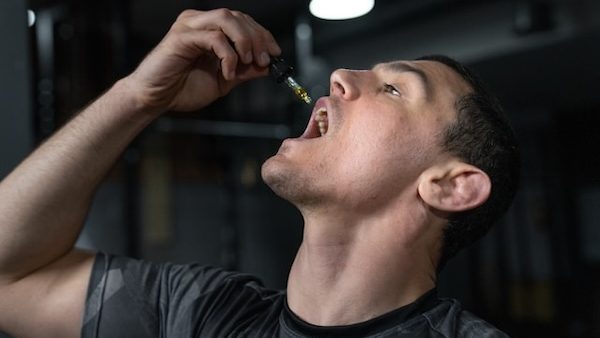
athlete ingesting cbd for recovery

Current Policy Landscape on Cannabis

In 2018, the World Anti-Doping Agency (WADA) removed cannabis from its list of banned substances. THC and other psychoactive cannabinoids still remain prohibited. The door for cannabis-based recovery tools is narrow: any product containing even trace levels of THC risks violating anti-doping rules.

In June 2024, the NCAA Division I Council voted to remove cannabinoids from its banned substances list for championships and postseason football. Individual schools can still choose to test for THC, but the policy marks a broader shift toward acceptance. Across U.S. professional sports, no single unified policy exists, yet leagues are increasingly re-evaluating their stance on cannabis.

How Leagues Are Adapting

Major League Baseball has led the way, removing cannabis from its banned list years ago and, by 2022, allowing CBD sponsorships under strict NSF-certified standards. 

That same year, MLB struck a $30.5 million multi-year deal with Charlotte’s Web, making it the official CBD brand of the league. Soon after, the Chicago Cubs partnered with MYND Drinks, and the Kansas City Royals with Pure Spectrum CBD.

Other leagues are following suit. The NBA has dropped marijuana testing entirely, the NFL no longer tests for THC, and the UFC stopped treating marijuana positives as violations. Even college programs like the USC Trojans have signed CBD sponsorships. 

Across sports, the “recovery tool” narrative has become the clearest and most legitimate entry point for CBD brands.

cbd product

Athlete Testimony & Market Narratives 

Recent studies have started exploring CBD’s role in athletic recovery. One 2023 trial found that participants who took CBD after exercise reported feeling less soreness and discomfort than those who didn’t. 

While large-scale studies are still limited, the early signs point toward potential recovery benefits that athletes have long described anecdotally.

Former NHL enforcer Riley Cote called CBD a “game changer” for managing chronic pain and brain trauma after his playing career. NFL Hall of Famer Champ Bailey has said cannabis helped him avoid heavier pharmaceuticals and “just calm my mind and get through it.” Similarly, Rob Gronkowski has been vocal about using CBD for recovery, partnering with CBDMedic to develop topical pain treatments.

Sleep, pain, inflammation, stress are all among the recovery demands of athletes. Positioning cannabis as an alternative for athletes to opioids and heavy NSAID use could be an effective and realistic strategy for brands. 

Limitations & Implications

Research on CBD and recovery remains limited. Most studies are small, use non-athlete samples, and don’t isolate CBD’s effects. Until larger trials emerge, CBD should be viewed as one piece of the broader recovery ecosystem alongside mobility, sleep, nutrition, and load management.

For brands, the focus should be on safety and transparency. Products must be completely free of THC, with clear compliance standards to protect both the athlete and the brand. Once that foundation is set, authentic storytelling becomes the differentiator, sharing real experiences of recovery and wellness.

CBD and recovery-focused brands are especially well aligned with high-intensity sports like football, CrossFit, soccer, and rugby. One example is Athelo Group’s own DJ Diveny, who partnered with Snapbac, a recovery apparel brand using heat and ice therapy technology to support athletic repair.

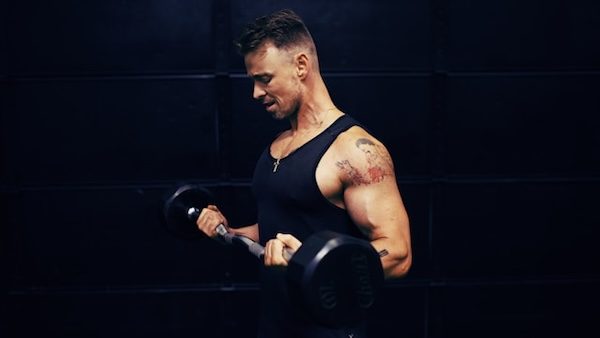
athlete lifting weights

Trends & Opportunities

Any recovery tool with legitimate benefits inevitably finds its place in high-performance settings. CBD in sports isn’t a fleeting trend; it’s about extending an athlete’s ceiling and redefining sustainable performance.

As U.S. leagues continue to open up to CBD sponsorships and recognize its legitimacy, investment in the space will grow. Athelo Group is helping brands and athletes position themselves at the forefront of this movement.

Adaptive Sports: The Future of Representation in Marketing

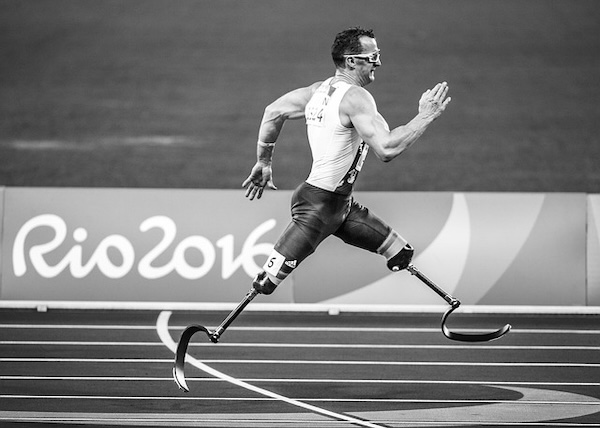
In August, the first U.S. Women’s National Sled Hockey Team competed in Slovakia at the inaugural Para Ice Hockey Women’s World Championship.

Sled hockey is part of a growing adaptive sports movement, combining the intensity and physicality of traditional hockey with the accessibility of adaptive play. Adaptive sports include competitive and recreational activities designed for individuals with physical or cognitive disabilities.

As adaptive sports athletes step into the spotlight, they embody resilience, authenticity, and empowerment. Forward-thinking brands are recognizing the partnership potential, bringing genuine storytelling to their marketing and pushing adaptive sports from niche to mainstream coverage.

Quick Highlights

  • Nearly 1 in 4 Americans live with a disability, yet they lack authentic representation in the media.
  • The global adaptive sports market was valued at $5 billion in 2024 and is projected to reach almost $11 billion by 2032.
  • The Paris 2024 Paralympic Games broke every broadcasting record with live audiences up 40% from Tokyo 2020 and 117% compared to Rio 2016.
  • For the first time, all 22 Paralympic sports were broadcast at the Paris 2024 Games. Para powerlifting and Para rowing doubled their audience numbers compared to Tokyo.
  • The inaugural Para Ice Hockey Women’s World Championship took place this year, marking another major step toward Paralympic inclusion by 2030.
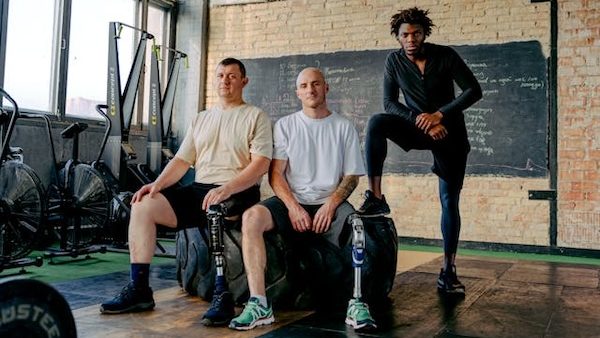
adaptive athletes posing in gym

Brands for Adaptive Sports

The growth of adaptive sports is fueled by athletes who raise awareness while building powerful personal brands. 

Paralympic track athlete Hunter Woodhall, for example, lost his legs due to a congenital birth defect. Despite this tragedy, he’s dominated the adaptive sports space and cultivated a strong social media following in the process.

Woodhall shares authentic moments with his 3M TikTok followers, from his wedding day to his breakfast and race days. His high engagement and inspirational story make him a natural partner for brands like Lululemon.

With nearly 1 in 4 Americans living with a disability, brands that partner with adaptive athletes tap into a highly engaged audience while advancing authentic representation.

Adidas innovation director Emily Jagos calls it “a huge opportunity,” pointing to the community’s significant purchasing power. Adidas’s investment in adaptive sports innovation underscores the commercial potential for companies willing to embrace this space.

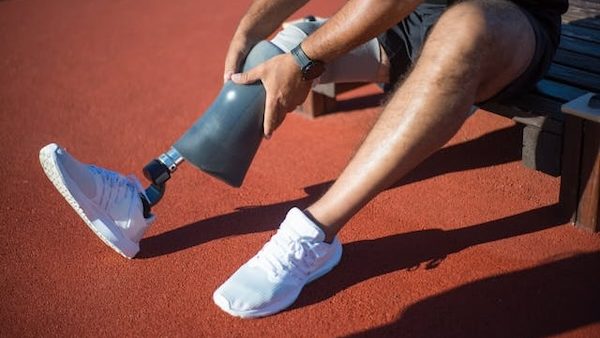
adaptive athlete putting on prosthetic leg for running

A Valuable Asset: Compelling Storytelling

Adaptive athletes hold a unique power in marketing and advertising: their ability to deliver authentic storytelling. Long overlooked and underrepresented in mainstream media, they now have a platform to share their stories of perseverance and excellence.

This past summer, Paralympic champion Ezra Frech debuted his docuseries Adaptive on Peacock, serving as executive producer for the behind-the-scenes series that follows several U.S. Paralympians. 

Frech, who competes in sprinting, long jump, and high jump, told interviewers: “The way ‘Adaptive’ portrays me is a hyper-obsessive, competitive kid who will stop at nothing that’s in front of him to get to his goals.”

Unique narratives like Frech’s fuel performance and inspire audiences to rise stronger after setbacks. In sports marketing, this is what brands love to capture. Campaigns featuring adaptive athletes often move beyond endorsements to bridge the gap between brand messaging and consumer relatability.

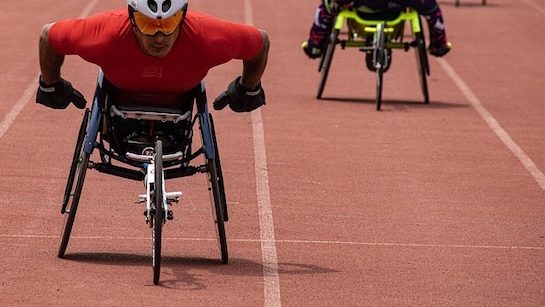
Paralympic athletes racing on track

The Role of Adaptive Athletes

Adaptive athletes are leading the way in popularizing their sports, and brands are increasingly turning to them as campaign leaders. Partnerships have raised awareness and transformed the adaptive sports world, with the Paris 2024 Paralympic Games breaking every broadcasting record.

Athelo Group’s own Amy Bream and Chris Ruden exemplify how sponsorship can amplify reach. Chris, an adaptive weightlifter and fitness entrepreneur, has partnered with brands like Nike, RockTape, and Quest Nutrition to merge performance with advocacy for diabetes awareness and disability inclusion. 

Amy, a CrossFit athlete and motivational speaker, joined forces with Under Armour in its The Only Way Is Through campaign. She has also collaborated with Reebok, showcasing how adaptive athletes can represent mainstream performance brands while challenging industry norms.

Adaptive athlete partnerships expand representation, break down stigmas, and inspire new audiences. By sharing both victories and daily challenges, adaptive athletes build authentic connections with audiences, turning relatability into influence.

Looking Ahead

As global sports events approach, adaptive athletes will play a central role in shaping inclusive marketing. Milan Cortina 2026 Winter Games and Los Angeles 2028 Summer Games will be great opportunities to see this in action.

Brands like Uber, Airbnb, and Omega have already committed as partners for upcoming Games, signaling adaptive sports’ growing appeal.

For companies, the message is clear: aligning with adaptive athletes is more than “good optics.” It’s a chance to lead in inclusivity and connect with one of the most engaged audiences in sports today.

How Athletes Like Ilona Maher Turn Influence Into Income

Professional athletes have more opportunities to turn their talent into money than ever before. Thanks to the rise of digital platforms, athletes’ sponsorships, endorsements, and media deals often impact earnings more than salaries or prize money.

Take Ilona Maher and Chloe Kim: their brand partnerships and media presence show how athletes in niche sports can earn more off the field than on it. These revenue streams highlight how modern sports have evolved into a broader business model.

Quick Highlights

  • The modern athlete is both competitor and entrepreneur, blending sport and business.
  • Salaries can be massive, like Lionel Messi’s Inter Miami contract worth up to $150 million over 2.5 years.
  • Endorsements often outweigh competition earnings. Rory McIlroy earned $4.2 million for his Masters win, but his 10-year Nike contract is worth over $200 million.
  • NIL and social media have created new income streams. LSU gymnast Livvy Dunne earns seven figures annually, while Ilona Maher built and monetized a following of 3.6 million on TikTok.
  • Brand partnerships can be highly lucrative. Chloe Kim’s deals with Nike, ROXY, and Toyota during her Olympics season brought in an estimated $3 million alone.
headshot of professional snowboarder

Salaries and Prize Money

Salaries and prize money still remain a core part of athletes’ earnings.

In team sports like the NBA, NFL, and Premier League Soccer, contracts exceed hundreds of millions. For example, Lionel Messi’s contract with Inter Miami will earn him up to $150 million in 2.5 years. 

Individual sports like tennis or golf also pay out significant prize pools. Rory McIlroy received $4.2 million after his win at the Masters Tournament.

However, these salaries often only account for a smaller percentage of total income. For example, Lionel Messi earned $60 million on the field but beat that with $75 million in endorsements, making competitive payouts only half of his total income.

This financial shift shows how athletes’ performance is only one part of the modern athlete’s earning potential, and why building a personal brand is becoming more and more important.  

Sponsorship Deals

Sponsorships remain one of the strongest revenue streams for athletes. Companies pay for visibility through logos, endorsements, and co-branded product lines. Deals like LeBron James’ lifetime Nike contract, worth over $1 billion, show just how lucrative this can be.

These partnerships extend well beyond sportswear. Serena Williams has worked with Wilson, Gatorade, and Beats by Dre, reflecting how athletes’ influence spans multiple industries.

Social media has pushed sponsorships from simple logo placements into lifestyle collaborations. Chloe Kim’s partnerships with Nike, Toyota, and ROXY tie her athletic success directly to global consumer brands.

Merchandising has become an equally powerful piece of the model. Michael Jordan’s historic negotiation for Air Jordan royalties and Kim’s ROXY apparel line show how athletes now profit not just from visibility, but from products built around their personal brand.

basketball player dribbling on the court

Social Media and Personal Branding

Athletes increasingly turn their fame into business opportunities by building personal brands. Platforms like Instagram, TikTok, and YouTube allow them to act as influencers while running their own media channels.

Michael Jordan set the standard with his Jordan Brand, which included royalties on every shoe sold and went on to generate billions in revenue. More recently, Russell Westbrook’s streetwear line Honor the Gift and Livvy Dunne’s NIL-driven social media deals show how athletes extend their reach beyond competition.

Ilona Maher, for example, built a massive TikTok following by sharing humorous, relatable content during the Tokyo Olympics. The attention not only boosted her career but also elevated rugby’s visibility, ultimately leading to major sponsorships with brands like L’OrĂ©al Paris and Paula’s Choice.

Personal branding now goes beyond content to storytelling. By showing who they are off the field, athletes create authentic connections with fans, making them more valuable to brands and broadening their influence.

Alternative Revenue Streams

Diversifying is essential to long-term financial success, and many athletes are now entrepreneurs

Investments in startups, real estate, and media companies have become common. LeBron James co-founded SpringHill Company, producing shows and films, while Kevin Durant’s Thirty Five Ventures manages investments from innovative startups, while also producing content through its media platform. 

Even college athletes under NIL are launching apparel brands and training academies, building wealth and legacies beyond their sport. These ventures also provide a buffer against short careers or injuries, proving that business savvy is just as important as being game-ready.

professional skier skiing down mountain

The Business of Being an Athlete

The playbook has shifted. Athletes are starting early, with NIL giving high school and college players the chance to build brands that inspire, engage, and generate revenue.

Today, success is measured by more than contracts and performance. The athletes who stand out are those who build a lasting brand that can generate income long after competition ends.

Athelo Group helps athletes and brands navigate this evolving landscape, building partnerships, launching businesses, and creating sustainable careers. If you are a brand looking to partner with our athletes, or an athlete seeking representation, contact us to start building what’s next.

Become a Sponsor.

Join us in making a difference. Tell us a bit about yourself and we’ll be in touch with sponsorship details.

By submitting this form, you agree to be contacted by the Athelo Group team regarding sponsorship opportunities.