
Sports Sponsorship ROI: Why Brands Invest Billions in Athletics

Not long ago, an athlete’s role in sports sponsorship was simple: wear the logo, smile for the camera, maybe appear in a TV ad. Today, the playbook looks very different. Athletes have become storytellers, creative drivers, and trusted voices.

Through years of competition, personal struggle, and triumph, they build credibility that authentically connects with audiences. From Dani Speegle sharing her training routine to Brisa Hennessy partnering with Pura Vida to highlight her connection to her Costa Rician roots, these moments show who athletes truly are.

This sports marketing shift isn’t just cultural. It’s measurable.

Quick Highlights

  • Authentic voices deliver 7Ă— higher ROI than traditional influencers thanks to audience trust.
  • Girls Who Eat, a movement promoting healthy and empowered relationships with food, sparked widespread social resonance and drew hundreds of thousands of followers who connected with Dani Speegle’s message of strength over aesthetics.
  • Travis Hunter’s partnership with Celsius in the “Essential Six” campaign generated 1.2M+ impressions and a 5.8% engagement rate through personal and training content.
  • NIL is creating new opportunities for college athletes and brands, with 40% of varsity athletes landing brand deals within their first year.
  • Fans of women’s sports are 2.8Ă— more likely to purchase products endorsed by female athletes, proving influence extends beyond exposure.
athlete sponsored by gymshark

The Sports Sponsorship Evolution

The campaigns people remember aren’t always the ones with the biggest logo. They’re the ones that tell a story worth following. Dani Speegle’s Girls Who Eat campaign, for example, champions body positivity and female empowerment within strength sports. 

These partnerships challenge stereotypes, spark cultural conversations, and grow communities beyond competitive athletes.

As platforms like Instagram Reels, TikTok, and YouTube pull fans deeper into athletes’ daily lives, the content that resonates most feels unscripted and personal. Emily Loogman Rethwill connects with her audience through training clips and motivational captions, but also by sharing everyday moments with her daughter.

This balance of performance and authenticity shows why athlete partnerships have become a core strategy for cultural relevance and long-term engagement.

Turning Athletes into Brand Storytellers

Modern athlete partnerships thrive when athletes are given creative freedom to share their stories. Instead of just promoting products, they integrate brands into authentic glimpses of their daily lives, routines, and personal experiences. 

This approach allows fans to connect with both the athlete and the brand on a deeper level.

Former college football players like Travis Hunter and DJ Uiagalelei share content that reflects their training, campus life, and personalities. Hunter’s partnership with Celsius highlighted his workouts and gameday prep, while Uiagelelei because the first active college athlete featured in Dr. Pepper’s “Fansville Campaign.” 

The fans are loving it: Hunter has 2.2 million followers on Instagram and Uiagalelei has garnered over 80K likes in a single post. When brands fit seamlessly into their content, the result is more valuable than exposure— it’s authentic engagement.

The NIL Revolution

The 2021 Supreme Court ruling on Name, Image, and Likeness (NIL) rights transformed collegiate sports marketing. For the first time, college athletes could monetize their personal brands, opening doors once reserved for professionals. Within a year, Harvard Business Review reported that 40% of varsity athletes at Texas Tech alone had landed brand sponsorships.

NIL deals give brands access to highly engaged, authentic audiences. Programs like the Tennessee Volunteers’ partnerships provide athletes with financial support while introducing brands to loyal, built-in fanbases. 

Professional athletes are also inspired by NIL-style collaborations. NBA player Isaac Okoro works with smaller lifestyle-aligned brands like Holo Footwear for creative freedom, producing content that blends athletic performance with personal interests. Rising stars like Sydney Grimes are collaborating with viral brands like Gold Hinge, creating lifestyle-focused content that feels genuine and relatable.

This new era makes one thing clear: athletes are no longer just endorsers. They are partners and storytellers, shaping culture, driving consumer behavior, and creating measurable value for the brands they align with.
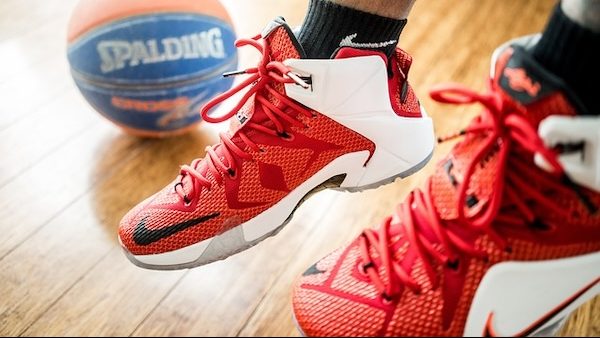
athlete wearing nike shoes

The Power of Athlete Storytelling

In a world where consumer attention is fragmented, sports are one of the last shared stages. Athletes command focus across platforms, bridging live moments with digital storytelling. For brands, betting on sports sponsorship is really a bet on owning scarce, high-trust attention.

At Athelo Group, we bring brands and athletes together to turn that attention into impact. Ready to bet on sports? Learn how we’ve transformed sports sponsorships into growth strategies.
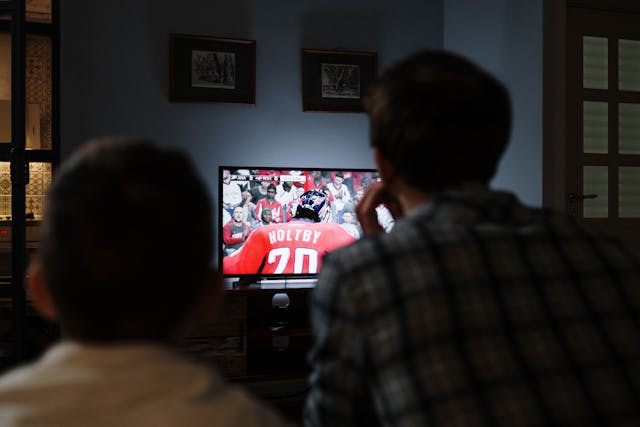

IIHF World Championship: New Technology and Sponsor Activations

The 2025 IIHF (International Ice Hockey Federation) World Championship, the premier international ice hockey tournament, wrapped up on Memorial Day with the United States defeating Switzerland 1-0 in overtime. 

NHL star Tage Thompson scored the game-winning goal, securing the U.S.’s first gold medal in 92 years. What made this year’s competition stand out was its expanded global reach, attracting new audiences and boosting international participation like never before.

Quick Highlights:

  • IIHF launched IIHF.tv, a centralized OTT streaming platform, to broadcast the tournament in over 100 territories and vastly expand its global reach.
  • Each game featured at least 31 camera angles, with the final using 34. 
  • Ĺ koda marked its 32nd year sponsoring IIHF and debuted new electric vehicles and redesigned the MVP trophy, enhancing fan experience with interactive fan zones.
  • Unibet joined as an official sponsor, aiming to deepen fan engagement through digital content and experiences.
hockey puck in iihf world championship

Global Reach

Prior to this year’s competition, the International Ice Hockey Federation announced IIHF.tv., a new centralized OTT streaming platform.

The IIHF’s exclusive media and marketing partner Infront took charge of this streaming initiative, while Sportsway Media group was responsible for coverage of lower division tournaments. IIHF.tv will now broadcast up to 600 ice hockey games per season, including the World Men’s, Women’s, Under-20, and Under-18 World Juniors tournaments. The content is accessible in over 100 territories through a subscription model.

According to Amikam Kranz, Senior Vice President of Media, Betting & Technology at Infront, the launch of IIHF.tv “marks a new opportunity for international ice hockey to grow and welcome new fans on a global scale with a digital home of hockey. Easily accessible content, live and on-demand streaming, and flexible subscriptions will help us to reach untapped audiences.”

Select matches were also broadcast on NHL Network and made available to stream on Fubo.

ice hockey goalie

Innovative Broadcasting

The 2025 IIHF Ice Hockey World Championship pushed production boundaries, using at least 31 camera angles per game—34 for the gold medal match between the U.S. and Switzerland. Camera operators were granted more time on the ice, including during penalty shootouts, giving fans immersive angles that bring them closer to the action than ever before.

Super slow-motion replays and in-goal cameras now feature embedded game clocks for precise video reviews. “These situations come down to 1/10 of a second,” said Uzi Kakuda, head of Infront Productions. “So we embed the game clock into the in-goal camera feeds for the game officials, which the viewer also gets to see.”

With hockey’s fast pace, every upgrade counts. Remote-operated cameras had to respond faster than in almost any other sport, and those placed inside goals were specially reinforced to withstand direct puck impacts.

broadcast camera in iihf world championship

Challenges and Market Competition

Timing posed one of the key challenges for the IIHF World Championship. The tournament overlapped with the Stanley Cup Playoffs, a marquee event that draws massive attention across the hockey world.

Another drawback to the Stanley Cup Playoffs overlapping with the World Championship is that several NHL superstars including Connor McDavid, Brad Marchand, and Roope Hintz were unavailable to compete for their national teams. This has fueled a narrative that without full-strength rosters, the tournament is less meaningful.

Finally, the early elimination of Team Canada, the hockey-obsessed nation, was a major blow to tournament viewership. Canada’s shocking 2–1 loss to cohost Denmark in the quarterfinals marked one of the biggest upsets in tournament history. While dramatic stories like this can boost global interest, Canada’s exit likely led to a steep domestic drop-off in engagement.

toronto maple leafs

Strategic IIHF World Championship Sponsorships

At Athelo Group, we focus on scalable long-term strategic partnerships, and one of the major success stories of the IIHF World Championships has been the relationship between the IIHF and Czech automobile manufacturer Škoda. A main partner since 1993, Škoda used this year’s tournament to execute a multifaceted brand activation, demonstrating how sponsorships can go beyond simple visibility and create true audience engagement.

Škoda created the MVP trophy for the tournament in 2018 and redesigned the award for this year, drawing inspiration from its “Modern Solid design language.” The brand also debuted two new fully electric vehicles—the Enyaq RS and Enyaq Coupé RS during its activation event.

To increase presence across host cities, Ĺ koda provided 45 vehicles to the event, including 30 fully electric cars and 15 hybrids. The brand helped draw 490,000 spectators to Ĺ koda-sponsored fan zones in Sweden and Denmark, offering interactive activations like mini games, karaoke, and sessions inside a specially equipped Elroq.

Unibet also became an official sponsor of this year’s tournament. “By engaging fans with exciting content and experiences, we aim to enhance the excitement of the tournament and make this a truly memorable event for everyone involved,” said Philip Lagström, general manager at Kindred Group Sweden.

Ĺ koda car, the sponsor of iihf world championship

What the Future Holds

The popularity of ice hockey has grown steadily, with the 4 Nations Faceoff drawing 16.2 million viewers across North America and becoming ESPN’s most-watched hockey game ever, with 9.3 million tuning in from the U.S. alone.

While this year’s IIHF World Championship faced challenges—NHL playoff overlap, notable player absences, and an early Canadian exit—it still delivered compelling hockey and strong brand activations. And the timing couldn’t be better.

With NHL players returning to Olympic play in 2026 and the World Cup of Hockey slated for 2028, ice hockey is on the brink of a global breakout.

How a Brand Partnership Can Transform the Sport

When we talk about brand partnerships in sports, the conversation usually centers on what brands get out of the deal— exposure, cultural relevance, maybe a boost in sales. But here’s what we’re missing: the best partnerships don’t just benefit the sponsor. They fundamentally transform the sports property itself.

The most successful collaborations go far beyond writing a check and slapping a logo on a jersey. They turn teams, leagues, and events into cultural phenomena that transcend sports entirely, breaking into fashion, music, technology, and art in ways that seemed impossible just a few years ago.

Quick Highlights:

  • PSG x Jordan Brand elevated the club into a global fashion icon, selling over 1 million jerseys and driving commercial revenue over $450 million.
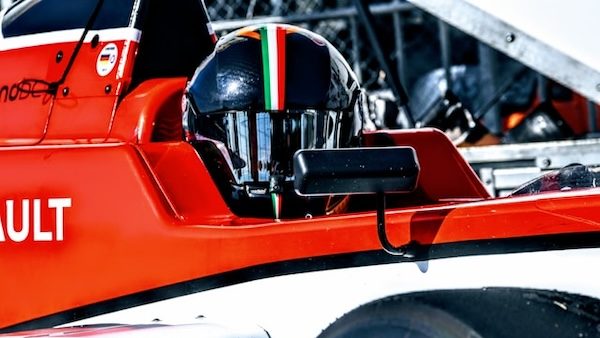
  • Formula 1 and LVMH inked a 10-year, $1 billion partnership set to redefine F1 as a luxury lifestyle brand, attracting younger and more diverse audiences.
  • Como 1907 x Uber’s multi-year partnership signals the club’s ambition to build international credibility and align with a globally recognized brand.
f1 driver with brand partner logo

PSG x Jordan Brand: When Football Meets Streetwear Culture

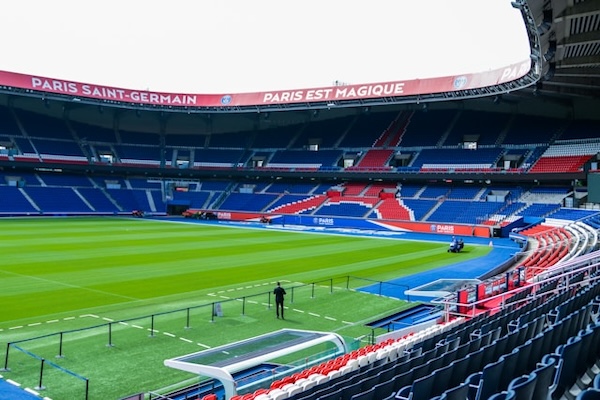
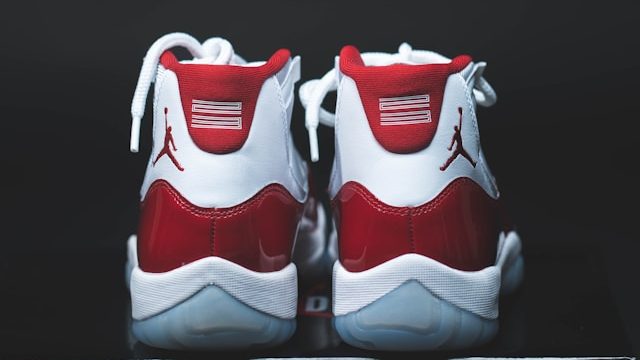
Let’s start with what one of the most game-changing brand partnerships in modern sports marketing: Paris Saint-Germain and Jordan Brand. PSG had been with Nike since 1989, but everything changed when they launched their Jordan collaboration in 2018.

Before Qatar Sports Investments acquired PSG in 2011, the club was barely a blip on the international radar. But instead of just throwing money at big-name players, PSG’s leadership took a different approach. They positioned the club as more than a football team; they made it a lifestyle brand that embodied Parisian culture, complete with streetwear aesthetics, music collaborations, and high-fashion sensibilities.

The results speak for themselves: PSG sold over 1 million Jordan-branded jerseys in the first year alone, suddenly attracting a younger, style-conscious audience across the U.S. and Asia who might never have cared about Ligue 1 football.

air jordan shoes

The numbers tell the story of this transformation:

  • In 2017-18, PSG’s revenue was around $544 million.
  • By 2023-24, they’d crossed $907 million, making them the third highest-earning football club globally.
  • Their commercial revenue jumped from $337 million in 2016 to over $453 million by 2023.
  • Their current Nike deal is worth $90 million annually through 2032, now one of the most lucrative in football.
  • The club has over 160 million followers on social media, ranked 4th most of all football clubs in the world.  

What started as a three-year partnership became a cultural phenomenon that redefined what a football club could be.

Formula One x LVMH: Racing Meets Luxury

Formula One’s 2025 partnership with LVMH represents another seismic shift in sports branding. This 10-year, $1 billion agreement aims to completely reimagine how fashion and luxury influence F1’s cultural identity. 

While F1 had always flirted with luxury through partnerships like Rolex, the LVMH deal brings brands like Louis Vuitton, TAG Heuer, and MoĂ«t & Chandon into every aspect of race weekends. We’re talking bespoke trophy trunks, luxury champagne celebrations, and limited-edition timepieces that turn each Grand Prix into a premium lifestyle experience.

This strategy aligns perfectly with F1’s broader ambitions. The sport has successfully attracted celebrities, fashion icons, and lifestyle media coverage, especially at glamorous venues like Monaco and Miami. Today, over 40% of F1’s global audience is under 35, with a rapidly growing female fanbase, demographics that traditional motorsports struggled to reach for decades.

monaco grand prix

Como 1907 x Uber: The Underdog’s Bold Play

At first glance, Como 1907’s jersey sponsorship with Uber might seem like an odd choice, especially given that Uber’s ride-hailing services are technically restricted in Italy. But the move reflects a smart, forward-thinking strategy.

Newly promoted to Serie A after 21 years, Como isn’t trying to match legacy clubs like Juventus or AC Milan on traditional football terms. Backed by the Indonesian Djarum Group, with Cesc Fàbregas as minority owner and head coach and Thierry Henry as a shareholder, the club is building something more ambitious. Como is positioning itself as a global lifestyle brand.

With its lakeside stadium and postcard-worthy setting in Lombardia, Como has leaned into its unique identity. The Uber partnership signals international intent, offering global recognition and brand alignment well beyond Italian borders.

The club has doubled down on this vision by partnering with L.A.-based luxury fashion label Rhude. In October 2024, Rhude founder Rhuigi Villaseñor was named Como’s Chief Brand Officer, tasked with overseeing creative direction and brand strategy across lifestyle and consumer ventures. The goal: elevate Como from provincial team to cultural icon.

The strategy is working. By the end of the 2024–25 Serie A season, Como ranked 9th in the league for Instagram followers (750,000)—despite being its newest club. Their focus on fashion, culture, and hospitality is clearly resonating, particularly with American fans looking for something beyond the usual football giants.

lake como, italy

The Future of Sports Partnerships

These examples point to a fundamental shift in how we should think about sports sponsorships. The most successful partnerships create mutual value benefiting the brand while also elevating the sports property into entirely new cultural territories.

At Athelo Group, we see this firsthand. Whether it’s pairing an adaptive athlete with a healthcare brand or aligning a lifestyle-focused lacrosse player with a fashion-forward supplement company, our goal is to build partnerships that support the athlete’s image and community. 

When executed thoughtfully, these collaborations can dramatically increase a property’s revenue, relevance, and cultural footprint. More importantly, they help sports properties tap into markets and communities they never could have reached through traditional means.

The lesson for sports properties is clear: stop thinking of sponsorships as just revenue streams. Start thinking of them as opportunities to redefine who you are and who you can become.

Surf Brands and the Next Wave of Sponsorship

Surfing has always been tied to a strong sense of culture and lifestyle. For a long time, sponsorship in the sport was led mainly by core surf brands such as Rip Curl or Quicksilver. But nowadays, the cards have been reshuffled and a number of new players have joined the game.

Since joining the Olympic Games, surfing has gained global exposure and drawn interest from brands beyond the traditional surf world. As a result, sponsorship strategies are evolving, and brands are actively pursuing new commercial opportunities.

Quick Highlights:

  • The global surfing market was valued at approximately $4 billion in 2023, with projections nearing $6 billion by 2032.
  • The surfing Equipment Market, which includes surfboards, apparel, accessories, and gear was estimated at $4.13 billion in 2024.
  • Surfing was among the 10 most-watched sports in Brazil during the Tokyo 2020 Olympics.
  • The 2023 Rip Curl WSL Finals set a new record with 10.7 million video views, marking a 29% increase over the previous year.
  • Hurley signed an 8-year, $30 million deal with John John Florence, one of surfing’s biggest contracts.
female surfer holding board in the water

The Pillars of Surf Sponsorships

Surfing is nearly inseparable from the brands that helped define it. Companies like Rip Curl, Quiksilver, Billabong, O’Neill, and Hurley laid the foundation for what surf marketing looks like today.

Rip Curl remains a major force, backing iconic events like the Rip Curl Pro Bells Beach— the longest-running professional surfing competition in the world. Billabong, under Boardriders Inc., continues to support world champs like Italo Ferreira and rising stars like Bettylou Sakura Johnson. Hurley has also stayed active by partnering with both pro and influencer surfers, including Zoe Benedetto.

Newer surf-focused brands are making moves, too. Vissla and Outerknown, co-founded by 11-time World Champion Kelly Slater, are gaining traction by putting sustainability at the center of their business models. Last year, the brand released the first-ever shirt made of seaweed!

Sustainability isn’t just a trend in surf— it’s a strategic choice that resonates with the sport’s eco-conscious audience. Outerknown, for example, pledged to make 100% of its products circular by 2030 and already meets that standard with 75% of its fabrics.

male surfer catches wave

The Rise of Non-Endemic Sponsors

While endemic brands still lead the space, non-endemic companies are gaining ground in surfing as the sport’s sponsorship value continues to climb.

Red Bull is a standout example. The brand supports athletes like North Shore surfer Mason Ho and creates original surf content and events such as Red Bull Magnitude. While not surf-specific, Red Bull’s deep roots in action sports like BMX and snowboarding give the brand strong credibility with the surf audience.

Corona, owned by AB InBev, has taken a more purpose-driven approach. As a global sponsor of the World Surf League, the brand aligns itself with ocean conservation through campaigns like “Protect Our Beaches.” These efforts show how non-endemic brands can break category norms and deliver messaging that resonates with surf fans.

Jeep entered the surf world in 2015 by becoming the official global automotive partner of the WSL. The deal included naming rights to the men’s and women’s Championship Tour rankings and introduced the “Jeep Leaderboard.” Jeep vehicles were awarded to WSL Champions, with branding featured prominently throughout events and broadcasts.

jeep surf brand

Navigating Authenticity and Exposure

Breaking into surfing isn’t about budget—it’s about belonging. The smartest non-endemic sponsors know surfers can spot inauthenticity instantly, so they invest in grassroots efforts, tell real stories, and show up for the community. Red Bull’s athlete-first model is a strong example, prioritizing partnership over pure promotion.

This is also what we focus on at Athelo Group. We’re proud to be driving this shift by helping athletes use authentic storytelling to build real and lasting connections with brands beyond traditional surf culture.

Brisa Hennessy’s partnership with Flamingo, a body care and razor brand reflects this approach. The collaboration shows how unexpected partnerships in surfing can thrive when they feel real to both the athlete and the audience.

What’s Next for Surf Sponsorship?

With climate change directly impacting the oceans, it’s no surprise that eco-conscious brands are stepping deeper into the sport. The World Surf League (WSL) has been carbon neutral since 2019, offsetting emissions tied to athlete travel, event operations. In addition, the organization launched its “One Ocean” initiative to engage fans and support conservation projects across the globe.

Technology is also becoming part of surfing’s everyday rhythms as more surfers are using smartwatches, AI surf forecasts, and drones to capture their sessions.

Athelo Group sits at the intersection of these shifts, helping brands tap into surf culture through partnerships that are both purpose-driven and tech-forward. As the sport evolves, we’re building strategies that reflect where surfing is headed, not just where it’s been.

How Analytics & AI In Sports Are Transforming Partnerships

In today’s tech-filled world, analytics and AI in sports are redefining partnerships by creating unprecedented opportunities for personalization and precision. Beyond simply tracking metrics, analytics empower teams, leagues, and brands to foster deeper connections with fans through hyper-targeted campaigns and real-time engagement strategies. 

By combining technology with creativity, organizations can maximize sponsorship value while reshaping how fans experience sports. This data revolution not only redefines ROI and KPI measurement but also highlights the human element in sports partnerships, where insights drive authentic and lasting connections.

ai in sports

Data-Driven Marketing in Formula 1 and MotoGP

In the high-stakes world of Formula 1 and MotoGP, data-driven marketing is essential for maximizing audience reach, fan engagement, and sponsorship impact. By leveraging analytics, brands can track metrics like social media engagement and broadcast visibility. These insights help measure partnership success and refine strategies in real time.

Amazon Web Services (AWS) has transformed the Formula 1 fan experience by delivering real-time race data. This enriches broadcasts while bolstering AWS’s reputation in cloud computing and analytics. Similarly, platforms like F1 Fan Voice collect fan feedback, allowing brands to fine-tune campaigns for deeper audience connection.

This data-driven approach helps sponsors create targeted, high-impact activations that resonate globally. It strengthens fan loyalty and ensures strong returns on sponsorship investments. For Formula 1 and MotoGP, analytics is not just a tool—it’s a competitive advantage.

ai in sports

AI and AR in Tech-Driven Partnerships

AI and augmented reality (AR) are reshaping both athlete training and the sports partnership landscape. They offer brands innovative ways to interact with fans and measure engagement. Tools like performance analytics and AR provide access to data that drives better strategies and enhances fan experiences.

AR, for instance, enhances live events by delivering real-time stats and immersive content. This makes sponsor messages more engaging and boosts fan enjoyment. Sponsors can use these insights to craft highly targeted campaigns that resonate deeply with their audience.

As sports tech startups like ShotQuality and StatusPro attract significant investments, they continue to introduce fresh solutions. These innovations help brands and teams build dynamic, measurable, and impactful partnerships. The intersection of technology and sports is creating a win-win for fans and sponsors alike.

ai in sports

Redefining Sports Sponsorship at Paris 2024

AI and technological innovations at Paris 2024 are transforming the athlete experience while reshaping sports partnerships. Collaborations with tech giants like Intel, Alibaba, and Samsung are introducing new ways for brands to engage fans and maximize sponsorship value.

For example, AI-powered systems will create personalized highlight reels tailored to specific audience segments. This approach enhances engagement with digital and social media campaigns. Sponsors can connect with fans more effectively by delivering content that feels relevant and unique.

Innovative partnerships, such as those with Samsung and Orange, equip smartphones on each country’s boat during the Opening Ceremony. This offers sponsors a chance to create unforgettable fan experiences, both on-site and online. These initiatives blend technology and creativity to redefine fan interaction.

By integrating cutting-edge technologies, sponsors can measure impact more precisely and refine strategies. Paris 2024 is leading the way in creating data-driven, immersive partnerships that set a new benchmark for fan engagement and sponsorship success.

ai in sports

How Sports Analytics Transformed Partnership Evaluation in 2024

The NBA’s collaboration with Microsoft and its NBA CourtOptix platform highlights how data enhances fan engagement. Real-time game insights, player metrics, and interactive content create more personalized, immersive experiences both in-stadium and online.

By leveraging analytics, organizations can better target fan segments and tailor campaigns to boost engagement across platforms. Sponsors benefit by measuring partnership effectiveness through fan behavior, media consumption, and social media insights. This enables real-time strategy adjustments that drive results.

Advancements in analytics, including AI-powered insights, are further reshaping the industry. Real-time data during live events supports personalized promotions and interactive content, strengthening fan connections. As technology advances, sports teams and sponsors are delivering more impactful campaigns that elevate partnerships and drive success.

ai in sports

Looking Ahead

By leveraging data-driven insights, organizations can understand fan preferences and behaviors like never before. This allows for partnerships that resonate deeply and deliver measurable results.

From Formula 1 to the Olympics, AI-powered personalization and real-time data analysis are setting new standards for fan interaction. Tech-enabled experiences are enhancing sponsor satisfaction and redefining engagement metrics.

As technology advances, analytics and AI will continue to shape the future of sports partnerships. The focus will shift from traditional visibility metrics to engagement, relevance, and sustained loyalty. This evolution provides a blueprint for maximizing sponsorship value in a fast-changing industry.

Sources:

  1. https://sportfive.com/beyond-the-match/insights/power-of-sportsmarketing-formula1-motogp
  2. https://economictimes.indiatimes.com/tech/technology/tech-innovations-ai-changing-the-game-for-modern-sports-training-methodologies/articleshow/112461311.cms?from=mdr
  3. https://olympics.com/ioc/news/ai-and-tech-innovations-at-paris-2024-a-game-changer-in-sport
  4. https://capitalsports.agency/en/blogs/the-role-of-data-in-sports-marketing
  5. https://www2.deloitte.com/us/en/pages/consumer-business/articles/fan-engagement-analytics-improve-fan-experiences.html
  6. https://www.wired.com/sponsored/story/the-nbas-game-changing-approach-to-data/#:~:text=Every%20night%2C%20when%20a%20game,shot%2C%20pass%2C%20and%20play.
  7. https://www.sportspromedia.com/news/statuspro-google-ventures-nfl-pro-era-tech/

Harnessing Data Analytics in Sports for Targeted Sponsorship

Data isn’t just shaping the game on the court— it’s revolutionizing how leagues like the NBA and its sponsors connect with fans and drive revenue. Specifically, the NBA’s partnership with Microsoft leverages data analytics in sports to study fan engagement across platforms, game attendance, and merchandise sales. These insights empower the league and its sponsors to create targeted, personalized campaigns, such as tailored advertisements during broadcasts or exclusive promotions for specific fan segments. As competition for consumer attention grows, data-driven strategies like these help brands resonate more deeply with audiences, boost sponsorship effectiveness, and gain a decisive edge.

data analytics in sports

Understanding Fan Demographics

The foundation of any successful sponsorship strategy is a deep understanding of fan demographics. Brands can analyze data from various sources, including social media platforms, ticket sales, and fan surveys, to gain insights into the demographics of their target audience. For instance, Wow Wipes has successfully leveraged social media platforms like Instagram to engage younger fans through their collaborations with influencers and athletes like surfing star Brisa Hennessy. By focusing on platforms where millennial and Gen Z audiences spend time, Wow Wipes reaches a highly targeted demographic, maximizing engagement and brand visibility.

data analytics in sports

Behavioral Analytics

In addition to demographic insights, behavioral analytics play a crucial role in refining sponsorship strategies. By studying fan behavior such as purchasing patterns, online interactions, and event attendance, brands can identify high-value fan segments that are more likely to engage with their products. The NFL has used behavioral analytics to tailor merchandise offerings based on fan preferences. By analyzing purchasing trends, the league identified that fans of specific teams, like the Dallas Cowboys, are especially eager to buy branded gear. They then created targeted campaigns for these high-value fan segments, offering exclusive items and timed discounts.

Data-driven insights can also inform the timing and channels for marketing efforts. Brands can determine when fans are most engaged—whether during game days, off-season, or special events—and tailor their campaigns accordingly. By focusing resources on these key times, brands can maximize their impact and improve the overall effectiveness of their data analytics in sports sponsorships.

Predictive Analytics

One of the most powerful tools in data analytics is predictive analytics. By leveraging historical data and advanced algorithms, brands can forecast future trends in fan engagement and sponsorship effectiveness. This capability allows companies to anticipate changes in fan behavior and adjust their strategies proactively. PepsiCo has utilized predictive analytics to stay ahead of sports sponsorship trends. Noticing the growing interest in esports, PepsiCo invested in partnerships with organizations like Team SoloMid (TSM) and expanded their portfolio into the gaming sphere, positioning themselves early in a rapidly growing market.

This technology also enables brands to calculate the potential value of sponsorship opportunities with precision. By studying past performance data, companies can pinpoint which partnerships are most likely to drive engagement and revenue, ensuring marketing dollars are spent wisely. Platforms like Google Analytics enhance this process by offering a granular view of fan preferences and behaviors, equipping brands with actionable insights to make confident, data analytics in sports-driven decisions.

data analytics in sports

Measuring and Maximizing Sponsorship Impact Through Collaboration

Effectively measuring sponsorship impact is critical for ensuring a positive return on investment. By using data-driven metrics, brands can evaluate key aspects like brand awareness, engagement rates, and campaign performance. Real-time tracking of key performance indicators (KPIs) allows sponsors to refine their strategies on the fly, optimizing outcomes.

Collaborative data sharing between teams and sponsors is taking these efforts to the next level. By pooling insights, both parties gain a deeper understanding of fan preferences and behaviors, leading to more effective activations and campaigns. For example, Nike’s partnership with the NBA showcases the power of shared data. By analyzing team-provided fan demographics and attendance data, Nike tailored campaigns promoting limited-edition sneakers to specific markets. Simultaneously, Nike’s insights into customer buying trends helped the NBA identify untapped opportunities to enhance fan engagement. This mutually beneficial approach not only elevated sponsorship effectiveness but also enriched the overall fan experience.

data analytics in sports

Future of Data in Sports Sponsorship

The future of sports sponsorship lies in the ability to harness data to create meaningful, lasting connections with fans. By leveraging insights into fan demographics and behaviors, brands can craft personalized marketing strategies that drive deeper engagement and greater success. Prioritizing data analytics will not only enhance the effectiveness of sponsorships but also ensure brands remain relevant and impactful in an increasingly competitive landscape.

Sources:

  1. https://www2.deloitte.com/us/en/pages/consumer-business/articles/fan-engagement-analytics-improve-fan-experiences.html
  2. https://www.pwc.com/us/en/industries/tmt/library/sports-sponsorships-playbook.html
  3. https://www.sponsorcx.com/the-importance-of-data-analytics-in-sponsorship-management/
  4. https://www.thedrum.com/open-mic/making-sponsorships-a-team-sport-with-data-collaboration
  5. https://business.fiu.edu/academics/graduate/insights/posts/the-role-of-data-in-sports-management.html
  6. https://www.nielsen.com/insights/2019/how-to-win-with-data-driven-decision-making-in-sports-sponsorship/

Riding the Wave: The Growth of Professional Surfing

Surfing is a global phenomenon, captivating millions with its mix of athleticism and artistry. Despite being romanticized as a laid-back, easy pastime, professional surfing is an entirely different beast. At its highest level, it’s a fiercely competitive and dangerous sport, where elite athletes ride some of the world’s most notorious waves, all for a shot at immortalizing their name in surf history. Since the founding of the World Surf League (WSL) in 1976, the sport has grown rapidly, solidifying its legitimacy with a structured competition system. The WSL features three distinct tours, with the Championship Tour showcasing the best of the best in nine events throughout the season, leading to the ultimate Final. Far from being just a thrilling spectacle, professional surfing is a booming sport anchored by its premier events and growing fan base.

professional surfing

The Thrill Behind Surfing Competitions

Major surfing events, like those organized by the WSL, play a critical role in elevating the sport’s appeal. Planning these events involves everything from picking the right location to coordinating with local authorities and managing logistics. A dedicated team, including organizers, safety crews, and judges, ensures each competition runs smoothly. The unpredictability of ocean conditions adds an extra challenge, requiring quick decisions based on weather and wave quality. This mix of excitement and uncertainty keeps competitors and spectators on edge.

The Lexus Pipe Pro at Banzai Pipeline in Oahu showcases the complexity of these events. Organizers carefully select dates based on wave patterns, while judges assess surfers’ skills and safety crews remain ready for emergencies. The local community adds to the event’s festive feel, offering food, entertainment, and surf culture celebrations. This blend of competition and community engagement makes the Lexus Pipe Pro a standout in professional surfing.
professional surfing

The Evolving Role of Media in Professional Surfing

Media and broadcasting have transformed how professional surfing reaches global audiences. With advancements in technology and the rise of streaming platforms, fans can now watch surfing competitions in real-time from anywhere in the world. The 2024 WSL Finals, for example, aired on ESPN, Sky Sports, Fox Sports, YouTube, and the WSL app, making the event accessible to a broader audience. This shift allows viewers to experience the excitement of the sport from their homes or on the go. Social media also plays a crucial role, with surfers sharing highlights, personal stories, and behind-the-scenes content, creating a deeper connection with fans.
Zoe Benedetto, a rising star in the surfing world, exemplifies how surfers can use social media to build a personal brand. With over 100,000 Instagram followers, she shares her journey as a competitive surfer, offering fans a glimpse into her routines and adventures. Her engaging posts and relatable content inspire a diverse audience, fostering a sense of community. By leveraging platforms like Instagram, Zoe has successfully highlighted both her talent and passion for surfing, helping professional surfing evolve into a global spectacle that captivates millions.
zoe benedetto

The Economic Impact of Surfing Events: The Case of Nazaré

Major surfing events can significantly boost local economies by drawing tourists, increasing business revenue, and creating temporary jobs in hospitality and event management. A prime example is NazarĂ©, Portugal. Once a small fishing village, NazarĂ© has transformed into a global surfing destination. In the mid-2000s, legendary big wave surfer Garret McNamara set out to find the world’s biggest rideable wave. After hearing about the massive waves in NazarĂ©, he couldn’t resist. In 2011, Garret surfed a 78-foot wave, earning a Guinness World Record and forever putting NazarĂ© on the map. Now known for having the world’s biggest wave, the town hosts surfers each year for competitions and record-breaking attempts. The World Surf League held its first NazarĂ© Big Wave Challenge in 2016, further cementing the town’s place in the surfing world.

Over the past decade, surfing has had a huge impact on Nazaré’s economy and culture. In 2010, nearly 45,000 tourists stayed in local hotels; by 2019, that number had soared to over 130,000—a 295% increase. This influx has generated millions in revenue for local businesses, including hotels, restaurants, and shops. The events not only raise the town’s profile but also foster community pride and cultural exchange, as locals and visitors connect over shared interests. Investments in infrastructure and services to support these events also help ensure Nazaré’s long-term success as a sustainable tourist destination.

Nazaré, Portugal

The Power of Sponsorship in Surfing

Sponsorships play a vital role in the surfing industry, giving brands significant exposure while supporting events like the Shiseido Tahiti Pro and Lexus Pipe Pro. Major partnerships, such as Pura Vida’s commitment to surf culture and Red Bull’s alignment with extreme sports, show how brands connect with an adventurous lifestyle and passionate fan base. These collaborations allow companies to showcase their products in ways that resonate with their audience, creating a sense of authenticity and shared values. In 2023, sponsorship revenue in professional surfing reached an estimated $150 million, a 30% increase from the previous year, reflecting the sport’s growing popularity and its value as a marketing platform.

Professional surfers aren’t just competitors; they’re influential brand ambassadors whose personal stories and lifestyles resonate deeply with fans. Carissa Moore, for example, leverages partnerships with Nike and Red Bull to promote products that align with surf culture, while Brisa Hennessy’s advocacy for environmental sustainability and mental health awareness extends her influence beyond the sport. Through social media, these athletes cultivate loyal communities, making them valuable to brands across apparel, wellness, and lifestyle markets. Their participation in events, campaigns, and even signature product lines enhances market presence and helps shape public perception of surfing. As they build successful personal brands, surfers like Moore and Hennessy fuel the sport’s growth while setting an example for aspiring athletes on how to turn talent and passion into long-term success.

professional surfing

Surfing’s Next Wave

As surfing continues to evolve, its future holds immense potential for growth and innovation. Advances in technology, such as virtual reality (VR) and augmented reality (AR), could revolutionize how fans experience competitions, allowing them to feel as if they’re riding the waves alongside their favorite surfers. The development of artificial wave pools, like Kelly Slater’s Surf Ranch, could also become a more prominent part of the sport, offering controlled environments for year-round competition and training. Sustainability will remain a crucial focus, with many surfers and brands already advocating for ocean conservation and reducing the environmental impact of events. We may also see increased diversity, with the WSL pushing to include more women and surfers from regions like Asia and Africa, expanding the global talent pool. These changes will not only enhance the sport’s visibility but also ensure that surfing remains a progressive, eco-conscious, and globally inclusive movement that continues to inspire future generations.

Sources:

  1. http://www.the-businessreport.com/article/the-economic-power-of-surf/#:~:text=The%20waves%20have%20made%20us,before%20the%20Garrett%20McNamara%20act
  2. https://www.redbull.com/us-en/history-of-big-wave-surfing-at-nazare 
  3. https://surfsimply.com/magazine/cant-look-away
  4. https://www.surfandsun.com.au/blog/20241/the-history-of-the-world-surf-league.php
  5. https://www.linkedin.com/pulse/riding-wave-remarkable-growth-world-surf-league-future-angus-yeates-ukpbc
  6. https://www.surfertoday.com/surfing/world-surf-league-interesting-facts-about-the-pro-surfing-organization
  7. https://www.forbes.com/sites/isabellebousquette/2021/07/27/as-surfing-makes-its-olympic-debut-billionaire-owned-world-surf-league-hopes-to-catch-a-wave-of-opportunities/
  8. https://www.surfnewsnetwork.com/these-companies-make-it-happen/
  9. https://www.surfertoday.com/surfing/the-business-empire-of-kelly-slater
  10. https://www.riotimesonline.com/brazil-news/brazil/with-italos-gold-the-billion-dollar-surfing-business-heads-for-its-peak/

Playing the Long Game: How the NFL is Innovating Player Safety

Injuries are a part of every athlete’s career, but with the recent spike in NFL concussions, safety is more important than ever. To stay in the game longer, athletes need to be physically fit and ready for both game day and training. In high-contact sports like American football, fitness alone isn’t enough to prevent injuries. Cutting-edge equipment becomes the last line of defense. Known for its gladiator-like intensity, football puts athletes’ bodies on the line, making them heavily reliant on protective gear. That’s why the NFL, alongside several companies, are working hard to develop equipment like Q-Collar to keep players safe and protect their long-term health.

q-collar

 Q-Collar: A New Safety Innovation

Brain injuries are among the most common in the NFL, yet we’ve made only minor progress toward addressing this issue. However, a recent innovation in player head safety, the Q-Collar, offers a simple but potentially effective solution. The Q-Collar is a lightweight, padded device worn around the neck alongside traditional safety gear. It gently restricts a small amount of blood flow, without causing discomfort, to keep a bit more blood in the cranium. This extra blood acts as a protective layer, helping to reduce the impact of sub-concussive blows. 

In a pre-clinical study, the Q-Collar reduced damage to brain neurons and axons—key indicators of brain injury—by 83% through jugular compression. The FDA has approved the Q-Collar as a medical device, further validating its effectiveness. While it doesn’t eliminate the risks of brain injuries, this simple innovation is making a positive difference for NFL players. Former Carolina Panthers linebacker Luke Kuechly was an early adapter to the device in 2016, and now over 100 NFL players are electing to wear it.

NFL Helmet Technology Advancements

The helmet is the most crucial piece of equipment for protecting players’ heads, and the NFL has recently begun encouraging innovation in its design. In 2019, the NFL launched the Helmet Challenge, a competition where teams of engineers vie to create the safest helmets, with a prize of up to $1M. The challenge has been a success, with both of the latest additions to the league’s list of approved helmets coming from winning teams. Beyond this challenge, the NFL conducts annual tests to determine which helmets offer the best protection. These tests help ensure that safer, newer helmets are added to the league’s approved list, while outdated and less effective helmets are phased out. Additionally, the NFL is exploring position-specific helmets and has seen promising results in this area.

A recent innovation is the Guardian Cap, worn by players like Colts running back Jonathan Taylor and Steelers offensive guard James Daniels. This soft shell fits over the helmet, adding an extra layer of protection against impact by absorbing an additional 10% of force. If both players in a collision are wearing the cap, the protection doubles. Since 2022, the NFL has required certain positions to wear the cap during training, which has helped reduce training camp concussions to a seven-year low. This season marks the first time players can wear the cap during games, and many are taking advantage of this added safety measure.

q-collar

Digital Athlete Predicts Injuries

In today’s digital era, the lack of innovative technological solutions for athlete safety is puzzling.  The NFL’s new Digital Athlete technology will be a game changer in this space, predicting and preventing injuries. In collaboration with Amazon Web Services, the NFL created the Digital Athlete to analyze player data and prevent injuries. This unique and innovative collaboration gathers data from training, practice, and games to provide teams and coaches with comprehensive information regarding which players are at the highest risk of injury.  With this information, coaches and trainers can provide players with individualized injury prevention, training, and recovery programs.  Starting this season, all 32 teams will have access to this tool and its effectiveness at reducing injuries will be measured.

Athlete Safety Products and Sport Sponsorship

As player safety initiatives expand, athletes have more opportunities to benefit financially and raise awareness through brand partnerships. When seeking partnerships, it’s crucial for athletes to align with products they genuinely enjoy. With significant time and money invested in developing innovative safety products, nearly every athlete can find opportunities to authentically support and use these items. 

For example, athletes like Luke Kuechly, Marcus Holman, and Tony Pollard have become ambassadors for the Q-Collar, helping raise product awareness. As we gain a deeper understanding of the long-term health risks in professional sports, the market for athlete safety products is expected to expand. Supporting both their short and long-term health is a cause athletes can truly get behind, making them ideal spokespeople for safety-focused brands.

q-collar

Looking to the Future

As we consider what’s ahead, the focus on athlete safety in high-contact sports like football is becoming increasingly important. The integration of innovative safety products and practices will likely become even more advanced. A key factor in this progress will be the continued collaboration between the NFL, equipment manufacturers, and the athletes themselves. By prioritizing player health and embracing these advancements, we can hope to see a game that not only excites fans but also ensures the long-term health of its players.

Sources:

  1. https://www.nytimes.com/2022/12/19/sports/concussion-q-collar.html
  2. https://thehill.com/homenews/nexstar_media_wire/4429819-some-nfl-players-are-wearing-collars-on-their-necks-why-arent-they-all/
  3. https://q30.com/pages/science?srsltid=AfmBOopUU6RFFC1LIRInHyqyvDXeoLDXWNaUmIX3UQ6AsHUNR-AwuUPz
  4. https://www.nfl.com/playerhealthandsafety/equipment-and-innovation/equipment-testing/nfl-raises-standard-for-helmet-performance-as-five-new-models-achieve-record-high-testing-results
  5. https://www.nfl.com/playerhealthandsafety/equipment-and-innovation/innovation-challenges/nfl-helmet-challenge
  6. https://www.nfl.com/playerhealthandsafety/equipment-and-innovation/aws-partnership/video-predicting-player-injury-with-the-digital-athlete
  7. https://www.nfl.com/playerhealthandsafety/equipment-and-innovation/rules-changes/nfl-health-and-safety-related-rules-changes-since-2002
  8. https://www.nfl.com/news/jonathan-taylor-among-colts-players-to-wear-guardian-caps-in-sunday-s-preseason-game

WNBA’s Internal Struggle: Uphold Fairness or Chase Money?

The WNBA has recently experienced drastic growth through superstar players like Caitlin Clark and Kamilla Cardoso making their debuts. The 2024 draft saw an unprecedented average viewership of almost 2.5M, more than quadrupling the figures from the previous year. With a wave of momentum carrying the WNBA into the spotlight, organizations have been making moves to capitalize on its heightened popularity. The deal making the most headlines revolves around the Las Vegas Aces.

las vegas aces

Inside The New Las Vegas Deal

The Las Vegas Aces have struck a new deal with the Las Vegas tourism authority that grants each player an additional $100K every season. Initially designed to support a successful local team, the deal is now facing backlash from both fans and players. It has even triggered an investigation into the Aces organization. Critics argue that the deal undermines the spirit of salary cap rules and creates an unfair advantage by retaining Aces players and attracting new recruits. Although the deal does not technically violate salary cap regulations, many view it as unethical. While it could help grow the WNBA, this growth could come at the expense of the league’s values and competitiveness.

An Enticing Offer

When comparing WNBA salaries to their male counterparts in the NBA, the deal seems inconsequential. After all, NBA players’ inflated salaries are no secret. Stars like Devin Booker, Kevin Durant, and Anthony Edwards earn nearly $250M over just five years. Compared to these figures, $100K seems like a drop in the bucket, hardly enough to retain a player. However, WNBA contracts are significantly lower. For instance, Caitlin Clark, arguably the best women’s college basketball player in history, has a salary of just $75K. The Aces’ Jackie Young earns a team and league-high of $252K, highlighting why an additional $100K is unquestionably a game changer.

las vegas aces

The Ethical Dilemma

Although the deal does not violate WNBA salary cap rules, it has raised concerns among players and fans about its impact on recruiting. The uniqueness of this deal, unmatched by any other team or city, makes it particularly notable. Critics worry that it promotes a pay-to-play atmosphere, which could be problematic if confirmed by the WNBA’s investigation. The Las Vegas Convention and Visitors Authority (LVCVA) argues that the money functions as a sponsorship, requiring players to wear Las Vegas-related gear off the court. Since all Aces players are paid equally regardless of fame or court value, the money could be viewed as a bonus, thus not violating any rules. LVCVA President and CEO Steve Hill countered the pay-to-play criticism by noting that if the Aces win the title this year for a three-peat, players will receive more money, indicating the deal is performance-based.

Those in Favor

Some land on the other side of the coin, stating that the deal will aid in the advancement of the league and is a side product of its expansion. Reflecting on the fact that her organization has been investigated several times before, Aces’ star A’ja Wilson was adamant in her beliefs that investigation cannot always be the go-to. She feels that the deal will help grow the game and benefit both the franchise and its players. Aces coach, Becky Hammon, seconds the notion. She explains that the LVCVA “wanted the whole team.” Like a true sponsorship, LVCVA reached out to individual players and agents and “the Aces have nothing to do with it.”

las vegas aces


Despite an ongoing investigation, the future is not written in stone. Perhaps the deal will prompt other cities to similarly support their local players and teams, pouring more money into the sport. Maybe the deal will remain one-of-a-kind and attract the best players to the Aces, creating a dynasty like never before. In a different turn of events, the deal could be found to violate regulations and be terminated immediately. Whatever the outcome may be, we will find out what is more important to the WNBA– upholding fairness or chasing money.

Sources:

  1. https://www.sportspromedia.com/news/wnba-las-vegas-aces-tourism-sponsorship-payments-investigation/#:~:text=The%20Women’s%20National%20Basketball%20Association,the%20arrangement%20on%2017th%20May.
  2. https://www.nytimes.com/athletic/5503533/2024/05/18/wnba-investigation-aces-sponsorship/
  3. https://www.sportico.com/law/analysis/2024/wnba-aces-investigation-sponsorships-1234779579/
  4. https://www.sportingnews.com/us/wnba/news/caitlin-clark-tv-ratings-wnba-viewership-records/4f55c44f4a0965aa14e72fa7#:~:text=Behind%20No.%201%20pick%20Caitlin%20Clark%2C%20WNBA%20Draft%20sets%20TV%20record&text=An%20average%20of%202.45%20million,draft%2C%20which%20averaged%20572%2C000%20viewers.
  5. https://www.sportingnews.com/us/wnba/news/wnba-10-highest-paid-players-2024/1104a976fdfdbd322602b4c4

Golf’s New Rollback Rule: Is it Really the Right Decision?

With massive changes underway in the golf world, last month’s rollback rule is one more element shaking up the game. It was recently confirmed that the USGA and R&A will enforce the infamous rollback rule for both PGA and LIV golfers in 2028, followed by a universal rollback for every golfer in 2030. The rollback rule, which poses new guidelines to regulatory golf balls, will render every ball in circulation to be non-conforming in just a few short years. Both governing bodies deemed modern distance dangerous for the sport, as courses have failed to keep up with longer hitters. 

While leaving clubs alone for now, the golf ball has become the target of this investigation. After extensive testing, the results are in: modern swing conditions require a distance-restricted ball, forcing ball manufacturers to develop new technology. Both athletes and companies are up in arms over the change. With newfound distance being one of the sport’s most exciting aspects, the rollback rule has the potential to reduce viewership and consumer-brand loyalty.

golf rollback rule

Why Does Golf Need a Rollback?

Through technological and swing developments, driving distance has undoubtedly skyrocketed. Over the last 25 years, some golfers have gained over 30 yards in driving distance. Over the last decade, the number of PGA players who average upwards of 300-yard drives has increased nearly 8-fold. Between land and financial constraints, golf courses stand zero chance of resolving this distance concern. Augusta National, home of the famous Masters Tournament and widely coveted Green Jacket, spent roughly $25M to extend just one hole through the purchase of neighboring land. This decision came in an attempt to restore the famous hole’s arduous nature, as improved distance left players hitting mid-irons for their second shot on the par 5. Less prosperous courses, however, cannot endure similar reconstruction without facing potentially fatal financial blows.

Implications of the Rollback

With the future of golf in question, the USGA and R&A updated testing requirements in hopes of preserving the qualities of the game that have faded throughout recent years. Testing is carried out through a robot-controlled swing with an increased new standard speed of 125 mph. The ball’s spin rate has decreased alongside a slight increase in launch angle. The maximum travel distance for golf balls is capped at 317 yards, prompting ball manufacturers to create shorter-traveling balls. The expected effects on golfers include an average 10-yard loss for elite males, a 6-yard loss for elite females, a 4-yard loss for amateur males, and a 2-yard loss for amateur females. But what about outliers such as Bryson DeChambeau or Rory McIlroy who are known for their extraordinary driving capabilities? Taking away arguably the most impressive aspect of their game could devastate many fans and pose major issues to professional golf viewership.

golf rollback rule

How Might the Rollback Affect Athletes and Sponsors

Professional golf’s expansion hinges on factors like increased viewership and financial gains. The sport has recently experienced massive growth in several areas, especially with the creation of new leagues, content, and technology. As viewership spikes, so does revenue. But with setbacks like the rollback rule’s effect on driving distance, golf could experience decreased engagement and a potential strain on athlete and brand sponsorships. Major companies like Titleist and Callaway garner a substantial amount of their marketing from professional events. If their balls are used less, it could reduce their airtime and create space for competitors to increase their brand awareness. Everyday golfers might resist conforming to new rules, affecting manufacturers’ income and pushing some towards cheaper alternatives. This shift could impact major companies and lead to changes in sponsorships. Amid challenges, opportunities arise, such as professionals reconsidering the balls they play, reminiscent of Tiger Woods’ switch after leaving Nike.

While the effects of the rollback rule will not be seen for years to come, it brings light to an abundance of situations in which golf could fall victim. Will we see leading golf ball brands collapse? Will professionals stay loyal to their sponsorships? Everything is up in the air. However, one thing is for certain: the new rollback rule has left golf’s seemingly bright future somewhat blurry.

Sources:

  1. https://golf.com/gear/golf-balls/golf-ball-rollback-official-what-it-means/
  2. https://www.golfdigest.com/story/usga-r-and-a-golf-ball-rollback-announcment-explained
  3. https://theathletic.com/5114481/2023/12/06/golf-ball-rollback-pga-tour-recreational/
  4. https://www.todays-golfer.com/news-and-events/equipment-news/golf-ball-rollback-and-bifurcation-explained/
  5. https://golf.com/gear/golf-balls/equipment-manufacturers-golf-ball-rollback/

Become a Sponsor.

Join us in making a difference. Tell us a bit about yourself and we’ll be in touch with sponsorship details.

By submitting this form, you agree to be contacted by the Athelo Group team regarding sponsorship opportunities.