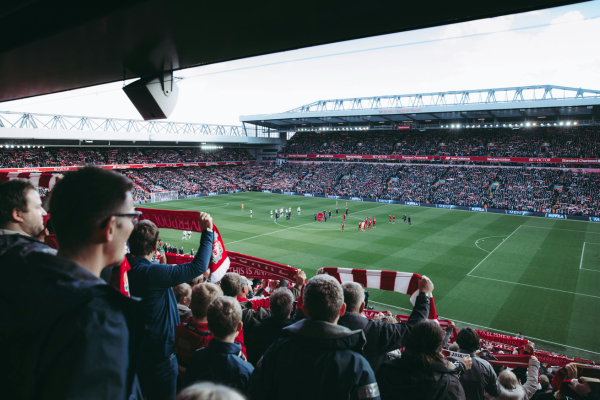
The Power of an Underdog Story 

Teams play 17 games in the NFL, 162 in MLB, and 82 games in both the NBA and NHL each season. 

Over time, that adds up to hundreds, sometimes thousands, of games a fan cheers for in their lifetime. Yet most fans don’t remember every score, stat line, or regular season outcome. 

What they do remember are the moments that stand out. The ones that feel bigger than the game itself. More often than not, those moments are underdog stories. 

These are the games, plays, and performances that stick with fans.The ones where something unexpected happens. Underdog moments aren’t just a step forward in a season, but the ones that reach our hearts. They are continuously replayed and relived because they capture something deeper than competition. They capture a sense of emotion and belief, and the idea that anything is possible.

Quick Highlights

  • The year 1980 was the year of the Miracle on Ice, still considered one of the greatest underdog victories decades later.
  • Studies show that 88% of people naturally root for the underdog, even when the odds, statistics, and expert predictions are stacked against them.
  • Research shows that roughly 75% of elite athletes actually prefer being the underdog over entering competition as the favorite.
  • Misty Copeland’s campaign with Under Armour turned her underdog story into a powerful marketing moment, creating a viral moment showcasing the impact of authentic storytelling.

Lasting Memories and Historical Moments 

Not only do some of the most unforgettable moments for sports fans come from underdog victories, but they also have a lasting impact on entire generations. 

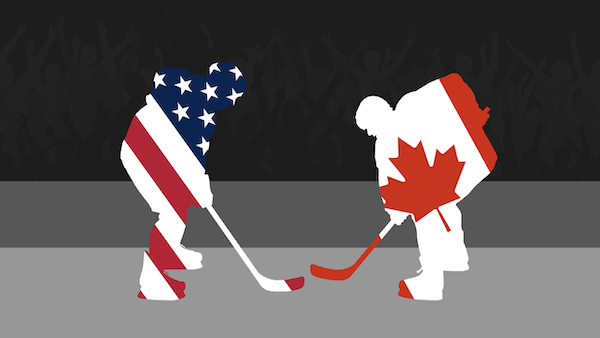
A perfect example is the Miracle on Ice during the 1980 Winter Olympics, when a young U.S. hockey team defeated the highly favored Soviet Union. Decades later, that moment is still celebrated as one of the greatest upsets of all time.

The Minneapolis Miracle is also a well known moment, when the Minnesota Vikings stunned the New Orleans Saints with a last-second touchdown. The 29-24 final score was more than just a victory, it was disbelief, chaos, and emotion all at once. Fans remember exactly where they were when it happened and the exact shock they felt. 

These games become more than just a memory. They become monumental moments in sports history that are passed on for decades. They define historical victories that aren’t just listed in a history book.

The Psychology Behind The Emotion and Drama

There’s a deeper psychological reason why underdog stories resonate so strongly. 

Humans are naturally drawn to problems and resolution. When the odds are stacked against someone, it creates anticipation. The greater the challenge, the greater the emotional payoff. Studies show that 88% of people naturally root for the underdog, even when the odds, statistics, and expert predictions are stacked against them.

The more people see themselves in a story and feel its significance, the more they naturally root for it. Research also shows that brands positioned as underdogs can boost purchase motivation and strengthen brand loyalty. 

Even more compelling, this effect is strongest among consumers who view themselves as underdogs. Research shows that roughly 75% of elite athletes actually prefer being the underdog over entering competition as the favorite. A routine win by a favorite might impress, but an underdog victory brings excitement and inspiration all at once.
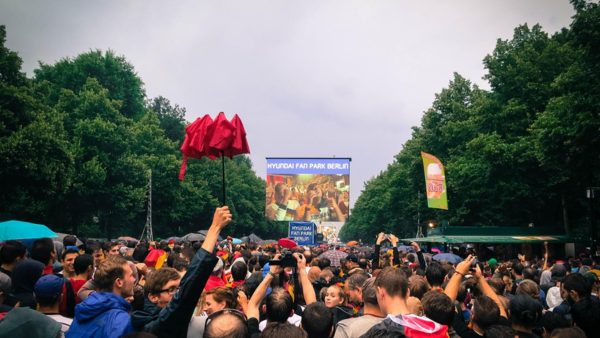
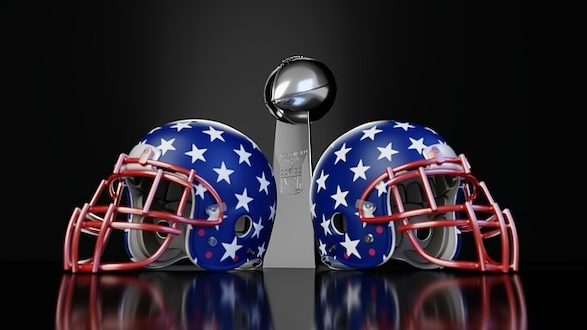
underdog story

Why We See Ourselves in Underdogs

The power of relatability is often overlooked by the natural instinct to always desire something more.

Underdog moments allow people to feel emotionally connected to something they aren’t directly related to. It is easier to connect to hard work and adversity, which makes these moments easier to relate to. 

Underdog stories aren’t defined by a term, they are defined by stories of athletes, teams, or coaches that overcome challenges just like everyone else. These setbacks mirror obstacles in everyday life. 

The Marketing Advantage

While star athletes in major leagues often dominate the marketing world, athletes in smaller or niche sports are often considered underdogs in the influencer and creator space.

They may not have the same level of exposure or media coverage, but that’s exactly what makes them compelling. This is at the very heart of Athelo Group’s mission. We recognize this untapped potential and invest in elevating these athletes, bringing forward stories that might otherwise go unheard.

A powerful example of this is Misty Copeland and her partnership with Under Armour. Copeland’s journey of overcoming poverty and dedication to become a leading figure in a predominantly white ballet world connected far beyond dance. Her story carried significance far beyond becoming the first Black principal dancer at the American Ballet Theatre. Her success helped open doors for diverse representation in ballet and inspired a new generation of dancers who had previously been told they don’t belong on stage. 

Under Armour leaned into that narrative, featuring Copeland in a campaign that highlighted her journey rather than just a product. The result was a viral moment that connected with audiences on an emotional and personal level, showing the power storytelling has on consumers.

Why These Moments Will Always Have Our Heart

In an era of statistics, dynasty teams, and billion-dollar sports industries, underdog stories remain one of the few elements that can’t be predicted or controlled.

They remind us that athletes are still human. That effort, belief and resilience can still overcome the odds. No matter how much the game evolves, there will always be room for the unexpected. As time continues there is always the team that doesn’t stop and the athlete who proves everyone wrong. Every season there is a moment that no one saw coming. 

That’s why underdog stories continue to connect with fans and last as something more than a result. They give us something to believe in. It’s these kinds of stories that continue to shape how athletes’ are shared with the world, and how Athelo Group will continue to unlock niche markets.

FAQ:

  1. What is an Underdog? A person, team, or entity expected to lose a competition, contest, or struggle, often characterized by a disadvantage, lack of power, or consistent failure.
  2. What is the Minneapolis Miracle? The Minneapolis Miracle refers to one of the most dramatic finishes in NFL history. In the 2018 NFC Divisional Playoff game, the Minnesota Vikings defeated the New Orleans Saints on a last-second 61-yard touchdown pass from Case Keenum to Stefon Diggs as time expired. This was the first time in NFL playoff history that a game ended with a touchdown on the final play.
  3. When is the best time to bet on an underdog? Many bettors target underdogs when the public is heavily backing the favorite, which can boost the odds and create stronger value on the underdog side. Other situations to consider include matchups where the underdog has a strong defense or when they’re facing a high-scoring favorite, where game dynamics can be less predictable.
  4. Why does underdog marketing work? Underdog marketing resonates because consumers naturally connect with stories of struggle and perseverance. It positions a brand as relatable rather than over using over saturated targets. Authentic narratives of overcoming the odds tend to be far more engaging and memorable than traditional brand messaging.
  5. Will underdog stories always matter in sports? Essentially, Yes. No matter how much sports evolve with technology, media, and advancements, underdog stories remain timeless. They represent unpredictability and human effort.
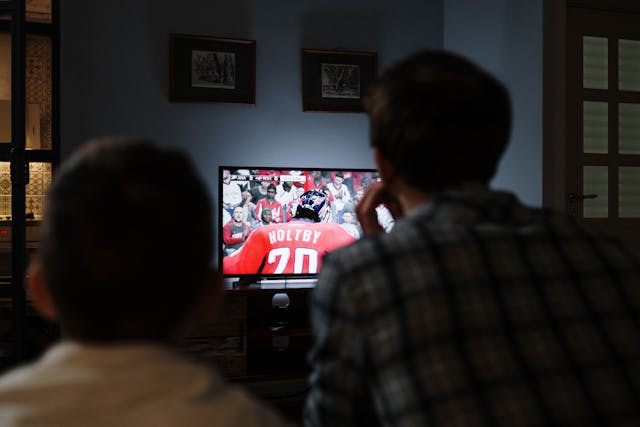

IIHF World Championship: New Technology and Sponsor Activations

The 2025 IIHF (International Ice Hockey Federation) World Championship, the premier international ice hockey tournament, wrapped up on Memorial Day with the United States defeating Switzerland 1-0 in overtime. 

NHL star Tage Thompson scored the game-winning goal, securing the U.S.’s first gold medal in 92 years. What made this year’s competition stand out was its expanded global reach, attracting new audiences and boosting international participation like never before.

Quick Highlights:

  • IIHF launched IIHF.tv, a centralized OTT streaming platform, to broadcast the tournament in over 100 territories and vastly expand its global reach.
  • Each game featured at least 31 camera angles, with the final using 34. 
  • Ĺ koda marked its 32nd year sponsoring IIHF and debuted new electric vehicles and redesigned the MVP trophy, enhancing fan experience with interactive fan zones.
  • Unibet joined as an official sponsor, aiming to deepen fan engagement through digital content and experiences.
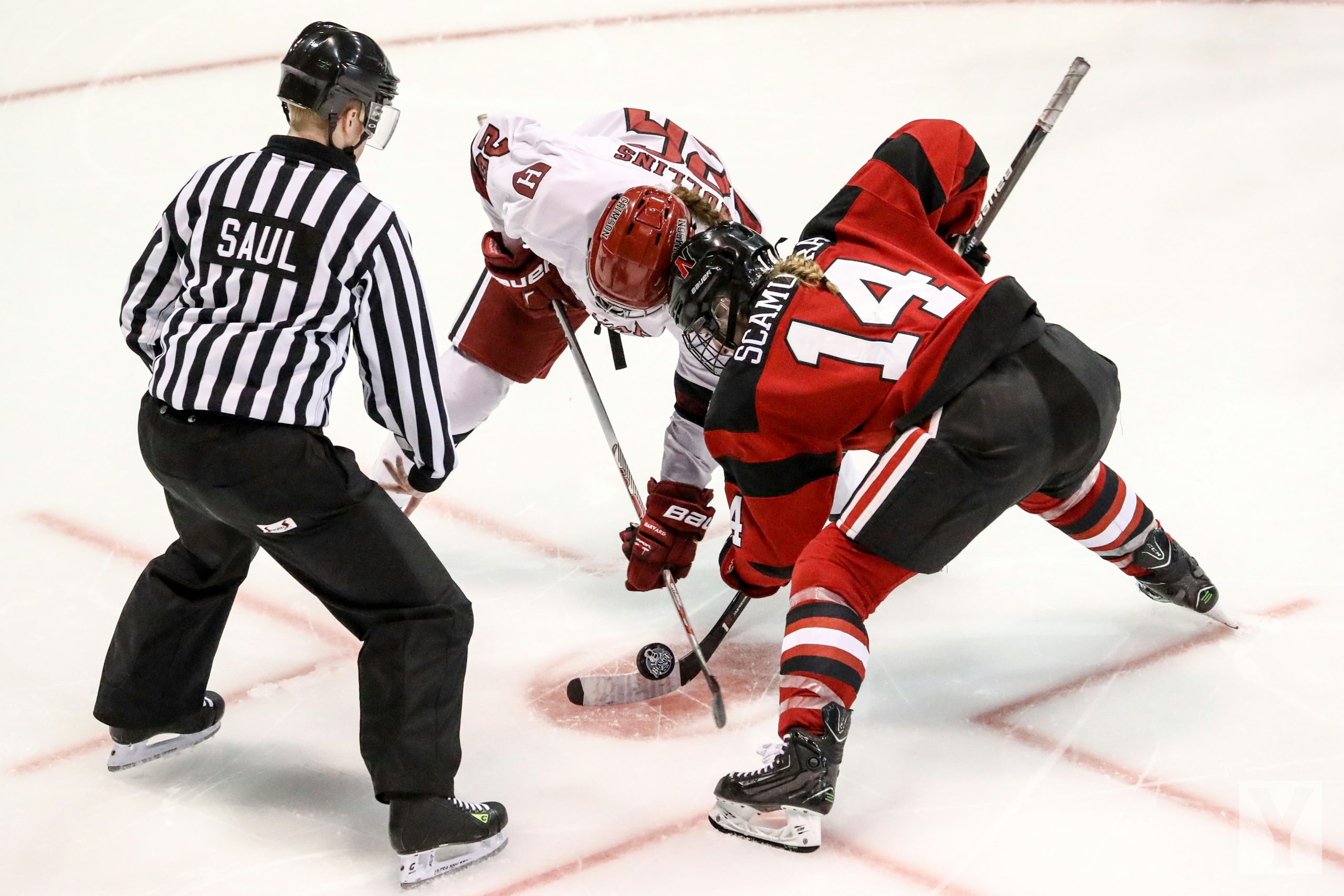
hockey puck in iihf world championship

Global Reach

Prior to this year’s competition, the International Ice Hockey Federation announced IIHF.tv., a new centralized OTT streaming platform.

The IIHF’s exclusive media and marketing partner Infront took charge of this streaming initiative, while Sportsway Media group was responsible for coverage of lower division tournaments. IIHF.tv will now broadcast up to 600 ice hockey games per season, including the World Men’s, Women’s, Under-20, and Under-18 World Juniors tournaments. The content is accessible in over 100 territories through a subscription model.

According to Amikam Kranz, Senior Vice President of Media, Betting & Technology at Infront, the launch of IIHF.tv “marks a new opportunity for international ice hockey to grow and welcome new fans on a global scale with a digital home of hockey. Easily accessible content, live and on-demand streaming, and flexible subscriptions will help us to reach untapped audiences.”

Select matches were also broadcast on NHL Network and made available to stream on Fubo.

ice hockey goalie

Innovative Broadcasting

The 2025 IIHF Ice Hockey World Championship pushed production boundaries, using at least 31 camera angles per game—34 for the gold medal match between the U.S. and Switzerland. Camera operators were granted more time on the ice, including during penalty shootouts, giving fans immersive angles that bring them closer to the action than ever before.

Super slow-motion replays and in-goal cameras now feature embedded game clocks for precise video reviews. “These situations come down to 1/10 of a second,” said Uzi Kakuda, head of Infront Productions. “So we embed the game clock into the in-goal camera feeds for the game officials, which the viewer also gets to see.”

With hockey’s fast pace, every upgrade counts. Remote-operated cameras had to respond faster than in almost any other sport, and those placed inside goals were specially reinforced to withstand direct puck impacts.

broadcast camera in iihf world championship

Challenges and Market Competition

Timing posed one of the key challenges for the IIHF World Championship. The tournament overlapped with the Stanley Cup Playoffs, a marquee event that draws massive attention across the hockey world.

Another drawback to the Stanley Cup Playoffs overlapping with the World Championship is that several NHL superstars including Connor McDavid, Brad Marchand, and Roope Hintz were unavailable to compete for their national teams. This has fueled a narrative that without full-strength rosters, the tournament is less meaningful.

Finally, the early elimination of Team Canada, the hockey-obsessed nation, was a major blow to tournament viewership. Canada’s shocking 2–1 loss to cohost Denmark in the quarterfinals marked one of the biggest upsets in tournament history. While dramatic stories like this can boost global interest, Canada’s exit likely led to a steep domestic drop-off in engagement.

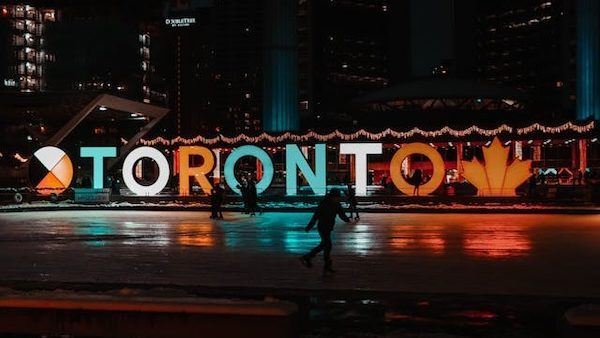
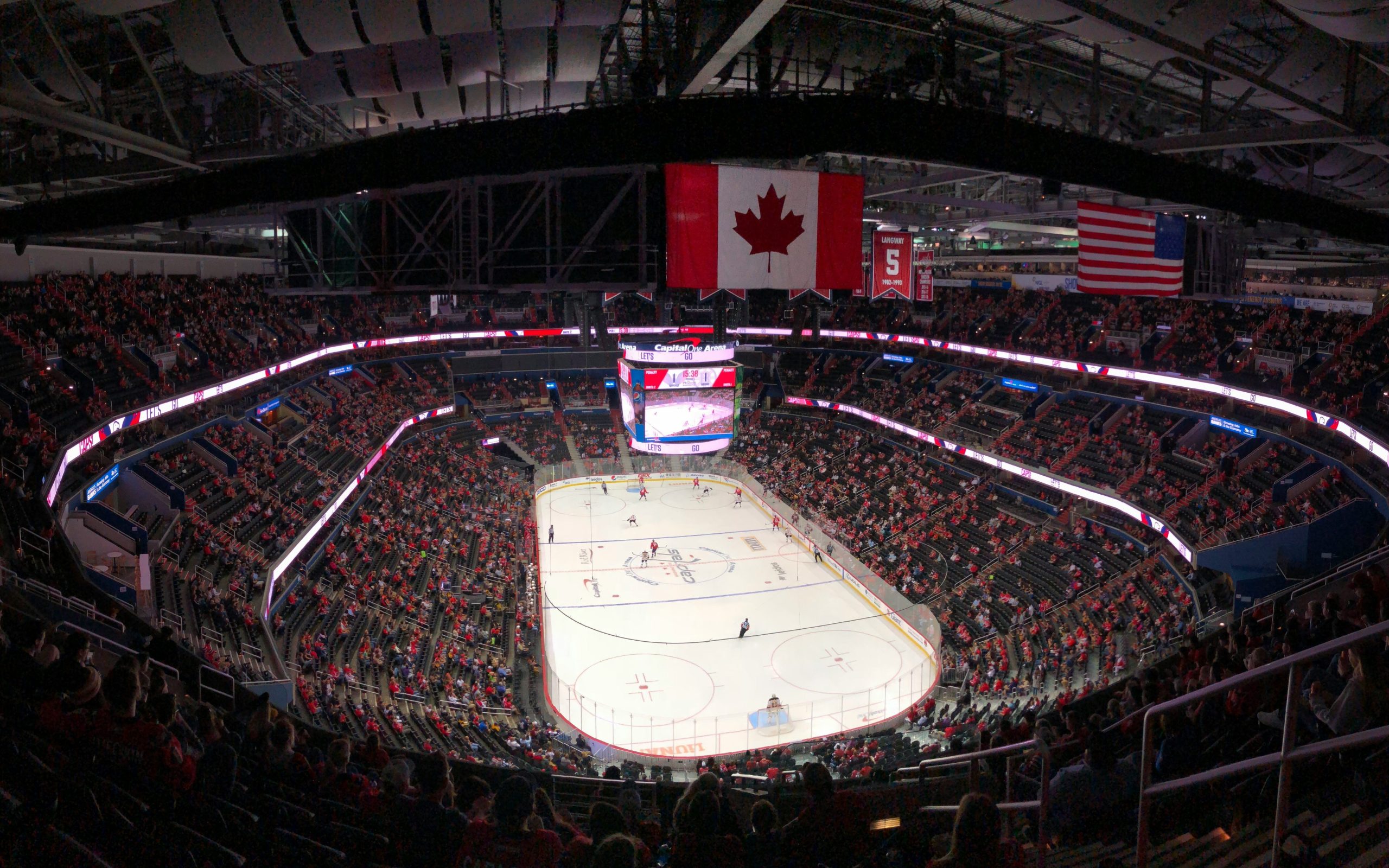
toronto maple leafs

Strategic IIHF World Championship Sponsorships

At Athelo Group, we focus on scalable long-term strategic partnerships, and one of the major success stories of the IIHF World Championships has been the relationship between the IIHF and Czech automobile manufacturer Škoda. A main partner since 1993, Škoda used this year’s tournament to execute a multifaceted brand activation, demonstrating how sponsorships can go beyond simple visibility and create true audience engagement.

Škoda created the MVP trophy for the tournament in 2018 and redesigned the award for this year, drawing inspiration from its “Modern Solid design language.” The brand also debuted two new fully electric vehicles—the Enyaq RS and Enyaq Coupé RS during its activation event.

To increase presence across host cities, Ĺ koda provided 45 vehicles to the event, including 30 fully electric cars and 15 hybrids. The brand helped draw 490,000 spectators to Ĺ koda-sponsored fan zones in Sweden and Denmark, offering interactive activations like mini games, karaoke, and sessions inside a specially equipped Elroq.

Unibet also became an official sponsor of this year’s tournament. “By engaging fans with exciting content and experiences, we aim to enhance the excitement of the tournament and make this a truly memorable event for everyone involved,” said Philip Lagström, general manager at Kindred Group Sweden.

Ĺ koda car, the sponsor of iihf world championship

What the Future Holds

The popularity of ice hockey has grown steadily, with the 4 Nations Faceoff drawing 16.2 million viewers across North America and becoming ESPN’s most-watched hockey game ever, with 9.3 million tuning in from the U.S. alone.

While this year’s IIHF World Championship faced challenges—NHL playoff overlap, notable player absences, and an early Canadian exit—it still delivered compelling hockey and strong brand activations. And the timing couldn’t be better.

With NHL players returning to Olympic play in 2026 and the World Cup of Hockey slated for 2028, ice hockey is on the brink of a global breakout.

NFL Pro Bowl Viewership Slumps, NHL’s Global Focus Strikes Gold

This year, the NHL skipped its traditional All-Star Game, instead opting to feature a four-team tournament between Finland, Sweden, Canada, and the United States. Narratives surrounding the Trump Presidency’s economic and political relations with Canada propelled the recent Four Nations Face-Off into the limelight. The NHL, ESPN, and players capitalized on this moment, raising questions about the future of All-Star events across sports.

Quick Highlights

  • The NHL’s Four Nations Face-Off tournament between Finland, Sweden, Canada, and the United States drew 9.3 million U.S. viewers, becoming the most-watched non-Olympic hockey game ever.
  • The U.S.-Canada game saw a dramatic 3 fights in the first 9 seconds of play.
  • Players, coaches, and celebrities, including JJ Watt, praised the new format, suggesting it could shape the future of All-Star events.
  • The NFL’s Pro Bowl flag football contest saw a sharp 18% decline in viewership from the previous year, with only 4.7 million viewers tuning in.
  • The NBA’s reimagined All-Star Game attracted 4.7 million viewers, marking a 13% decline from the previous year and making it the second-least watched All-Star Game in NBA history.

Fan and Media Reactions to the Four Nations Face-Off 

The National Hockey League’s in-season tournament between the United States, Canada, Finland, and Sweden was an enormous success. Held during the traditional NHL All-Star break, the tournament was a bold departure from the norm. The risk the NHL took by announcing this shakeup at last year’s All-Star Game paid off big-time. 

The Four Nations Face-Off shattered records, attracting 9.3 million viewers and becoming the most-watched non-Olympic hockey game ever in the U.S. Beyond the impressive TV ratings, the event sparked a social media frenzy and ignited excitement for best-on-best hockey at the 2026 Winter Olympic Games.

The finale was an overtime thriller, capped with a Connor McDavid goal to win the tournament for Canada, 3-2. Jordan Binnington, the often-critiqued Canadian goalie of the St. Louis Blues, put on an epic display with several highlight saves in the third period and overtime.

“Man. What a game,” proclaimed NFL Hall of Fame Defensive End JJ Watt. Geopolitical drama, masterful social media promotion, and world-class hockey combined to catapult the NHL’s innovative new tournament to success.

Mixed Results for 2025’s NFL Pro Bowl and All-Star Games

In January, the NFL’s Pro Bowl Games saw record-low viewership as star players sat out and fan interest in the flag football contest remained low. Only 4.7 million viewers tuned in, marking an 18% decline from the previous year. The NBA’s All-Star Weekend, with its new tournament format, became the second least-watched game in the event’s history.

Although viewership for the NBA’s reimagined All-Star Game was down, the event thrived on social media, generating significant impressions and airtime for corporate partners like Emirates and FanDuel. This reflects a broader trend of creating short, engaging content aimed at Gen Z sports fans.

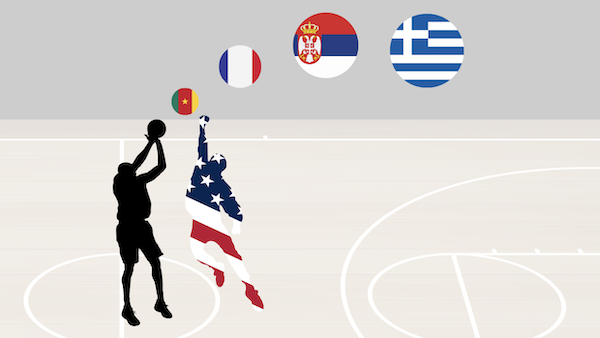
NBA fans and stars like Victor Wembanyama have suggested that a competition between American and international players could be “more purposeful” and inspire players to take “more pride in it.”

Growing the Game of Hockey

It’s no secret that the NHL has made it a mission to grow the game of hockey through the promotion of international competition. The league’s decision to replace the traditional All-Star Game with the Four Nations Face-Off exemplifies this strategy, bringing together elite players from Canada, the United States, Finland, and Sweden for a high-stakes mid-season tournament. 

This shift not only bolstered fan engagement but also strengthened hockey’s global appeal by showcasing top-tier talent in a competitive setting. The NHL’s renewed commitment to allow its players to participate in the Olympics further highlights its focus on international expansion.  By prioritizing meaningful international events, the NHL aims to cultivate a broader, more engaged fan base while elevating the sport’s global significance.

The growth of the NHL outside its familiar North American markets also presents the opportunity to grow its portfolio of corporate sponsors with global brands. Through its Premier Series and Global Series games played in nations across Europe and Asia, the NHL has secured partnerships with foreign brands such as Kaufland, Czechicehockey.tv, and Veikkaus.

The Shift Toward International Competition

The NFL and NBA have long recognized the importance of a global audience. The NFL’s international growth strategy targets untapped markets in Latin America and Europe, while the NBA’s global success has even influenced the NHL’s decision to allow athletes to compete in the Winter Olympics starting next year.

Given the decline in viewership for both the NFL Pro Bowl Games and NBA All-Star Weekend, should these leagues follow the NHL’s lead and replace their traditional weekend events with opportunities for international competition? This conversation is already taking place between NBA executives and NBC, and in the future, we could see a team of stars like Antetokounmpo, Wembanyama, Jokic, Doncic, and others compete against the best of the U.S.

The Future of the NFL Pro Bowl Games

In comparison to other North American leagues, the NFL has fewer international stars. Viewership for the NFL’s flag football contest continues to decline, and with players reluctant to participate in full-contact play, what does the future of the Pro Bowl Games hold? There’s optimism that the inclusion of flag football in the 2028 Los Angeles Olympics may boost the sport, potentially with star players like Tyreek Hill.

Despite the dip in interest, the NFL Pro Bowl Games’ skills challenges have seen stable viewership. These challenges may receive more focus in future Pro Bowl Weekends, providing engaging, clip-worthy moments for social media.

Future Sponsorship Implications

The growing global popularity of North American sports presents opportunities for leagues and teams to leverage international players, global series games, and social media to secure partnerships with foreign brands.

As fan interest in the Pro Bowl and All-Star Games’ main events declines, the focus shifts to amplifying social media content, driven by viral moments from skills competitions, player interactions, and media appearances. This year’s Super Bowl ads highlighted the power of authenticity, storytelling, humor, and athlete influence—traits that continue to generate the highest engagement and impact for sponsors.

At Athelo Group, we prioritize authenticity in our campaigns, leveraging athletes’ global reach to create content with international appeal and scale partnerships beyond U.S. markets.

New Movement on the Ice: PWHL Skyrockets to Success

Up until this year, there were no professional hockey leagues for females, a disparity greatly contributing to gender inequality within sports. As the growth of U.S. hockey skyrockets, a new all-female hockey league is finally underway. The first-of-its-kind Professional Women’s Hockey League (PWHL) kicked off its inaugural season on New Year’s Day with a matchup between Toronto and New York at Mattamy Athletic Centre, the former arena of the Toronto Maple Leafs. Tennis legend and women’s sport advocate Billie Jean King was in attendance for the ceremonial puck alongside over 2,500 excited fans. From its early success to widespread support, the PWHL has already reached unprecedented heights and shedding light on the importance of women’s sports in America.  

Mapping Out the League

The PWHL features six teams with 3 in the United States and 3 in Canada. American teams include PWHL New York, Boston, and Minnesota, while the Canadian teams include PWHL Montreal, Toronto, and Ottawa. Each team’s respective cities already possess the infrastructure with established NHL teams and arenas. Games will take place in the men’s arenas, in addition to some junior and minor league venues.

Dodgers co-owner Mark Walter and his wife Kimbra bring the financial backing: they bought and dissolved the Premier Hockey Federation last year, using the new assets to launch the PWHL. Walter’s group claims the league’s creation will unify women’s hockey under one league, making the sport more viable and professional. With the support of the NHL behind them, the PWHL looks to secure long-term success with the expansion of additional franchises in the future.

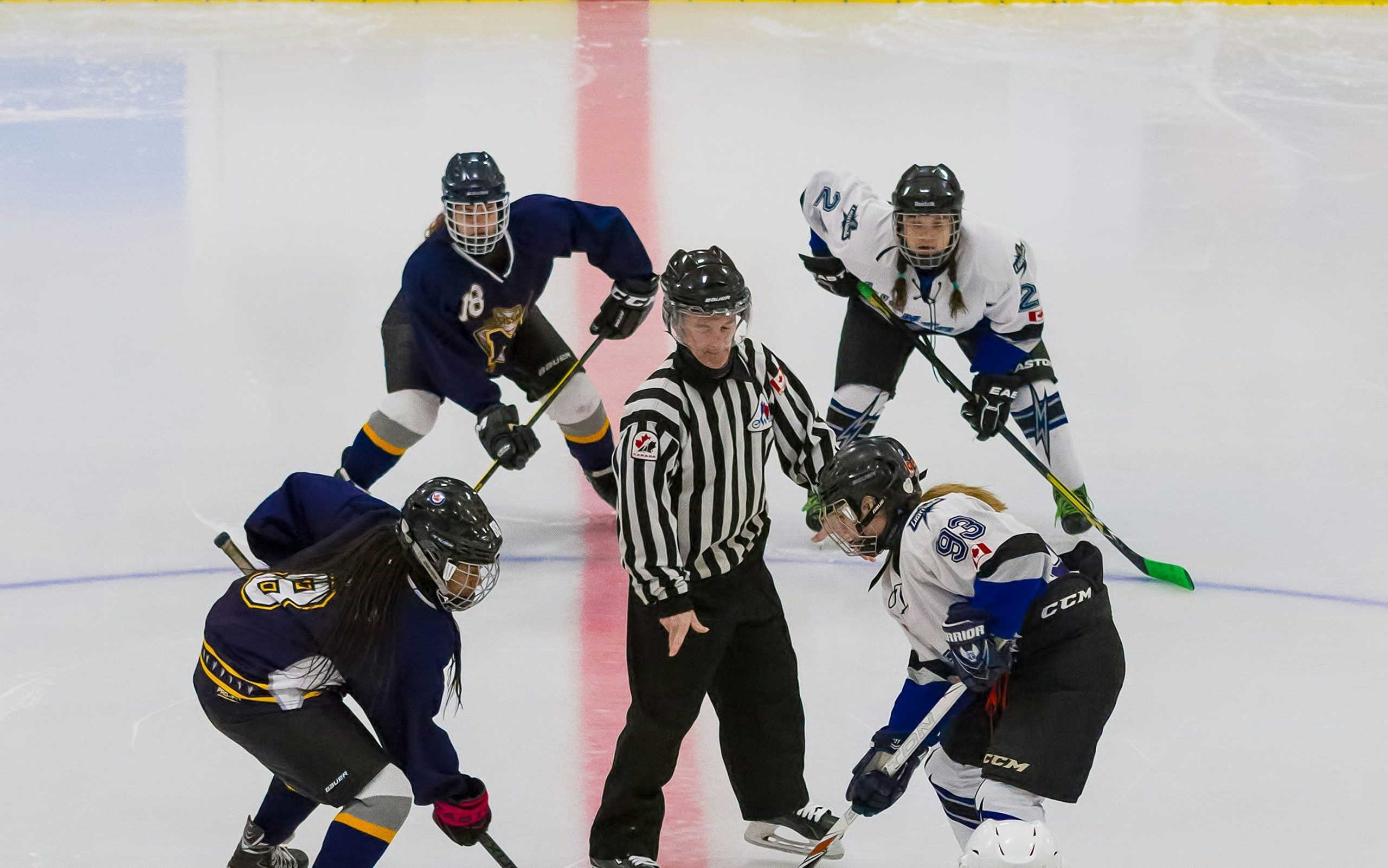
pwhl

Early Success

The PWHL’s season-opener drew 2.9M viewers in Canada alone and was the highest viewed sports program that day on TNT, CBC, and Sportsnet. Engagement spanned to streaming services as well, with the first several games garnering over 130K views on YouTube. The league has also inked broadcasting deals with Sportsnet and CBC/Radio-Canada, as well as more regional partnerships in the United States with Bally Sports North and MSG Networks. Easily-accessible PWHL game broadcasts are a win for league growth, as it allows for games to reach new audiences across North America. 

Attendance records serve as another measure of early success and public interest. With each game, attendance figures soar, often surpassing previous records. Since the season began, total attendance has exceeded 100,000 fans, reflecting a growing enthusiasm among supporters. This surge in fan attendance has prompted the consideration of larger venues. For instance, the upcoming matchup between Toronto and Montreal is scheduled to be held at the 20,000-seat Scotiabank Arena, home of the Toronto Maple Leafs. The transition from smaller arenas to potentially filling NHL-sized venues underscores the undeniable success of this emerging professional women’s league.

Sponsorship Buzz

The sponsorships within the PWHL are certainly abundant, too. The premier partner of the PWHL is Air Canada, which serves as the official airline of the league. In addition, Air Canada reserves the right for intellectual property of the league, as well as jersey branding rights for PWHL Montreal. Other official sponsors jumping on board include Bauer, CCM Hockey, Discover, and UPS. Inking deals with Bauer and CCM Hockey, two of the most recognizable brands in all of hockey, indicates the female league’s backing on a commercial level. As for apparel and merchandise, the PWHL partnered with Line Change, a female-owned clothing brand. Line Change already has several partnerships within the NHL and AHL, and now they’re ready to hit the ground running with the PWHL. Co-founder of Line Change Julie Petry says it’s “synergistic” to work with a league who is promoting women’s hockey, and believes the goal of the PWHL is “perfectly aligned” with Line Change’s mission.

pwhl

NHL All-Star Weekend

After this month’s NHL All-Star Weekend, several of PWHL’s star players gained even more attention as they participated in a 3-on-3 showcase. This is not the first time female players have been invited to participate in All-Star events– they’ve placed high in All-Star competitions like fastest skater and accuracy shooting. But this year’s 2024 All-Star game marks the first time women were given their own main event, and the players did not disappoint! Ottawa defender Savannah Harmon stole the show with a hat trick and two assists to lift her team to a 5-3 win. Harmon’s teammates celebrated her historic moment by throwing their gloves on the ice. Players all expressed their gratitude for the opportunity but mentioned their hunger for more. With a stage like this, the PWHL seized the moment to show off their impressive skills and their infectious passion for the game.

The surge in exposure and fan interest surrounding women’s hockey presents an exciting opportunity for the sport’s growth. Players like Hilary Knight, who gained fame through her impactful debut with Team USA, exemplify the immense potential within the league. Her partnerships with renowned brands like Nike, Chipotle, and Visa further signify the commercial viability of women’s hockey players and the commitment of industry stakeholders. With a trajectory mirroring that of women’s basketball and soccer, the future is bright for the league and its players. As the season progresses, we eagerly anticipate the rise of new stars, cementing women’s hockey’s place in the sporting landscape.

Sources:

  1. https://www.espn.com/nhl/story/_/id/38282089/new-professional-women-hockey-league-reveals-six-franchises
  2. https://www.cbc.ca/sports/hockey/pwhl/pwhl-rule-book-tweaks-1.7072145
  3. https://thehockeynews.com/womens/pwhl/pwhl-drawing-strong-television-and-online-viewership
  4. https://www.sportsvideo.org/2024/01/02/the-professional-womens-hockey-league-tsn-and-rds-announce-broadcast-rights-agreement/
  5. https://theathletic.com/5246240/2024/02/02/2024-pwhl-all-star-showcase-nhl-toronto/
  6. https://www.sportspromedia.com/news/pwhl-air-canada-premier-partner-rogers-broadcast-deals/
  7. https://thehockeynews.com/womens/pwhl/pwhl-launches-apparel-and-merchandise-line

Become a Sponsor.

Join us in making a difference. Tell us a bit about yourself and we’ll be in touch with sponsorship details.

By submitting this form, you agree to be contacted by the Athelo Group team regarding sponsorship opportunities.