How International Players Are Driving Global Growth in Sports Leagues

There was a time when growing an American sports league meant filling more seats in more American cities. Build a better product, sell more tickets, negotiate a bigger TV deal and repeat. 

That model still works, but it’s no longer where the biggest growth is coming from.

Today, leagues aren’t just expanding their footprint, they’re expanding their audience. And the most effective way they’ve found to do it isn’t through media deals or marketing campaigns. It’s through players. 

International talent has quietly become one of the most powerful business development tools in sports. They have opened markets, attracted sponsors and pulled in fans far beyond the U.S. The MLB, NBA, and NFL are all figuring this out in real time.

Quick Highlights

  • Shohei Ohtani’s $700 million contract with the Dodgers is one of the largest in MLB history.
  • The 2025 MLB Tokyo Series became the largest standalone international event in league history, drawing over 250,000 in combined attendance across games and exhibition matchups.
  • The NFL’s Global Markets Program now covers 22 international markets, with all 32 teams holding international rights somewhere in the world.
  • A record 135 international players appeared on NBA opening night rosters for the 2025-26 season, representing 43 countries across 6 continents.
  • The 2025 NFL International Games averaged 6.2 million viewers per game, a 32% increase from the prior year.
international players

The MLB: The Player as a Business Development Asset

When a specific league signs a rising international player, it doesn’t just add to its roster.

It buys itself access to a commercial ecosystem.

This includes sponsorships from regional brands, merchandise demand from overseas fans and broadcast partnerships in countries that had no reason to carry the games before. The player is what creates the market.

The clearest example of this is when Shohei Ohtani landed in Los Angeles. Within a single season, the Dodgers attracted a wave of Japanese corporate sponsorships from brands that had never put money into American sports before. 

Daiso, the Japanese retailer, became one of those new partners, a brand with massive consumer reach in Asia that had no prior presence in MLB before Ohtani arrived. No marketing campaign does that. A player from a specific country or region playing at the highest level does.

The ripple effect spreads beyond one team.

International players have climbed to the top of MLB’s jersey sales rankings, and a lot of that demand is coming from fans overseas who are buying in because of a specific international player.

That’s a meaningful distinction for anyone thinking about how leagues grow. It means tapping into an existing fanbase rather than building one from nothing.

The MLB has also started bringing the game directly to those audiences instead of waiting for them to find it. In recent years, The Seoul Series and the Tokyo Series have set records for viewership, merchandise and sponsorship activation in their respective markets. 

The 2025 Tokyo Series became the largest standalone international event in MLB history. These trips aren’t goodwill gestures or novelty events. They’re the league showing up to do business in markets where it already has a foothold, and leaving with more than it came with.

The NBA: What Happens When the Whole Roster Is Global

The NBA was early to this. 

When a player from a given country makes it to the league and succeeds, fans from that country follow. It doesn’t matter if those fans have never watched a game before. 

International players aren’t just showing up on rosters. They’re winning championships, taking home awards and becoming the faces of franchises. 

Nikola Jokic winning three MVPs pulled Serbian viewers in. Dirk Nowitzki turned Germany into a basketball market for over a decade. Yao Ming opened China to the NBA in a way no business deal could have engineered. When Luka Doncic became the first international player to lead the league in jersey sales in 2025, it signaled something real about where the NBA’s consumer base is shifting.

The NBA now broadcasts to over 200 countries, and the talent responsible for that reach didn’t come from one place or one pipeline. It came from everywhere, and that variety is part of what makes the NBA’s global product hard to replicate.

The league has taken that momentum and leaned into it through its Global Games campaign, putting regular season games in Paris, London, Mexico City, Berlin, Abu Dhabi, and more cities in the years ahead.

The goal is to build the kind of local attachment that holds up after the game ends. Sponsorship deals, merchandise revenue and broadcast rights are all easier to negotiate when a fanbase is already in waiting.

The NFL: A Cultural Export

American football brings a unique perspective compared to the NBA and the MLB. It’s culturally American in a way that doesn’t translate automatically. 

In the U.S., football is more than a sport. It’s Friday night games under the lights and Thanksgiving evening on the couch. It’s the Super Bowl as a national event that stops the country.

That cultural weight is real, but it doesn’t exactly travel overseas.

An international fan sitting down to watch their first NFL game doesn’t necessarily have a frame of reference. A sport cannot simply be introduced to a new market with the expectation that it will immediately resonate, particularly in regions where it lacks cultural familiarity or an established audience.

The NFL knows this, and its approach has been to build international audiences and international talent at the same time.
international sports

Building the Game and the Audience

Within the NFL, the International Player Pathway Program does both. It recruits elite athletes from overseas sports backgrounds, including rugby players, soccer players and track athletes, and develops them for NFL rosters.

The development matters. The story matters just as much. 

When a player from a foreign country makes it through the program and becomes a real contributor, their story becomes the league’s best advertisement in that country. 

Jordan Mailata, an Australian who had never played football before joining the program and went on to win Super Bowl LIX in 2025, is the clearest example of what this looks like when it works. The NFL announced its first ever regular season game in Australia shortly after, scheduled for Melbourne in 2026. That timing wasn’t a coincidence.

The international games have followed a similar trajectory. 

What started as a few games in London has expanded into a multi-continent operation that now takes the league to Europe, Australia and South America, with more markets being added regularly.

Each new city comes with local sponsorship opportunities, new broadcast deals and marketing rights for the franchises involved.

The NFL has distributed those rights across all 32 teams. This means international expansion isn’t just a league office initiative. Every franchise has skin in the game.

Beyond The Box Score

Not long ago, an athlete from Serbia, Japan or Australia becoming the face of an American sports league would have been a pipe dream. 

The leagues paying attention have started treating foreign born talent as a growth strategy, not just a roster decision. They open markets, move merchandise and drive viewership in countries that had no prior attachment to the sport.

This gives leagues a real reason to show up in places they couldn’t have justified entering before.

The sports leagues investing in that now, through overseas talent development, international competition and global broadcast infrastructure, are the ones building something that lasts.

The talent has already crossed the borders. Now, the business is catching up.

FAQ:

  1. What is the International Player Pathway? It’s a system leagues use to identify and develop athletic talent from outside the United States and bring it into American professional sports. The NFL has a formal program for it. The NBA and MLB have built pipelines through scouting, academies, and international partnerships.
  2. Why do leagues care so much about international players right now? Because domestic market growth has a ceiling. Once you’ve saturated your home country, the only way to keep expanding revenue is to find new audiences. International players are the most natural way to do that.
  3. Do international players actually move the needle commercially? More than most front offices probably expected. When the right player lands in the right market, sponsorship deals follow, jersey sales climb, and viewership in their home country can grow overnight.
  4. Why do overseas games matter if most fans are still watching from home? Showing up in a market shows commitment. It tells local fans, sponsors, and broadcasters that the league is serious about being there long term. That makes deals easier to close and fanbases easier to build.
  5. Isn’t American football too complicated to grow internationally? That’s what people assumed for a long time. The NFL’s answer was to put the product in front of people and let players from those countries tell the story. It’s harder to dismiss a sport when someone from your country is winning at it.
  6. Does any of this actually translate to real revenue? The sponsorships, merchandise sales, and broadcast deal growth across all three leagues suggest yes. International expansion is no longer a side project. It’s a core part of how these leagues plan for the future.
  7. Is this a recent shift or has it been building for a while? It’s been building. The NBA started taking it seriously decades ago. MLB and the NFL have accelerated in the last several years.
How has fantasy sports changed the way fans watch games?

There was a time when sports fandom was a monogamous relationship. You picked your favorite team, watched their game, and hoped they would win. A fan’s emotional investment lived, and ultimately died, with one outcome. Today, that experience has completely evolved.

Fantasy sports have transformed fans from passive viewers into active participants. The games we watch are no longer just about the final score. It’s a high-stakes management exercise.

We aren’t just fans anymore. We’re unofficial general managers, and it’s changed the very DNA of how we consume sports.

Quick Highlights

  • Over 60 million people in North America participate in fantasy sports, turning fans into active decision-makers.
  • Fans now follow individual player performance just as closely as team outcomes.
  • In 2025, approximately 29–30 million people played fantasy football in the United States, making it the most popular fantasy sport.
  • The second-screen experience (fantasy apps, social media and live stats) is now an essential part of sports consumption.
fantasy sports

From Team Loyalty to Player Obsession

In the early 1960s Bill Winkenbach, a part-owner of the Oakland Raiders, created the first fantasy football league with a small group of friends. The concept of fantasy sports expanded in the 1980s and 1990s with the rise of rotisserie baseball and later exploded in popularity with the growth of the internet.

For decades, sports fandom was defined by loyalty. Usually, fans from a young age supported their team, watched their games, and largely ignored everything else. 

Fantasy sports disrupted that model completely.

Now, fans track individual athletes across the league. Single games are no longer the focus. Fans follow multiple games at once, invested in players on their roster regardless of team affiliation.

A touchdown from a rival team no longer feels like a loss if it benefits your fantasy lineup. This creates a shift in emotional investment, as fans are no longer tied to one outcome. Fantasy sports have expanded the scope of fandom, turning every game into something relevant.

Goodbye Irrelevant Games

Fantasy sports have eliminated the idea of “irrelevant games.” In a traditional model, fans only watch games that directly impact their favorite team or playoff picture. Fantasy changed this, meaning, a late-season matchup between two non-contending teams could still determine a fantasy playoff outcome.

This has increased overall viewership and engagement across leagues. 

A study done by Penn State showed that over 80% of fantasy sports players report watching more games because of their fantasy teams. Fans are more likely to watch random games, track stats in real time, and stay engaged throughout the entire season – especially if their fantasy team is successful.

The result is simple: fantasy sports have turned casual viewers into consistent consumers.

The Rise of the Second-Screen Fan

In past generations, sports were consumed via radio or TV. Watching sports is no longer a one-screen experience though, as fantasy sports have normalized multi-tasking during games.

Fans are simultaneously:

  • Watching live broadcasts
  • Checking fantasy apps for real-time scoring
  • Monitoring player stats and injury updates
  • Engaging in group chats or social media
  • Managing bets placed on sports gambling sites

This second-screen behavior has become essential to the modern sports experience. 

While the game is still the main focus, it is only one part of the interaction. The data, the competition and the social engagement all happen alongside it. 

On platforms like X and Reddit, fantasy players share their lineup decisions, “start/sit” questions and react live to player performances, especially during NFL Sundays. There are also entire shows, podcasts and TikTok accounts built around fantasy advice, where fans engage through comments, polls and weekly rankings debates.

While some people argue this model is distracting fans from sports, others argue it is only enhancing the experience. 

Studies show that 87% of users research stats and players more, showing deeper engagement with the sport. The other side of this coin shows how fantasy sports shift focus toward individual player stats over team outcomes, changing how fans experience games, and ultimately distracting viewers from the game itself.

Turning Fans Into Decision-Makers

One of the most significant shifts fantasy sports created is control. 

Fans are no longer just watching sports for the outcome, but they are making decisions that impact their own results. Drafting players, setting lineups, making trades, and analyzing matchups all create a sense of ownership.

This shift in control has transformed the fan mindset. They research trends, evaluate performance, and think strategically. Fantasy sports has blurred the line between fan and analyst. This gives fans a window into a world they did have access to previously. 

fantasy sports

Fans Are Adapting To Data-Driven Sports Consumption

While fantasy sports have shifted a lot of aspects of sports consumption, the biggest change is the integration of advanced analytics

Stats that were once used only for analysts are now part of everyday conversation. Fans regularly discuss metrics like target share, efficiency ratings and usage rates.

This shift has elevated the overall sports IQ of the average fan. Watching the game is now about what happens and why it happens. Fantasy sports have created a generation of fans who understand the game on a deeper level.

The Social Layer of Sports

The biggest upside in the growing world of fantasy sports is the social aspect. Leagues are built around friends, coworkers, and online communities. Weekly matchups, standings and rivalries create an entirely new layer of competition beyond the actual sport.

Fantasy sports add a strong social layer through traditions like “draft day” events, where leagues gather in person or virtually to select teams, often turning it into a full-day party or competition. Many leagues also incorporate creative punishments for last-place finishers, including tasks like public dares or embarrassing challenges. 

These are meant to build camaraderie and keep participants engaged beyond just watching games. These elements transform fantasy sports from a solo activity into an ongoing, shared social experience.

Even when a fan’s favorite team struggles, fantasy sports are keeping them engaged. The season won’t always end when your team is out of contention. Trash talk, group chats and shared experiences are making sports more interactive and more personal.

fantasy sports fans

The Final Verdict: Has Fantasy Sports Changed the Way We Watch?

Fantasy sports haven’t just influenced how fans watch games, they’ve redefined the entire experience

Fans are no longer a passive audience because they are engaged, informed, and personally invested in outcomes across the leagues and games. In a world where every play matters, every stat counts and every game has meaning, the way we consume sports has shifted.

The way we watch sports today is more interactive, more analytical, and more connected than ever before. Fantasy sports have not replaced traditional fandom, they expanded it. And as technology continues to evolve, the gap between watching the game and being part of it will only continue to shrink.

FAQ:

  1. How have fantasy sports changed fan behavior? Fantasy sports have shifted fans from team-focused viewing to player-focused engagement, increasing overall interest in multiple games at once.
  2. Do fantasy sports increase viewership? Yes. Fans who participate in fantasy leagues tend to watch more games and spend more time following sports overall.
  3. Are fantasy sports considered part of sports betting? Traditional fantasy sports are typically skill-based, but daily fantasy and betting-related formats have created overlap in recent years.
  4. Do fantasy sports make fans more knowledgeable? Yes. Fantasy players regularly analyze stats, trends, and performance data, leading to a deeper understanding of the game.
  5. Why are fantasy sports so popular? They combine competition, strategy, and social interaction, making sports more engaging and personalized.
  6. Do fantasy sports change team loyalty? They don’t eliminate loyalty, but they expand it. Fans still support their teams while also following individual players across the league.
  7. How do fantasy sports impact sports businesses? They increase engagement, boost viewership, and create new opportunities for digital platforms, sponsors, and media companies.
  8. Will fantasy sports continue to grow? Yes. With advancements in technology, data analytics, and interactive platforms, fantasy sports will continue to shape the future of fan engagement.

The Power of an Underdog Story 

Teams play 17 games in the NFL, 162 in MLB, and 82 games in both the NBA and NHL each season. 

Over time, that adds up to hundreds, sometimes thousands, of games a fan cheers for in their lifetime. Yet most fans don’t remember every score, stat line, or regular season outcome. 

What they do remember are the moments that stand out. The ones that feel bigger than the game itself. More often than not, those moments are underdog stories. 

These are the games, plays, and performances that stick with fans.The ones where something unexpected happens. Underdog moments aren’t just a step forward in a season, but the ones that reach our hearts. They are continuously replayed and relived because they capture something deeper than competition. They capture a sense of emotion and belief, and the idea that anything is possible.

Quick Highlights

  • The year 1980 was the year of the Miracle on Ice, still considered one of the greatest underdog victories decades later.
  • Studies show that 88% of people naturally root for the underdog, even when the odds, statistics, and expert predictions are stacked against them.
  • Research shows that roughly 75% of elite athletes actually prefer being the underdog over entering competition as the favorite.
  • Misty Copeland’s campaign with Under Armour turned her underdog story into a powerful marketing moment, creating a viral moment showcasing the impact of authentic storytelling.

Lasting Memories and Historical Moments 

Not only do some of the most unforgettable moments for sports fans come from underdog victories, but they also have a lasting impact on entire generations. 

A perfect example is the Miracle on Ice during the 1980 Winter Olympics, when a young U.S. hockey team defeated the highly favored Soviet Union. Decades later, that moment is still celebrated as one of the greatest upsets of all time.

The Minneapolis Miracle is also a well known moment, when the Minnesota Vikings stunned the New Orleans Saints with a last-second touchdown. The 29-24 final score was more than just a victory, it was disbelief, chaos, and emotion all at once. Fans remember exactly where they were when it happened and the exact shock they felt. 

These games become more than just a memory. They become monumental moments in sports history that are passed on for decades. They define historical victories that aren’t just listed in a history book.

The Psychology Behind The Emotion and Drama

There’s a deeper psychological reason why underdog stories resonate so strongly. 

Humans are naturally drawn to problems and resolution. When the odds are stacked against someone, it creates anticipation. The greater the challenge, the greater the emotional payoff. Studies show that 88% of people naturally root for the underdog, even when the odds, statistics, and expert predictions are stacked against them.

The more people see themselves in a story and feel its significance, the more they naturally root for it. Research also shows that brands positioned as underdogs can boost purchase motivation and strengthen brand loyalty. 

Even more compelling, this effect is strongest among consumers who view themselves as underdogs. Research shows that roughly 75% of elite athletes actually prefer being the underdog over entering competition as the favorite. A routine win by a favorite might impress, but an underdog victory brings excitement and inspiration all at once.

underdog story

Why We See Ourselves in Underdogs

The power of relatability is often overlooked by the natural instinct to always desire something more.

Underdog moments allow people to feel emotionally connected to something they aren’t directly related to. It is easier to connect to hard work and adversity, which makes these moments easier to relate to. 

Underdog stories aren’t defined by a term, they are defined by stories of athletes, teams, or coaches that overcome challenges just like everyone else. These setbacks mirror obstacles in everyday life. 

The Marketing Advantage

While star athletes in major leagues often dominate the marketing world, athletes in smaller or niche sports are often considered underdogs in the influencer and creator space.

They may not have the same level of exposure or media coverage, but that’s exactly what makes them compelling. This is at the very heart of Athelo Group’s mission. We recognize this untapped potential and invest in elevating these athletes, bringing forward stories that might otherwise go unheard.

A powerful example of this is Misty Copeland and her partnership with Under Armour. Copeland’s journey of overcoming poverty and dedication to become a leading figure in a predominantly white ballet world connected far beyond dance. Her story carried significance far beyond becoming the first Black principal dancer at the American Ballet Theatre. Her success helped open doors for diverse representation in ballet and inspired a new generation of dancers who had previously been told they don’t belong on stage. 

Under Armour leaned into that narrative, featuring Copeland in a campaign that highlighted her journey rather than just a product. The result was a viral moment that connected with audiences on an emotional and personal level, showing the power storytelling has on consumers.

Why These Moments Will Always Have Our Heart

In an era of statistics, dynasty teams, and billion-dollar sports industries, underdog stories remain one of the few elements that can’t be predicted or controlled.

They remind us that athletes are still human. That effort, belief and resilience can still overcome the odds. No matter how much the game evolves, there will always be room for the unexpected. As time continues there is always the team that doesn’t stop and the athlete who proves everyone wrong. Every season there is a moment that no one saw coming. 

That’s why underdog stories continue to connect with fans and last as something more than a result. They give us something to believe in. It’s these kinds of stories that continue to shape how athletes’ are shared with the world, and how Athelo Group will continue to unlock niche markets.

FAQ:

  1. What is an Underdog? A person, team, or entity expected to lose a competition, contest, or struggle, often characterized by a disadvantage, lack of power, or consistent failure.
  2. What is the Minneapolis Miracle? The Minneapolis Miracle refers to one of the most dramatic finishes in NFL history. In the 2018 NFC Divisional Playoff game, the Minnesota Vikings defeated the New Orleans Saints on a last-second 61-yard touchdown pass from Case Keenum to Stefon Diggs as time expired. This was the first time in NFL playoff history that a game ended with a touchdown on the final play.
  3. When is the best time to bet on an underdog? Many bettors target underdogs when the public is heavily backing the favorite, which can boost the odds and create stronger value on the underdog side. Other situations to consider include matchups where the underdog has a strong defense or when they’re facing a high-scoring favorite, where game dynamics can be less predictable.
  4. Why does underdog marketing work? Underdog marketing resonates because consumers naturally connect with stories of struggle and perseverance. It positions a brand as relatable rather than over using over saturated targets. Authentic narratives of overcoming the odds tend to be far more engaging and memorable than traditional brand messaging.
  5. Will underdog stories always matter in sports? Essentially, Yes. No matter how much sports evolve with technology, media, and advancements, underdog stories remain timeless. They represent unpredictability and human effort.

Athlete-Owned Media Is Changing Sports Coverage

There was a time when hearing directly from an athlete meant catching a postgame interview or waiting for a segment to air on ESPN. Reporters controlled the questions. Producers decided what made it to broadcast. The athlete was the subject of the story and rarely the one telling it.

Now, that dynamic has quietly flipped.

Over the past several years, athletes have moved into podcasting, YouTube, and full scale media ventures with a confidence that’s caught a lot of people off guard. This isn’t just moonlighting between seasons. Some of these platforms are drawing audiences that rival traditional sports networks like ESPN, CBS, and NBC.

The athletes utilizing owned-media seem to understand something those sports outlets are still catching up to.

Quick Highlights

  • Athlete-owned podcasts have generated more than 7 billion YouTube views, 725 million TikTok likes, and 37 million Instagram followers combined.
  • A 2025 USC Annenberg study found 33 athlete-owned production companies producing over 370 media properties worldwide.
  • The global podcast industry was a heavy hitter in the entertainment industry, and was valued at nearly $40 billion by the end of 2025.
  • Brands and sponsors are increasingly choosing athlete podcasts shows as advertising platforms due to the strong engagement from fans.
athlete-owned media

Traditional Sports Coverage

Within sports media, athlete frustration has been building for years over misquotes and selective editing stripped of context. A two hour conversation gets reduced to a single pulled quote. A nuanced opinion becomes a headline designed to generate outrage. 

We live in a world where a clipped video or a screenshot taken out of context can reach millions of people before anyone bothers to fact check. Social media moves fast, and corrections almost never travel as far as the original story. For athletes who are already among the most visible and most misrepresented public figures in the country, this has created a major issue. 

Traditional media was never set up to give athletes control over their own narratives. They have had to live with whatever version of themselves ended up in print or on television.

Marshawn Lynch is an infamous form of what that frustration can look like. He was fined over a million dollars across his career for refusing to comply with NFL media obligations. The coverage painted him as difficult and uncooperative, and that’s largely where the story stopped. 

What rarely made it into the narrative was why he felt the way he did. He grew up in an environment that made being forced to perform for the press feel immoral. That context existed, it just had nowhere to go. Years after retiring, he laid it all out on various podcasts, in his own words, without anyone shaping it into something else. 

Without that personal perspective, the public version of Marshawn Lynch was just a guy who wouldn’t speak to reporters. This didn’t come close to capturing it.

Athletes Taking Control

Podcasts have changed that dynamic across the board. 

When an athlete is talking directly into a microphone for an hour, there is no editor cutting for time, no reporter filtering the message, no network sweating over advertising. The audience hears what was said, in full, in the actual context it was meant in.

That kind of direct access simply did not exist at scale before this format came along.

LeBron James recognized this early. Uninterrupted, the platform he helped build, was designed around a straightforward idea: let athletes talk without someone else shaping the message. No click bait reactions and no manufactured drama – just perspective.

The Kelce brothers landed on something similar, though it came together differently. New Heights isn’t built in the way a network show is. It wanders and it gets personal.

That looseness is the whole point. It gives fans something a standard broadcast would never make room for. It shows who they truly are.

@newheightshow

Everyone loves Uncle Travvy and Randy Moss NEW EPISODE OUT NOW!!! Link in bio

♬ original sound – New Heights

Building While Still Playing and After Retirement

What’s changed most noticeably is the timing. Athletes used to wait until after retirement to transition into media. That’s no longer how it works.

Draymond Green launched his show while still active in the NBA, which created something genuinely unique. The audience was shown analysis from someone who had just been in the locker room the night before. The gap between player and commentator shrank in a way that felt hard to fake.

Pat McAfee is maybe the clearest example of what the high stage looks like. He built a digital show from scratch after his playing career ended and grew it into something ESPN eventually paid serious money to partner with. He also did so by refusing to sound like traditional sports radio. The fact that he was a retired NFL player helped – but it wasn’t the whole story. Plenty of former players have tried this. Most have not built what he has built.

For athletes watching all of this, the business logic is hard to ignore. Media presence drives sponsorship value. It builds an identity that outlasts any contract. In a profession where a single injury can end everything, that kind of security is surely worth chasing.

Why Personality Is Beating Production Value

The audience perspective of this is also worth paying attention to. Sport fans haven’t just accepted athlete led media. In a lot of cases, they actually prefer it.

Paul George’s podcast doesn’t try to be a debate show. JJ Redick built The Old Man and the Three around long conversations that assumed the listener actually cared about basketball, not just highlights. That show, more than anything else, explains why the Lakers looked at him differently when a coaching job opened up. He’d spent years demonstrating how he thought about the game.

There’s a version of sports media that’s still chasing outrage because outrage drives clicks. That model hasn’t disappeared, but it’s competing now with something that feels more like a real conversation. A growing share of the audience seems to prefer the latter.

@bustedopenonsiriusxm

☝️🏿The World’s Strongest Man Acknowledges @officialjellyroll! MarkHenry reacts to Smackdown, SNME & Cena-Cody SummerSlam Contract Signing on the bustedopen247 podcast 📅Catch BOAD Weeknights After Wrestling on ProWrestlingNation247 Ch. 156

♬ original sound – BustedOpenonSiriusXM – BustedOpenonSiriusXM

Where It Goes From Here

The athletes coming up now have never known a sports landscape without this. For them, social media, content creation, and personal branding are not second careers to think about someday. They are already baked into how these athletes move through the world and how they build a following long before they reach the professional level.

The broader implications of this go well beyond podcasts. When athletes own their platforms, they also own their revenue streams. Sponsorship conversations shift. Brands no longer need to go through a network or a league to reach an audience; they can go directly to the athlete, whose audience is often more loyal and more targeted than traditional networks. That changes the financial scope of being a professional athlete in ways that are still playing out.

It also changes culture. Athletes have always shaped what people wear, listen to, and care about. That influence used to be filtered through endorsements and highlight reels. Now, it comes through in real conversation and the actual texture of who these people are. That kind of access builds something different than a commercial does. It builds genuine connection, and genuine connection turns casual fans into communities.

Athelo’s own Mark Henry is a good example of what this looks like. The Busted Open podcast, which Henry co-hosts, has become one of the most respected in professional wrestling media. He spent decades inside the industry as a competitor, and that background gives the show insider perspective delivered without a filter. Fans are not getting a produced segment. They are getting a real conversation with someone who actually lived it. 

For Athelo Group, Henry represents exactly the kind of athlete-owned media that is reshaping how sports figures connect with their audiences long after their playing days are behind them.

The microphone used to sit in front of the athlete. Now they are the ones holding it, and they are not planning to hand it back.

FAQ:

  1. What is athlete owned media? It’s exactly what it sounds like. It consists of athletes running their own podcasts, social media, and/or production companies instead of waiting for a network to give them a segment. They own it, they run it, and they decide what gets said.
  2. Why are so many athletes doing this now? Telling your own story is important. Once athletes realized they could just talk directly to fans without a middleman, a lot of them didn’t look back. The financial gain is also a focus for many players.
  3. Are people actually watching and listening? More than most people realize. Athlete owned podcasts have combined for billions of views and likes across social media platforms. Some of these shows are pulling numbers that even rival traditional sports media.
  4. Are athletes really doing this while still in their prime? Draymond Green was still suiting up for the Warriors when he launched his show and Travis Kelce was still competing for Super Bowl runs. That’s actually what made it interesting. You’re getting takes from someone who has a first person perspective of the game.
  5. Does any of this actually pay off financially? Media presence drives sponsorship deals, attracts brands, and builds income that doesn’t disappear the moment a career ends. For athletes in sports where one bad injury changes everything, that kind of option matters a lot.
  6. Can a podcast really change how people see an athlete? Ask JJ Redick. He spent years having genuine basketball conversations on his show, and by the time the Lakers needed a coach, he had already proven how he thought about the game.
  7. Why do fans seem to prefer this over traditional coverage? Because it feels real. There’s no producer cutting to commercials at the good part. No anchor steering the conversation somewhere safe. It’s just people talking, and fans have noticed the difference.
  8. Is this just a trend or is it here to stay? It looks permanent. The podcast industry has boomed within the entertainment realm and sports topics are among the top genres.

America’s Favorite Sport: The Rise and Reign of Football

41% of adults consider football to be their favorite sport to watch. This statistic reflects how the game has grown into more than just a pastime. Football has become a weekly routine and a national obsession woven into everyday American life.

American Football has remained the country’s most popular sport for more than 50 years.  It has evolved beyond the action on the field to keep fans engaged year-round, even long after the season ends.

Fantasy football, sports betting, and nonstop social media coverage ensure constant interaction. The Super Bowl’s blend of competition and entertainment transforms the sport into a national phenomenon that dominates conversation and culture across the country.

Quick Highlights

  • The 2025 NFL season is projected to generate $30 billion in sports betting wagers.
  • 41% of adults list American football as their favorite sport to watch, reinforcing its dominance in U.S. sports culture.
  • The 60th Super Bowl will feature Bad Bunny as its headliner – showing the event’s blend of sports and entertainment.
  • In 2024, 25% of viewers tuned in solely for the halftime show, while 21% watched just for the commercials.
America's favorite sport

Fantasy Football Changed How Fans Watch the NFL

Football fans have never cared more about the outcomes of teams they do not root for, or even about how well the running back on their most rivaled team is performing. The era of solely tracking your favorite football team is over.

With fantasy sports participation at an all-time high, fans are now closely tracking the statistics of individual players across the league. This shift means fans have a personal stake in nearly every game. This leads to tuning into matchups they would normally ignore. It represents a major cultural change driven by emotional investment and high-stakes moments tied to fantasy team performance.

Fantasy football has also created a new audience: the temporary fan. These are participants who engage primarily because of the community built within workplaces, friendships, and families.

These temporary fans, who did not previously exist, are now locked into a sport they otherwise would not have invested their time in. The culture fantasy football has cultivated has drawn both fans and non-fans into caring about game outcomes and player performance.

Sports Betting Increased Fan Engagement and Makes Each Game More Exciting

As sports betting has become widely accepted as a societal pastime, it has fundamentally changed how fans watch games. It has turned every play into something personal, emotional, and high-stake.

In the United States, football attracts the most bettors and the highest volume of frequent betting activity. Wagers are predicted to reach $30 billion this season. Sports betting also appeals to those who may not enjoy the sport itself as much as they enjoy betting. This adds a layer of excitement that extends beyond team loyalty.

Once financially invested, bettors become focused on whether their parlays will hit. This makes games that might otherwise seem boring feel far more intense.

Social media has also shortened attention spans, a challenge sports like football continue to face. Player props and spreads help keep fans engaged throughout the entire game. Fans and general bettors actively tune in to monitor their bets and outcomes.

This heightened engagement pushes viewers to stay informed on more than just their favorite teams. Instead, fans follow football news as a whole to better understand and support their betting decisions. 

sports betting

Why Football Wins the Week, Not Just Sunday

Social media usage is more prominent than ever, driven by content formats that cater to every generation. As social media has become a key measure of influence and popularity, American football has consistently thrived in this space.

In a digital era built around concise content, social platforms have become essential for maintaining interest in sports – even during the offseason. YouTube Shorts, Instagram Reels, TikTok, and similar platforms have made sports media more accessible. This allows fans to engage with trending content throughout the week.

As content spreads across platforms, conversation extends far beyond a single moment. Within minutes, big plays, highlights, and memes appear before, during, and after games. This keeps teams, players, and major moments constantly visible and top of mind from Monday to Sunday.

Even in the offseason, football teams continue to push content, ensuring there is always something to react to. With content moving quickly and football generating it endlessly, the sport remains relevant every day – not just during the season and not just on game day.

Super Bowl: Where Sports Meets Entertainment

The Super Bowl remains one of the most anticipated mega-events year after year. Culturally, it never loses momentum. Even when the same team appears three years in a row, the stadium sells out and viewership stays massive. This is fueled by the event’s intersection with entertainment.

More than the teams themselves and often unknown until weeks before, the most anticipated question is always who will perform. Each year, speculation builds for months, culminating in a polarizing announcement. This season, Bad Bunny’s selection sparked both excitement and backlash. 

This prompted the NFL Commissioner to publicly defend the decision: “He’s one of the leading and most popular entertainers in the world… That’s what we try to achieve… It’s carefully thought through. I don’t think we’ve ever selected an artist without some blowback or criticism.”

The Super Bowl is a spectacle by design, and the NFL leverages it to draw as many eyes as possible – and it works. The halftime show alone brings in roughly 25% of total viewership, attracting audiences who don’t typically follow the NFL. Every year, social media fills with posts from viewers who tune in solely for those 20 minutes.

By positioning the Super Bowl as both a sport and cultural event, the NFL consistently captures a multifaceted audience. This includes people who may not be year-round football fans, but who are deeply invested in the Super Bowl itself.

America's favorite sport

Football Owns the Calendar and the Culture

American football has remained the most popular sport in the United States for 54 years. This is largely because of its ability to adapt alongside shifting cultural preferences. As fan habits change, football continues to evolve with them.

Fantasy football has deepened that engagement by expanding participation beyond traditional fans to include friends and family. This shift has made viewers more invested in the league as a whole – not just individual teams. This drives higher viewership and stronger emotional attachment.

Football’s dominance has also translated into becoming the most bet-on sport following legalization. Bettors now watch more games to inform their decisions. This increases engagement, viewership, and excitement across every matchup.

Social media and marquee events like the Super Bowl keep football culturally relevant year-round. From short-form content to commercials and halftime performances, football consistently stays in the national conversation. This reinforces its position at the center of both the sports calendar and American culture.

Recovery for Athletes: Sports’ Newest MVP

Recovery for athletes is no longer a luxury— it’s a necessity. Between new technology, smarter recovery tools, and the prioritization of holistic health, athletes have more tools than ever to protect their bodies and minds. 

In the past decade, there has been a growing understanding of what peak performance requires which has pushed both brands and athletes to further prioritize their wellness and recovery practices. 

This new rehabilitation standard is reflected through the extensive Fitness Recovery Services Market. As the demand for these services and products continue to grow, it is clear this industry is only beginning.

Quick Highlights

  • The global fitness recovery services market will reach a projected $26.8 billion by 2035, up from $8.3 billion in 2025.
  • The leading segment of the market is massage therapy & assisted stretch with a nearly 38% market share.
  • The global sports nutrition market, which includes sports drinks, bars, powders, and capsules, was valued over $66.27 billion in 2024 and is projected to reach over $138 billion in 2033.
  • Sports franchises like the Washington Commanders are investing over $25 million in recovery solutions, highlighting the growing priority placed on athlete recovery.
athlete stretching to recover

The Industry 

Society’s emphasis on holistic health has driven explosive growth in the sports recovery and nutrition markets. Everyday consumers are now prioritizing protein intake, hydration, and advanced recovery tools, while wellness trends push the sports industry to innovate and expand.

Professional teams are investing heavily in recovery, with many allocating multimillion-dollar budgets to state-of-the-art facilities. For example, the Washington Commanders spent $25 million on upgrades featuring cryotherapy, infrared saunas, and hyperbaric oxygen chambers to accelerate player rehabilitation.

Common equipment now includes percussion devices like Theraguns, shockwave and laser therapy machines, and compression boots. Over a third of training spaces in modern facilities are dedicated to recovery, reshaping athlete training protocols and extending career longevity.

In a high-stakes industry, on-field performance increasingly depends on off-field recovery practices. These investments not only reduce injury downtime but also influence sponsorships and partnerships in the booming recovery sector.

The Modern Athlete Toolkit 

Wearable technology has become a cornerstone of the sports recovery market, providing athletes with real-time data on training load, sleep, and recovery metrics. Popular devices like Oura Rings, Whoop bands, and Garmin watches enable precise monitoring, helping optimize rest and prevent overtraining.

Electronic recovery devices are also transforming post-workout routines, accelerating muscle repair through improved circulation and reduced inflammation. Cryotherapy chambers, compression systems, and percussive therapy tools like Theraguns are now staples, often replacing traditional ice baths and static stretching.

Nutrition is equally critical, with athletes relying on high-quality protein sources, hydration products, and targeted supplements to fuel recovery and performance. The booming demand has spurred innovation, giving pros and amateurs unprecedented options for daily nutritional support.

Standout brands like David Protein exemplify this growth—their bars deliver 28g of protein in just 150 calories, achieving explosive success with over $100 million in projected first-year revenue since launching in 2024. 

Wellness Shaping Performance 

As wellness continues to move to the forefront of sport, mental strength and recovery systems prove just as essential as physical training.

Mental performance strategies like visualization, focus training, and stress management are becoming core parts of an athlete’s routine. These tactics help athletes stay composed under pressure by giving them tools to stay mentally centered as challenges arise. 

The US Olympic Committee is leading this trend among major sports organizations by forming a team of 15 full-time mental performance coaches for their athletes. This dedicated team delivers significant results, enhancing mental health support and performance optimization across Team USA.

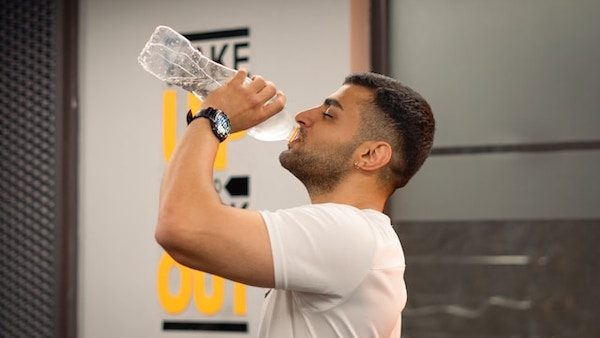
athlete drinking sports drink for recovery

The Future of Athlete Recovery and Wellness

As the sports world continues to evolve, it’s clear that athlete wellness is the new competitive edge for optimal performance. 

Brands like ARMRA are advancing this mission by creating products to rebuild health from the inside out. Athelo Group athletes Brisa Hennessy, Conor Daly, and Chandler Smith gravitate towards ARMRA as they continue to prioritize clean and trustworthy wellness solutions. 

The athletes who prioritize their recovery, nutrition, and mental strength aren’t just performing better– they’re building the longevity of their careers.

This shift presents a powerful opportunity for brands, teams, and support staff. In an industry defined by intense demands, investing in athlete wellness has become a strategic advantage.

How Leaders Like Carlie Irsay-Gordon are Breaking Barriers

Women are steadily reshaping leadership in professional sports. In roles once dominated by men, the industry is seeing female executives like Carlie Irsay-Gordon redefine success and inclusion from front offices to ownership suites. 

Irsay-Gordon, owner of the NFL’s Indianapolis Colts, has already transformed the franchise both on and off the field. Initially met with skepticism from NFL executives and surrounding media, her approach has since earned praise from players, coaches, and reporters alike. 

Irsay-Gordon represents a broader movement, one that is changing the perception of women in leadership and proving that positive influence in sports isn’t tied to gender.

Quick Highlights:

  • As of 2023, women held 24% of C-suite positions in the MLB. For the 2022/23 NBA season, women held 39% of senior management positions.
  • At least 12 of the 32 NFL teams count women as controlling and significantly active owners, making strides from the merely 7 teams reported in 2015. 
  • In 2022, 75% of WNBA CEO/President positions were held by women.
  • Companies in the top quartile for gender and ethnic diversity are 9% more likely to outperform, and those with gender-diverse boards are 27% more likely to outperform financially.

Carlie Irsay-Gordon: Redefining NFL Ownership

Carlie Irsay-Gordon didn’t earn early praise when she appeared on the Colts’ sidelines wearing a headset— critics saw it as overreach. She explained she was there to learn, not direct, and that curiosity has defined her leadership ever since.

Since taking a larger role in 2014, she’s emphasized mental health, family-first policies, and player engagement. Under her guidance, the Colts became one of the first NFL teams to add a full-time clinician. She launched Kicking The Stigma, a campaign that’s raised millions and pushed the NFL to talk openly about mental health.

Players describe her as empathetic and decisive, as someone who values accountability without losing humanity. Former Colt Stephon Gilmore summed it up for fans: “She’s the best. The Colts are in good hands.”

Kim Pegula: Strength in Buffalo

As the former co-owner and president of the NFL’s Buffalo Bills and NHL’s Sabres, Kim Pegula helped turn both franchises into models of organizational stability. She made history as the first woman to serve as president of both an NFL and NHL team and is known for her disciplined, data-driven decision making and commitment to community.

After suffering a serious health setback in 2022, the Bills organization rallied around her, and dedicated wins in her honor. Under Pegula’s leadership, the Bills’ value quadrupled since 2014, making them one of the NFL’s fastest-growing franchises in both performance and market value.

Jeanie Buss: Leading the Lakers Legacy

Shifting over to the NBA in Los Angeles, Jeanie Buss is a powerful example of resilience and success under immense pressure. As the first ever female controlling owner to win an NBA title, Buss has helped restore the Lakers’ legacy through her steady leadership and trust in players and staff.

She navigated many public disputes and high-profile transitions, including parting ways with her brother Jim Buss and hiring Rob Pelinka as GM, all while keeping the franchise on a championship path.

In 2020, Buss became one of the most visible and respected executives in sports, leading the Lakers to their 17th NBA title in the Orlando bubble. Beyond basketball, she has used her platform to champion gender equality and inclusive hiring practices. One way she does this is by personally investing in initiatives like the all-female wrestling league WOW (Women of Wrestling).

Women Across All Leagues

The shift towards increased female leadership moves beyond the NFL and NBA. In the MLB, Kim Ng made history as the first female general manager when she joined the Miami Marlins in 2020. By just three seasons, she guided the club to its first playoff appearance in 17 years.

In motorsports, Susie Wolff, the managing director of F1 Academy is driving change at the intersection of racing and representation, pushing for broader access and visibility for women in motorsports. 

And in soccer, executives like Becca Roux, executive director of the U.S. Women’s National Team Players Association, continue to advocate for pay equity and long-term sustainability within women’s sports, progress that is now influencing how male-dominated leagues operate.

f1 race track

Changing Perceptions and Cultural Impact

While many female leaders have earned respect over time, early criticism often underscores how gender biases continually persist in sports culture. Carlie Irsay-Gordon’s headset moment drew major skepticism, with one of the reasons solely being that she was a woman on the sidelines– a space that is primarily filled with men.

Yet over time, these same figures have changed the public opinion on authenticity, transparency, and performance. A study found that 68% of all U.S. sports fans, which includes both men and women, say they trust professional women athletes. And 58% of American sports fans who don’t watch any women’s sports trust female athletes. 

That credibility extends beyond the playing field. When women move into leadership roles, studies show that engagement rises, workplace satisfaction improves, and risk management is improved.

A New Era of Leadership

The presence of women like Irsay-Gordon, Pegula, Buss, and Ng signals something bigger than just female representation. They’re redefining team culture, fan engagement, and the business priorities of modern sports.

At Athelo Group, we believe leadership is strongest when it’s diverse and inclusive. Across professional sports, women are showing that success grows from respect, trust, and a unified vision.

Athletes Becoming Sports Analysts: The Post-Retirement Career Path

The average professional sports career is relatively short. In the NFL, the average is only 3.3 years. In the NBA, it’s roughly 4.5 years. This leads many athletes to look beyond their playing career into other avenues where they can excel professionally. 

Many aim to remain in the sports world. As former athletes, audiences respect these figures as trusted media voices. They are often sought-after for roles such as a sports analyst, host, podcaster, or influencer.

The natural transition from player to on-air personalities has helped shape sports culture, fan engagement, and brand strategy.

Quick Highlights:

  • The average retirement age for an athlete is under 30 years old: 29.5 in the MLB, 28.2 in the NHL, 28 in the NBA, and 27.6 in the NFL.
  • With careers ending so early, many athletes look to broadcasting as a second chapter. From 2015–2018, 38% of NFL Broadcasting Bootcamp participants transitioned into jobs in sports media, a number that has only grown since.
  • 46% of Gen Z sports fans say they watch live games not out of team loyalty, but because of the athletes they follow. This creates opportunities for retired players to remain influential voices.
  • Fans also gravitate toward a recognizable sports analyst. A New York Times survey found that 57.4% of NFL fans favored the pairing of Tony Romo and Jim Nantz over other broadcast teams.
sports analyst at georgia football game

The History

Athletes stepping into the broadcast booth isn’t new. Legendary sports figures, such as John Madden, showed how former players can bring something new to sports commentary. However, what was once just a simple “career extension” of athletes converting to commentators has now shifted into a very diverse media landscape. 

Today, ex-athletes appear as podcast hosts, YouTube creators, and studio analysts, while others move into leadership roles. Some even build their own media companies, giving them creative control and long-term influence.

A prime example is Peyton Manning, who launched Omaha Productions after his playing career. Together with his brother Eli, he helped create The Manningcast, a Monday Night Football broadcast that became one of the most popular alternate viewing experiences in sports.

Authenticity and the Athlete Perspective

Streaming platforms, networks, and advertisers favor athletes in sports analyst roles because they bring an authentic perspective. Having competed at the highest level, they offer insights no outsider can match, and fans value hearing experiences from people who have lived them.

Many praise Tony Romo, for example, for predicting plays in real time and breaking down the quarterback’s POV for audiences. The NFL even created a bootcamp program to help players like Romo transition into media after their careers.

From a business standpoint, athletes also carry a built-in following. Millions of fans who watched them compete now follow them into media, giving these voices instant credibility and relevance. After a long, high-profile MLB career, Alex Rodriquez leveraged his fame to work as an MLB analyst for Fox Sports, co-host shows like The Deal on Bloomberg, and contribute to networks like ABC and ESPN.

The Entertainment Factor

Entertainment value often enhances a former athlete’s role on air. Inside the NBA has become inseparable from the sport itself, thanks to the chemistry of Shaquille O’Neal and Charles Barkley blending humor with professional insight.

The show’s popularity built such a loyal following that fans grew anxious when its contract was uncertain. With so much viewer demand, keeping the program alive became a necessity for both business and entertainment reasons.

IndyCar driver and Athelo Group athlete Conor Daly also shows how athletes can thrive by leaning into entertainment. He hosts the weekly podcast Speed Street, where he discusses his sport, and regularly appears on talk shows and media segments to expand his reach.

The Criticism

Not every athlete successfully transfers their on-field skills to the broadcast booth. Some have faced backlash for being unprepared, lacking fresh perspective, or struggling with on-air presence. Networks have at times leaned too heavily on name recognition, as seen with Jason Witten’s short stint as a Monday Night Football commentator.

Another challenge arises when athlete-analysts clash with traditional media professionals. On a recent episode of ESPN’s Get Up, ex-NFL player Ryan Clark and analyst Peter Schrager got into a heated argument that quickly spread across social media. Clark was criticized for dismissing Schrager’s viewpoint by saying he lacked a player’s perspective, a response many felt crossed a line.

The incident highlighted the importance of balance. Networks rely on athlete voices for authenticity, but they also need analysts who can pair expertise with fairness and professionalism. Without that balance, credibility and fan trust can be put at risk.

Athletes as Hosts Beyond Commentary

Social media, streaming, and podcasts have allowed athletes to launch media careers before retirement. Shows like The Pivot Podcast or New Heights with Travis and Jason Kelce have redefined athlete-led content, blending analysis with personality.

Fans now follow athletes who not only share professional insight but also humor, cultural takes, and behind-the-scenes moments that traditional networks might filter out. This mix has expanded how athletes connect with audiences and grow their media presence.

Beyond podcasts, many athletes move into mainstream entertainment. Michael Strahan is just as well known on Good Morning America as he was in the NFL, while Nate Burleson has built a similar crossover career. Dwayne “The Rock” Johnson went even further, shifting from wrestling into blockbuster films, with The Scorpion King grossing $180 million worldwide.

The Future of Athlete Media

The end of an athlete’s career no longer signals the end of their influence. From television broadcasts to podcasts and social platforms, retired players are rewriting the playbook for how sports stories are told.

For fans, this shift delivers unfiltered access to voices they trust, people who know the game because they have lived it. For athletes, it creates a second career that can be just as impactful as their time on the field, giving them the chance to shape conversations around the sports they helped define.

Sports Sponsorship ROI: Why Brands Invest Billions in Athletics

Not long ago, an athlete’s role in sports sponsorship was simple: wear the logo, smile for the camera, maybe appear in a TV ad. Today, the playbook looks very different. Athletes have become storytellers, creative drivers, and trusted voices.

Through years of competition, personal struggle, and triumph, they build credibility that authentically connects with audiences. From Dani Speegle sharing her training routine to Brisa Hennessy partnering with Pura Vida to highlight her connection to her Costa Rician roots, these moments show who athletes truly are.

This sports marketing shift isn’t just cultural. It’s measurable.

Quick Highlights

  • Authentic voices deliver 7× higher ROI than traditional influencers thanks to audience trust.
  • Girls Who Eat, a movement promoting healthy and empowered relationships with food, sparked widespread social resonance and drew hundreds of thousands of followers who connected with Dani Speegle’s message of strength over aesthetics.
  • Travis Hunter’s partnership with Celsius in the “Essential Six” campaign generated 1.2M+ impressions and a 5.8% engagement rate through personal and training content.
  • NIL is creating new opportunities for college athletes and brands, with 40% of varsity athletes landing brand deals within their first year.
  • Fans of women’s sports are 2.8× more likely to purchase products endorsed by female athletes, proving influence extends beyond exposure.
athlete sponsored by gymshark

The Sports Sponsorship Evolution

The campaigns people remember aren’t always the ones with the biggest logo. They’re the ones that tell a story worth following. Dani Speegle’s Girls Who Eat campaign, for example, champions body positivity and female empowerment within strength sports. 

These partnerships challenge stereotypes, spark cultural conversations, and grow communities beyond competitive athletes.

As platforms like Instagram Reels, TikTok, and YouTube pull fans deeper into athletes’ daily lives, the content that resonates most feels unscripted and personal. Emily Loogman Rethwill connects with her audience through training clips and motivational captions, but also by sharing everyday moments with her daughter.

This balance of performance and authenticity shows why athlete partnerships have become a core strategy for cultural relevance and long-term engagement.

Turning Athletes into Brand Storytellers

Modern athlete partnerships thrive when athletes are given creative freedom to share their stories. Instead of just promoting products, they integrate brands into authentic glimpses of their daily lives, routines, and personal experiences. 

This approach allows fans to connect with both the athlete and the brand on a deeper level.

Former college football players like Travis Hunter and DJ Uiagalelei share content that reflects their training, campus life, and personalities. Hunter’s partnership with Celsius highlighted his workouts and gameday prep, while Uiagelelei because the first active college athlete featured in Dr. Pepper’s “Fansville Campaign.” 

The fans are loving it: Hunter has 2.2 million followers on Instagram and Uiagalelei has garnered over 80K likes in a single post. When brands fit seamlessly into their content, the result is more valuable than exposure— it’s authentic engagement.

The NIL Revolution

The 2021 Supreme Court ruling on Name, Image, and Likeness (NIL) rights transformed collegiate sports marketing. For the first time, college athletes could monetize their personal brands, opening doors once reserved for professionals. Within a year, Harvard Business Review reported that 40% of varsity athletes at Texas Tech alone had landed brand sponsorships.

NIL deals give brands access to highly engaged, authentic audiences. Programs like the Tennessee Volunteers’ partnerships provide athletes with financial support while introducing brands to loyal, built-in fanbases. 

Professional athletes are also inspired by NIL-style collaborations. NBA player Isaac Okoro works with smaller lifestyle-aligned brands like Holo Footwear for creative freedom, producing content that blends athletic performance with personal interests. Rising stars like Sydney Grimes are collaborating with viral brands like Gold Hinge, creating lifestyle-focused content that feels genuine and relatable.

This new era makes one thing clear: athletes are no longer just endorsers. They are partners and storytellers, shaping culture, driving consumer behavior, and creating measurable value for the brands they align with.

athlete wearing nike shoes

The Power of Athlete Storytelling

In a world where consumer attention is fragmented, sports are one of the last shared stages. Athletes command focus across platforms, bridging live moments with digital storytelling. For brands, betting on sports sponsorship is really a bet on owning scarce, high-trust attention.

At Athelo Group, we bring brands and athletes together to turn that attention into impact. Ready to bet on sports? Learn how we’ve transformed sports sponsorships into growth strategies.

The Rise of Behind-the-Scenes Content Like NFL Hard Knocks

Early sports media focused almost exclusively on performance, leaving little room for the personal side of athletes. Today, social media and behind-the-scenes content like NFL Hard Knocks are shifting that dynamic. Stars like LeBron James and Naomi Osaka are using their platforms to discuss mental health and social issues, building deeper connections with fans. 

As fans demand more than just scores and stats, behind-the-scenes footage and shows offer an intimate look into athletes’ lives, helping break down the barriers between professional sports and their audiences. As technology has evolved, fans now expect more from the brands they follow, driving digital platforms to enter the sports industry.

Quick Highlights

  • Personal connection for fans, especially younger demographics, makes them more likely to support an athlete or team.
  • 70% of Gen Z fans keep up with social media posts and updates from their favorite teams.
  • Netflix’s “Drive to Survive” achieved over 90 million viewing hours for Season 5 during its first few months.
  • NFL Hard Knocks’ 2024 premiere smashed records, making it the most-watched premiere in the last 5 years.
  • The “Caitlin Clark effect” led to a $136 million sponsor media value in the 2024 WNBA regular season, driven by increased social media engagement and fan interest.
  • 31% of Gen Z sport fans want access to BTS content from athletes.
players on nfl hard knocks

The Shift in Sports Media

Sports media was dominated by companies like ESPN, CBS, and FOX, focusing primarily on broadcasting rights, interviews, and highlight reels, often overlooking athletes’ personalities and team operations. This surface-level coverage didn’t give fans insight into aspects like training, locker room culture, or travel.

For example, Pat McAfee, once a low-profile punter for the Indianapolis Colts, became a household name after joining ESPN. His radio show and takeover of College GameDay allows him to showcase his fun-loving personality, connecting with fans on a more personal level. His engaging presence increased viewership in the 18-to-24 demographic by 34% compared to the previous year.

As platforms like YouTube, Instagram, and X gained popularity, athletes and teams found new ways to connect directly with their fans. This shift has fueled a demand for continuous content, with fans now seeking more involvement and connection beyond just the games.

NFL Hard Knocks Peels Back the Curtain

Behind-the-scenes footage allows fans to peek inside the lives of their favorite teams, making them more than just figures on a screen. This access creates a level of intimacy that was previously unavailable, helping to build deeper connections.

The NFL has capitalized on this trend through its in-house content development with NFL Films, showcasing players in dramatic, inspiring ways using exclusive footage. The content creates a new connection point for fans, making them feel closer to the athletes.

The NFL’s Hard Knocks series has been a successful avenue for offering fans a closer look at teams throughout the season. Recently, the series expanded to include off-season and training camp coverage, providing a more comprehensive view of team dynamics. During the 2024 season, viewers got an inside look at the New York Giants’ decision-making process regarding star running back Saquon Barkley, a storyline that sparked widespread conversation among fans.

social media apps to follow nfl hard knocks content

Netflix and Formula 1 Draw New Audiences

Netflix broke into the live sports industry by broadcasting NFL/ NBA games and WWE’s Monday Night Raw, but initially lacked surrounding programming and storytelling. Formula 1, a major European sport, hadn’t gained significant traction in the United States until the league partnered with Netflix. To diversify their portfolios and tap into new fan bases, Netflix and F1 collaborated to create Drive to Survive.

Drive to Survive offers unprecedented access to drivers, managers, and team owners, providing fans with previously unavailable insights. The series has significantly expanded F1’s audience. Over 6.8 million viewers have tuned in globally, with 31% of the audience aged 18 to 29.

Viewers witness athletes navigating personal and professional challenges, from team politics to media scrutiny, deepening their connection to the sport. By showcasing intense rivalries and behind-the-scenes moments, the series drives loyalty among fans, enhancing their understanding of both the on-track action and off-track dynamics.

More Than The Game: Knowing The Ins And Outs

Due to social media’s popularity with younger audiences, sports teams have shifted focus to content beyond just the game. For example, 29 of the 32 NFL teams have joined TikTok. Each team averages 234,000 followers, highlighting widespread adoption and engagement across the league.

Several NFL teams, including the Los Angeles Chargers, use the platform to showcase roles that help athletes perform at their best. For example, the Chargers posted a video of their dietician preparing for game day, surprising fans with the behind-the-scenes look.

Other teams, like the Tampa Bay Buccaneers and New England Patriots, have followed suit. The Buccaneers highlighted the challenges of booking hotels for the team, while the Patriots gave fans an inside look at their equipment team’s preparations for a new player’s arrival.

@patriots

equipment gearing up for the new guys to arrive 🏈 #newengland #patriots #equipment #eq

♬ original sound – New England Patriots

When Athletes Become Influencers

Athletes are a powerful source of insider content, admired by fans eager to learn more about them. With the rise of social media, many athletes have embraced the role of influencers, using their platforms to build personal brands, connect with fans, and offer exclusive behind-the-scenes content.

Rugby star Ilhona Maher gained fame during the Paris Olympics with her relatable, empowering TikTok posts. Her social media presence helped her land a spot on Dancing with the Stars, and she’s now known for her authentic views on body image and the balance between strength and femininity.

While athletes often gain large followings based on their sports achievements, more are using social media to create exclusive content and connect with fans. Athlete influencers see a 3.9% engagement rate on Instagram, significantly higher than standard influencers. LSU gymnast Livvy Dunne, for example, has become a prominent figure despite gymnastics’ lower profile, sharing personal and athletic content to make herself more relatable to fans.

fans at a sports game

A New Future For Sports Fandom

Seeing athletes beyond the stat lines humanizes them, helping fans connect on a deeper level. More detailed and holistic coverage lets fans feel part of the team, enhancing the fan experience.

At Athelo Group, we specialize in storytelling that humanizes athletes, building personal brands and stronger fan connections. We highlight each athlete’s unique journey—like Chris Ruden, an elite powerlifter with Type 1 diabetes who uses his story to inspire others. We’ve helped him partner with brands like Eversense to strengthen his connection with his audience and make a positive impact.

The shift toward behind-the-scenes content reflects the changing nature of sports media. Simply covering the game isn’t enough anymore—fans want more insight into athletes’ lives and challenges. As the industry adapts, this deeper connection leads to greater fan engagement and loyalty.

Become a Sponsor.

Join us in making a difference. Tell us a bit about yourself and we’ll be in touch with sponsorship details.

By submitting this form, you agree to be contacted by the Athelo Group team regarding sponsorship opportunities.