Is the NFL Super Bowl Halftime Show Now the Main Event?

The Super Bowl halftime show used to be a bathroom break. Marching bands and themed shows filled the time while viewers grabbed snacks, stretched their legs, or changed the channel. The first halftime show in 1967 featured a trumpeter and two college marching bands, and for years the format barely changed. Nobody was planning their night around it.

Today it’s a completely different story. Halftime is one of the most-watched live performances in the world, with 128.2 million U.S. viewers tuning in for Bad Bunny in 2026 and billions more watching clips online. For many fans, it’s the main reason they tune in. Some people couldn’t tell you the score of the game, but they can tell you exactly what the performer wore, which guests showed up, and which moment took over their feed the next morning.

So what changed?

A comedy show, a pop superstar, and a lot of data. In 1992, a competing broadcast showed that viewers would leave halftime if given somewhere else to go. In 1993, Michael Jackson gave them a reason to stay. From there, streaming and social media turned a 13-minute break into a year-round cycle of announcements, speculation, and replays. One that artists, brands, and the NFL now build entire strategies around.

Quick Highlights

  • In 1992, Fox aired a live episode of In Living Color against the halftime show, and CBS reportedly lost about 22% of its audience.
  • Michael Jackson’s 1993 show was the first time Super Bowl ratings went up between halves.
  • Kendrick Lamar’s 2025 show set the U.S. live record at about 133.5 million viewers.
  • Roc Nation reported that Bad Bunny’s 2026 show reached 4.157 billion views worldwide, including social media and YouTube.
  • Bad Bunny’s Apple Music streams jumped seven times higher after the show.
  • Bad Bunny’s 2026 halftime show drew 128.2 million U.S. viewers, about eight times the average World Series game in 2025.

How Halftime Became a Must-See

For the first 26 Super Bowls, halftime was filler, not a headline.

The first Super Bowl halftime in 1967 featured a trumpeter and two college marching bands, and the shows didn’t change much for years. In 1991, the NFL tried something new by booking New Kids on the Block, the first contemporary pop act to play halftime. But the real wake-up call came a year later.

The 1992 Super Bowl halftime featured a winter-themed production with Olympic skaters, and it was widely panned. Meanwhile, Fox, then a young network, aired a live episode of a sketch comedy show, In Living Color, as an alternative. Viewers switched in huge numbers, with reports putting the audience at more than 20 million.

The message to the NFL was clear. Halftime needed to be more than a performance. It needed to be an event. The concern wasn’t necessarily that viewers found skating boring, but that the show lacked the star power, spectacle and appeal needed to hold the attention of the NFL’s massive audience. 

Fans expected a cultural moment, not simply a break in the game. If the entertainment failed to meet those expectations, the fear was that viewers would tune out, or leave altogether.

The league’s answer was Michael Jackson in 1993. His performance drew an estimated 133 million viewers, and it was the first time in Super Bowl history that ratings rose during halftime. It even boosted his album sales by 83%. From then on, the NFL kept booking major pop stars, and the show kept growing.

The Show Is Now a Cultural Moment

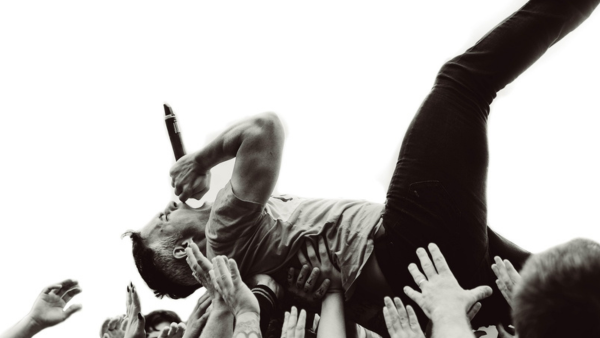
Modern halftime shows aren’t just concerts. They’re built to be clipped, shared, and argued about online. A single moment can dominate social media for days, and artists plan their sets with that in mind.

Bad Bunny’s 2026 halftime performance was more than a musical spectacle. It was a cultural milestone that brought Puerto Rican identity and Latin culture to one of America’s biggest stages.

As the first halftime headliner to perform almost entirely in Spanish, he challenged traditional ideas of mainstream entertainment and showed that a global audience doesn’t have to share the same language to connect with a performance. The show featured hits like “DtMF,” guest appearances from Ricky Martin and Lady Gaga, and a real wedding staged live during the broadcast.

The show showcased meaningful cultural representation. For Latino audiences, it was a powerful moment of visibility. For the NFL, it demonstrated how halftime entertainment can attract new audiences and spark conversations far beyond football. The performance also became part of a broader cultural discussion about identity, inclusion, and what it means to be American.

Ultimately, Bad Bunny showed that the most memorable halftime shows do more than entertain. They create cultural moments that resonate long after the final whistle.

The online reach was just as big as the TV audience. According to the NFL, over half of its social media views came from outside the U.S., and some of the league’s most-viewed posts ever came from this show. It shows how far halftime now reaches beyond American football fans. Fans watching clips on their phones and on social media around the world don’t necessarily care who wins the football game.
NFL Super Bowl Halftime

Why Artists and the NFL Both Win

The NFL’s reason is simple: a huge halftime show keeps viewers glued to the screen. In fact, the 2026 broadcast of the game between the Seattle Seahawks and the New England Patriots had a peak audience of 137.8 million during the second quarter, a record for the game.

For artists, the payoff comes in the days after. Following Bad Bunny’s show, his Apple Music streams went up sevenfold, and he took over the top spots on Spotify’s U.S. chart within days.

It also shows how closely sports and entertainment are tied together now. Leagues act like media companies, and musicians treat the Super Bowl like the biggest stage of their year.

Each side needs the other to reach a bigger audience.

Is It Getting Too Big?

Not everyone loves this trend. Some fans think halftime has become too polished and corporate, with every detail planned to be shareable. When a show is designed to go viral, it can start to feel more like a marketing event than a live performance. And with so many sponsors, partners, and platforms involved, there’s less room for the messy, unpredictable moments that people remember most.

Picking the performer is its own challenge. No choice can make everyone happy. Choose a global superstar and some fans feel left out. Choose a safe act and the show feels forgettable. The NFL has to balance broad appeal with cultural relevance, and every year the internet has strong opinions on whether it got the balance right.

The 2026 show proved how divided opinions can be. A rival halftime broadcast aired online during the game, and it drew millions of viewers of its own. Whether you loved the main show or skipped it, that kind of split shows how much people care about who gets the stage.

There’s also a bigger question about where the audience is going. Bad Bunny’s live U.S. TV audience was a bit lower than Kendrick Lamar’s the year before, but his global online views rose 137% over 2025. That suggests halftime is growing less on TV and more on phones and social feeds, which changes how these shows are built and who they’re built for.

That debate is a sign the show matters. A halftime performance that nobody argues about probably isn’t saying much, and the ones people remember tend to take a risk.

What Will Happen?

Halftime started as filler and became one of the biggest moments in sports and entertainment. It grew because a comedy show proved audiences would leave, and because the NFL responded by chasing the biggest names in music. Michael Jackson showed that a great performance could pull in more viewers than the game itself, and every show since has been trying to top that.

Today, halftime is more than a TV event. It’s a global moment that lives on social media, streaming charts, and group chats long after the final whistle. Artists use it to reach new fans, the NFL uses it to hold its audience, and viewers use it to start conversations, whether they’re praising the show or complaining about it.

That’s what makes it so interesting for anyone who follows sports and entertainment. The line between the two keeps getting thinner, and halftime is the clearest example. As long as the audience keeps growing, expect the NFL to keep swinging big.

The next question isn’t whether halftime matters. It’s who gets the next stage, and what they’ll do with it.

FAQ:

  1. When did halftime shows start featuring pop stars? The NFL tried a pop act for the first time in 1991, but the big shift came in 1993 with Michael Jackson. That show worked so well that the league has booked major stars ever since.
  2. Who has the most-watched halftime show? It depends on how you count. In the U.S., Kendrick Lamar’s 2025 show leads live TV viewership at about 133.5 million. Globally, Bad Bunny’s 2026 show leads with 4.157 billion views across platforms, according to Roc Nation.
  3. Why do artists want to perform at halftime? The exposure is huge. Performers often see big jumps in streams and chart rankings right after the show, which can be worth more than a full tour.
  4. Is the halftime show really that important to the NFL? Yes. It keeps viewers watching through the break and brings in fans who might not follow football. In 2026, the broadcast set a record for peak viewership during the second quarter.
  5. Do all fans agree on who should perform? Not at all. Every pick sparks debate, and in 2026 a rival halftime broadcast drew its own audience online.
Super Bowl LIX’s Main Event: The Commercials

The Super Bowl is more than just the final NFL game of the season; it’s a cultural event that unites millions through music, sports, and entertainment. Brands pay big to secure a Super Bowl commercial spot, aiming to reach millions of viewers and make an impact on social media.

The match-up between the Kansas City Chiefs and Philadelphia Eagles might have been the least interesting part of this year’s Super Bowl as the Eagles dominated the Chiefs from start to finish. Instead, Kendrick Lamar’s halftime performance and the advertisements were the real entertainment for viewers this year.

Quick Highlights

  • The fee for a: 30 second slot in this year’s broadcast was an estimated 8 million dollars, an increase from 7 million dollars in the 2024 Super Bowl.
  • FOX sold around 51 minutes of advertisements.
  • Super Bowl LIX brought in a record 127.7 million US viewers, a 3% increase from last year and the second straight year that the audience for the Super Bowl has broken records.
  • 50 brands purchased a slot in this year’s Super Bowl with snack brands buying the most time, including Doritos, Häagen-Dazs, Lay’s, and more.
  • 11% of viewers watch the Super Bowl primarily for the commercials.

Top Commercials that Stole the Show

Coming in the top spot on USA Today’s Ad Meter is Budweiser and their classic commercial featuring Clydesdale horses. This year, the ad showed a young Clydesdale proving its worth by rolling a forgotten keg to the herd. The Budweiser commercials are normally a fan favorite as they lean on emotional sentiments and wholesome positioning.

Another commercial that struck an emotional chord was Lay’s ‘The Little Farmer,’ which showed a young girl raising a potato on her family farm. Set to the song ‘All I Want Is You,’ the ad highlights the role of farmers in American food production.

Super Bowl Ads that Didn’t Score

One of the least effective commercials came from OpenAI, the artificial intelligence company behind ChatGPT. In its first-ever ad, a series of pixels formed various scenes before revealing the brand, but it lacked a clear message or emotional appeal. It’s ironic that an AI company, often criticized for its lack of human connection, would produce an ad that felt similarly devoid of emotion.

Another misstep came from Robert Kraft, owner of the New England Patriots, and his foundation No Reason to Hate, which focuses on combatting anti-Semitism.

The commercial featured Tom Brady and Snoop Dogg humorously revealing what they ‘hate’ about each other, with a message about how we’re more alike than different. However, some viewers felt the message was diluted by Snoop Dogg’s past performance at President Trump’s inauguration, which led to mixed reactions.

Humor and Celebrities on Display

This year’s Super Bowl showcased a polarized social and political climate, pushing brands to capture attention without sparking controversy. To strike the right balance, many turned to humor and celebrity appearances to create lighthearted commercials.

Celebrities were everywhere, with stars like Ben Affleck for Dunkin’ Donuts, Eugene Levy for Little Caesars, and Nate Bargatze for DoorDash adding charm and humor to ads. Bud Light stood out, combining Post Malone, Shane Gillis, and Peyton Manning for a fun neighborhood block party vibe that resonated with viewers.

Humor has long been a Super Bowl staple, and when used correctly, it can leave a lasting, positive impact. Brands aimed to navigate this delicate balance, with varying success.

One fumble came from Coffee Mate’s cold foam ad, which featured a man’s tongue experiencing the product. While many found it off-putting, the resulting buzz on social media at least boosted brand awareness.

Super Bowl Commercials: What They Show About the State of Advertising

The current state of advertising combines a blend of old and new methods. While there’s still a place for heartwarming nostalgia, there’s also an increase in ads that push boundaries and tap into the latest trends. 

This year’s commercials reveal that the modern advertising world is about more than just selling a product; it’s about creating an experience, a conversation, and an emotional connection.

Advertisements reflect cultural ideas, shifts, and attitudes making the landscape dynamic and ever-changing. Last year, the big technological ads centered around sports betting and crypto while this year they are focused on artificial intelligence like OpenAI and Meta. 

As commercial prices rise, brands must create memorable ads that spark social media conversations for a lasting impact. Many release teasers before the game to turn a brief ad into a larger campaign. For example, Pringles released teaser videos featuring celebrities like Adam Brody and Nick Offerman, generating buzz and setting the stage for their full Super Bowl commercial.

As we look ahead to the next Super Bowl, it will be exciting to see how Super Bowl commercials evolve with new technologies like AI, virtual reality, and personalized content. The possibilities for creative marketing are endless.

Redefining Brand Partnerships: Authenticity, Storytelling, and Athlete Influence

Advertising is increasingly focused on organic partnerships that feature unique storytelling, fostering genuine relationships between brands, ambassadors, and their audiences. Gone are the days of simple product graphics—today’s consumers want to feel connected through real stories and shared experiences.

At Athelo Group, we prioritize authenticity in brand partnerships, working with athletes who genuinely use and enjoy the products they endorse. This approach helps brands resonate with their target audiences by showcasing relatable endorsements from figures they admire.

Athletes, too, are expanding their personal brands beyond sports. For example, Dani Speegle’s initiative, Girls Who Eat, empowers young women to view food as fuel rather than an adversary, drawing from her own struggles with insecurities and body image.

Storytelling, authenticity, and positivity are reshaping advertising, and they will continue to influence how brands connect with consumers in the future.

2023 Super Bowl Commercials: The Reward is in the Risk

The Super Bowl is a perfect example of how great of an impact brand advertising has on sports. While advertisers typically struggle to hold an audience, the Super Bowl is their once-a-year jackpot. Brands that secure an ad spot will net a massive audience who is genuinely invested in the commercials’ entertainment value. 

Super Bowl commercials have steadily increased in value since their inception. The first Super Bowl commercial ran during Super Bowl II in 1968, broadcasting to an audience of 70 million Americans. One of the commercials ran right through a kickoff and set a foundation for decades to come, indicating to marketers that commercials are just as anticipated as the big game. Fast forward 55 years later and Super Bowl commercials are still just as exciting as the game itself. Usually, commercials are background noise in between plays, but on Super Bowl Sunday, commercials draw the attention of everyone sitting around the TV.  

2023 Super Bowl commercials

The ad spot rate for the 1968 Super Bowl telecast sold for an unprecedented $150,000 a minute. In 1995, the cost of a commercial broke $1 million. Today, a 30-second commercial slot costs between $6 million and $7 million. While football is the focus when planning the Super Bowl, turning a profit is just as important. Each year, the game draws in millions of dollars to the NFL, broadcasting platforms, the host city, stadium, players, advertisers, and more. It’s turned so extreme that advertisers even attempt to nudge the game’s location, kick-off times, and duration in their favor.

While Super Bowl ads are meant to entertain, they are also meant to satisfy strategic objectives. Companies aim to increase brand awareness, consideration, favorability, and purchase intent of the record-high 115 million viewers who watched this year’s game. To do so, they invest time, creativity, and millions in production costs.

Companies do not score a home run just by purchasing an ad spot, however. The risk of broadcasting a commercial on the Super Bowl stage is enormous. If a Super Bowl commercial fails, the consequences can prove catastrophic. Since the Super Bowl consistently reaches the most viewers, an offensive commercial can spur anything from a PR nightmare to a lawsuit against the company. With how prevalent “cancel culture” has become in our society, one mistake can cost a company its entire following. In 1999, for example, the sportswear brand Just-for-Feet ran a Super Bowl ad that showed a young runner from Kenya being hunted down, drugged, and ultimately forced to wear a pair of shoes. After the ad ran, the company faced several multi-million dollar lawsuits. Just For Feet’s reputation was destroyed, its business suffered immensely, and it was labeled a racist company. It’s not enough to simply be part of the Super Bowl, a winning strategy must be at hand, and if there isn’t, the consequences could be grave. 

Which ads succeeded this year 

The 2023 Super Bowl commercials were dominated by iconic celebrities, social media memes, and a ton of viral TikTok references. We saw Ben Affleck take over a Dunkin Donuts drive-thru with a special appearance by Jennifer Lopez. The brand PopCorners brought us a “Breaking Bad” reunion with Walter White, Jesse Pinkman, and Tuco Salamanca. Miles Teller, who is known on social media for his iconic scene in the new Top Gun movie, danced it out with a Bud Light. We felt nostalgia as Disney’s 100th Anniversary montage took viewers of all ages down memory lane. The commercials that succeeded this year did a good job of appealing to our emotions, whether they made us laugh, made us cry, or made us feel a sense of nostalgia. Super Bowl commercials try to tap into these emotions in order to subconsciously create brand recognition in the viewer’s minds. 

2023 Super Bowl commercials

Which ads failed 

Unfortunately, not every commercial can be a winner. DoorDash’s “We Got Groceries,” RĂ©my Martin’s “Inch By Inch,” and M&M’s “Super Bowl 23”, were brands on the list that fell short at this year’s Super Bowl. According to the USA TODAY Ad Metrics, these three ads were some of the lowest-rated Super Bowl commercials this year. Commercials don’t always land with the target audience as the company might have predicted or hoped. Each failed advertisement left viewers confused as to what the point of the commercials was. Marketers need to remember they are playing a high-stakes game, and for next year’s Super Bowl, marketing teams should focus on telling an emotionally compelling story on the screen. 

Sources:

  1. https://time.com/3689861/super-bowl-ads-history/
  2. https://www.cnbc.com/2019/02/01/the-super-bowl-is-worth-billions-each-year–heres-who-makes-what.html
  3. https://admeter.usatoday.com/lists/lowest-rated-super-bowl-57-commercials-according-to-usa-today-ad-meter/
  4. https://www.inc.com/derek-rucker-tim-calkins/6-super-bowl-ads-that-failed.html
  5. https://admeter.usatoday.com/lists/top-10-best-super-bowl-57-commercials-usa-today-ad-meter/

Become a Sponsor.

Join us in making a difference. Tell us a bit about yourself and we’ll be in touch with sponsorship details.

By submitting this form, you agree to be contacted by the Athelo Group team regarding sponsorship opportunities.