Sports Docuseries: On the Rise or Losing Steam?

As streaming continues to dominate the entertainment industry, sports and TV are blending seamlessly into the popular sports docuseries genre. 

Shows like Drive to Survive and Full Swing have proven they can captivate large audiences of sports fans, casual viewers, and even newcomers to the sport.

What makes these sports docuseries so compelling to a variety of audiences? It seems like Netflix has the answer. 

Quick Highlights:

  • Between October 2024 and February 2025, Netflix increased its sports catalog by 98.6%.
  • After watching the Netflix series Drive to Survive, 34% of US viewers became an F1 fan.
  • From 2021 to 2024, 33% of consumers watched sports documentaries.
  • In just one week, Quarterback recorded 3.3 million views, with over 21 million hours watched.
  • As of Q2 in 2025, sports count for 12% of commissioned documentaries, an increase from 3% in 2019.
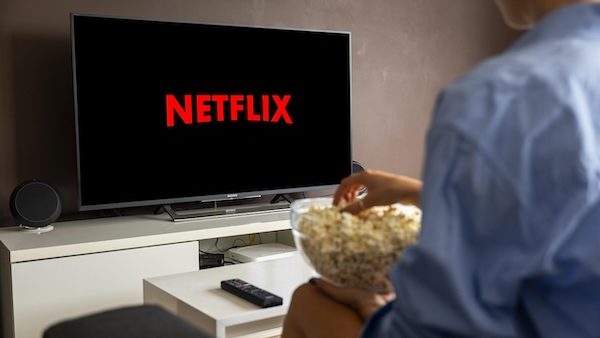
person watching netflix sports docuseries

The Beginnings of the Sports Docuseries

The sports docuseries trend began with HBO’s Hard Knocks, which debuted in 2001. This groundbreaking series offered unprecedented access to NFL locker rooms and facilities, giving viewers a behind-the-scenes look at top teams. Hard Knocks remains a staple, releasing new seasons to this day.

In 2020, ESPN and Netflix released The Last Dance. During the global pandemic, when sports fans were desperate for content, the series offered an in-depth, behind-the-scenes look at one of the greatest athletes of all time, Michael Jordan. The show quickly became a cultural phenomenon.

The Last Dance averaged 5.6 million viewers per episode, won an Emmy for outstanding documentary, and became ESPN’s most-watched docuseries, surpassing even the beloved 30 for 30 series.

The Potential of Success and Viewership

As Netflix continues to release new series across various sports, the impact on viewership is often compared to that of Drive to Survive, Netflix’s Formula 1 docuseries.

First airing in 2019, Drive to Survive has continued to captivate audiences, with its seventh season released this year. Many credit the series with introducing Formula 1 to a broader, more diverse audience.

The numbers speak for themselves. Average viewership of Formula 1 in the United States soared to 934,000 in 2021, a 71% increase since the first season. Today, the racing championship draws an average of 1.3 million viewers per race. 

This success has sparked other sports, both niche and mainstream, to create their own docuseries in hopes of attracting similar new, younger, and casual audiences.

formula 1 car

The Netflix Blueprint

Sports docuseries make up a small slice of the streaming landscape, accounting for just 0.72% of titles and 0.74% of streaming revenue. 

While these numbers seem small, the picture changes when Netflix is excluded. Without Netflix, sports docuseries represent 0.75% of titles but only 0.56% of streaming revenue, showing how the platform has set itself apart in this subgenre.

One example of Netflix’s success is the NFL docuseries Quarterback, which topped the U.S. most-watched chart within just two weeks and also cracked the top 10 in Canada, Switzerland, and Ireland. Following Quarterback‘s success, shows like Receiver and Any Given Saturday adopted a similar production style and achieved comparable success. 

Netflix’s formula focuses on unique storytelling, highlighting the stars not just as athletes, but as individuals. It offers a behind-the-scenes look at their personal lives, revealing the highs and lows of the sports that brought them fame.

Can the Drive to Survive Effect be Repeated?

It’s far from a sure thing.

Drive to Survive showed how a sports docuseries can transform viewership, but not every title sparks that same magic. When Netflix released the track and field series SPRINT in 2024, fans hoped for a Formula 1–style boom. The series earned positive reviews, but the sport’s overall audience has yet to see a major lift.

Some projects have faced even steeper challenges. Netflix’s rugby series Six Nations: Full Contact made brief appearances in the top 10 of several countries, yet it never broke into the global top 10 and was cancelled after just two seasons.

The tennis docuseries Break Point met a similar fate. It ran for two seasons before ending, and one fan pointed out that in 2023 it ranked 617th among Netflix shows, well behind its Formula 1 and PGA Tour counterparts at 121 and 274. Those numbers underline just how difficult it is to match the reach of the genre’s biggest hits.

While Netflix continues to produce high-quality sports storytelling, the success of a docuseries often depends on finding the perfect mix of sport, personalities, and drama. The Drive to Survive effect isn’t impossible to repeat, but it’s a high bar to clear.

sprinter on netflix sports docuseries SPRINT

Recent Difficulties for Sports Docuseries

In some of the recent series released, Netflix has received complaints about its approach to certain sports.

Many fans of track and field pushed back on the SPRINT series, with one report claiming, “It doesn’t want to tell a story. It wants to sell the sport.” A common criticism is that the series focuses almost exclusively on winners, leaving out the struggles and realities faced by athletes who don’t reach the podium.

As the genre’s popularity has grown, some athletes have taken a more active role in shaping their own narratives. Star soccer player David Beckham, for example, served as executive producer on his own docuseries and chose its director. While not inherently an issue, critics pointed out that controversial parts of his story were missing, raising concerns about athletes controlling the narrative.

Adding to the challenge, Netflix has already released 13 sports docuseries in 2025, with seven more planned before year’s end. With so many titles flooding the market, there’s a real possibility of viewer fatigue. In a crowded field, not every series can replicate the success the genre has enjoyed in the past.

What to Look For in the Future

As interest in the genre grows, many other sports are exploring docuseries of their own. Sports like CrossFit and surfing could benefit athletes such as Athelo Group’s Dani Speegle, Emily Rethwill, Brisa Hennessey, and Zoe Benedetto.

For these projects to succeed, they need to tell stories that authentically reflect the sport rather than simply spotlighting a few star athletes. Taking more time between releases could also help maintain audience interest and avoid oversaturation.

Docuseries have real potential to expand a sport’s audience, but success will depend on how streaming platforms approach production and storytelling as they work to keep public interest high.

Super Bowl LIX’s Main Event: The Commercials

The Super Bowl is more than just the final NFL game of the season; it’s a cultural event that unites millions through music, sports, and entertainment. Brands pay big to secure a Super Bowl commercial spot, aiming to reach millions of viewers and make an impact on social media.

The match-up between the Kansas City Chiefs and Philadelphia Eagles might have been the least interesting part of this year’s Super Bowl as the Eagles dominated the Chiefs from start to finish. Instead, Kendrick Lamar’s halftime performance and the advertisements were the real entertainment for viewers this year.

Quick Highlights

  • The fee for a: 30 second slot in this year’s broadcast was an estimated 8 million dollars, an increase from 7 million dollars in the 2024 Super Bowl.
  • FOX sold around 51 minutes of advertisements.
  • Super Bowl LIX brought in a record 127.7 million US viewers, a 3% increase from last year and the second straight year that the audience for the Super Bowl has broken records.
  • 50 brands purchased a slot in this year’s Super Bowl with snack brands buying the most time, including Doritos, Häagen-Dazs, Lay’s, and more.
  • 11% of viewers watch the Super Bowl primarily for the commercials.

Top Commercials that Stole the Show

Coming in the top spot on USA Today’s Ad Meter is Budweiser and their classic commercial featuring Clydesdale horses. This year, the ad showed a young Clydesdale proving its worth by rolling a forgotten keg to the herd. The Budweiser commercials are normally a fan favorite as they lean on emotional sentiments and wholesome positioning.

Another commercial that struck an emotional chord was Lay’s ‘The Little Farmer,’ which showed a young girl raising a potato on her family farm. Set to the song ‘All I Want Is You,’ the ad highlights the role of farmers in American food production.

Super Bowl Ads that Didn’t Score

One of the least effective commercials came from OpenAI, the artificial intelligence company behind ChatGPT. In its first-ever ad, a series of pixels formed various scenes before revealing the brand, but it lacked a clear message or emotional appeal. It’s ironic that an AI company, often criticized for its lack of human connection, would produce an ad that felt similarly devoid of emotion.

Another misstep came from Robert Kraft, owner of the New England Patriots, and his foundation No Reason to Hate, which focuses on combatting anti-Semitism.

The commercial featured Tom Brady and Snoop Dogg humorously revealing what they ‘hate’ about each other, with a message about how we’re more alike than different. However, some viewers felt the message was diluted by Snoop Dogg’s past performance at President Trump’s inauguration, which led to mixed reactions.

Humor and Celebrities on Display

This year’s Super Bowl showcased a polarized social and political climate, pushing brands to capture attention without sparking controversy. To strike the right balance, many turned to humor and celebrity appearances to create lighthearted commercials.

Celebrities were everywhere, with stars like Ben Affleck for Dunkin’ Donuts, Eugene Levy for Little Caesars, and Nate Bargatze for DoorDash adding charm and humor to ads. Bud Light stood out, combining Post Malone, Shane Gillis, and Peyton Manning for a fun neighborhood block party vibe that resonated with viewers.

Humor has long been a Super Bowl staple, and when used correctly, it can leave a lasting, positive impact. Brands aimed to navigate this delicate balance, with varying success.

One fumble came from Coffee Mate’s cold foam ad, which featured a man’s tongue experiencing the product. While many found it off-putting, the resulting buzz on social media at least boosted brand awareness.

Super Bowl Commercials: What They Show About the State of Advertising

The current state of advertising combines a blend of old and new methods. While there’s still a place for heartwarming nostalgia, there’s also an increase in ads that push boundaries and tap into the latest trends. 

This year’s commercials reveal that the modern advertising world is about more than just selling a product; it’s about creating an experience, a conversation, and an emotional connection.

Advertisements reflect cultural ideas, shifts, and attitudes making the landscape dynamic and ever-changing. Last year, the big technological ads centered around sports betting and crypto while this year they are focused on artificial intelligence like OpenAI and Meta. 

As commercial prices rise, brands must create memorable ads that spark social media conversations for a lasting impact. Many release teasers before the game to turn a brief ad into a larger campaign. For example, Pringles released teaser videos featuring celebrities like Adam Brody and Nick Offerman, generating buzz and setting the stage for their full Super Bowl commercial.

As we look ahead to the next Super Bowl, it will be exciting to see how Super Bowl commercials evolve with new technologies like AI, virtual reality, and personalized content. The possibilities for creative marketing are endless.

Redefining Brand Partnerships: Authenticity, Storytelling, and Athlete Influence

Advertising is increasingly focused on organic partnerships that feature unique storytelling, fostering genuine relationships between brands, ambassadors, and their audiences. Gone are the days of simple product graphics—today’s consumers want to feel connected through real stories and shared experiences.

At Athelo Group, we prioritize authenticity in brand partnerships, working with athletes who genuinely use and enjoy the products they endorse. This approach helps brands resonate with their target audiences by showcasing relatable endorsements from figures they admire.

Athletes, too, are expanding their personal brands beyond sports. For example, Dani Speegle’s initiative, Girls Who Eat, empowers young women to view food as fuel rather than an adversary, drawing from her own struggles with insecurities and body image.

Storytelling, authenticity, and positivity are reshaping advertising, and they will continue to influence how brands connect with consumers in the future.

Esports Growth in Latin America & Africa: Market Analysis

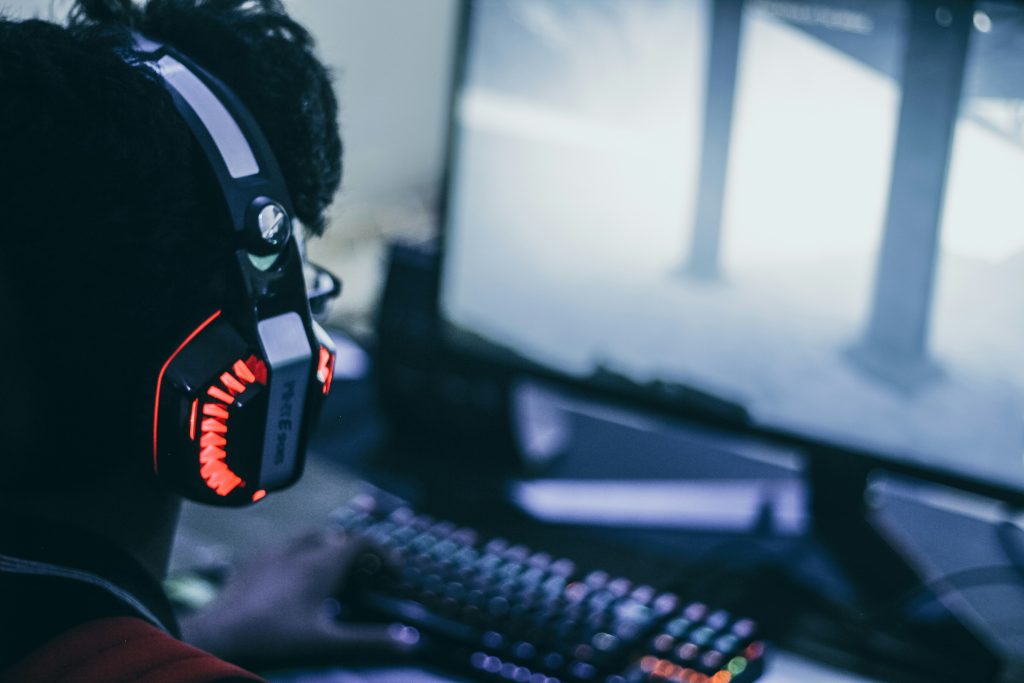
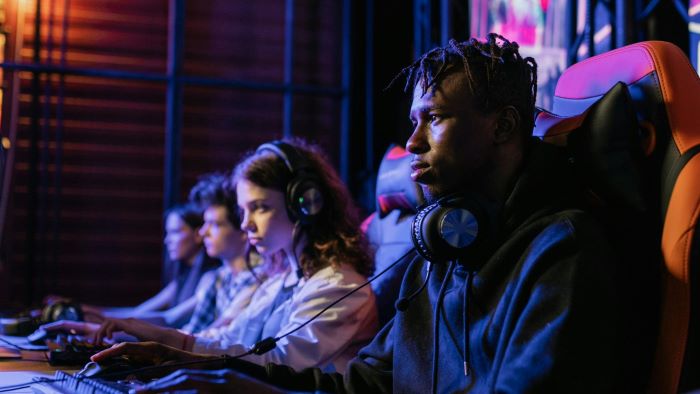
Over the past decade, esports has quickly grown from an isolated online game to a multibillion-dollar industry. While this relatively recent practice connects millions of users globally, North America, Europe, East Asia and the Middle East have historically dominated the competitive gaming landscape.

In 2024, the global esports market was valued at approximately $2.09 billion, with projections estimating it will exceed $2.2 billion in 2025, and around $9.6 billion in 2032. This rapid expansion is not only taking place in traditional markets but is also being fueled by emerging regions like Africa and Latin America, where the sport is gaining significant traction in both participation and viewership.

Quick Highlights

  • Global brands like Red Bull and Nike are investing in Latin America and Africa’s esports scenes like never before.
  • Latin America’s esports audience is projected to exceed 70 million by 2022. 
  • Improved Internet Infrastructure in Brazil has enabled greater access to participation, with fiber-optic internet reaching 67% of households in 2023.
  • The expansion of high-speed internet access through Kenya’s National Optic Fibre Backbone Infrastructure (NOFBI) has boosted participation nationwide.
  • Increased investments by governments and private groups in Latin America and Africa are driving important growth to the market.
  • The global connectivity is driven through streaming platforms and advanced technology.

Latin America’s Growing Esports Market

Latin America, with countries like Argentina, Brazil, and Mexico leading the way, has quickly become a major hub for esports. Just a decade ago, the region faced several challenges— few local events, limited professional teams, and underdeveloped infrastructure. But that’s changing fast as governments, international companies, and esports organizations recognize the area’s potential.

The growth is being driven by the rise of mobile gaming and new partnerships with global brands like Mastercard and Coca-Cola. International streamers like Skyrozz, who now lives in Mexico, are also helping bring attention to the region’s growing scene.

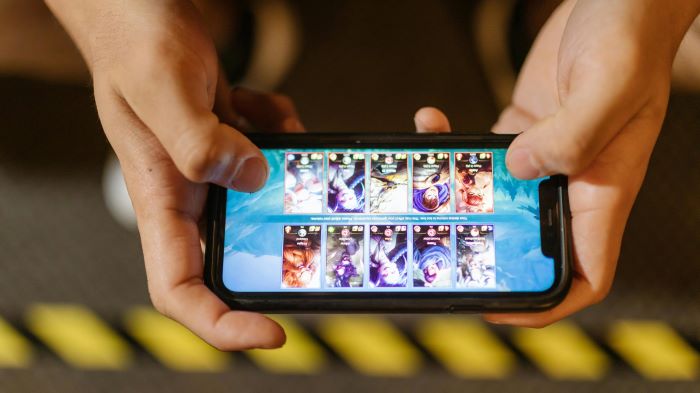
According to a Newzoo report, Latin America is now the fastest-growing esports audience globally, with over 60 million fans expected by 2025. Games like PUBG, Call of Duty Mobile, and Brawl Stars, designed for lower-end devices, are making mobile esports highly accessible, drawing millions of viewers to tournaments.

In the past two years, the region has seen a surge in partnerships, strengthening its position on the global stage. Notable collaborations include KRĂś Esports with Samsung Electronics and Mobile Global Esports with INFINITY.

Africa’s Market Potential: Overcoming Challenges to Reach New Heights

Although esports is still emerging in Africa, it holds significant growth potential, largely due to its young population. With 50% of Sub-Saharan Africa’s population under 25 and growing access to affordable mobile and gaming devices, the region is primed for rapid expansion. The GSMA Mobile Economy Report 2023 projects that 70% of the population will be using smartphones by 2025, further boosting esports’ potential.

The rise of local and international tournaments, such as the Carry1st Africa Cup and regional events backed by the African Esports Federation (AESF), is helping create opportunities for African players to showcase their talents on the global stage. However, significant obstacles remain, including limited internet access and the high cost of equipment in many countries.

Additionally, the lack of well-known African esports players or influencers hinders growth. Without prominent figures to drive branding and storytelling, it’s challenging to build fanbases or generate media attention. Overcoming these challenges will require substantial investment in infrastructure and the development of local talent.

The Middle East Leads the Way for Emerging Regions

Middle Eastern countries like the UAE and Saudi Arabia have rapidly become major players in the esports world. Initially limited by lack of infrastructure and competitive gaming culture, these nations have recognized the sport as a key strategy for economic diversification and youth engagement. Initiatives like the Saudi Esports Federation and the NEOM project have helped build the necessary foundation.

Saudi Arabia, in particular, has hosted major tournaments such as ESL One and the Esports World Cup (formerly Gamers8), positioning itself as a global hub. Dubai has also made its mark, hosting events like the Dubai Esports and Games Festival, attracting international tournaments like Fortnite and League of Legends.

While the budgets and goals of regions like Latin America and Africa differ, the Middle East’s vision and commitment serve as a model. Saudi Arabia’s National Gaming and Esports Strategy, aiming to create 39,000 jobs and add $13.3 billion to the GDP by 2030, highlights the economic potential of the gaming industry. The country’s 12-year partnership to host the Esports Olympics underscores the value placed on youth engagement and economic growth through online gaming.

Towards a More Inclusive Esports World

Esports is set to continue its rapid global expansion, with regions like Latin America and Africa emerging as key players in the digital economy. As more countries engage in these regions, grassroots programs, local tournaments, and investments in infrastructure will be essential for building a strong foundation for future growth.

Esports stands out for its diverse, inclusive community, and as the industry grows, we hope to see even more countries and communities from around the world contributing to the gaming experience, making it richer and more dynamic for everyone.

Baseball’s Downfall: How MLB Blackout Rules Destroy Viewership

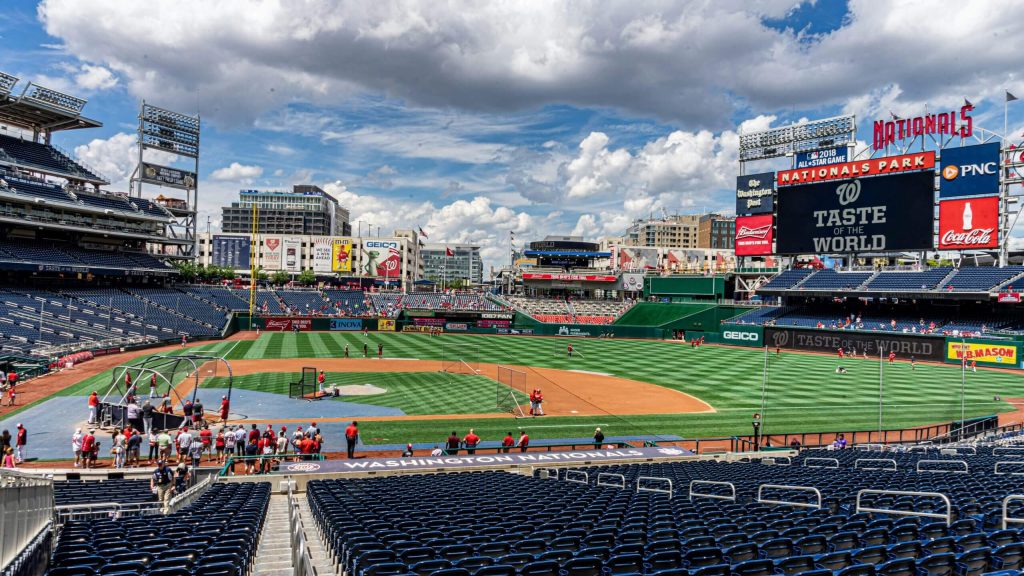
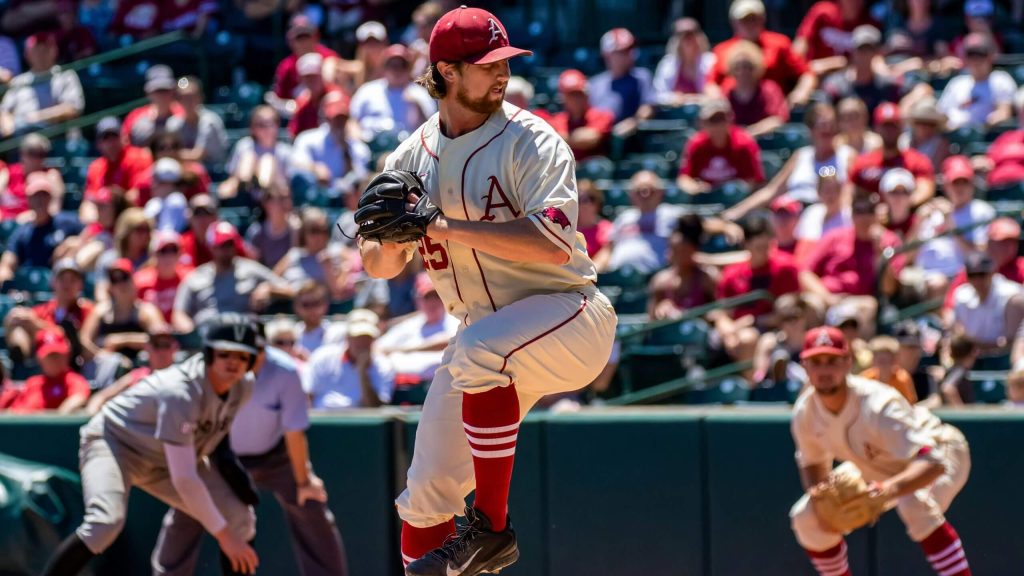
Baseball has been long known as America’s pastime, but soon this may not be the case. Major League Baseball is facing a critical challenge: shrinking viewership. A significant factor contributing to this decline is MLB’s controversial blackout policy. First implemented over 50 years ago, blackouts restrict live game broadcasts in specific regions. They were originally meant to protect exclusive media rights for Regional Sports Networks and fill stadiums. But now that streaming is king and many RSNs are battling bankruptcy, it’s clear these regulations are a relic of the past. 

Impact of MLB Blackouts on Fans

To confront changing times, MLB introduced their first-of-its-kind service, MLB.tv, back in 2002. This was meant to become the gold standard for sports streaming. Flash forward to 2024 and MLB.tv still struggles to gain widespread success largely due to its inability to address blackout regulations. MLB blackouts give RSNs exclusive rights to broadcasting, preventing streams through the platform in teams’ home territories. For instance, if you live in Dallas, you can’t stream Texas Rangers games. The same applies to residents of Chicago wanting to watch the Cubs or White Sox, and to Houston fans looking to watch the Astros. Essentially, these rules affect every city with an MLB team.

Fans experiencing blackouts who live close to the stadium can attend the games in person, which aligns with MLB’s goal of driving ticket, food, and merchandise sales. However, not all blackout areas are within driving distance of the stadiums. For example, a fan in Tulsa, Oklahoma, would face blackouts for Houston Astros, Kansas City Royals, and Texas Rangers games. This fan would need to drive 4 hours to Kansas City or Arlington, 6 hours to St. Louis, and nearly 8 hours to Houston to see these teams play live. This setup makes MLB.tv an impractical service for many fans who want to watch their favorite teams, regardless of their proximity to the stadiums.

Alarming Decline in World Series Viewership

Today’s audiences are used to the accessibility of streaming their favorite sports all season long. As blackouts hinder fans following regular-season play, they also lead to less engagement on baseball’s biggest event: The World Series. This wasn’t always the case– just over 10 years ago, 19M viewers tuned in to watch the Red Sox capture their eighth Series over the St. Louis Cardinals. 10 years later, when the Texas Rangers beat the Arizona Diamondbacks, the World Series averaged 9M viewers, becoming the least watched on record. 

This mark continued the trend of declining audiences, with the past four World Series’ ranking as the four least-watched in history. The Rangers-Diamondback matchup was especially alarming as viewership dropped 23%. This can’t be because baseball is “getting boring.” In fact, it’s growing worldwide, with players like Japanese phenom Shohei Ohtani leading the way. Postseason games are featured on FOX, ESPN, and ABC, so both cable and streaming subscribers can tune in. It’s the regular season blackouts that make it so difficult for fans to access games.

Bally Sports Blackout Leaves Fans Without Local MLB Games

While blackouts are still going strong, the RSNs they’re designed to protect are not. Bally Sports, a group of regional networks in the United States, went dark at the beginning of May after Comcast and Bally’s operator, Diamond Sports Group, failed to agree on a new contract. This has left MLB fans across the country unable to watch their local teams.

Diamond Sports Group holds broadcasting rights to 12 MLB teams. 4 of these teams have alternate viewing options, but fans of the other 8 are unable to watch local games unless they are picked up nationally. Will MLB.tv lift blackout restrictions for these eight teams without a RSN? Unfortunately not. MLB cannot lift blackout restrictions due to contract stipulations. As a result, fans of these 8 teams will have to watch on their devices if they choose to stay within legal viewing options.

Blackouts Impact MLB Sponsorship Value

While blackouts pose pain points for viewers, it’s only a matter of time before sponsors feel it too. Sponsorship value is dependent on audience size, and if MLB viewership continues to decline, sponsors may renegotiate their agreements or pull out entirely. This would be a massive hit to MLB who earned $1.5B in sponsorship deals just last year alone. Longtime sponsors like Anheuser-Busch, Mastercard, and PepsiCo rely on MLB to reach large audiences. Blackouts undermine their partnerships by reducing viewership, which means fewer eyes and less engagement. This could lead to brands shifting their ad spend towards sports and leagues with growing audiences like U.S. soccer and the WNBA.

Ultimately, blackouts are a significant barrier to growing a viewership base in today’s age. MLB needs to serve its fans better and find a way to work around these blackouts, especially for the fans of the 8 teams with no RSN home. The future of baseball depends on MLB’s ability to adapt to the evolving media landscape, and addressing blackout policies is the first step to making that happen. 

Sources:

  1. https://nondoc.com/2023/05/23/its-time-to-fix-the-confounding-mlb-blackout-problem/
  2. https://www.mlb.com/live-stream-games/help-center/blackout-policy
  3. https://www.baseballamerica.com/stories/cooper-mlb-blackouts-impact-baseball-fans-ability-to-witness-history/
  4. https://www.mlb.com/live-stream-games/help-center/blackouts-teams
  5. https://www.forbes.com/sites/maurybrown/2013/10/31/game-6-that-sees-red-sox-win-world-series-a-massive-tv-ratings-homerun/?sh=796ad9127c4a
  6. https://www.sportspromedia.com/news/mlb-world-series-2023-tv-ratings-viewership-fox-texas-rangers/#:~:text=TV%20audiences%20dropped%20by%2023,per%20cent%20on%20last%20season
  7. https://www.espn.com/mlb/story/_/id/40071329/bally-sports-channels-pulled-air-comcast

Cable vs Streaming Sports: Which Is Better for Fans in 2024?

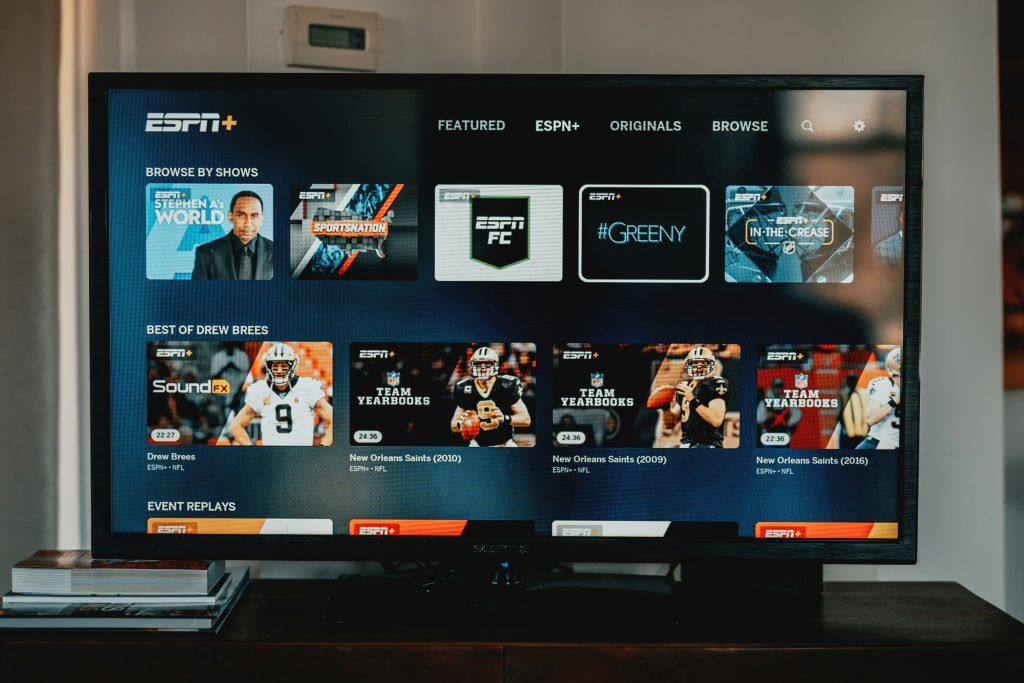
Almost gone are the days of cable TV, a staple in the sports and entertainment community and a time friends and family gather to catch their favorite shows and games. In our tech-savvy world, the invention of digital streaming has given us the luxury of watching whatever we want, whenever we want. As big media companies have seen opportunities over the years to buy media rights to movies and TV shows on-demand, they’re steadily adopting the direct-to-consumer approach to sports. The streaming world has made its mark in the sports industry and given big tech companies the opportunity to channel an untapped market and create unique partnerships. Cable TV is still showing signs of life, as the Super Bowl and March Madness — both provided through linear networks — accounted for over 95% of the most watched programs in 2022. Nevertheless, a new era of sports consumption has enticed millions of consumers to cut the cord, sparking a cable vs. streaming duel in tech and media.

cable vs. streaming

The Big Tech Battle for Exclusivity Rights

The power and market share of big tech companies has certainly kept traditional media organizations up at night. Streaming is slowly becoming the majority TV consumption outlet, as Nielsen data reported broadcast and cable TV falling under 50% of net U.S. TV consumption in July of 2023. On the flip side, streaming services peaked at an all-time high of 38.7% usage. Tech names with newfound streaming services such as Apple TV+, Amazon Prime, YouTubeTV, among others have offered lucrative deals to obtain the media rights of major professional sports leagues. Streaming also offers exclusive highlights, post-game content, and even in-game data for avid sports fans to consume. Cable subscribers are given less variety as they’re left waiting for shows like ESPN’s “First Take” or “SportsCenter with Scott Van Pelt” to broadcast at the top of the hour.

Because some of these tech companies are commercial brands with products to sell as alternative streams of revenue, the investment in streaming and media deals is slowly driving out the bargaining power of cable. Traditional media generates their main source of revenue from ads and promotions on their services. Without sports year-round, it’s hard to turn a profit. Media companies feel the mounting need to keep leagues such as the NBA and NFL around to fill up slots for the year. As the NBA’s contract with Disney and Warner Bros. comes to a close in 2025 which includes ESPN, ABC, and Turner Sports, their media rights will almost certainly be scooped up by one of the big players in the tech industry. The streaming industry expects to see Google, Apple, Amazon, and Comcast make a run for the league, which has expressed desire to obtain a $75B deal.

Alternatively, tech companies know that creating exclusivity among popular sports can drive up sales for streaming service subscriptions. Lionel Messi and his transfer to Inter Miami this past summer is the epitome of this scheme, as Apple TV+ became the official streaming provider of the MLS. Consequently, having arguably the greatest soccer player of all time essentially blocked by a paywall forces consumers to pay top dollar to watch him play. This has not been an issue for The MLS League Pass, Apple’s streaming platform, which saw a 1,690% increase in sign-ups after the announcement of Messi’s transfer. Apple TV+ also debuted Friday Night Baseball in 2022 which was originally free for the first year, but now requires an Apple TV+ subscription. Similarly, Prime Video, the home of NFL’s Thursday Night Football since last season, saw the largest number of Amazon Prime subscriptions in a three-hour period in its entire existence during its inaugural game.

cable vs. streaming

Good for Business, Bad for Fans?

Big tech isn’t the only winner of the streaming revolution. Streaming allows for external businesses to more precisely tailor advertisements and place them in areas that have the most compatible consumers. Using precision targeting, advertisers can deploy their advertising during an appropriate game or show where their preferred audience is watching. Whereas businesses do not have the same level of data from the slots purchased on cable TV, streaming allows for the collection of user habits to tailor where an ad received the most attention. Through their analytics-heavy advertising service, Amazon Ads reports a 44% increase in post-ad brand consideration rather than using demographics data alone. 

If there is one blind drawback lost in the transition from cable to streaming, it’s that it’s not going to be cheap. S&P Global reports that U.S. consumers are estimated to spend $25.57B dollars by year’s end, a number that could reach up to $30B by 2025. Though cable itself isn’t cheap in its own right, media exclusivity also means that consumers may have to spend money for multiple streaming services just to watch their favorite sports. Out-of-market fans will soon find themselves spending top dollar in order to tune in. The government’s project on crackdown of illegal streams isn’t good news for those hunting for free entertainment, as the culprits of the piracy, which include the NBA, NFL, and UFC, have estimated a loss of around $28B in additional revenue.

Finding Common Ground

Not all hope is lost for media companies who have taken a hybrid approach to incorporating both streaming and cable. Peacock and Paramount+, owned by NBC and CBS parent companies respectively, have purchased exclusive streaming rights for the NFL and Premier League while maintaining a linear TV presence to reach maximum audiences. Disney and Charter Communications, the parent company of Spectrum TV, recently settled a dispute that shows us how media and tech companies can operate in unison. After resolving a carriage dispute which resulted in the blackout of Disney-owned media, Spectrum TV users have been granted free access to Disney+, ESPN+, and rights to receive ESPN’s standalone streaming service in the near future. This monumental deal suggests that when it comes to cable vs. streaming, the two could possibly coexist. But as cable TV tries to stay afloat, streaming looks to be the new, dynamic reality of how we consume sports which offers opportunities to tune in from anywhere in the world.

Sources:

  1. https://advertising.amazon.com/library/guides/what-is-ott
  2. https://frontofficesports.com/tnf-draws-record-prime-subscriptions-for-amazon/
  3. https://fortune.com/2023/10/08/sports-streaming-apple-amazon-prime-youtube-espn-nfl-nba-mls/amp/
  4. https://frontofficesports.com/challenges-arise-as-sports-streaming-surges-in-shifting-media-landscape/
  5. https://frontofficesports.com/apple-deal-affecting-mls-clubs-advertisers-major-league-soccer-tv/
  6. https://www.cnn.com/2023/09/05/business/leo-messi-apple-tv-signups/index.html#:~:text=MLS%20Season%20Pass%2C%20which%20is,according%20to%20analytics%20firm%20Antenna.
  7. https://www.sportspromedia.com/analysis/sports-streaming-wars-us-rights-amazon-apple-paramount-espn-peacock/
  8. .
  9. https://www.theatlantic.com/technology/archive/2022/08/sports-streaming-makes-losers-us-all/671231/
  10. https://www.theverge.com/23868355/disney-charter-bundle-espn-abc-broadcast
  11. https://www.theverge.com/2023/9/11/23868117/disney-charter-carriage-dispute-espn-standalone-streaming
  12. From the Stadium to the Screen: Examining the Impact of Streaming on Sports Media and 
  13. https://www.spglobal.com/marketintelligence/en/news-insights/blog/from-the-stadium-to-the-screen-examining-the-impact-of-streaming-on-sports-media-and-consumption
  14. https://blog.shuttlerock.com/streaming-tv-advertising-what-you-need-to-know#:~:text=In%20terms%20of%20return%20on,impressions%20that%20their%20ad%20receives
  15. https://frontofficesports.com/illegal-streaming-costs-sports-billions-leagues-want-swift-government-action/
  16. https://www.thestreet.com/sports/experts-nba-next-media-deal-espn-fend-off-amazon-apple
  17. https://www.nielsen.com/insights/2023/streaming-grabs-a-record-38-7-of-total-tv-usage-in-july-with-acquired-titles-outpacing-new-originals/

Become a Sponsor.

Join us in making a difference. Tell us a bit about yourself and we’ll be in touch with sponsorship details.

By submitting this form, you agree to be contacted by the Athelo Group team regarding sponsorship opportunities.