
NASCAR Legal Showdown: What’s at Stake

In October 2024, NASCAR teams 23XI Racing and Front Row Motorsports filed a lawsuit challenging NASCAR’s new charter system, claiming that NASCAR and Chairman Jim France have violated U.S. antitrust laws.

With so much uncertainty around the charter agreement, the outcome could reshape NASCAR’s business model and competitive landscape. The lawsuit is still ongoing, making this a case fans will want to watch closely.

Quick Highlights:

  • There are 36 charters in the NASCAR Cup Series, and each one guarantees a team entry into every points race.
  • Charters are valuable business assets currently worth an estimated $20 to $25 million, with some selling for over $40 million.
  • Under the charter agreement, teams receive about 39% of broadcast revenue, while NASCAR keeps 51% and tracks receive 10%.
  • Teams receive a relatively small share of broadcast income, so they rely on sponsorships for 60% to 80% of their yearly revenue.
  • NASCAR’s Year-End Point Fund, which awards money based on the final standings, is expected to grow from $33.7 million in 2025 to over $40 million by 2031.
  • A U.S. District Judge recently stated that NASCAR effectively holds a 100% market share in premier stock-car racing, which has become a key point in the antitrust dispute.
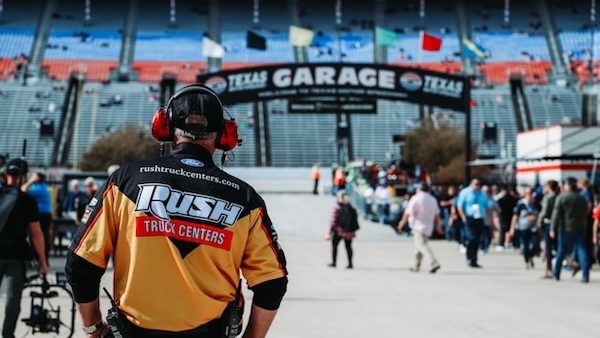
nascar pit crew member

What Led to this Dispute?

NASCAR introduced the charter system in 2016, giving 36 teams guaranteed entry into races and a share of revenue. The value of a team is now heavily tied to its charter, which helped stabilize the sport financially.

A new multiyear charter agreement was proposed for the 2025 season, and many teams declined to sign on. They argued the terms would reduce their independence and create anticompetitive conditions. 

In October 2024, 23XI Racing and Front Row Motorsports filed an antitrust lawsuit against NASCAR and Chairman Jim France. With charters now selling for over $40 million, teams say NASCAR holds too much power.

Progress Since the Initial Filing

Almost immediately after the filing, the case drew national attention. The involvement of Michael Jordan as a co-owner of 23XI Racing brought even more focus to a lawsuit that challenges how NASCAR governs its teams.

In the months that followed, the case moved quickly through the courts. The teams secured an early win when a federal judge granted a temporary injunction allowing them to compete as chartered teams for the 2025 season while the lawsuit continued.

NASCAR later appealed the ruling. As a result, the teams had to race as “open” teams, which meant they no longer had guaranteed race entry or payouts under the charter system.

The litigation has since continued through discovery, summary-judgment motions, and settlement discussions. As of October 2025, both sides are still negotiating. Unless an agreement is reached, the trial is set to begin on December 1.

nascar race track

23XI Racing and Front Row Motorsports’ Perspective

23XI Racing and Front Row Motorsports argue that the new charter agreement included release clauses and other provisions that forced teams to accept terms under threat of losing their guaranteed racing status.

The teams argue that NASCAR’s dominance in the stock car racing market allows it to exclude or severely disadvantage teams that push back. According to the lawsuit, these terms harm competition, reduce team revenue opportunities, and impact the marketplace for charters and team ownership. 

Their main goal in court is to obtain relief and possibly rewrite the terms in the charter that they see as unenforceable. They also intend to limit NASCAR’s future use of such clauses. 

NASCAR and CEO Jim France’s Argument

NASCAR argues that, as the governing body of a national racing series, it has the right to set rules and contract terms that ensure the sport operates smoothly. This includes protecting its commercial relationships with tracks, broadcasters, and sponsors.

They argue that standard contract features like releases, exclusivity, and noncompete-type provisions are lawful and necessary to run a coherent national series.

Jim France and NASCAR emphasize how its charter rules, track exclusivity, and performance standards are essential to maintain broadcasting deals and other necessities in operating a racing series. 

From NASCAR’s perspective, allowing teams to pick apart the agreement would create instability across the entire Cup Series.
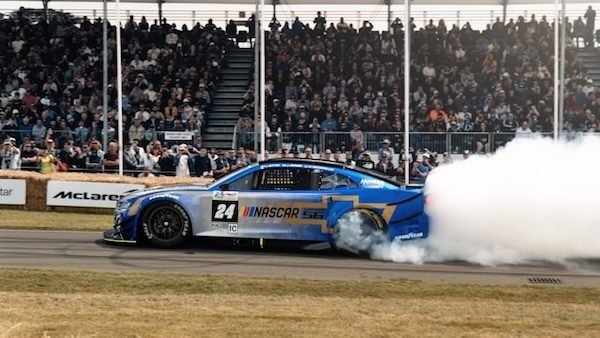
car in nascar race

What if 23XI and Front Row Win?

If 23XI and Front Row win, the most direct outcome would be changes to NASCAR’s charter agreement. The court could force NASCAR to renegotiate charter terms with teams, reducing NASCAR’s control over charter pricing and creating a more open market.

Beyond the charter rewrite, the teams are also seeking broader changes to how NASCAR operates. Their goals include requiring NASCAR to divest from the racetracks it owns and allowing more stock-car racing events at Cup Series venues.

A ruling in the teams’ favor would reshape NASCAR and set a precedent for other sports leagues. Fans could see more transparency and stronger protections for team ownership in the future.

What if NASCAR Wins?

If NASCAR wins, it will maintain a firm grip over charter terms, transfers, and performance rules. That result would bring stability to the Cup Series and keep TV partners and sponsors confident in the system.

A victory for NASCAR could also push charter values even higher, since guaranteed entry would remain tightly controlled and demand for the 36 charters would stay strong.

This result would reinforce NASCAR’s authority over the sport and limit future antitrust challenges. It would signal that leagues can continue to set restrictive terms without risking legal consequences.

No matter which side prevails, this case will play a major role in how professional racing is governed and will define how much or how little power teams have in shaping the future of the sport.

Athletes Becoming Sports Analysts: The Post-Retirement Career Path

The average professional sports career is relatively short. In the NFL, the average is only 3.3 years. In the NBA, it’s roughly 4.5 years. This leads many athletes to look beyond their playing career into other avenues where they can excel professionally. 

Many aim to remain in the sports world. As former athletes, audiences respect these figures as trusted media voices. They are often sought-after for roles such as a sports analyst, host, podcaster, or influencer.

The natural transition from player to on-air personalities has helped shape sports culture, fan engagement, and brand strategy.

Quick Highlights:

  • The average retirement age for an athlete is under 30 years old: 29.5 in the MLB, 28.2 in the NHL, 28 in the NBA, and 27.6 in the NFL.
  • With careers ending so early, many athletes look to broadcasting as a second chapter. From 2015–2018, 38% of NFL Broadcasting Bootcamp participants transitioned into jobs in sports media, a number that has only grown since.
  • 46% of Gen Z sports fans say they watch live games not out of team loyalty, but because of the athletes they follow. This creates opportunities for retired players to remain influential voices.
  • Fans also gravitate toward a recognizable sports analyst. A New York Times survey found that 57.4% of NFL fans favored the pairing of Tony Romo and Jim Nantz over other broadcast teams.
sports analyst at georgia football game

The History

Athletes stepping into the broadcast booth isn’t new. Legendary sports figures, such as John Madden, showed how former players can bring something new to sports commentary. However, what was once just a simple “career extension” of athletes converting to commentators has now shifted into a very diverse media landscape. 

Today, ex-athletes appear as podcast hosts, YouTube creators, and studio analysts, while others move into leadership roles. Some even build their own media companies, giving them creative control and long-term influence.

A prime example is Peyton Manning, who launched Omaha Productions after his playing career. Together with his brother Eli, he helped create The Manningcast, a Monday Night Football broadcast that became one of the most popular alternate viewing experiences in sports.

Authenticity and the Athlete Perspective

Streaming platforms, networks, and advertisers favor athletes in sports analyst roles because they bring an authentic perspective. Having competed at the highest level, they offer insights no outsider can match, and fans value hearing experiences from people who have lived them.

Many praise Tony Romo, for example, for predicting plays in real time and breaking down the quarterback’s POV for audiences. The NFL even created a bootcamp program to help players like Romo transition into media after their careers.

From a business standpoint, athletes also carry a built-in following. Millions of fans who watched them compete now follow them into media, giving these voices instant credibility and relevance. After a long, high-profile MLB career, Alex Rodriquez leveraged his fame to work as an MLB analyst for Fox Sports, co-host shows like The Deal on Bloomberg, and contribute to networks like ABC and ESPN.

The Entertainment Factor

Entertainment value often enhances a former athlete’s role on air. Inside the NBA has become inseparable from the sport itself, thanks to the chemistry of Shaquille O’Neal and Charles Barkley blending humor with professional insight.

The show’s popularity built such a loyal following that fans grew anxious when its contract was uncertain. With so much viewer demand, keeping the program alive became a necessity for both business and entertainment reasons.

IndyCar driver and Athelo Group athlete Conor Daly also shows how athletes can thrive by leaning into entertainment. He hosts the weekly podcast Speed Street, where he discusses his sport, and regularly appears on talk shows and media segments to expand his reach.

The Criticism

Not every athlete successfully transfers their on-field skills to the broadcast booth. Some have faced backlash for being unprepared, lacking fresh perspective, or struggling with on-air presence. Networks have at times leaned too heavily on name recognition, as seen with Jason Witten’s short stint as a Monday Night Football commentator.

Another challenge arises when athlete-analysts clash with traditional media professionals. On a recent episode of ESPN’s Get Up, ex-NFL player Ryan Clark and analyst Peter Schrager got into a heated argument that quickly spread across social media. Clark was criticized for dismissing Schrager’s viewpoint by saying he lacked a player’s perspective, a response many felt crossed a line.

The incident highlighted the importance of balance. Networks rely on athlete voices for authenticity, but they also need analysts who can pair expertise with fairness and professionalism. Without that balance, credibility and fan trust can be put at risk.

Athletes as Hosts Beyond Commentary

Social media, streaming, and podcasts have allowed athletes to launch media careers before retirement. Shows like The Pivot Podcast or New Heights with Travis and Jason Kelce have redefined athlete-led content, blending analysis with personality.

Fans now follow athletes who not only share professional insight but also humor, cultural takes, and behind-the-scenes moments that traditional networks might filter out. This mix has expanded how athletes connect with audiences and grow their media presence.

Beyond podcasts, many athletes move into mainstream entertainment. Michael Strahan is just as well known on Good Morning America as he was in the NFL, while Nate Burleson has built a similar crossover career. Dwayne “The Rock” Johnson went even further, shifting from wrestling into blockbuster films, with The Scorpion King grossing $180 million worldwide.

The Future of Athlete Media

The end of an athlete’s career no longer signals the end of their influence. From television broadcasts to podcasts and social platforms, retired players are rewriting the playbook for how sports stories are told.

For fans, this shift delivers unfiltered access to voices they trust, people who know the game because they have lived it. For athletes, it creates a second career that can be just as impactful as their time on the field, giving them the chance to shape conversations around the sports they helped define.

Sports Docuseries: On the Rise or Losing Steam?

As streaming continues to dominate the entertainment industry, sports and TV are blending seamlessly into the popular sports docuseries genre. 

Shows like Drive to Survive and Full Swing have proven they can captivate large audiences of sports fans, casual viewers, and even newcomers to the sport.

What makes these sports docuseries so compelling to a variety of audiences? It seems like Netflix has the answer. 

Quick Highlights:

  • Between October 2024 and February 2025, Netflix increased its sports catalog by 98.6%.
  • After watching the Netflix series Drive to Survive, 34% of US viewers became an F1 fan.
  • From 2021 to 2024, 33% of consumers watched sports documentaries.
  • In just one week, Quarterback recorded 3.3 million views, with over 21 million hours watched.
  • As of Q2 in 2025, sports count for 12% of commissioned documentaries, an increase from 3% in 2019.
person watching netflix sports docuseries

The Beginnings of the Sports Docuseries

The sports docuseries trend began with HBO’s Hard Knocks, which debuted in 2001. This groundbreaking series offered unprecedented access to NFL locker rooms and facilities, giving viewers a behind-the-scenes look at top teams. Hard Knocks remains a staple, releasing new seasons to this day.

In 2020, ESPN and Netflix released The Last Dance. During the global pandemic, when sports fans were desperate for content, the series offered an in-depth, behind-the-scenes look at one of the greatest athletes of all time, Michael Jordan. The show quickly became a cultural phenomenon.

The Last Dance averaged 5.6 million viewers per episode, won an Emmy for outstanding documentary, and became ESPN’s most-watched docuseries, surpassing even the beloved 30 for 30 series.

The Potential of Success and Viewership

As Netflix continues to release new series across various sports, the impact on viewership is often compared to that of Drive to Survive, Netflix’s Formula 1 docuseries.

First airing in 2019, Drive to Survive has continued to captivate audiences, with its seventh season released this year. Many credit the series with introducing Formula 1 to a broader, more diverse audience.

The numbers speak for themselves. Average viewership of Formula 1 in the United States soared to 934,000 in 2021, a 71% increase since the first season. Today, the racing championship draws an average of 1.3 million viewers per race. 

This success has sparked other sports, both niche and mainstream, to create their own docuseries in hopes of attracting similar new, younger, and casual audiences.

formula 1 car

The Netflix Blueprint

Sports docuseries make up a small slice of the streaming landscape, accounting for just 0.72% of titles and 0.74% of streaming revenue. 

While these numbers seem small, the picture changes when Netflix is excluded. Without Netflix, sports docuseries represent 0.75% of titles but only 0.56% of streaming revenue, showing how the platform has set itself apart in this subgenre.

One example of Netflix’s success is the NFL docuseries Quarterback, which topped the U.S. most-watched chart within just two weeks and also cracked the top 10 in Canada, Switzerland, and Ireland. Following Quarterback‘s success, shows like Receiver and Any Given Saturday adopted a similar production style and achieved comparable success. 

Netflix’s formula focuses on unique storytelling, highlighting the stars not just as athletes, but as individuals. It offers a behind-the-scenes look at their personal lives, revealing the highs and lows of the sports that brought them fame.

Can the Drive to Survive Effect be Repeated?

It’s far from a sure thing.

Drive to Survive showed how a sports docuseries can transform viewership, but not every title sparks that same magic. When Netflix released the track and field series SPRINT in 2024, fans hoped for a Formula 1–style boom. The series earned positive reviews, but the sport’s overall audience has yet to see a major lift.

Some projects have faced even steeper challenges. Netflix’s rugby series Six Nations: Full Contact made brief appearances in the top 10 of several countries, yet it never broke into the global top 10 and was cancelled after just two seasons.

The tennis docuseries Break Point met a similar fate. It ran for two seasons before ending, and one fan pointed out that in 2023 it ranked 617th among Netflix shows, well behind its Formula 1 and PGA Tour counterparts at 121 and 274. Those numbers underline just how difficult it is to match the reach of the genre’s biggest hits.

While Netflix continues to produce high-quality sports storytelling, the success of a docuseries often depends on finding the perfect mix of sport, personalities, and drama. The Drive to Survive effect isn’t impossible to repeat, but it’s a high bar to clear.

sprinter on netflix sports docuseries SPRINT

Recent Difficulties for Sports Docuseries

In some of the recent series released, Netflix has received complaints about its approach to certain sports.

Many fans of track and field pushed back on the SPRINT series, with one report claiming, “It doesn’t want to tell a story. It wants to sell the sport.” A common criticism is that the series focuses almost exclusively on winners, leaving out the struggles and realities faced by athletes who don’t reach the podium.

As the genre’s popularity has grown, some athletes have taken a more active role in shaping their own narratives. Star soccer player David Beckham, for example, served as executive producer on his own docuseries and chose its director. While not inherently an issue, critics pointed out that controversial parts of his story were missing, raising concerns about athletes controlling the narrative.

Adding to the challenge, Netflix has already released 13 sports docuseries in 2025, with seven more planned before year’s end. With so many titles flooding the market, there’s a real possibility of viewer fatigue. In a crowded field, not every series can replicate the success the genre has enjoyed in the past.

What to Look For in the Future

As interest in the genre grows, many other sports are exploring docuseries of their own. Sports like CrossFit and surfing could benefit athletes such as Athelo Group’s Dani Speegle, Emily Rethwill, Brisa Hennessey, and Zoe Benedetto.

For these projects to succeed, they need to tell stories that authentically reflect the sport rather than simply spotlighting a few star athletes. Taking more time between releases could also help maintain audience interest and avoid oversaturation.

Docuseries have real potential to expand a sport’s audience, but success will depend on how streaming platforms approach production and storytelling as they work to keep public interest high.

AI in Sports: How ESPN Is Leveraging Tech to Highlight Niche Sports

The NFL recently partnered with Genius Sports, a data and technology company, to bring artificial intelligence to the forefront of sports broadcasting. With cloud technology and machine learning, broadcasts can now display real-time metrics and player trails directly on screen. AI in sports doesn’t end with major leagues, either. In recent years, AI has been transforming the entire sports media landscape, making it easier to cover sports with niche fan bases, like lacrosse and women’s soccer. For large networks like ESPN, AI helps them deliver timely, diverse content for fans of these less-publicized sports without stretching their resources.

ai in sports

AI-Powered Coverage for Niche Sports

ESPN has recently partnered with Microsoft to integrate AI into its coverage, allowing it to automate the creation of game recaps, highlights, and summaries in real time. By using machine learning to identify key plays and scoring moments, ESPN can generate instant updates without the need for manual editing. These updates are directly available on ESPN’s app, providing fans with quick access to scores, play-by-play recaps, and game highlights for leagues like the Premier Lacrosse League (PLL) and the National Women’s Soccer League (NWSL). 

AI has become essential for sports networks, helping to fill in coverage gaps as journalists are often stretched thin covering high-profile games in the NBA, NFL, or MLB. With AI handling the time-consuming tasks of summarizing and creating recaps, reporters are freed up to dive deeper into analysis and breaking news, ultimately enhancing the depth and quality of sports coverage.

ai in sports

Personalization and Accessibility

One of the most exciting benefits of AI integration at ESPN is the level of customization it provides for viewers. AI analyzes viewing habits, preferences, and even favorite teams to create a unique SportsCenter experience tailored to individual users. For instance, fans can receive personalized highlight reels or recap videos focusing on specific players, teams, or game moments they care about most. Additionally, ESPN’s AI-driven features include voice-narrated news segments, allowing fans to stay informed hands-free—a great option for commutes or multitasking. For accessibility, AI also generates closed captions and language-adaptive highlight reels, making it easier for fans with hearing impairments or language barriers to stay connected to the content they love.

The goal is to ensure that fans of all sports—even the more niche ones—receive timely, relevant updates that rival the coverage of mainstream sports. ESPN chairman Jimmy Pitaro emphasizes that AI is not just a tool for efficiency but a way to enhance the fan experience. He envisions AI as a bridge, offering personalized experiences like tailored highlight reels and interactive SportsCenter options that make every fan feel engaged, regardless of the sport they follow.

ai in sports

 Weighing the Impact on Journalism

Incorporating AI into sports media has certainly raised some concerns about the impact on jobs, especially after the controversy with Sports Illustrated using AI-generated articles. Initially, many journalists and readers were upset by the idea of automation replacing human writers, fearing it would diminish the quality of sports journalism. However, AI in sports media is intended to complement, not replace, human writers by automating repetitive tasks such as generating game summaries. This allows reporters to focus on more in-depth and nuanced coverage, such as analysis and breaking news, while AI fills in the gaps. As this technology continues to evolve, the balance between efficiency and maintaining human storytelling remains a central ethical consideration in the industry.

ai in sports

The Future of AI in Sports Media

With AI tools enhancing sports media, sports like lacrosse and women’s soccer now have greater opportunities to connect with new audiences. As this technology advances, we can expect even more personalized and inclusive fan experiences. For journalists, AI offers the chance to prioritize impactful storytelling over routine tasks. Looking ahead, AI’s role in reshaping sports media will continue to grow, ensuring that every sport gets the attention it deserves and that fans, no matter their interest, stay engaged. The future of sports coverage is evolving—are we ready for it?

Sources:

  1. https://www.poynter.org/commentary/2024/espn-artificial-intelligence-pll-nwsl-coverage/
    https://www.sportspromedia.com/insights/features/sports-broadcasting-artificial-intelligence-production-content/
  2. https://www.espnfrontrow.com/2024/09/enhancing-espns-game-recaps-for-underserved-sports-using-ai/
  3. https://www.espn.com/pll/story/_/id/41101353/whipsnakes-edge-outlaws-11-10-pll-quarterfinal-thriller 
  4. https://www.sportspromedia.com/insights/features/sports-broadcasting-artificial-intelligence-production-content/
  5. https://www.pbs.org/newshour/economy/sports-illustrated-found-publishing-ai-generated-stories-photos-and-authors

NFL Media Blitz: Balancing Global Growth with Fans’ Rising Costs

After securing major broadcast deals with Disney, NBC, and Amazon through 2035, the NFL is poised for an unprecedented media strategy. These agreements aim to capture every market and demographic nationwide while expanding the league’s global presence. However, despite partnerships with some of the biggest media companies, fans are raising concerns about one key issue: the rising cost of watching NFL games. As the league spreads its broadcasts across multiple NFL streaming platforms and other outlets to fulfill these contracts, access costs have skyrocketed.

In addition to expanding its presence in America, the NFL is set to host games in Brazil, Germany, and England as part of its international growth strategy. These games will not only boost revenue but also elevate the league’s global stature. However, the increased fragmentation of streaming platforms has left fans worried. According to Market Watch, it could cost viewers over $1,700 to watch the entire NFL season, as they’ll need to subscribe to up to seven different platforms. While the NFL’s massive popularity gives it leverage to profit from every angle, fans are now left to decide whether the price is worth it.

nfl streaming platforms

NFL Partners With Media Giants

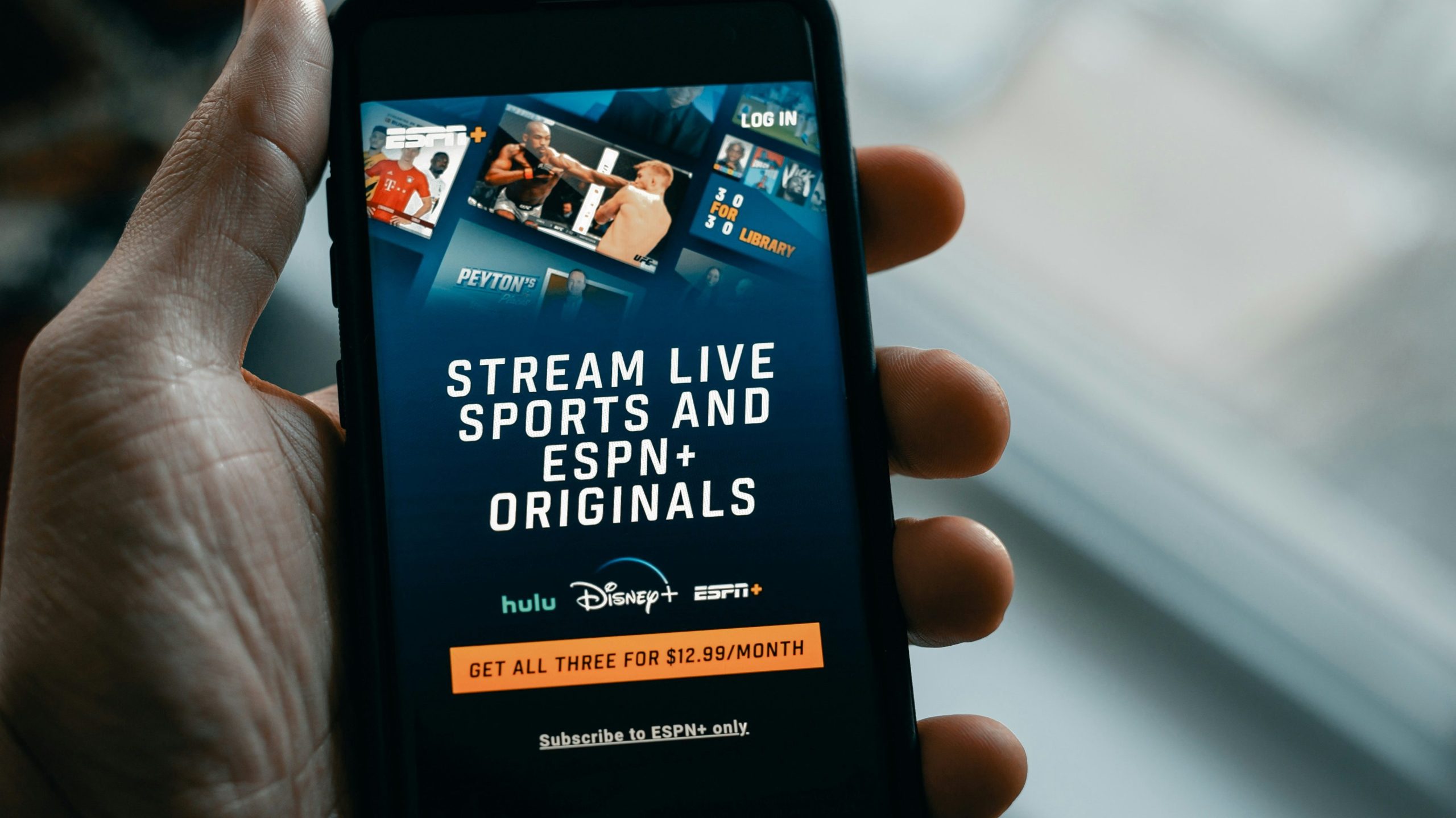
The NFL’s long-term deals with Disney (including ESPN and ABC), NBC, and Amazon highlight the league’s focus on maximizing media exposure. Disney will air Monday Night Football across both cable and its streaming platform, ESPN+. NBC will maintain its long-standing Sunday Night Football coverage, still one of the most-watched primetime shows in the U.S., while also streaming on Peacock. Meanwhile, Amazon has secured exclusive rights to Thursday Night Football, signaling a move toward streaming-first experiences.

These deals ensure that the NFL has a presence on traditional television while also tapping into NFL streaming platforms, allowing the league to reach audiences on all platforms. This media blitz positions the NFL to cater to both older fans accustomed to cable TV and younger viewers who prefer streaming.

nfl streaming platforms

Global Expansion

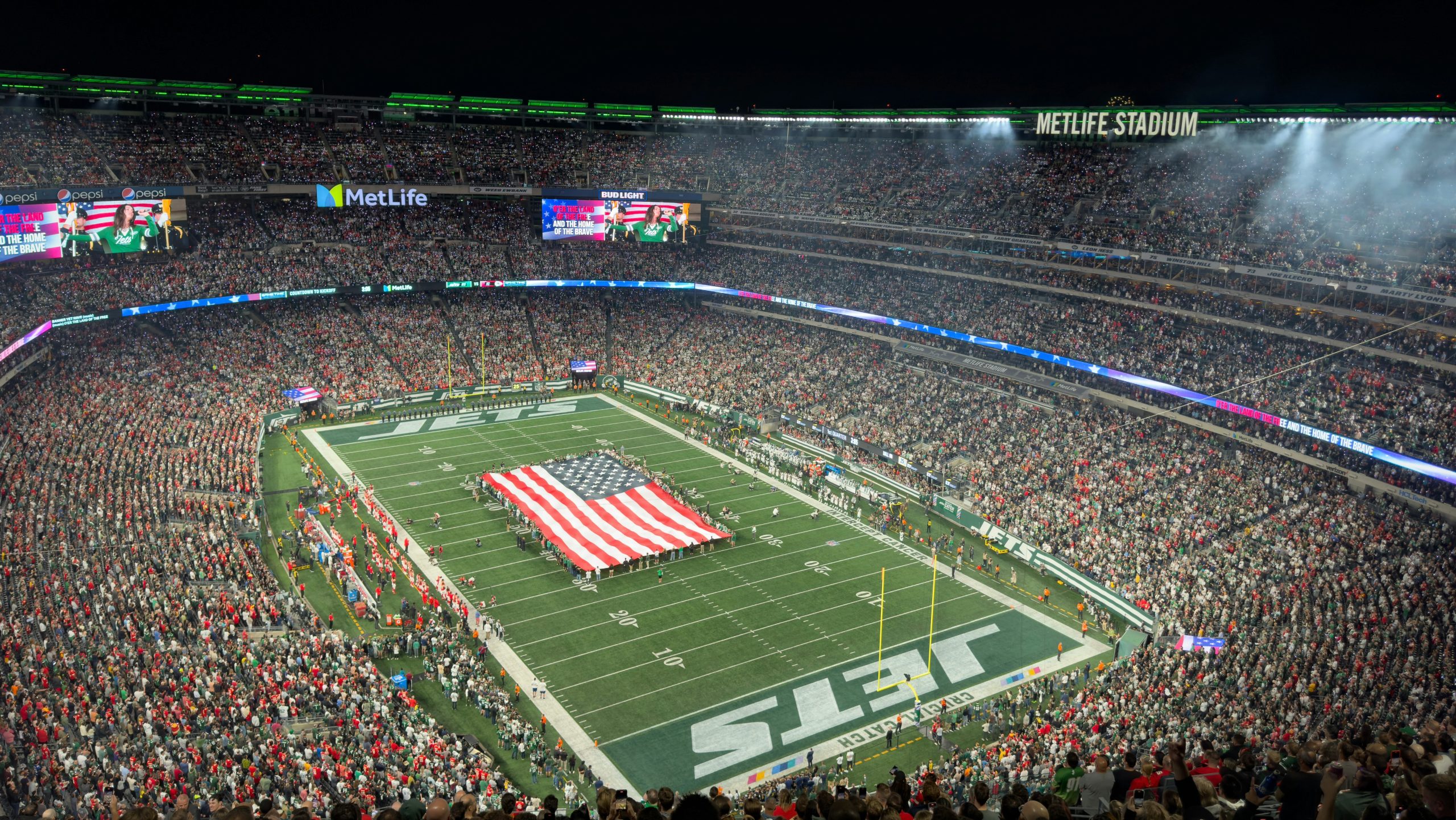
In recent years, the NFL has ramped up efforts to expand its international reach, and the 2024 season is no exception. With games scheduled in Brazil, Germany, and England, the NFL is taking its global presence to the next level. This strategic move aims to tap into international markets, engage new fanbases, and increase the sport’s overall valuation.

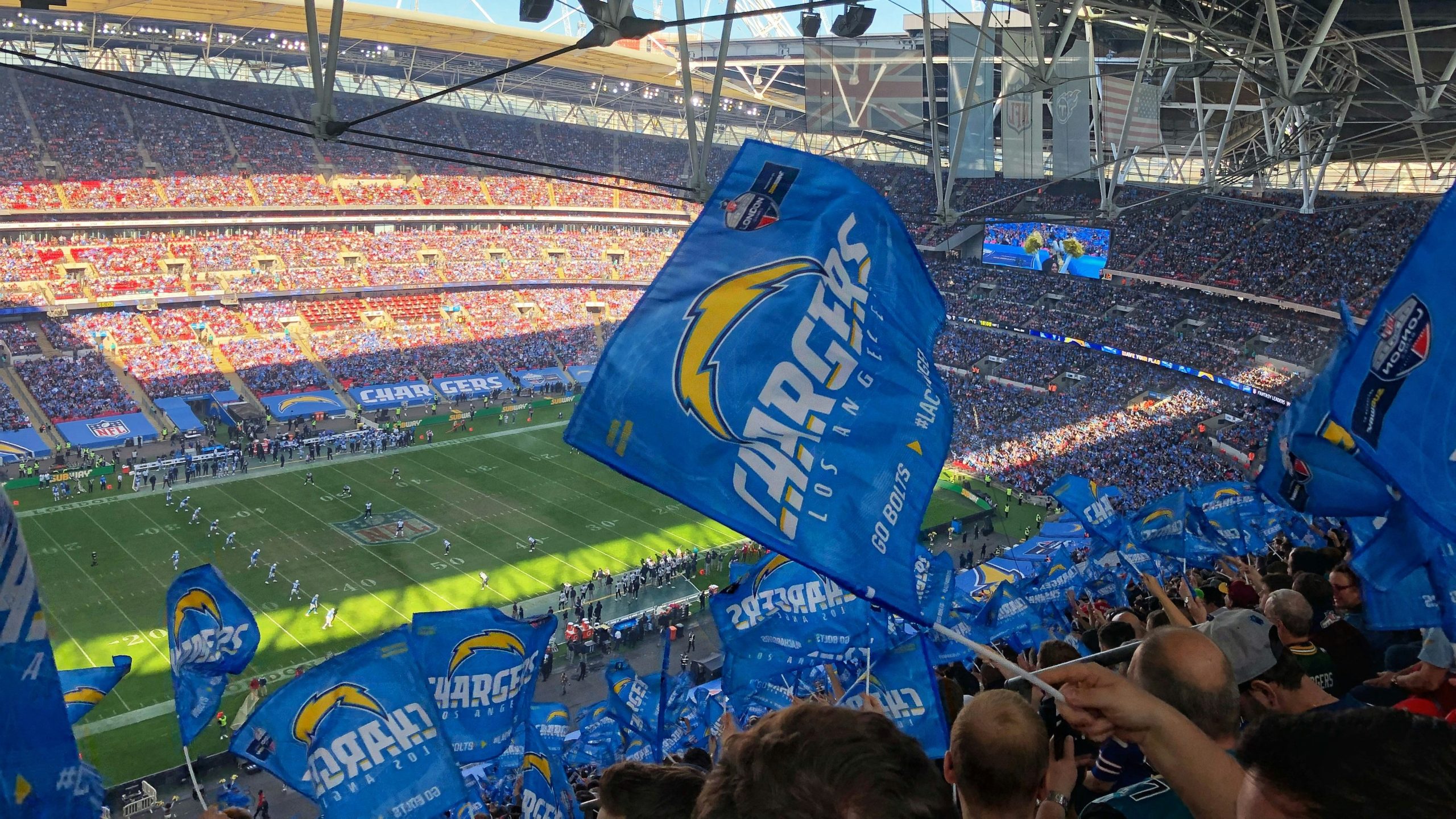
In the UK, the NFL has already built a strong following, with the London games becoming a fixture on its calendar. Germany, a newer market for the league, has shown high demand, with tickets for upcoming games selling out in record time. Meanwhile, Brazil represents an untapped but promising market where the NFL hopes to grow a fanbase eager for American football. The success of these games will further expand the NFL’s international appeal and boost its global revenues.

nfl streaming platforms

Sponsors Taking Advantage

As the NFL continues to expand both domestically and globally, sponsors are keen to capitalize on the league’s vast audience. The NFL’s appeal is undeniable, drawing millions of fans from diverse demographics. Major brands such as Nike, PepsiCo, and Verizon have long-standing partnerships with the NFL, and with the league expanding its media coverage and international footprint, these companies are eager to strengthen their presence.

Sponsors are capitalizing on the NFL’s extensive media deals to connect with consumers across various platforms and markets. From in-game ads to integrated brand experiences on NFL streaming platforms, companies are finding new ways to engage fans at every touchpoint. Toyota, the NFL’s automotive sponsor, has launched a season-long campaign showcasing its role in football nationwide. The campaign features stars like Eli Manning, Brock Purdy, and Puka Nacua. This is especially important as the NFL expands internationally, offering sponsors new opportunities to reach global audiences. These partnerships not only boost brand visibility but also generate significant revenue for both the NFL and its sponsors.

nfl streaming platforms

Implications for Fans Worldwide

While the NFL’s expansion and media deals offer plenty of growth opportunities, fans are facing rising challenges, especially with costs. This issue isn’t limited to the U.S.—international fans are encountering similar difficulties. Although the NFL’s push to bring live games to new markets is exciting, fans in those regions may struggle to access full NFL content due to platform restrictions, blackout rules, or steep subscription fees.

The NFL must address these concerns if it wants to keep its loyal fanbase while pursuing aggressive expansion. Gone are the days when fans could tune in to a single network for coverage. Balancing profit with accessibility will be more important than ever as the league seeks to capture new markets without alienating its core audience.

Sources:

  1. https://pressroom.toyota.com/toyota-delivers-star-packed-nfl-campaign-that-invites-fans-to-roll-deep-together-all-season-long/
  2. https://www.cnbc.com/2024/09/04/nfl-media-rights-media-landscape.html 
  3. https://www.marketwatch.com/story/want-to-watch-every-nfl-game-this-season-its-going-to-cost-you-nearly-2-500-31c4d300 
  4. https://www.nfl.com/international/international-games 
  5. https://www.hbs.edu/faculty/Pages/item.aspx?num=62434 
  6. https://www.forbes.com/sites/mikeozanian/2023/08/30/why-the-nfl-could-reap-more-than-126-billion-in-tv-money-by-2033/ 
  7. https://www.nbcsports.com/nfl/profootballtalk/rumor-mill/news/espn-nfl-network-are-believed-to-be-closing-in-on-a-deal 

What NCAA Conference Realignment Means for Student Athletes

Ever since major shifts in 2021, college football conference realignment has triggered a domino effect. The landscape of college football as we know it continues to transform as conferences look to boost profits, expand media rights deals, and diversify match-ups. Fans shouldn’t be so surprised, as the seismic shift in the NCAA has been in motion for the past decade. The last two years have drastically altered college football’s future as Texas and Oklahoma are set to join the SEC; USC, UCLA, Oregon and Washington will be joining the Big 10; Colorado, Arizona, Arizona State and Utah are the newest members of the Big 12, and Cal, Stanford and SMU are joining the Atlantic Coast Conference. With the rise of name, image, and likeness, college athletes are taking advantage of the realignment to help benefit their own personal brands, but new challenges may be on the horizon.

By 2024, the Big 10 will consist of eighteen teams. The Big 12 will have sixteen teams, and the ACC will make its expansion into the west coast. Meanwhile, the Pac-12 could face dissolution: the conference has dwindled down to two teams as colleges begin to favor coast-to-coast competition over regional rivalries. Many are wondering what impact this has on college athletes and their respective conferences. 

college football conference realignment

Conferences stand the most to gain here, as the driving force behind college football realignment is sheer revenue. Media rights are quickly growing in value and realignment sweetens the deal. In 2020, the SEC signed a $3B television deal with Disney, and the Big Ten followed up by signing a $7B deal with Fox, NBC, and CBS just last summer. According to U.S.A. Today, the Power 5 conferences combined raked in over $3.3B of total revenue in 2022. Colleges received their fair share as well, with the Big Ten distributing close to $60M per school. The SEC came in close second, giving nearly $50M per school. 

The realignment has benefits that reach beyond just the schools. Passed in 2021, the NIL rule change has allowed college athletes to monetize their name, image and likeness through endorsement deals and sponsorships. In the first year of the ruling, NIL netted an estimated $917M for student athletes. Players in dominant conferences like former University of Alabama quarterback Bryce Young had NIL valuations easily exceeding $2M. The potential earnings involved for the players have changed the way schools recruit as well as how the transfer portal may look going forward. Just as schools are joining conferences to help generate new revenue, athletes are looking for schools that will give their personal brand the most recognition. Thanks to expansive media rights deals, players in major conferences and universities can receive attention and exposure, ultimately leading to larger brand deals. 

In fact, athletes in recent years have deferred from entering the draft as they can make more money from collegiate NIL than signing a rookie deal. Players who leave school early for financial reasons now have the opportunity to remain in school, improve on their draft stock, and bring in a lucrative income. Talented Michigan running back Blake Corum chose to return to school for his senior year rather than go pro, and he now possesses an NIL evaluation of over $1.2M. Notre Dame transfer quarterback Sam Hartman, who was projected to be a late-round pick in last year’s NFL draft, boasts an NIL evaluation of $1.1M after signing a deal with Beats by Dre. 

college football conference realignment

As great of an impact NCAA conference realignment has on athletes and their personal brands, it does raise some concerns. Many worry how student athletes will be able to juggle the explosive NIL business with their mental health, training, and coursework. Considering NIL success largely relies on an influencer marketing business model, psychologists fear social media stressors could exacerbate an athlete’s mental health. Athletes in dominant conferences may become hyper-focused on social media performance as they look to hit it big financially. In reality, only a select few will hit the jackpot, and others may suffer from the stress of social media. 

Other issues of realignment and its impact on NIL include fairness and equity for those who do not play in large-scale sports such as basketball and football. With the majority of the realignment discussion focusing on football, other sports such as swimming, diving, volleyball and soccer won’t see the same benefits. While football players may receive greater exposure, the same cannot be said for more niche college sports. The students’ potential NIL earnings lessen as a result.

In addition, student-athletes will be required to travel much longer distances.  When an athlete commits to a university, they understand both the academic standards and travel requirements that come with their commitment. But now, new ACC members like student athletes from Stanford will find themselves traveling cross-country for away games. Depending on the sport, the percentage of these athletes going on to play at the professional level is less than 10%. This means that for the majority of college athletes looking to build a future career, classroom performance trumps on-field performance. The stress of constant long distance travel may divert and disorient these efforts.

No matter how divisive NCAA conference realignment seems, only time will tell if the benefits outweigh the drawbacks. Student athletes in dominant conferences will take advantage of the greater media exposure to boost their personal brands. Colleges will benefit from the profits in growing media value. Die-hard fans will eventually come to terms with the new match-ups and rivalries. And of course, the future is still unfolding. In the coming years, we are likely to see even more changes to the NCAA conferences fans know and love.

Sources:

  1. https://www.sportico.com/leagues/college-sports/2022/does-conference-realignment-travel-benefit-college-athletes-1234682570/
  2. https://www.ncaa.org/sports/2015/3/6/estimated-probability-of-competing-in-professional-athletics.aspx
  3. https://frontofficesports.com/tv-money-built-power-5-then-destroyed-it/#:~:text=Last%20summer%2C%20the%20Big%20Ten,conference%20has%20been%20relatively%20stable.
  4. https://www.cbssports.com/college-football/news/big-ten-leads-power-five-conferences-with-845-6-million-in-revenue-in-2022-fiscal-year-per-report/
  5. https://iconsource.com/blog/nil-changing-the-landscape/#:~:text=The%20NIL%20rule%20change%20passed,even%20start%20their%20own%20businesses.
  6. https://www.cbssports.com/college-football/news/big-ten-leads-power-five-conferences-with-845-6-million-in-revenue-in-2022-fiscal-year-per-report/
  7. https://www.blackenterprise.com/no-1-nfl-draft-pick-bryce-young-reached-3-5m-in-nil-valuation-before-turning-pro/
  8. https://www.usatoday.com/story/sports/ncaaf/2022/08/25/college-media-rights-what-has-happened-and-whats-next/50640697/

Become a Sponsor.

Join us in making a difference. Tell us a bit about yourself and we’ll be in touch with sponsorship details.

By submitting this form, you agree to be contacted by the Athelo Group team regarding sponsorship opportunities.