How Brands Are Using AI to Find the Right Athlete Partners

Traditionally, a brand choosing an athlete partner came down to three things: performance metrics, gut feelings, and a phone call between agencies.

A marketing executive would typically look at jersey sales. Maybe request a media kit, and then run a quick Google search to confirm there were no red flags. 

That model worked when sports marketing was simpler. But in 2026, an athlete’s value isn’t just measured in touchdowns or podium finishes. It lives in engagement rates, audience demographics, sentiment scores, comment section tone, and content performance across five separate platforms at once. 

No gut feeling can process all of that, but AI can.

Brands aren’t just adopting AI to optimize ads or cut costs. They’re using it to answer a question that used to take months of relationship-building and guesswork: Is this the right athlete for us?

Quick Highlights:

  • 48% of sports sponsors planned to integrate AI solutions in 2025, with AI-driven sponsorships shown to enhance brand exposure by up to 30%.
  • Sports organizations that adopted AI sponsorship tools reported an average 3.1x increase in closed deals within the first 12 months.
  • Sports sponsorship is projected to reach $151.4 billion by 2032, with brands demanding more precise, scalable ways to measure ROI.
  • In a 2025 survey of sports media professionals, 81% of executives said they had expanded their AI use in the past year to improve efficiency.

Athlete Partners

The Old Way of Picking Athletes… And Why It’s Breaking Down

For decades, the athlete sponsorship process ran on relationships. An agent knew someone at a brand. A marketing director had a favorite player, or a deal got structured around name recognition and a media impression number that nobody could really verify.

It wasn’t a bad system, and for a long time, it worked.

The problem we are seeing now is that the stakes have grown far beyond what informal vetting can handle. Sponsorship deals are bigger, brand safety concerns are more visible, and the cost of getting it wrong has never been higher. 

A single off-brand moment from an athlete: a controversial post, an unexpected association, a viral incident, can all trigger a public relations crisis that costs a company far more than the partnership ever generated.

At the same time, the data available to evaluate athletes has exploded. Follower counts are easy to inflate. Media impressions don’t tell you who’s actually buying. Reach means very little if the audience doesn’t overlap with the brand’s customer base. 

The traditional metrics that once anchored these decisions no longer tell the full story.

With global sports sponsorship heading toward $151 billion by 2032, brands can’t afford to run on intuition anymore. They need a smarter filter, and agencies are leaning on AI to become that filter.

What AI Actually Analyzes

This is where the real differentiation between humans and AI becomes clear. 

AI isn’t just doing the work of a faster Google search. It’s processing layers of data simultaneously that no human team could realistically evaluate at scale. The most important question in any sponsorship decision isn’t “does this athlete have fans?” It’s “are their fans our customers?” 

AI is able to cross-references an athlete’s actual audience profile: age, location, income bracket, purchasing behavior, etc. against a brand’s target consumer. The result is an audience overlap score that tells a brand, before any money changes hands, whether the partnership is likely to actually reach the people it’s trying to reach.

Sentiment analysis tools sift through social media conversations, fan feedback, and comments to measure what’s being said about an athlete in real time. This search includes things like tone, frequency, and emotional charge. An athlete with 2 million followers and overwhelmingly negative comment sentiment is a liability, not an asset. AI can catch that before a contract is signed.

AI is able to track how an athlete’s branded content historically performs compared to their organic content. Does their audience engage with partnership posts, or do they scroll past? That gap tells a brand more than any follower count. An athlete whose sponsored posts drive the same engagement as their personal content is rare, and genuinely valuable. 

While there are tons of different AI tools out there, they all have one thing in common: The ability to process tons of data at a speed incomprehensible to an average human. 

The Tools Reshaping the Industry

The technology driving this shift isn’t hypothetical. Platforms built specifically for AI-powered sponsorship intelligence are already operating at the professional level.

Relo Metrics uses NVIDIA-powered computer vision and multi-modal AI to track, analyze, and optimize sponsorship visibility in real time. Whether it’s using automated logo detection on athlete apparel or AI-driven impact measurement across leagues and media environments, brands can get a live dashboard of exactly how much exposure they’re receiving and what it’s worth at any given moment.

SSPAIN.ai, developed at Texas A&M, is already generating interest from the NFL, the Dallas Mavericks, Playfly Sports, and 23XI Racing. It was built specifically to close the gap between the sophisticated analytics teams use to evaluate on-field performance and the comparatively basic tools most organizations have used to forecast sponsorship value. That gap in technology continues to be a problem, and SSPAIN.ai is trying to eliminate it.

MOGL and NIL platforms have brought this same intelligence to the college level. These platforms match athletes with brands automatically, accelerating sponsorship campaigns that once took days of back-and-forth discussions into minutes. Doing this across thousands of college athletes is a task that no human team could realistically evaluate one by one. 

For brands, this opens up an entire tier of athlete partnerships that used to be logistically out of reach.

AI fan sentiment systems are taking things a step further. Teams are now building 360-degree fan identity graphs. These are unified profiles that integrate purchase history, digital behavior, and social interactions. AI uses this data to deliver tailored content and brand offers in real time. 

For sponsors, using these systems means being able to identify which athletes are already driving purchasing behavior among their target audience, not just which athletes their target audience follows.

AI in the Fan Experience: The Other Side of the Equation

While AI is perfecting Athlete selection, it is only half of the story. AI is simultaneously transforming how fans experience sports, and that shift is directly reshaping what makes an athlete commercially valuable in the first place.

Younger fans follow individual athletes as much as, if not more than, the teams they play for. They expect content that feels personal and relevant to them. AI is enabling that personalization at scale by allowing for custom highlight reels built around a fan’s viewing history, predictive content feeds that surface the right athlete content at the right time, and chatbot-driven community engagement that keeps fans connected between games.

For brands, this matters in a concrete way. The most valuable athlete partner isn’t necessarily the one with the biggest platform, but the one whose audience is most actively engaged within this AI-personalized content. An athlete whose fans are deeply plugged into team apps, streaming platforms, and digital fan experiences is an athlete whose endorsements actually get seen.

AI also allows brands to track how well sponsorships perform in real time once they’re live. If a campaign isn’t generating the expected response, adjustments can be made before the damage hits. That kind of feedback loop simply didn’t exist at this speed before.

AI Sponsorship

What This Means for Athletes

This shift isn’t just about brands getting smarter, it changes what athletes need to think about too.

An athlete’s digital footprint is now part of their sponsorship value in the same way a batting average or a sprint time is. The content you post, the audiences you build, the brand associations you’ve already established, and even the tone of how your fans talk about you online. These are all part of the data that an AI system is going to score before a brand ever answers an email.

This has real implications for how athletes manage their physical load and personal brand. It’s no longer enough to perform well and hope the right people are watching. The off-field presence and the authenticity of the audience an athlete builds are all inputs into a partnership evaluation that happens long before a conversation starts.

This is exactly where the value of good athlete management becomes most visible. AI can identify the opportunity. But it takes human strategy, working with a team that understands both the data layer and the relationship layer, to build the athlete brand that makes those opportunities worth pursuing in the first place. 

At Athelo Group, this is the work we do every day: helping athletes develop the kind of authentic, consistent brand presence that performs at the highest level. Not just in the eyes of fans, but in the data systems brands are increasingly relying on to make their decisions.

The Limits of AI in Athlete Selection

AI is a powerful filter, but it is not a replacement for judgment. 

The data can tell a brand that an athlete’s audience skews 28–35, is concentrated in the Southeast, and engages at a 6.2% rate. While these are important, AI cannot tell you that the athlete’s story of overcoming adversity is going to connect emotionally with your customer in a way that builds long-term brand loyalty. 

It can flag sentiment trends, but it cannot capture the intangible quality that makes a partnership feel authentic rather than transactional.

There is also a risk in over-evaluating the data. An algorithm optimizing for audience overlap and engagement metrics might consistently surface the same tier of well-known athletes, overlooking the rising athlete in a niche sport whose audience is smaller but deeply loyal and perfectly aligned with a brand’s values. Some of the most effective partnerships in sports marketing history would have looked underwhelming on a spreadsheet before they happened.

The brands using AI best aren’t replacing their partnership strategy with an algorithm. They’re using AI to clear the field, eliminate obvious mismatches, and surface the right candidates faster. 

Then, they do the distinctly human work of forging genuine relationships.

How Will AI Impact Brands in The Future?

Sports marketing is moving in one direction: toward more data, more personalization, and more accountability for every dollar spent. 

AI is the infrastructure making that possible. But the final decision of is this the right person to represent this brand? – is still a human one. The brands that will win the next decade of athlete sponsorships will be the ones that learn to use both. 

AI to find the signal. People that act on it.

For athletes, the takeaway is equally as clear. In a world where brands are running your name through a sentiment engine before they call your agent, the work of building an authentic, consistent, and genuinely engaged personal brand isn’t optional. 

It’s the foundation everything else is built on.

FAQ:

  1. What is AI-driven athlete sponsorship selection? AI-driven athlete sponsorship selection is the process of using artificial intelligence tools to evaluate and identify athlete partners for brand deals. 
  2. How does AI measure athlete brand fit? AI measures brand fit by cross-referencing an athlete’s actual audience profile against a brand’s target consumer. It also evaluates social sentiment, content performance history, and audience authenticity to produce a fit score that helps brands make faster and more data-informed partnership decisions.
  3. Can small or mid-size brands use AI sponsorship tools, or is this only for major corporations? AI sponsorship tools are increasingly accessible to brands of all sizes. NIL platforms like MOGL, for example, were specifically built to balance athlete-brand matching at scale, connecting smaller brands with college and emerging athletes at a fraction of the cost of traditional agency-led processes. The barrier to entry is lower than most brands assume.
  4. What data does AI use to evaluate an athlete’s social media presence? AI evaluates a combination of engagement rate, audience demographics, follower growth patterns, comment sentiment, branded content performance versus organic performance, and audience authenticity signals. Together, these data points give brands a far more complete picture of an athlete’s real social value than follower count alone.
  5. Does AI replace sports marketing agencies in the sponsorship process? No. AI is a tool that enhances the sponsorship process, but it doesn’t replace the strategy, relationship-building, and creative thinking that agencies and management teams bring to the table. What AI does eliminate is the guesswork at the top of the funnel, so that the human work that follows is focused on the right opportunities from the start.


How AI in Sports Revolutionizes the Fan Experience 

The fan experience is all about how people interact with their favorite team, athlete, or brand. It’s more than just “watching the game.” It’s about building a lasting emotional connection.

Wimbledon shows how this is evolving. Their “Match Chat” feature lets fans ask an AI assistant questions during matches, while “Likelihood to Win” delivers real-time win percentages. Both are powered by IBM’s language model and stem from a 35-year partnership between IBM and Wimbledon. Together, they highlight how technology is reshaping what it means to be a fan.

At Athelo Group, we’ve seen AI in sports extend well beyond major tournaments. Athletes are using similar tools to connect more authentically with their communities. From frictionless stadium energy to instant highlight reels and smarter data, the fan experience is becoming more personal and interactive than ever.

Quick Highlights

  • The Cleveland Cavaliers saw an 83% jump in app downloads after rolling out AI-personalized highlights with WSC Sports.
  • WSC Sports’ editing tools generated over 16,000 highlight clips in a single Cavs season.
  • 46% of Gen Z fans watch live games because of the athletes they follow, not team loyalty, making AI-driven personalization crucial.
  • MLB’s Go-Ahead Entry program using facial recognition delivers ticket scans 2.5 times faster than traditional gates.
  • AI targeting has cut media waste by 40% while boosting conversion rates for sports brands.
  • The market for AI in sports is projected to reach $4.6 billion by 2032, up from $2.2 billion in 2022.
mlb stadium using ai to enhance fan experience

Personalized Highlights: Any Play, Any Player 

The Cleveland Cavaliers were the first NBA team to test a new wave of AI-driven content through their partnership with WSC Sports, an AI-powered sports content firm. They became the guinea pigs for personalized highlights.

WSC’s platform recognizes that no two Cavs fans are alike. Using AI, the app lets users create custom reels around their favorite players and moments.

Want every Donovan Mitchell dunk or every Jarrett Allen block? The system automatically compiles it. The results speak for themselves: 83% more app downloads and over 16,000 clips generated in a single season.

This type of technology won’t stay limited to basketball. Athelo Group sees applications across all sports—from MLB to surfing. Imagine surfers like Zoe Benedetto releasing custom highlight edits to showcase her moves and connect with fans on a deeper level. The sky’s the limit.

The Data-Driven Superfan 

AI personalization has redefined how fans engage, but the biggest shift is the rise of real-time data. It’s no longer just about watching the game—it’s about understanding it on a deeper level.

During the NBA Playoffs, Sportradar processed hundreds of thousands of data points live to calculate win probabilities and generate game forecasts.

These insights gave gamblers and fans alike access to information that once sat behind closed doors with coaches and analysts. Suddenly, the fan experience isn’t just emotional, it’s analytical, with numbers shaping the way people consume every possession.

The same model applies to athletes themselves. Just as fans track player performance on the court, training data can reveal an athlete’s strengths, weaknesses, and progress over time. 

Take CrossFit athletes like Laura Sanchez, for example. The strength metrics collected during her workouts can be quantified to measure efficiency, recovery, and long-term growth. The line between fan engagement and athlete development is blurring, all powered by data.

crossfit athlete using ai in sports to measure military press performance

Biometrics: A New Normal for Game Day

​​Biometrics are reshaping the in-stadium experience in MLB through programs like “Go-Ahead Entry,” which uses facial recognition at ballparks such as Oracle Park and Nationals Park. Fans upload a photo into the MLB Ballpark app, link their ticket, and access the stadium through special gates—cutting ticket scan times by 250%.

Several NFL teams are now adopting similar systems, including the Tennessee Titans at Nissan Stadium. Their Express Entry program, powered by Wicket and Verizon, allows fans who upload a selfie in advance to use facial recognition for faster gate access. Shorter lines and added security make the case clear for teams and venues.

At the same time, concerns about data privacy are growing. Orrick, Harrington & Sutcliffe note that “state regulators are increasingly concerned about biometric data privacy, and state laws that grant private rights of action present significant risk for this type of sensitive information.”

Stadiums will need to weigh transparency and clear disclosure against the push for convenience. For fans who value privacy, the question isn’t just whether this technology works, it’s whether they can trust it.

biometric fingerprint showcasing ai in sports

Information Overload 

New technology and AI in sports have given fans and leagues access to a depth of information never seen before. A recent Snowflake / Sports Innovation Lab collaboration found that AI-driven targeting reduced media waste by 40% and boosted fan conversion rates across multiple brands. Personalized highlights, biometric systems, and predictive analytics are only the start.

At Athelo Group, we see this moment as both an opportunity and a challenge. Technology is reshaping how fans connect, but athletes and brands need the right strategy to cut through the noise. Authenticity remains the key to lasting engagement.

Our work helps athletes harness these tools in ways that strengthen relationships and expand fan communities. From smarter content delivery to data-driven engagement, we focus on innovation without losing sight of trust.

Learn more about our projects and partnerships here.

How Analytics & AI In Sports Are Transforming Partnerships

In today’s tech-filled world, analytics and AI in sports are redefining partnerships by creating unprecedented opportunities for personalization and precision. Beyond simply tracking metrics, analytics empower teams, leagues, and brands to foster deeper connections with fans through hyper-targeted campaigns and real-time engagement strategies. 

By combining technology with creativity, organizations can maximize sponsorship value while reshaping how fans experience sports. This data revolution not only redefines ROI and KPI measurement but also highlights the human element in sports partnerships, where insights drive authentic and lasting connections.

ai in sports

Data-Driven Marketing in Formula 1 and MotoGP

In the high-stakes world of Formula 1 and MotoGP, data-driven marketing is essential for maximizing audience reach, fan engagement, and sponsorship impact. By leveraging analytics, brands can track metrics like social media engagement and broadcast visibility. These insights help measure partnership success and refine strategies in real time.

Amazon Web Services (AWS) has transformed the Formula 1 fan experience by delivering real-time race data. This enriches broadcasts while bolstering AWS’s reputation in cloud computing and analytics. Similarly, platforms like F1 Fan Voice collect fan feedback, allowing brands to fine-tune campaigns for deeper audience connection.

This data-driven approach helps sponsors create targeted, high-impact activations that resonate globally. It strengthens fan loyalty and ensures strong returns on sponsorship investments. For Formula 1 and MotoGP, analytics is not just a tool—it’s a competitive advantage.

ai in sports

AI and AR in Tech-Driven Partnerships

AI and augmented reality (AR) are reshaping both athlete training and the sports partnership landscape. They offer brands innovative ways to interact with fans and measure engagement. Tools like performance analytics and AR provide access to data that drives better strategies and enhances fan experiences.

AR, for instance, enhances live events by delivering real-time stats and immersive content. This makes sponsor messages more engaging and boosts fan enjoyment. Sponsors can use these insights to craft highly targeted campaigns that resonate deeply with their audience.

As sports tech startups like ShotQuality and StatusPro attract significant investments, they continue to introduce fresh solutions. These innovations help brands and teams build dynamic, measurable, and impactful partnerships. The intersection of technology and sports is creating a win-win for fans and sponsors alike.

ai in sports

Redefining Sports Sponsorship at Paris 2024

AI and technological innovations at Paris 2024 are transforming the athlete experience while reshaping sports partnerships. Collaborations with tech giants like Intel, Alibaba, and Samsung are introducing new ways for brands to engage fans and maximize sponsorship value.

For example, AI-powered systems will create personalized highlight reels tailored to specific audience segments. This approach enhances engagement with digital and social media campaigns. Sponsors can connect with fans more effectively by delivering content that feels relevant and unique.

Innovative partnerships, such as those with Samsung and Orange, equip smartphones on each country’s boat during the Opening Ceremony. This offers sponsors a chance to create unforgettable fan experiences, both on-site and online. These initiatives blend technology and creativity to redefine fan interaction.

By integrating cutting-edge technologies, sponsors can measure impact more precisely and refine strategies. Paris 2024 is leading the way in creating data-driven, immersive partnerships that set a new benchmark for fan engagement and sponsorship success.

ai in sports

How Sports Analytics Transformed Partnership Evaluation in 2024

The NBA’s collaboration with Microsoft and its NBA CourtOptix platform highlights how data enhances fan engagement. Real-time game insights, player metrics, and interactive content create more personalized, immersive experiences both in-stadium and online.

By leveraging analytics, organizations can better target fan segments and tailor campaigns to boost engagement across platforms. Sponsors benefit by measuring partnership effectiveness through fan behavior, media consumption, and social media insights. This enables real-time strategy adjustments that drive results.

Advancements in analytics, including AI-powered insights, are further reshaping the industry. Real-time data during live events supports personalized promotions and interactive content, strengthening fan connections. As technology advances, sports teams and sponsors are delivering more impactful campaigns that elevate partnerships and drive success.

ai in sports

Looking Ahead

By leveraging data-driven insights, organizations can understand fan preferences and behaviors like never before. This allows for partnerships that resonate deeply and deliver measurable results.

From Formula 1 to the Olympics, AI-powered personalization and real-time data analysis are setting new standards for fan interaction. Tech-enabled experiences are enhancing sponsor satisfaction and redefining engagement metrics.

As technology advances, analytics and AI will continue to shape the future of sports partnerships. The focus will shift from traditional visibility metrics to engagement, relevance, and sustained loyalty. This evolution provides a blueprint for maximizing sponsorship value in a fast-changing industry.

Sources:

  1. https://sportfive.com/beyond-the-match/insights/power-of-sportsmarketing-formula1-motogp
  2. https://economictimes.indiatimes.com/tech/technology/tech-innovations-ai-changing-the-game-for-modern-sports-training-methodologies/articleshow/112461311.cms?from=mdr
  3. https://olympics.com/ioc/news/ai-and-tech-innovations-at-paris-2024-a-game-changer-in-sport
  4. https://capitalsports.agency/en/blogs/the-role-of-data-in-sports-marketing
  5. https://www2.deloitte.com/us/en/pages/consumer-business/articles/fan-engagement-analytics-improve-fan-experiences.html
  6. https://www.wired.com/sponsored/story/the-nbas-game-changing-approach-to-data/#:~:text=Every%20night%2C%20when%20a%20game,shot%2C%20pass%2C%20and%20play.
  7. https://www.sportspromedia.com/news/statuspro-google-ventures-nfl-pro-era-tech/

AI in Sports: How ESPN Is Leveraging Tech to Highlight Niche Sports

The NFL recently partnered with Genius Sports, a data and technology company, to bring artificial intelligence to the forefront of sports broadcasting. With cloud technology and machine learning, broadcasts can now display real-time metrics and player trails directly on screen. AI in sports doesn’t end with major leagues, either. In recent years, AI has been transforming the entire sports media landscape, making it easier to cover sports with niche fan bases, like lacrosse and women’s soccer. For large networks like ESPN, AI helps them deliver timely, diverse content for fans of these less-publicized sports without stretching their resources.

ai in sports

AI-Powered Coverage for Niche Sports

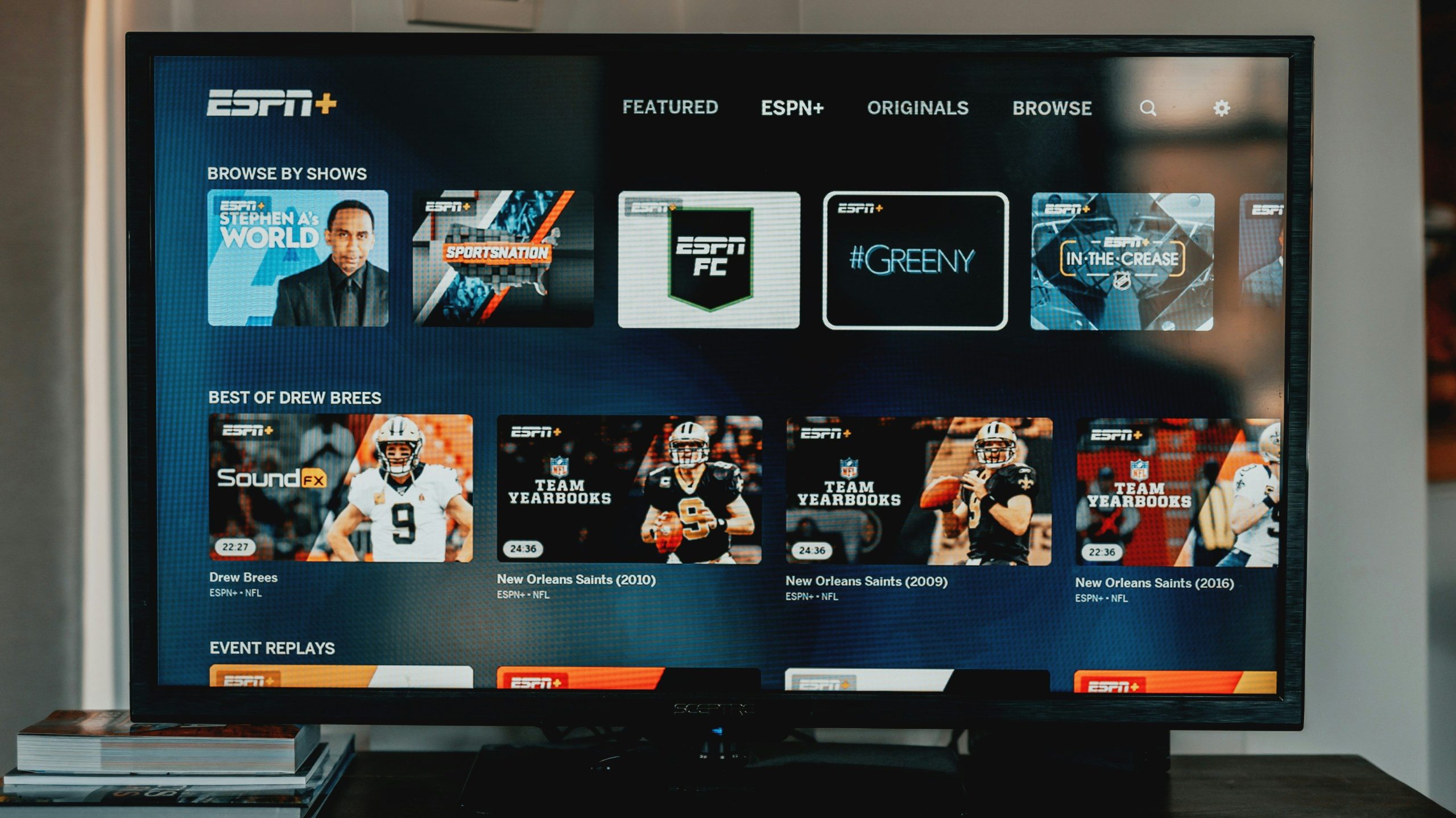
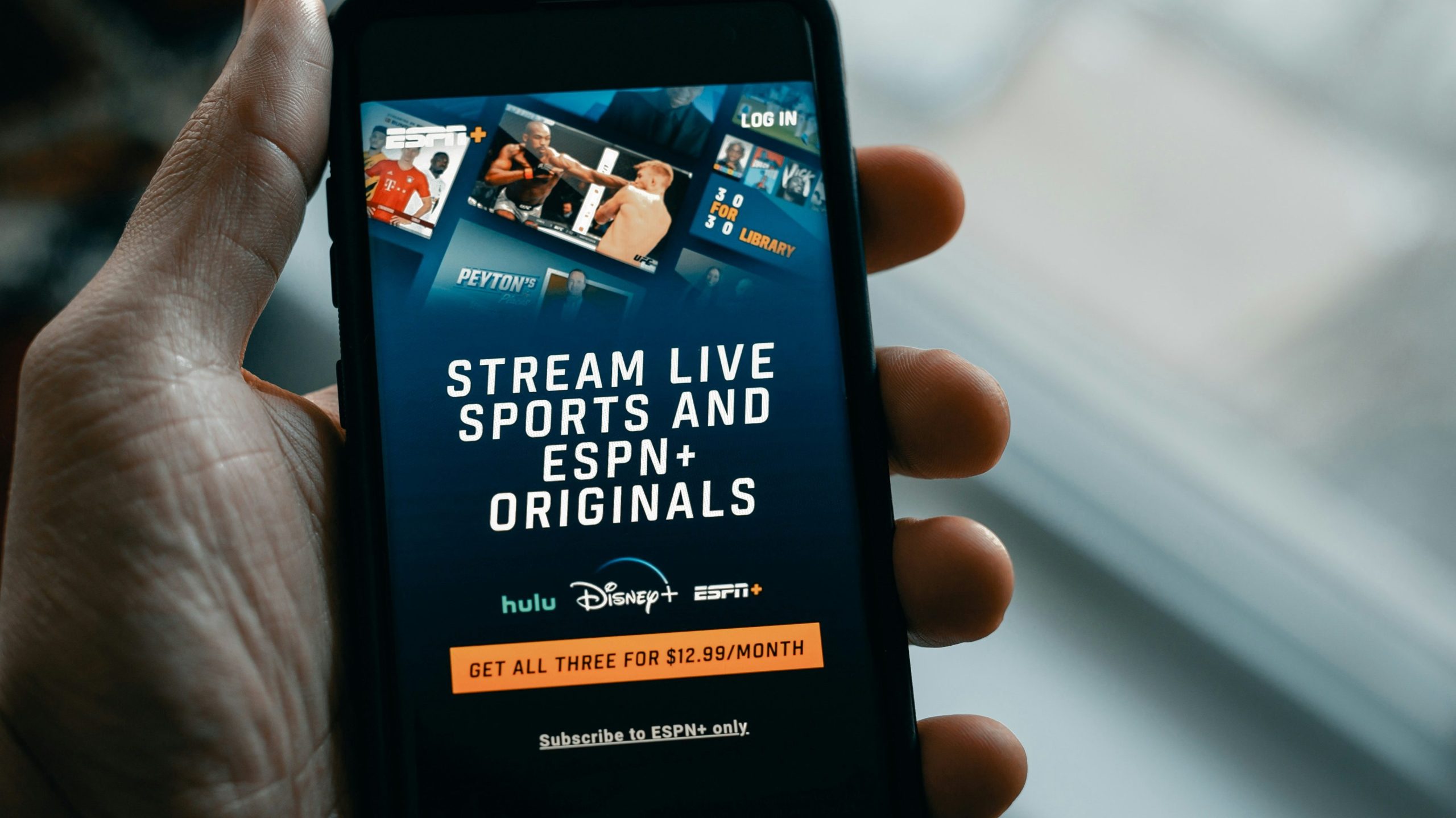
ESPN has recently partnered with Microsoft to integrate AI into its coverage, allowing it to automate the creation of game recaps, highlights, and summaries in real time. By using machine learning to identify key plays and scoring moments, ESPN can generate instant updates without the need for manual editing. These updates are directly available on ESPN’s app, providing fans with quick access to scores, play-by-play recaps, and game highlights for leagues like the Premier Lacrosse League (PLL) and the National Women’s Soccer League (NWSL). 

AI has become essential for sports networks, helping to fill in coverage gaps as journalists are often stretched thin covering high-profile games in the NBA, NFL, or MLB. With AI handling the time-consuming tasks of summarizing and creating recaps, reporters are freed up to dive deeper into analysis and breaking news, ultimately enhancing the depth and quality of sports coverage.

ai in sports

Personalization and Accessibility

One of the most exciting benefits of AI integration at ESPN is the level of customization it provides for viewers. AI analyzes viewing habits, preferences, and even favorite teams to create a unique SportsCenter experience tailored to individual users. For instance, fans can receive personalized highlight reels or recap videos focusing on specific players, teams, or game moments they care about most. Additionally, ESPN’s AI-driven features include voice-narrated news segments, allowing fans to stay informed hands-free—a great option for commutes or multitasking. For accessibility, AI also generates closed captions and language-adaptive highlight reels, making it easier for fans with hearing impairments or language barriers to stay connected to the content they love.

The goal is to ensure that fans of all sports—even the more niche ones—receive timely, relevant updates that rival the coverage of mainstream sports. ESPN chairman Jimmy Pitaro emphasizes that AI is not just a tool for efficiency but a way to enhance the fan experience. He envisions AI as a bridge, offering personalized experiences like tailored highlight reels and interactive SportsCenter options that make every fan feel engaged, regardless of the sport they follow.

ai in sports

 Weighing the Impact on Journalism

Incorporating AI into sports media has certainly raised some concerns about the impact on jobs, especially after the controversy with Sports Illustrated using AI-generated articles. Initially, many journalists and readers were upset by the idea of automation replacing human writers, fearing it would diminish the quality of sports journalism. However, AI in sports media is intended to complement, not replace, human writers by automating repetitive tasks such as generating game summaries. This allows reporters to focus on more in-depth and nuanced coverage, such as analysis and breaking news, while AI fills in the gaps. As this technology continues to evolve, the balance between efficiency and maintaining human storytelling remains a central ethical consideration in the industry.

ai in sports

The Future of AI in Sports Media

With AI tools enhancing sports media, sports like lacrosse and women’s soccer now have greater opportunities to connect with new audiences. As this technology advances, we can expect even more personalized and inclusive fan experiences. For journalists, AI offers the chance to prioritize impactful storytelling over routine tasks. Looking ahead, AI’s role in reshaping sports media will continue to grow, ensuring that every sport gets the attention it deserves and that fans, no matter their interest, stay engaged. The future of sports coverage is evolving—are we ready for it?

Sources:

  1. https://www.poynter.org/commentary/2024/espn-artificial-intelligence-pll-nwsl-coverage/
    https://www.sportspromedia.com/insights/features/sports-broadcasting-artificial-intelligence-production-content/
  2. https://www.espnfrontrow.com/2024/09/enhancing-espns-game-recaps-for-underserved-sports-using-ai/
  3. https://www.espn.com/pll/story/_/id/41101353/whipsnakes-edge-outlaws-11-10-pll-quarterfinal-thriller 
  4. https://www.sportspromedia.com/insights/features/sports-broadcasting-artificial-intelligence-production-content/
  5. https://www.pbs.org/newshour/economy/sports-illustrated-found-publishing-ai-generated-stories-photos-and-authors

AI in Sports: Transforming Betting, Analytics & Performance

Earlier this month, LSU gymnast Olivia Dunne faced scrutiny after promoting Caktus.AI to her 7M TikTok followers. LSU officials stated firmly how student use of the essay-writing AI platform is akin to plagiarism. They urged that from an academic standpoint, Dunne’s partnership sends the wrong message. Ethical dilemma aside, AI platforms are taking the world by a storm. Dunne is just one of many capitalizing on the future of tech. AI’s emergence stands to reform the way we work, communicate, and consume media. While its place in academia poses concerns, its presence in sports is far more embraced. From sports betting to sports marketing, let’s explore how AI enhances the sports industry: 

Sports Betting

AI’s pop culture surge parallels the timeline of sportsbetting’s widespread legalization. Now more than ever, sportsbooks can apply AI elements of personalization and accuracy to elevate the betting experience. Companies like FanDuel and DraftKings benefit from AI algorithms’ insight into betting behavior and automated processes, keeping their losses down and profits up. AI’s machine learning technology can instantly break down large sets of data and find patterns. The end result is like looking into a crystal ball: companies receive extremely accurate predictions, gain more insight into the behavior of high-volume betters, and can adjust their odds accordingly. 

It’s not just the sportsbooks who are winning: sportsbetters are also taking advantage of AI’s capabilities. Some have used the AI platform, ChatGPT, as the foundation for generating more advanced data analysis programs. While ChapGPT cannot automate informed bets, it can help coders build the systems to do so. One ChatGPT user, Siraj Raval, enlisted it to create WagerGPT. Raval’s program uses neural networking to place informed, winning bets. Raval plugs in information like sports sentiments on Twitter, team performance variables, and current betting odds. Data then acts as building blocks for pattern creation, links, and deductions. His first two bets on the platform won him over $7K. Even so, Raval stresses that WagerGPT is an experiment, and similar to other AI platforms, there is no way to ensure accurate bets. He urges other users to only bet amounts they’re comfortable with losing. 

Sports Performance

Athletes are also taking advantage of AI. For decades, reviewing game footage has been a vital part of athletes’ training regimens. Athletes like Tom Brady and Kobe Bryant watched their game tapes religiously, looking for minor tweaks and improvements to act upon in the future. Until recently, not many technological developments were made to streamline this process. With the emergence of AI, new advancements help athletes better utilize this tried-and-true training method. 

Burgeoning companies like Sparta Science and Seattle Sports Science apply AI machine-learning to game footage in order to prevent injuries and analyze form. Apps like HomeCourt use similar technology to help basketball players optimize their shooting. And instead of scrolling through hours of game footage, teams can now add AI Box analytics to game cameras. The technology saves time by instantly finding and personalizing relevant footage.

MLB baseball players like Matt Carpenter use AI at Baton Rouge’s Baseball Performance Lab to enhance their swing. Wearing special sensors, Carpenter tests multiple bats as the sensors collect performance data. AI technology analyzes the data and finds the perfect bat to optimize his results on the field. Carpenter says his work with the Baseball Performance Lab played a huge role in his Yankees revival. Since then, other intrigued players have made the trek down to Baton Rouge in hopes of achieving similar results. 

AI Sports Betting

Sports Stadiums

Sports stadiums now enlist AI to bolster security and optimize the fan experience. While some find these measures dystopian, others see it as a necessary step into the future. Home of the NY Knicks, Madison Square Garden, began using AI facial recognition tech as early as 2018. Other venue operators aim to follow suit: according to a 2021 industry report, facial recognition is the newest security measure operators wish to invest in most. 

Since then, technology continues to evolve. In this year’s Super Bowl, Phoenix police surrounded the sportscape with cameras possessing an AI object-detection system. Rather than recognizing faces, the cameras detected loitering and generated fully-visible portraits in long-distance, pitch black conditions. Indianapolis Motor Speedway uses a similar surveillance technology equipped with predictive analytics to prevent overcrowding and ensure fan comfort. 

Last year, the Dutch government partnered with the Eredivisie soccer league to enhance social safety in stadiums. The pilot program entitled, “Our Football Belongs to Everyone” is a response to past discriminatory behavior and racist chanting inside the stadium. Before the initiative, Excelsior’s Ahmad Mendes Moreira took so much racist abuse from fans that officials had to temporarily stop the game. Moreira left the pitch for thirty minutes, marking the first time a match has ever been halted due to racism. Using AI-powered smart sound cameras, operators can now measure fan involvement in the stands and address discriminatory behavior in real time. 

AI Sports Betting

Sports Media 

Sports media utilizes AI for content-generation and personalization. Recently, major sports media publications have turned to AI for augmented article writing. Sports Illustrated, for example, enlists AI to match the demand for media consumption and better align with consumer engagement. Amidst pushback, Sports Illustrated urged that AI will never replace journalism. It’s true: problems with AI-written articles include factual inaccuracies and lack of creativity and human voice. Instead of publishing the generated article verbatim, Sports Illustrated uses AI for ground-floor article development, then revises and fact-checks from there. 

Sports Marketing

In sports marketing, AI tools optimize social media advertising. Ever wondered why you see ads for Dick’s Sporting Goods on Instagram and Facebook right after googling “Nike sneakers?” You can thank AI for that. Using Meta’s AI advertising algorithm, sports marketers can produce highly targeted ads. The algorithm combines factors like business objectives and user behavior to expose the ad to the most actionable audience. Building on this technology, Meta released yet another AI advertising feature. Sports marketers can now use Advantage+ to generate up to 150 advertisements for them. Marketers no longer have to start from scratch when it comes to manual ad creation. 

As AI becomes the new normal in the sports industry and beyond, some fear for its ethics and long-term impact on the job market. With 37% of businesses utilizing AI as of 2022, these fears are not so irrational. AI’s newfound dominance poses issues of privacy, plagiarism, and threats to the workforce.  In response to these concerns, we must remember that technology should enhance our lives rather than complicate it. As AI technology develops, a system of checks and balances should develop alongside it. We’ve seen firsthand how AI can elevate the fan experience, provide safety to both spectators and athletes, and enhance sports media and marketing. Its value is undeniable, but its limitations and threats are ever-present. While AI is a whiz at evaluating data, it has yet to replace human creativity, consciousness, and ingenuity. As long as we maintain that  balance, AI is capable of improving our lives for the better. 

Sources:

  1. https://fortune.com/2022/12/22/artificial-intelligence-is-the-new-competitive-edge-in-sports/
  2. https://www.analyticsinsight.net/the-impact-of-artificial-intelligence-on-sports-betting/#:~:text=Artificial%20Intelligence%20in%20Sports%20Betting&text=Through%20its%20powerful%20algorithms%2C%20AI,more%20precision%20than%20experienced%20professionals
  3. https://www.thedrum.com/news/2023/02/24/betting-company-used-ai-generate-dream-football-commentary-sleeping-fans
  4. https://www.sportsbusinessjournal.com/Native/Stats-Perform/2021/10/04/ai-sports-betting-next-frontier
  5. https://www.gamingtoday.com/news/ai-sports-betting-chatgpt/
  6. https://www.theatlantic.com/technology/archive/2023/02/sports-stadiums-security-facial-recognition-surveillance-technology/673215/
  7. https://www.cio.com/article/463586/sports-venues-advance-goals-enhance-fan-experience-with-data-analytics.html
  8. https://www.facebook.com/business/help/297506218282224#:~:text=Advantage%2B%20creative%20automatically%20transforms%20your,Image%20brightness%20and%20contrast
  9. https://www.wsj.com/articles/sports-illustrated-publisher-taps-ai-to-generate-articles-story-ideas-11675428443
  10. https://www.ft.com/content/fc95a0f7-5e4e-4616-9b17-7b72daee6c60
  11. https://www.upgrad.com/blog/top-challenges-in-artificial-intelligence/#:~:text=One%20of%20the%20biggest%20artificial,to%20utilize%20those%20resources%20effectively
  12. https://www.sportspromedia.com/news/dutch-fa-knvb-ai-video-tech/
  13. https://www.sportspromedia.com/news/technology-uk-fans-mastercard-sport-economy-index-2023/

Become a Sponsor.

Join us in making a difference. Tell us a bit about yourself and we’ll be in touch with sponsorship details.

By submitting this form, you agree to be contacted by the Athelo Group team regarding sponsorship opportunities.