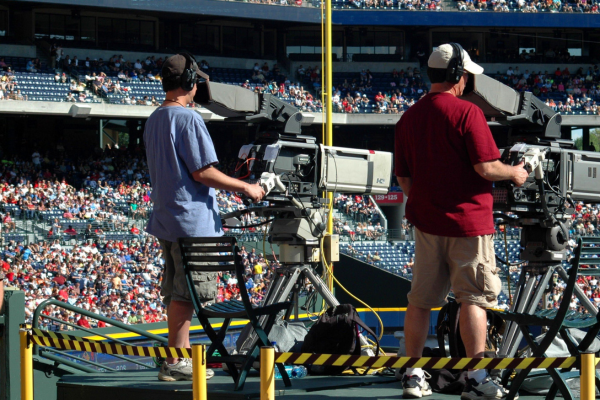
The New Economy of Sports: How are the NIL, Sports Betting, and Media Rights Reshaping the Industry?

Not too long ago, the value of an athlete was measured exclusively by what they did and how they performed in their respective sport. 

In today’s world of sports, athletes’ values are now measured by their brand or marketability. 

NIL offers expansive opportunities to collegiate athletes, sports betting partnerships are popping up everywhere, and media deals are reaching never before seen heights. The economics of sports are evolving at a rate nobody saw coming.

It is essential for athletes, brands, and agencies to understand these trends in order to stay ahead of a very unpredictable curve.

Quick Highlights

  • College athlete compensation through NIL and revenue sharing is projected to reach $2.25 billion in 2026, more than doubling the original revenue sharing number from 2021.
  • Legal U.S. sportsbooks produced over 16.5 billion in revenue in 2025, a 22.5% increase from 2024, and Americans wagered over $165 billion on sports in 2025 alone.
  • U.S. television and streaming companies are expected to spend $29.25 billion on sports media rights in 2026, projecting to exceed $37 billion by 2030.
  • College conference media deals continue to reshape the college sports world. The Big10’s media rights are worth approximately $8.05 billion, while the SEC’s deal is worth about $7.1 billion.
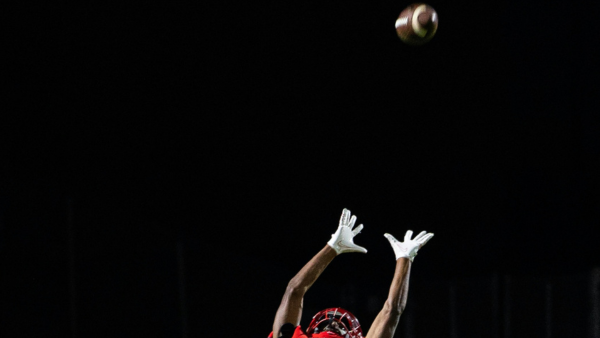
college sports

The Rise of the Athlete Entrepreneur in College Sports

Previously, college athletes had very limited opportunities to profit from the values they had helped create. The only “compensation” they were allowed to receive was through academic scholarship, academic support, and other smaller benefits from the NCAA and its rules. 

The arrival of NIL in July 2021 completely changed that relationship. Athletes could now begin earning money through various endorsements, appearances, autograph signings, and many other types of monetizable business activities. Opendorse projected that total NIL in collegiate sports grew from just over $900 million in 2021 to over $1.65 billion in 2025. 

NIL encourages student athletes to think beyond their performance on the field and to invest in building their personal brand. By growing an audience, launching their own brands, and partnering with sponsors, these student athletes are now able to create their own financial opportunities well before their playing days end.

A very popular example is former LSU gymnast Livvy Dunne. She was able to leverage her massive following on social media into various endorsement deals with big names brands. The success she was able to display demonstrates that in today’s NIL era, the brand of an athlete can be just as or even more valuable than their performances. 

NIL Opportunities

As NIL opportunities become more complex, the shift in demand for athlete representation has become increasingly more important.

Agencies help these student athletes navigate contracts, ensure compliance within the regulations of NIL, protect the athletes intellectual property rights, and also build up their personal brands that are able to create long-term value beyond single endorsement deals. 

NIL has not only added a new source of income to college sports, but it has also introduced a brand new business entity that these student athletes have the ability to take advantage of while still competing at the highest level.

The House is Winning

For decades, many professional sports leagues tried to stay away from legal wagering. Today, not only do they approve of it, they also present it to their fans and viewers routinely. 

Sportsbook advertisements appear during live broadcasts. Betting lines are incorporated into studio programming. Odds makers have live segments on ESPN and other well known sports networks.

According to the American Gaming Association, sports betting in the United States reached revenues of approximately $16.96 billion in 2025. This number was up 22.8% from 2024. The total amount wagered was also north of $166 billion in 2025.  

Not only does this revenue help the sportsbooks, but it also works wonders for the TV networks and leagues themselves.

This new “trend” has allowed viewership to skyrocket. Sportsbooks benefit from the extra activity, but so do media companies, advertisers, leagues, and data providers. These fans are not only watching, they are following stats, checking mobile devices/apps, consuming analysis of the sport, and chatting about any outcomes that may or may not have helped them and their pockets. 

This up and coming industry is also generating revenue beyond wagers. Many state-regulated operators generated approximately $3.7 billion in sports-betting taxes in 2025.

The Battle for Live Sports

The way people consume their entertainment has changed drastically over the past decade. Streaming services have become king when it comes to movies, television, documentaries, and other on-demand content. Live sports, however, remained one of cable television’s last strongholds in the industry, until recently.

Sports are the only thing in today’s world that people want to watch as they happen live. The uncertainty of live action makes the viewer feel as if they are missing out on a monumental life moment. This scarcity makes sports one of the most valuable assets in the media world. It is estimated that U.S. television and streaming sports payments would total up to around $29.5 billion in 2025. 

This number has doubled from $14.64 in 2014. The growth is undeniable. 

Streaming services has become increasingly aggressive when pursuing the streaming rights to all of the “Big 4” sports leagues (NFL, NBA, MLB, NHL). Streaming services have become the primary place to watch many live sporting events.

As streaming platforms such as Amazon Prime Video, Peacock, YouTube TV, Netflix, and Apple TV continue to acquire the exclusive media rights for these sports, fans need multiple subscriptions just to follow and watch their favorite teams. Not only does this attract subscribers, it retains them. By holding these games “hostage” to the viewers, it creates less subscription cancelations, generates ad revenue, and encourages the viewer to spend more time within that certain platform.

These rising rights fees are also affecting the sports economy. It allows these leagues to help support player compensation, improve league operations, upgrade facilities, and also experiment with expansion. 
sports media rights

What the Future Holds

It is evident that the sports industry will continue to evolve as technology advances, regulations change, and new platforms challenge each other for viewership attention. 

NIL has allowed student athletes to obtain greater control over their various identities. The sports betting world has become a major revenue engine and has changed the way people engage with sports. The competition in media rights has turned live sports into one of the most prized possessions in the entertainment industry.

On the outside, they seem like simple changes. However, athletes are now forced to think like entrepreneurs. Brands are now creating and maintaining very authentic connections with consumers. Agencies are helping talent to build value that goes well beyond a single season or career. 

The new economy of sports is not just about the total amount of money entering the industry. It reverts back to who can and will create value, who is able to get firm control of that value, and how these athletes, brands, leagues and media platforms will come together and share this revenue year over year. 

FAQ:

  1. What is NIL? NIL stands for Name, Image, and Likeness. This allows student athletes the ability to earn money from sponsorships, endorsements, social media, and other opportunities that present themselves.
  2. When was sports betting legalized in the U.S.? Sports betting was legalized in 2018. This was done after the Supreme Court demolished the Professional and Amateur Sports Protection Act. 
  3. Why are media rights becoming more valuable? Media rights have become more valuable because streaming services and traditional broadcasts are in constant competition for live sports due to the audience they attract. When one out bids the other, the price continues to surge up. 
  4. How do these trends benefit athletes? Athletes nowadays at all levels have more opportunity to earn income beyond their salaries or prize money.
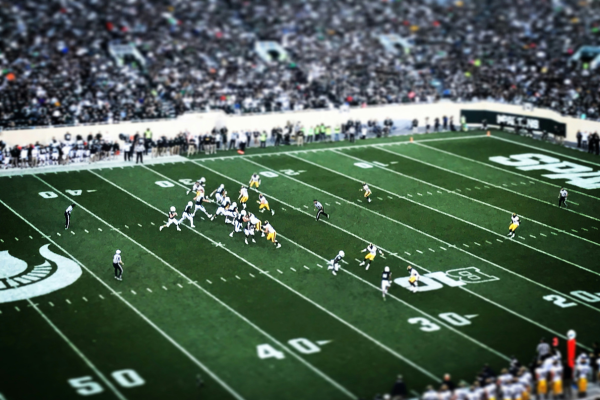
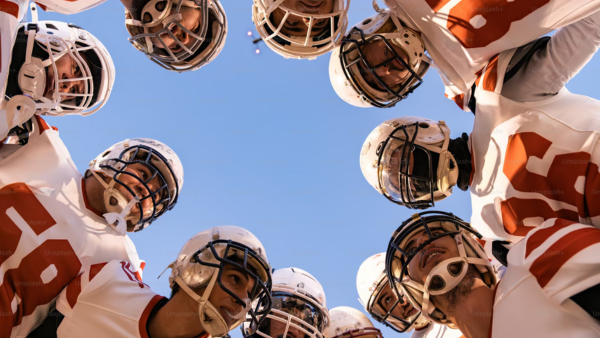
America’s Favorite Sport: The Rise and Reign of Football

41% of adults consider football to be their favorite sport to watch. This statistic reflects how the game has grown into more than just a pastime. Football has become a weekly routine and a national obsession woven into everyday American life.

American Football has remained the country’s most popular sport for more than 50 years.  It has evolved beyond the action on the field to keep fans engaged year-round, even long after the season ends.

Fantasy football, sports betting, and nonstop social media coverage ensure constant interaction. The Super Bowl’s blend of competition and entertainment transforms the sport into a national phenomenon that dominates conversation and culture across the country.

Quick Highlights

  • The 2025 NFL season is projected to generate $30 billion in sports betting wagers.
  • 41% of adults list American football as their favorite sport to watch, reinforcing its dominance in U.S. sports culture.
  • The 60th Super Bowl will feature Bad Bunny as its headliner – showing the event’s blend of sports and entertainment.
  • In 2024, 25% of viewers tuned in solely for the halftime show, while 21% watched just for the commercials.
America's favorite sport

Fantasy Football Changed How Fans Watch the NFL

Football fans have never cared more about the outcomes of teams they do not root for, or even about how well the running back on their most rivaled team is performing. The era of solely tracking your favorite football team is over.

With fantasy sports participation at an all-time high, fans are now closely tracking the statistics of individual players across the league. This shift means fans have a personal stake in nearly every game. This leads to tuning into matchups they would normally ignore. It represents a major cultural change driven by emotional investment and high-stakes moments tied to fantasy team performance.

Fantasy football has also created a new audience: the temporary fan. These are participants who engage primarily because of the community built within workplaces, friendships, and families.

These temporary fans, who did not previously exist, are now locked into a sport they otherwise would not have invested their time in. The culture fantasy football has cultivated has drawn both fans and non-fans into caring about game outcomes and player performance.

Sports Betting Increased Fan Engagement and Makes Each Game More Exciting

As sports betting has become widely accepted as a societal pastime, it has fundamentally changed how fans watch games. It has turned every play into something personal, emotional, and high-stake.

In the United States, football attracts the most bettors and the highest volume of frequent betting activity. Wagers are predicted to reach $30 billion this season. Sports betting also appeals to those who may not enjoy the sport itself as much as they enjoy betting. This adds a layer of excitement that extends beyond team loyalty.

Once financially invested, bettors become focused on whether their parlays will hit. This makes games that might otherwise seem boring feel far more intense.

Social media has also shortened attention spans, a challenge sports like football continue to face. Player props and spreads help keep fans engaged throughout the entire game. Fans and general bettors actively tune in to monitor their bets and outcomes.

This heightened engagement pushes viewers to stay informed on more than just their favorite teams. Instead, fans follow football news as a whole to better understand and support their betting decisions. 

sports betting

Why Football Wins the Week, Not Just Sunday

Social media usage is more prominent than ever, driven by content formats that cater to every generation. As social media has become a key measure of influence and popularity, American football has consistently thrived in this space.

In a digital era built around concise content, social platforms have become essential for maintaining interest in sports – even during the offseason. YouTube Shorts, Instagram Reels, TikTok, and similar platforms have made sports media more accessible. This allows fans to engage with trending content throughout the week.

As content spreads across platforms, conversation extends far beyond a single moment. Within minutes, big plays, highlights, and memes appear before, during, and after games. This keeps teams, players, and major moments constantly visible and top of mind from Monday to Sunday.

Even in the offseason, football teams continue to push content, ensuring there is always something to react to. With content moving quickly and football generating it endlessly, the sport remains relevant every day – not just during the season and not just on game day.

Super Bowl: Where Sports Meets Entertainment

The Super Bowl remains one of the most anticipated mega-events year after year. Culturally, it never loses momentum. Even when the same team appears three years in a row, the stadium sells out and viewership stays massive. This is fueled by the event’s intersection with entertainment.

More than the teams themselves and often unknown until weeks before, the most anticipated question is always who will perform. Each year, speculation builds for months, culminating in a polarizing announcement. This season, Bad Bunny’s selection sparked both excitement and backlash. 

This prompted the NFL Commissioner to publicly defend the decision: “He’s one of the leading and most popular entertainers in the world… That’s what we try to achieve… It’s carefully thought through. I don’t think we’ve ever selected an artist without some blowback or criticism.”

The Super Bowl is a spectacle by design, and the NFL leverages it to draw as many eyes as possible – and it works. The halftime show alone brings in roughly 25% of total viewership, attracting audiences who don’t typically follow the NFL. Every year, social media fills with posts from viewers who tune in solely for those 20 minutes.

By positioning the Super Bowl as both a sport and cultural event, the NFL consistently captures a multifaceted audience. This includes people who may not be year-round football fans, but who are deeply invested in the Super Bowl itself.

America's favorite sport

Football Owns the Calendar and the Culture

American football has remained the most popular sport in the United States for 54 years. This is largely because of its ability to adapt alongside shifting cultural preferences. As fan habits change, football continues to evolve with them.

Fantasy football has deepened that engagement by expanding participation beyond traditional fans to include friends and family. This shift has made viewers more invested in the league as a whole – not just individual teams. This drives higher viewership and stronger emotional attachment.

Football’s dominance has also translated into becoming the most bet-on sport following legalization. Bettors now watch more games to inform their decisions. This increases engagement, viewership, and excitement across every matchup.

Social media and marquee events like the Super Bowl keep football culturally relevant year-round. From short-form content to commercials and halftime performances, football consistently stays in the national conversation. This reinforces its position at the center of both the sports calendar and American culture.

Real American Freestyle Creates New Path for College Athletes

College wrestling has long been one of the most competitive and transition-rich pipelines in U.S. sports. But for decades, the leap from NCAA Folkstyle to Olympic freestyle has been brutally tough. Limited funding, scattered regional training centers, and almost no professional opportunities have forced too many stars to walk away after senior year.

That changes in 2025 with Real American Freestyle (RAF). Founded by Hulk Hogan, entrepreneur Chad Bronstein, and wrestling coach Terris Fracis, RAF is the first pro-level, unscripted freestyle wrestling league in the U.S. 

With real prize money, national media exposure, and modern league infrastructure, RAF finally gives elite college wrestlers a clear, lucrative bridge to the world stage—and a legitimate shot at turning wrestling into a career.

Quick Highlights

  • Real American Freestyle (RAF) debuted in 2025 as the first professional freestyle wrestling league in the United States.
  • After just three events, RAF has amassed 90,000 followers across X and Instagram.
  • The inaugural RAF 01 event drew a sold-out crowd of 4,500 fans, while RAF 02 welcomed around 3,000 attendees.
  • For the first time ever, Olympic-style wrestling now features regulated sports betting thanks to RAF’s partnership with ALT Sports Data.
  • Top competitors secure six-figure total compensation through prize money, appearance fees, NIL deals, and sponsorships.
  • RAF delivers what college wrestling has lacked for decades: a fully funded, media-rich professional career path straight out of the NCAA.
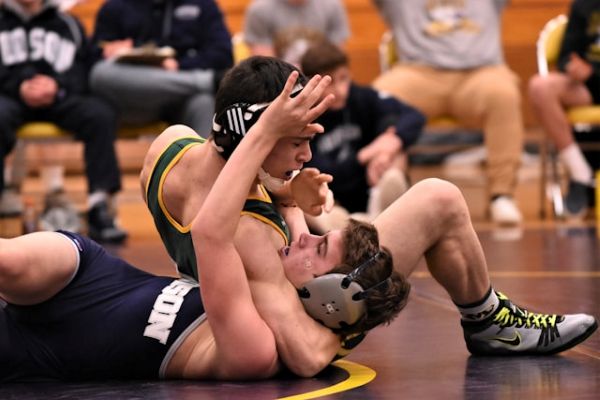
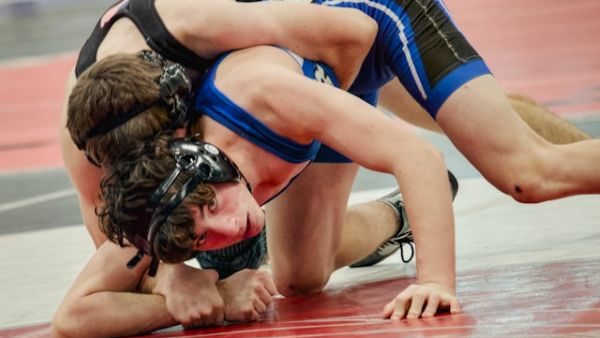
college wrestlers in the real american freestyle pipeline

Real American Freestyle Changes Everything

Historically, American wrestlers have had only a few avenues after college: the Olympic ladder, international competition, join underfunded RTCs, or retirement. Unlike basketball or football, wrestling has never had a true professional league with real salaries, national media exposure, and sponsorship potential.

Real American Freestyle (RAF) ends that era.

Launched in 2025, RAF delivers legitimate unscripted freestyle competition packaged with modern entertainment production. The league feels like a blend of UFC intensity and March Madness drama, built exclusively for wrestling.

RAF 01 Delivered Instant Star Power

The debut event, RAF 01, took place August 30, 2025, at the Wolstein Center in Cleveland in front of 4,500 fans. The card featured dream matchups never before seen on the same mat.

Standout bouts included Yianni Diakomihalis versus Bajrang Punia (India), Bo Nickal versus Jacob Cardenas, Real Woods versus Darrion Caldwell, and the women’s feature Sarah Hildebrandt versus Zeltzin Hernández.

These contests paired current NCAA stars against international Olympians and veterans from different eras, weight classes, or countries. The result was instant buzz and must-watch moments.

For many college athletes, RAF signifies a reason to keep competing after graduation: real money, real exposure, and a real career.

RAF’s Media-First Revolution

The biggest difference between RAF and every wrestling event that came before it is simple. RAF does not just host matches. Leveraging a media-first strategy, it builds stars. 

Every card delivers cinematic production values, dramatic walkouts, and concert-style lighting. Commentary mixes wrestling legends with top MMA voices, and full events stream on FOX Nation. Short-form clips explode across TikTok and Instagram Reels, often hitting millions of views overnight.

Athletes get profile pieces, behind-the-scenes series, and season-long storylines that turn competitors into personalities. College wrestlers’ personal brands now reach mainstream audiences, giving them the chance to attract sponsors who never looked at wrestling before.

NIL Opportunities and the Betting Conversation

RAF’s emergence also intersects with two fast-evolving areas of college sports: NIL partnerships and sports betting regulation.

Because RAF events are structured as media and entertainment productions rather than traditional amateur tournaments, active NCAA wrestlers can compete without risking eligibility. They earn from appearances, branded content, and sponsorship integrations while still wearing their college singlets.

Top athletes like Women’s College Wrestler of the Year, Kennedy Blades, are already cashing in. The Olympic silver medalist won the women’s title at RAF 03 with an 11-0 second-period technical fall over Alejandra Rivera of Mexico. She then returned to the University of Iowa campus with her eligibility intact. 

Dozens of early RAF competitors have since landed fitness, nutrition, and apparel deals while rapidly growing their social followings.

Where Betting Fits In

RAF just locked in a multi-year exclusive deal with ALT Sports Data that brings sports betting to Olympic-style wrestling for the first time. Analysts project this partnership could indirectly boost RAF’s valuation by 20–50% in future funding rounds, drawing from proven models in emerging sports leagues.

Today’s combat-sports audience demands more than just the match. They want live odds, prop bets, and real-time stats on their phones while the action unfolds. RAF delivers all of it with ALT Sports Data as its exclusive sports betting data provider. 

The payoff for athletes is immediate and massive. Betting lines create mainstream headlines, spark water-cooler debates, and pull in casual fans who suddenly care about every takedown. A single RAF appearance can turn a college standout into a nationally recognized name overnight, and that name carries serious sponsorship value.

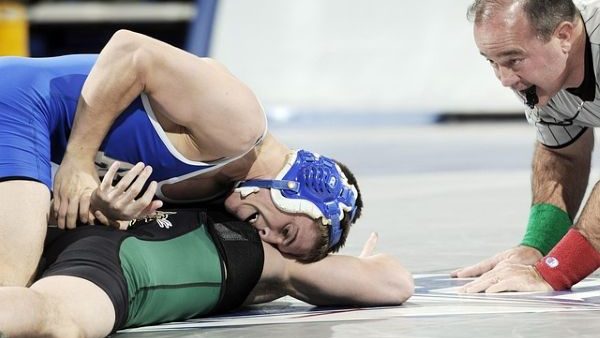
college wrestlers and referee

Why RAF Matters for the Future of Wrestling

Real American Freestyle is much more than a new event series. It is a new ecosystem built on the same commercial blueprint that turned CrossFit and MMA into global businesses.

The league already delivers what college wrestling has lacked for generations: real prize money, national broadcasts, betting integration, social-media reach, and direct sponsorship pipelines. Athletes who once faced retirement at 22 now have a clear, lucrative path forward.

For thousands of current and recent NCAA wrestlers, RAF is the difference between walking away and turning their sport into a career.

Sports Betting Legalization: What Its Big Impact Means for Sports

It’s time to get in the game! As more states legalize sports betting across the country, the sports industry has felt its impact in both positive and negative ways. Mobile sports betting is now legal in 28 states, which is up from 18 in January 2022, and has led to a surge of fans betting on sports. Last year, nearly half of American adults placed at least one sports wager, a third of which placed at least one wager per week. These record-setting numbers will only continue to rise as more states legalize sports betting. While this is great news for fan viewership and engagement, it also brings some negative concerns over the integrity of the game and its impact on athletes.

sports betting legalization

Increase in Viewership/Engagement

Beginning with the positives, sports betting’s growing popularity means an additional layer of engagement for both sports teams and leagues. Leagues like the NFL are now leaning into the industry by placing the betting lines on TV for viewers to follow in real time. Networks will even showcase sports betting analysts before the game to educate audiences on the best bets to place. This new approach relies on the idea that when people place a bet, they have a financial stake in the game and are more likely to closely follow it.

The results speak for themselves: NFL viewership has increased every year since the legalization of sports betting. In 2022, the NFL pulled in an average of 17.9M viewers on regular season games, which is a 20% increase from 2017. With more states beginning to legalize sports betting, these numbers will continue to rise. Major League Baseball is another league reaping the benefits. According to Casey Brett, MLB’s Vice President of Gaming and New Business Ventures, “sports bettors, compared to the average fan, are 40% more likely to stream, 36% more likely to buy a ticket, and 30% more likely to read an article on MLB.com.” For MLB, the positive trend in sports betting translates into increased revenue in the form of ticket sales, subscriptions, and advertising.

Increased Fan Experience

The sports betting surge is also enhancing the fan experience. To meet demand, stadiums have begun incorporating sportsbooks that are connected to the venue for fans to place bets before, during, or after the game. This concept is new in the sports world and is starting to grow. Before sports betting was legalized, fans would go to a game, buy a beer, and watch from their seat. Now fans are able to visit kiosks in the stadium to place bets mid-game, or they can go sit in the sportsbook and watch their bets with other fans.

Millennial fans have long awaited this enhancement, considering back in 2020 over half of this demographic believed on-site sportsbooks would improve the fan experience. The numbers from the Caesars Sportsbook at Capital One Arena support this concept, as the amount of money waged by bettors climbed to $5.7M in August 2022. Because this development is consistently receiving positive feedback from fans, we’re likely to see more in-stadium sportsbooks pop up in the future.

sports betting legalization

Integrity of the Game

While sports betting legalization positively impacts the industry, it does come with some drawbacks—such as its impact on the integrity of the game. We’ve seen this come to light recently when a number of NFL players were suspended for their involvement in sports gambling. In this 2023 season, ten players were suspended for sports gambling, seven of which suspended indefinitely because they bet on the NFL. These are the dangers that come with the legalization of sports betting. Leagues are now on the lookout for this as they have had to implement stricter measures to prevent players and personnel from trying to fix games and participate in other forms of corruption.

To combat this issue, the NFL is reexamining how they educate players and personnel on their gambling policy. A new directive the NFL established this year increases the education provided to young players entering the league. NFL rookies are now obligated to watch additional training videos from the league compliance, beginning with a message about the “integrity of the game.” Putting this in place should provide more information and clarification for the players about the dangers of betting on sports and the consequences involved.

Impact on Athletes

With more people participating in sports gambling and player-specific betting, athletes are now facing more unnecessary scrutiny and hate than ever before. Players have started to speak out about their experiences, some even sharing the hateful messages they’ve received from fans. This happened in the NBA last season when former Washington Wizard and now Phoenix Suns guard Bradley Beal was confronted by a disgruntled fan who had just lost a bet. Beal responded by saying that he was just doing his job and that he takes what he does very seriously. Beal then turned and swatted towards the man, knocking off his hat. There was a police investigation, but no charges were filed.

With the increase of people gambling and placing player-specific bets, more of these situations are likely to occur. So far, there have been no regulations or consequences enacted by the NBA or any other leagues when it comes to fans verbally attacking players for their losing bets, but it’s something leagues may consider moving forward.

sports betting legalization

While there’s still a need for greater clarity on how to shape regulations, one thing’s for sure: sports betting is experiencing rapid growth. By 2030, the industry is projected to be worth $182B. As it expands, its effect on the sports industry will continue to grow alongside it. Its popularity is undeniable; sports betting adds a new dimension to how people engage with the game by maximizing fan experience and deepening fan involvement. On the flip side, it also challenges the game’s integrity and can create a toxic dynamic between fans and players. More leagues may tighten regulations in the future to combat these issues, but only time will tell how this new development changes the landscape of the sports industry.

Sources:

  1. https://www.forbes.com/sites/willyakowicz/2023/06/15/where-is-sports-betting-legal-america-2022/?sh=989903842444
  2. https://www.driveresearch.com/market-research-company-blog/sports-betting-statistics/#:~:text=Just%20under%20half%20of%20all,the%20United%20States%20(53%25)
  3. https://www.forbes.com/sites/jacobgrubman/2022/02/11/nfl-ratings-rise-with-expansion-of-legal-sports-betting/?sh=21158f335bc5
  4. https://www.espn.com/nfl/story/_/id/38245548/why-some-players-want-change-nfl-gambling-policy-2023
  5. https://www.sportsbusinessjournal.com/Daily/Issues/2022/11/10/Technology/dealmakers-mlb-sportradar-sports-betting-fanbase-revenue.aspx#:~:text=According%20to%20Brett%2C%20the%20onset,.com%2C%22%20Brett%20said.
  6. https://www.espn.com/nba/story/_/id/35979445/bradley-beal-police-investigation-spat-fan
  7. https://nvgt.com/blog/on-site-sportsbooks-improve-fan-experience-attendance/

AI in Sports: Transforming Betting, Analytics & Performance

Earlier this month, LSU gymnast Olivia Dunne faced scrutiny after promoting Caktus.AI to her 7M TikTok followers. LSU officials stated firmly how student use of the essay-writing AI platform is akin to plagiarism. They urged that from an academic standpoint, Dunne’s partnership sends the wrong message. Ethical dilemma aside, AI platforms are taking the world by a storm. Dunne is just one of many capitalizing on the future of tech. AI’s emergence stands to reform the way we work, communicate, and consume media. While its place in academia poses concerns, its presence in sports is far more embraced. From sports betting to sports marketing, let’s explore how AI enhances the sports industry: 

Sports Betting

AI’s pop culture surge parallels the timeline of sportsbetting’s widespread legalization. Now more than ever, sportsbooks can apply AI elements of personalization and accuracy to elevate the betting experience. Companies like FanDuel and DraftKings benefit from AI algorithms’ insight into betting behavior and automated processes, keeping their losses down and profits up. AI’s machine learning technology can instantly break down large sets of data and find patterns. The end result is like looking into a crystal ball: companies receive extremely accurate predictions, gain more insight into the behavior of high-volume betters, and can adjust their odds accordingly. 

It’s not just the sportsbooks who are winning: sportsbetters are also taking advantage of AI’s capabilities. Some have used the AI platform, ChatGPT, as the foundation for generating more advanced data analysis programs. While ChapGPT cannot automate informed bets, it can help coders build the systems to do so. One ChatGPT user, Siraj Raval, enlisted it to create WagerGPT. Raval’s program uses neural networking to place informed, winning bets. Raval plugs in information like sports sentiments on Twitter, team performance variables, and current betting odds. Data then acts as building blocks for pattern creation, links, and deductions. His first two bets on the platform won him over $7K. Even so, Raval stresses that WagerGPT is an experiment, and similar to other AI platforms, there is no way to ensure accurate bets. He urges other users to only bet amounts they’re comfortable with losing. 

Sports Performance

Athletes are also taking advantage of AI. For decades, reviewing game footage has been a vital part of athletes’ training regimens. Athletes like Tom Brady and Kobe Bryant watched their game tapes religiously, looking for minor tweaks and improvements to act upon in the future. Until recently, not many technological developments were made to streamline this process. With the emergence of AI, new advancements help athletes better utilize this tried-and-true training method. 

Burgeoning companies like Sparta Science and Seattle Sports Science apply AI machine-learning to game footage in order to prevent injuries and analyze form. Apps like HomeCourt use similar technology to help basketball players optimize their shooting. And instead of scrolling through hours of game footage, teams can now add AI Box analytics to game cameras. The technology saves time by instantly finding and personalizing relevant footage.

MLB baseball players like Matt Carpenter use AI at Baton Rouge’s Baseball Performance Lab to enhance their swing. Wearing special sensors, Carpenter tests multiple bats as the sensors collect performance data. AI technology analyzes the data and finds the perfect bat to optimize his results on the field. Carpenter says his work with the Baseball Performance Lab played a huge role in his Yankees revival. Since then, other intrigued players have made the trek down to Baton Rouge in hopes of achieving similar results. 

AI Sports Betting

Sports Stadiums

Sports stadiums now enlist AI to bolster security and optimize the fan experience. While some find these measures dystopian, others see it as a necessary step into the future. Home of the NY Knicks, Madison Square Garden, began using AI facial recognition tech as early as 2018. Other venue operators aim to follow suit: according to a 2021 industry report, facial recognition is the newest security measure operators wish to invest in most. 

Since then, technology continues to evolve. In this year’s Super Bowl, Phoenix police surrounded the sportscape with cameras possessing an AI object-detection system. Rather than recognizing faces, the cameras detected loitering and generated fully-visible portraits in long-distance, pitch black conditions. Indianapolis Motor Speedway uses a similar surveillance technology equipped with predictive analytics to prevent overcrowding and ensure fan comfort. 

Last year, the Dutch government partnered with the Eredivisie soccer league to enhance social safety in stadiums. The pilot program entitled, “Our Football Belongs to Everyone” is a response to past discriminatory behavior and racist chanting inside the stadium. Before the initiative, Excelsior’s Ahmad Mendes Moreira took so much racist abuse from fans that officials had to temporarily stop the game. Moreira left the pitch for thirty minutes, marking the first time a match has ever been halted due to racism. Using AI-powered smart sound cameras, operators can now measure fan involvement in the stands and address discriminatory behavior in real time. 

AI Sports Betting

Sports Media 

Sports media utilizes AI for content-generation and personalization. Recently, major sports media publications have turned to AI for augmented article writing. Sports Illustrated, for example, enlists AI to match the demand for media consumption and better align with consumer engagement. Amidst pushback, Sports Illustrated urged that AI will never replace journalism. It’s true: problems with AI-written articles include factual inaccuracies and lack of creativity and human voice. Instead of publishing the generated article verbatim, Sports Illustrated uses AI for ground-floor article development, then revises and fact-checks from there. 

Sports Marketing

In sports marketing, AI tools optimize social media advertising. Ever wondered why you see ads for Dick’s Sporting Goods on Instagram and Facebook right after googling “Nike sneakers?” You can thank AI for that. Using Meta’s AI advertising algorithm, sports marketers can produce highly targeted ads. The algorithm combines factors like business objectives and user behavior to expose the ad to the most actionable audience. Building on this technology, Meta released yet another AI advertising feature. Sports marketers can now use Advantage+ to generate up to 150 advertisements for them. Marketers no longer have to start from scratch when it comes to manual ad creation. 

As AI becomes the new normal in the sports industry and beyond, some fear for its ethics and long-term impact on the job market. With 37% of businesses utilizing AI as of 2022, these fears are not so irrational. AI’s newfound dominance poses issues of privacy, plagiarism, and threats to the workforce.  In response to these concerns, we must remember that technology should enhance our lives rather than complicate it. As AI technology develops, a system of checks and balances should develop alongside it. We’ve seen firsthand how AI can elevate the fan experience, provide safety to both spectators and athletes, and enhance sports media and marketing. Its value is undeniable, but its limitations and threats are ever-present. While AI is a whiz at evaluating data, it has yet to replace human creativity, consciousness, and ingenuity. As long as we maintain that  balance, AI is capable of improving our lives for the better. 

Sources:

  1. https://fortune.com/2022/12/22/artificial-intelligence-is-the-new-competitive-edge-in-sports/
  2. https://www.analyticsinsight.net/the-impact-of-artificial-intelligence-on-sports-betting/#:~:text=Artificial%20Intelligence%20in%20Sports%20Betting&text=Through%20its%20powerful%20algorithms%2C%20AI,more%20precision%20than%20experienced%20professionals
  3. https://www.thedrum.com/news/2023/02/24/betting-company-used-ai-generate-dream-football-commentary-sleeping-fans
  4. https://www.sportsbusinessjournal.com/Native/Stats-Perform/2021/10/04/ai-sports-betting-next-frontier
  5. https://www.gamingtoday.com/news/ai-sports-betting-chatgpt/
  6. https://www.theatlantic.com/technology/archive/2023/02/sports-stadiums-security-facial-recognition-surveillance-technology/673215/
  7. https://www.cio.com/article/463586/sports-venues-advance-goals-enhance-fan-experience-with-data-analytics.html
  8. https://www.facebook.com/business/help/297506218282224#:~:text=Advantage%2B%20creative%20automatically%20transforms%20your,Image%20brightness%20and%20contrast
  9. https://www.wsj.com/articles/sports-illustrated-publisher-taps-ai-to-generate-articles-story-ideas-11675428443
  10. https://www.ft.com/content/fc95a0f7-5e4e-4616-9b17-7b72daee6c60
  11. https://www.upgrad.com/blog/top-challenges-in-artificial-intelligence/#:~:text=One%20of%20the%20biggest%20artificial,to%20utilize%20those%20resources%20effectively
  12. https://www.sportspromedia.com/news/dutch-fa-knvb-ai-video-tech/
  13. https://www.sportspromedia.com/news/technology-uk-fans-mastercard-sport-economy-index-2023/

Sportsbooks Spending Billions Yearly On Marketing

If you’ve watched a sports game recently, you’ve probably watched a sportsbook advertisement, too. What started with sportsbooks running commercials during games has evolved into massive partnerships with leagues, teams, and even players. The sports betting industry is changing the sports landscape by bringing fans new ways to watch the game. As these companies continue to challenge traditional marketing, more and more athletes want in on the action. From NFL superstar Rob Gronkowski to sports media personality Pat McAfee, let’s take a closer look at some of the sportsbooks’ most innovative partnerships.

sportsbook marketing

Super Bowl Promotion

One player that everyone will be rooting for in this weekend’s Super Bowl is Rob Gronkowski. While Gronk isn’t playing in the actual game this year, he’s still giving fans something to cheer for. FanDuel sportsbook and Gronk have teamed up for a one-of-a-kind, live Super Bowl advertisement. During a third quarter commercial break, Gronk will attempt a 25-yard field goal to win fans around the country a share of $10 million. Any mobile FanDuel user who bets $5 or more on the Super Bowl will be eligible to split the $10 million pot in free bets. Gronk inked his exclusive partnership with Fanduel back in December, and now they are poised to create one of the most anticipated Super Bowl ads of all time. 

Partnering with Active Athletes

Last March, BetMGM joined forces with Connor McDavid, becoming the first sportsbook to partner with an active athlete in a major North American sports league. Other active athletes soon followed, with MLB player Charlie Blackmon and NFL player Davante Adams also becoming sportsbook brand ambassadors. While some fans find the new deals exciting, others question if they are detrimental to the integrity of the game. 

If a player is partnered with a sportsbook, their league contract prohibits them from betting on games, but several leagues have had to take disciplinary action against their own players for violating those contract terms. For example, in 1989, the MLB banned the all-time hits leader Pete Rose from the league and declared him ineligible for the Hall of Fame after he was found guilty of betting on games he played and managed in. In 2022, NFL wide receiver Calvin Ridley was suspended for the entire season after placing bets on NFL games he was not participating in. Pro sports leagues take pride in maintaining the integrity of their game, so any contract violations come with harsh punishment. With zero-tolerance policies in place, fans can rest assured that many of the benefits of sportsbooks, including viewership increases and revenue generation, outweigh the cons.

sportsbook marketing

Pat McAfee Partnership

Former NFL punter, Pat McAfee, is currently one of the most popular media personalities in the world. After retiring from the NFL in 2017, McAfee joined sports media company Barstool Sports to help them expand their reach into the midwest. He has since moved on from the company and held roles within the WWE, ESPN, Fox, and his own brand, Pat McAfee Inc. The Pat McAfee Show broadcasts daily via Youtube live stream and Sirius XM radio, with each episode averaging 300K views. In April of 2022, McAfee and Fanduel Sportsbook struck a 4-year partnership deal totaling $120 million. A deal of this magnitude is unprecedented considering McAfee collected only $15 million during his 8-year NFL career and does not broadcast his show on a major television network. After the deal, the show moved to its new “Fanduel Igloo” headquarters and began incorporating Fanduel advertising into its broadcasts. McAfee even promotes his own Fanduel bets as part of the sports betting company’s push to influence fans.  

Sportsbooks continue to go all-in spending millions of dollars on high-profile brand ambassadors, and this trend will continue as the industry further expands. According to Forbes, an estimated $1.8 billion was spent on sportsbook advertising in 2022. This number is projected to reach close to $3 billion by 2024, as there are hopes California will open its doors to mobile sports betting in the upcoming year. With the integration of sportsbook advertisements into nearly every broadcast and arena around the world, sports betting has changed the way sports are consumed.  This trend will only continue as more states legalize and the sportsbooks continue to rake in the cash.

Sources:

  1. https://www.fanduel.com/theduel/posts/rob-gronkowski-fanduel-commercial-gronk-field-goal-live-super-bowl-01gpnzg5mpmt
  2. https://www.prnewswire.com/news-releases/rob-gronkowski-to-attempt-live-field-goal-during-super-bowl-with-10-million-in-fanduel-free-bets-on-the-line-301716049.html
  3. https://www.actionnetwork.com/nhl/connor-mcdavid-betmgm-brand-ambassador-first-active-player-partnership
  4. https://frontofficesports.com/charlie-blackmon-is-1st-active-mlb-player-with-sportsbook-partnership/#:~:text=Blackmon%20has%20signed%20an%20endorsement%20deal%20with%20Colorado%2Dbased%20MaximBet
  5. https://www.spotrac.com/nfl/indianapolis-colts/pat-mcafee-5714/cash-earnings/
  6. https://abcnews.go.com/Primetime/story?id=132415&page=
  7. https://www.nfl.com/news/falcons-wr-calvin-ridley-suspended-indefinitely-through-2022-season-for-betting-

Premier League Cracking Down on Gambling Sponsors

By Samson Wolpov\

Although sports have reportedly been around for 3,000+ years, historians say sports betting has only been around since the mid-20th century. Recently, sports betting has seen a crackdown on regulations in some parts of the world because some countries or citizens perceive it as organized crime. In other parts of the world, it is seen as a revenue stream opportunity that, in return, provides services for citizens. In general, sports betting has become very commonplace with the ability to place bets from the comfort of your home instead of needing to go to an in-person sportsbook. To date, there are more than 45 legal online gambling platforms and almost twice that amount of illegal platforms. Despite this boom of online sportsbooks and an increase in their popularity, not all sports leagues are welcoming them with open arms. 

At the beginning of the 2019-2020 season, gambling companies began infiltrating the Premier League clubs with lucrative amounts of money to be the title sponsor for ten clubs. These clubs earned a record ÂŁ349.1 million in sponsorship deals during the season, a rise of more than 10% from the previous season. The prevalence of these companies has increased in the second division where 17 out of 24 club jerseys showcase a betting logo. This means that 27 out of the 44 top clubs in England – more than half of the clubs – have betting companies as main sponsors. None of the top six teams currently have gambling sponsors – their current sponsorship deals have generated enough revenue to keep them comfortable without pursuing this slightly more controversial path.  However, the remaining 14 clubs need to find deals that will bring them the most possible money so that they can compete with the top clubs. That is exactly what West Ham United did when it struck a deal with Malta-based Betway for ÂŁ10 million pounds. The most recent partnerships created this year were Everton’s deal with Stake.com and newly promoted Bourmoueth’s collaboration with Dafabet. Deals like these are providing clubs with the funds they need to sign talented players from around the world, elevating their status in the league. 

Since soccer is the most popular sport in the world, it comes as no surprise that the most popular sport is also the most bet on. According to Sportradar’s betting and sports data analysis, about 70% of the world’s betting (both legal and illegal) comes from gambling on soccer. Although the World Cup witnesses the biggest betting volume, the Premier League is not foreign to gambling as sportsbook sponsors are among the ruling sponsors in the league. With the Premier League season only one month away, the U.K. government recently announced that it is looking to halt all online gambling business within the country. This news has serious implications for the Premier League as half of the teams in the top division are currently sponsored by gambling companies. The second-tier English Football League, whose title sponsor is a sports betting corporation – Sky Bet, announced that if the bans were to be imposed, the clubs within the league would lose north of ÂŁ47 million per year. 

Much of the pushback the league is setting stems from the U.K. government’s efforts to crack down on the promotion of gambling among the youth. In 2005, the Gambling Act in the U.K. was passed which dictates the protocols for all casinos, poker, sports betting, and lottery betting. Since then, it is estimated that there are around 24 million people betting on various games. In 2020, the Department for digital, culture, media, and Sport (DCMS) launched a review of the gambling laws amid the concern over youth exposure through various advertisements and football sponsorship. The reported changes that are under consideration are a betting limit on online and mobile casinos of £2.40 to £6 per wager, a ban on games that allow users to lose lots of money very quickly such as slots, and a ban on free bets.

Back in the states, there is the potential for the opposite to happen. Now that 19 states have legalized sportsbooks and gambling, these companies are starting to infiltrate professional and collegiate teams by adding in-person sportsbooks into stadiums and nearby buildings. Citi Field (New York Mets), Wrigley Field (Chicago Cubs), and Tiger Stadium (Louisiana State University) are among the many teams that have added gambling companies as sponsors. Professional sports leagues in the US are almost starting to welcome gambling company sponsorships as the NFL has partnerships with a dozen of sportsbooks and fills broadcasts with popular commercials from Draftkings, Fanduel, and Caesars. 

Back across the pond, a decision on this voluntary ban will be decided by July 21. For the ban to be in place, 14 out of the 20 teams will have to come to an agreement. The sponsors won’t be banned right away but rather over a three-year phase. The Premier League had suggested a compromise to the DCMS in which instead of an outright ban on betting partnerships, which would see company logos completely removed from the front of team jerseys, the logos would remain on the sleeves where it is not as visible to the viewers. It is reported that the DCMS minister is considering the proposal but nothing is set in stone yet. 

While Premier League Clubs may be hurting from this revenue change, the ultimate goal is to change society for the better. Being exposed to gambling at such a young age in the U.K. can be very detrimental in the long run. Commercials don’t often lean into responsible betting messaging, and viewers don’t often see the negative impact that gambling can have on someone.  An interesting alternative approach to this subject matter that we’ve seen is with Sportradar, a sport technology company, who is using a lead-by-example approach to sports gambling. They’re launching a program that supports athletes in responsible gambling – with the core focus being education and prevention of gambling addictions. The program consists of on-demand virtual visits, pre-recorded webinars, and in-person workshops. With athletes being such strong role models to the youth, Sportradar is hoping that this program will trickle down and set a positive tone for sports gambling. 

With all this being said, it is important to recognize when regulations are a crticial necessity, regardless of the positive benefit of extra funds. Irrespective of how this vote turns out, it will behoove leagues and teams to consider all angles when entertaining future partners, ensuring that they are handling sponsorships, and the inherent message that comes with them, responsibly.

Sources:

  1. https://frontofficesports.com
  2. https://www.theguardian.com/football/2019/jul/19/half-of-premier-league-clubs-to-have-gambling-sponsors-for-201920
  3. https://www.theguardian.com/football/2019/jul/19/half-of-premier-league-clubs-to-have-gambling-sponsors-for-201920
  4. https://sbcnews.co.uk/marketing/2022/07/05/clubs-to-vote-on-betting-sponsor-phase-out-after-premier-league-request/
  5. https://sportsecyclopedia.com/tank/tank/bettinghistory.html     
  6. https://sportsecyclopedia.com/tank/what-sports-do-people-bet-on-the-most/
  7. https://insidersport.com/2022/07/14/athletes-educated-on-responsible-gambling-via-sportradar-initiative/   

Become a Sponsor.

Join us in making a difference. Tell us a bit about yourself and we’ll be in touch with sponsorship details.

By submitting this form, you agree to be contacted by the Athelo Group team regarding sponsorship opportunities.