How has fantasy sports changed the way fans watch games?

There was a time when sports fandom was a monogamous relationship. You picked your favorite team, watched their game, and hoped they would win. A fan’s emotional investment lived, and ultimately died, with one outcome. Today, that experience has completely evolved.

Fantasy sports have transformed fans from passive viewers into active participants. The games we watch are no longer just about the final score. It’s a high-stakes management exercise.

We aren’t just fans anymore. We’re unofficial general managers, and it’s changed the very DNA of how we consume sports.

Quick Highlights

  • Over 60 million people in North America participate in fantasy sports, turning fans into active decision-makers.
  • Fans now follow individual player performance just as closely as team outcomes.
  • In 2025, approximately 29–30 million people played fantasy football in the United States, making it the most popular fantasy sport.
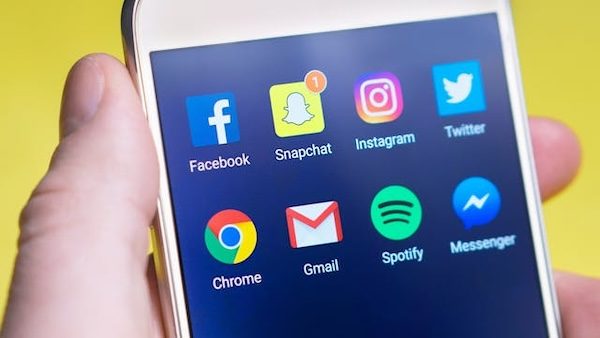
  • The second-screen experience (fantasy apps, social media and live stats) is now an essential part of sports consumption.
fantasy sports

From Team Loyalty to Player Obsession

In the early 1960s Bill Winkenbach, a part-owner of the Oakland Raiders, created the first fantasy football league with a small group of friends. The concept of fantasy sports expanded in the 1980s and 1990s with the rise of rotisserie baseball and later exploded in popularity with the growth of the internet.

For decades, sports fandom was defined by loyalty. Usually, fans from a young age supported their team, watched their games, and largely ignored everything else. 

Fantasy sports disrupted that model completely.

Now, fans track individual athletes across the league. Single games are no longer the focus. Fans follow multiple games at once, invested in players on their roster regardless of team affiliation.

A touchdown from a rival team no longer feels like a loss if it benefits your fantasy lineup. This creates a shift in emotional investment, as fans are no longer tied to one outcome. Fantasy sports have expanded the scope of fandom, turning every game into something relevant.

Goodbye Irrelevant Games

Fantasy sports have eliminated the idea of “irrelevant games.” In a traditional model, fans only watch games that directly impact their favorite team or playoff picture. Fantasy changed this, meaning, a late-season matchup between two non-contending teams could still determine a fantasy playoff outcome.

This has increased overall viewership and engagement across leagues. 

A study done by Penn State showed that over 80% of fantasy sports players report watching more games because of their fantasy teams. Fans are more likely to watch random games, track stats in real time, and stay engaged throughout the entire season – especially if their fantasy team is successful.

The result is simple: fantasy sports have turned casual viewers into consistent consumers.

The Rise of the Second-Screen Fan

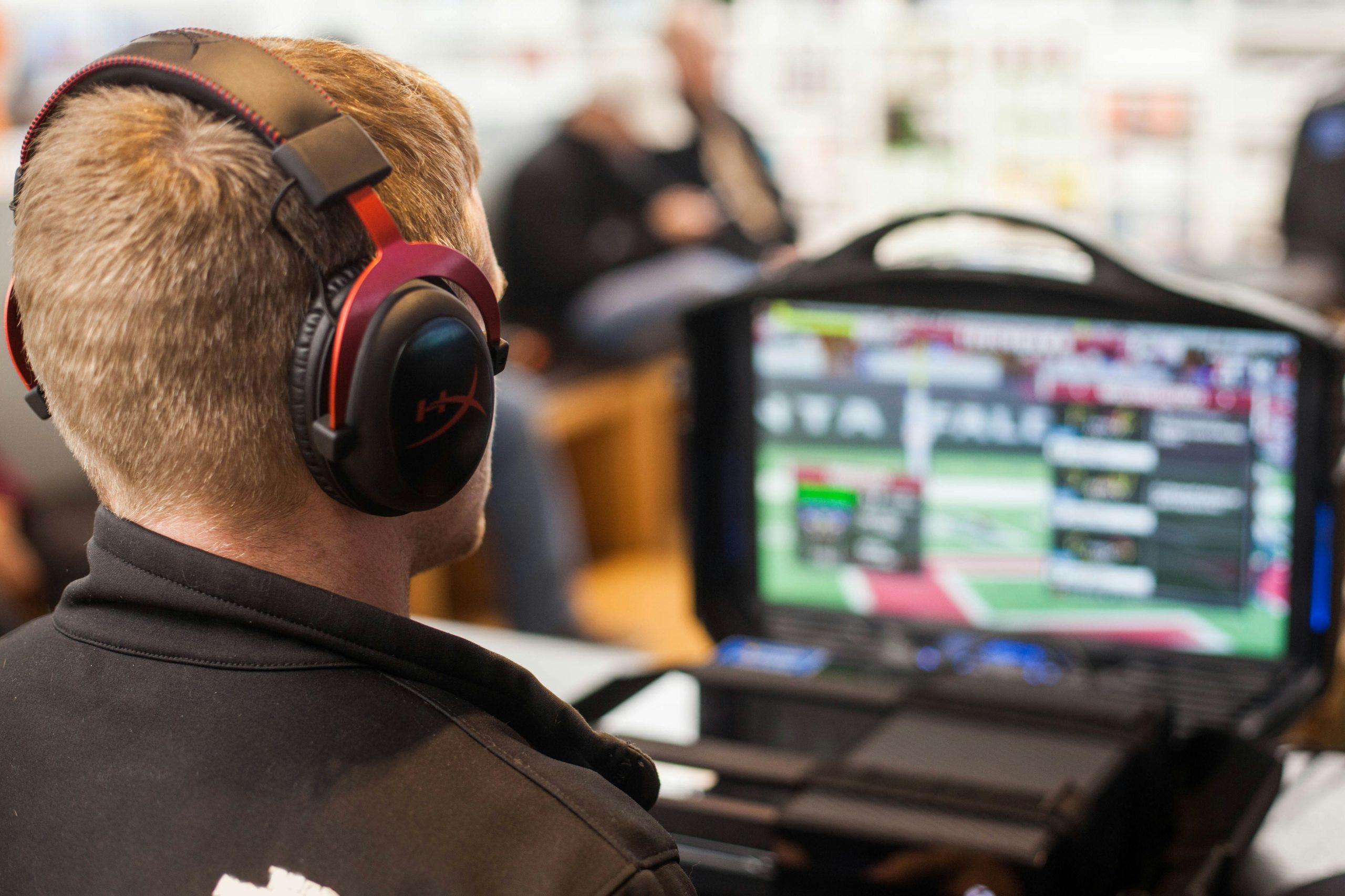
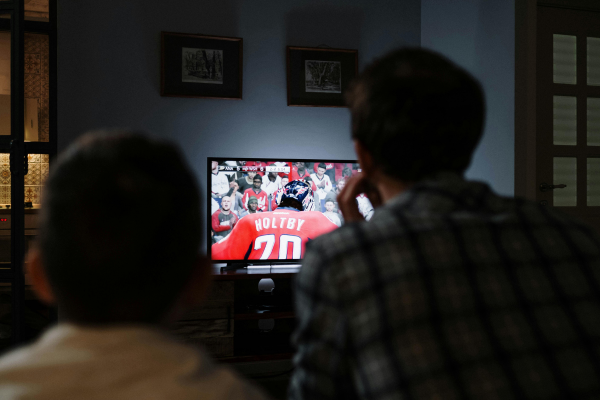
In past generations, sports were consumed via radio or TV. Watching sports is no longer a one-screen experience though, as fantasy sports have normalized multi-tasking during games.

Fans are simultaneously:

  • Watching live broadcasts
  • Checking fantasy apps for real-time scoring
  • Monitoring player stats and injury updates
  • Engaging in group chats or social media
  • Managing bets placed on sports gambling sites

This second-screen behavior has become essential to the modern sports experience. 

While the game is still the main focus, it is only one part of the interaction. The data, the competition and the social engagement all happen alongside it. 

On platforms like X and Reddit, fantasy players share their lineup decisions, “start/sit” questions and react live to player performances, especially during NFL Sundays. There are also entire shows, podcasts and TikTok accounts built around fantasy advice, where fans engage through comments, polls and weekly rankings debates.

While some people argue this model is distracting fans from sports, others argue it is only enhancing the experience. 

Studies show that 87% of users research stats and players more, showing deeper engagement with the sport. The other side of this coin shows how fantasy sports shift focus toward individual player stats over team outcomes, changing how fans experience games, and ultimately distracting viewers from the game itself.

Turning Fans Into Decision-Makers

One of the most significant shifts fantasy sports created is control. 

Fans are no longer just watching sports for the outcome, but they are making decisions that impact their own results. Drafting players, setting lineups, making trades, and analyzing matchups all create a sense of ownership.

This shift in control has transformed the fan mindset. They research trends, evaluate performance, and think strategically. Fantasy sports has blurred the line between fan and analyst. This gives fans a window into a world they did have access to previously. 
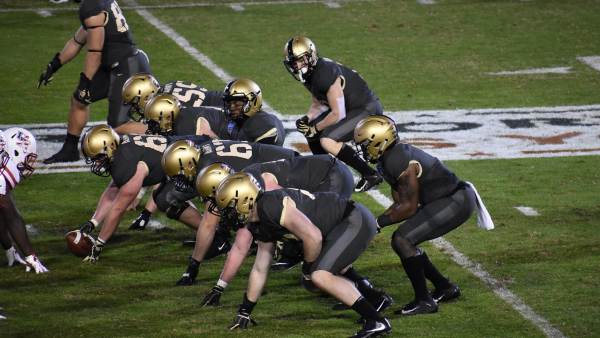
fantasy sports

Fans Are Adapting To Data-Driven Sports Consumption

While fantasy sports have shifted a lot of aspects of sports consumption, the biggest change is the integration of advanced analytics

Stats that were once used only for analysts are now part of everyday conversation. Fans regularly discuss metrics like target share, efficiency ratings and usage rates.

This shift has elevated the overall sports IQ of the average fan. Watching the game is now about what happens and why it happens. Fantasy sports have created a generation of fans who understand the game on a deeper level.

The Social Layer of Sports

The biggest upside in the growing world of fantasy sports is the social aspect. Leagues are built around friends, coworkers, and online communities. Weekly matchups, standings and rivalries create an entirely new layer of competition beyond the actual sport.

Fantasy sports add a strong social layer through traditions like “draft day” events, where leagues gather in person or virtually to select teams, often turning it into a full-day party or competition. Many leagues also incorporate creative punishments for last-place finishers, including tasks like public dares or embarrassing challenges. 

These are meant to build camaraderie and keep participants engaged beyond just watching games. These elements transform fantasy sports from a solo activity into an ongoing, shared social experience.

Even when a fan’s favorite team struggles, fantasy sports are keeping them engaged. The season won’t always end when your team is out of contention. Trash talk, group chats and shared experiences are making sports more interactive and more personal.
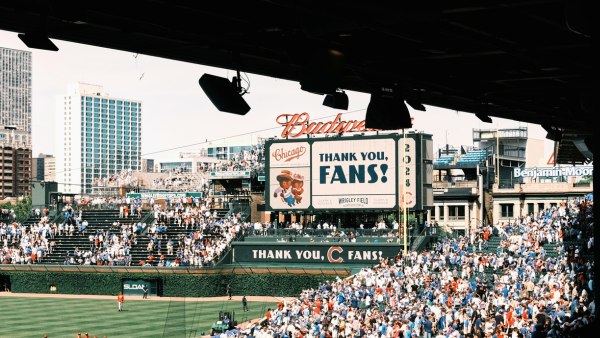
fantasy sports fans

The Final Verdict: Has Fantasy Sports Changed the Way We Watch?

Fantasy sports haven’t just influenced how fans watch games, they’ve redefined the entire experience

Fans are no longer a passive audience because they are engaged, informed, and personally invested in outcomes across the leagues and games. In a world where every play matters, every stat counts and every game has meaning, the way we consume sports has shifted.

The way we watch sports today is more interactive, more analytical, and more connected than ever before. Fantasy sports have not replaced traditional fandom, they expanded it. And as technology continues to evolve, the gap between watching the game and being part of it will only continue to shrink.

FAQ:

  1. How have fantasy sports changed fan behavior? Fantasy sports have shifted fans from team-focused viewing to player-focused engagement, increasing overall interest in multiple games at once.
  2. Do fantasy sports increase viewership? Yes. Fans who participate in fantasy leagues tend to watch more games and spend more time following sports overall.
  3. Are fantasy sports considered part of sports betting? Traditional fantasy sports are typically skill-based, but daily fantasy and betting-related formats have created overlap in recent years.
  4. Do fantasy sports make fans more knowledgeable? Yes. Fantasy players regularly analyze stats, trends, and performance data, leading to a deeper understanding of the game.
  5. Why are fantasy sports so popular? They combine competition, strategy, and social interaction, making sports more engaging and personalized.
  6. Do fantasy sports change team loyalty? They don’t eliminate loyalty, but they expand it. Fans still support their teams while also following individual players across the league.
  7. How do fantasy sports impact sports businesses? They increase engagement, boost viewership, and create new opportunities for digital platforms, sponsors, and media companies.
  8. Will fantasy sports continue to grow? Yes. With advancements in technology, data analytics, and interactive platforms, fantasy sports will continue to shape the future of fan engagement.

America’s Favorite Sport: The Rise and Reign of Football

41% of adults consider football to be their favorite sport to watch. This statistic reflects how the game has grown into more than just a pastime. Football has become a weekly routine and a national obsession woven into everyday American life.

American Football has remained the country’s most popular sport for more than 50 years.  It has evolved beyond the action on the field to keep fans engaged year-round, even long after the season ends.

Fantasy football, sports betting, and nonstop social media coverage ensure constant interaction. The Super Bowl’s blend of competition and entertainment transforms the sport into a national phenomenon that dominates conversation and culture across the country.

Quick Highlights

  • The 2025 NFL season is projected to generate $30 billion in sports betting wagers.
  • 41% of adults list American football as their favorite sport to watch, reinforcing its dominance in U.S. sports culture.
  • The 60th Super Bowl will feature Bad Bunny as its headliner – showing the event’s blend of sports and entertainment.
  • In 2024, 25% of viewers tuned in solely for the halftime show, while 21% watched just for the commercials.
America's favorite sport

Fantasy Football Changed How Fans Watch the NFL

Football fans have never cared more about the outcomes of teams they do not root for, or even about how well the running back on their most rivaled team is performing. The era of solely tracking your favorite football team is over.

With fantasy sports participation at an all-time high, fans are now closely tracking the statistics of individual players across the league. This shift means fans have a personal stake in nearly every game. This leads to tuning into matchups they would normally ignore. It represents a major cultural change driven by emotional investment and high-stakes moments tied to fantasy team performance.

Fantasy football has also created a new audience: the temporary fan. These are participants who engage primarily because of the community built within workplaces, friendships, and families.

These temporary fans, who did not previously exist, are now locked into a sport they otherwise would not have invested their time in. The culture fantasy football has cultivated has drawn both fans and non-fans into caring about game outcomes and player performance.

Sports Betting Increased Fan Engagement and Makes Each Game More Exciting

As sports betting has become widely accepted as a societal pastime, it has fundamentally changed how fans watch games. It has turned every play into something personal, emotional, and high-stake.

In the United States, football attracts the most bettors and the highest volume of frequent betting activity. Wagers are predicted to reach $30 billion this season. Sports betting also appeals to those who may not enjoy the sport itself as much as they enjoy betting. This adds a layer of excitement that extends beyond team loyalty.

Once financially invested, bettors become focused on whether their parlays will hit. This makes games that might otherwise seem boring feel far more intense.

Social media has also shortened attention spans, a challenge sports like football continue to face. Player props and spreads help keep fans engaged throughout the entire game. Fans and general bettors actively tune in to monitor their bets and outcomes.

This heightened engagement pushes viewers to stay informed on more than just their favorite teams. Instead, fans follow football news as a whole to better understand and support their betting decisions. 

sports betting

Why Football Wins the Week, Not Just Sunday

Social media usage is more prominent than ever, driven by content formats that cater to every generation. As social media has become a key measure of influence and popularity, American football has consistently thrived in this space.

In a digital era built around concise content, social platforms have become essential for maintaining interest in sports – even during the offseason. YouTube Shorts, Instagram Reels, TikTok, and similar platforms have made sports media more accessible. This allows fans to engage with trending content throughout the week.

As content spreads across platforms, conversation extends far beyond a single moment. Within minutes, big plays, highlights, and memes appear before, during, and after games. This keeps teams, players, and major moments constantly visible and top of mind from Monday to Sunday.

Even in the offseason, football teams continue to push content, ensuring there is always something to react to. With content moving quickly and football generating it endlessly, the sport remains relevant every day – not just during the season and not just on game day.

Super Bowl: Where Sports Meets Entertainment

The Super Bowl remains one of the most anticipated mega-events year after year. Culturally, it never loses momentum. Even when the same team appears three years in a row, the stadium sells out and viewership stays massive. This is fueled by the event’s intersection with entertainment.

More than the teams themselves and often unknown until weeks before, the most anticipated question is always who will perform. Each year, speculation builds for months, culminating in a polarizing announcement. This season, Bad Bunny’s selection sparked both excitement and backlash. 
This prompted the NFL Commissioner to publicly defend the decision: “He’s one of the leading and most popular entertainers in the world… That’s what we try to achieve… It’s carefully thought through. I don’t think we’ve ever selected an artist without some blowback or criticism.”

The Super Bowl is a spectacle by design, and the NFL leverages it to draw as many eyes as possible – and it works. The halftime show alone brings in roughly 25% of total viewership, attracting audiences who don’t typically follow the NFL. Every year, social media fills with posts from viewers who tune in solely for those 20 minutes.

By positioning the Super Bowl as both a sport and cultural event, the NFL consistently captures a multifaceted audience. This includes people who may not be year-round football fans, but who are deeply invested in the Super Bowl itself.

America's favorite sport

Football Owns the Calendar and the Culture

American football has remained the most popular sport in the United States for 54 years. This is largely because of its ability to adapt alongside shifting cultural preferences. As fan habits change, football continues to evolve with them.

Fantasy football has deepened that engagement by expanding participation beyond traditional fans to include friends and family. This shift has made viewers more invested in the league as a whole – not just individual teams. This drives higher viewership and stronger emotional attachment.
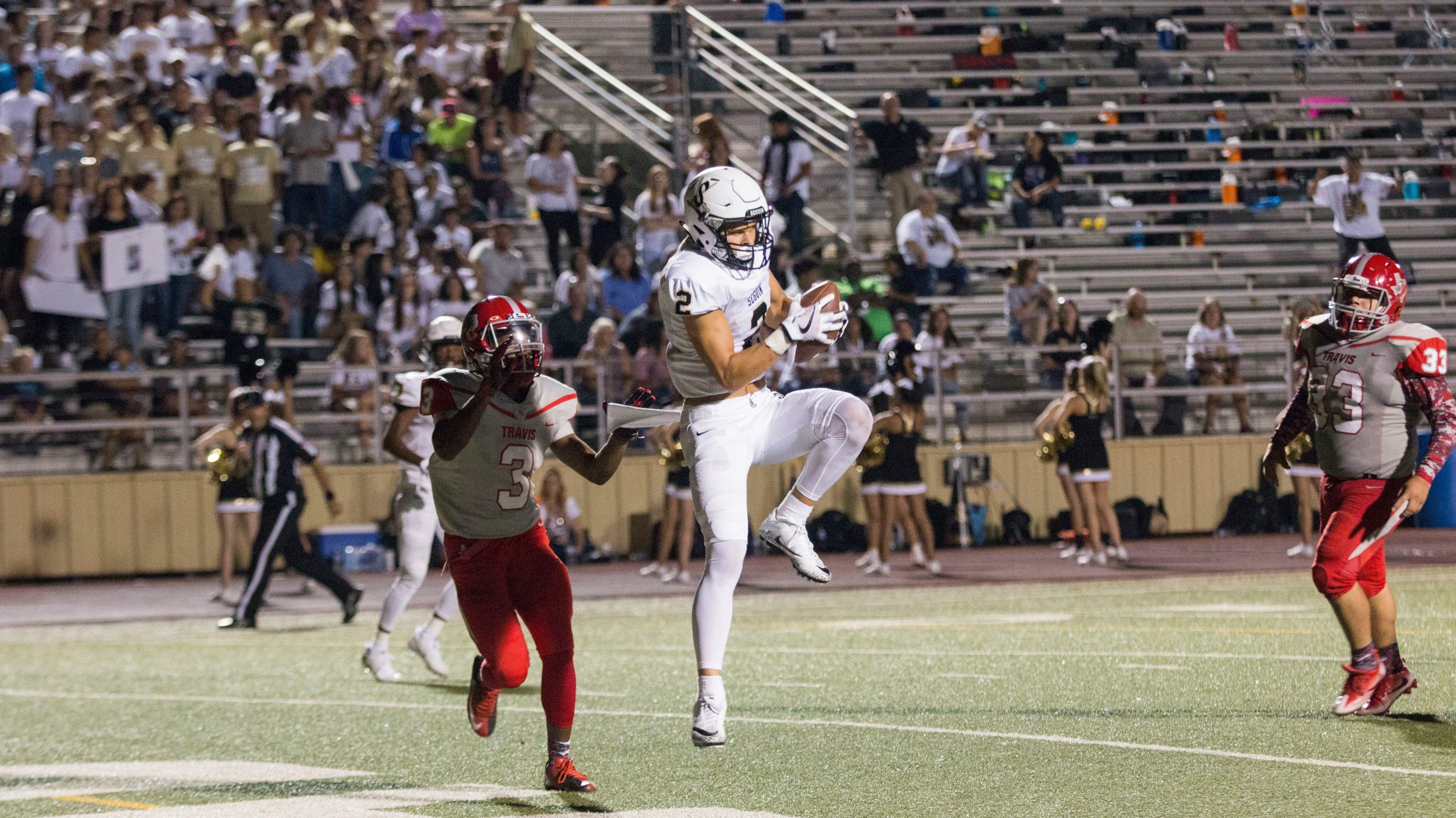
Football’s dominance has also translated into becoming the most bet-on sport following legalization. Bettors now watch more games to inform their decisions. This increases engagement, viewership, and excitement across every matchup.

Social media and marquee events like the Super Bowl keep football culturally relevant year-round. From short-form content to commercials and halftime performances, football consistently stays in the national conversation. This reinforces its position at the center of both the sports calendar and American culture.

The Rise of Behind-the-Scenes Content Like NFL Hard Knocks

Early sports media focused almost exclusively on performance, leaving little room for the personal side of athletes. Today, social media and behind-the-scenes content like NFL Hard Knocks are shifting that dynamic. Stars like LeBron James and Naomi Osaka are using their platforms to discuss mental health and social issues, building deeper connections with fans. 

As fans demand more than just scores and stats, behind-the-scenes footage and shows offer an intimate look into athletes’ lives, helping break down the barriers between professional sports and their audiences. As technology has evolved, fans now expect more from the brands they follow, driving digital platforms to enter the sports industry.

Quick Highlights

  • Personal connection for fans, especially younger demographics, makes them more likely to support an athlete or team.
  • 70% of Gen Z fans keep up with social media posts and updates from their favorite teams.
  • Netflix’s “Drive to Survive” achieved over 90 million viewing hours for Season 5 during its first few months.
  • NFL Hard Knocks’ 2024 premiere smashed records, making it the most-watched premiere in the last 5 years.
  • The “Caitlin Clark effect” led to a $136 million sponsor media value in the 2024 WNBA regular season, driven by increased social media engagement and fan interest.
  • 31% of Gen Z sport fans want access to BTS content from athletes.
players on nfl hard knocks

The Shift in Sports Media

Sports media was dominated by companies like ESPN, CBS, and FOX, focusing primarily on broadcasting rights, interviews, and highlight reels, often overlooking athletes’ personalities and team operations. This surface-level coverage didn’t give fans insight into aspects like training, locker room culture, or travel.

For example, Pat McAfee, once a low-profile punter for the Indianapolis Colts, became a household name after joining ESPN. His radio show and takeover of College GameDay allows him to showcase his fun-loving personality, connecting with fans on a more personal level. His engaging presence increased viewership in the 18-to-24 demographic by 34% compared to the previous year.

As platforms like YouTube, Instagram, and X gained popularity, athletes and teams found new ways to connect directly with their fans. This shift has fueled a demand for continuous content, with fans now seeking more involvement and connection beyond just the games.

NFL Hard Knocks Peels Back the Curtain

Behind-the-scenes footage allows fans to peek inside the lives of their favorite teams, making them more than just figures on a screen. This access creates a level of intimacy that was previously unavailable, helping to build deeper connections.

The NFL has capitalized on this trend through its in-house content development with NFL Films, showcasing players in dramatic, inspiring ways using exclusive footage. The content creates a new connection point for fans, making them feel closer to the athletes.

The NFL’s Hard Knocks series has been a successful avenue for offering fans a closer look at teams throughout the season. Recently, the series expanded to include off-season and training camp coverage, providing a more comprehensive view of team dynamics. During the 2024 season, viewers got an inside look at the New York Giants’ decision-making process regarding star running back Saquon Barkley, a storyline that sparked widespread conversation among fans.

social media apps to follow nfl hard knocks content

Netflix and Formula 1 Draw New Audiences

Netflix broke into the live sports industry by broadcasting NFL/ NBA games and WWE’s Monday Night Raw, but initially lacked surrounding programming and storytelling. Formula 1, a major European sport, hadn’t gained significant traction in the United States until the league partnered with Netflix. To diversify their portfolios and tap into new fan bases, Netflix and F1 collaborated to create Drive to Survive.

Drive to Survive offers unprecedented access to drivers, managers, and team owners, providing fans with previously unavailable insights. The series has significantly expanded F1’s audience. Over 6.8 million viewers have tuned in globally, with 31% of the audience aged 18 to 29.

Viewers witness athletes navigating personal and professional challenges, from team politics to media scrutiny, deepening their connection to the sport. By showcasing intense rivalries and behind-the-scenes moments, the series drives loyalty among fans, enhancing their understanding of both the on-track action and off-track dynamics.

More Than The Game: Knowing The Ins And Outs

Due to social media’s popularity with younger audiences, sports teams have shifted focus to content beyond just the game. For example, 29 of the 32 NFL teams have joined TikTok. Each team averages 234,000 followers, highlighting widespread adoption and engagement across the league.

Several NFL teams, including the Los Angeles Chargers, use the platform to showcase roles that help athletes perform at their best. For example, the Chargers posted a video of their dietician preparing for game day, surprising fans with the behind-the-scenes look.

Other teams, like the Tampa Bay Buccaneers and New England Patriots, have followed suit. The Buccaneers highlighted the challenges of booking hotels for the team, while the Patriots gave fans an inside look at their equipment team’s preparations for a new player’s arrival.

@patriots

equipment gearing up for the new guys to arrive 🏈 #newengland #patriots #equipment #eq

♬ original sound – New England Patriots

When Athletes Become Influencers

Athletes are a powerful source of insider content, admired by fans eager to learn more about them. With the rise of social media, many athletes have embraced the role of influencers, using their platforms to build personal brands, connect with fans, and offer exclusive behind-the-scenes content.
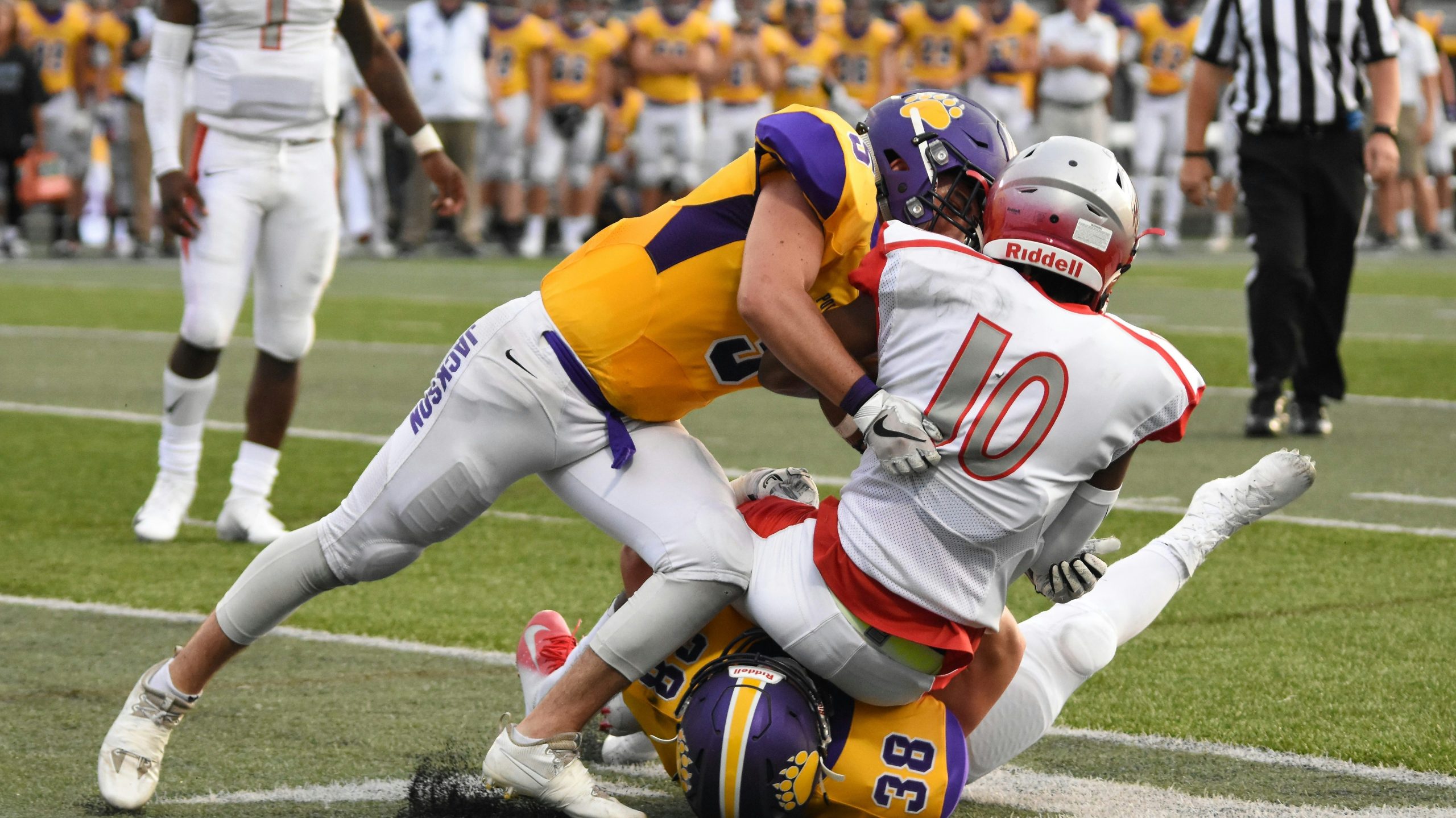
Rugby star Ilhona Maher gained fame during the Paris Olympics with her relatable, empowering TikTok posts. Her social media presence helped her land a spot on Dancing with the Stars, and she’s now known for her authentic views on body image and the balance between strength and femininity.

While athletes often gain large followings based on their sports achievements, more are using social media to create exclusive content and connect with fans. Athlete influencers see a 3.9% engagement rate on Instagram, significantly higher than standard influencers. LSU gymnast Livvy Dunne, for example, has become a prominent figure despite gymnastics’ lower profile, sharing personal and athletic content to make herself more relatable to fans.

fans at a sports game

A New Future For Sports Fandom

Seeing athletes beyond the stat lines humanizes them, helping fans connect on a deeper level. More detailed and holistic coverage lets fans feel part of the team, enhancing the fan experience.

At Athelo Group, we specialize in storytelling that humanizes athletes, building personal brands and stronger fan connections. We highlight each athlete’s unique journey—like Chris Ruden, an elite powerlifter with Type 1 diabetes who uses his story to inspire others. We’ve helped him partner with brands like Eversense to strengthen his connection with his audience and make a positive impact.

The shift toward behind-the-scenes content reflects the changing nature of sports media. Simply covering the game isn’t enough anymore—fans want more insight into athletes’ lives and challenges. As the industry adapts, this deeper connection leads to greater fan engagement and loyalty.

NFL Pro Bowl Viewership Slumps, NHL’s Global Focus Strikes Gold

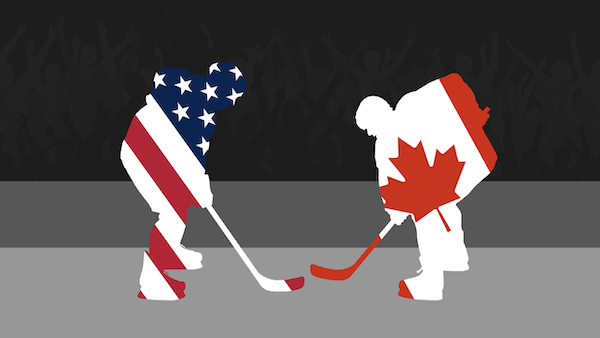
This year, the NHL skipped its traditional All-Star Game, instead opting to feature a four-team tournament between Finland, Sweden, Canada, and the United States. Narratives surrounding the Trump Presidency’s economic and political relations with Canada propelled the recent Four Nations Face-Off into the limelight. The NHL, ESPN, and players capitalized on this moment, raising questions about the future of All-Star events across sports.

Quick Highlights

  • The NHL’s Four Nations Face-Off tournament between Finland, Sweden, Canada, and the United States drew 9.3 million U.S. viewers, becoming the most-watched non-Olympic hockey game ever.
  • The U.S.-Canada game saw a dramatic 3 fights in the first 9 seconds of play.
  • Players, coaches, and celebrities, including JJ Watt, praised the new format, suggesting it could shape the future of All-Star events.
  • The NFL’s Pro Bowl flag football contest saw a sharp 18% decline in viewership from the previous year, with only 4.7 million viewers tuning in.
  • The NBA’s reimagined All-Star Game attracted 4.7 million viewers, marking a 13% decline from the previous year and making it the second-least watched All-Star Game in NBA history.

Fan and Media Reactions to the Four Nations Face-Off 

The National Hockey League’s in-season tournament between the United States, Canada, Finland, and Sweden was an enormous success. Held during the traditional NHL All-Star break, the tournament was a bold departure from the norm. The risk the NHL took by announcing this shakeup at last year’s All-Star Game paid off big-time. 

The Four Nations Face-Off shattered records, attracting 9.3 million viewers and becoming the most-watched non-Olympic hockey game ever in the U.S. Beyond the impressive TV ratings, the event sparked a social media frenzy and ignited excitement for best-on-best hockey at the 2026 Winter Olympic Games.

The finale was an overtime thriller, capped with a Connor McDavid goal to win the tournament for Canada, 3-2. Jordan Binnington, the often-critiqued Canadian goalie of the St. Louis Blues, put on an epic display with several highlight saves in the third period and overtime.

“Man. What a game,” proclaimed NFL Hall of Fame Defensive End JJ Watt. Geopolitical drama, masterful social media promotion, and world-class hockey combined to catapult the NHL’s innovative new tournament to success.

Mixed Results for 2025’s NFL Pro Bowl and All-Star Games

In January, the NFL’s Pro Bowl Games saw record-low viewership as star players sat out and fan interest in the flag football contest remained low. Only 4.7 million viewers tuned in, marking an 18% decline from the previous year. The NBA’s All-Star Weekend, with its new tournament format, became the second least-watched game in the event’s history.

Although viewership for the NBA’s reimagined All-Star Game was down, the event thrived on social media, generating significant impressions and airtime for corporate partners like Emirates and FanDuel. This reflects a broader trend of creating short, engaging content aimed at Gen Z sports fans.

NBA fans and stars like Victor Wembanyama have suggested that a competition between American and international players could be “more purposeful” and inspire players to take “more pride in it.”

Growing the Game of Hockey

It’s no secret that the NHL has made it a mission to grow the game of hockey through the promotion of international competition. The league’s decision to replace the traditional All-Star Game with the Four Nations Face-Off exemplifies this strategy, bringing together elite players from Canada, the United States, Finland, and Sweden for a high-stakes mid-season tournament. 
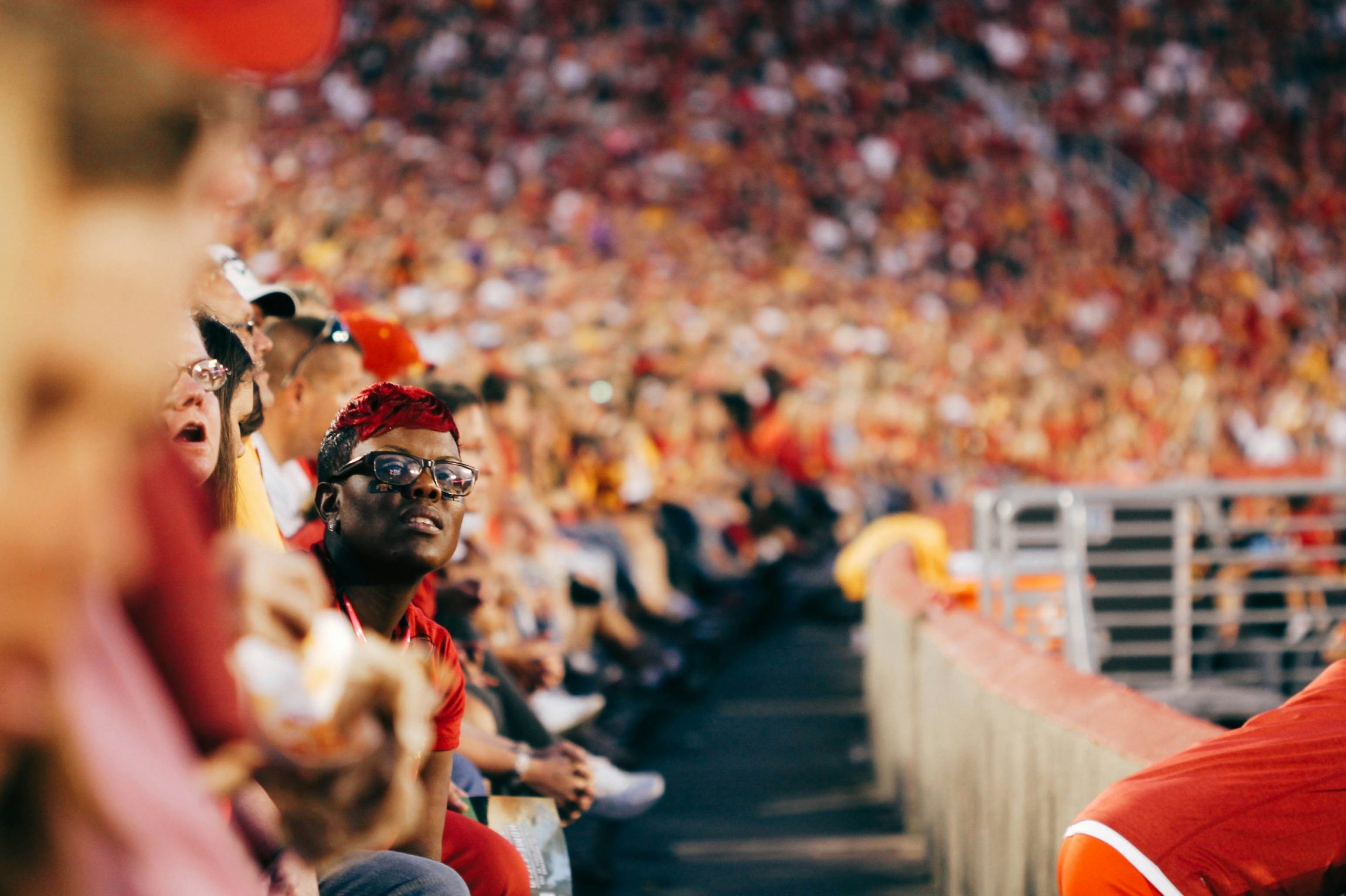
This shift not only bolstered fan engagement but also strengthened hockey’s global appeal by showcasing top-tier talent in a competitive setting. The NHL’s renewed commitment to allow its players to participate in the Olympics further highlights its focus on international expansion.  By prioritizing meaningful international events, the NHL aims to cultivate a broader, more engaged fan base while elevating the sport’s global significance.

The growth of the NHL outside its familiar North American markets also presents the opportunity to grow its portfolio of corporate sponsors with global brands. Through its Premier Series and Global Series games played in nations across Europe and Asia, the NHL has secured partnerships with foreign brands such as Kaufland, Czechicehockey.tv, and Veikkaus.

The Shift Toward International Competition

The NFL and NBA have long recognized the importance of a global audience. The NFL’s international growth strategy targets untapped markets in Latin America and Europe, while the NBA’s global success has even influenced the NHL’s decision to allow athletes to compete in the Winter Olympics starting next year.

Given the decline in viewership for both the NFL Pro Bowl Games and NBA All-Star Weekend, should these leagues follow the NHL’s lead and replace their traditional weekend events with opportunities for international competition? This conversation is already taking place between NBA executives and NBC, and in the future, we could see a team of stars like Antetokounmpo, Wembanyama, Jokic, Doncic, and others compete against the best of the U.S.

The Future of the NFL Pro Bowl Games

In comparison to other North American leagues, the NFL has fewer international stars. Viewership for the NFL’s flag football contest continues to decline, and with players reluctant to participate in full-contact play, what does the future of the Pro Bowl Games hold? There’s optimism that the inclusion of flag football in the 2028 Los Angeles Olympics may boost the sport, potentially with star players like Tyreek Hill.

Despite the dip in interest, the NFL Pro Bowl Games’ skills challenges have seen stable viewership. These challenges may receive more focus in future Pro Bowl Weekends, providing engaging, clip-worthy moments for social media.

Future Sponsorship Implications

The growing global popularity of North American sports presents opportunities for leagues and teams to leverage international players, global series games, and social media to secure partnerships with foreign brands.

As fan interest in the Pro Bowl and All-Star Games’ main events declines, the focus shifts to amplifying social media content, driven by viral moments from skills competitions, player interactions, and media appearances. This year’s Super Bowl ads highlighted the power of authenticity, storytelling, humor, and athlete influence—traits that continue to generate the highest engagement and impact for sponsors.

At Athelo Group, we prioritize authenticity in our campaigns, leveraging athletes’ global reach to create content with international appeal and scale partnerships beyond U.S. markets.

Super Bowl LIX’s Main Event: The Commercials

The Super Bowl is more than just the final NFL game of the season; it’s a cultural event that unites millions through music, sports, and entertainment. Brands pay big to secure a Super Bowl commercial spot, aiming to reach millions of viewers and make an impact on social media.
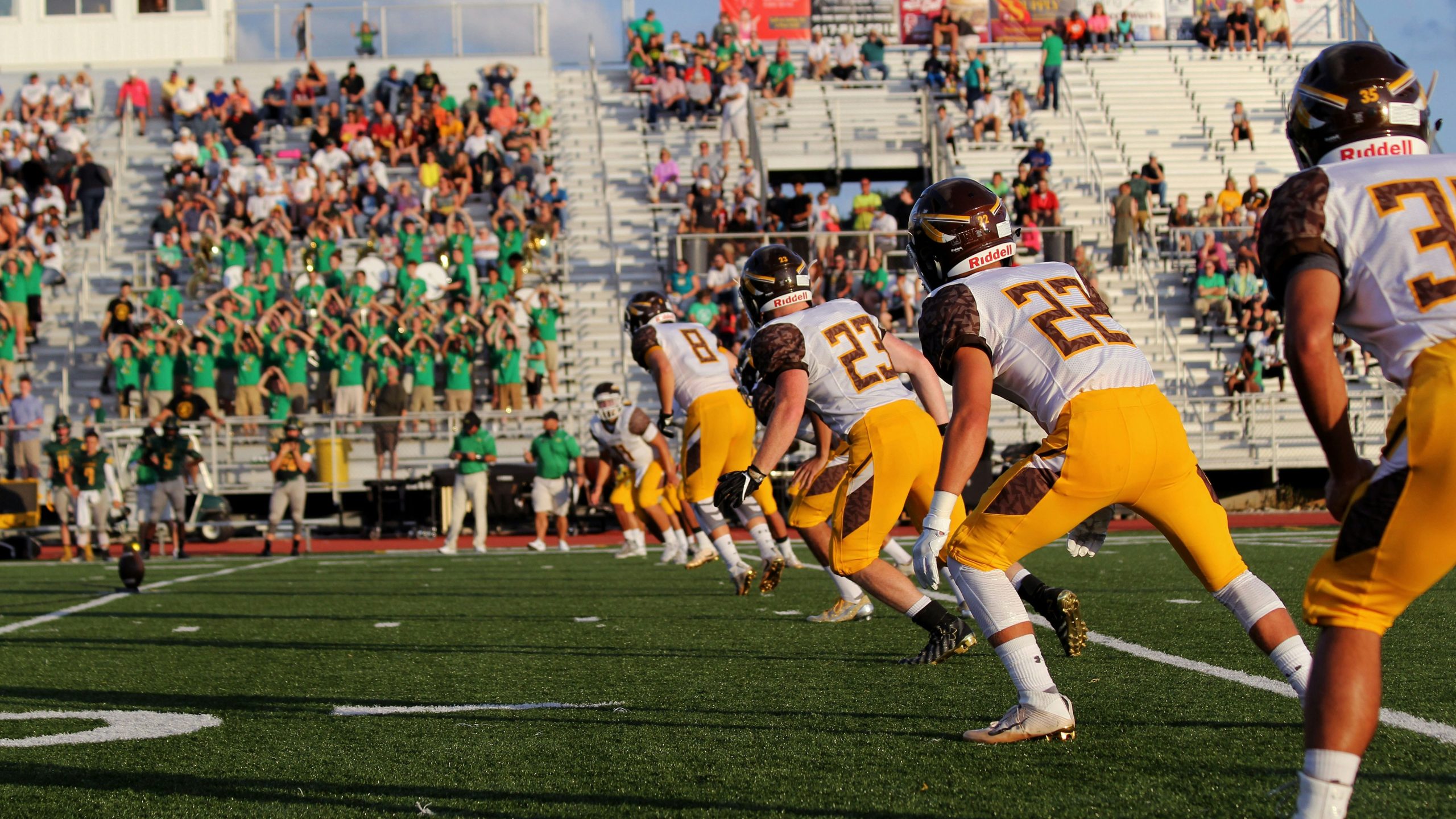
The match-up between the Kansas City Chiefs and Philadelphia Eagles might have been the least interesting part of this year’s Super Bowl as the Eagles dominated the Chiefs from start to finish. Instead, Kendrick Lamar’s halftime performance and the advertisements were the real entertainment for viewers this year.

Quick Highlights

  • The fee for a: 30 second slot in this year’s broadcast was an estimated 8 million dollars, an increase from 7 million dollars in the 2024 Super Bowl.
  • FOX sold around 51 minutes of advertisements.
  • Super Bowl LIX brought in a record 127.7 million US viewers, a 3% increase from last year and the second straight year that the audience for the Super Bowl has broken records.
  • 50 brands purchased a slot in this year’s Super Bowl with snack brands buying the most time, including Doritos, Häagen-Dazs, Lay’s, and more.
  • 11% of viewers watch the Super Bowl primarily for the commercials.

Top Commercials that Stole the Show

Coming in the top spot on USA Today’s Ad Meter is Budweiser and their classic commercial featuring Clydesdale horses. This year, the ad showed a young Clydesdale proving its worth by rolling a forgotten keg to the herd. The Budweiser commercials are normally a fan favorite as they lean on emotional sentiments and wholesome positioning.

Another commercial that struck an emotional chord was Lay’s ‘The Little Farmer,’ which showed a young girl raising a potato on her family farm. Set to the song ‘All I Want Is You,’ the ad highlights the role of farmers in American food production.

Super Bowl Ads that Didn’t Score

One of the least effective commercials came from OpenAI, the artificial intelligence company behind ChatGPT. In its first-ever ad, a series of pixels formed various scenes before revealing the brand, but it lacked a clear message or emotional appeal. It’s ironic that an AI company, often criticized for its lack of human connection, would produce an ad that felt similarly devoid of emotion.

Another misstep came from Robert Kraft, owner of the New England Patriots, and his foundation No Reason to Hate, which focuses on combatting anti-Semitism.

The commercial featured Tom Brady and Snoop Dogg humorously revealing what they ‘hate’ about each other, with a message about how we’re more alike than different. However, some viewers felt the message was diluted by Snoop Dogg’s past performance at President Trump’s inauguration, which led to mixed reactions.

Humor and Celebrities on Display

This year’s Super Bowl showcased a polarized social and political climate, pushing brands to capture attention without sparking controversy. To strike the right balance, many turned to humor and celebrity appearances to create lighthearted commercials.

Celebrities were everywhere, with stars like Ben Affleck for Dunkin’ Donuts, Eugene Levy for Little Caesars, and Nate Bargatze for DoorDash adding charm and humor to ads. Bud Light stood out, combining Post Malone, Shane Gillis, and Peyton Manning for a fun neighborhood block party vibe that resonated with viewers.

Humor has long been a Super Bowl staple, and when used correctly, it can leave a lasting, positive impact. Brands aimed to navigate this delicate balance, with varying success.

One fumble came from Coffee Mate’s cold foam ad, which featured a man’s tongue experiencing the product. While many found it off-putting, the resulting buzz on social media at least boosted brand awareness.

Super Bowl Commercials: What They Show About the State of Advertising

The current state of advertising combines a blend of old and new methods. While there’s still a place for heartwarming nostalgia, there’s also an increase in ads that push boundaries and tap into the latest trends. 

This year’s commercials reveal that the modern advertising world is about more than just selling a product; it’s about creating an experience, a conversation, and an emotional connection.

Advertisements reflect cultural ideas, shifts, and attitudes making the landscape dynamic and ever-changing. Last year, the big technological ads centered around sports betting and crypto while this year they are focused on artificial intelligence like OpenAI and Meta. 

As commercial prices rise, brands must create memorable ads that spark social media conversations for a lasting impact. Many release teasers before the game to turn a brief ad into a larger campaign. For example, Pringles released teaser videos featuring celebrities like Adam Brody and Nick Offerman, generating buzz and setting the stage for their full Super Bowl commercial.

As we look ahead to the next Super Bowl, it will be exciting to see how Super Bowl commercials evolve with new technologies like AI, virtual reality, and personalized content. The possibilities for creative marketing are endless.

Redefining Brand Partnerships: Authenticity, Storytelling, and Athlete Influence

Advertising is increasingly focused on organic partnerships that feature unique storytelling, fostering genuine relationships between brands, ambassadors, and their audiences. Gone are the days of simple product graphics—today’s consumers want to feel connected through real stories and shared experiences.

At Athelo Group, we prioritize authenticity in brand partnerships, working with athletes who genuinely use and enjoy the products they endorse. This approach helps brands resonate with their target audiences by showcasing relatable endorsements from figures they admire.

Athletes, too, are expanding their personal brands beyond sports. For example, Dani Speegle’s initiative, Girls Who Eat, empowers young women to view food as fuel rather than an adversary, drawing from her own struggles with insecurities and body image.

Storytelling, authenticity, and positivity are reshaping advertising, and they will continue to influence how brands connect with consumers in the future.

Game Changers: The Powerful Role of Women in Sports Today

In recent years, women in sports have taken center stage, not only on the field but in leadership, media, and governance. This shift is evident in major events like the 2023 FIFA Women’s World Cup, which set a viewership record with nearly 2B global viewers, and the Paris 2024 Olympics, which will feature gender-equal medal events for the first time. These milestones underscore the growing influence of women in sports and the increased visibility they’re receiving globally. From football to leadership programs, women are leading the charge and inspiring the next generation to reach new heights. 

Shaping the Future of Football

Football has long been a male-dominated sport, but that’s changing rapidly. According to a recent Front Office Sports feature, women are driving progress both on and off the field. From coaching to team management, roles once seen as inaccessible are now being filled by women. For example, the NFL has seen a 38% increase in women in front-office positions since 2019, a major step forward in diversifying leadership in football.

Sam Rapoport, the NFL’s Senior Director of Diversity, remarked, “We are at the forefront of change and innovation in football. The contributions of women have broadened the horizons of the sport.” This transformation is opening doors for young girls to not only aspire to be athletes but also to pursue careers in football administration, coaching, and executive roles. Women like Katie Sowers, the NFL’s first openly gay female coach, and others who are breaking into traditionally male spaces are proving that there are no limits to what can be achieved in the world of sports. Their influence is not only inspiring future generations but is also expanding the scope and future of football itself​.

women in sports

The Power of Representation

The recent Girls on the Run Women in Sports Summit featured a powerful panel focused on the importance of representation in sports. Female athletes and industry leaders shared personal stories of overcoming obstacles and achieving success. One standout speaker was five-time Olympic swimmer Dara Torres, who highlighted the importance of visibility: “You can’t be what you can’t see. It’s vital for young girls to see women in positions of power in sports.” Her words reflect the growing recognition that female role models are key to inspiring future generations.

Research presented at the summit underscored this idea, revealing that 94% of women in C-suite executive roles participated in sports at some point in their lives. This data illustrates a clear link between athletic involvement and professional success, suggesting that early engagement in sports can foster skills like leadership, teamwork, and resilience. Representation matters not just on the field, but in every aspect of life, as it shows young girls they can aspire to leadership and greatness in any arena.

women in sports

Youth Sports: Building Leadership and Confidence

A recent study by the Women’s Sports Foundation, When Girls Play, We All Win, shows that youth sports play a critical role in shaping future female leaders. The study found that 74% of women in top leadership positions credit sports with helping them develop leadership skills. Girls who engage in sports are more likely to have higher confidence, self-esteem, and ambition, which can pave the way for success in various fields.

Stephanie Adams, CEO of the Women’s Sports Foundation, emphasized the broader benefits of sports for young girls, saying, “It’s not just about physical activity—it’s about setting them up for success in all areas of life.” The study also revealed that girls who play sports are more likely to stay in school, avoid risky behaviors, and enjoy better mental health. These individual benefits contribute to a positive ripple effect, as communities and industries thrive when women take on leadership roles​.

women in sports

A Future Powered by Women

Whether through football, sports panels, or youth programs, women are leading the charge in transforming the sports world. As barriers are broken down, we are witnessing a more inclusive and inspiring future—one where young girls know they can succeed in any field. Women in sports aren’t just participating; they’re changing the game for the better.

With a 38% increase in women in NFL front offices and clear evidence that sports backgrounds shape future female leaders, the message is undeniable: when women lead in sports, everyone benefits. This growing representation is paving the way for a stronger, more equitable sports industry​.

Sources:

  1. https://www.womenssportsfoundation.org/
  2. https://frontofficesports.com/video/the-women-fueling-the-future-of-football/
  3. https://www.girlsontherun.org/blog/women-in-sports-summit-panel/
  4. https://www.prnewswire.com/news-releases/new-womens-sports-foundation-research-proves-youth-sports-fuel-womens-leadership-when-girls-play-we-all-win-302243796.html

NFL Media Blitz: Balancing Global Growth with Fans’ Rising Costs

After securing major broadcast deals with Disney, NBC, and Amazon through 2035, the NFL is poised for an unprecedented media strategy. These agreements aim to capture every market and demographic nationwide while expanding the league’s global presence. However, despite partnerships with some of the biggest media companies, fans are raising concerns about one key issue: the rising cost of watching NFL games. As the league spreads its broadcasts across multiple NFL streaming platforms and other outlets to fulfill these contracts, access costs have skyrocketed.

In addition to expanding its presence in America, the NFL is set to host games in Brazil, Germany, and England as part of its international growth strategy. These games will not only boost revenue but also elevate the league’s global stature. However, the increased fragmentation of streaming platforms has left fans worried. According to Market Watch, it could cost viewers over $1,700 to watch the entire NFL season, as they’ll need to subscribe to up to seven different platforms. While the NFL’s massive popularity gives it leverage to profit from every angle, fans are now left to decide whether the price is worth it.

nfl streaming platforms

NFL Partners With Media Giants

The NFL’s long-term deals with Disney (including ESPN and ABC), NBC, and Amazon highlight the league’s focus on maximizing media exposure. Disney will air Monday Night Football across both cable and its streaming platform, ESPN+. NBC will maintain its long-standing Sunday Night Football coverage, still one of the most-watched primetime shows in the U.S., while also streaming on Peacock. Meanwhile, Amazon has secured exclusive rights to Thursday Night Football, signaling a move toward streaming-first experiences.

These deals ensure that the NFL has a presence on traditional television while also tapping into NFL streaming platforms, allowing the league to reach audiences on all platforms. This media blitz positions the NFL to cater to both older fans accustomed to cable TV and younger viewers who prefer streaming.

nfl streaming platforms

Global Expansion

In recent years, the NFL has ramped up efforts to expand its international reach, and the 2024 season is no exception. With games scheduled in Brazil, Germany, and England, the NFL is taking its global presence to the next level. This strategic move aims to tap into international markets, engage new fanbases, and increase the sport’s overall valuation.

In the UK, the NFL has already built a strong following, with the London games becoming a fixture on its calendar. Germany, a newer market for the league, has shown high demand, with tickets for upcoming games selling out in record time. Meanwhile, Brazil represents an untapped but promising market where the NFL hopes to grow a fanbase eager for American football. The success of these games will further expand the NFL’s international appeal and boost its global revenues.

nfl streaming platforms

Sponsors Taking Advantage

As the NFL continues to expand both domestically and globally, sponsors are keen to capitalize on the league’s vast audience. The NFL’s appeal is undeniable, drawing millions of fans from diverse demographics. Major brands such as Nike, PepsiCo, and Verizon have long-standing partnerships with the NFL, and with the league expanding its media coverage and international footprint, these companies are eager to strengthen their presence.

Sponsors are capitalizing on the NFL’s extensive media deals to connect with consumers across various platforms and markets. From in-game ads to integrated brand experiences on NFL streaming platforms, companies are finding new ways to engage fans at every touchpoint. Toyota, the NFL’s automotive sponsor, has launched a season-long campaign showcasing its role in football nationwide. The campaign features stars like Eli Manning, Brock Purdy, and Puka Nacua. This is especially important as the NFL expands internationally, offering sponsors new opportunities to reach global audiences. These partnerships not only boost brand visibility but also generate significant revenue for both the NFL and its sponsors.

nfl streaming platforms

Implications for Fans Worldwide

While the NFL’s expansion and media deals offer plenty of growth opportunities, fans are facing rising challenges, especially with costs. This issue isn’t limited to the U.S.—international fans are encountering similar difficulties. Although the NFL’s push to bring live games to new markets is exciting, fans in those regions may struggle to access full NFL content due to platform restrictions, blackout rules, or steep subscription fees.

The NFL must address these concerns if it wants to keep its loyal fanbase while pursuing aggressive expansion. Gone are the days when fans could tune in to a single network for coverage. Balancing profit with accessibility will be more important than ever as the league seeks to capture new markets without alienating its core audience.

Sources:

  1. https://pressroom.toyota.com/toyota-delivers-star-packed-nfl-campaign-that-invites-fans-to-roll-deep-together-all-season-long/
  2. https://www.cnbc.com/2024/09/04/nfl-media-rights-media-landscape.html 
  3. https://www.marketwatch.com/story/want-to-watch-every-nfl-game-this-season-its-going-to-cost-you-nearly-2-500-31c4d300 
  4. https://www.nfl.com/international/international-games 
  5. https://www.hbs.edu/faculty/Pages/item.aspx?num=62434 
  6. https://www.forbes.com/sites/mikeozanian/2023/08/30/why-the-nfl-could-reap-more-than-126-billion-in-tv-money-by-2033/ 
  7. https://www.nbcsports.com/nfl/profootballtalk/rumor-mill/news/espn-nfl-network-are-believed-to-be-closing-in-on-a-deal 

College Football Playoff Expansion: 12-Team Format Explained

In the rapidly evolving landscape of college football, the upcoming 12-team College Football Playoff (CFP) expansion promises to be a game-changer. This shift from a 4-team to a 12-team format is poised to transform the competition, offering new opportunities and challenges for teams, players, and fans alike. As the 2024 season approaches, key questions arise: Will this expansion dilute the importance of the regular season, or will it enhance the excitement and competitiveness of the sport? And how will it impact the financial and recruiting dynamics across college football programs?

college football playoff

Increased Opportunities for Underdogs

One team to watch in the 2024 College Football Playoff expansion is Cincinnati. While they narrowly missed the playoff in 2022, experts project that they could return as Big 12 champions in 2024, potentially securing a top-four seed. However, not everyone is excited about the 12-team format. Critics argue that expanding to 12 teams may dilute the exclusivity of the playoff, similar to concerns raised during the expansion of March Madness. They fear that adding more teams could lessen the significance of regular-season success and lead to a less prestigious postseason.

Maintaining the Integrity of the Regular Season

While some critics argue that expanding the playoff field might devalue the regular season, proponents believe it will add significance to more games across the board. With more spots available, even late-season matchups that previously had no bearing on the playoff race will now carry weight, keeping fans engaged throughout the entire season. This change could lead to increased viewership and revenue as more games have playoff implications.

Revenue Growth

The financial impact of the 12-team playoff is expected to be substantial. More games mean more television contracts, ticket sales, and sponsorship opportunities, benefiting conferences, schools, and the NCAA. ESPN recently signed a six-year, $7.8B deal to retain exclusive media rights through the 2031-32 season, which includes coverage of all rounds of the new 12-team playoff format. This massive agreement not only adds four first-round games to ESPN’s existing coverage but also secures exclusive rights to programming like the CFP Selection Show and Top 25 rankings. These expanded rights, coupled with the influx of games, will open up new opportunities for brand sponsorships, giving companies increased visibility during high-stakes playoff matchups. Mega-brands like VBRO, Chick-fil-A, and Modelo have signed on as sponsors, hoping to take advantage of the heightened attention and excitement surrounding college football’s marquee event.

Balancing the Benefits Across Conferences

However, this financial windfall may not be evenly distributed. Power 5 conferences, which already command significant resources, are poised to gain the most. Meanwhile, Group of 5 conferences could see only marginal increases in revenue, perpetuating the existing inequalities within college football. The challenge will be finding ways to ensure that the benefits of the expanded playoff are shared more equitably, so that all programs can compete on a level playing field.

college football playoff

Impact on Player Workload and Development

With more games on the schedule, concerns about player workload and potential injuries are bound to grow. SEC chief medical officer Catherine O’Neal told the press that with the playoff extension, the SEC plans to adjust its injury management protocols. Coaches and trainers will need to balance the demands of a longer season with the physical and mental health of their players. On the plus side, the added exposure from more playoff games could speed up player development as athletes gain experience in high-pressure situations earlier in their careers.

2024 Projections

As anticipation builds for the 2024 College Football Playoff, experts are already weighing in on which teams are likely to secure a spot in the new 12-team format. According to The Athletic, teams such as Georgia, Ohio State, and Texas are among the favorites to make deep runs this season. The model also predicts underdogs like Boise State and Ole Miss could break into the playoff conversation, creating the potential for thrilling matchups. With powerhouse programs and mid-major teams vying for a national title, the expanded CFP promises to deliver even more excitement and unpredictability in the coming season.

Sources:

  1. https://www.espn.com/college-football/story/_/id/39766079/college-football-playoff-espn-agree-deal-2031-32
  2. https://www.nytimes.com/athletic/5701128/2024/09/05/college-football-playoff-projections-odds/
  3. https://www.usatoday.com/story/sports/college/2024/09/07/nonconference-games-college-football-playoff-12-team-cfp/75076654007/

Playing the Long Game: How the NFL is Innovating Player Safety

Injuries are a part of every athlete’s career, but with the recent spike in NFL concussions, safety is more important than ever. To stay in the game longer, athletes need to be physically fit and ready for both game day and training. In high-contact sports like American football, fitness alone isn’t enough to prevent injuries. Cutting-edge equipment becomes the last line of defense. Known for its gladiator-like intensity, football puts athletes’ bodies on the line, making them heavily reliant on protective gear. That’s why the NFL, alongside several companies, are working hard to develop equipment like Q-Collar to keep players safe and protect their long-term health.

q-collar

 Q-Collar: A New Safety Innovation

Brain injuries are among the most common in the NFL, yet we’ve made only minor progress toward addressing this issue. However, a recent innovation in player head safety, the Q-Collar, offers a simple but potentially effective solution. The Q-Collar is a lightweight, padded device worn around the neck alongside traditional safety gear. It gently restricts a small amount of blood flow, without causing discomfort, to keep a bit more blood in the cranium. This extra blood acts as a protective layer, helping to reduce the impact of sub-concussive blows. 

In a pre-clinical study, the Q-Collar reduced damage to brain neurons and axons—key indicators of brain injury—by 83% through jugular compression. The FDA has approved the Q-Collar as a medical device, further validating its effectiveness. While it doesn’t eliminate the risks of brain injuries, this simple innovation is making a positive difference for NFL players. Former Carolina Panthers linebacker Luke Kuechly was an early adapter to the device in 2016, and now over 100 NFL players are electing to wear it.

NFL Helmet Technology Advancements

The helmet is the most crucial piece of equipment for protecting players’ heads, and the NFL has recently begun encouraging innovation in its design. In 2019, the NFL launched the Helmet Challenge, a competition where teams of engineers vie to create the safest helmets, with a prize of up to $1M. The challenge has been a success, with both of the latest additions to the league’s list of approved helmets coming from winning teams. Beyond this challenge, the NFL conducts annual tests to determine which helmets offer the best protection. These tests help ensure that safer, newer helmets are added to the league’s approved list, while outdated and less effective helmets are phased out. Additionally, the NFL is exploring position-specific helmets and has seen promising results in this area.

A recent innovation is the Guardian Cap, worn by players like Colts running back Jonathan Taylor and Steelers offensive guard James Daniels. This soft shell fits over the helmet, adding an extra layer of protection against impact by absorbing an additional 10% of force. If both players in a collision are wearing the cap, the protection doubles. Since 2022, the NFL has required certain positions to wear the cap during training, which has helped reduce training camp concussions to a seven-year low. This season marks the first time players can wear the cap during games, and many are taking advantage of this added safety measure.

q-collar

Digital Athlete Predicts Injuries

In today’s digital era, the lack of innovative technological solutions for athlete safety is puzzling.  The NFL’s new Digital Athlete technology will be a game changer in this space, predicting and preventing injuries. In collaboration with Amazon Web Services, the NFL created the Digital Athlete to analyze player data and prevent injuries. This unique and innovative collaboration gathers data from training, practice, and games to provide teams and coaches with comprehensive information regarding which players are at the highest risk of injury.  With this information, coaches and trainers can provide players with individualized injury prevention, training, and recovery programs.  Starting this season, all 32 teams will have access to this tool and its effectiveness at reducing injuries will be measured.

Athlete Safety Products and Sport Sponsorship

As player safety initiatives expand, athletes have more opportunities to benefit financially and raise awareness through brand partnerships. When seeking partnerships, it’s crucial for athletes to align with products they genuinely enjoy. With significant time and money invested in developing innovative safety products, nearly every athlete can find opportunities to authentically support and use these items. 

For example, athletes like Luke Kuechly, Marcus Holman, and Tony Pollard have become ambassadors for the Q-Collar, helping raise product awareness. As we gain a deeper understanding of the long-term health risks in professional sports, the market for athlete safety products is expected to expand. Supporting both their short and long-term health is a cause athletes can truly get behind, making them ideal spokespeople for safety-focused brands.

q-collar

Looking to the Future

As we consider what’s ahead, the focus on athlete safety in high-contact sports like football is becoming increasingly important. The integration of innovative safety products and practices will likely become even more advanced. A key factor in this progress will be the continued collaboration between the NFL, equipment manufacturers, and the athletes themselves. By prioritizing player health and embracing these advancements, we can hope to see a game that not only excites fans but also ensures the long-term health of its players.

Sources:

  1. https://www.nytimes.com/2022/12/19/sports/concussion-q-collar.html
  2. https://thehill.com/homenews/nexstar_media_wire/4429819-some-nfl-players-are-wearing-collars-on-their-necks-why-arent-they-all/
  3. https://q30.com/pages/science?srsltid=AfmBOopUU6RFFC1LIRInHyqyvDXeoLDXWNaUmIX3UQ6AsHUNR-AwuUPz
  4. https://www.nfl.com/playerhealthandsafety/equipment-and-innovation/equipment-testing/nfl-raises-standard-for-helmet-performance-as-five-new-models-achieve-record-high-testing-results
  5. https://www.nfl.com/playerhealthandsafety/equipment-and-innovation/innovation-challenges/nfl-helmet-challenge
  6. https://www.nfl.com/playerhealthandsafety/equipment-and-innovation/aws-partnership/video-predicting-player-injury-with-the-digital-athlete
  7. https://www.nfl.com/playerhealthandsafety/equipment-and-innovation/rules-changes/nfl-health-and-safety-related-rules-changes-since-2002
  8. https://www.nfl.com/news/jonathan-taylor-among-colts-players-to-wear-guardian-caps-in-sunday-s-preseason-game

NCAA Conference Realignment: How College Football Is Changing

Viewers should prepare for college football to look a little different this year. Recent changes in college sports have shifted power dynamics among the previously-known Power Five conferences: the ACC, Big Ten, Big 12, Pac-12, and SEC. This transformation is largely due to different payment structures and value disparity in TV rights deals. As a result, many teams left their original conferences to join others.

The Pac-12 has now dwindled to just two teams, and the Big 12 lost Texas and Oklahoma to the SEC. While the ACC hasn’t lost teams yet, their top schools are frustrated with revenue discrepancies and have filed lawsuits. Although there is talk of a super league in college sports, no significant progress has been made toward this concept. The SEC and Big Ten will continue to dominate for now, while the other conferences scramble to rebuild and resolve their issues amidst NCAA conference realignment.

ncaa conference realignment

Pac-12 Topples to Pac-2

The Pac-12 has experienced the most tragic downfall of all the conferences, now reduced to just Oregon State University and Washington State University. The decline began two years ago when USC and UCLA agreed to join the Big Ten, setting off a chain reaction. Oregon and Washington also moved to the Big Ten, while Arizona, Arizona State, Colorado, and Utah joined the Big 12, and California and Stanford went to the ACC. Losing the Los Angeles schools and that major media market stalled the Pac-12’s media rights negotiations, leading to a wait-and-see approach that pushed out multiple schools and drastically lowered the value of the deals offered to the conference.

Now, with two schools that have not been relevant in football or basketball for years, the Pac-12 is working with the Mountain West conference on a football scheduling alliance for this season and is considering a future merger. OSU and WSU will pay the Mountain West to play their teams this year but won’t be eligible for any conference championship. The next step likely involves OSU and WSU joining the Mountain West, signaling the end of the Pac-12.

Big 12 Gets Bigger

The Big 12 conference took a step back when it lost its two most-followed teams, Oklahoma and Texas, to the SEC due to NCAA conference realignment. Despite this setback, the Big 12 added Arizona, Arizona State, Colorado, Utah, BYU, UCF, Cincinnati, and Houston to form a 16-team conference. These additions came from the Pac-12 and Group of 5 conferences.

In the past year, the Big 12 successfully renegotiated its TV rights contract with ESPN and Fox, securing $2.6B over the next 13 years. This deal allows the conference to surpass the ACC and Pac-12 in yearly team revenue, with each team receiving nearly $32M. By 2026, all the new teams are set to evenly share revenue with the rest of the conference, a process that typically takes much longer.

Looking ahead, Big 12 leaders are considering private equity investment by a Luxembourg-based firm of up to $1B for a 15-20% stake. Although losing their top teams was a significant blow, the new TV deal and potential investment positions the Big 12 to remain competitive. They are now the clear third conference in per-team revenue after the Big Ten and SEC.

ncaa conference realignment

ACC Shake-up

The ACC faces an uncertain future despite recent additions of California, Stanford, and SMU. These new teams won’t receive full revenue sharing until their 10th season. To integrate them, the ACC has removed divisions, increased in-conference games, and introduced provisions for West Coast travel. Over the next seven years, each team will play home and away games against every conference team, with the top two teams competing for the football championship. 

The conference’s biggest weaknesses remain its TV rights deal and revenue sharing. Since signing a 20-year deal with ESPN in 2016, the ACC has lagged behind other conferences in revenue, earning only $17M per team annually. This has frustrated top football programs like Clemson and FSU, who argue it hinders their competitiveness. Tensions escalated when FSU missed the College Football Playoff, prompting the school to seek an exit from their grant of rights agreement and sue the ACC, which countersued. Clemson followed with legal action three months later.

If either FSU or Clemson breaks their grant of rights, it could trigger a mass exodus and weaken the ACC significantly. These schools have dominated ACC football, and losing them would cripple the conference’s future, especially in securing new media rights deals once the current ESPN contract expires.

ncaa conference realignment

So What’s Next? 

With all the political chaos of NCAA conference realignment, new powerhouse schools may emerge and lower conferences could gain some spotlight. Schools like UCF and SMU, which moved into power conferences, can benefit from more national TV coverage. Conferences like the Mountain West can gain exposure by having OSU and WSU face their schools. With the downfall of the Pac-12 and the rapid movement of its schools, we may see schools becoming more comfortable swapping conferences. Since the ACC reworked its schedule to accommodate new West Coast schools, other conferences might do the same to add new members. Although talks of a super league have occurred, many officials have dismissed the possibility. But for now, as we have seen, anything can happen.

Sources:

  1. https://herosports.com/fbs-college-football-realignment-pac-12-mountain-west-merger-stanford-cal-heading-to-aac-cpcp/
  2. https://www.espn.com/college-football/story/_/id/40119917/acc-spring-meetings-2024-clemson-florida-state-lawsuits
  3. https://www.cbssports.com/college-basketball/news/college-football-playoff-finalizes-tv-deal-beginning-in-2026-as-fbs-leaders-settle-on-revenue-distribution/#:~:text=The%20new%20contract%20is%20expected,(%2412%20million%20per%20school).
  4. https://www.nbcbayarea.com/news/sports/acc-stanford-cal-2/3308750/
  5. https://businessofcollegesports.com/current-college-sports-television-contracts/
  6. https://www.si.com/college/oregon/football/oregon-football-big-ten-conference-sec-conference-college-football-super-league-greg-sanky-rejects 
  7. https://www.sportingnews.com/us/ncaa-football/news/pac-12-teams-landing-spots-oregon-washington-football-2024/a12390637a0a4d3cd81fb1a0 
  8. https://www.freep.com/story/sports/college/university-michigan/2024/01/08/what-happened-pac-12-washington-oregon-usc-ucla-joining-big-ten/72088532007/ 
  9. https://www.tennessean.com/story/sports/college/SEC/2023/12/19/alabama-georgia-most-viewed-teams-college-football-season-2023-nielsen-ratings/71975148007/ 
  10. https://www.espn.com/college-football/story/_/id/38794541/big-12-unveils-16-team-conference-football-matchups-2027 
  11. https://www.cbssports.com/college-football/news/big-12-considering-private-equity-investment-of-up-to-1-billion-for-as-much-as-20-of-conference/ 
  12. https://theacc.com/news/2023/10/30/acc-announces-future-conference-football-schedule-model.aspx 

Become a Sponsor.

Join us in making a difference. Tell us a bit about yourself and we’ll be in touch with sponsorship details.

By submitting this form, you agree to be contacted by the Athelo Group team regarding sponsorship opportunities.