How International Players Are Driving Global Growth in Sports Leagues

There was a time when growing an American sports league meant filling more seats in more American cities. Build a better product, sell more tickets, negotiate a bigger TV deal and repeat. 

That model still works, but it’s no longer where the biggest growth is coming from.

Today, leagues aren’t just expanding their footprint, they’re expanding their audience. And the most effective way they’ve found to do it isn’t through media deals or marketing campaigns. It’s through players. 

International talent has quietly become one of the most powerful business development tools in sports. They have opened markets, attracted sponsors and pulled in fans far beyond the U.S. The MLB, NBA, and NFL are all figuring this out in real time.

Quick Highlights

  • Shohei Ohtani’s $700 million contract with the Dodgers is one of the largest in MLB history.
  • The 2025 MLB Tokyo Series became the largest standalone international event in league history, drawing over 250,000 in combined attendance across games and exhibition matchups.
  • The NFL’s Global Markets Program now covers 22 international markets, with all 32 teams holding international rights somewhere in the world.
  • A record 135 international players appeared on NBA opening night rosters for the 2025-26 season, representing 43 countries across 6 continents.
  • The 2025 NFL International Games averaged 6.2 million viewers per game, a 32% increase from the prior year.
international players

The MLB: The Player as a Business Development Asset

When a specific league signs a rising international player, it doesn’t just add to its roster.

It buys itself access to a commercial ecosystem.

This includes sponsorships from regional brands, merchandise demand from overseas fans and broadcast partnerships in countries that had no reason to carry the games before. The player is what creates the market.

The clearest example of this is when Shohei Ohtani landed in Los Angeles. Within a single season, the Dodgers attracted a wave of Japanese corporate sponsorships from brands that had never put money into American sports before. 

Daiso, the Japanese retailer, became one of those new partners, a brand with massive consumer reach in Asia that had no prior presence in MLB before Ohtani arrived. No marketing campaign does that. A player from a specific country or region playing at the highest level does.

The ripple effect spreads beyond one team.

International players have climbed to the top of MLB’s jersey sales rankings, and a lot of that demand is coming from fans overseas who are buying in because of a specific international player.

That’s a meaningful distinction for anyone thinking about how leagues grow. It means tapping into an existing fanbase rather than building one from nothing.

The MLB has also started bringing the game directly to those audiences instead of waiting for them to find it. In recent years, The Seoul Series and the Tokyo Series have set records for viewership, merchandise and sponsorship activation in their respective markets. 

The 2025 Tokyo Series became the largest standalone international event in MLB history. These trips aren’t goodwill gestures or novelty events. They’re the league showing up to do business in markets where it already has a foothold, and leaving with more than it came with.

The NBA: What Happens When the Whole Roster Is Global

The NBA was early to this. 

When a player from a given country makes it to the league and succeeds, fans from that country follow. It doesn’t matter if those fans have never watched a game before. 

International players aren’t just showing up on rosters. They’re winning championships, taking home awards and becoming the faces of franchises. 

Nikola Jokic winning three MVPs pulled Serbian viewers in. Dirk Nowitzki turned Germany into a basketball market for over a decade. Yao Ming opened China to the NBA in a way no business deal could have engineered. When Luka Doncic became the first international player to lead the league in jersey sales in 2025, it signaled something real about where the NBA’s consumer base is shifting.

The NBA now broadcasts to over 200 countries, and the talent responsible for that reach didn’t come from one place or one pipeline. It came from everywhere, and that variety is part of what makes the NBA’s global product hard to replicate.

The league has taken that momentum and leaned into it through its Global Games campaign, putting regular season games in Paris, London, Mexico City, Berlin, Abu Dhabi, and more cities in the years ahead.

The goal is to build the kind of local attachment that holds up after the game ends. Sponsorship deals, merchandise revenue and broadcast rights are all easier to negotiate when a fanbase is already in waiting.

The NFL: A Cultural Export

American football brings a unique perspective compared to the NBA and the MLB. It’s culturally American in a way that doesn’t translate automatically. 

In the U.S., football is more than a sport. It’s Friday night games under the lights and Thanksgiving evening on the couch. It’s the Super Bowl as a national event that stops the country.

That cultural weight is real, but it doesn’t exactly travel overseas.

An international fan sitting down to watch their first NFL game doesn’t necessarily have a frame of reference. A sport cannot simply be introduced to a new market with the expectation that it will immediately resonate, particularly in regions where it lacks cultural familiarity or an established audience.

The NFL knows this, and its approach has been to build international audiences and international talent at the same time.
international sports

Building the Game and the Audience

Within the NFL, the International Player Pathway Program does both. It recruits elite athletes from overseas sports backgrounds, including rugby players, soccer players and track athletes, and develops them for NFL rosters.

The development matters. The story matters just as much. 

When a player from a foreign country makes it through the program and becomes a real contributor, their story becomes the league’s best advertisement in that country. 

Jordan Mailata, an Australian who had never played football before joining the program and went on to win Super Bowl LIX in 2025, is the clearest example of what this looks like when it works. The NFL announced its first ever regular season game in Australia shortly after, scheduled for Melbourne in 2026. That timing wasn’t a coincidence.

The international games have followed a similar trajectory. 

What started as a few games in London has expanded into a multi-continent operation that now takes the league to Europe, Australia and South America, with more markets being added regularly.

Each new city comes with local sponsorship opportunities, new broadcast deals and marketing rights for the franchises involved.

The NFL has distributed those rights across all 32 teams. This means international expansion isn’t just a league office initiative. Every franchise has skin in the game.

Beyond The Box Score

Not long ago, an athlete from Serbia, Japan or Australia becoming the face of an American sports league would have been a pipe dream. 

The leagues paying attention have started treating foreign born talent as a growth strategy, not just a roster decision. They open markets, move merchandise and drive viewership in countries that had no prior attachment to the sport.

This gives leagues a real reason to show up in places they couldn’t have justified entering before.

The sports leagues investing in that now, through overseas talent development, international competition and global broadcast infrastructure, are the ones building something that lasts.

The talent has already crossed the borders. Now, the business is catching up.

FAQ:

  1. What is the International Player Pathway? It’s a system leagues use to identify and develop athletic talent from outside the United States and bring it into American professional sports. The NFL has a formal program for it. The NBA and MLB have built pipelines through scouting, academies, and international partnerships.
  2. Why do leagues care so much about international players right now? Because domestic market growth has a ceiling. Once you’ve saturated your home country, the only way to keep expanding revenue is to find new audiences. International players are the most natural way to do that.
  3. Do international players actually move the needle commercially? More than most front offices probably expected. When the right player lands in the right market, sponsorship deals follow, jersey sales climb, and viewership in their home country can grow overnight.
  4. Why do overseas games matter if most fans are still watching from home? Showing up in a market shows commitment. It tells local fans, sponsors, and broadcasters that the league is serious about being there long term. That makes deals easier to close and fanbases easier to build.
  5. Isn’t American football too complicated to grow internationally? That’s what people assumed for a long time. The NFL’s answer was to put the product in front of people and let players from those countries tell the story. It’s harder to dismiss a sport when someone from your country is winning at it.
  6. Does any of this actually translate to real revenue? The sponsorships, merchandise sales, and broadcast deal growth across all three leagues suggest yes. International expansion is no longer a side project. It’s a core part of how these leagues plan for the future.
  7. Is this a recent shift or has it been building for a while? It’s been building. The NBA started taking it seriously decades ago. MLB and the NFL have accelerated in the last several years.
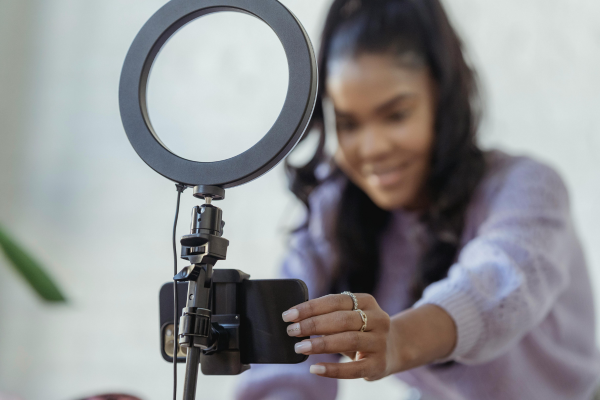

Athlete-Owned Media Is Changing Sports Coverage

There was a time when hearing directly from an athlete meant catching a postgame interview or waiting for a segment to air on ESPN. Reporters controlled the questions. Producers decided what made it to broadcast. The athlete was the subject of the story and rarely the one telling it.

Now, that dynamic has quietly flipped.

Over the past several years, athletes have moved into podcasting, YouTube, and full scale media ventures with a confidence that’s caught a lot of people off guard. This isn’t just moonlighting between seasons. Some of these platforms are drawing audiences that rival traditional sports networks like ESPN, CBS, and NBC.

The athletes utilizing owned-media seem to understand something those sports outlets are still catching up to.

Quick Highlights

  • Athlete-owned podcasts have generated more than 7 billion YouTube views, 725 million TikTok likes, and 37 million Instagram followers combined.
  • A 2025 USC Annenberg study found 33 athlete-owned production companies producing over 370 media properties worldwide.
  • The global podcast industry was a heavy hitter in the entertainment industry, and was valued at nearly $40 billion by the end of 2025.
  • Brands and sponsors are increasingly choosing athlete podcasts shows as advertising platforms due to the strong engagement from fans.
athlete-owned media

Traditional Sports Coverage

Within sports media, athlete frustration has been building for years over misquotes and selective editing stripped of context. A two hour conversation gets reduced to a single pulled quote. A nuanced opinion becomes a headline designed to generate outrage. 

We live in a world where a clipped video or a screenshot taken out of context can reach millions of people before anyone bothers to fact check. Social media moves fast, and corrections almost never travel as far as the original story. For athletes who are already among the most visible and most misrepresented public figures in the country, this has created a major issue. 

Traditional media was never set up to give athletes control over their own narratives. They have had to live with whatever version of themselves ended up in print or on television.

Marshawn Lynch is an infamous form of what that frustration can look like. He was fined over a million dollars across his career for refusing to comply with NFL media obligations. The coverage painted him as difficult and uncooperative, and that’s largely where the story stopped. 

What rarely made it into the narrative was why he felt the way he did. He grew up in an environment that made being forced to perform for the press feel immoral. That context existed, it just had nowhere to go. Years after retiring, he laid it all out on various podcasts, in his own words, without anyone shaping it into something else. 

Without that personal perspective, the public version of Marshawn Lynch was just a guy who wouldn’t speak to reporters. This didn’t come close to capturing it.

Athletes Taking Control

Podcasts have changed that dynamic across the board. 

When an athlete is talking directly into a microphone for an hour, there is no editor cutting for time, no reporter filtering the message, no network sweating over advertising. The audience hears what was said, in full, in the actual context it was meant in.

That kind of direct access simply did not exist at scale before this format came along.

LeBron James recognized this early. Uninterrupted, the platform he helped build, was designed around a straightforward idea: let athletes talk without someone else shaping the message. No click bait reactions and no manufactured drama – just perspective.

The Kelce brothers landed on something similar, though it came together differently. New Heights isn’t built in the way a network show is. It wanders and it gets personal.

That looseness is the whole point. It gives fans something a standard broadcast would never make room for. It shows who they truly are.

@newheightshow

Everyone loves Uncle Travvy and Randy Moss NEW EPISODE OUT NOW!!! Link in bio

♬ original sound – New Heights

Building While Still Playing and After Retirement

What’s changed most noticeably is the timing. Athletes used to wait until after retirement to transition into media. That’s no longer how it works.

Draymond Green launched his show while still active in the NBA, which created something genuinely unique. The audience was shown analysis from someone who had just been in the locker room the night before. The gap between player and commentator shrank in a way that felt hard to fake.

Pat McAfee is maybe the clearest example of what the high stage looks like. He built a digital show from scratch after his playing career ended and grew it into something ESPN eventually paid serious money to partner with. He also did so by refusing to sound like traditional sports radio. The fact that he was a retired NFL player helped – but it wasn’t the whole story. Plenty of former players have tried this. Most have not built what he has built.

For athletes watching all of this, the business logic is hard to ignore. Media presence drives sponsorship value. It builds an identity that outlasts any contract. In a profession where a single injury can end everything, that kind of security is surely worth chasing.

Why Personality Is Beating Production Value

The audience perspective of this is also worth paying attention to. Sport fans haven’t just accepted athlete led media. In a lot of cases, they actually prefer it.

Paul George’s podcast doesn’t try to be a debate show. JJ Redick built The Old Man and the Three around long conversations that assumed the listener actually cared about basketball, not just highlights. That show, more than anything else, explains why the Lakers looked at him differently when a coaching job opened up. He’d spent years demonstrating how he thought about the game.

There’s a version of sports media that’s still chasing outrage because outrage drives clicks. That model hasn’t disappeared, but it’s competing now with something that feels more like a real conversation. A growing share of the audience seems to prefer the latter.

@bustedopenonsiriusxm

☝️🏿The World’s Strongest Man Acknowledges @officialjellyroll! MarkHenry reacts to Smackdown, SNME & Cena-Cody SummerSlam Contract Signing on the bustedopen247 podcast 📅Catch BOAD Weeknights After Wrestling on ProWrestlingNation247 Ch. 156

♬ original sound – BustedOpenonSiriusXM – BustedOpenonSiriusXM

Where It Goes From Here

The athletes coming up now have never known a sports landscape without this. For them, social media, content creation, and personal branding are not second careers to think about someday. They are already baked into how these athletes move through the world and how they build a following long before they reach the professional level.

The broader implications of this go well beyond podcasts. When athletes own their platforms, they also own their revenue streams. Sponsorship conversations shift. Brands no longer need to go through a network or a league to reach an audience; they can go directly to the athlete, whose audience is often more loyal and more targeted than traditional networks. That changes the financial scope of being a professional athlete in ways that are still playing out.

It also changes culture. Athletes have always shaped what people wear, listen to, and care about. That influence used to be filtered through endorsements and highlight reels. Now, it comes through in real conversation and the actual texture of who these people are. That kind of access builds something different than a commercial does. It builds genuine connection, and genuine connection turns casual fans into communities.

Athelo’s own Mark Henry is a good example of what this looks like. The Busted Open podcast, which Henry co-hosts, has become one of the most respected in professional wrestling media. He spent decades inside the industry as a competitor, and that background gives the show insider perspective delivered without a filter. Fans are not getting a produced segment. They are getting a real conversation with someone who actually lived it. 

For Athelo Group, Henry represents exactly the kind of athlete-owned media that is reshaping how sports figures connect with their audiences long after their playing days are behind them.

The microphone used to sit in front of the athlete. Now they are the ones holding it, and they are not planning to hand it back.

FAQ:

  1. What is athlete owned media? It’s exactly what it sounds like. It consists of athletes running their own podcasts, social media, and/or production companies instead of waiting for a network to give them a segment. They own it, they run it, and they decide what gets said.
  2. Why are so many athletes doing this now? Telling your own story is important. Once athletes realized they could just talk directly to fans without a middleman, a lot of them didn’t look back. The financial gain is also a focus for many players.
  3. Are people actually watching and listening? More than most people realize. Athlete owned podcasts have combined for billions of views and likes across social media platforms. Some of these shows are pulling numbers that even rival traditional sports media.
  4. Are athletes really doing this while still in their prime? Draymond Green was still suiting up for the Warriors when he launched his show and Travis Kelce was still competing for Super Bowl runs. That’s actually what made it interesting. You’re getting takes from someone who has a first person perspective of the game.
  5. Does any of this actually pay off financially? Media presence drives sponsorship deals, attracts brands, and builds income that doesn’t disappear the moment a career ends. For athletes in sports where one bad injury changes everything, that kind of option matters a lot.
  6. Can a podcast really change how people see an athlete? Ask JJ Redick. He spent years having genuine basketball conversations on his show, and by the time the Lakers needed a coach, he had already proven how he thought about the game.
  7. Why do fans seem to prefer this over traditional coverage? Because it feels real. There’s no producer cutting to commercials at the good part. No anchor steering the conversation somewhere safe. It’s just people talking, and fans have noticed the difference.
  8. Is this just a trend or is it here to stay? It looks permanent. The podcast industry has boomed within the entertainment realm and sports topics are among the top genres.

How Leaders Like Carlie Irsay-Gordon are Breaking Barriers

Women are steadily reshaping leadership in professional sports. In roles once dominated by men, the industry is seeing female executives like Carlie Irsay-Gordon redefine success and inclusion from front offices to ownership suites. 

Irsay-Gordon, owner of the NFL’s Indianapolis Colts, has already transformed the franchise both on and off the field. Initially met with skepticism from NFL executives and surrounding media, her approach has since earned praise from players, coaches, and reporters alike. 

Irsay-Gordon represents a broader movement, one that is changing the perception of women in leadership and proving that positive influence in sports isn’t tied to gender.

Quick Highlights:

  • As of 2023, women held 24% of C-suite positions in the MLB. For the 2022/23 NBA season, women held 39% of senior management positions.
  • At least 12 of the 32 NFL teams count women as controlling and significantly active owners, making strides from the merely 7 teams reported in 2015. 
  • In 2022, 75% of WNBA CEO/President positions were held by women.
  • Companies in the top quartile for gender and ethnic diversity are 9% more likely to outperform, and those with gender-diverse boards are 27% more likely to outperform financially.

Carlie Irsay-Gordon: Redefining NFL Ownership

Carlie Irsay-Gordon didn’t earn early praise when she appeared on the Colts’ sidelines wearing a headset— critics saw it as overreach. She explained she was there to learn, not direct, and that curiosity has defined her leadership ever since.

Since taking a larger role in 2014, she’s emphasized mental health, family-first policies, and player engagement. Under her guidance, the Colts became one of the first NFL teams to add a full-time clinician. She launched Kicking The Stigma, a campaign that’s raised millions and pushed the NFL to talk openly about mental health.

Players describe her as empathetic and decisive, as someone who values accountability without losing humanity. Former Colt Stephon Gilmore summed it up for fans: “She’s the best. The Colts are in good hands.”

Kim Pegula: Strength in Buffalo

As the former co-owner and president of the NFL’s Buffalo Bills and NHL’s Sabres, Kim Pegula helped turn both franchises into models of organizational stability. She made history as the first woman to serve as president of both an NFL and NHL team and is known for her disciplined, data-driven decision making and commitment to community.

After suffering a serious health setback in 2022, the Bills organization rallied around her, and dedicated wins in her honor. Under Pegula’s leadership, the Bills’ value quadrupled since 2014, making them one of the NFL’s fastest-growing franchises in both performance and market value.

Jeanie Buss: Leading the Lakers Legacy

Shifting over to the NBA in Los Angeles, Jeanie Buss is a powerful example of resilience and success under immense pressure. As the first ever female controlling owner to win an NBA title, Buss has helped restore the Lakers’ legacy through her steady leadership and trust in players and staff.

She navigated many public disputes and high-profile transitions, including parting ways with her brother Jim Buss and hiring Rob Pelinka as GM, all while keeping the franchise on a championship path.

In 2020, Buss became one of the most visible and respected executives in sports, leading the Lakers to their 17th NBA title in the Orlando bubble. Beyond basketball, she has used her platform to champion gender equality and inclusive hiring practices. One way she does this is by personally investing in initiatives like the all-female wrestling league WOW (Women of Wrestling).

Women Across All Leagues

The shift towards increased female leadership moves beyond the NFL and NBA. In the MLB, Kim Ng made history as the first female general manager when she joined the Miami Marlins in 2020. By just three seasons, she guided the club to its first playoff appearance in 17 years.

In motorsports, Susie Wolff, the managing director of F1 Academy is driving change at the intersection of racing and representation, pushing for broader access and visibility for women in motorsports. 

And in soccer, executives like Becca Roux, executive director of the U.S. Women’s National Team Players Association, continue to advocate for pay equity and long-term sustainability within women’s sports, progress that is now influencing how male-dominated leagues operate.

f1 race track

Changing Perceptions and Cultural Impact

While many female leaders have earned respect over time, early criticism often underscores how gender biases continually persist in sports culture. Carlie Irsay-Gordon’s headset moment drew major skepticism, with one of the reasons solely being that she was a woman on the sidelines– a space that is primarily filled with men.

Yet over time, these same figures have changed the public opinion on authenticity, transparency, and performance. A study found that 68% of all U.S. sports fans, which includes both men and women, say they trust professional women athletes. And 58% of American sports fans who don’t watch any women’s sports trust female athletes. 

That credibility extends beyond the playing field. When women move into leadership roles, studies show that engagement rises, workplace satisfaction improves, and risk management is improved.

A New Era of Leadership

The presence of women like Irsay-Gordon, Pegula, Buss, and Ng signals something bigger than just female representation. They’re redefining team culture, fan engagement, and the business priorities of modern sports.

At Athelo Group, we believe leadership is strongest when it’s diverse and inclusive. Across professional sports, women are showing that success grows from respect, trust, and a unified vision.

Short Form Content Is Winning the Sports Viewership Game

Social media has become central to how people consume information, and sports are no exception. Instead of sitting down to watch a full game, fans can now catch the most exciting moments in short form content delivered straight to their phones.

These bite-sized highlights package the best plays into quick, shareable content that spreads fast. The shift is changing how athletes, leagues, and sponsors think about marketing, fan engagement, and the overall viewing experience.

Quick Highlights:

  • In a 2021 survey, 58% of MLB fans, 54% of NBA fans, and 48% of NFL fans aged 18–34 said they prefer highlights over full games.
  • 43% of young adult sports fans follow their favorite league on social media.
  • In 2025, the average social media video length has dropped 13%.
  • The WNBA saw a 470% jump in average engagement per post from 2023 to 2024.
  • In the first half of 2025, vertical video formats (Reels, TikToks, etc.) made up 63% of all content — an 87.5% year-over-year increase.
nba fans at washington wizards game

How Short-Form Content and Social Media Link

The rise of platforms like TikTok and Instagram has changed how quickly information spreads and how people consume it. Instead of long-form content, audiences are now primed to receive and prefer shorter bursts of media.

Easily accessible technology has accelerated this shift, especially among younger generations. A Microsoft study found the average attention span has dropped to less than nine seconds even shorter than a goldfish’s.

With most sporting events lasting hours, it’s no surprise fans are leaning toward highlights that match this shorter focus. In January 2025, a clip of NBA star Ja Morant dunking over Victor Wembanyama went viral with over 11 million views, despite the play being called off. For fans, every big moment — even those that don’t count — is still worth watching.

The NBA: A Highlights League

A recent example of short-form highlights shaping sports comes from NBA commissioner Adam Silver. At a September 16 press conference, Silver drew backlash after saying that “there’s a huge amount of our content that people essentially consume for free. [The NBA] is very much a highlights-based sport.”

In 2025, the NBA’s average audience was 1.04 million — a 5% year-over-year drop from the 2023–24 season. Many fans criticized Silver for promoting highlights over live broadcasts.

Still, Silver may have a point. Billionaire Mark Cuban defended him, arguing that while the wording could have been better, Silver is one of the few executives acting in fans’ best interests.

For all the pushback, short-form highlights could end up being a long-term advantage for the NBA.

nba court

Are Highlights Impacting Fan Engagement?

While live broadcasts are seeing declines, highlights are driving a surge in fan interactions. During the 2022–23 season, NBA social accounts generated 32 billion views with an increase of over 10% year over year. By posting highlights openly on social media, leagues make it easier for casual fans to connect with teams and players.

Highlights also serve as a powerful promotional tool. A recent study found that 64% of sports fans engage with teams or athletes on social platforms, giving organizations a way to spotlight upcoming events or showcase rising talent.

In short, even as live viewership dips, highlights are proving to be one of the strongest tools for keeping fans more connected and more engaged than ever.

A Rise in Athlete Recognition

It takes one piece of short-form content for an athlete’s brand to instantly boom. In the first half of 2025, 3.5 million highlights were published in real time, up 19% from 2024.

One example came during a recent WNBA game, when Indiana Fever’s Sophie Cunningham defended teammate Caitlin Clark after a hard foul. A clip of the exchange went viral that same night, and Cunningham’s following skyrocketed. Before the video, she had around 200K followers on TikTok and 350K on Instagram. 

Today, those numbers have grown to 1.6 million on TikTok and 1.3 million on Instagram. This kind of visibility not only builds personal brands for established athletes, but also gives amateurs a chance to showcase their ability and get noticed by high-level organizations.

The Shift in Sponsorship

Brands have noticed a substantial increase in short-form content viewership, and it is changing the way they sponsor sports.

Daniel Kirschner, Co-Founder and CEO of Greenfly, explained that “short-form content is now a primary way fans engage with sports, and rights holders must tap into its media and sponsorship value.”

To reach younger demographics, brands are leaning on social media instead of traditional signage. Rights deals tied to short-form content are delivering unprecedented returns, while billboards and static ads lose relevance.

The sports sponsorship market is projected to hit over $55 billion in 2025, an 8% increase from 2024. With short-form content now central to sports marketing, that growth should not come as a surprise.

Continued Growth and Relevance

The rise of short-form content shows no signs of slowing down. Instagram Reels, launched only four years ago, now draws more than 2 billion people to its short-form videos.

Sports highlights will remain a key driver of this growth. For athletes, leagues, and sponsors, short-form content has become an effective way to reach fans and strengthen engagement across platforms.

Certain sports may lean into this trend more than others. Motorsports and lacrosse, for example, are well positioned to benefit from a highlight-driven approach. Fans can expect to see athletes in these spaces, like Chandler Smith and Marcus Holman, appearing more frequently in their feeds.

How AI in Sports Revolutionizes the Fan Experience 

The fan experience is all about how people interact with their favorite team, athlete, or brand. It’s more than just “watching the game.” It’s about building a lasting emotional connection.

Wimbledon shows how this is evolving. Their “Match Chat” feature lets fans ask an AI assistant questions during matches, while “Likelihood to Win” delivers real-time win percentages. Both are powered by IBM’s language model and stem from a 35-year partnership between IBM and Wimbledon. Together, they highlight how technology is reshaping what it means to be a fan.

At Athelo Group, we’ve seen AI in sports extend well beyond major tournaments. Athletes are using similar tools to connect more authentically with their communities. From frictionless stadium energy to instant highlight reels and smarter data, the fan experience is becoming more personal and interactive than ever.

Quick Highlights

  • The Cleveland Cavaliers saw an 83% jump in app downloads after rolling out AI-personalized highlights with WSC Sports.
  • WSC Sports’ editing tools generated over 16,000 highlight clips in a single Cavs season.
  • 46% of Gen Z fans watch live games because of the athletes they follow, not team loyalty, making AI-driven personalization crucial.
  • MLB’s Go-Ahead Entry program using facial recognition delivers ticket scans 2.5 times faster than traditional gates.
  • AI targeting has cut media waste by 40% while boosting conversion rates for sports brands.
  • The market for AI in sports is projected to reach $4.6 billion by 2032, up from $2.2 billion in 2022.
mlb stadium using ai to enhance fan experience

Personalized Highlights: Any Play, Any Player 

The Cleveland Cavaliers were the first NBA team to test a new wave of AI-driven content through their partnership with WSC Sports, an AI-powered sports content firm. They became the guinea pigs for personalized highlights.

WSC’s platform recognizes that no two Cavs fans are alike. Using AI, the app lets users create custom reels around their favorite players and moments.

Want every Donovan Mitchell dunk or every Jarrett Allen block? The system automatically compiles it. The results speak for themselves: 83% more app downloads and over 16,000 clips generated in a single season.

This type of technology won’t stay limited to basketball. Athelo Group sees applications across all sports—from MLB to surfing. Imagine surfers like Zoe Benedetto releasing custom highlight edits to showcase her moves and connect with fans on a deeper level. The sky’s the limit.

The Data-Driven Superfan 

AI personalization has redefined how fans engage, but the biggest shift is the rise of real-time data. It’s no longer just about watching the game—it’s about understanding it on a deeper level.

During the NBA Playoffs, Sportradar processed hundreds of thousands of data points live to calculate win probabilities and generate game forecasts.

These insights gave gamblers and fans alike access to information that once sat behind closed doors with coaches and analysts. Suddenly, the fan experience isn’t just emotional, it’s analytical, with numbers shaping the way people consume every possession.

The same model applies to athletes themselves. Just as fans track player performance on the court, training data can reveal an athlete’s strengths, weaknesses, and progress over time. 

Take CrossFit athletes like Laura Sanchez, for example. The strength metrics collected during her workouts can be quantified to measure efficiency, recovery, and long-term growth. The line between fan engagement and athlete development is blurring, all powered by data.

crossfit athlete using ai in sports to measure military press performance

Biometrics: A New Normal for Game Day

​​Biometrics are reshaping the in-stadium experience in MLB through programs like “Go-Ahead Entry,” which uses facial recognition at ballparks such as Oracle Park and Nationals Park. Fans upload a photo into the MLB Ballpark app, link their ticket, and access the stadium through special gates—cutting ticket scan times by 250%.

Several NFL teams are now adopting similar systems, including the Tennessee Titans at Nissan Stadium. Their Express Entry program, powered by Wicket and Verizon, allows fans who upload a selfie in advance to use facial recognition for faster gate access. Shorter lines and added security make the case clear for teams and venues.

At the same time, concerns about data privacy are growing. Orrick, Harrington & Sutcliffe note that “state regulators are increasingly concerned about biometric data privacy, and state laws that grant private rights of action present significant risk for this type of sensitive information.”

Stadiums will need to weigh transparency and clear disclosure against the push for convenience. For fans who value privacy, the question isn’t just whether this technology works, it’s whether they can trust it.

biometric fingerprint showcasing ai in sports

Information Overload 

New technology and AI in sports have given fans and leagues access to a depth of information never seen before. A recent Snowflake / Sports Innovation Lab collaboration found that AI-driven targeting reduced media waste by 40% and boosted fan conversion rates across multiple brands. Personalized highlights, biometric systems, and predictive analytics are only the start.

At Athelo Group, we see this moment as both an opportunity and a challenge. Technology is reshaping how fans connect, but athletes and brands need the right strategy to cut through the noise. Authenticity remains the key to lasting engagement.

Our work helps athletes harness these tools in ways that strengthen relationships and expand fan communities. From smarter content delivery to data-driven engagement, we focus on innovation without losing sight of trust.

Learn more about our projects and partnerships here.

Athletes Becoming Sports Analysts: The Post-Retirement Career Path

The average professional sports career is relatively short. In the NFL, the average is only 3.3 years. In the NBA, it’s roughly 4.5 years. This leads many athletes to look beyond their playing career into other avenues where they can excel professionally. 

Many aim to remain in the sports world. As former athletes, audiences respect these figures as trusted media voices. They are often sought-after for roles such as a sports analyst, host, podcaster, or influencer.

The natural transition from player to on-air personalities has helped shape sports culture, fan engagement, and brand strategy.

Quick Highlights:

  • The average retirement age for an athlete is under 30 years old: 29.5 in the MLB, 28.2 in the NHL, 28 in the NBA, and 27.6 in the NFL.
  • With careers ending so early, many athletes look to broadcasting as a second chapter. From 2015–2018, 38% of NFL Broadcasting Bootcamp participants transitioned into jobs in sports media, a number that has only grown since.
  • 46% of Gen Z sports fans say they watch live games not out of team loyalty, but because of the athletes they follow. This creates opportunities for retired players to remain influential voices.
  • Fans also gravitate toward a recognizable sports analyst. A New York Times survey found that 57.4% of NFL fans favored the pairing of Tony Romo and Jim Nantz over other broadcast teams.
sports analyst at georgia football game

The History

Athletes stepping into the broadcast booth isn’t new. Legendary sports figures, such as John Madden, showed how former players can bring something new to sports commentary. However, what was once just a simple “career extension” of athletes converting to commentators has now shifted into a very diverse media landscape. 

Today, ex-athletes appear as podcast hosts, YouTube creators, and studio analysts, while others move into leadership roles. Some even build their own media companies, giving them creative control and long-term influence.

A prime example is Peyton Manning, who launched Omaha Productions after his playing career. Together with his brother Eli, he helped create The Manningcast, a Monday Night Football broadcast that became one of the most popular alternate viewing experiences in sports.

Authenticity and the Athlete Perspective

Streaming platforms, networks, and advertisers favor athletes in sports analyst roles because they bring an authentic perspective. Having competed at the highest level, they offer insights no outsider can match, and fans value hearing experiences from people who have lived them.

Many praise Tony Romo, for example, for predicting plays in real time and breaking down the quarterback’s POV for audiences. The NFL even created a bootcamp program to help players like Romo transition into media after their careers.

From a business standpoint, athletes also carry a built-in following. Millions of fans who watched them compete now follow them into media, giving these voices instant credibility and relevance. After a long, high-profile MLB career, Alex Rodriquez leveraged his fame to work as an MLB analyst for Fox Sports, co-host shows like The Deal on Bloomberg, and contribute to networks like ABC and ESPN.

The Entertainment Factor

Entertainment value often enhances a former athlete’s role on air. Inside the NBA has become inseparable from the sport itself, thanks to the chemistry of Shaquille O’Neal and Charles Barkley blending humor with professional insight.

The show’s popularity built such a loyal following that fans grew anxious when its contract was uncertain. With so much viewer demand, keeping the program alive became a necessity for both business and entertainment reasons.

IndyCar driver and Athelo Group athlete Conor Daly also shows how athletes can thrive by leaning into entertainment. He hosts the weekly podcast Speed Street, where he discusses his sport, and regularly appears on talk shows and media segments to expand his reach.

The Criticism

Not every athlete successfully transfers their on-field skills to the broadcast booth. Some have faced backlash for being unprepared, lacking fresh perspective, or struggling with on-air presence. Networks have at times leaned too heavily on name recognition, as seen with Jason Witten’s short stint as a Monday Night Football commentator.

Another challenge arises when athlete-analysts clash with traditional media professionals. On a recent episode of ESPN’s Get Up, ex-NFL player Ryan Clark and analyst Peter Schrager got into a heated argument that quickly spread across social media. Clark was criticized for dismissing Schrager’s viewpoint by saying he lacked a player’s perspective, a response many felt crossed a line.

The incident highlighted the importance of balance. Networks rely on athlete voices for authenticity, but they also need analysts who can pair expertise with fairness and professionalism. Without that balance, credibility and fan trust can be put at risk.

Athletes as Hosts Beyond Commentary

Social media, streaming, and podcasts have allowed athletes to launch media careers before retirement. Shows like The Pivot Podcast or New Heights with Travis and Jason Kelce have redefined athlete-led content, blending analysis with personality.

Fans now follow athletes who not only share professional insight but also humor, cultural takes, and behind-the-scenes moments that traditional networks might filter out. This mix has expanded how athletes connect with audiences and grow their media presence.

Beyond podcasts, many athletes move into mainstream entertainment. Michael Strahan is just as well known on Good Morning America as he was in the NFL, while Nate Burleson has built a similar crossover career. Dwayne “The Rock” Johnson went even further, shifting from wrestling into blockbuster films, with The Scorpion King grossing $180 million worldwide.

The Future of Athlete Media

The end of an athlete’s career no longer signals the end of their influence. From television broadcasts to podcasts and social platforms, retired players are rewriting the playbook for how sports stories are told.

For fans, this shift delivers unfiltered access to voices they trust, people who know the game because they have lived it. For athletes, it creates a second career that can be just as impactful as their time on the field, giving them the chance to shape conversations around the sports they helped define.

The Athleisure Evolution

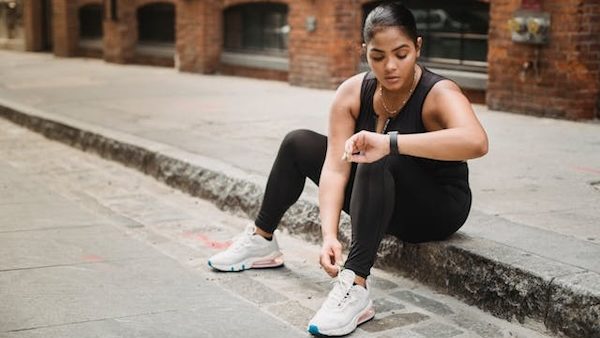
Once confined to the gym, athleisure has now made its way to sidewalks, runways, and social feeds. Defined as “casual clothing designed to be worn both for exercising and general use,” the genre has become a staple of modern wardrobes.

Just as athleisure has evolved, so too has the image of the athlete. Sports may launch their public identity, but their personal brand is shaped by lifestyle, style, and authentic self-expression. Athletes today move markets, set trends, and have become cultural figures with athleisure as their official uniform.

Its rise signals a growing fusion between fitness and fashion, reimagining what it means to be well-dressed.

Quick Highlights

  • The global athleisure market value reached $425 billion in 2025.
  • Nike holds strong as the top athleisure brand with a 21% market share followed by adidas at nearly 15%. Lululemon has a market share of 4.76%
  • From smart fabrics to sustainable materials, technological advancements in athleisure enhance performance while maximizing comfort. 
  • Yoga apparel is the fastest-growing athleisure type, driven by the global popularity of yoga and wellness-centered lifestyles.
  • In the United States alone, consumers spend an estimated $500 billion annually on wellness-related products.
woman in athletic-wear and necklace

Merging Athletic Identity and Fashion

Brands are evolving far beyond athlete sponsorship deals. Dynamic partnerships like Skims and the NBA, Free People and tennis, and Ralph Lauren with Team USA demonstrate this culture shift. 

In 2023, Kim Kardashian’s Skims became the official underwear partner of the NBA, WNBA, and USA Basketball. Co-founder and CEO Jens Grede noted that “the NBA’s modern approach and significant impact on pop culture, entertainment, and fashion is unparalleled in sports.”

The NBA’s commitment to broad representation across its league and fan base made it a natural fit. With 41% of consumers more likely to engage with inclusive and culturally relevant brands, Skims was a smart, profitable match.

The partnership helped propel Skims to $750 million in sales in 2023, up from $500 million the year prior, proving the power of cross-industry collaboration.

Lifestyle Brands on the Court

In the tennis world, lifestyle brands are making similar moves to embed themselves in athletics. You might’ve spotted FP Movement sets on players during Wimbledon.

Free People launched FP Movement as its activewear line, which became a standalone brand in 2020. Since then, it has made tennis a key focus, signing players like Sloane Stephens and Danielle Collins, and recognizing the sport’s cultural reach far beyond match play.

Tennis remains one of the most widely-played sports across age groups and communities, blending competition with lifestyle appeal. That accessibility has helped position FP Movement as a leader in merging performance with everyday style.

woman in athleisure stretching on grass

Dressing the Nation

One of the most iconic modern partnerships is Ralph Lauren’s longstanding collaboration with Team USA. Since 2008, the brand has designed official opening and closing ceremony uniforms, blending classic American heritage with elite athletic competition. It is a symbol of national pride through athletic excellence.

Rooted in themes of Americana and aspirational style, Ralph Lauren’s presence elevates the image of U.S. athletes. The partnership places athleisure within the realm of high fashion, showing that what athletes wear can be just as powerful as how they perform.

Ahead of the 2024 Olympics, Ralph Lauren reported a 25% surge in online searches in anticipation for the brand activation. As fashion and sport continue to intersect, this collaboration reflects the successful integration between luxury fashion and competition on the world stage.

The New Definition of “Well Dressed”

In recent years, fashion has shifted from formal to functional. Sundresses have been replaced by workout onesies, jeans swapped for leggings, and tennis skirts have become everyday wear. Even classic men’s khakis are being reimagined by athleisure brands like Vuori.

This evolution reflects a larger cultural shift toward comfort, wellness, and ease. The $2 trillion global wellness industry continues to grow, fueled by younger generations prioritizing movement, clean eating, and intentional living. And fashion has adapted in step.

Trends like the viral #hotgirlwalk—now at over 641 million TikTok views—highlight this intersection. These walks merge self-care with style, often featuring sleek, coordinated sets inspired by athletes’ training wear.

Luxury fashion has followed suit. High-end brands like Gucci and Miu Miu are now offering elevated activewear and designer sneakers, making it easy to look effortlessly put-together while embracing a lifestyle rooted in wellness.

yoga athleisure

How Social Media Propelled Athleisure’s Rise

Social media amplifies fashion trends, and athleisure is no exception. Vuori recognized this early, launching an NIL partnership with gymnast Livvy Dunne in 2021. Through Dunne’s social content, Vuori quickly positioned itself as a serious player in the athleisure space.

Another athlete embracing this intersection is Athelo Group’s own Sydney Grimes. She embodies the look-good, feel-good mentality, blending golf, fitness, and style in a way that feels effortless. Her partnerships with brands like Ghost Golf and Gold Hinge don’t feel promotional; they’re simply part of her daily life.

This kind of authenticity resonates. For today’s audience, especially Gen Z, trust and relatability matter more than polish. Athletes and influencers no longer need to push product. A morning routine, a gym fit, or a healthy breakfast all become lifestyle content, and athleisure is the through line tying it together.

Athleisure’s Staying Power

Athleisure’s rise wasn’t a trickle-down from celebrities and major brands. Micro-influencers and athletes fueled its success from the ground up. These creators and sports figures present a version of wellness and style that feels more accessible, and their loyal followers trust them to set the blueprint.

Instead of pushing clothes alone, micro-influencers promote habits. Followers don’t just buy leggings or sneakers; they buy into the routine behind them. For brands, partnering with these voices offers a more personal, authentic feel that resonates deeper than traditional advertising.

Looking ahead, expect brands to double down on this approach. As consumers continue to crave relatability, “just-like-me” influencers and inspirational athletes will remain key to shaping how athleisure is marketed, worn, and embedded into everyday culture.

NFL Pro Bowl Viewership Slumps, NHL’s Global Focus Strikes Gold

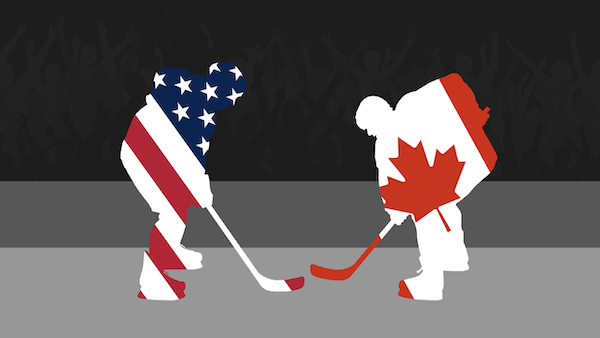
This year, the NHL skipped its traditional All-Star Game, instead opting to feature a four-team tournament between Finland, Sweden, Canada, and the United States. Narratives surrounding the Trump Presidency’s economic and political relations with Canada propelled the recent Four Nations Face-Off into the limelight. The NHL, ESPN, and players capitalized on this moment, raising questions about the future of All-Star events across sports.

Quick Highlights

  • The NHL’s Four Nations Face-Off tournament between Finland, Sweden, Canada, and the United States drew 9.3 million U.S. viewers, becoming the most-watched non-Olympic hockey game ever.
  • The U.S.-Canada game saw a dramatic 3 fights in the first 9 seconds of play.
  • Players, coaches, and celebrities, including JJ Watt, praised the new format, suggesting it could shape the future of All-Star events.
  • The NFL’s Pro Bowl flag football contest saw a sharp 18% decline in viewership from the previous year, with only 4.7 million viewers tuning in.
  • The NBA’s reimagined All-Star Game attracted 4.7 million viewers, marking a 13% decline from the previous year and making it the second-least watched All-Star Game in NBA history.

Fan and Media Reactions to the Four Nations Face-Off 

The National Hockey League’s in-season tournament between the United States, Canada, Finland, and Sweden was an enormous success. Held during the traditional NHL All-Star break, the tournament was a bold departure from the norm. The risk the NHL took by announcing this shakeup at last year’s All-Star Game paid off big-time. 

The Four Nations Face-Off shattered records, attracting 9.3 million viewers and becoming the most-watched non-Olympic hockey game ever in the U.S. Beyond the impressive TV ratings, the event sparked a social media frenzy and ignited excitement for best-on-best hockey at the 2026 Winter Olympic Games.

The finale was an overtime thriller, capped with a Connor McDavid goal to win the tournament for Canada, 3-2. Jordan Binnington, the often-critiqued Canadian goalie of the St. Louis Blues, put on an epic display with several highlight saves in the third period and overtime.

“Man. What a game,” proclaimed NFL Hall of Fame Defensive End JJ Watt. Geopolitical drama, masterful social media promotion, and world-class hockey combined to catapult the NHL’s innovative new tournament to success.

Mixed Results for 2025’s NFL Pro Bowl and All-Star Games

In January, the NFL’s Pro Bowl Games saw record-low viewership as star players sat out and fan interest in the flag football contest remained low. Only 4.7 million viewers tuned in, marking an 18% decline from the previous year. The NBA’s All-Star Weekend, with its new tournament format, became the second least-watched game in the event’s history.

Although viewership for the NBA’s reimagined All-Star Game was down, the event thrived on social media, generating significant impressions and airtime for corporate partners like Emirates and FanDuel. This reflects a broader trend of creating short, engaging content aimed at Gen Z sports fans.

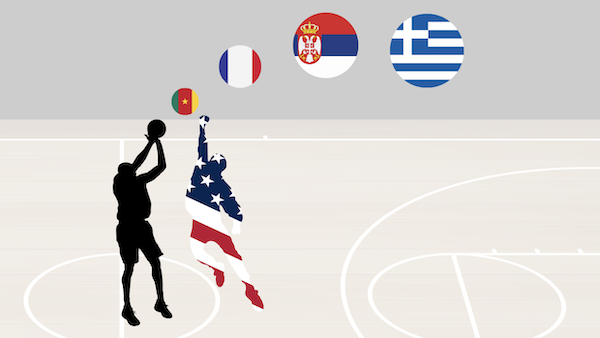
NBA fans and stars like Victor Wembanyama have suggested that a competition between American and international players could be “more purposeful” and inspire players to take “more pride in it.”

Growing the Game of Hockey

It’s no secret that the NHL has made it a mission to grow the game of hockey through the promotion of international competition. The league’s decision to replace the traditional All-Star Game with the Four Nations Face-Off exemplifies this strategy, bringing together elite players from Canada, the United States, Finland, and Sweden for a high-stakes mid-season tournament. 

This shift not only bolstered fan engagement but also strengthened hockey’s global appeal by showcasing top-tier talent in a competitive setting. The NHL’s renewed commitment to allow its players to participate in the Olympics further highlights its focus on international expansion.  By prioritizing meaningful international events, the NHL aims to cultivate a broader, more engaged fan base while elevating the sport’s global significance.

The growth of the NHL outside its familiar North American markets also presents the opportunity to grow its portfolio of corporate sponsors with global brands. Through its Premier Series and Global Series games played in nations across Europe and Asia, the NHL has secured partnerships with foreign brands such as Kaufland, Czechicehockey.tv, and Veikkaus.

The Shift Toward International Competition

The NFL and NBA have long recognized the importance of a global audience. The NFL’s international growth strategy targets untapped markets in Latin America and Europe, while the NBA’s global success has even influenced the NHL’s decision to allow athletes to compete in the Winter Olympics starting next year.

Given the decline in viewership for both the NFL Pro Bowl Games and NBA All-Star Weekend, should these leagues follow the NHL’s lead and replace their traditional weekend events with opportunities for international competition? This conversation is already taking place between NBA executives and NBC, and in the future, we could see a team of stars like Antetokounmpo, Wembanyama, Jokic, Doncic, and others compete against the best of the U.S.

The Future of the NFL Pro Bowl Games

In comparison to other North American leagues, the NFL has fewer international stars. Viewership for the NFL’s flag football contest continues to decline, and with players reluctant to participate in full-contact play, what does the future of the Pro Bowl Games hold? There’s optimism that the inclusion of flag football in the 2028 Los Angeles Olympics may boost the sport, potentially with star players like Tyreek Hill.

Despite the dip in interest, the NFL Pro Bowl Games’ skills challenges have seen stable viewership. These challenges may receive more focus in future Pro Bowl Weekends, providing engaging, clip-worthy moments for social media.

Future Sponsorship Implications

The growing global popularity of North American sports presents opportunities for leagues and teams to leverage international players, global series games, and social media to secure partnerships with foreign brands.

As fan interest in the Pro Bowl and All-Star Games’ main events declines, the focus shifts to amplifying social media content, driven by viral moments from skills competitions, player interactions, and media appearances. This year’s Super Bowl ads highlighted the power of authenticity, storytelling, humor, and athlete influence—traits that continue to generate the highest engagement and impact for sponsors.

At Athelo Group, we prioritize authenticity in our campaigns, leveraging athletes’ global reach to create content with international appeal and scale partnerships beyond U.S. markets.

The Rise of Athlete Entrepreneurs: From Brand Partnerships to Equity Holders

Athletes are no longer just endorsing brands—they’re building them. This marks a significant shift from the traditional brand partnerships model, where athletes were seen merely as spokespeople, sharing their name and image with a product in exchange for lucrative but mostly short-term deals.

Now, a growing number of athletes are seizing opportunities to go beyond brand partnerships. They’re not just faces on commercials—they’re equity partners, investors, and even founders. This entrepreneurial approach aligns with a broader trend of athletes taking control of their careers and financial futures, leveraging their platforms to create sustainable, long-term wealth.

By aligning with brands that resonate with their personal values and goals, athletes are creating authentic connections with their audiences and reshaping consumer ideas. The rise of athlete entrepreneurs isn’t just transforming their individual careers—it’s transforming industries, influencing consumer trends, and redefining the nature of athlete branding.

brand partnerships

A New Era For Athlete-Brand Relationships

Historically, athletes were the faces of marketing campaigns, trading their image for a paycheck. While endorsements provided short-term financial gain, they often lacked the deeper connection athletes craved with the brands they represented. 

Today, a new model has emerged: equity-based deals and entrepreneurial ventures. These arrangements empower athletes to take ownership of the products they promote, aligning their personal brands with their business interests.

Notable examples include Serena Williams’ Serena Ventures, which has invested in over 60 startups, and Stephen Curry’s SC30 Inc., which facilitates ventures into production, tech investments, and brand partnerships. 

Meanwhile, LeBron James famously turned down a $15M endorsement deal with Reebok early in his career to prioritize long-term equity opportunities. His equity stakes in brands like Blaze Pizza and SpringHill Company have skyrocketed in value. These examples illustrate how equity deals are reshaping the athlete marketing landscape.

Athletes: Why Equity Deals and Entrepreneurship Work

Unlike traditional endorsement deals with short-term rewards, equity stakes and entrepreneurial ventures provide athletes with long-term financial stability and the potential for exponential growth. By actively participating in the decision-making process—whether as co-founders, investors, or advisors—they align their values and personal brands with the businesses they support. 

NBA star Stephen Curry’s investment in Tonal, a smart home gym company, highlights this trend. He serves as both an ambassador and an equity holder in the company.

Curry’s involvement in marketing and product development boosts the brand’s appeal among fitness-conscious consumers. It also reflects his dedication to fitness and innovative health solutions, making him an authentic and credible advocate for the brand.

By choosing equity over quick cash, athletes send a powerful message: they are visionaries shaping the future. This approach strengthens their personal brands as trailblazers and innovators, securing a legacy that extends far beyond their athletic achievements.

brand partnerships

Brands: Why Equity and Entrepreneurship Deals Work

Partnering with athletes as equity stakeholders gives brands a strategic advantage. Unlike one-off endorsement deals, equity partnerships create a symbiotic relationship where both parties share a vested interest in mutual success. Athletes bring unique insights that can shape product development, marketing strategies, and consumer engagement. 

The enduring success of the Air Jordan brand demonstrates the power of equity partnerships vs. traditional brand partnerships. Michael Jordan’s direct involvement in the design and promotion of the iconic sneaker line has made it a cultural phenomenon. As part of the deal, Jordan receives royalties and maintains influence over the brand’s direction, ensuring its longevity.

Transforming Emerging Industries

Athletes are increasingly investing in cutting-edge tech startups, wearable fitness devices, and esports platforms. Venture capital initiatives like Kevin Durant’s Thirty Five Ventures target disruptive technologies blending sports and lifestyle.

Athletes such as Chris Paul and Naomi Osaka promote eco-conscious brands, shaping consumer expectations and driving industries toward greener practices. Athlete-driven brands like Tom Brady’s TB12 Sports and Simone Biles’ Gold Over America Tour reshape consumer engagement with sports and wellness products. These ventures blend accessibility with aspirational marketing, influencing behaviors across demographics.

brand partnerships

The Broader Impact on Athlete Branding

As athletes embrace entrepreneurship, their influence extends far beyond the field. They blur the lines between sports, business, and culture, making them pivotal players in shaping modern consumer trends.

These efforts redefine brand partnerships, encouraging athletes to be seen as creators and innovators. The athlete-entrepreneur trend is still emerging, with more athletes investing in startups, co-founding companies, and prioritizing equity over endorsements. This evolution leads to greater representation in brand development and invigorates new industries such as augmented reality, health tech, and renewable energy.

Sources:

  1. https://moneywise.com/investing/investing-basics/athletes-investing-in-tech 
  2. https://insider.fitt.co/issue-no-99-the-athlete-vc/ 
  3. https://moneysmartathlete.com/the-business-side-of-being-an-athlete/entrepreneurial-athletes-building-businesses-beyond-sports/
  4. https://www.investopedia.com/who-are-the-most-famous-athlete-investors-5078036 
  5. https://afrotech.com/serena-williams-helped-14-companies-reach-unicorn-status 
  6. https://www.matesbrands.com/news/the-celebrity-athletes-winning-at-investing 
  7. https://sbf.capital/athletes-endorsements-influence-consumer-decisions-brand-value/

How Gen Z Trends Are Shaping the Sports Economy

Gen Z trends are reshaping sports consumption as fans move away from cable toward dynamic, bite-sized clips on social media. Instead of sitting through long games, Gen Z prefers highlights, behind-the-scenes content, and interactive videos that keep them engaged in quick bursts.

Leagues are adapting quickly. The NFL is working with influencers like Brazilian streamer Casimiro Miguel to promote content on social platforms, while the MLB launched a TikTok Creator Class to connect with younger fans. These changes show how important it is for sports organizations to meet Gen Z trends where they are—online, with content that’s fast, fun, and easy to share.

gen z trends

A Values-Driven Generation

Gen Z doesn’t just watch sports for entertainment; they want the teams and athletes they follow to stand for something. Causes like sustainability, mental health, and racial justice are priorities for this socially-conscious generation. Teams that embrace these causes build stronger connections with Gen Z fans. 

For example, Adidas’s efforts to clean up ocean plastics and USA Lacrosse’s diversity grants resonate with this audience. When leagues and players back important causes, Gen Z pays attention and sticks around. About 60% of Gen Z and Millennials in the U.S. say they’re more loyal to brands that tackle social issues. On the flip side, organizations that ignore these values risk losing this critical fan base.

gen z trends

Spending Power That’s Changing the Game

With $143B in spending power, Gen Z is sending waves through the sports economy. Prioritizing affordability and inclusivity, Gen Z pushes teams to offer eco-friendly merchandise and accessible, meaningful game-day experiences.

Their influence mirrors trends in industries like fashion, where Gen Z’s preference for sustainable and inclusive brands has led to a rise in eco-conscious products. Sportswear companies have also embraced these values, blending lifestyle and performance to capture Gen Z’s loyalty through sustainable and inclusive offerings.

This shift is prompting leagues to create more meaningful ways for fans to engage, like interactive events and behind-the-scenes content. For example, the Los Angeles Lakers’ “Backstage: Lakers” series offers fans unprecedented access to the team’s inner workings, enhancing their connection to the players and organization.

Gen Z wants to feel like they’re part of the action, and organizations that deliver authentic experiences are the ones winning their loyalty and their dollars.

gen z trends

The Future of Sports in a Gen Z’s Digital- First World

Gen Z’s habits and values are forcing the sports world to evolve. They want fast, digital content, teams that stand for something, and experiences that feel accessible and meaningful. Leagues that adapt to these expectations are better positioned to capture this generation’s attention and loyalty. Gen Z isn’t just a new audience—they’re redefining what it means to be a sports fan, and they’re setting the tone for the future of the industry. For teams and leagues ready to evolve, the opportunities are limitless.

Sources:

  1. https://www.nytimes.com/2022/01/12/sports/video-games-nfl-gamers-gen-z.html
  2. https://www.oliverwyman.com/our-expertise/insights/2023/oct/gen-z-reshaping-professional-sports-economics.html
  3. https://nielsensports.com/why-gen-z-is-challenging-the-notion-of-the-hard-core-sports-fan/#:~:text=Gen%20Z%20sports%20consumption%20trends&text=Our%20research%20shows%20Gen%20Z,any%20long%2Dterm%20contractual%20commitment.
  4. https://medium.com/ipg-media-lab/gen-zs-impact-on-the-future-of-sports-87930b83b672
  5. https://www.ourperspectives.com/article/28785-gen-z-will-reshape-the-economics-of-professional-sports

Become a Sponsor.

Join us in making a difference. Tell us a bit about yourself and we’ll be in touch with sponsorship details.

By submitting this form, you agree to be contacted by the Athelo Group team regarding sponsorship opportunities.