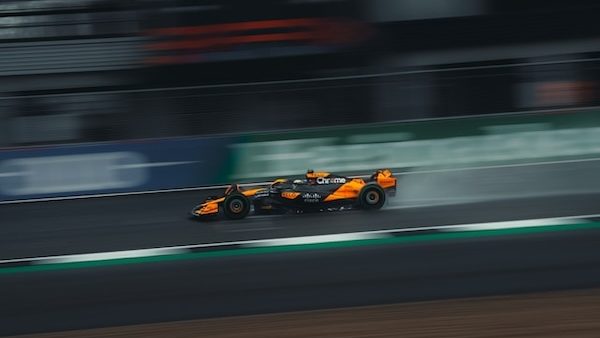
Cadillac Joins Formula 1 in 2026 as America’s Newest Contender

On March 7, 2025, Cadillac F1 officially secured its place as the 11th team on the Formula 1 grid, set to debut in 2026. This marks a significant moment for American motorsports, as General Motors and Cadillac become only the second U.S.-based team in F1 history.

While Haas F1 was the first, many fans do not view it as a true “American-first” team due to its European operations and close technical partnership with Ferrari.

Quick Highlights

  • Cadillac will officially join Formula 1 in 2026 as the 11th team on the grid, further solidifying America’s presence in the sport.
  • Andretti Global will play a key role in building and operating the team but will not retain the official naming rights.
  • Cadillac is expected to invest approximately $750 million in research, development, and infrastructure before making its highly anticipated 2026 debut.
  • Colton Herta has emerged as a fan-favorite candidate for a seat, but securing a spot on the grid comes with significant challenges and competition.

Cadillac F1 Entry Strengthens American Expansion

For Formula 1, Cadillac’s entry aligns with the sport’s growing focus on the American market. Bringing in a well-established automotive brand like Cadillac strengthens this initiative, as the company is synonymous with luxury, performance, and a strong heritage in the industry.

Its involvement not only elevates F1’s presence in the U.S. but also provides a significant commercial opportunity for American investors and sponsors looking to enter the global racing scene.

The road to this approval has been eventful. In 2023, Andretti Global, a highly respected name in American motorsport with teams in IndyCar, Indy NXT, and Formula E, submitted a bid to join F1.

However, Liberty Media rejected the proposal, citing concerns over competitiveness, commercial value, and the belief that it was not a fully General Motors-backed initiative. This decision was met with disappointment from motorsport fans who saw Andretti as a natural fit for F1.

Cadillac Takes the Lead, Andretti’s Role Shifts

With Cadillac now leading the project, the structure has changed. Andretti remains involved, but now centers its role around team operations and racing expertise rather than branding. 

This distinction appears to have been a key factor in gaining approval, as Cadillac’s global recognition and financial backing align with F1’s long-term business objectives.
Cadillac F1: The Cost of Competing

Cadillac will pay a $200 million entrance fee, a requirement for all new entrants as of 2025. This fee offsets the dilution of the Formula 1 prize pool, which is currently divided among the 10 existing teams. With an additional team joining the grid, the payout per team will decrease, and the fee ensures the new entrant’s commitment to F1’s long-term growth.

In addition, Cadillac must invest heavily in R&D, including aerodynamics, chassis, and engine development. The team’s infrastructure will cost roughly $250 million, with wind tunnels alone adding $20 million. Though General Motors will supply power units starting in 2028, Cadillac will pay Ferrari for power units in its first two seasons, costing another $20 million.

Overall, Cadillac will spend around $750 million before racing even begins, all while adhering to the $140 million cost cap for salaries, operational costs, and logistics.

Sponsorship and Revenue Potential for Cadillac F1

Despite these high initial costs, Cadillac’s entry into F1 presents significant revenue potential. The brand’s presence offers an untapped sponsorship portfolio and a major opportunity for American companies to establish themselves in the sport, with a focus on U.S. innovation and heritage. 

Team principal Graeme Lowdon has already noted strong interest from potential partners, calling the response “extremely encouraging.”

While Cadillac has yet to announce any official partnerships beyond key investors like Guggenheim and Andretti, the brand’s financial strategy hinges on attracting partnerships to maximize revenue as they navigate the challenges of their initial investment.

​​Driver Selection: The Final Puzzle Piece

As F1 continues to expand its influence in the United States, Cadillac’s involvement marks a pivotal step in solidifying American participation in the sport. With many critical decisions still hanging in the balance, selection of the team’s two drivers remains most significant. Lowdon has stated that driver selection will be based on merit, regardless of nationality. 

Speculation is already swirling, with American IndyCar star Colton Herta often mentioned as a top contender. The main hurdle for Herta is that he has only 32 points on his Super License, a qualification required by the FĂ©dĂ©ration Internationale de l’Automobile (FIA) to compete in Formula 1. F1 mandates drivers to accumulate at least 40 points.

Exploring the Driver Pool

Herta might be the perfect driver on paper, but it won’t matter if he doesn’t have enough points on his license. Other experienced F1 drivers, such as Valtteri Bottas, Sergio Pérez, and Mick Schumacher, are also potential options, alongside promising drivers from other Formula series looking for an opportunity in F1.

While performance will be the priority, the team will also face external pressure from stakeholders and fans to include an American driver, further strengthening the sport’s appeal in the U.S. Logan Sargeant, who raced for Williams F1 last season, could be considered, but his struggles to prove himself as a viable long-term option make his selection unlikely.

A Game-Changing Opportunity for American Racing

With growing excitement among fans and brands eager to align with F1’s newest American team, Cadillac has a unique opportunity to shake up the grid. 

If executed correctly, the brand can establish itself not just as a competitive force in Formula 1 but as a team that embodies American racing heritage and innovation on the world stage. All eyes will be on how Cadillac navigates this next chapter—both on and off the track.

As the excitement builds, brands looking to align with this momentum will be watching closely. With the right partnerships, Cadillac’s entry into Formula 1 could redefine how American motorsport resonates globally. At Athelo Group, we specialize in helping athletes and brands navigate these opportunities, ensuring they maximize their impact both on and off the track.


TGL Golf Debut Draws Strong Viewership, Directing the Future

On January 7th 2025, the TMRW Golf League (TGL) debuted in front of an energetic live stadium audience, with over 900,000 viewers tuning in to the broadcast on ESPN. High viewership was not the only source of excitement– the league’s rule changes and unique format have been generating plenty of buzz ever since. 

Quick Highlights

  • TGL reaches 900,000 viewers for debut match, expands viewership to 1.13 million for Tiger Woods’ first appearance in week 2
  • New simulator technology proves potential for captivating broadcasts, but players and fans agree that it needs refinement
  • Fast pace-of-play keeps engagement and energy high
  • Unprecedented direct access to star players likely to boost sponsorship value

What is TGL Golf?

The TMRW Golf League (TGL) is revolutionizing the game of golf by merging tradition with technology. Designed to captivate both dedicated fans and a younger, tech-savvy audience, TGL offers an experience unlike anything the sport has seen before.

Matches are held in the SoFi Center, where players compete on a custom-built virtual course and hit real golf shots into a massive screen. Cutting-edge analytics and live data keep fans engaged, while putting takes place on a simulated green that blends precision with strategy. This level of technological innovation is central to the TGL’s differentiation from traditional golf, and creates opportunity for partnerships with high-tech sponsors.

The league boasts an impressive roster of investors, including Tiger Woods and Rory McIlroy, who have helped shape its innovative approach. Celebrity team owners like Serena Williams and Alex Morgan further elevate TGL’s appeal, ensuring it resonates far beyond the golf world.

TGL promises a fresh take on golf centered around technological innovation, match presentation, fan engagement, and star power. Backed by corporate sponsors such as SoFi, FanDuel, Genesis, Best Buy, Business Solver, and leading golf brands, the league has successfully leveraged its innovative format to drive significant partnership revenue.

The TGL’s Teams and Format

The TGL brings together some of the best golfers in the world, representing six major U.S. markets: New York, Los Angeles, Boston, Atlanta, the San Francisco Bay Area, and South Florida.

Each team has four players, including golf legends Tiger Woods and Rory McIlroy, as well as top-ranked talents like Collin Morikawa, Xander Schauffele, Justin Thomas, and Ludvig Ă…berg.

These teams face off in head-to-head matchups throughout the season, with the playoffs arriving in March and a chance to compete for a share of the $21 million purse. The team that comes out on top will walk away with a $9 million prize.

When and How Did the TGL Debut?

On January 7, 2025, TGL kicked off its inaugural match between the Bay Golf Club and New York Golf Club at the SoFi Center in Palm Beach Gardens, Florida. The custom-designed venue seats 1,500 fans, while nearly a million viewers watched the match live on ESPN, TGL’s official broadcast partner. The match highlighted TGL’s mission to make golf faster, more tech-driven, and centered on star power.

The Bay Golf Club secured a dominant 9-2 victory with a roster featuring Ludvig Ă…berg, Wyndham Clark, Min Woo Lee, and Shane Lowry. Hot mics gave fans unique insight into player strategy and personality, while a 40-second shot clock kept the action fast-paced. This level of direct access, coupled with advanced analytics and FanDuel betting odds, delivered a fresh and engaging viewing experience for fans.

For those unable to catch the broadcast, TGL introduced Matchup Live, an innovative feature powered by Next League. This tool provides shot-by-shot tracking, real-time scores, and a live feed of the stadium’s simulator screen via TGL’s app and website.

Simulator Troubles and Tiger’s Defeat

The second match of the TGL season, played between Jupiter Links GC and the Los Angeles Golf Club on the following Tuesday, saw Tiger Woods’ squad defeated by LAGC’s Collin Morikawa, Sahith Theegala, and Justin Rose in a 12-1 trouncing. 

The match was also marked by frustrations from some of the players with the golf simulator technology. At times, the players were overheard on the hot mics questioning the accuracy of the Full Swing technology behind SoFi Center’s simulators and launch monitors. “I didn’t even hook that” was uttered amidst the peak of the players’ frustration with the venue’s simulator.

TGL’s Early Successes and Challenges: What They Mean for the Future of Golf

As the TGL carries on its inaugural season, its rule changes, broadcast style, and technological innovations are already making waves in the sport. The league’s approach promises to influence golf far beyond its arenas.

Unlike the traditional norms of the PGA Tour, TGL events encourage fans to shout and cheer, making the crowd an active part of the experience for the first time. The energy at the SoFi Center is contagious, with both fans and players embracing the lively atmosphere. Wyndham Clark and Shane Lowry described it as “the most fun [they] ever had playing golf.”

The TGL broadcast style places a strong emphasis on player reactions and fan connection. Split-screen views show players’ emotions alongside simulator shots and play-by-play commentator Matt Barrie conducts real-time interviews with competitors during downtime. This level of access to the world’s best golfers doubles down on the impact of relatable media like Netflix’s golf documentary Full Swing.

Faster play, analytics, betting integrations, fantasy sports potential, and a vibrant crowd atmosphere set TGL apart from the PGA Tour and LIV Golf. With fewer formalities and a focus on entertainment, TGL has the potential to expand golf’s appeal among younger fans and newcomers to the sport.

The Future of Corporate Partnerships in the TGL

The advent of the TGL opens up opportunities for corporate sponsors to engage with golf and its fans in fresh, innovative ways. The league’s current partners are already capitalizing on this momentum, and as the TGL grows, more brands are expected to join. Best Buy’s TV ad captures this modern energy, asking fans, “What if tomorrow’s tech met tomorrow’s golf?”

Partnerships in the TGL center on athletes, analytics, and technology. Endemic golf brands will value the personality, humor, and access the league offers through its athletes. Golfers entering stadiums to “Eye of the Tiger” and trash-talking on hot mics create viral moments that engage fans, with apparel, alcohol, and equipment brands set to benefit.

The TGL also provides brands access to a new generation of golf fans drawn to its fast-paced style. Companies like Dryvebox, targeting tech-savvy audiences, are capitalizing on this shift. Additionally, the league’s network of investors, owners, and celebrities opens doors for lucrative corporate partnerships, such as One Flight International, which connects with high-profile clients within the TGL ecosystem.

The Impact of Analytics on TGL Sponsorship

The TGL’s focus on analytics enhances broadcasts, web pages, and live events, opening doors for partnerships in golf coaching, data solutions, fantasy sports, and sports gambling. FanDuel and CapTech are already leveraging this focus. FanDuel’s live odds and one-click betslips bring interactive engagement, while CapTech showcases its ScoreSight features as an example of custom enterprise solutions for the league.

Mobile apps like Sportsbox AI, which use computer vision for golf swing coaching, hint at the potential for more innovative companies to target TGL’s tech-savvy audience. With high-energy moments and creative sponsorships, the league’s future promises to sustain its momentum. Tiger Woods’ appearance boosted week 2 ratings to 1.13 million peak viewers, but competitive matchups like New York Golf Club vs. Atlanta Drive GC will be key to keeping fans engaged.

Want to lean more into leveraging sports events and championships for your brand? We help businesses expand in the sports world to get their name seen and build their fan base. See what Athelo Group can do for you with our Brand Marketing Services.

Sources:

  1. https://www.palmbeachpost.com/story/sports/pga/2025/01/09/tiger-woods-rory-mcilroy-tgl-tv-rat ings/77550079007/ 
  2. https://golf.com/news/tgl-debut-match-genius-rule-twist/
  3. https://www.sportico.com/business/media/2025/tgl-golf-debut-viewers-espn-woods-1234823223/
  4. https://www.pgatour.com/article/news/netflix/2023/02/15/the-netflix-effect-how-golf-can-capitalize-on-the-success-of-full-swing-rory-mcilroy-tony-finau-scottie-scheffler-justin-thomas-jordan-spieth
  5. https://corporate.bestbuy.com/2025/tgl-best-buy-tech/
  6. https://golf.com/news/tgl-golf-league-heres-how-much-money-is-up-for-grabs/
  7. https://golf.com/news/tiger-woods-tgl-debut-highlights/


How Freshmen Like Tre Johnson Are Changing College Basketball

The 2024 college basketball season has already delivered plenty of excitement, thanks to the influx of young talent. A new generation of freshmen has made their presence felt, shaping the national landscape. Rookies like Tre Johnson aren’t just filling out rosters; they’re altering the balance of power in major conferences and pushing teams toward NCAA Tournament contention.

Freshmen Leading the Charge for NCAA Tournament Bids

At Michigan State, freshman Egor Denim has seamlessly transitioned into the college game. His ability to score, facilitate, and defend has been key for Tom Izzo’s Spartans. Denim’s early success has made Michigan State a strong contender in the Big Ten this season.

At UConn, freshman Liam McNeeley has provided an immediate impact. His perimeter shooting, defense, and basketball IQ have been vital in UConn’s bid to defend the national title. McNeeley’s versatility fits well in their fast-paced system, and his role will grow more crucial for their tournament aspirations.

tre johnson

NIL Deals Fueling Freshman Confidence and Performance

The introduction of NIL deals has had a noticeable impact on freshmen players. Financial backing through NIL allows young stars to focus more on development, leading to stronger performances.

Tre Johnson, a standout freshman for Texas, is already projected as a potential NBA lottery pick. He secured his first NIL deal in high school through Panini America, a sports trading card company, and his valuation has since risen to $1.3M. Johnson’s scoring, defense, and leadership have been crucial to Texas’ success in the Big 12.

tre johnson

Coaching Strategies Shifting to Maximize Freshmen Talent

As freshmen play an increasing role, coaches are adjusting strategies to utilize their unique skillsets. Some programs have shifted tactics to highlight freshmen strengths, benefiting both individual performances and team success.

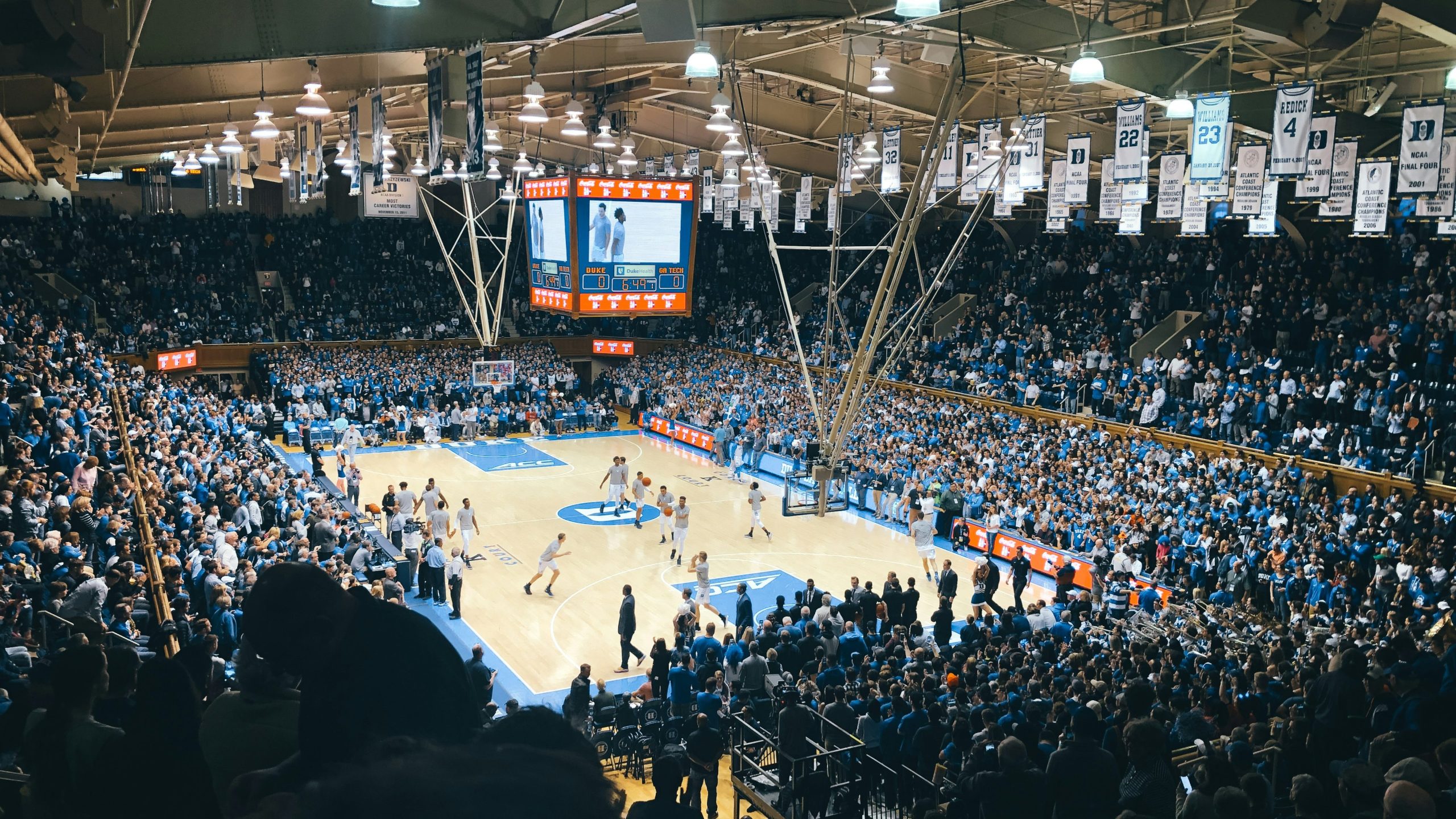
At Duke, Coach Jon Scheyer has tailored his system to capitalize on Cooper Flagg’s versatility. Flagg’s ability to guard multiple positions, rebound, and push the ball in transition fits perfectly in Duke’s up-tempo offense. Scheyer’s integration of Flagg has contributed to his early success.

tre johnson

Freshmen Shaping the Future of Their Programs

These freshmen are reshaping their programs and instilling a renewed sense of optimism. Their ability to step in and perform at a high level has elevated expectations for future seasons.

Dylan Harper at Rutgers is helping reshape the culture of a program that’s historically been on the fringes of NCAA Tournament contention. Harper’s performances have lifted Rutgers into the upper ranks of the Big Ten. As the team grows around him, Rutgers could become a regular tournament fixture.

tre johnson

A Look Ahead

As the 2024 season progresses, freshmen are proving they’re no longer just supplementary players—they’re transforming the game. With stars like Cooper Flagg, Egor Denim, Dylan Harper, Tre Johnson, and Liam McNeeley leading their teams, the future of college basketball is in good hands. Their performances will shape the sport’s next great era and define the upcoming NCAA Tournament.

Sources:

  1. https://www.cbssports.com/college-basketball/news/ranking-college-basketballs-best-freshmen-auburns-tahaad-pettiford-earns-freshman-of-the-week-honors/
  2. https://www.ncaa.com/news/basketball-men/article/2024-09-23/top-12-freshmen-2024-25-mens-college-basketball-season-ranked-andy-katz
  3. https://bleacherreport.com/articles/10142903-top-25-for-2025-ranking-best-freshmen-to-watch-this-mens-college-basketball-season
  4. https://bleacherreport.com/articles/10145825-2025-mens-college-basketball-early-report-card-grades-for-top-freshmen
  5. https://www.on3.com/nil/news/tre-johnson-basketball-2024-recruiting-class-2025-nba-draft-baylor-kentucky-texas-kansas/

The Rise of Athlete Entrepreneurs: From Brand Partnerships to Equity Holders

Athletes are no longer just endorsing brands—they’re building them. This marks a significant shift from the traditional brand partnerships model, where athletes were seen merely as spokespeople, sharing their name and image with a product in exchange for lucrative but mostly short-term deals.

Now, a growing number of athletes are seizing opportunities to go beyond brand partnerships. They’re not just faces on commercials—they’re equity partners, investors, and even founders. This entrepreneurial approach aligns with a broader trend of athletes taking control of their careers and financial futures, leveraging their platforms to create sustainable, long-term wealth.

By aligning with brands that resonate with their personal values and goals, athletes are creating authentic connections with their audiences and reshaping consumer ideas. The rise of athlete entrepreneurs isn’t just transforming their individual careers—it’s transforming industries, influencing consumer trends, and redefining the nature of athlete branding.

brand partnerships

A New Era For Athlete-Brand Relationships

Historically, athletes were the faces of marketing campaigns, trading their image for a paycheck. While endorsements provided short-term financial gain, they often lacked the deeper connection athletes craved with the brands they represented. 

Today, a new model has emerged: equity-based deals and entrepreneurial ventures. These arrangements empower athletes to take ownership of the products they promote, aligning their personal brands with their business interests.

Notable examples include Serena Williams’ Serena Ventures, which has invested in over 60 startups, and Stephen Curry’s SC30 Inc., which facilitates ventures into production, tech investments, and brand partnerships. 

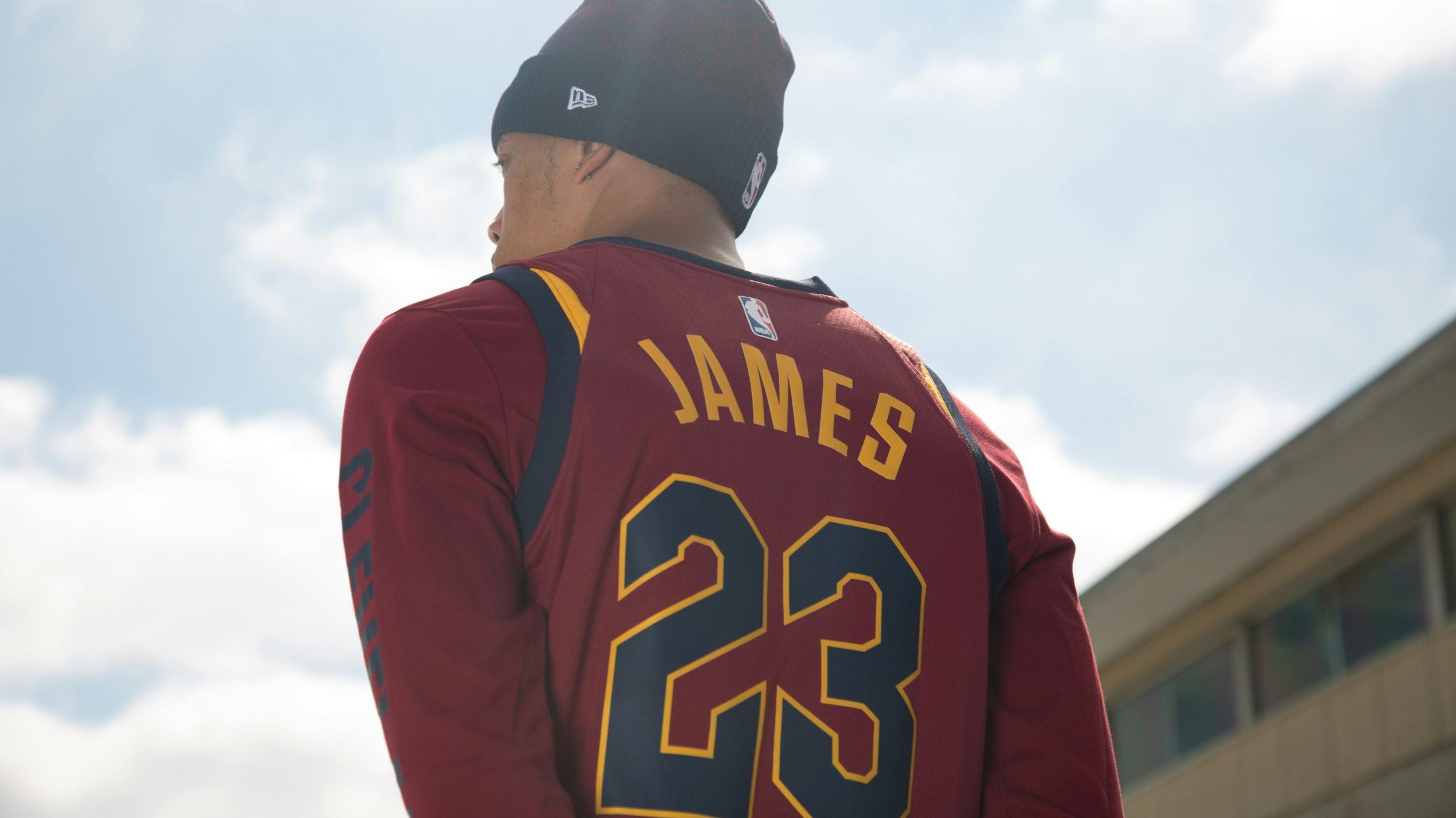
Meanwhile, LeBron James famously turned down a $15M endorsement deal with Reebok early in his career to prioritize long-term equity opportunities. His equity stakes in brands like Blaze Pizza and SpringHill Company have skyrocketed in value. These examples illustrate how equity deals are reshaping the athlete marketing landscape.

Athletes: Why Equity Deals and Entrepreneurship Work

Unlike traditional endorsement deals with short-term rewards, equity stakes and entrepreneurial ventures provide athletes with long-term financial stability and the potential for exponential growth. By actively participating in the decision-making process—whether as co-founders, investors, or advisors—they align their values and personal brands with the businesses they support. 

NBA star Stephen Curry’s investment in Tonal, a smart home gym company, highlights this trend. He serves as both an ambassador and an equity holder in the company.

Curry’s involvement in marketing and product development boosts the brand’s appeal among fitness-conscious consumers. It also reflects his dedication to fitness and innovative health solutions, making him an authentic and credible advocate for the brand.

By choosing equity over quick cash, athletes send a powerful message: they are visionaries shaping the future. This approach strengthens their personal brands as trailblazers and innovators, securing a legacy that extends far beyond their athletic achievements.

brand partnerships

Brands: Why Equity and Entrepreneurship Deals Work

Partnering with athletes as equity stakeholders gives brands a strategic advantage. Unlike one-off endorsement deals, equity partnerships create a symbiotic relationship where both parties share a vested interest in mutual success. Athletes bring unique insights that can shape product development, marketing strategies, and consumer engagement. 

The enduring success of the Air Jordan brand demonstrates the power of equity partnerships vs. traditional brand partnerships. Michael Jordan’s direct involvement in the design and promotion of the iconic sneaker line has made it a cultural phenomenon. As part of the deal, Jordan receives royalties and maintains influence over the brand’s direction, ensuring its longevity.

Transforming Emerging Industries

Athletes are increasingly investing in cutting-edge tech startups, wearable fitness devices, and esports platforms. Venture capital initiatives like Kevin Durant’s Thirty Five Ventures target disruptive technologies blending sports and lifestyle.

Athletes such as Chris Paul and Naomi Osaka promote eco-conscious brands, shaping consumer expectations and driving industries toward greener practices. Athlete-driven brands like Tom Brady’s TB12 Sports and Simone Biles’ Gold Over America Tour reshape consumer engagement with sports and wellness products. These ventures blend accessibility with aspirational marketing, influencing behaviors across demographics.

brand partnerships

The Broader Impact on Athlete Branding

As athletes embrace entrepreneurship, their influence extends far beyond the field. They blur the lines between sports, business, and culture, making them pivotal players in shaping modern consumer trends.

These efforts redefine brand partnerships, encouraging athletes to be seen as creators and innovators. The athlete-entrepreneur trend is still emerging, with more athletes investing in startups, co-founding companies, and prioritizing equity over endorsements. This evolution leads to greater representation in brand development and invigorates new industries such as augmented reality, health tech, and renewable energy.

Sources:

  1. https://moneywise.com/investing/investing-basics/athletes-investing-in-tech 
  2. https://insider.fitt.co/issue-no-99-the-athlete-vc/ 
  3. https://moneysmartathlete.com/the-business-side-of-being-an-athlete/entrepreneurial-athletes-building-businesses-beyond-sports/
  4. https://www.investopedia.com/who-are-the-most-famous-athlete-investors-5078036 
  5. https://afrotech.com/serena-williams-helped-14-companies-reach-unicorn-status 
  6. https://www.matesbrands.com/news/the-celebrity-athletes-winning-at-investing 
  7. https://sbf.capital/athletes-endorsements-influence-consumer-decisions-brand-value/

Personal Branding Examples: How Niche Athletes Leverage Storytelling

Brisa Hennessy, a world-class surfer and environmental advocate, grew up on a remote Costa Rican island where she formed a strong bond with the ocean. Her journey, fueled by a love for surfing and a mission to protect marine life, has captivated fans who admire her athleticism and dedication to the planet. Today, athletes aren’t defined only by their on-field performance. Niche athletes, particularly those in sports that don’t receive mainstream media attention, are becoming the ultimate personal branding examples. By sharing authentic stories of resilience, challenges, and personal ties to their sport, they’re forging connections with audiences that go beyond their athletic abilities. Platforms like Instagram, TikTok, and YouTube give these athletes the power to shape their own stories, connect with fans, and attract brands eager to share in their unique journeys.

personal branding examples

The Power of Storytelling in Personal Branding

In an era where audiences value authenticity, niche athletes are tapping into storytelling to communicate their personal values, experiences, and passion for their sport. Unlike athletes in more mainstream sports who might rely on large media outlets to tell their stories, niche athletes have taken matters into their own hands. They are using their platforms to humanize their journey, offering fans an inside look at their day-to-day lives, training regimens, and the obstacles they face in life. 

Take CrossFit and Olympic weightlifting athlete Kyra Milligan, for example. Kyra’s story isn’t just about lifting heavy weights—it’s about balancing her rigorous training schedule with her pursuit of a degree in dental hygiene. By sharing her journey, Kyra connects with followers who value hard work, discipline, and balancing multiple passions. This authenticity makes her more than just an athlete; she writes in her Instagram bio, “DO IT ALL WITH A SMILE,” which helps position her as a relatable and inspiring figure, capable of attracting both fans and brands that align with her values.

personal branding examples

Aligning Personal Narratives with Brand Partnerships

Brands are increasingly recognizing the value of unique stories, allowing niche athletes to secure partnerships that align with their personal journeys. In a crowded marketplace, brands are looking for more than just high-profile athletes—they want ambassadors whose stories and values reflect their brand ethos. Authenticity is crucial, and niche athletes provide it in abundance through their storytelling.

Pro surfer Zoe Benedetto, for example, has teamed up with sustainable fashion brands like Pura Vida, reflecting her commitment to protecting the environment. Through her campaigns with Pura Vida, she shares her passion for ocean conservation, connecting with fans who care about cleaner beaches and eco-friendly practices. These partnerships boost Zoe’s brand and create powerful campaigns for sponsors, showing how authenticity and storytelling can drive impactful collaborations.

personal branding examples

Building Emotional Connections Through Authenticity

One of the most significant advantages of storytelling for niche athletes is its ability to build deep emotional connections with their audience. By showcasing their struggles, triumphs, and personal values, these athletes invite followers into their world in a way that feels intimate and genuine. This emotional connection fosters loyalty among fans, who often feel invested in the athlete’s journey and success.

Consider Chris Ruden—by sharing his journey from being labeled “broken” because of his disability to becoming a record-holding powerlifter and motivational speaker, Chris has inspired a community that values his resilience and authenticity. His story of turning obstacles into opportunities and his message of “creating your world without limits” form a strong emotional bond with supporters who see their own challenges and victories in his. This genuine connection not only grows Chris’s loyal fanbase but also makes him an ideal partner for brands looking for meaningful, authentic engagement.

personal branding examples

Becoming Thought Leaders and Ambassadors

Through storytelling, niche athletes can position themselves as thought leaders and ambassadors within their communities. By sharing their expertise, insights, and experiences, these athletes often become key voices in their sport’s culture. Their connection to their sport and their audience allows them to represent both their personal brand and the broader community they belong to.

For instance, DJ Diveny, a professional freestyle soccer athlete, uses his platform to share his journey from a recreational player to a professional. His story, filled with passion and determination, resonates with aspiring athletes. By positioning himself as a thought leader in freestyle soccer, DJ is able to secure partnerships with BodyArmor, Frito Lay, and DirectTV. His storytelling has enabled him to build credibility and become an ambassador for the sport, allowing him to influence his fans and the broader soccer community.

personal branding examples

Now more than ever, niche athletes are harnessing the power of storytelling to build personal brands that are both authentic and compelling. By sharing their journeys and values, these athletes are creating deep emotional connections with their audience, positioning themselves as thought leaders within their sports and securing meaningful partnerships with brands. As storytelling continues to be a powerful tool for building authentic relationships, niche athletes have an incredible opportunity to carve out unique spaces for themselves on the field and online.

Sources:

  1. https://www.jamprime.com/guides/using-storytelling-as-a-personal-branding-strategy/ 
  2. https://www.brandedagency.com/blog/personal-branding-for-athletes 
  3. https://www.sportshack.io/the-power-of-storytelling-in-sports-marketing/ 
  4. https://sparkplug.app/blog/strategies-for-activating-athletes-and-ambassadors-as-brand-storytellers 
  5. https://www.getstoryteller.com/blog/the-rise-of-storytelling-in-sports 
  6. https://www.yellowbrick.co/blog/sports/boost-your-athlete-branding-proven-strategies-to-dominate-the-game 

Become a Sponsor.

Join us in making a difference. Tell us a bit about yourself and we’ll be in touch with sponsorship details.

By submitting this form, you agree to be contacted by the Athelo Group team regarding sponsorship opportunities.