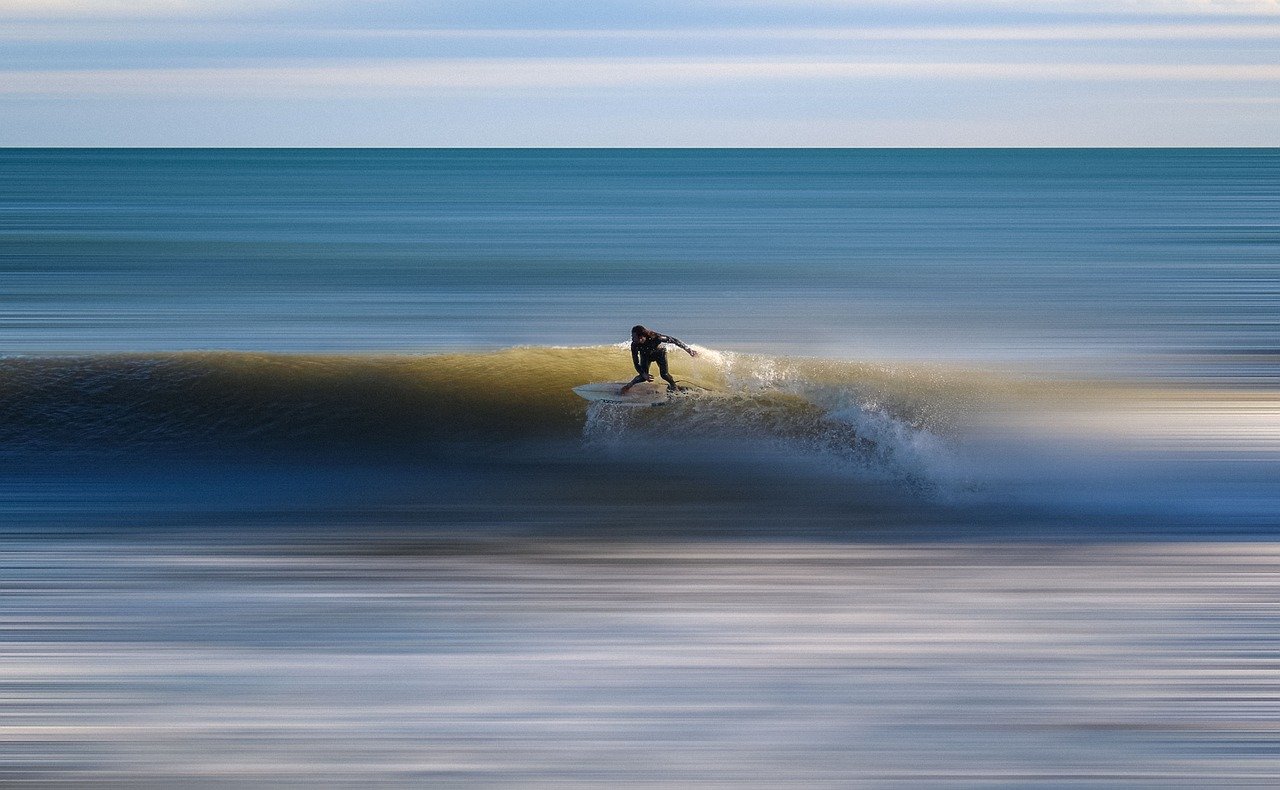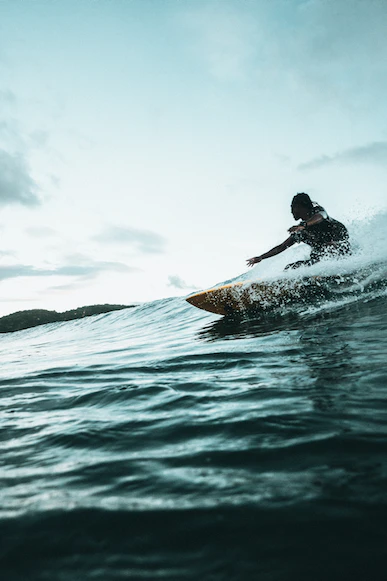
The Rise of Professional Skimboarding

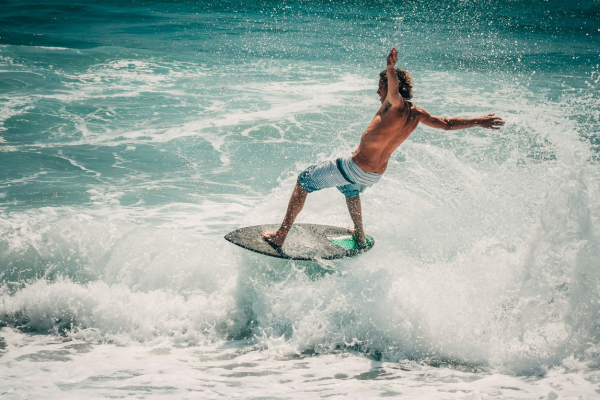
A rider sprints across wet sand, drops a board at their feet, and within seconds is hurtling toward an incoming wave. They launch off the lip, pull an aerial trick, and stick the landing on a few inches of foam and fiberglass. 

It’s called skimboarding, and while it might look like a beach pastime, it has a legitimate professional circuit, world-class athletes, and a century of history behind it.

Sitting at the crossroads of surfing and its own entity, skimboarding provides casual fans and viewers alike an opportunity to witness a sport that is consistently growing.

Quick Highlights

  • Skimboarding began around 1920 in Laguna Beach, California, giving the sport more than a century of history.
  • The largest events on the United Skim Tour (UST) have offered prize purses of up to $15,000 for a single competition.
  • Three-time UST champion Blair Conklin has built an audience of nearly 4 million YouTube subscribers and more than 3.7 billion views, demonstrating the sport’s growing digital footprint.
  • The first annual World Skimboard Championships were launched in 1976, and The Vic at Aliso Beach is now in its fifth decade as the sport’s most prestigious event.

Where It All Started

Skimboarding’s origins trace back to Laguna Beach, California, around 1920. Two local lifeguards, George Griffeth and a friend known only as Jimmy, fashioned rounded disks from redwood and used them to glide across the shallow water along the shore. 

It was practical as much as playful. It was a way to travel quickly between coves along Laguna’s hilly coastline, where traditional surfing was largely blocked by the Channel Islands.

For decades, the sport stayed small and local. The classic “pizza board” shape dominated through the 1950s. Then, in the early 1960s, Laguna locals began stretching those round boards into oval shapes to better carve into the waves that crashed right on shore. 

That design shift changed everything.

The next major leap came in 1976, when Tex Haines and Peter Prietto founded Victoria Skimboards: a brand that would become synonymous with the sport itself. That same year, they organized the first annual World Skimboard Championships at Aliso Beach. The sport now had a name (before Victoria, it was often called “skidboarding”), a dedicated manufacturer, and a competition. 

In 1980, Victoria introduced the first foam core skimboard covered in fiberglass and resin, bringing the boards into surf shops and serious sporting culture. In 1987, a Sports Illustrated cover featuring Laguna Beach lifeguard Tom Trager catching air gave skimboarding a mainstream spotlight that almost no niche sport ever gets.

What Professional Skimboarding Actually Looks Like

Competitive skimboarding can be broken into two disciplines. 

  1. Wave skimboarding, the more high-profile form, involves riders running down the beach, throwing their board, stepping on, and racing out to meet incoming shore break. The goal is to hit the wave, launch off it, and execute aerial maneuvers before riding back to shore. Tricks range from back-side wraps to aerial floaters to full rotations above the lip.
  2. Flatland skimboarding, more common inland, trades ocean waves for smooth surfaces such as rain puddles, wet pavement, or shallow flats. Flatland skimboarding has an emphasis on technical tricks closer to skateboarding’s street style.

At the professional level, wave riding is king. Competitions are judged on wave selection, speed, trick difficulty, and execution. This format rewards both athletic power and creative risk-taking.
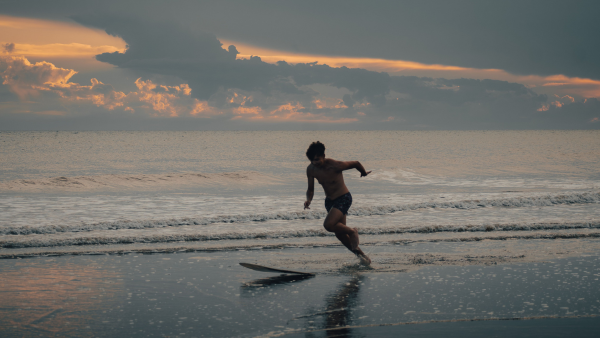
skimboarding

Surfing Versus Skimboarding

At first glance, surfing and skimboarding look like cousins. Both involve riding waves, demand balance and athleticism, and are deeply tied to beach culture. But the two sports are fundamentally different in how they interact with the ocean.

Surfers paddle out beyond the break, waiting for waves to form and carry them toward shore. Skimboarders do the opposite, as they start on the beach and sprint toward the water. They then use the thin film of wash left by a receding wave to glide out and meet the shore break as it arrives. 

Surfboards are large, buoyant, and designed to float. Skimboards are thin, dense, and have virtually no float at all. They rely entirely on speed and momentum to stay on top of the water. Waves in surfing are ridden for distance. In skimboarding, the wave is more of a launching ramp for a trick.

The result is a sport that’s faster, more explosive, and confined to a narrow strip of shore. 

Surfing is known to be easier to learn, as well as provides a longer and more predictable ride. These traits have led it to be more marketable for television and competition. With more sponsorships and training opportunities, athletes can begin to shape skimboarding into the worldwide force professional surfing is. 

The Leagues: Where Pros Compete

The main international circuit for professional skimboarding is the United Skim Tour (UST), widely recognized as the world’s only international professional skimboard tour. 

The UST sanctions events on both coasts of the United States and occasionally abroad, drawing riders from Brazil, Mexico, Japan, and across Europe. A typical season runs through summer and early fall, with stops at iconic locations including Laguna Beach in California, Dewey Beach in Delaware, Nags Head in North Carolina, and Santa Cruz.

The flagship event of the professional calendar is the Vic World Skimboard Championship (“The Vic”) held every August at Aliso Beach in Laguna Beach. Now in its fifth decade, it is the longest-running and most prestigious skimboarding competition in the world. Winning The Vic carries the same weight in skimboarding that winning Pipe Masters carries in surfing.

On the East Coast, the Zap Pro/Am World Championships held at Dewey Beach, Delaware is another major stop. Prize money is awarded to the top finishers in both men’s and women’s professional divisions. The European Skimboard League serves the growing international scene overseas, and Skim USA organizes regional competitions that feed talent into the professional ranks.

View this post on Instagram

A post shared by Lucas Fink (@lucasfink)

The Sponsorship Reality

The sport operates in what riders themselves have described as “no-man’s land.”

Prize purses are real but modest. The largest on the UST circuit have reached $15,000 for a single event. Meaningful, but nowhere near enough to sustain a career on its own.

The brands that anchor skimboarding sponsorships are largely endemic to the sport and surf culture: Victoria Skimboards, Zap Skimboards, Exile Skimboards, CatchSurf, and reef sandal brand Reef are among the most visible. These companies provide boards, gear, and in some cases financial support to their sponsored athletes, but rarely at the level that allows full-time professional focus without supplementary income.

The more interesting sponsorship story is happening through social media and content creation. Professional skimboarders have become some of the most compelling athletes on YouTube and Instagram, precisely because their sport is so visually explosive and underexposed.

Blair Conklin, a three-time UST champion from Laguna Beach, has built a YouTube channel (SkidKids) with nearly 4 million subscribers and over 3.7 billion views. His sponsors include DJI (the drone camera company), I-SEA sunglasses, CatchSurf, Reef, and Exile.This mix of surf brands and technology companies value his reach as a content creator just as much as his competitive credentials.

Lucas Fink, the Brazilian phenom who has won four UST championships including three in a row from 2022 to 2024, has the backing of Red Bull, a rare mainstream crossover sponsorship that signals growing confidence from major brands in skimboarding’s audience potential. Red Bull’s involvement brings production-quality content, global distribution, and the kind of brand legitimacy that elevates an entire sport.

The Road Ahead

Professional skimboarding sits at a fascinating crossroads. Its core infrastructure, the UST, The Vic, the Zap Championships, is well established and growing. Its athletes are among the most creative wave riders in any discipline.

What it still lacks is the broadcast deal, the mainstream sponsor roster, and the mainstream name recognition that would push it from niche obsession to household sport. Whether Red Bull’s involvement and the rise of creators like Conklin signal the beginning of that shift remains to be seen.

But make no mistake: skimboarding has been here since 1920, and its best riders are competing, creating, and pushing the sport’s limits every summer, with or without the mainstream spotlight.

That’s what makes it worth watching.

FAQ:

  1. What makes skimboarding different from surfing? Unlike surfers, who paddle out and wait for waves, skimboarders start on the beach, sprint toward the water, and use speed and momentum to reach an incoming shore break. The wave becomes a launch point for tricks rather than a ride toward shore.
  2. Why is skimboarding so popular on social media? The sport’s biggest maneuvers happen close to shore, making them easy to film and visually impressive. High-flying aerials, wave tricks, and beach-level camera angles have helped skimboarding attract millions of views online.
  3. Can you actually make a living as a professional skimboarder? For most riders, competition earnings alone aren’t enough. While major events offer prize money, many professionals rely on sponsorships, coaching, and content creation to support their careers.     
  4. Why are most professional skimboarders from California? Southern California, particularly Laguna Beach, has the steep shore breaks that are ideal for wave skimboarding. The region’s history, culture, and consistent conditions have made it the sport’s global hub for more than a century.
  5. Why aren’t skimboarders in the Olympics? The sport remains relatively small compared to surfing and skateboarding, with limited international participation and governing infrastructure. Olympic inclusion would require significant global growth and organizational support.
Surf Brands and the Next Wave of Sponsorship

Surfing has always been tied to a strong sense of culture and lifestyle. For a long time, sponsorship in the sport was led mainly by core surf brands such as Rip Curl or Quicksilver. But nowadays, the cards have been reshuffled and a number of new players have joined the game.

Since joining the Olympic Games, surfing has gained global exposure and drawn interest from brands beyond the traditional surf world. As a result, sponsorship strategies are evolving, and brands are actively pursuing new commercial opportunities.

Quick Highlights:

  • The global surfing market was valued at approximately $4 billion in 2023, with projections nearing $6 billion by 2032.
  • The surfing Equipment Market, which includes surfboards, apparel, accessories, and gear was estimated at $4.13 billion in 2024.
  • Surfing was among the 10 most-watched sports in Brazil during the Tokyo 2020 Olympics.
  • The 2023 Rip Curl WSL Finals set a new record with 10.7 million video views, marking a 29% increase over the previous year.
  • Hurley signed an 8-year, $30 million deal with John John Florence, one of surfing’s biggest contracts.
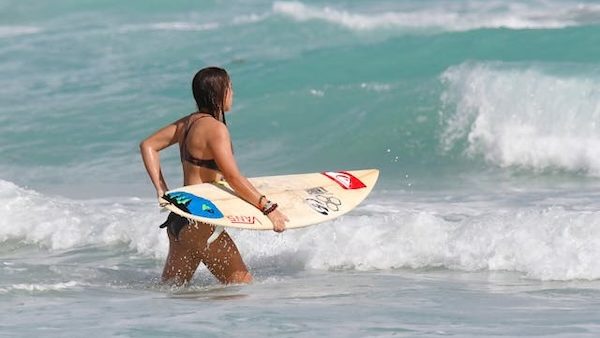
female surfer holding board in the water

The Pillars of Surf Sponsorships

Surfing is nearly inseparable from the brands that helped define it. Companies like Rip Curl, Quiksilver, Billabong, O’Neill, and Hurley laid the foundation for what surf marketing looks like today.

Rip Curl remains a major force, backing iconic events like the Rip Curl Pro Bells Beach— the longest-running professional surfing competition in the world. Billabong, under Boardriders Inc., continues to support world champs like Italo Ferreira and rising stars like Bettylou Sakura Johnson. Hurley has also stayed active by partnering with both pro and influencer surfers, including Zoe Benedetto.

Newer surf-focused brands are making moves, too. Vissla and Outerknown, co-founded by 11-time World Champion Kelly Slater, are gaining traction by putting sustainability at the center of their business models. Last year, the brand released the first-ever shirt made of seaweed!

Sustainability isn’t just a trend in surf— it’s a strategic choice that resonates with the sport’s eco-conscious audience. Outerknown, for example, pledged to make 100% of its products circular by 2030 and already meets that standard with 75% of its fabrics.

male surfer catches wave

The Rise of Non-Endemic Sponsors

While endemic brands still lead the space, non-endemic companies are gaining ground in surfing as the sport’s sponsorship value continues to climb.

Red Bull is a standout example. The brand supports athletes like North Shore surfer Mason Ho and creates original surf content and events such as Red Bull Magnitude. While not surf-specific, Red Bull’s deep roots in action sports like BMX and snowboarding give the brand strong credibility with the surf audience.

Corona, owned by AB InBev, has taken a more purpose-driven approach. As a global sponsor of the World Surf League, the brand aligns itself with ocean conservation through campaigns like “Protect Our Beaches.” These efforts show how non-endemic brands can break category norms and deliver messaging that resonates with surf fans.

Jeep entered the surf world in 2015 by becoming the official global automotive partner of the WSL. The deal included naming rights to the men’s and women’s Championship Tour rankings and introduced the “Jeep Leaderboard.” Jeep vehicles were awarded to WSL Champions, with branding featured prominently throughout events and broadcasts.

jeep surf brand

Navigating Authenticity and Exposure

Breaking into surfing isn’t about budget—it’s about belonging. The smartest non-endemic sponsors know surfers can spot inauthenticity instantly, so they invest in grassroots efforts, tell real stories, and show up for the community. Red Bull’s athlete-first model is a strong example, prioritizing partnership over pure promotion.

This is also what we focus on at Athelo Group. We’re proud to be driving this shift by helping athletes use authentic storytelling to build real and lasting connections with brands beyond traditional surf culture.

Brisa Hennessy’s partnership with Flamingo, a body care and razor brand reflects this approach. The collaboration shows how unexpected partnerships in surfing can thrive when they feel real to both the athlete and the audience.

What’s Next for Surf Sponsorship?

With climate change directly impacting the oceans, it’s no surprise that eco-conscious brands are stepping deeper into the sport. The World Surf League (WSL) has been carbon neutral since 2019, offsetting emissions tied to athlete travel, event operations. In addition, the organization launched its “One Ocean” initiative to engage fans and support conservation projects across the globe.

Technology is also becoming part of surfing’s everyday rhythms as more surfers are using smartwatches, AI surf forecasts, and drones to capture their sessions.

Athelo Group sits at the intersection of these shifts, helping brands tap into surf culture through partnerships that are both purpose-driven and tech-forward. As the sport evolves, we’re building strategies that reflect where surfing is headed, not just where it’s been.

Personal Branding Examples: How Niche Athletes Leverage Storytelling

Brisa Hennessy, a world-class surfer and environmental advocate, grew up on a remote Costa Rican island where she formed a strong bond with the ocean. Her journey, fueled by a love for surfing and a mission to protect marine life, has captivated fans who admire her athleticism and dedication to the planet. Today, athletes aren’t defined only by their on-field performance. Niche athletes, particularly those in sports that don’t receive mainstream media attention, are becoming the ultimate personal branding examples. By sharing authentic stories of resilience, challenges, and personal ties to their sport, they’re forging connections with audiences that go beyond their athletic abilities. Platforms like Instagram, TikTok, and YouTube give these athletes the power to shape their own stories, connect with fans, and attract brands eager to share in their unique journeys.

personal branding examples

The Power of Storytelling in Personal Branding

In an era where audiences value authenticity, niche athletes are tapping into storytelling to communicate their personal values, experiences, and passion for their sport. Unlike athletes in more mainstream sports who might rely on large media outlets to tell their stories, niche athletes have taken matters into their own hands. They are using their platforms to humanize their journey, offering fans an inside look at their day-to-day lives, training regimens, and the obstacles they face in life. 

Take CrossFit and Olympic weightlifting athlete Kyra Milligan, for example. Kyra’s story isn’t just about lifting heavy weights—it’s about balancing her rigorous training schedule with her pursuit of a degree in dental hygiene. By sharing her journey, Kyra connects with followers who value hard work, discipline, and balancing multiple passions. This authenticity makes her more than just an athlete; she writes in her Instagram bio, “DO IT ALL WITH A SMILE,” which helps position her as a relatable and inspiring figure, capable of attracting both fans and brands that align with her values.

personal branding examples

Aligning Personal Narratives with Brand Partnerships

Brands are increasingly recognizing the value of unique stories, allowing niche athletes to secure partnerships that align with their personal journeys. In a crowded marketplace, brands are looking for more than just high-profile athletes—they want ambassadors whose stories and values reflect their brand ethos. Authenticity is crucial, and niche athletes provide it in abundance through their storytelling.

Pro surfer Zoe Benedetto, for example, has teamed up with sustainable fashion brands like Pura Vida, reflecting her commitment to protecting the environment. Through her campaigns with Pura Vida, she shares her passion for ocean conservation, connecting with fans who care about cleaner beaches and eco-friendly practices. These partnerships boost Zoe’s brand and create powerful campaigns for sponsors, showing how authenticity and storytelling can drive impactful collaborations.

personal branding examples

Building Emotional Connections Through Authenticity

One of the most significant advantages of storytelling for niche athletes is its ability to build deep emotional connections with their audience. By showcasing their struggles, triumphs, and personal values, these athletes invite followers into their world in a way that feels intimate and genuine. This emotional connection fosters loyalty among fans, who often feel invested in the athlete’s journey and success.

Consider Chris Ruden—by sharing his journey from being labeled “broken” because of his disability to becoming a record-holding powerlifter and motivational speaker, Chris has inspired a community that values his resilience and authenticity. His story of turning obstacles into opportunities and his message of “creating your world without limits” form a strong emotional bond with supporters who see their own challenges and victories in his. This genuine connection not only grows Chris’s loyal fanbase but also makes him an ideal partner for brands looking for meaningful, authentic engagement.

personal branding examples

Becoming Thought Leaders and Ambassadors

Through storytelling, niche athletes can position themselves as thought leaders and ambassadors within their communities. By sharing their expertise, insights, and experiences, these athletes often become key voices in their sport’s culture. Their connection to their sport and their audience allows them to represent both their personal brand and the broader community they belong to.

For instance, DJ Diveny, a professional freestyle soccer athlete, uses his platform to share his journey from a recreational player to a professional. His story, filled with passion and determination, resonates with aspiring athletes. By positioning himself as a thought leader in freestyle soccer, DJ is able to secure partnerships with BodyArmor, Frito Lay, and DirectTV. His storytelling has enabled him to build credibility and become an ambassador for the sport, allowing him to influence his fans and the broader soccer community.

personal branding examples

Now more than ever, niche athletes are harnessing the power of storytelling to build personal brands that are both authentic and compelling. By sharing their journeys and values, these athletes are creating deep emotional connections with their audience, positioning themselves as thought leaders within their sports and securing meaningful partnerships with brands. As storytelling continues to be a powerful tool for building authentic relationships, niche athletes have an incredible opportunity to carve out unique spaces for themselves on the field and online.

Sources:

  1. https://www.jamprime.com/guides/using-storytelling-as-a-personal-branding-strategy/ 
  2. https://www.brandedagency.com/blog/personal-branding-for-athletes 
  3. https://www.sportshack.io/the-power-of-storytelling-in-sports-marketing/ 
  4. https://sparkplug.app/blog/strategies-for-activating-athletes-and-ambassadors-as-brand-storytellers 
  5. https://www.getstoryteller.com/blog/the-rise-of-storytelling-in-sports 
  6. https://www.yellowbrick.co/blog/sports/boost-your-athlete-branding-proven-strategies-to-dominate-the-game 

Greener Games and New Sports Await at Paris Summer Olympics

All eyes are on Paris, the host of this year’s Summer Olympics. The Games return to Paris after a century, kicking off with the opening ceremony on July 26th and concluding on August 11th. Paris was chosen as the host city not only for its iconic landmarks but also for its vision of blending tradition with a new era of change. This year, we will see several changes in the sporting events and practices aimed at bringing a new level of sustainability to the Games.

paris summer olympics

New Sports in the Mix

Breakdancing, also known as “break,” makes its Olympic debut this year. It gained significant attention during its introduction at the Buenos Aires 2018 Summer Youth Olympic Games, leading to its inclusion in the Paris 2024 Olympic agenda. There will be two divisions: a men’s 16 B-Boys and a women’s 16 B-Girls, where competitors will face off one-on-one. Originating in the Bronx of New York in the 70s, this addition of break can be seen as an attempt to have the Olympics reach their target audience: the younger generation.

Surfing will return after being introduced at the Tokyo 2020 Olympics, but it will not take place on mainland France. Instead, surfing events will be in Teahupo’o, Tahiti in French Polynesia. This decision aims to increase engagement and showcase the diverse culture of France by bringing an Olympic event to a French territory. Several top surfers will return, including reigning Team USA gold medalist Carissa Moore and Brisa Hennessy, the Costa Rican who is currently the No. 1 female surfer in the world. With its stunning landscape and ideal wave conditions, the surfing competitions in Teahupo’o will be a must-watch for viewers worldwide.

After making its debut in Tokyo, skateboarding will be on the program again in Paris. A temporary venue has been constructed in Place de la Concorde, one of Paris’ largest open spaces, for the competitions. This urban playground for athletes offers spectacular views of famous landmarks like the Eiffel Tower and the Arc de Triomphe and features stages for DJ sets and artist performances. The world’s most famous skateboarders, including Great Britain’s 15-year-old prodigy Sky Brown and USA pro Nyjah Huston, will compete in two categories: street and park, showcasing their best tricks.

paris summer olympics

Historic Shift: The Introduction of Prize Money

In addition to the excitement of new sports, prize money is another significant change on the horizon. For the first time in Olympic history, event winners will receive cash prizes in addition to medals. Track and field is the first sport to introduce prize money, with gold medalists earning $50,000. Silver and bronze medal prizes are expected to be introduced at the Los Angeles 2028 Olympics. A total of $2.4 million for all track and field winners has been funded by World Athletics. This initiative aims to pave the way for future athletes to be rewarded for their contributions to the Olympic Games’ global impact. However, the concept is not entirely new, as many countries and governments already reward their gold medal-winning athletes with money.

Swimming in the Seine

The IOC prioritizes sustainability when selecting host cities for future Olympics due to the environmental and financial costs of building new infrastructure. Paris aims to break the cycle of “white elephant” structures by ensuring 95% of their venues are temporary or preexisting, and intends to reduce carbon emissions by 50% compared to the London 2012 and Rio 2016 Games. Despite plans to use the Seine River for open-water events, challenges arise due to historical pollution levels, with over $1.5 billion invested in treatment plans. President Emmanuel Macron and Mayor Anne Hidalgo’s pledge to swim in the Seine reflects their commitment to addressing these concerns and meeting regulatory standards ahead of the Olympics.

paris summer olympics

The upcoming Paris 2024 Games will introduce many firsts, offering viewers a chance to see and appreciate numerous changes and additions, from sports to venues to the overall operation of the Games. Hosting the Olympics is no easy task, as previous host cities know well, but Paris aims to break that trend. As the city eagerly awaits the lighting of the ceremonial torch to commence the 2024 Summer Olympics, all eyes are on them to deliver the most “green” Games to date.

Sources:

  1. https://www.cbsnews.com/news/track-and-field-sport-prize-money-olympics/
  2. https://www.espn.com/olympics/story/_/id/40238384/olympics-2024-iba-award-prize-money-boxing-medals
  3. https://www.nbcolympics.com/news/new-what-are-new-sports-and-events-2024-paris-olympics#:~:text=Other%20changes%20at%20the%202024,which%20will%20debut%20in%20Paris.
  4. https://www.theguardian.com/sport/article/2024/may/24/olympic-games-clean-up-aims-to-leave-parisians-swimming-in-the-seine
  5. https://olympics.com/en/paris-2024/venues/teahupo-o-tahiti
  6. https://olympics.com/ioc/news/less-better-and-for-longer-five-ways-paris-2024-is-delivering-more-sustainable-games
  7. https://www.nbcolympics.com/news/skateboarding-2024-paris-olympic-games
  8. https://www.nbcolympics.com/news/surfing-101-us-olympic-roster-and-athlete-news

Sustainability in Brand and Athlete Partnerships

In today’s world we hear so often about what we can do to help save the environment and protect mother nature, but have you ever considered what your favorite athlete or brand is doing with their platform to help with this?

Sustainability in brand and athlete partnerships can sometimes be hard to get right and feel authentic, but when brands find the right athlete to work with who is incredibly passionate about their impact on the world, the most incredible partnerships are born.

Why Sustainability Matters in Brand-Athlete Partnerships

Brisa Hennessy, from Costa Rica, is currently ranked the 5th best surfer in the world and competes in the World Surf League. Outside of surfing, Brisa has a love for cooking, education, community, and sustainability. These are all key ingredients in the cultivation of an organic partnership with Brisa, and what brands look at in order to engage the relatability level.

Sustainability and being eco-friendly are two major core values for Brisa and are crucial reasons on what partnerships she currently has.  

How Sustainable Brands Strengthen Athlete Impact

Brisa has multiple partnership deals with brands, including Vertra, Rip Curl, Nosotros Tequila and Pura Vida. Each partnership is so unique and the goals of each campaign are different.

For example, Vertra is special to Brisa because of their initiative. Vertra is committed to delivering athlete inspired, planet friendly premium suncare and skincare products to keep outdoor athletes and adventurers protected while having fun in the sun. Not only does Vertra support her athletic career, but each and every brand holds a pure connection to Brisa’s core values. With this partnership Brisa is supporting the Vertra brand and helping raise awareness to the eco-friendly products they sell. 

Another one of Brisa’s partners, Pura Vida, spends much time, energy, and focus on sustainability and ocean protection. This shared connection was brought to life and through this a partnership was born.

Pura Vida was founded from a trip to Costa Rica where the founders fell in love with the laid-back culture and lifestyle. From then on, they set out to celebrate and spread the “pura vida” spirit globally through responsible, artisan-made products that inspire positivity and give back. “Pura vida”, translating to “pure life” in Spanish, is more than just a saying in Costa Rica – it’s about enjoying life’s little pleasures, slowing down and living life to the fullest.

They have partnered with more than 200 charities around the world to donate over $4 million to causes you care about. Pura Vida is always striving to do more and is constantly on the lookout for charities that can benefit from help.

When Brands, Leagues, and Athletes Unite

Pura Vida also took this initiative beyond partnering with athletes when they decided to  team up with the World Surf League to be the presenting partner of the Rising Tides program. Rising Tides is a cornerstone of the league’s values, providing young surfers access to the world’s best surfers and a platform to explore and learn from their heroes and heroines about pursuing their dreams in and out of the water.

Pura Vida again teamed up with the World Surf League to bring the waves to you with the WSL Mixed Bracelet and Mini Braid Anklet. The upcoming WSL x Pura Vida bracelet ties back to WSL’s We Are One Ocean campaign, which spotlights sustainability and ocean protection. Pura Vida and the WSL want to ensure the ocean is healthy for generations of surfers and aspiring athletes to come.

The World Surf League continues to be committed to protecting and conserving the global ocean through We Are One Ocean to preserve the future of our sport for generations to come. The WSL along with its non-profit partner WSL PURE, and SHISEIDO, are bringing this to life at each WSL Championship Tour event through community-led activations. They are working with a number of inspiring organizations to make an impact in spaces around coastal restoration and conservation, reducing plastics and climate change, which tie back to priorities outlined by the UN Decade on Restoration.

Building a Blueprint for Sustainable Sports Partnerships

Companies are able to create key campaigns and activation points that truly make a difference by implementing these partnerships. Through the work of brands like Pura Vida, the WSL and good people like Brisa Hennessy, awareness is brought to issues like the ecosystem and positive changes occur.

Sources:

  1. https://brisahennessy.com/partnerships-sponsors/
  2. https://www.vertra.com/products/charcoal-cleansing-bar
  3. https://www.weareoneocean.org/impact
  4. https://www.worldsurfleague.com/posts/497272/world-surf-league-brings-back-wsl-rising-tides-presented-by-pura-vida
  5. https://us.puravidabracelets.com/blogs/the-pv-scoop/pv-x-wsl-brisa-hennesy-q-a

WSL Finals 2022: Key Takeaways

The 2022 Rip Curl WSL Finals took place last week, showcasing the greatest talent in the world. For months, the world’s best surfers have been competing around the globe, fighting for a chance to finish with the #1 title. 36 men and 18 women competed in 10 regular-season WSL events as part of the 2022 season. Of these 54 participants, only 5 men and 5 women made it to the finals at Lower Trestles in San Clemente, California.

Key Takeaways:

The time for women is now: Stephanie Gilmore’s unprecedented performance shows the world anything is possible. A former world champion, she entered the Championship day in 5th place before going on to beat the four surfers ranked ahead of her. Gilmore went on a miraculous run, winning her 8th WSL championship. With that win, she broke the record for women’s world title count that stood since 2006. Gilmore showed emphatically that she remains one of the best on tour in front of the thousands of fans who came to watch these surfers compete – many of which were female, highlighting the significant growth this sport has seen on the women’s side of the competition. On the topic of progress, Gilmore commented, “I’m just so proud of the women in surfing. These positive changes that have happened, that is from the hard work and perseverance of the women before us.” 

Activating with purpose: As the presenting sponsor, Rip Curl leaned heavily into their upcycled wetsuit program during this time in content, on-site activation, and more. Rip Curl partnered with TerraCycle on a wetsuit take-back program that promotes sustainability by creating supply chains for recycling hard-to-recycle items like wetsuits.  The Rip Curl Wetsuit Free Recycling Program is currently available in Australia and New Zealand and plans on expanding to more regions soon. Rip Curl used this opportunity to show their love for sustainability and the environment. Through the power of this partnership, around 4 tonnes of wetsuits have been diverted from landfill in Australia. The success at this year’s WSL Finals for Rip Curl will continue to inspire others to discover unique, organic ways to activate their brand’s assets. Popularity at events like the WSL Finals allows for sponsors to get involved on the ground and take advantage of all the opportunities that presents. 

It takes a village: The city of San Clemente has a long-standing relationship with the surf community and it certainly was on display far and wide from coffee shops, bars, and the beach itself. The whole community was buzzing with excitement and anticipation leading up to the finals. Local shops were swept with business from all of the foot traffic coming through the town. With help from the San Clemente and Lower Trestles community, everything came together to create the perfect experience for all those in attendance at the WSL finals. The WSL even partnered with artist Erik Abel to create the custom jerseys worn during the competition, personally designed to each represent a different aspect of Lower Trestles. Most notably, the orange jerseys were designed with the iconic Trestles cobblestones. All of this worked to bring success to, and showcase the beauty of, San Clemente’s little surf mecca. 

The tide is shifting, but not completely: At 34 years old, Stephanie Gilmore became the winningest female surfer of all time. The future for both the men and women is bright with a young influx of talent being led by the likes of 22-year-old Brisa Hennesy who made her WSL Finals Debut. While Stephanie Gilmore is ranked #1 in the world again, the competition will be hungry for a comeback next season. Some of the rising talents Gilmore has her eyes on are Bettylou Sakura Johnson, Gabriela Bryan, and Luana Silva. On the men’s side, Filipe Toledo went into the finals ranked the #1 seed, beating fellow Brazilian Italo Ferreira in two consecutive heats after Ferreira had to climb his way up as the No. 4 seed. Toledo’s first WSL championship title did not come unexpectedly as he had a stellar year leading up to this final win.

An open runway for brands: While the sport continues to reach new audiences with its incredible growth year over year, the opportunity for brands to come in and activate incredible and unique ways is ripe for the taking. Surfing is one of the fastest-growing sports. Growing exponentially at 12% per year, the current surfing population is estimated at approximately 23 million participants. With the continuing elevation of surfing as a whole, brands and companies are looking for ways to get involved to speak to this rapidly developing audience. The WSL recently renewed their global partnership with Corona, as the Official Beer Partner of the WSL Championship Tour for the next three years, highlighting the value this brand continues to see with this growing sport.  Through their partnership, Corona has had the opportunity to showcase some of their CSR efforts, working together to protect the ocean from pollution. The quick growth of the sport as a whole inherently creates more opportunities for companies to also get involved. Last year’s WSL Finals were a hit with surf fans, achieving 6.8 million live stream views and over 11.3 million fans engaging with video content. With the continuing popularity of surfing and the WSL, more and more brands will look to be a part of it for years to come.

Sources:

  1. https://www.latimes.com/sports/story/2022-09-10/photos-world-surfing-league-title-san-clemente-pictures
  2. https://www.ripcurl.com/us/explore/events/rip-curl-wsl-finals.html
  3. https://www.worldsurfleague.com/posts/503068/world-surf-league-renews-long-term-partnership-with-corona
  4. https://wavegarden.com/why-create-a-surf-spot/#:~:text=Surfing%20is%20one%20of%20the%20fastest%20growing%20sports&text=Growing%20exponentially%20at%2012%25%20per,at%20approximately%2023%20million%20participants
  5. https://www.boardsportsource.com/2021/09/17/rip-curl-wsl-final-achieves-6-8-million-live-stream-viewers/
  6. https://onherturf.nbcsports.com/2022/09/12/surfer-stephanie-gilmore-on-record-breaking-world-title-greatest-performance-in-my-entire-career/
  7. https://www.youtube.com/watch?v=qXLee7r3vf8
  8. https://www.linkedin.com/posts/rip-curl_behind-the-scenes-with-terracycle-activity-6963662932366802944-Rwh5/?utm_source=share&utm_medium=member_desktop

Scoring into the Olympics: Surfing

How is surfing scored? In recent years, surfing has grabbed a foothold in the Summer Olympics. Though it is not an Olympic year, the sport of surfing is heavily on our minds during this week of the WSL finals, and we are going to get into the nitty-gritty of how athletes in such a niche sport score their way into the Olympics, as well as why the International Olympics Committee fulfilled the long overdue request of adding surf to the Games.

How Surfing is Scored in the Olympics

Surfing is scored by a panel that consists of five judges who score on a scale of 1-10. Every wave that is surfed by the athlete in their given heat, varying between 20 and 35 minutes, receives a score. The judge’s highest and lowest scores are thrown out on each wave and the surfer receives an average score of the three remainings. At the end of the heat, the surfers’ two highest scores from every wave surfed are combined to give them a total score – 20 points being the highest; a perfect ride.

As viewers, we are always in awe of what these athletes are capable of doing on the water, but the judges have a more critical eye and a variety of what they are looking for on the water. This includes, commitment and degree of difficulty, innovative and progressive maneuvers, variety of maneuvers, a combination of major maneuvers, as well as speed, power, and flow with a range of scores from 0.00 to 1.90 > Poor Wave Ride to 8.00 to 10.00 > Excellent wave ride. International Surfing Association technical director Erik Krammer says, ”Everything is really connected, together all the elements of the criteria just reflect what the general public thinks is good surfing. That’s what the judges want to see, what the athletes want to see and that’s what the contest wants to see.” Qualifying for the Olympics is determined by The World Athletics Rankings which are based on the average of the best five results for the athlete over the qualifying period.

Why Is Surfing Now in the Olympics?

The topic of introducing surfing into the Olympics has been in the conversation for over 100 years. Duke Kahanamoku, a Hawaiian swimmer, and Olympic gold medalist was a big advocate for the sport to be added to the Olympic program. In 2016, the International Olympic Committee voted to add surfing to the program for the 2020 Tokyo Olympic Games as a way of appealing to younger viewers and fulfilling a long overdue request, and it did just that; making up 5 of the top 10 most viewed Olympic programs in Brazil during the first week of the Games. Becoming a part of the Olympics took the sport to a new level and upped the talent, drive, and exposure of these athletes; also bringing on the pressure for surfers who are now fighting for a top 20 spot in the Olympics. 

As a result of the adding surfing to the Olympics and the pandemic-inspired outdoor boom all occurring at once, outdoor activities, especially water sports, struck an interest in those wanting a way to remain active during the pandemic, and in the surf world, board sales rose a sharp 113%. 

WSL (World Surf League) surfer and Athelo Group Athlete, Brisa Hennessy, has first-hand experience with the pressures of scoring into the Olympics as she competed in the 2020 Tokyo Olympic Games. Clenching her spot in the WSL women’s final five, Brisa is sitting at a #4 ranking in the world. Placing in the WSL is part of the journey for surfers with sights set on the Olympics, and though It is not yet an Olympic year, time doesn’t mean downtime. Big waves or small, these niche athletes are on the water, working toward that gold goal. 

Surfing and the Olympics: What the Future Wave Holds

Becoming an Olympian is one of the top goals for many professional surfers, and after 100 years of fighting for a spot, they are facing their next opportunity in Tahiti; surfing at the 2024 Paris Olympic Games. This next round of games means large opportunities for athletes to develop and spotlight their personal brand. As surfing in the Olympics debuted, the new Olympians made their mark in the media. These Games were referred to by some as “the most inclusive Olympics ever” and the “TikTok Games.” Major sharing platforms where athletes could give their audience a behind-the-scenes look into the Games initiated a huge spark in viewers, pulling them into the content and feeling as if they were a part of the experience. The Olympic year is the window in which these surfers have all eyes on them and they can share their personal brand and their story with the whole world. With two more years of social media evolution between now and then, we can’t wait to see what the next Olympic Games will bring.

Sources:

  1. https://olympics.com/en/news/surfing-explained-how-the-new-olympic-sport-is-judged
  2. https://www.surfertoday.com/surfing/how-surfing-is-scored
  3. https://kooksonlysurf.com/how-surfing-is-scored-in-competitions/
  4. https://olympics.com/en/news/miguel-pupo-courtney-conlogue-wsl-tahiti-pro-brisa-hennessy-finals
  5. https://www.usatoday.com/story/sports/olympics/2021/07/21/surfing-new-sport-tokyo-summer-olympics/5263423001/
  6. https://www.straitstimes.com/sport/olympics-surfing-skating-boosts-viewership-lack-of-fans-has-zero-impact-says-ioc
  7. https://www.edelman.com/insights/olympics-firsts-what-brands-can-learn-tokyo-games

Become a Sponsor.

Join us in making a difference. Tell us a bit about yourself and we’ll be in touch with sponsorship details.

By submitting this form, you agree to be contacted by the Athelo Group team regarding sponsorship opportunities.