Sports Tourism: The “F1 Effect” on Secondary Cities 

Formula 1 has officially rewritten the playbook on urban transformation. 

While the “F1 effect” has already turned global hubs like Las Vegas and Miami into neon-lit sports spectacles, the real story is beginning to unfold elsewhere. Formula 1 proved that a single, high-octane sporting event can do more than just fill hotel rooms. It can fundamentally shift a city’s economic trajectory and global brand identity. 

But as the dust settles on the Vegas Strip, the focus is shifting. 

We are entering an era where mid-sized cities are no longer content being “flyover” territory. Instead, they are betting on sports to facilitate a total rebrand. The question is: which secondary cities are poised to become the next Las Vegas?

Quick Highlights

  • Las Vegas reportedly saw a total economic impact of nearly $1.5 billion from its inaugural Grand Prix, a figure that has secondary markets racing to replicate the model.
  • Major sport events act as a “billboard” for a city, increasing brand sentiment and attracting future corporate investment far beyond the event weekend. 
  • Cities like Nashville and Austin have utilized sports tourism to fund massive urban development and transit improvements.
  • Experience-based travelers are prioritizing “bucket list” sport events, with sports now accounting for 10% of global tourism spending. In 2023 alone, global sport tourism amassed over $560 billion with projections of that value being close to $1.3 trillion by 2032.
  • A single event can move a city from a “regional market” to a “global destination” in the eyes of international media and sponsors.

The Urban Planning of Fandom

In the past, stadium construction was often isolated, a concrete island surrounded by parking lots. Today, the “F1 Effect” has taught secondary cities that the city is the venue. Urban planning is now being viewed through the lens of fandom. 

Mid-sized cities are increasingly investing in “Sports Districts,”. These are mixed-used developments that blend arenas with retail, residential and tech hubs. This strategy isn’t just about the three-hour game window. It’s about creating a 365-day ecosystem. 

Major cities and sport franchises like the Dallas Cowboys and Atlanta Braves have already capitalized on this concept, with the Star District in Frisco, TX and The Battery in Atlanta, Georgia. When a city like Nashville invests in its stadium district, it isn’t just for the fans. It’s a long-term play to lure permanent residents and corporate headquarters. 

The Mid-Market Blueprint: Who is the Next Vegas?

Beyond traditional, primary markets like Dallas and Atlanta, several smaller cities are leading the charge in their new era of sports-driven rebranding. 

Oklahoma City is perhaps the most aggressive example of a mid-sized market doubling down on its “Global City” aspirations. In March 2026, the city broke ground on the Continental Coliseum, a $990 million, 750,000 square foot arena designed to anchor a new modern downtown. This project most notably includes “Thunder Alley,” a massive fan activation zone designed to foster a street-level energy that mirrors the spectacle of major European or F1 circuits. 

Jacksonville is currently executing a $1.4 billion transformation of its riverfront, anchored by what they’ve branded as the Stadium of the Future. The project includes a 30-year commitment to community growth, featuring nature parks, immersive in-bowl technology and scenic lookout decks.

Adjacent developments like the Four Seasons Hotel and Private Residences signal that Jacksonville is specifically targeting the high networth “experience traveler” that F1 made famous in Miami. 

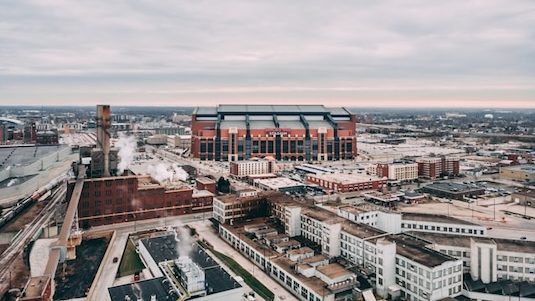
Indianapolis is leveraging the domestic growth of soccer to rebrand its southwest downtown quadrant. The Eleven Park development, a $1 billion mixed-use district centers on a 20,000 seat soccer-specific stadium. The project includes a four-acre plaza for community gatherings, an indoor concert venue and significant residential and office space. This aims to create a self-contained ecosystem that mimics the live-work-play districts of much larger global markets.

The Live-Work-Play Multiplier: Beyond the Visitor Economy

The long-term success of these secondary cities depends on their ability to convert a one-time sports tourist into a permanent resident or corporate stakeholder. We are seeing a shift where sports infrastructure is no longer treated as a weekend luxury but as a core utility for talent recruitment. 

Mid-sized cities are using their sports identities to signal a high quality of life. They are recruiting the creative class and pitching to tech workers and entrepreneurs who want to live in a “global destination” without the cost of living hurdles that an alpha city might have. 

Districts like the Continental Coliseum or Eleven Park are becoming laboratories for smart-city technology, piloting connectivity, biometric access and autonomous shuttles that eventually benefit the everyday consumer. 

Successfully managing the logistical complexity of a major event proves a city has the infrastructure and governance to support a corporate headquarters in relocation. We saw this with the halo effect in Frisco, TX, where the Star District became a magnet for firms looking to align with the prestige of athletics. 

By integrating sports into the fabric of urban life, these cities ensure that the ROI of their multi-billion dollar bets is measured in decades of population growth, not just days of event revenue.
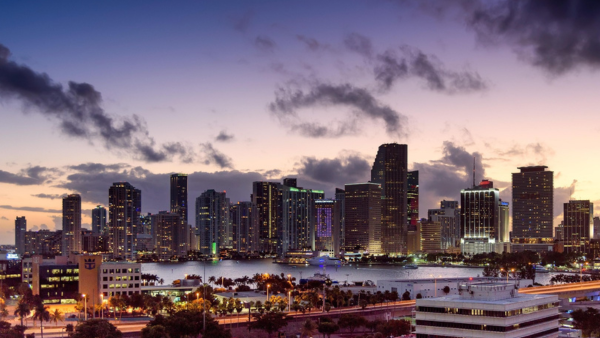
sports tourism

The Experience-Based Traveler

Building a world-class sports district is only half the battle. The real ROI of these multi-billion dollar developments lies in their ability to solve the 365 day problem, ensuring a city remains a destination even when the stadium lights are off. 

As cities like Oklahoma City and Jacksonville invest in the urban planning of fandom, they are specifically designing for a new archetype: the experience-based traveler. This demographic doesn’t just attend a game; they consume the entire city as a curated, immersive ecosystem. To understand why mid-sized cities are winning, we have to look at the shifting psychology of the modern fan. 

Today, the modern traveler no longer settles for a standard hotel stay; the value of sports tourism rests in being redefined by experience. 

Secondary cities have a unique advantage here: local flavor. While Las Vegas offers a curated spectacle, cities like Austin or Charlotte offer an authentic cultural immersion that the experience-based traveler craves. These cities are leveraging sports to showcase their culinary scenes, music and luxury hospitality, tapping into a demographic that views sports as the catalyst for a broader cultural exploration

Media, Branding and Identity

Recognition in the modern sports landscape is shaped by visibility. For a secondary city, hosting a major event is a fast track to institutional legitimacy

Formula 1 provides a masterclass in this: the global broadcast reach of a single race can put a mid-sized city in front of hundreds of millions of viewers. This media exposure allows a city to shed an outdated industrial image and emerge as a vibrant, tech-forward hub. In the same way that NIL monetization has changed the game for collegiate athletes, sports tourism allows a city to monetize its own Name, Image and Likeness on a global scale.

Free-to-air and streaming coverage significantly increase brand sentiment, which directly correlates to future tourism by highlighting a locality’s unique attractions to international audiences. By the time a broadcast ends, the city has transitioned from a dot on a map to a high-value asset in the eyes of international sponsors and corporate relocations. 

The Opportunities Ahead

The blueprint is clear. The cities that will win the next decade are those that view sports as an anchor for broader, year-round economic development rather than a weekend-only revenue spike. 

We are moving into the age of expansions, where the physical spaces of sports stadiums and arenas are evolving into community-centric hubs that drive value beyond gameday. 

We are seeing a massive opportunities in three specific areas:

Beyond the big four, secondary cities are becoming hubs for burgeoning pro league movements. Major league Pickleball (MLP) for example, is utilizing cities like Columbus, Grand Rapids and Austin as key team hubs and tournament sites. They are tapping into a younger, creator-driven demographic that traditional sports often miss. 

There is also a growing gap for brand partnerships to bridge local infrastructure and global audiences through Agentic AI and personalized fan engagement. Secondary cities that embed high-tech workflows into their new stadium districts, such as Jacksonville’s Stadium of the Future, create a competitive edge that lures tech-focused corporate headquarters. 

Lastly, recent data shows that 82% of sports travelers explore destinations beyond the host city. This creates an opportunity for regional fan zones, like Washington state’s plan for nine district zones for the 2026 World Cup, distributing economic impact across an entire state rather than just a single downtown core. 

Whether it’s a Tier-1 soccer friendly, a specialized racing circuit, or a growing niche sport hub, the barriers to entry for “Global City” status are lower than ever for those willing to invest in the scoreboard.

Redefining the Map

We are witnessing a literal remapping of the tourism industry. The “F1 Effect” has proven that geography is no longer destiny; instead, a city’s relevance is now determined by its ability to curate world-class, high-stakes environments that blur the line between a “mid-sized market” and a “global destination.”

This shift represents a structural change in how urban centers compete for human capital, as investments like the Stadium of the Future or Continental Coliseum serve as a “seat at the table” of international relevance. By building these ecosystems, cities signal to the world that they possess the vision and local flavor to host the next generation of global nomads. 

For the sports industry, the implications are massive. We are moving away from a world where alpha cities hold a monopoly on major events. The democratization of sport tourism means that any city with a strategic urban plan and a commitment to the 365 day ecosystem can become a powerhouse. The finish line for these cities is no longer just the end of a successful event, it’s the start of a completely new identity. 

The map of the world’s most influential cities is being redrawn in real-time, and sports are the ink. As we look toward the next decade of development, one thing is certain: the cities that viewed themselves as “secondary” are the ones currently making the primary moves.

FAQ:

  1. What exactly is the “F1 Effect” on secondary cities? The “F1 Effect” refers to the transformative economic and cultural shift that occurs when a high-profile sporting event is used as a catalyst for urban rebranding. It goes beyond temporary tourism, fundamentally changing a city’s global brand identity and its ability to attract long-term corporate investment. 
  2. Why are mid-sized cities prioritizing sports districts over traditional stadiums? Unlike traditional stadiums that often sit isolated in parking lots, modern sports districts are mixed-used developments designed to be 365-day ecosystems. By blending arenas with residential, retail and tech hubs, cities ensure a continuous return on investment that lures permanent residents rather than just weekend visitors.
  3. How does hosting a major event help a city recruit the “creative class?” Mid-sized cities use their sports identities to signal a high quality of life and global relevance. By proving they can host world-class events, these cities pitch themselves to entrepreneurs and tech workers as global destinations that offer elite amenities without the high-cost burdens found in major cities.
  4. Can sports tourism actually fund long-term infrastructure improvements? Yes. cities like Nashville and Austin have successfully leveraged the revenue and visibility from sports tourism to fund massive urban developments and transit improvements. These projects often pilot smart-city technologies that eventually become central utilities for the general public. 
  5. What is the 365-day problem in sports tourism? The 365-day problem is the challenge of keeping a sports-centric area vibrant and profitable when no games or events are scheduled. Secondary cities solve this by designing immersive ecosystems, featuring culinary scenes and luxury hospitality that appeal to the experience-based traveler year-round. 

How Leaders Like Carlie Irsay-Gordon are Breaking Barriers

Women are steadily reshaping leadership in professional sports. In roles once dominated by men, the industry is seeing female executives like Carlie Irsay-Gordon redefine success and inclusion from front offices to ownership suites. 

Irsay-Gordon, owner of the NFL’s Indianapolis Colts, has already transformed the franchise both on and off the field. Initially met with skepticism from NFL executives and surrounding media, her approach has since earned praise from players, coaches, and reporters alike. 

Irsay-Gordon represents a broader movement, one that is changing the perception of women in leadership and proving that positive influence in sports isn’t tied to gender.

Quick Highlights:

  • As of 2023, women held 24% of C-suite positions in the MLB. For the 2022/23 NBA season, women held 39% of senior management positions.
  • At least 12 of the 32 NFL teams count women as controlling and significantly active owners, making strides from the merely 7 teams reported in 2015. 
  • In 2022, 75% of WNBA CEO/President positions were held by women.
  • Companies in the top quartile for gender and ethnic diversity are 9% more likely to outperform, and those with gender-diverse boards are 27% more likely to outperform financially.

Carlie Irsay-Gordon: Redefining NFL Ownership

Carlie Irsay-Gordon didn’t earn early praise when she appeared on the Colts’ sidelines wearing a headset— critics saw it as overreach. She explained she was there to learn, not direct, and that curiosity has defined her leadership ever since.

Since taking a larger role in 2014, she’s emphasized mental health, family-first policies, and player engagement. Under her guidance, the Colts became one of the first NFL teams to add a full-time clinician. She launched Kicking The Stigma, a campaign that’s raised millions and pushed the NFL to talk openly about mental health.

Players describe her as empathetic and decisive, as someone who values accountability without losing humanity. Former Colt Stephon Gilmore summed it up for fans: “She’s the best. The Colts are in good hands.”

Kim Pegula: Strength in Buffalo

As the former co-owner and president of the NFL’s Buffalo Bills and NHL’s Sabres, Kim Pegula helped turn both franchises into models of organizational stability. She made history as the first woman to serve as president of both an NFL and NHL team and is known for her disciplined, data-driven decision making and commitment to community.

After suffering a serious health setback in 2022, the Bills organization rallied around her, and dedicated wins in her honor. Under Pegula’s leadership, the Bills’ value quadrupled since 2014, making them one of the NFL’s fastest-growing franchises in both performance and market value.

Jeanie Buss: Leading the Lakers Legacy

Shifting over to the NBA in Los Angeles, Jeanie Buss is a powerful example of resilience and success under immense pressure. As the first ever female controlling owner to win an NBA title, Buss has helped restore the Lakers’ legacy through her steady leadership and trust in players and staff.

She navigated many public disputes and high-profile transitions, including parting ways with her brother Jim Buss and hiring Rob Pelinka as GM, all while keeping the franchise on a championship path.

In 2020, Buss became one of the most visible and respected executives in sports, leading the Lakers to their 17th NBA title in the Orlando bubble. Beyond basketball, she has used her platform to champion gender equality and inclusive hiring practices. One way she does this is by personally investing in initiatives like the all-female wrestling league WOW (Women of Wrestling).

Women Across All Leagues

The shift towards increased female leadership moves beyond the NFL and NBA. In the MLB, Kim Ng made history as the first female general manager when she joined the Miami Marlins in 2020. By just three seasons, she guided the club to its first playoff appearance in 17 years.

In motorsports, Susie Wolff, the managing director of F1 Academy is driving change at the intersection of racing and representation, pushing for broader access and visibility for women in motorsports. 

And in soccer, executives like Becca Roux, executive director of the U.S. Women’s National Team Players Association, continue to advocate for pay equity and long-term sustainability within women’s sports, progress that is now influencing how male-dominated leagues operate.

f1 race track

Changing Perceptions and Cultural Impact

While many female leaders have earned respect over time, early criticism often underscores how gender biases continually persist in sports culture. Carlie Irsay-Gordon’s headset moment drew major skepticism, with one of the reasons solely being that she was a woman on the sidelines– a space that is primarily filled with men.

Yet over time, these same figures have changed the public opinion on authenticity, transparency, and performance. A study found that 68% of all U.S. sports fans, which includes both men and women, say they trust professional women athletes. And 58% of American sports fans who don’t watch any women’s sports trust female athletes. 

That credibility extends beyond the playing field. When women move into leadership roles, studies show that engagement rises, workplace satisfaction improves, and risk management is improved.

A New Era of Leadership

The presence of women like Irsay-Gordon, Pegula, Buss, and Ng signals something bigger than just female representation. They’re redefining team culture, fan engagement, and the business priorities of modern sports.

At Athelo Group, we believe leadership is strongest when it’s diverse and inclusive. Across professional sports, women are showing that success grows from respect, trust, and a unified vision.

Sports Docuseries: On the Rise or Losing Steam?

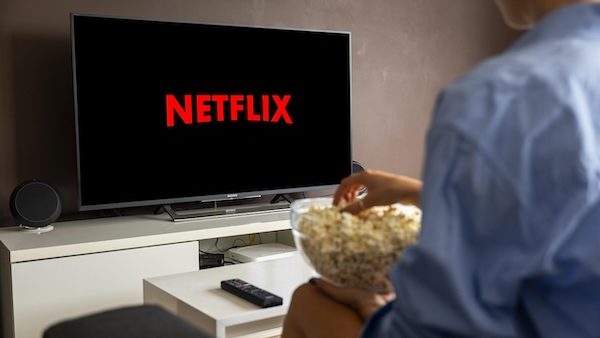
As streaming continues to dominate the entertainment industry, sports and TV are blending seamlessly into the popular sports docuseries genre. 

Shows like Drive to Survive and Full Swing have proven they can captivate large audiences of sports fans, casual viewers, and even newcomers to the sport.

What makes these sports docuseries so compelling to a variety of audiences? It seems like Netflix has the answer. 

Quick Highlights:

  • Between October 2024 and February 2025, Netflix increased its sports catalog by 98.6%.
  • After watching the Netflix series Drive to Survive, 34% of US viewers became an F1 fan.
  • From 2021 to 2024, 33% of consumers watched sports documentaries.
  • In just one week, Quarterback recorded 3.3 million views, with over 21 million hours watched.
  • As of Q2 in 2025, sports count for 12% of commissioned documentaries, an increase from 3% in 2019.
person watching netflix sports docuseries

The Beginnings of the Sports Docuseries

The sports docuseries trend began with HBO’s Hard Knocks, which debuted in 2001. This groundbreaking series offered unprecedented access to NFL locker rooms and facilities, giving viewers a behind-the-scenes look at top teams. Hard Knocks remains a staple, releasing new seasons to this day.

In 2020, ESPN and Netflix released The Last Dance. During the global pandemic, when sports fans were desperate for content, the series offered an in-depth, behind-the-scenes look at one of the greatest athletes of all time, Michael Jordan. The show quickly became a cultural phenomenon.

The Last Dance averaged 5.6 million viewers per episode, won an Emmy for outstanding documentary, and became ESPN’s most-watched docuseries, surpassing even the beloved 30 for 30 series.

The Potential of Success and Viewership

As Netflix continues to release new series across various sports, the impact on viewership is often compared to that of Drive to Survive, Netflix’s Formula 1 docuseries.

First airing in 2019, Drive to Survive has continued to captivate audiences, with its seventh season released this year. Many credit the series with introducing Formula 1 to a broader, more diverse audience.

The numbers speak for themselves. Average viewership of Formula 1 in the United States soared to 934,000 in 2021, a 71% increase since the first season. Today, the racing championship draws an average of 1.3 million viewers per race. 

This success has sparked other sports, both niche and mainstream, to create their own docuseries in hopes of attracting similar new, younger, and casual audiences.

formula 1 car

The Netflix Blueprint

Sports docuseries make up a small slice of the streaming landscape, accounting for just 0.72% of titles and 0.74% of streaming revenue. 

While these numbers seem small, the picture changes when Netflix is excluded. Without Netflix, sports docuseries represent 0.75% of titles but only 0.56% of streaming revenue, showing how the platform has set itself apart in this subgenre.

One example of Netflix’s success is the NFL docuseries Quarterback, which topped the U.S. most-watched chart within just two weeks and also cracked the top 10 in Canada, Switzerland, and Ireland. Following Quarterback‘s success, shows like Receiver and Any Given Saturday adopted a similar production style and achieved comparable success. 

Netflix’s formula focuses on unique storytelling, highlighting the stars not just as athletes, but as individuals. It offers a behind-the-scenes look at their personal lives, revealing the highs and lows of the sports that brought them fame.

Can the Drive to Survive Effect be Repeated?

It’s far from a sure thing.

Drive to Survive showed how a sports docuseries can transform viewership, but not every title sparks that same magic. When Netflix released the track and field series SPRINT in 2024, fans hoped for a Formula 1–style boom. The series earned positive reviews, but the sport’s overall audience has yet to see a major lift.

Some projects have faced even steeper challenges. Netflix’s rugby series Six Nations: Full Contact made brief appearances in the top 10 of several countries, yet it never broke into the global top 10 and was cancelled after just two seasons.

The tennis docuseries Break Point met a similar fate. It ran for two seasons before ending, and one fan pointed out that in 2023 it ranked 617th among Netflix shows, well behind its Formula 1 and PGA Tour counterparts at 121 and 274. Those numbers underline just how difficult it is to match the reach of the genre’s biggest hits.

While Netflix continues to produce high-quality sports storytelling, the success of a docuseries often depends on finding the perfect mix of sport, personalities, and drama. The Drive to Survive effect isn’t impossible to repeat, but it’s a high bar to clear.

sprinter on netflix sports docuseries SPRINT

Recent Difficulties for Sports Docuseries

In some of the recent series released, Netflix has received complaints about its approach to certain sports.

Many fans of track and field pushed back on the SPRINT series, with one report claiming, “It doesn’t want to tell a story. It wants to sell the sport.” A common criticism is that the series focuses almost exclusively on winners, leaving out the struggles and realities faced by athletes who don’t reach the podium.

As the genre’s popularity has grown, some athletes have taken a more active role in shaping their own narratives. Star soccer player David Beckham, for example, served as executive producer on his own docuseries and chose its director. While not inherently an issue, critics pointed out that controversial parts of his story were missing, raising concerns about athletes controlling the narrative.

Adding to the challenge, Netflix has already released 13 sports docuseries in 2025, with seven more planned before year’s end. With so many titles flooding the market, there’s a real possibility of viewer fatigue. In a crowded field, not every series can replicate the success the genre has enjoyed in the past.

What to Look For in the Future

As interest in the genre grows, many other sports are exploring docuseries of their own. Sports like CrossFit and surfing could benefit athletes such as Athelo Group’s Dani Speegle, Emily Rethwill, Brisa Hennessey, and Zoe Benedetto.

For these projects to succeed, they need to tell stories that authentically reflect the sport rather than simply spotlighting a few star athletes. Taking more time between releases could also help maintain audience interest and avoid oversaturation.

Docuseries have real potential to expand a sport’s audience, but success will depend on how streaming platforms approach production and storytelling as they work to keep public interest high.

How a Brand Partnership Can Transform the Sport

When we talk about brand partnerships in sports, the conversation usually centers on what brands get out of the deal— exposure, cultural relevance, maybe a boost in sales. But here’s what we’re missing: the best partnerships don’t just benefit the sponsor. They fundamentally transform the sports property itself.

The most successful collaborations go far beyond writing a check and slapping a logo on a jersey. They turn teams, leagues, and events into cultural phenomena that transcend sports entirely, breaking into fashion, music, technology, and art in ways that seemed impossible just a few years ago.

Quick Highlights:

  • PSG x Jordan Brand elevated the club into a global fashion icon, selling over 1 million jerseys and driving commercial revenue over $450 million.
  • Formula 1 and LVMH inked a 10-year, $1 billion partnership set to redefine F1 as a luxury lifestyle brand, attracting younger and more diverse audiences.
  • Como 1907 x Uber’s multi-year partnership signals the club’s ambition to build international credibility and align with a globally recognized brand.
f1 driver with brand partner logo

PSG x Jordan Brand: When Football Meets Streetwear Culture

Let’s start with what one of the most game-changing brand partnerships in modern sports marketing: Paris Saint-Germain and Jordan Brand. PSG had been with Nike since 1989, but everything changed when they launched their Jordan collaboration in 2018.

Before Qatar Sports Investments acquired PSG in 2011, the club was barely a blip on the international radar. But instead of just throwing money at big-name players, PSG’s leadership took a different approach. They positioned the club as more than a football team; they made it a lifestyle brand that embodied Parisian culture, complete with streetwear aesthetics, music collaborations, and high-fashion sensibilities.

The results speak for themselves: PSG sold over 1 million Jordan-branded jerseys in the first year alone, suddenly attracting a younger, style-conscious audience across the U.S. and Asia who might never have cared about Ligue 1 football.

air jordan shoes

The numbers tell the story of this transformation:

  • In 2017-18, PSG’s revenue was around $544 million.
  • By 2023-24, they’d crossed $907 million, making them the third highest-earning football club globally.
  • Their commercial revenue jumped from $337 million in 2016 to over $453 million by 2023.
  • Their current Nike deal is worth $90 million annually through 2032, now one of the most lucrative in football.
  • The club has over 160 million followers on social media, ranked 4th most of all football clubs in the world.  

What started as a three-year partnership became a cultural phenomenon that redefined what a football club could be.

Formula One x LVMH: Racing Meets Luxury

Formula One’s 2025 partnership with LVMH represents another seismic shift in sports branding. This 10-year, $1 billion agreement aims to completely reimagine how fashion and luxury influence F1’s cultural identity. 

While F1 had always flirted with luxury through partnerships like Rolex, the LVMH deal brings brands like Louis Vuitton, TAG Heuer, and MoĂ«t & Chandon into every aspect of race weekends. We’re talking bespoke trophy trunks, luxury champagne celebrations, and limited-edition timepieces that turn each Grand Prix into a premium lifestyle experience.

This strategy aligns perfectly with F1’s broader ambitions. The sport has successfully attracted celebrities, fashion icons, and lifestyle media coverage, especially at glamorous venues like Monaco and Miami. Today, over 40% of F1’s global audience is under 35, with a rapidly growing female fanbase, demographics that traditional motorsports struggled to reach for decades.

monaco grand prix

Como 1907 x Uber: The Underdog’s Bold Play

At first glance, Como 1907’s jersey sponsorship with Uber might seem like an odd choice, especially given that Uber’s ride-hailing services are technically restricted in Italy. But the move reflects a smart, forward-thinking strategy.

Newly promoted to Serie A after 21 years, Como isn’t trying to match legacy clubs like Juventus or AC Milan on traditional football terms. Backed by the Indonesian Djarum Group, with Cesc Fàbregas as minority owner and head coach and Thierry Henry as a shareholder, the club is building something more ambitious. Como is positioning itself as a global lifestyle brand.

With its lakeside stadium and postcard-worthy setting in Lombardia, Como has leaned into its unique identity. The Uber partnership signals international intent, offering global recognition and brand alignment well beyond Italian borders.

The club has doubled down on this vision by partnering with L.A.-based luxury fashion label Rhude. In October 2024, Rhude founder Rhuigi Villaseñor was named Como’s Chief Brand Officer, tasked with overseeing creative direction and brand strategy across lifestyle and consumer ventures. The goal: elevate Como from provincial team to cultural icon.

The strategy is working. By the end of the 2024–25 Serie A season, Como ranked 9th in the league for Instagram followers (750,000)—despite being its newest club. Their focus on fashion, culture, and hospitality is clearly resonating, particularly with American fans looking for something beyond the usual football giants.

lake como, italy

The Future of Sports Partnerships

These examples point to a fundamental shift in how we should think about sports sponsorships. The most successful partnerships create mutual value benefiting the brand while also elevating the sports property into entirely new cultural territories.

At Athelo Group, we see this firsthand. Whether it’s pairing an adaptive athlete with a healthcare brand or aligning a lifestyle-focused lacrosse player with a fashion-forward supplement company, our goal is to build partnerships that support the athlete’s image and community. 

When executed thoughtfully, these collaborations can dramatically increase a property’s revenue, relevance, and cultural footprint. More importantly, they help sports properties tap into markets and communities they never could have reached through traditional means.

The lesson for sports properties is clear: stop thinking of sponsorships as just revenue streams. Start thinking of them as opportunities to redefine who you are and who you can become.

Cadillac Joins Formula 1 in 2026 as America’s Newest Contender

On March 7, 2025, Cadillac F1 officially secured its place as the 11th team on the Formula 1 grid, set to debut in 2026. This marks a significant moment for American motorsports, as General Motors and Cadillac become only the second U.S.-based team in F1 history.

While Haas F1 was the first, many fans do not view it as a true “American-first” team due to its European operations and close technical partnership with Ferrari.

Quick Highlights

  • Cadillac will officially join Formula 1 in 2026 as the 11th team on the grid, further solidifying America’s presence in the sport.
  • Andretti Global will play a key role in building and operating the team but will not retain the official naming rights.
  • Cadillac is expected to invest approximately $750 million in research, development, and infrastructure before making its highly anticipated 2026 debut.
  • Colton Herta has emerged as a fan-favorite candidate for a seat, but securing a spot on the grid comes with significant challenges and competition.

Cadillac F1 Entry Strengthens American Expansion

For Formula 1, Cadillac’s entry aligns with the sport’s growing focus on the American market. Bringing in a well-established automotive brand like Cadillac strengthens this initiative, as the company is synonymous with luxury, performance, and a strong heritage in the industry.

Its involvement not only elevates F1’s presence in the U.S. but also provides a significant commercial opportunity for American investors and sponsors looking to enter the global racing scene.

The road to this approval has been eventful. In 2023, Andretti Global, a highly respected name in American motorsport with teams in IndyCar, Indy NXT, and Formula E, submitted a bid to join F1.

However, Liberty Media rejected the proposal, citing concerns over competitiveness, commercial value, and the belief that it was not a fully General Motors-backed initiative. This decision was met with disappointment from motorsport fans who saw Andretti as a natural fit for F1.

Cadillac Takes the Lead, Andretti’s Role Shifts

With Cadillac now leading the project, the structure has changed. Andretti remains involved, but now centers its role around team operations and racing expertise rather than branding. 

This distinction appears to have been a key factor in gaining approval, as Cadillac’s global recognition and financial backing align with F1’s long-term business objectives.

Cadillac F1: The Cost of Competing

Cadillac will pay a $200 million entrance fee, a requirement for all new entrants as of 2025. This fee offsets the dilution of the Formula 1 prize pool, which is currently divided among the 10 existing teams. With an additional team joining the grid, the payout per team will decrease, and the fee ensures the new entrant’s commitment to F1’s long-term growth.

In addition, Cadillac must invest heavily in R&D, including aerodynamics, chassis, and engine development. The team’s infrastructure will cost roughly $250 million, with wind tunnels alone adding $20 million. Though General Motors will supply power units starting in 2028, Cadillac will pay Ferrari for power units in its first two seasons, costing another $20 million.

Overall, Cadillac will spend around $750 million before racing even begins, all while adhering to the $140 million cost cap for salaries, operational costs, and logistics.

Sponsorship and Revenue Potential for Cadillac F1

Despite these high initial costs, Cadillac’s entry into F1 presents significant revenue potential. The brand’s presence offers an untapped sponsorship portfolio and a major opportunity for American companies to establish themselves in the sport, with a focus on U.S. innovation and heritage. 

Team principal Graeme Lowdon has already noted strong interest from potential partners, calling the response “extremely encouraging.”

While Cadillac has yet to announce any official partnerships beyond key investors like Guggenheim and Andretti, the brand’s financial strategy hinges on attracting partnerships to maximize revenue as they navigate the challenges of their initial investment.

​​Driver Selection: The Final Puzzle Piece

As F1 continues to expand its influence in the United States, Cadillac’s involvement marks a pivotal step in solidifying American participation in the sport. With many critical decisions still hanging in the balance, selection of the team’s two drivers remains most significant. Lowdon has stated that driver selection will be based on merit, regardless of nationality. 

Speculation is already swirling, with American IndyCar star Colton Herta often mentioned as a top contender. The main hurdle for Herta is that he has only 32 points on his Super License, a qualification required by the FĂ©dĂ©ration Internationale de l’Automobile (FIA) to compete in Formula 1. F1 mandates drivers to accumulate at least 40 points.

Exploring the Driver Pool

Herta might be the perfect driver on paper, but it won’t matter if he doesn’t have enough points on his license. Other experienced F1 drivers, such as Valtteri Bottas, Sergio Pérez, and Mick Schumacher, are also potential options, alongside promising drivers from other Formula series looking for an opportunity in F1.

While performance will be the priority, the team will also face external pressure from stakeholders and fans to include an American driver, further strengthening the sport’s appeal in the U.S. Logan Sargeant, who raced for Williams F1 last season, could be considered, but his struggles to prove himself as a viable long-term option make his selection unlikely.

A Game-Changing Opportunity for American Racing

With growing excitement among fans and brands eager to align with F1’s newest American team, Cadillac has a unique opportunity to shake up the grid. 

If executed correctly, the brand can establish itself not just as a competitive force in Formula 1 but as a team that embodies American racing heritage and innovation on the world stage. All eyes will be on how Cadillac navigates this next chapter—both on and off the track.

As the excitement builds, brands looking to align with this momentum will be watching closely. With the right partnerships, Cadillac’s entry into Formula 1 could redefine how American motorsport resonates globally. At Athelo Group, we specialize in helping athletes and brands navigate these opportunities, ensuring they maximize their impact both on and off the track.

Sustainability in Sports: The Brands and Athletes Driving Change

Sustainability in sports has become a critical focus in the world of sports marketing. Both brands and athletes are using their platforms to advocate for environmentally conscious practices and inspire positive change. These efforts are reshaping the industry and showing how sports can play a pivotal role in promoting a greener future.

Through innovative partnerships and eco-friendly products, brands are taking a leading role in addressing environmental challenges. At the same time, consumer demand for sustainable practices is driving companies to act. With athletes lending their voices to these initiatives, the sports world is setting new standards for sustainability.

sustainability in sports

Brands Leading the Charge

Sports brands are at the forefront of sustainability efforts. Adidas, for example, has partnered with Parley for the Oceans to create performance footwear made from recycled ocean plastic. This initiative has helped prevent millions of pounds of plastic waste from polluting the oceans.

Adidas’ commitment resonates with eco-conscious consumers who expect brands to address global challenges. “Our aim is to inspire and enable everyone to play their part in ending plastic waste,” the company stated in 2023. This collaboration highlights how brands can combine environmental impact with innovative product design.

Similarly, Nike is making sustainability a core part of its strategy. The brand’s Move to Zero initiative aims to reduce waste and carbon emissions across its supply chain. Nike’s Space Hippie collection, crafted from factory scraps, exemplifies this effort. According to Seana Hannah, Nike’s VP of Sustainable Innovation, “Sustainability is about more than products—it’s about inspiring the industry to follow suit.”

sustainability in sports

Athletes as Sustainability Advocates

Athletes have become powerful advocates for sustainability. Lewis Hamilton, a seven-time Formula 1 world champion, is leading efforts to promote eco-consciousness in motorsports. Through his work with Formula E, Hamilton champions electric racing and carbon neutrality.

Beyond his professional career, Hamilton uses his social media platforms to inspire fans to adopt sustainable lifestyles. “We all have a responsibility to leave the world in a better place for the next generation,” he shared in a 2023 interview with Sky Sports. His advocacy has made him a prominent voice in the fight against climate change.

In outdoor sports, Jeremy Jones is driving environmental awareness. The professional snowboarder founded Protect Our Winters to combat climate change and protect natural landscapes. “As athletes who depend on the natural world, it’s our duty to protect it,” Jones stated. His leadership showcases how athletes can mobilize their communities to take meaningful action.

sustainability in sports

Consumer Demand for Sustainability

Younger generations are playing a significant role in driving sustainability efforts. Millennials and Gen Z are prioritizing eco-friendly products and partnerships, reshaping how brands approach marketing. A 2023 Nielsen report found that 73% of Gen Z consumers are willing to pay more for sustainable products.

To meet these expectations, brands are aligning with athletes who share their values. Naomi Osaka, for example, has partnered with Nike and Beats by Dre to promote sustainability-focused initiatives. By collaborating with athletes like Osaka, brands can connect with younger audiences and emphasize their commitment to the environment.

This consumer-driven shift is encouraging companies to adopt greener practices. As eco-conscious consumers continue to grow in influence, brands that embrace sustainability will stand out in the competitive sports market.

A More Sustainable Future

Sustainability is no longer a side effort in sports marketing—it is now central to how brands and athletes operate. With initiatives like Adidas’ Parley partnership and Nike’s Move to Zero campaign, companies are making a tangible environmental impact. At the same time, athletes like Lewis Hamilton and Jeremy Jones are using their platforms to advocate for meaningful change.

As consumers increasingly demand eco-friendly products, the collaboration between brands, athletes, and fans is transforming the sports industry. Together, they are proving that sustainability is not just good for the planet—it’s also good for business.

Sources:

  1. https://www.adidas.com/us/go/campaign/impact/planet
  2. https://report.adidas-group.com/2023/en/group-management-report-our-company/sustainability/rooted-in-our-purpose.html
  3. https://sustainabilitymag.com/sustainability/how-adidas-is-innovating-to-make-sportswear-more-sustainable
  4. https://www.skysports.com/f1/news/12433/12066332/lewis-hamilton-launches-team-for-extreme-e-the-electric-off-road-series
  5. https://www.cnbc.com/2021/08/10/the-environment-is-gen-zs-no-1-concern-but-beware-of-greenwashing.html
  6. https://kadence.com/en-us/why-gen-z-values-sustainability-tips-for-marketing-to-the-eco-conscious-generation/
  7. https://protectourwinters.org/about-pow/

Formula 1 US Expansion: Why F1 Is Growing in America

Over a decade ago, many would argue Formula 1’s greatest relevance in American pop culture was Talladega Nights’ portrayal of fictional French F1 driver, Jean Girard. The same cannot be said in 2023: the sport is surging in popularity with record U.S. viewership and fan engagement. Thanks to factors like Netflix’s Drive to Survive docuseries and enhanced marketing strategies, F1 is netting a new generation of American fans with a genuine interest in the sport. F1 isn’t the only beneficiary here: by leveraging F1’s new American audience, brands and athletes are taking advantage, too. Let’s examine F1’s expansion into the United States and the key figures with a stake in its success. 

Liberty Media Takes Over

When U.S.-owned Liberty Media purchased F1 back in 2017, they bought an underdeveloped asset with no marketing team. Their immediate aim was to infuse F1 with the entertainment value so crucial to gripping American audiences. Through marketing research, they realized fans wanted a more immersive race experience and an open channel of information, both of which were limited under the strict regulations of F1’s former leadership. 

As a result, F1 took to social media to improve fan access. By incorporating behind-the-scenes coverage, interviews, and allowing previously restricted team content, fans forged a more personal connection to F1 teams and drivers. On YouTube, for example, F1 posts an annual Secret Santa video series. Ever since the Christmas of 2017, Popular F1 drivers like Kimi Räikkönen and Charles Leclerc exchange sentimental, outrageous gifts and attempt to guess their source. Fans have embraced the personal element of this content, which showcases the friendships and light-heartedness within the sport. Prior to Liberty Media’s takeover, fans had no way of experiencing these moments up close. Due in part to these efforts, the organization now experiences a 30% year-on-year social media growth.

US Formula 1

Drive to Survive Hooks American Audiences 

Partnering with Netflix, Liberty Media used the Drive to Survive docuseries to bring F1 closer to the forefront of American pop culture. According to The New York Times, it’s the show that “made Americans fall in love with Formula 1.” And they’re not so far off: when the series first premiered, ESPN averaged only half a million viewers per race. Three years into the show and those ratings nearly doubled. In 2022, ESPN renewed its F1 media rights contract for a figure between 75 to 90 million dollars. That’s a 1300% increase in the last contract’s valuation, largely credited to the show’s impact on American audiences.

Coming into its 5th season, the series continues to capture intense races, rivalries, and friendships among F1 drivers and their teams. Drive to Survive finds its success in humanizing F1, frequently following drivers off the track to depict their relationships with family and friends. In an episode entitled, “Man on Fire,” the show captures Sergio Perez’s final race of the season as he comes from last in the field to clinch the Sakir Grand Prix. His in-car camera films him sobbing in elation upon the P1 finish, then breaking down once more as he calls his wife and children with the good news. Capturing emotional narratives like this is what the show does best, and it’s why American audiences are so hooked. Even people who do not understand the sport’s nuances tune in to witness the high-stakes, emotionally compelling stories which revolve around it. 

US Formula 1

F1 Drivers Leverage Newfound U.S. Fame

Many F1 drivers have benefitted from the sport’s newfound U.S. awareness. Charismatic drivers like Red Bull’s Daniel Ricciardo have become motorsports figureheads, with Ricciardo now boasting 7.9M Instagram followers and counting. He’s leveraged this newfound popularity in the States to forge partnerships with American sponsors like Beats by Dre and EA Sports. 

At 10M Instagram followers, Monocan driver Charles Leclerc is even more popular than Ricciardo. More and more brands who typically favor NASCAR’s Americana are now beginning to see drivers like LeClerc’s stateside appeal. Celsius, for example, has been a NASCAR staple since 2016 with sponsorships between drivers like Justin Haley and Corie Lajoie. This month they announced their new venture into F1, sponsoring Leclerc’s car at Team Scuderia Ferrari. Leclerc and his teammate, Carlos Sainz will sport Celcius’s logo on their cars beginning at the Miami Grand Prix in May. Collaborating with the drivers through social media and activation appearances, Celsius is one of many brands looking to capitalize on F1 drivers’ growing American audience and pre-established global reach.

US Formula 1

American Brands Capitalize on Popularity of U.S. Races 

While the U.S. is no stranger to hosting F1 races, recent races have experienced an unprecedented rise in attendance, greater media rights value, and an influx of unique brand opportunities. The Grand Prix in Austin, TX has been held since 2012, but in 2021 it set the largest three-day attendance record of any Grand Prix, drawing crowds of more than 400,000 people. The stateside buzz has led F1 to add another American race to this year’s circuit with Las Vegas joining alongside Austin and Miami. Experts suggest the race will generate a 1.3B economic impact from ticket sales, food and beverage, media rights, and hospitality. The 2024 Super Bowl, which is also to be held in Las Vegas, is projected to accrue just half that. 

This is all good news for American brands who are quickly positioning themselves in the F1 space. In 2022 alone, American brands made 161 deals with Formula 1. That’s a 66% increase from 2020! Major players include U.S. tech company, Oracle, who inked a blockbuster 5-year deal as the title sponsor of Red Bull. Oracle’s move has led the charge in a new wave of American brand partnerships. McClaren followed with a Google deal, and the sole American-owned F1 team, Haas, partnered with Dallas-based MoneyGram. Just last week, Paramount+ became an official multi-year partner of the league with plans to place advertising in F1’s Fan Zone areas. While many of these brands are familiar with the sports sponsorship space, partnering with F1 is a new endeavor. As the sport continues to expand its U.S. market, the brands that jump on board are sure to grow alongside it. 

Ever since Liberty Media’s takeover, it seems F1 is living out its American dream. Fully developed American motorsports properties like NASCAR will need to evolve their strategy in response. Only time will tell if the market can be shared, or if F1 could surpass it in long-term U.S. growth. But one thing’s for sure: we’re now living in an era where F1 is celebrated in American culture. It’s no longer misunderstood; it’s a point of interest for U.S. fans and brands alike, and its future in the States is full of promise.

Sources:

  1. https://theathletic.com/3924843/2022/11/23/formula-1-viewership-2022/
  2. https://rtrsports.com/en/blog/formula-1-in-the-us-whats-behind-its-rise-in-popularity/
  3. https://www.nbcnews.com/news/us-news/formula-1-popularity-explodes-us-2023-season-begins-rcna71676
  4. https://www.autosport.com/f1/news/the-encouraging-trend-emerging-from-f1s-embrace-of-social-media/10362315/
  5. https://www.si.com/fannation/racing/auto-racing-digest/formula-one/eubanks-vegasf1react
  6. https://www.usatoday.com/story/sports/motor/formula1/2022/05/03/liberty-media-ceo-on-f1-growth-we-have-a-lot-of-demand/50180875/
  7. https://www.gpblog.com/en/news/167095/liberty-media-revitalises-formula-1.html
  8. https://www.caranddriver.com/features/a40758205/drive-to-survive-formula-1-american-fans/
  9. https://www.nytimes.com/2022/07/14/magazine/formula-1-miami-drive-to-survive.html#:~:text=When%20Netflix%20released%20its%20initial,a%20million%20viewers%20per%20race
  10. https://www.ferrari.com/en-EN/formula1/articles/celsius-an-official-partner-of-scuderia-ferrari
  11. https://frontofficesports.com/vegas-gp-expected-to-generate-1-3b-double-super-bowls-impact/
  12. https://www.sportbusiness.com/news/paramount-becomes-formula-1-official-partner/
  13. https://www.sportbusiness.com/news/us-sponsorship-of-f1-teams-up-66-per-cent-in-two-years/

Become a Sponsor.

Join us in making a difference. Tell us a bit about yourself and we’ll be in touch with sponsorship details.

By submitting this form, you agree to be contacted by the Athelo Group team regarding sponsorship opportunities.