MotoGP vs. F1 Teams: Pushing the Limits of Extreme Racing

The high-speed worlds of Formula 1 and MotoGP are both thrilling, but each pushes motorsport in a different direction. F1 teams represent the peak of open-wheel engineering and data-driven strategy, while MotoGP showcases the fastest bikes and most fearless riders on two wheels.

Both are filled with elite athletes, cutting-edge machines, and massive global followings, but couldn’t be more different when it comes to how they test the boundaries of speed, strategy, and human endurance. 

With recent momentum building around U.S. interest in international racing thanks to series like Drive to Survive and standout Grand Prix moments, now’s the perfect time to break down what sets F1 teams and MotoGP apart.

Quick Highlights:

  • F1 cars reach top speeds of ~231 mph, while MotoGP bikes hit ~225 mph.
  • F1 drivers endure up to 6 Gs of force in corners, with cockpit temperatures exceeding 140°F.
  • F1 cars weigh ~1,760 lbs (including driver) with 1,000+ hp. MotoGP bikes weigh just ~350 lbs with ~280 hp, resulting in a much higher power-to-weight ratio.
  • MotoGP sees far more crashes per season (1,000+ across all classes in 2023) due to the open nature of the sport. F1 crashes are rare, but often more violent.
  • F1 relies on massive teams of 300-1200 people. MotoGP prioritizes rider instinct and physical agility, with much smaller team operations.

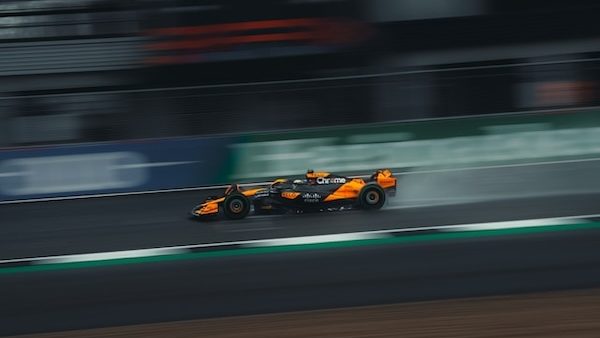
motogp racer

Machines Made for Mayhem

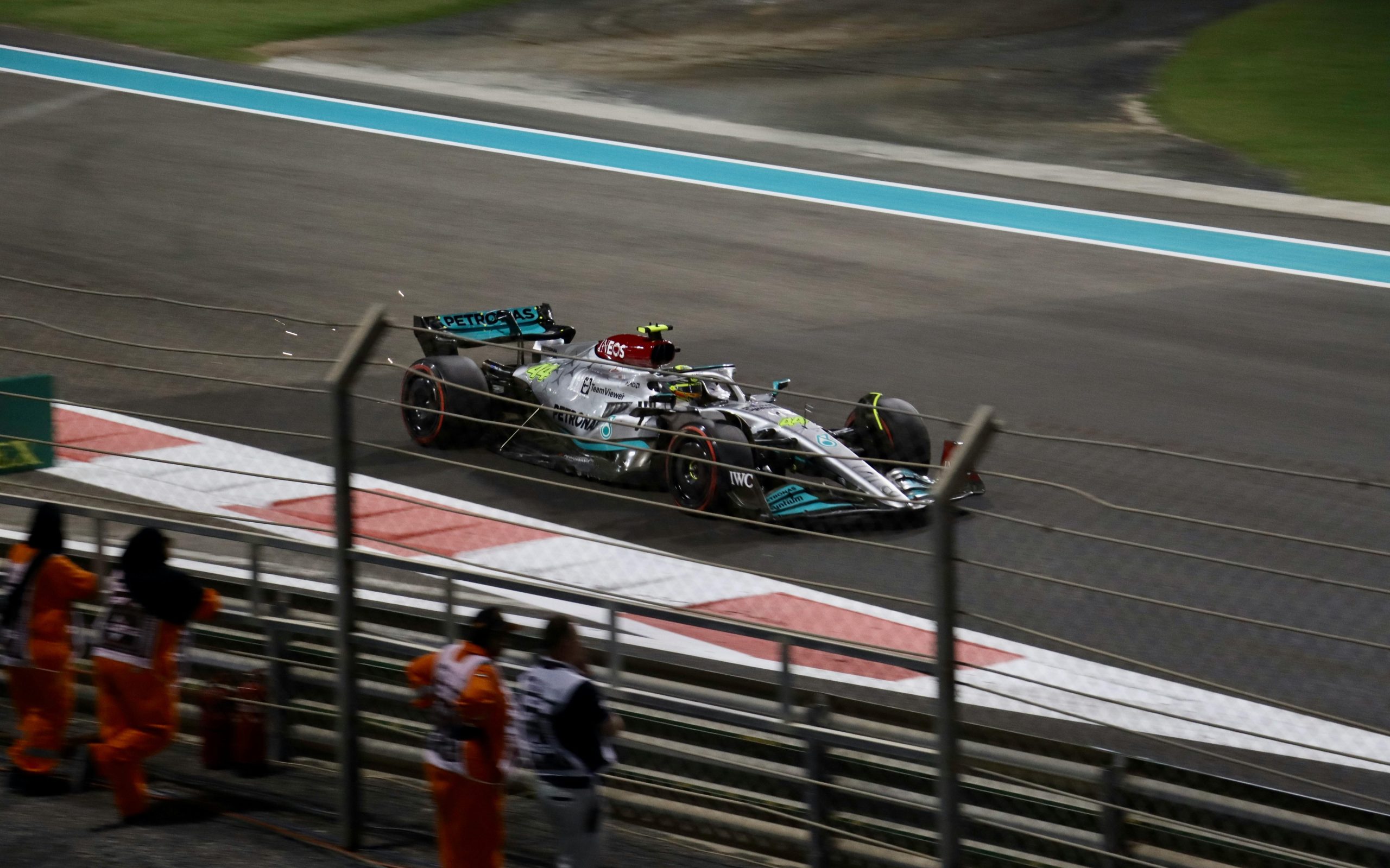
F1 might win the top-speed stat sheet, but MotoGP’s acceleration and agility put them nearly neck and neck. F1 cars generate immense downforce that lets them corner like no other vehicles on Earth. Think Lewis Hamilton carving through Maggotts-Becketts at over 170 mph, a move that highlights how critical precision and grip is in F1 racing.

In contrast, MotoGP riders rely on body control and instinct, like Marc Márquez’s famous 2019 save in Thailand when he caught a slide with his elbow mid-turn.

Where F1 thrives on aerodynamic mastery, MotoGP is all about physical finesse and control. Each sport demands a different type of athleticism, pushing the human body in unique ways.

Two Forms of Athleticism

F1 drivers are often overlooked as athletes, but their necks must endure immense G-forces while maintaining control for up to two hours in extreme heat. In Drive to Survive, Daniel Ricciardo and Carlos Sainz Jr. are shown performing resistance band neck workouts to prepare for the extreme lateral forces of racing, which can reach up to 6Gs during high-speed corners and braking zones.

On the other side, MotoGP athletes must physically wrestle their machines through corners, keep balance on two wheels, and adapt to rain, wind, and flat conditions with no protective cockpit. Riders like Fabio Quartararo and Marc Márquez spend hours on core work using wobble boards, BOSU balls, and stability discs to simulate the constant balance adjustments required on a bike leaning at over 60 degrees.

Both sports demand elite conditioning, but training comes in very different forms.

Danger Factor

Despite incredible advances in safety, F1 remains a dangerous sport. But when it comes to risk, MotoGP arguably takes it up a notch. Riders are fully exposed, making even minor crashes a serious threat. Protective leathers and tech have helped reduce injury, but the margin for error is razor thin.

One striking example was Marc Márquez’s 2020 crash at Jerez, where a low-side slide quickly escalated into a violent high-side that launched him into the air, resulting in a fractured humerus and multiple surgeries.

While MotoGP now employs airbag suits that deploy within milliseconds, the fact remains: riders lack the structural protection F1 cockpits provide, and even with high-tech suits and reinforced helmets, the physical toll can be immediate and severe.

F1 Teams vs. MotoGP Individuals

F races are won through tire strategy, pit stops, and data-driven decisions made by massive support teams. Hybrid power units combine turbocharged engines with energy recovery systems to deliver up to 1,000 hp with improved efficiency. Engineers use wind tunnels and simulated modeling to fine-tune aerodynamics down to the smallest winglet.

MotoGP, by contrast, centers on rider instinct. There is no radio coaching mid-race. Riders manage tire wear, execute overtakes, and make real-time decisions at 220 mph. Bikes feature seamless shift gearboxes, ride height devices, and traction control, but the rider is the deciding factor.
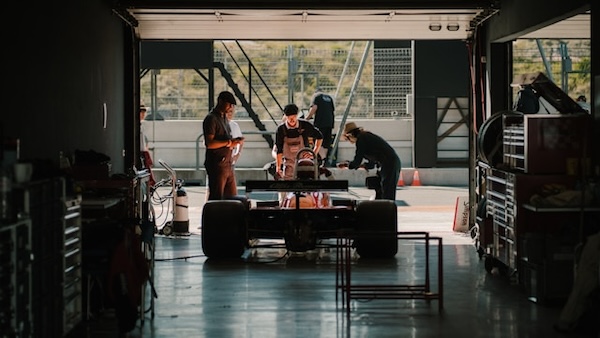
f1 teams repairing car

Sponsorship Niches

F1 draws polished, luxury-focused sponsors like Rolex, Emirates, and Richard Mille—brands that value exclusivity and global prestige. Even tech giants like Amazon Web Services and Lenovo have joined the grid, tapping into F1’s innovation and massive reach. With global sponsorship revenue set to reach $2.9 billion in 2025, it remains one of the most valuable platforms in sports.

MotoGP appeals to a more grassroots, performance-first audience. Brands like Monster Energy, Red Bull, and Alpinestars align with its raw intensity and loyal fan base, especially across Europe and Southeast Asia. While overall sponsorship revenue is smaller, brand affinity runs deeper, with partners prioritizing authenticity over polish.

At Athelo Group, we see this same dynamic in sports like surfing, where non-endemic brands build credibility through community-driven partnerships and athlete-first storytelling. For brands entering motorsports, the choice isn’t just about budget—it’s about fit. F1 offers high-gloss global exposure, while MotoGP opens the door to deeper, culturally embedded brand moments.

race track where f1 teams compete

Where the Extremes Meet

F1 might be the more extreme sport when it comes to speed and innovation, but MotoGP makes its case through danger, athleticism, and raw competition.

We believe both racing series offer brands and athletes a compelling entry point into motorsports’ growing appeal. Whether you’re after the polish of F1 or the edge-of-your-seat thrills of MotoGP, the opportunities to connect, inspire, and evolve are limitless.


Cadillac Joins Formula 1 in 2026 as America’s Newest Contender

On March 7, 2025, Cadillac F1 officially secured its place as the 11th team on the Formula 1 grid, set to debut in 2026. This marks a significant moment for American motorsports, as General Motors and Cadillac become only the second U.S.-based team in F1 history.

While Haas F1 was the first, many fans do not view it as a true “American-first” team due to its European operations and close technical partnership with Ferrari.

Quick Highlights

  • Cadillac will officially join Formula 1 in 2026 as the 11th team on the grid, further solidifying America’s presence in the sport.
  • Andretti Global will play a key role in building and operating the team but will not retain the official naming rights.
  • Cadillac is expected to invest approximately $750 million in research, development, and infrastructure before making its highly anticipated 2026 debut.
  • Colton Herta has emerged as a fan-favorite candidate for a seat, but securing a spot on the grid comes with significant challenges and competition.

Cadillac F1 Entry Strengthens American Expansion

For Formula 1, Cadillac’s entry aligns with the sport’s growing focus on the American market. Bringing in a well-established automotive brand like Cadillac strengthens this initiative, as the company is synonymous with luxury, performance, and a strong heritage in the industry.

Its involvement not only elevates F1’s presence in the U.S. but also provides a significant commercial opportunity for American investors and sponsors looking to enter the global racing scene.

The road to this approval has been eventful. In 2023, Andretti Global, a highly respected name in American motorsport with teams in IndyCar, Indy NXT, and Formula E, submitted a bid to join F1.

However, Liberty Media rejected the proposal, citing concerns over competitiveness, commercial value, and the belief that it was not a fully General Motors-backed initiative. This decision was met with disappointment from motorsport fans who saw Andretti as a natural fit for F1.

Cadillac Takes the Lead, Andretti’s Role Shifts

With Cadillac now leading the project, the structure has changed. Andretti remains involved, but now centers its role around team operations and racing expertise rather than branding. 

This distinction appears to have been a key factor in gaining approval, as Cadillac’s global recognition and financial backing align with F1’s long-term business objectives.

Cadillac F1: The Cost of Competing

Cadillac will pay a $200 million entrance fee, a requirement for all new entrants as of 2025. This fee offsets the dilution of the Formula 1 prize pool, which is currently divided among the 10 existing teams. With an additional team joining the grid, the payout per team will decrease, and the fee ensures the new entrant’s commitment to F1’s long-term growth.

In addition, Cadillac must invest heavily in R&D, including aerodynamics, chassis, and engine development. The team’s infrastructure will cost roughly $250 million, with wind tunnels alone adding $20 million. Though General Motors will supply power units starting in 2028, Cadillac will pay Ferrari for power units in its first two seasons, costing another $20 million.

Overall, Cadillac will spend around $750 million before racing even begins, all while adhering to the $140 million cost cap for salaries, operational costs, and logistics.

Sponsorship and Revenue Potential for Cadillac F1

Despite these high initial costs, Cadillac’s entry into F1 presents significant revenue potential. The brand’s presence offers an untapped sponsorship portfolio and a major opportunity for American companies to establish themselves in the sport, with a focus on U.S. innovation and heritage. 

Team principal Graeme Lowdon has already noted strong interest from potential partners, calling the response “extremely encouraging.”

While Cadillac has yet to announce any official partnerships beyond key investors like Guggenheim and Andretti, the brand’s financial strategy hinges on attracting partnerships to maximize revenue as they navigate the challenges of their initial investment.

​​Driver Selection: The Final Puzzle Piece

As F1 continues to expand its influence in the United States, Cadillac’s involvement marks a pivotal step in solidifying American participation in the sport. With many critical decisions still hanging in the balance, selection of the team’s two drivers remains most significant. Lowdon has stated that driver selection will be based on merit, regardless of nationality. 

Speculation is already swirling, with American IndyCar star Colton Herta often mentioned as a top contender. The main hurdle for Herta is that he has only 32 points on his Super License, a qualification required by the FĂ©dĂ©ration Internationale de l’Automobile (FIA) to compete in Formula 1. F1 mandates drivers to accumulate at least 40 points.

Exploring the Driver Pool

Herta might be the perfect driver on paper, but it won’t matter if he doesn’t have enough points on his license. Other experienced F1 drivers, such as Valtteri Bottas, Sergio Pérez, and Mick Schumacher, are also potential options, alongside promising drivers from other Formula series looking for an opportunity in F1.

While performance will be the priority, the team will also face external pressure from stakeholders and fans to include an American driver, further strengthening the sport’s appeal in the U.S. Logan Sargeant, who raced for Williams F1 last season, could be considered, but his struggles to prove himself as a viable long-term option make his selection unlikely.

A Game-Changing Opportunity for American Racing

With growing excitement among fans and brands eager to align with F1’s newest American team, Cadillac has a unique opportunity to shake up the grid. 

If executed correctly, the brand can establish itself not just as a competitive force in Formula 1 but as a team that embodies American racing heritage and innovation on the world stage. All eyes will be on how Cadillac navigates this next chapter—both on and off the track.

As the excitement builds, brands looking to align with this momentum will be watching closely. With the right partnerships, Cadillac’s entry into Formula 1 could redefine how American motorsport resonates globally. At Athelo Group, we specialize in helping athletes and brands navigate these opportunities, ensuring they maximize their impact both on and off the track.

How Analytics & AI In Sports Are Transforming Partnerships

In today’s tech-filled world, analytics and AI in sports are redefining partnerships by creating unprecedented opportunities for personalization and precision. Beyond simply tracking metrics, analytics empower teams, leagues, and brands to foster deeper connections with fans through hyper-targeted campaigns and real-time engagement strategies. 

By combining technology with creativity, organizations can maximize sponsorship value while reshaping how fans experience sports. This data revolution not only redefines ROI and KPI measurement but also highlights the human element in sports partnerships, where insights drive authentic and lasting connections.

ai in sports

Data-Driven Marketing in Formula 1 and MotoGP

In the high-stakes world of Formula 1 and MotoGP, data-driven marketing is essential for maximizing audience reach, fan engagement, and sponsorship impact. By leveraging analytics, brands can track metrics like social media engagement and broadcast visibility. These insights help measure partnership success and refine strategies in real time.

Amazon Web Services (AWS) has transformed the Formula 1 fan experience by delivering real-time race data. This enriches broadcasts while bolstering AWS’s reputation in cloud computing and analytics. Similarly, platforms like F1 Fan Voice collect fan feedback, allowing brands to fine-tune campaigns for deeper audience connection.

This data-driven approach helps sponsors create targeted, high-impact activations that resonate globally. It strengthens fan loyalty and ensures strong returns on sponsorship investments. For Formula 1 and MotoGP, analytics is not just a tool—it’s a competitive advantage.

ai in sports

AI and AR in Tech-Driven Partnerships

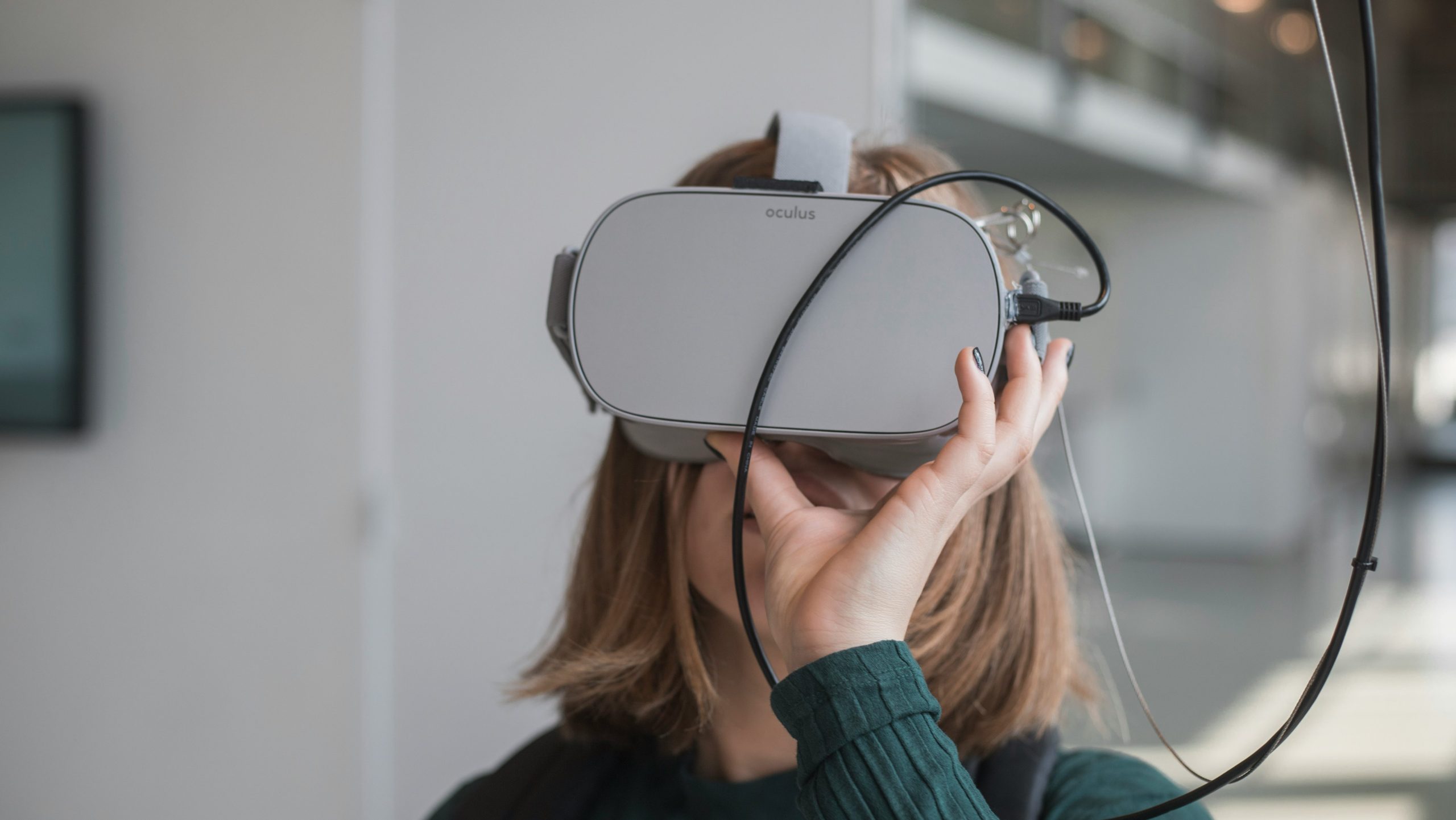
AI and augmented reality (AR) are reshaping both athlete training and the sports partnership landscape. They offer brands innovative ways to interact with fans and measure engagement. Tools like performance analytics and AR provide access to data that drives better strategies and enhances fan experiences.

AR, for instance, enhances live events by delivering real-time stats and immersive content. This makes sponsor messages more engaging and boosts fan enjoyment. Sponsors can use these insights to craft highly targeted campaigns that resonate deeply with their audience.

As sports tech startups like ShotQuality and StatusPro attract significant investments, they continue to introduce fresh solutions. These innovations help brands and teams build dynamic, measurable, and impactful partnerships. The intersection of technology and sports is creating a win-win for fans and sponsors alike.

ai in sports

Redefining Sports Sponsorship at Paris 2024

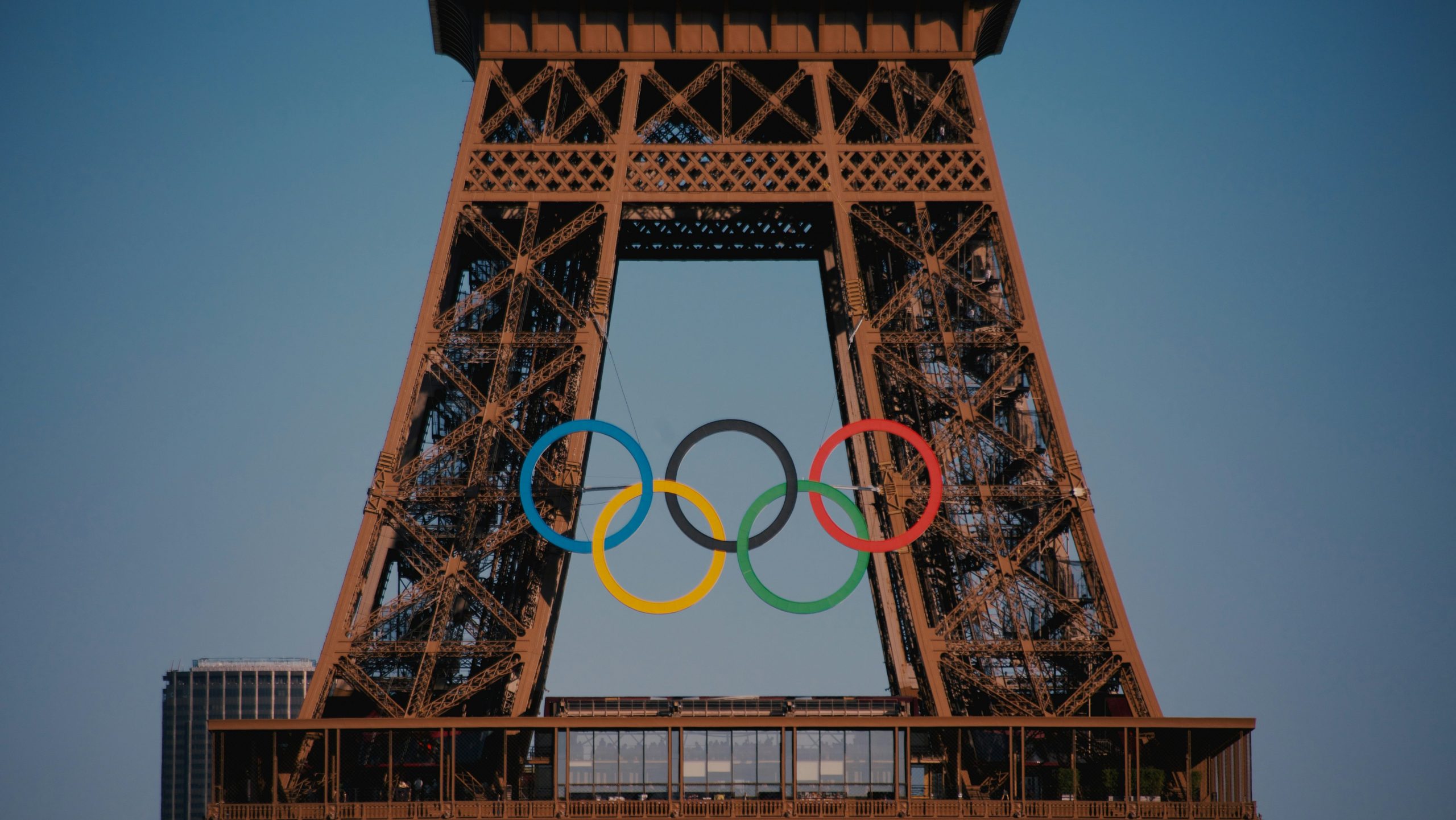
AI and technological innovations at Paris 2024 are transforming the athlete experience while reshaping sports partnerships. Collaborations with tech giants like Intel, Alibaba, and Samsung are introducing new ways for brands to engage fans and maximize sponsorship value.

For example, AI-powered systems will create personalized highlight reels tailored to specific audience segments. This approach enhances engagement with digital and social media campaigns. Sponsors can connect with fans more effectively by delivering content that feels relevant and unique.

Innovative partnerships, such as those with Samsung and Orange, equip smartphones on each country’s boat during the Opening Ceremony. This offers sponsors a chance to create unforgettable fan experiences, both on-site and online. These initiatives blend technology and creativity to redefine fan interaction.

By integrating cutting-edge technologies, sponsors can measure impact more precisely and refine strategies. Paris 2024 is leading the way in creating data-driven, immersive partnerships that set a new benchmark for fan engagement and sponsorship success.

ai in sports

How Sports Analytics Transformed Partnership Evaluation in 2024

The NBA’s collaboration with Microsoft and its NBA CourtOptix platform highlights how data enhances fan engagement. Real-time game insights, player metrics, and interactive content create more personalized, immersive experiences both in-stadium and online.

By leveraging analytics, organizations can better target fan segments and tailor campaigns to boost engagement across platforms. Sponsors benefit by measuring partnership effectiveness through fan behavior, media consumption, and social media insights. This enables real-time strategy adjustments that drive results.

Advancements in analytics, including AI-powered insights, are further reshaping the industry. Real-time data during live events supports personalized promotions and interactive content, strengthening fan connections. As technology advances, sports teams and sponsors are delivering more impactful campaigns that elevate partnerships and drive success.

ai in sports

Looking Ahead

By leveraging data-driven insights, organizations can understand fan preferences and behaviors like never before. This allows for partnerships that resonate deeply and deliver measurable results.

From Formula 1 to the Olympics, AI-powered personalization and real-time data analysis are setting new standards for fan interaction. Tech-enabled experiences are enhancing sponsor satisfaction and redefining engagement metrics.

As technology advances, analytics and AI will continue to shape the future of sports partnerships. The focus will shift from traditional visibility metrics to engagement, relevance, and sustained loyalty. This evolution provides a blueprint for maximizing sponsorship value in a fast-changing industry.

Sources:

  1. https://sportfive.com/beyond-the-match/insights/power-of-sportsmarketing-formula1-motogp
  2. https://economictimes.indiatimes.com/tech/technology/tech-innovations-ai-changing-the-game-for-modern-sports-training-methodologies/articleshow/112461311.cms?from=mdr
  3. https://olympics.com/ioc/news/ai-and-tech-innovations-at-paris-2024-a-game-changer-in-sport
  4. https://capitalsports.agency/en/blogs/the-role-of-data-in-sports-marketing
  5. https://www2.deloitte.com/us/en/pages/consumer-business/articles/fan-engagement-analytics-improve-fan-experiences.html
  6. https://www.wired.com/sponsored/story/the-nbas-game-changing-approach-to-data/#:~:text=Every%20night%2C%20when%20a%20game,shot%2C%20pass%2C%20and%20play.
  7. https://www.sportspromedia.com/news/statuspro-google-ventures-nfl-pro-era-tech/

Shifting Gears: F1’s Evolution in the Modern Era

Formula 1 (F1), the pinnacle of motorsport, has always been synonymous with high-performance racing, cutting-edge technology, and a pursuit of excellence. However, as the world changes, so does F1. The sport is undergoing a big transformation driven by new teams, F1 car evolution, new regulations, and continuous technological innovations. This shift ensures that F1 not only maintains its reputation for thrilling races but also embraces a more responsible and forward-thinking approach.

Audi’s Entry Into F1

Audi’s acquisition of Sauber brings financial stability and promises to elevate the team to new heights with Audi’s technical and engineering capabilities. The move marks Audi’s first ever entrance into Formula 1, bringing a fresh wave of innovation and competition to the sport. Known for their prowess in automotive technology, especially in electric and hybrid vehicles, Audi is likely to introduce several groundbreaking features:

Advanced Powertrains– Audi’s expertise in electric and hybrid technology will likely be reflected in their F1 power units. Expect a highly efficient hybrid system with advanced battery technology, ensuring a balance between performance and sustainability.

Aerodynamics– Audi’s experience in endurance racing, particularly in the World Endurance Championship (WEC), has honed their skills in aerodynamic efficiency. This could lead to F1 car evolution, ushering in novel aerodynamic solutions that enhance downforce and reduce drag.

Lightweight Materials– Audi is known for its use of cutting-edge materials like aluminum and carbon fiber-reinforced polymers to reduce weight while maintaining structural integrity. This approach will be crucial in F1, where every kilogram counts.

Commitment to Sustainability

F1’s commitment to sustainability is another critical aspect of its evolution. Recognizing the environmental impact of motorsport, F1 has set an ambitious target to achieve net zero carbon emissions by 2030. This goal is supported by multiple new regulations set to be implemented in 2026. A key strategy is maximizing the use of recycled and sustainable materials in car construction and other areas of the sport. For instance, F1 teams are now integrating recycled carbon fiber into car chassis and using biodegradable materials for various components. 

The introduction of sustainable fuels is another significant step towards F1’s environmental goals. Starting in 2026, all F1 cars will use 100% sustainable fuels from renewable sources. The shift not only reduces the carbon emissions associated with racing but also demonstrates F1’s leadership in promoting sustainable technologies in the automotive industry.

Sustainability efforts also extend beyond the cars. At the Australian Grand Prix, race organizers are working with Green My Plate to cut down on single-use catering ware on race day. They also partnered with Reground to implement a coffee grounds collection service and the Victorian Container Deposit Scheme to recycle cans, containers, and bottles. AGPC’s Sustainability Manager, Sarah Lowe, explained that this suite of efforts is meant to “supercharge the circular economy of the race.”

Technological Innovations: Redesigned Power Units

F1’s redesigned power unit is set to debut in 2026 and marks a major leap forward in performance and efficiency. One of its standout features is increased battery power, which will significantly enhance overall performance. The design aims for an equal balance between the internal combustion engine (ICE) and electric power to boost efficiency and reduce environmental impact. The integration of 100% sustainable fuels with the new power unit further underscores F1’s dedication to sustainability. These fuels, combined with the advanced hybrid powertrain, will significantly reduce the carbon emissions of F1 cars, making the sport more environmentally friendly without compromising performance.

Looking Ahead

F1’s move to net carbon zero can significantly reduce greenhouse gas emissions and set the tone for how organizations combat climate change. Motorsport events traditionally have a high carbon footprint due to travel, logistics, and energy use. By investing in sustainable technologies like hybrid and electric propulsion systems, F1 car evolution will drive innovation in the automotive space. In the future, these advancements may trickle down to consumer vehicles, accelerating the adoption of cleaner technologies in the automotive industry.

Sources:

  1. https://www.formula1.com/en/latest/article/how-the-australian-grand-prix-is-boosting-reuse-and-recycling-as-f1-embraces.ywK32SHTZoT6jnIqAQFcl
  2. https://www.nytimes.com/athletic/5270710/2024/02/16/f1-engine-changes-rules-fuel-electric-2026/
  3. https://www.gpblog.com/en/news/285474/audi-f1-engine-2026-already-on-the-test-bench.html
  4. https://www.formula1.com/en/latest/article/audi-expands-commitment-to-formula-1-with-100-takeover-of-sauber.4g5fNv9jl03sw5btt4LuSw
  5. https://www.the-race.com/formula-1/major-audi-sauber-f1-project-decision-explained/
  6. https://www.audihenderson.com/audi-ultra-audi-space-frame.htm
  7. https://www.skysports.com/f1/news/12433/13116470/formula-1-on-track-to-be-net-zero-carbon-by-2030-after-revealing-13-per-cent-emissions-reduction-in-impact-report#:~:text=Formula%201%20says%20it%20is,50%20per%20cent%20emissions%20reduction.

Strategy Shift: Netflix’s Entry Into Live Sports

Netflix has long been a trailblazer in the sports genre, bypassing traditional sports broadcasting to prioritize entertainment and storytelling. Renowned for its on-demand and binge-worthy content, Netflix has typically favored these qualities over live viewing experiences. Utilizing sports-adjacent content, Netflix taps into people’s widespread passion for sports to drive subscriptions. This is evident in Netflix sports documentaries, where they delve into athletes’ backgrounds and behind-the-scenes moments without the costs and logistics associated with live sports. However, there appears to be a subtle shift in Netflix’s strategy lately. Despite decades of steering clear of live sports broadcasting and focusing solely on sports-adjacent programming, Netflix seems to be altering its approach. What does the future hold for this new strategy?

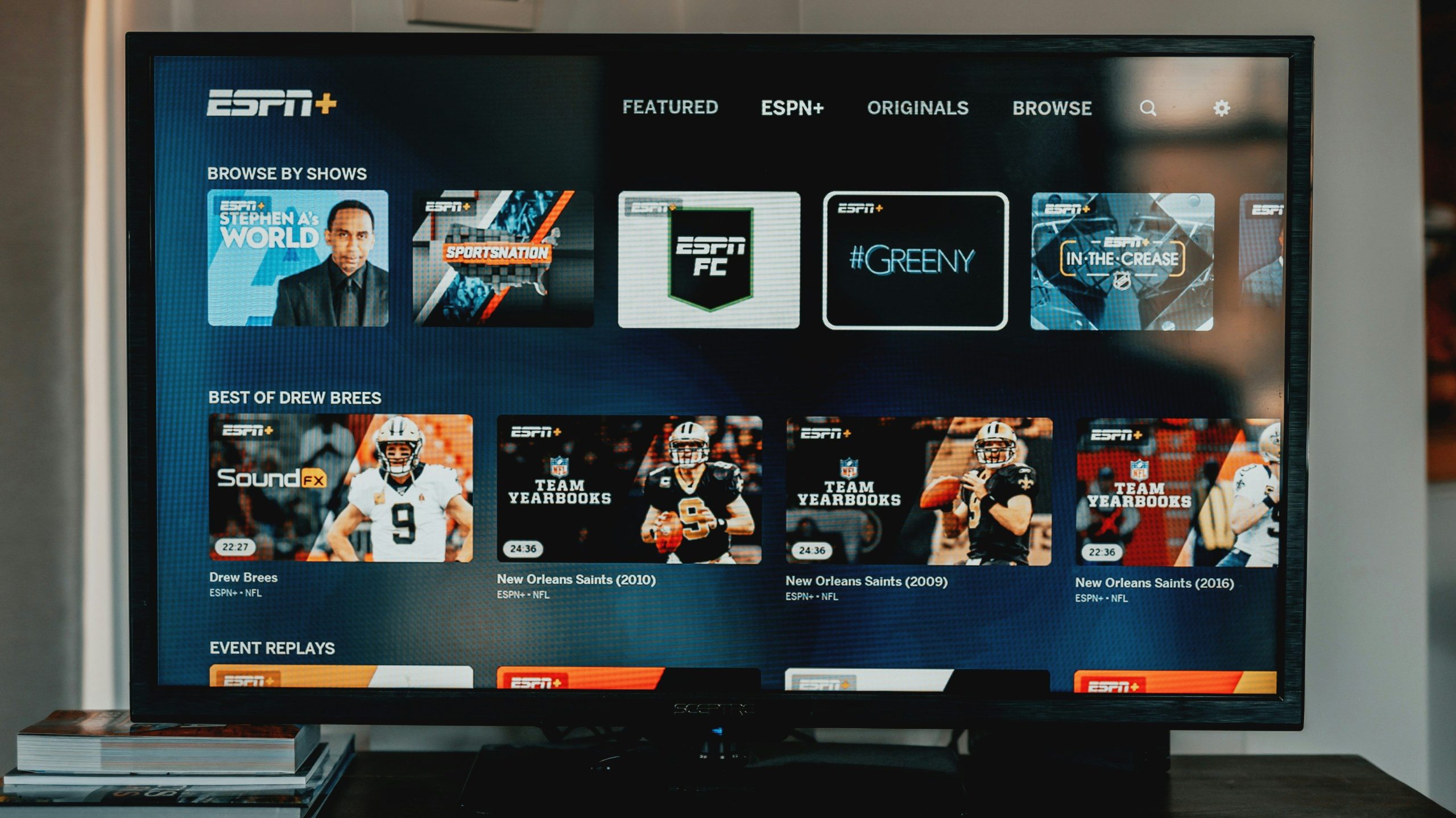
netflix sports documentaries

Sports Docuseries Success

Netflix sports documentaries were first released in 2016 with Last Chance U, its inaugural sports docuseries centered around college football leagues. The show quickly gained momentum on the platform, garnering audience demand nearly five times higher than the average U.S. television show. Since then, Netflix has produced a plethora of popular content, including The Last Dance (Michael Jordan), Break Point (professional tennis), Full Swing (PGA golf), Cheer (collegiate cheer), Tour de France: Unchained (cycling), and more. Notably, its Formula 1 docuseries Drive to Survive, often featured on Netflix’s Top 10 Most Watched List, has been credited with boosting the sport’s popularity in the United States. According to a Morning Consult survey, over half of self-identified F1 fans attributed their fandom to the Netflix series. It seems that Netflix’s emphasis on character development and drama provides viewers with a fresh way to engage with sports like F1, expanding the fanbase beyond those who solely appreciate the competition between players and teams to include those captivated by the compelling narratives.

Netflix Experiments With Live Sports

When asked about live sports back in 2022, Netflix CEO Ted Sarandos remarked that “we’re not anti-sports, we’re just pro profit.” But the company’s shifting strategy suggests they now see live sports broadcasting as a lucrative endeavor. Just last year, Netflix held its first live sports event known as the Netflix Cup. This was a live crossover 8-round golf event featuring Formula 1 Drivers and professional golfers– both of which were linked to popular Netflix docuseries. Reviews were mixed: some fans loved the chaotic nature of golf racing, while others found it confusing. Netflix followed with a live exhibition match in Las Vegas between Rafael Nadal and Carlos Alcaraz, dubbing it the “Netflix Slam.” By choosing such high-profile tennis stars, Netflix went all-in on attracting more live sports fans to the platform. 

netflix sports documentaries

The Future of Netflix Live Sports

Most recently, Netflix is gearing up to host its third live sports event: a boxing match featuring heavyweight champion Mike Tyson and YouTube influencer-turned-boxer Jake Paul. The bout, scheduled for July 20, will be live-streamed from AT&T Stadium in Arlington, Texas. This event stands out as a significant highlight of Netflix’s partnership with Most Valuable Promotions, the combat sports company co-founded by Paul and Nakisa Bidarian. While this marks only the third live-streamed sporting event for Netflix, it’s evident that the platform is aiming to craft a compelling narrative around this unexpected boxing match—pitting influencer against legend.

Additionally, Netflix is poised to become the home of WWE’s live pro wrestling show starting in January 2025, following a substantial $5 billion commitment over 10 years. Although this falls under the category of live streaming, Netflix owner Ted Sarandos hasn’t taken a definitive stance on the platform’s future plans for live streaming. Instead, he believes Netflix will continue investing in sports as long as it remains primarily focused on entertainment and aligns with the “sweet spot” of their sports business—emphasizing the drama inherent in sports.

netflix sports documentaries

Streaming live sports is a fiercely competitive arena. Netflix’s move toward live streaming could be interpreted as a strategy to diversify its content offerings and establish an additional revenue stream. This becomes especially crucial amidst heightened competition in the streaming market, prompting companies like Netflix to seek innovative ways to maintain their edge. While the future of Netflix’s live sports streaming strategy remains uncertain, one thing is clear: changes are underway, and this marks just the beginning.

Sources:

  1. https://finance.yahoo.com/news/netflix-doesn-t-single-live-221656394.html
  2. https://www.theverge.com/2024/2/7/24064786/sports-streaming-docs-drive-to-survive-netflix
  3. https://www.sportico.com/leagues/tennis/2024/netflix-slam-preview-nadal-alcaraz-production-details-1234768989/
  4. https://www.sportspromedia.com/insights/analysis/netflix-sports-documentaries-box-to-box-drive-to-survive-full-swing-warren-smith/  https://frontofficesports.com/netflix-finally-makes-its-big-move-into-live-sports-in-the-most-logical-way/  
  5. https://readwrite.com/netflix-expands-into-live-sports-streaming/
  6. https://www.sportspromedia.com/broadcast-ott/media-rights/jake-paul-v-mike-tyson-boxing-netflix/
  7. https://www.streamtvinsider.com/video/netflix-stays-live-sports-ring-mike-tyson-jake-paul-boxing-match
  8. https://www.thestreet.com/sports/netflix-continuing-peculiar-sports-strategy-jake-paul-mike-tyson-fight
  9. https://www.netflix.com/tudum/articles/netflix-cup-live-event-date-news
  10. https://athelogroup.com/blog/cutting-the-cord-cable-vs-streaming-in-sports/   https://athelogroup.com/blog/shaping-the-future-of-ads-the-las-vegas-spheres-impact-on-marketing/  
  11. https://athelogroup.com/blog/the-wwe-and-ufc-merger-whats-ahead-for-tko/
  12. https://athelogroup.com/blog/the-winning-playbook-securing-success-in-sports-influencer-marketing-strategy/

Formula 1 US Expansion: Why F1 Is Growing in America

Over a decade ago, many would argue Formula 1’s greatest relevance in American pop culture was Talladega Nights’ portrayal of fictional French F1 driver, Jean Girard. The same cannot be said in 2023: the sport is surging in popularity with record U.S. viewership and fan engagement. Thanks to factors like Netflix’s Drive to Survive docuseries and enhanced marketing strategies, F1 is netting a new generation of American fans with a genuine interest in the sport. F1 isn’t the only beneficiary here: by leveraging F1’s new American audience, brands and athletes are taking advantage, too. Let’s examine F1’s expansion into the United States and the key figures with a stake in its success. 

Liberty Media Takes Over

When U.S.-owned Liberty Media purchased F1 back in 2017, they bought an underdeveloped asset with no marketing team. Their immediate aim was to infuse F1 with the entertainment value so crucial to gripping American audiences. Through marketing research, they realized fans wanted a more immersive race experience and an open channel of information, both of which were limited under the strict regulations of F1’s former leadership. 

As a result, F1 took to social media to improve fan access. By incorporating behind-the-scenes coverage, interviews, and allowing previously restricted team content, fans forged a more personal connection to F1 teams and drivers. On YouTube, for example, F1 posts an annual Secret Santa video series. Ever since the Christmas of 2017, Popular F1 drivers like Kimi Räikkönen and Charles Leclerc exchange sentimental, outrageous gifts and attempt to guess their source. Fans have embraced the personal element of this content, which showcases the friendships and light-heartedness within the sport. Prior to Liberty Media’s takeover, fans had no way of experiencing these moments up close. Due in part to these efforts, the organization now experiences a 30% year-on-year social media growth.

US Formula 1

Drive to Survive Hooks American Audiences 

Partnering with Netflix, Liberty Media used the Drive to Survive docuseries to bring F1 closer to the forefront of American pop culture. According to The New York Times, it’s the show that “made Americans fall in love with Formula 1.” And they’re not so far off: when the series first premiered, ESPN averaged only half a million viewers per race. Three years into the show and those ratings nearly doubled. In 2022, ESPN renewed its F1 media rights contract for a figure between 75 to 90 million dollars. That’s a 1300% increase in the last contract’s valuation, largely credited to the show’s impact on American audiences.

Coming into its 5th season, the series continues to capture intense races, rivalries, and friendships among F1 drivers and their teams. Drive to Survive finds its success in humanizing F1, frequently following drivers off the track to depict their relationships with family and friends. In an episode entitled, “Man on Fire,” the show captures Sergio Perez’s final race of the season as he comes from last in the field to clinch the Sakir Grand Prix. His in-car camera films him sobbing in elation upon the P1 finish, then breaking down once more as he calls his wife and children with the good news. Capturing emotional narratives like this is what the show does best, and it’s why American audiences are so hooked. Even people who do not understand the sport’s nuances tune in to witness the high-stakes, emotionally compelling stories which revolve around it. 

US Formula 1

F1 Drivers Leverage Newfound U.S. Fame

Many F1 drivers have benefitted from the sport’s newfound U.S. awareness. Charismatic drivers like Red Bull’s Daniel Ricciardo have become motorsports figureheads, with Ricciardo now boasting 7.9M Instagram followers and counting. He’s leveraged this newfound popularity in the States to forge partnerships with American sponsors like Beats by Dre and EA Sports. 

At 10M Instagram followers, Monocan driver Charles Leclerc is even more popular than Ricciardo. More and more brands who typically favor NASCAR’s Americana are now beginning to see drivers like LeClerc’s stateside appeal. Celsius, for example, has been a NASCAR staple since 2016 with sponsorships between drivers like Justin Haley and Corie Lajoie. This month they announced their new venture into F1, sponsoring Leclerc’s car at Team Scuderia Ferrari. Leclerc and his teammate, Carlos Sainz will sport Celcius’s logo on their cars beginning at the Miami Grand Prix in May. Collaborating with the drivers through social media and activation appearances, Celsius is one of many brands looking to capitalize on F1 drivers’ growing American audience and pre-established global reach.

US Formula 1

American Brands Capitalize on Popularity of U.S. Races 

While the U.S. is no stranger to hosting F1 races, recent races have experienced an unprecedented rise in attendance, greater media rights value, and an influx of unique brand opportunities. The Grand Prix in Austin, TX has been held since 2012, but in 2021 it set the largest three-day attendance record of any Grand Prix, drawing crowds of more than 400,000 people. The stateside buzz has led F1 to add another American race to this year’s circuit with Las Vegas joining alongside Austin and Miami. Experts suggest the race will generate a 1.3B economic impact from ticket sales, food and beverage, media rights, and hospitality. The 2024 Super Bowl, which is also to be held in Las Vegas, is projected to accrue just half that. 

This is all good news for American brands who are quickly positioning themselves in the F1 space. In 2022 alone, American brands made 161 deals with Formula 1. That’s a 66% increase from 2020! Major players include U.S. tech company, Oracle, who inked a blockbuster 5-year deal as the title sponsor of Red Bull. Oracle’s move has led the charge in a new wave of American brand partnerships. McClaren followed with a Google deal, and the sole American-owned F1 team, Haas, partnered with Dallas-based MoneyGram. Just last week, Paramount+ became an official multi-year partner of the league with plans to place advertising in F1’s Fan Zone areas. While many of these brands are familiar with the sports sponsorship space, partnering with F1 is a new endeavor. As the sport continues to expand its U.S. market, the brands that jump on board are sure to grow alongside it. 

Ever since Liberty Media’s takeover, it seems F1 is living out its American dream. Fully developed American motorsports properties like NASCAR will need to evolve their strategy in response. Only time will tell if the market can be shared, or if F1 could surpass it in long-term U.S. growth. But one thing’s for sure: we’re now living in an era where F1 is celebrated in American culture. It’s no longer misunderstood; it’s a point of interest for U.S. fans and brands alike, and its future in the States is full of promise.

Sources:

  1. https://theathletic.com/3924843/2022/11/23/formula-1-viewership-2022/
  2. https://rtrsports.com/en/blog/formula-1-in-the-us-whats-behind-its-rise-in-popularity/
  3. https://www.nbcnews.com/news/us-news/formula-1-popularity-explodes-us-2023-season-begins-rcna71676
  4. https://www.autosport.com/f1/news/the-encouraging-trend-emerging-from-f1s-embrace-of-social-media/10362315/
  5. https://www.si.com/fannation/racing/auto-racing-digest/formula-one/eubanks-vegasf1react
  6. https://www.usatoday.com/story/sports/motor/formula1/2022/05/03/liberty-media-ceo-on-f1-growth-we-have-a-lot-of-demand/50180875/
  7. https://www.gpblog.com/en/news/167095/liberty-media-revitalises-formula-1.html
  8. https://www.caranddriver.com/features/a40758205/drive-to-survive-formula-1-american-fans/
  9. https://www.nytimes.com/2022/07/14/magazine/formula-1-miami-drive-to-survive.html#:~:text=When%20Netflix%20released%20its%20initial,a%20million%20viewers%20per%20race
  10. https://www.ferrari.com/en-EN/formula1/articles/celsius-an-official-partner-of-scuderia-ferrari
  11. https://frontofficesports.com/vegas-gp-expected-to-generate-1-3b-double-super-bowls-impact/
  12. https://www.sportbusiness.com/news/paramount-becomes-formula-1-official-partner/
  13. https://www.sportbusiness.com/news/us-sponsorship-of-f1-teams-up-66-per-cent-in-two-years/

Become a Sponsor.

Join us in making a difference. Tell us a bit about yourself and we’ll be in touch with sponsorship details.

By submitting this form, you agree to be contacted by the Athelo Group team regarding sponsorship opportunities.