Inside Sports Officiating Tech: Decoding VAR and the NFL Replay Assist System

In sports’ modern era, technology has become a game-changer, revolutionizing how athletes compete, officials make decisions, and fans experience the action. From Video Assistant Referees (VAR) in professional soccer to the expanded use of instant replay systems in the NFL, the integration of cutting-edge technology has transformed the world of sports. These innovations hold the promise of enhancing accuracy, fairness, and the overall quality of the game. Their implementation has also been accompanied by a fair share of challenges and controversies, triggering intense debates among those invested in the sport.

nfl replay

What is VAR?

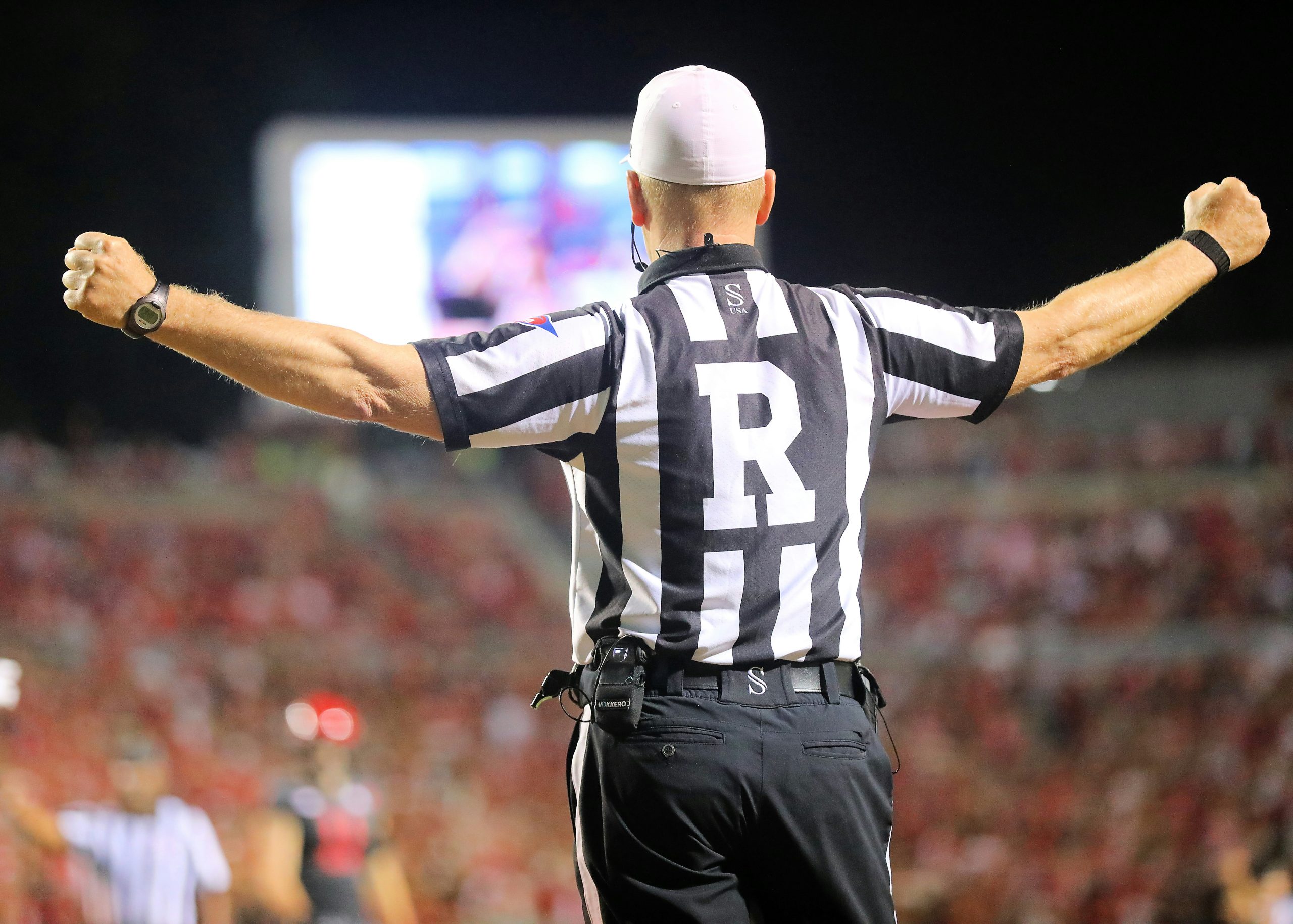
VAR, or Video Assistant Referee, first appeared in major competition during the 2018 FIFA World Cup with the goal of reducing match-changing errors. This behind-the-scenes advancement involves a team of officials who review video footage of key incidents like goals, penalties, red cards, and cases of mistaken identity. Officials communicate with the on-field referee through a headset, providing advice and recommendations based on their analysis of the video replay. The final decision, however, always rests with the main referee. Ever since approval by the International Football Association Board (IFAB) in 2018, the technology has been utilized in leagues like the Premier League, Bundesliga, and Serie A.

Fast forward to 2024 and VAR has continued to be a polarizing topic. Advocates of the technology argue that it holds the potential to improve decision-making, particularly in high-stakes situations where match outcomes hinge on a single call. Others criticize the lack of consistency and transparency in VAR, leading to confusion and frustration among players, coaches, and fans alike.

VAR Controversy

The VAR controversy played out recently in a Premier League match between Tottenham Hotspur and Liverpool earlier this season. Liverpool forward Luis Diaz’ goal was disallowed for offside, despite clear evidence from replays showing that he was indeed in an onside position. The VAR official, Darren England, mistakenly believed that the on-field decision was to award the goal and informed the referee that the check was complete. Even after being made aware of the error, the VAR stated that he could not intervene as play had already resumed.

This high-profile incident underscores the need for clearer protocols and improved communication between officials to prevent such costly errors from occurring in the future. Only by addressing these issues can the implementation of VAR truly enhance the fairness and integrity of the game, ensuring that the technology lives up to its promise of improving the sport for all involved.

nfl replay

NFL’s Replay Assist System

The NFL is making a big move in 2024 by expanding its Replay Assist system to help make officiating more accurate and fair. The new rules will let referees consult the New York replay crew for intentional grounding, roughing the passer, and late hits out of bounds. But there’s a catch—  officials can only request a second look if they threw a flag to begin with. If the review shows there was no foul, the penalty can be overturned. The goal here is to cut down on controversial calls and ensure penalties are ruled consistently and correctly.

While this change could improve accuracy and consistency, there are legitimate worries about how it might affect the speed and flow of the game, similar to the concerns we’ve seen with VAR in soccer. More replays could mean more stoppages, especially at key moments, and maybe even more commercial breaks. Plus, some folks are concerned that giving referees the ability to overturn penalties might actually encourage them to throw more flags, knowing they can always fix it later if needed. 

nfl replay

Looking Ahead

As video replay technology becomes more common in sports, it brings greater innovation and new challenges. Looking at soccer’s use of VAR over the past 6 years gives us an idea of what NFL fans can expect as technology becomes more prevalent in officiating. While VAR has been around for a while, it’s still not perfect. Debates on the technology persist in nearly every soccer match. This shows that integrating technology into decision-making is not so black-and-white. Sports organizations will have to work with players, coaches, and fans to balance innovation with maintaining the human side of the game. It’ll take time and adjustments to get it right, but with more transparency and cooperation, video replay technology will find its place in sports officiating.

Sources:

  1. https://www.teamstats.net/blog/the-impact-of-technology-on-soccer-var-goal-line-technology
  2. https://www.skysports.com/football/news/11095/12975648/var-audio-released-from-liverpool-s-disallowed-goal-by-luis-diaz-in-defeat-at-spurs#:~:text=The%20VAR%20audio%20from%20Luis,showed%20he%20was%20actually%20onside.
  3. https://operations.nfl.com/the-rules/rules-changes/2024-rules-changes/
  4. https://www.theguardian.com/commentisfree/2023/dec/01/the-guardian-view-on-var-a-slower-longer-and-fairer-game-may-not-be-what-football-fans-want#:~:text=The%20trouble%20is%20that%20many,the%20quality%20of%20decision%2Dmaking.
  5. https://gridironheroics.com/nfl-rule-change-2024/
  6. https://bleacherreport.com/articles/10114849-nfl-replay-assist-expanded-for-2024-season-on-roughing-intentional-grounding-more

Mixed-Use Sports Venues: How Development Boosts Stadium Revenue

As cities evolve, the integration of mixed-use projects around sports venues has evolved alongside them, marking the beginning of a transformative era in urban development. Gone are the days when stadiums or arenas stood alone. These venues have now blossomed into vibrant urban ecosystems, incorporating a diverse range of amenities like hotels, bars, retail outlets, entertainment venues, and residential developments. This trend not only transforms urban landscapes but has also provides huge economic advantages for local communities and stakeholders. 

mixed-use development

Building a Community

No longer solely a historic ballpark, Wrigley Field has become the focal point of a vibrant mixed-use development known as the 1060 Project. The project was conceptualized to ensure the viability of the game for future generations and to enrich the surrounding community. Women and minorities comprised nearly half of project’s workforce, and minority and female-owned businesses won $90M in construction projects towards its completion. The area now includes a mixed-use office tower and open-air plaza, which serves as a community space for activities like ice skating and concerts. Wrigley Field has also built and added a connecting sportsbook to enhance the fan experience. Through strategic urban planning and innovative partnerships, the Cubs have successfully transformed Wrigley Field into a year-round hub of activity, setting a standard for sports venue integration in the modern era.

mixed-use development

Economic Benefits

Mixed-use developments surrounding sports venues offer a great number of economic advantages. By diversifying income streams, these multi-use projects provide stability to sports franchise cities, lessening the reliance on seasonal events and game days. Traditional game-day revenues like parking, ticket sales, and concessions are starting to get a smaller share of overall revenue. Anchoring investment in surrounding areas will generate more revenue outside of the sports franchise. 

The city of Inglewood, once on the brink of bankruptcy, saw this best with its development of Hollywood Park. This $5B project, spearheaded by Rams owner Stan Kroenke, encompasses not only the iconic SoFi Stadium, home to both the Los Angeles Rams and Los Angeles Chargers, but also an extensive retail and entertainment district, luxury residential units, and multiple hotels. The stadium alone boasts a seating capacity of 70,000 and is equipped with cutting-edge amenities, making it a premier venue for sporting events, concerts, and other entertainment spectacles. The Hollywood Park project has been a game-changer for Inglewood’s economy, bringing in significant investment, job opportunities, and tourism revenue. It’s estimated that the development has created thousands of jobs during construction and will continue to support numerous permanent jobs once fully operational.

mixed-use development

Elevated Fan Experience

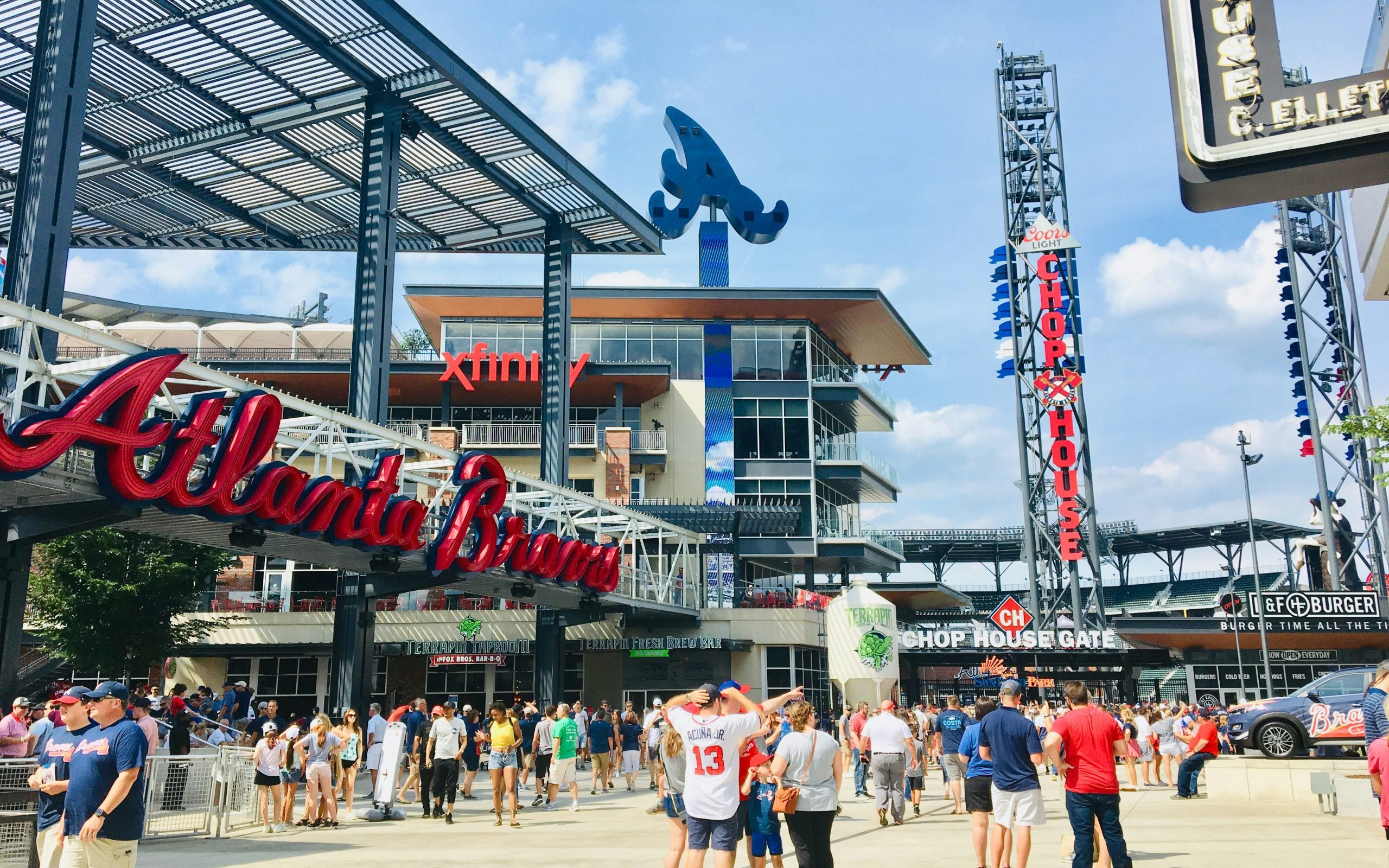
In 2017, the Atlanta Braves made a significant move to Truist Park, accompanied by the construction of The Battery Atlanta—a 2.25 million square foot mixed-use development. This complex features a plethora of amenities including restaurants, hotels, shopping outlets, 531 residences, and various entertainment options. Visitors can also indulge in cinematic experiences, social and virtual gaming, and live music performances at venues like the Coca-Cola Roxy and Park Bench Battery, ensuring year-round revenue generation. The Braves also partnered with The Omni Hotel to attract travelers during baseball season. While relaxing by the pool, Omni guests can watch the game from the pool deck. Omni CFO Mike Garcia calls the partnership a way for guests to feel like they are “a part of the Braves organization.” His sentiment has been felt across the Battery Atlanta: from 2017 to 2019, the Braves saw a 69% increase in revenue.

As the trend of mixed-use developments anchored around sports venues continues to gain momentum, the future holds exciting possibilities for urban development and community engagement. Looking ahead, we can expect to see a continued trend towards creating venue districts that cater to a wide range of interests. From soccer stadiums to basketball arenas, teams across all sports will likely prioritize the incorporation of mixed-use developments to enhance fan experiences and drive economic growth.

Sources:

  1. https://hollywoodparkca.com/
  2. https://urbanland.uli.org/development-business/inglewoods-transformation-how-an-nfl-stadium-brought-the-city-back-from-the-brink-of-bankruptcy
  3. https://www.mortenson.com/newsroom/economic-considerations-of-sports-mixed-use-developments
  4. https://www.mortenson.com/newsroom/rise-in-adjacent-sports-developments
  5. https://populous.com/project/atlanta-braves-ballpark
  6. https://batteryatl.com/information/
  7. https://www.caaicon.com/portfolio/1060-project
  8. https://www.jll.pe/es/trends-and-insights/ciudades/how-sports-stadiums-are-giving-mixed-use-developments-a-winning-edge

Strategy Shift: Netflix’s Entry Into Live Sports

Netflix has long been a trailblazer in the sports genre, bypassing traditional sports broadcasting to prioritize entertainment and storytelling. Renowned for its on-demand and binge-worthy content, Netflix has typically favored these qualities over live viewing experiences. Utilizing sports-adjacent content, Netflix taps into people’s widespread passion for sports to drive subscriptions. This is evident in Netflix sports documentaries, where they delve into athletes’ backgrounds and behind-the-scenes moments without the costs and logistics associated with live sports. However, there appears to be a subtle shift in Netflix’s strategy lately. Despite decades of steering clear of live sports broadcasting and focusing solely on sports-adjacent programming, Netflix seems to be altering its approach. What does the future hold for this new strategy?

netflix sports documentaries

Sports Docuseries Success

Netflix sports documentaries were first released in 2016 with Last Chance U, its inaugural sports docuseries centered around college football leagues. The show quickly gained momentum on the platform, garnering audience demand nearly five times higher than the average U.S. television show. Since then, Netflix has produced a plethora of popular content, including The Last Dance (Michael Jordan), Break Point (professional tennis), Full Swing (PGA golf), Cheer (collegiate cheer), Tour de France: Unchained (cycling), and more. Notably, its Formula 1 docuseries Drive to Survive, often featured on Netflix’s Top 10 Most Watched List, has been credited with boosting the sport’s popularity in the United States. According to a Morning Consult survey, over half of self-identified F1 fans attributed their fandom to the Netflix series. It seems that Netflix’s emphasis on character development and drama provides viewers with a fresh way to engage with sports like F1, expanding the fanbase beyond those who solely appreciate the competition between players and teams to include those captivated by the compelling narratives.

Netflix Experiments With Live Sports

When asked about live sports back in 2022, Netflix CEO Ted Sarandos remarked that “we’re not anti-sports, we’re just pro profit.” But the company’s shifting strategy suggests they now see live sports broadcasting as a lucrative endeavor. Just last year, Netflix held its first live sports event known as the Netflix Cup. This was a live crossover 8-round golf event featuring Formula 1 Drivers and professional golfers– both of which were linked to popular Netflix docuseries. Reviews were mixed: some fans loved the chaotic nature of golf racing, while others found it confusing. Netflix followed with a live exhibition match in Las Vegas between Rafael Nadal and Carlos Alcaraz, dubbing it the “Netflix Slam.” By choosing such high-profile tennis stars, Netflix went all-in on attracting more live sports fans to the platform. 

netflix sports documentaries

The Future of Netflix Live Sports

Most recently, Netflix is gearing up to host its third live sports event: a boxing match featuring heavyweight champion Mike Tyson and YouTube influencer-turned-boxer Jake Paul. The bout, scheduled for July 20, will be live-streamed from AT&T Stadium in Arlington, Texas. This event stands out as a significant highlight of Netflix’s partnership with Most Valuable Promotions, the combat sports company co-founded by Paul and Nakisa Bidarian. While this marks only the third live-streamed sporting event for Netflix, it’s evident that the platform is aiming to craft a compelling narrative around this unexpected boxing match—pitting influencer against legend.

Additionally, Netflix is poised to become the home of WWE’s live pro wrestling show starting in January 2025, following a substantial $5 billion commitment over 10 years. Although this falls under the category of live streaming, Netflix owner Ted Sarandos hasn’t taken a definitive stance on the platform’s future plans for live streaming. Instead, he believes Netflix will continue investing in sports as long as it remains primarily focused on entertainment and aligns with the “sweet spot” of their sports business—emphasizing the drama inherent in sports.

netflix sports documentaries

Streaming live sports is a fiercely competitive arena. Netflix’s move toward live streaming could be interpreted as a strategy to diversify its content offerings and establish an additional revenue stream. This becomes especially crucial amidst heightened competition in the streaming market, prompting companies like Netflix to seek innovative ways to maintain their edge. While the future of Netflix’s live sports streaming strategy remains uncertain, one thing is clear: changes are underway, and this marks just the beginning.

Sources:

  1. https://finance.yahoo.com/news/netflix-doesn-t-single-live-221656394.html
  2. https://www.theverge.com/2024/2/7/24064786/sports-streaming-docs-drive-to-survive-netflix
  3. https://www.sportico.com/leagues/tennis/2024/netflix-slam-preview-nadal-alcaraz-production-details-1234768989/
  4. https://www.sportspromedia.com/insights/analysis/netflix-sports-documentaries-box-to-box-drive-to-survive-full-swing-warren-smith/  https://frontofficesports.com/netflix-finally-makes-its-big-move-into-live-sports-in-the-most-logical-way/  
  5. https://readwrite.com/netflix-expands-into-live-sports-streaming/
  6. https://www.sportspromedia.com/broadcast-ott/media-rights/jake-paul-v-mike-tyson-boxing-netflix/
  7. https://www.streamtvinsider.com/video/netflix-stays-live-sports-ring-mike-tyson-jake-paul-boxing-match
  8. https://www.thestreet.com/sports/netflix-continuing-peculiar-sports-strategy-jake-paul-mike-tyson-fight
  9. https://www.netflix.com/tudum/articles/netflix-cup-live-event-date-news
  10. https://athelogroup.com/blog/cutting-the-cord-cable-vs-streaming-in-sports/   https://athelogroup.com/blog/shaping-the-future-of-ads-the-las-vegas-spheres-impact-on-marketing/  
  11. https://athelogroup.com/blog/the-wwe-and-ufc-merger-whats-ahead-for-tko/
  12. https://athelogroup.com/blog/the-winning-playbook-securing-success-in-sports-influencer-marketing-strategy/

The World Cup Comes to North America: What to Expect in 2026

For the first time in over 3 decades, the world’s most-viewed sporting event is coming to North America in 2026. The last time the World Cup touched American soil was in 1994 when the United States was the sole host. In just two years, however, the United States, Mexico, and Canada will act as joint hosts with games to be played and influence to be spread all throughout North America. The 2026 World Cup will showcase soccer on some of the largest and most modern stages, with matches taking place in renowned venues like AT&T Stadium in Dallas and cutting edge, grandiose venues such as SoFi Stadium in Los Angeles. For decades, soccer in the United States has been overshadowed by The Big 4 American sports, but hosting the 2026 FIFA World Cup finally presents it at the forefront. This tournament has the potential to inspire a whole new generation of young athletes to pick up a soccer ball, further cementing the game in American sporting culture for years to come.

2026 world cup

The Host Cities

The 16 cities set to host matches represent the premier sports destinations across the United States, Mexico, and Canada. Mexico brings iconic soccer capitals like Mexico City, Guadalajara, and Monterrey to the table, while Canada offers up Vancouver and Toronto. The U.S. cities showcase soccer’s expansion into top-tier American sports markets, with massive stadiums in New York/New Jersey, Los Angeles, Dallas, Atlanta, and San Francisco on display. Emerging hotbeds like Seattle, with its 69,000-seat Lumen Field soccer stadium, Kansas City, home to the first soccer-specific stadium built in the U.S. in 2011, and Houston, whose MLS team draws over 15,000 fans per game, highlight soccer’s grassroots growth in infrastructure and fan support across the country. Other key metro areas include Boston, Philadelphia, and Miami. This blend of established soccer cities and untapped markets offers the perfect mix to bring the spectacle of the World Cup to all of North America.

The Final Destination

Earlier this month, FIFA announced a historic decision: the 2026 World Cup Final will be held at MetLife Stadium in East Rutherford, New Jersey, just outside the bright lights of New York City. This decision marked the first time the World Cup Final would be played in the New York metropolitan area. MetLife Stadium, home of the NFL’s New York Giants and New York Jets, seats over 80,000 fans and is full of state-of-the-art amenities such as luxury suites, Wi-Fi connectivity, and a variety of food and beverage options. Moreover, to meet FIFA regulations, MetLife Stadium will have to change their infamous artificial turf to natural grass. FIFA cited the New York region’s world-class facilities, transportation infrastructure, and experience hosting major sporting events as reasons for selecting MetLife Stadium. 

Hosting the final in New Jersey positions the World Cup finale in one of the biggest media markets in the world. For traveling fans, MetLife’s proximity to New York City will combine attending the Final with visiting one of the most desired cities in the world, the Big Apple. The renowned sights and sounds of New York City will enhance the spectacle of the World Cup Final, leaving fans with memories of both the match and the electric atmosphere of the city. Traveling supporters can immerse themselves in New York City’s vibrant culture by exploring the famed museums, bustling shops, Broadway shows, and iconic architecture during their trip.

2026 world cup

Future Impact 

Co-hosted by the United States, Canada, and Mexico, The 2026 World Cup has the potential to greatly enhance the popularity and development of soccer in the United States. As the most-watched sporting event globally, hosting World Cup matches will introduce soccer to a vast American audience. With games held in large NFL stadiums across the U.S. filled with passionate fans and curious newcomers alike, the event promises an unparalleled experience of the world’s favorite sport at its pinnacle. This surge in attention could inspire more Americans, both young and old, to engage with soccer, fostering its growth and prosperity in the country. Major sponsors such as Visa, Adidas, and Qatar Airways have extended their support, amplifying the World Cup’s visibility in the coveted U.S. market.

Additionally, young American fans will have the chance to witness global superstars like Kylian Mbappe, Jude Bellingham, and Vinicius Jr. showcase their skills on American soil for the first time. Witnessing Mbappe’s speed and clinical finishing, Bellingham’s box-to-box dominance at midfield, and Vinicius’ artistry and dance moves up close will hook the next generation of athletes. Beyond their on-field prowess, the marketability and social media presence of these stars could encourage more young athletes to embrace soccer over traditional American sports. The domestic league, Major League Soccer, will also benefit from heightened interest and engagement, leading to increased revenue opportunities. This surge in interest should bolster youth development programs and club teams across the U.S. as more aspiring athletes are drawn to the allure of the beautiful game. 

Looking past 2026, the effects of a North American World Cup could sustain for years to come. Beyond record American engagement, the competitiveness of U.S. national soccer teams should increase as well. Notably, as the host nation, the U.S Men’s National Team (USMNT) will receive an automatic bid to play in the 2026 World Cup. This gives the USMNT invaluable experience on the biggest global stage, as well as increased recognition and support from American fans. Whether you plan to watch from the stadium or from the couch, we can all look forward to an electric year for U.S. soccer in 2026. With world-class stadium infrastructure and elite competition on U.S. soil, there’s no doubt the World Cup will serve as a pivotal moment for soccer in America, further elevating the sport’s popularity and prominence.

Sources:

  1. https://theathletic.com/live-blogs/world-cup-2026-schedule-announcement-live-updates-final/r7oDr4oG9qK4/
  2. https://www.sportingnews.com/us/soccer/news/fifa-world-cup-2026-match-schedule-final-venue-host-city/fa82de358aeeff31bd30efdb
  3. https://www.business-standard.com/sports/football-news/new-york-to-host-fifa-world-cup-2026-in-victory-over-dallas-los-angeles-124020500064_1.html
  4. https://www.petcashpost.com/p/2026-world-cup-and-its-massive-looming https://www.sportspromedia.com/insights/opinions/2026-fifa-world-cup-sponsors-north-america-nielsen/?zephr_sso_ott=CCGpLo

New Movement on the Ice: PWHL Skyrockets to Success

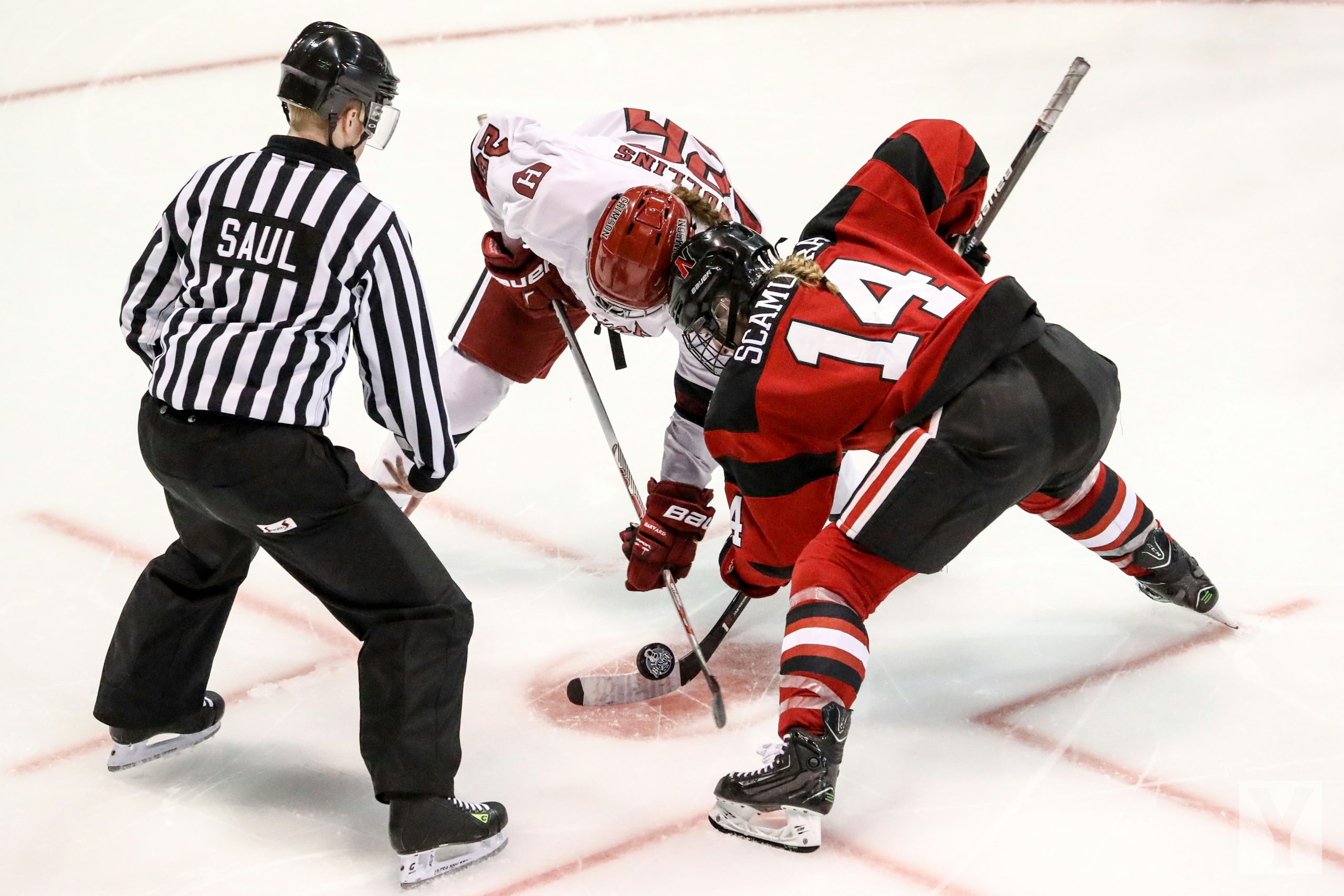
Up until this year, there were no professional hockey leagues for females, a disparity greatly contributing to gender inequality within sports. As the growth of U.S. hockey skyrockets, a new all-female hockey league is finally underway. The first-of-its-kind Professional Women’s Hockey League (PWHL) kicked off its inaugural season on New Year’s Day with a matchup between Toronto and New York at Mattamy Athletic Centre, the former arena of the Toronto Maple Leafs. Tennis legend and women’s sport advocate Billie Jean King was in attendance for the ceremonial puck alongside over 2,500 excited fans. From its early success to widespread support, the PWHL has already reached unprecedented heights and shedding light on the importance of women’s sports in America.  

Mapping Out the League

The PWHL features six teams with 3 in the United States and 3 in Canada. American teams include PWHL New York, Boston, and Minnesota, while the Canadian teams include PWHL Montreal, Toronto, and Ottawa. Each team’s respective cities already possess the infrastructure with established NHL teams and arenas. Games will take place in the men’s arenas, in addition to some junior and minor league venues.

Dodgers co-owner Mark Walter and his wife Kimbra bring the financial backing: they bought and dissolved the Premier Hockey Federation last year, using the new assets to launch the PWHL. Walter’s group claims the league’s creation will unify women’s hockey under one league, making the sport more viable and professional. With the support of the NHL behind them, the PWHL looks to secure long-term success with the expansion of additional franchises in the future.

pwhl

Early Success

The PWHL’s season-opener drew 2.9M viewers in Canada alone and was the highest viewed sports program that day on TNT, CBC, and Sportsnet. Engagement spanned to streaming services as well, with the first several games garnering over 130K views on YouTube. The league has also inked broadcasting deals with Sportsnet and CBC/Radio-Canada, as well as more regional partnerships in the United States with Bally Sports North and MSG Networks. Easily-accessible PWHL game broadcasts are a win for league growth, as it allows for games to reach new audiences across North America. 

Attendance records serve as another measure of early success and public interest. With each game, attendance figures soar, often surpassing previous records. Since the season began, total attendance has exceeded 100,000 fans, reflecting a growing enthusiasm among supporters. This surge in fan attendance has prompted the consideration of larger venues. For instance, the upcoming matchup between Toronto and Montreal is scheduled to be held at the 20,000-seat Scotiabank Arena, home of the Toronto Maple Leafs. The transition from smaller arenas to potentially filling NHL-sized venues underscores the undeniable success of this emerging professional women’s league.

Sponsorship Buzz

The sponsorships within the PWHL are certainly abundant, too. The premier partner of the PWHL is Air Canada, which serves as the official airline of the league. In addition, Air Canada reserves the right for intellectual property of the league, as well as jersey branding rights for PWHL Montreal. Other official sponsors jumping on board include Bauer, CCM Hockey, Discover, and UPS. Inking deals with Bauer and CCM Hockey, two of the most recognizable brands in all of hockey, indicates the female league’s backing on a commercial level. As for apparel and merchandise, the PWHL partnered with Line Change, a female-owned clothing brand. Line Change already has several partnerships within the NHL and AHL, and now they’re ready to hit the ground running with the PWHL. Co-founder of Line Change Julie Petry says it’s “synergistic” to work with a league who is promoting women’s hockey, and believes the goal of the PWHL is “perfectly aligned” with Line Change’s mission.

pwhl

NHL All-Star Weekend

After this month’s NHL All-Star Weekend, several of PWHL’s star players gained even more attention as they participated in a 3-on-3 showcase. This is not the first time female players have been invited to participate in All-Star events– they’ve placed high in All-Star competitions like fastest skater and accuracy shooting. But this year’s 2024 All-Star game marks the first time women were given their own main event, and the players did not disappoint! Ottawa defender Savannah Harmon stole the show with a hat trick and two assists to lift her team to a 5-3 win. Harmon’s teammates celebrated her historic moment by throwing their gloves on the ice. Players all expressed their gratitude for the opportunity but mentioned their hunger for more. With a stage like this, the PWHL seized the moment to show off their impressive skills and their infectious passion for the game.

The surge in exposure and fan interest surrounding women’s hockey presents an exciting opportunity for the sport’s growth. Players like Hilary Knight, who gained fame through her impactful debut with Team USA, exemplify the immense potential within the league. Her partnerships with renowned brands like Nike, Chipotle, and Visa further signify the commercial viability of women’s hockey players and the commitment of industry stakeholders. With a trajectory mirroring that of women’s basketball and soccer, the future is bright for the league and its players. As the season progresses, we eagerly anticipate the rise of new stars, cementing women’s hockey’s place in the sporting landscape.

Sources:

  1. https://www.espn.com/nhl/story/_/id/38282089/new-professional-women-hockey-league-reveals-six-franchises
  2. https://www.cbc.ca/sports/hockey/pwhl/pwhl-rule-book-tweaks-1.7072145
  3. https://thehockeynews.com/womens/pwhl/pwhl-drawing-strong-television-and-online-viewership
  4. https://www.sportsvideo.org/2024/01/02/the-professional-womens-hockey-league-tsn-and-rds-announce-broadcast-rights-agreement/
  5. https://theathletic.com/5246240/2024/02/02/2024-pwhl-all-star-showcase-nhl-toronto/
  6. https://www.sportspromedia.com/news/pwhl-air-canada-premier-partner-rogers-broadcast-deals/
  7. https://thehockeynews.com/womens/pwhl/pwhl-launches-apparel-and-merchandise-line

Women’s Volleyball Recruitment and Social Media: The New Double-Edged Sword

It’s no surprise that social media has become an integral part of our lives, influencing how we communicate and  even how we present ourselves professionally. In the world of collegiate women’s volleyball, social media offers recruits a unique opportunity. Aspiring recruits can now create content to showcase skills, connect with coaches, and potentially secure coveted spots on college teams. As women’s sports grow in recognition and marketing spend, their social media expansion seems only natural. However, beneath the surface of this seemingly beneficial tool lies pitfalls that can severely impact an athlete’s recruitment journey and career trajectory. 

Communicating Through a Personal Brand

Platforms like Instagram, Twitter, and TikTok provide athletes a global stage to display their talents, engage with fans, and attract the attention of college recruiters. Charlotte Glass, one of the top setters in the country, quickly amassed 37K Instagram followers doing just that. From hype reels with teammates to short-form setting tutorials, Glass crafted a personal brand that highlighted her athleticism and dedication. Duke Volleyball took notice and Glass ultimately committed to the team for 2025. Stories like this one aren’t uncommon. In fact, 83% of collegiate coaches conduct online research of prospective student-athletes to inform their recruiting decisions.

Social media also allows athletes to bypass traditional recruitment channels and directly connect with college coaches and programs. Potential women’s volleyball recruits must adhere to the official NCAA recruitment timeline, which restricts communication with coaches until the summer before junior year. After this window, social media offers an outlet beyond email to connect with coaches on a more personal level. Platforms provide a level of transparency that benefits both athletes and recruiters, allowing them to gauge mutual interest and compatibility before committing to a formal recruitment process.

Navigating Risks

Despite its benefits, social media in collegiate volleyball recruitment carries risks, notably the potential distortion of athletes’ abilities and character. As sports commentator Joe Davis points out, athletes may rely on social media for performance validation, leading them to embellish skills to stand out in fierce competition. This can create a false narrative that may backfire during recruitment. Additionally, the relentless pursuit of likes and followers can divert athletes from their primary goal: becoming better volleyball players.

The pressure to maintain an attractive online presence may prioritize aesthetics over substance, detracting from skill improvement. In the competitive world of women’s volleyball, this can adversely affect athletes’ well-being. Prominent athletes like Victoria Garrick Browne, a former University of Southern California recruit, stated that she “couldn’t take a wrong step without feeling like her world was coming down.” Browne struggled with mental health as she balanced social media with her performance on the court. After graduation, Browne went on to share her story on social media with content tackling topics like body image, anxiety, and depression. By pivoting away from the pitfalls of social media and leaning into authenticity, the former college recruit has amassed nearly half a million followers on Instagram. 

women's volleyball

Perpetuating Inequality 

Beyond risks, the influence of social media marketing in collegiate volleyball recruitment can also perpetuate systemic inequalities within the sport. Athletes from affluent backgrounds may have a distinct advantage in funding polished, high-quality content that garners attention from recruiters. Conversely, athletes from underprivileged backgrounds or those lacking social media savvy may struggle to compete on an uneven playing field, further widening the gap in recruitment opportunities. Some volleyball bootcamps, organized by “recruitment specialists” that aim to lend knowledge in harnessing the power of social media, charge a whopping $800 for enrollment. With club play already costing high school athletes between $2-30K a year, lower income students cannot afford this extra edge. 

While social media marketing holds undeniable potential as a tool for collegiate volleyball recruitment, its inherent risks cannot be overlooked. From the dangers of misrepresentation and distraction to the threat of systemic inequalities, athletes must approach social media with caution. By prioritizing authenticity, integrity, and a balanced approach to online presence, aspiring collegiate volleyball players can navigate the complexities of social media marketing while safeguarding their recruitment prospects.

Sources:

  1. https://www.youtube.com/watch?v=1PZMgU8EGAk
  2. https://www.ncsasports.org/womens-volleyball/recruiting-rules-calendar
  3. https://www.victoriabrowne.co/
  4. https://sportsrecruits.com/athlete/charlotte_glass2
  5. https://www.instagram.com/charlotteglassvolleyball/?hl=en
  6. https://econtent.hogrefe.com/doi/10.1024/2674-0052/a000060
  7. https://www.stack.com/a/how-to-get-ahead-in-recruiting-without-getting-scammed/

Teeing Off Tradition: The Bold Shift in Golf Apparel Brand Partnerships

The 2024 PGA Tour year kicked off at the Sentry Tournament of Champions at Kapalua. Familiar faces like Scottie Scheffler, Viktor Hovland, and Collin Morikawa are back in action. However, fan favorite Jon Rahm was not in the field this year as he shocked the golf world and made his transition to LIV Golf. Among the star-studded field at Kapalua were the current #6 ranked golfer in the world, Xander Schauffele, and former #1 golfer in the world and major champion Jason Day. But something was different about the golfers this time: Schauffele wasn’t wearing his typical Adidas outfits, and Day wasn’t representing his usual Nike apparel. As the tournament unfolded, it became evident that a significant shift was underway in the golf world, with top players like Schauffele and Day breaking away from their traditional sponsors and signaling a new era of golf apparel brand partnerships.

golf apparel brand

Xander Schauffele

One of the most popular golfers on the PGA tour right now, Xander Schauffele, will be teeing it up this year without the classic three stripes. After debuting on the tour in 2015, Schauffele signed with Adidas and has been very successful during his time on tour. Schauffele started the year at Kapalua in pursuit of another victorious year, but he was wearing Descente this time. Descente, a Japanese apparel company specializing in skiwear, is known for its functional beauty and cutting edge technology within sportswear. The brand was founded in 1935 but launched its very first golf apparel brand line just under ten years ago.

This year, Descente announced that Schauffele had agreed to a multi-year contract for golf wear, training wear, and accessories. Schauffele isn’t the only professional golfer to switch to Descente; Descente also sponsors former Masters champion Danny Willett. Descente has also dipped their toe into women’s professional golf, inking a contract with LPGA star Danielle Kang. Danielle was recently playing with a Descente crop-top hoodie on the course, signaling a new look for the LPGA. Schauffele will work closely with Descente’s product development team and looks to contribute to the company’s success. 

Jason Day

Like Schauffele, Jason Day kicked off his new year at Kapalua, but it wasn’t with the iconic swoosh on his clothes. Since 2016, Day has been striping fairways and winning tournaments with Nike. Yet, on January 2nd, 2024, Malbon Golf announced on their social media that Jason Day would be their first professional golf ambassador, a move that shocked the golf world. Regarding the transition, Day explained he was tired of seeing the same outfits on everyone and sought a more forward-thinking golf fashion brand. In a recent interview, Day stated that being a Maldon ambassador “marks the opening of another door, allowing me to bring the same sense of relaxation and refine my personal style on the golf course as I do in the comfort of my home.” Malbon isn’t your traditional golf apparel company— they aim to inspire the youth by integrating golf apparel into their lifestyle wardrobe. Rather than the stereotypical golf uniform of dress pants and a polo, Maldon seeks a more casual approach. With Day as their ambassador, the brand has big plans to revolutionize how golfers present themselves on the course. 

golf apparel brand

Tiger Woods and Nike

Tiger Woods and Nike are one of the most iconic brand partnerships of all time. Ever since Woods became a brand ambassador in 1996, the partnership has spanned countless advertisements and memorable moments in Tiger’s Sunday red. In fact, Nike was one of the few partners to stick with Tiger through all of his off-the-course drama. And their move paid off: Nike was also alongside him when he made one of the greatest comebacks of all time, winning the Masters Tournament at 43 in 2019. However, when Tiger appeared at the 2023 PNC Championship to compete with his son, Charlie Woods, he wore FootJoy golf shoes. When asked about his relationship with Nike, Tiger responded bluntly: “I’m still wearing their product.” As of right now, it’s all speculation, but there could be a chance the famous Tiger and Nike alliance could be coming to a close. As more and more golfers move towards new, dynamic apparel partnerships, it’s possible this Nike loyalist could make a move.

Future Implications

The recent shifts in apparel partnerships among professional golfers signal a potential transformation in the golf industry’s landscape. As top players like Xander Schauffele and Jason Day break away from established brands like Adidas and Nike, they pave the way for a more diverse market of apparel sponsors. The golf industry may see more players exploring unconventional collaborations and endorsing brands that align with their personal preferences, marking a departure from the conventional norms that have dominated the sport for decades. This shift could influence how golfers approach their brand image in the years to come.

Sources:

  1. https://golf.com/news/rahm-surprise-aberg-new-caddie-sentry/
  2. https://www.descente.com/en/news/18082
  3. https://www.sportsbusinessjournal.com/Articles/2024/01/03/xander-schauffele-adidas-descente-jason-day-malbon
  4. https://hypebeast.com/2024/1/why-jason-day-switched-from-nike-golf-to-malbon-interview
  5. https://golfweek.usatoday.com/2023/12/17/tiger-woods-nike-golf-rumors-partnership-ending/
  6. https://www.mirror.co.uk/sport/golf/schauffele-adidas-tiger-woods-nike-31795364
  7. https://www.descente.co.jp/en/company/history/

The Winning Playbook: Securing Success in Sports Influencer Marketing Strategy

With the influencer marketing industry expected to top $21B by the end of 2023, we’re seeing more and more athletes get in on the action. In fact, the sports vertical’s presence in the influencer space has grown three times in the past year alone! AG athletes like lacrosse star Alex Aust and CrossFit powerhouse Dani Speegle are actively showing us how it’s done by blending athleticism with an influencer charm that fosters relationships and captures audiences. It’s clear that at the exciting intersection of sports and influencer marketing, nailing long-term success means establishing authenticity, fostering engagement, and connecting consumers with a personal brand. As a result of these efforts, brands and athletes can unlock the full potential of sports influencer marketing strategy.

influencer marketing strategy

Authenticity

Authenticity in content creation within the sports landscape is essential to foster compelling storytelling. Athletes-turned-influencers embrace this authenticity by sharing the highs and lows of their journeys, exposing vulnerabilities, and presenting a multifaceted view of their lives that shares their unique identity. Simone Biles is an excellent example of an athlete that has shared her vulnerabilities. Biles has a huge social media platform, with 1.7M followers on Twitter alone. Over the years, she has used her platform to take a stand and enact change. In 2021, she spoke out to stop the governing body of USA Gymnastics from turning a blind eye to sexual assault allegations. Biles’ courage captivated her audience and helped cultivate a lucrative brand partnership with Athleta. Her transparency illustrates the human behind the athlete—a relatable figure navigating challenges, celebrating victories, and embodying resilience.

Another athlete to utilize authenticity is Baron Davis. After a career-ending injury left him wheelchair-bound and in chronic pain, Davis decided to dress up as “Black Santa” for Halloween. Based on the reaction he received from fans, he created The Black Santa Company in 2015. His media empire has dedicated itself to celebrating diversity in storytelling content ever since. Initiatives like Davis’ show how influencer authenticity builds trust and credibility with audiences. When people feel that an influencer is genuine, they are more likely to engage with their content and see them as a reliable source. 

Impactful Partnerships

When brands team up with athlete-influencers, they also seek authenticity in their partnerships. By investing in genuine, enduring relationships, brands bank on winning the sustained loyalty of their consumer base. Under Armour, for example, partnered long-term with Steph Curry back in 2013. Curry explained to his fans that “Under Armour bet on me, and I bet on them.” The partnership is rooted in authenticity and impact with an underlying goal to fund community initiatives that boost opportunity, access, and equity for the next generation of athletes.  Brands like Under Armour that invest time and resources into nurturing these relationships often reap the rewards of consistent collaborations that evolve over time.

In a similar fashion, Nike partnered with French basketball star, Rudy Gobert. Together, they spearheaded a new basketball court in Paris Levallois-Perret and created a space that offers academic support in disciplines such as writing, music, community outreach, and athletic development. Dedicated investments like these not only ensure a steady stream of engaging content but also build a foundation for long-lasting, meaningful partnership in the ever-changing world of sports influencer marketing. 

influencer marketing strategy

Diversification

Long-term success in sports influencer marketing also thrives on cross-market diversification. Brands often choose a diversification strategy either to reach niches within their industry or to extend operations into new markets. Red Bull and GoPro employed this strategy in 2016 to diversify partnerships across a spectrum of influencers, each with their own unique reach and audience. Netting audiences in two different verticals, Red Bull and GoPro could impact both the action sports and energy drink space. This strategy not only broadens brand exposure but also taps into various niches within the sports landscape, allowing for a more comprehensive and diverse engagement with audiences.

Measuring Results

After employing an influencer marketing strategy like diversification, it’s critical to measure efficacy. Beyond social media likes and shares, analyzing metrics like engagement rates, audience demographics, sentiment, and conversion offers a comprehensive understanding of campaign impact. These metrics reveal audience response, highlighting what resonates and what doesn’t. By dissecting these data points, brands learn how to better refine future campaigns and how to best select sports influencers.

Ultimately, success in sports influencer marketing is not always a clear-cut playbook. Every athlete has a unique personal brand with an audience to match, but it’s the impact and authenticity of their brand partnerships that truly resonate with audiences. As the sports influencer marketing space continues to expand, we can look forward to the exciting new partnerships and figures that are sure to emerge in 2024.

Sources:

  1. https://aicontentfy.com/en/blog/importance-of-influencer-authenticity-for-effective-content-sharing#:~:text=Influencer%20authenticity%20is%20important%20because,a%20reliable%20source%20of%20information.
  2. https://fastercapital.com/startup-topic/Impact-through-Influencer-Marketing.html
  3. https://www.business.com/articles/why-influencer-marketing-should-focus-on-relationships/#
  4. https://www.business-standard.com/article/sports/social-media-has-helped-gen-z-athletes-find-their-authentic-voice-121081700694_1.html
  5. https://www.ypulse.com/article/2019/07/02/athletes-to-influencers-how-social-media-has-changed-the-game-for-pro-sport/
  6. https://www.prnewswire.com/news-releases/gopro-and-red-bull-form-exclusive-global-partnership-300273533.html
  7. https://www.prnewswire.com/news-releases/under-armour-and-stephen-curry-enter-long-term-partnership-301785333.html
  8. https://hypebeast.com/2022/12/nike-athlete-partnership-future-of-sport-campaign
  9. https://influencermarketinghub.com/influencer-marketing-benchmark-report/

Sports Technology Evolution: How Innovation Is Changing the Game

In the dynamic realm of sports, where every second counts and every move can make or break a victory, the fusion of technology and athleticism has given rise to a revolution like never before. Now more than ever there is a fascinating intersection of sports and technology that is reshaping the landscapes of sports equipment, sports data, and athlete health. From sports gear innovations that push the boundaries of performance to data-driven analytics that unveil the intricacies of an athlete’s every move, we are witnessing an era where technology is not merely a spectator but an active player in the game. Many athletes like Alex Aust and Marcus Holman have bought into the technology and have seen incredible results in their performance and overall sports advancement.

sports technology

Redefining Equipment, Materials & Performance

One of the most significant areas of technological advancement in sports is at the material level. Innovations in this field have given rise to lighter and more durable materials like carbon fiber and advanced polymers. This shift has notably impacted sports equipment from tennis rackets to golf clubs and helmets. The Paddletek Tempest Wave Pro Pickleball Paddle, for example, represents the advancement of material technology in paddle sports to reduce weight and increase performance. Material advancements also extend to the safety of athletes. In recent years, the design of football helmets has evolved to prevent life-altering head injuries. Energy-absorbent liners made of polystyrene and dual-density foams help mitigate the impact of hits. 3-D printing innovations help give players a customized, safer fit. The incorporation of slip-plane technology allows for the helmet’s shell to slightly rotate, addressing nonlinear impact.  

Wearables, Analytics & Real-Time Athlete Monitoring

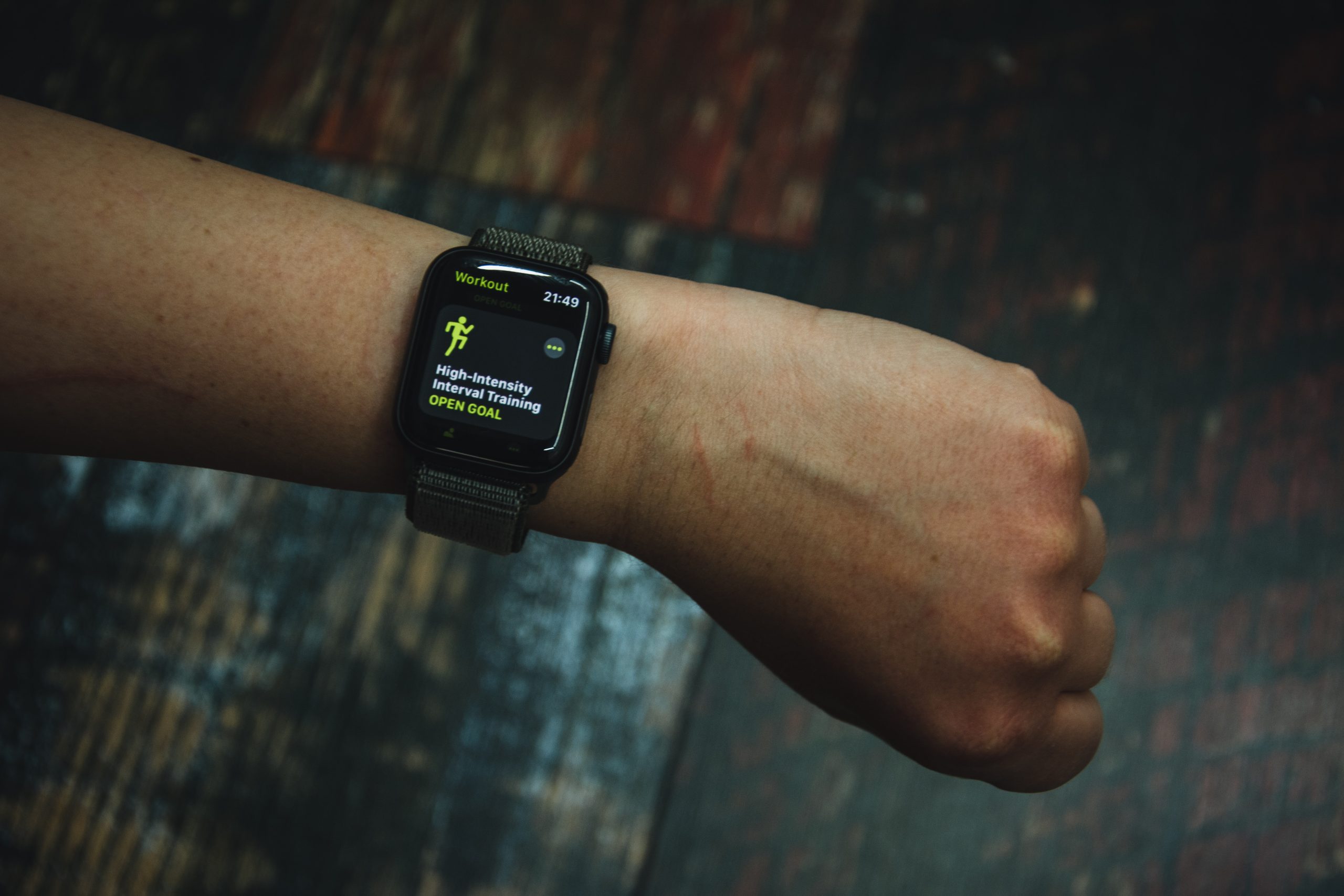
Like material technology, advancements in wearable devices have also revolutionized athlete performance and longevity. Wearable devices help athletes better monitor their physiological metrics by tracking factors like heart rate, sleep patterns, and physical activity. Gathering this invaluable data allows athletes to be more in tune with their bodies during training, optimizing performance on and off the field. The real-time insights these wearables offer empower athletes to make informed decisions about their performance, contributing to improved training and injury prevention. Products like the Whoop Band work off the field, tracking the sleep and recovery times of athletes to optimize their performance. On the field, hundreds of professional soccer clubs use devices from brands like STATSports to measure actionable insights in real time. Worn under a vest, a STATSports device utilizes a GPS, accelerometer, gyroscope, and magnetometer to gather 600 data points at once. As a result, the information provided can help prevent non-contact injuries and thwart physical overload. Paired with machine learning algorithms, devices like these can also predict outcomes and recommend strategic changes, giving coaches and players a competitive edge and enhancing overall team performance.

sports technology

Integrity, Fair Play & Technology Safeguards

Technology has also become a guardian of fair play in sports. Employing advanced testing methods such as mass spectrometry and blood profiling helps detect doping. This aids in upholding the principles of fair competition, which have frequently been questioned, particularly in the international athletic field. Moreover, blockchain technology helps to decentralize information, securing the integrity of sports data and ensuring that records and results remain tamper-proof. These measures protect the game’s sanctity and foster a culture of fair play, ensuring that athletes’ hard work is rewarded. 

Ensuring that athletes are able to consistently perform their best and avoid career-ending injuries is one of the most impactful uses of sports technology. A particularly impactful application of technology in sports is the Q-Collar, a collaboration between lacrosse stars Marcus Holman and Alex Aust. The Q-Collar aims to shield the brain from the damage caused by repetitive head impacts. Research indicates that athletes not using the Q-Collar were three times more likely to experience significant changes in their brain tissue. This partnership underscores the potential of technology to prioritize athlete well-being and ensure a safer playing experience.

The Future of Sports Technology & Industry Impact

As technology advances, its pervasive influence on sports becomes increasingly evident. From reshaping equipment materials to enhancing athlete monitoring analytics and maintaining fair play, technology is undeniably changing the game. The future promises even more exciting innovations, further blurring the lines between sports and cutting-edge technology. Here at Athelo Group, we can’t wait to see what comes next.

Sources:

  1. https://tbi.com/advancements-in-football-helmet-technology/
  2. https://theathletic.com/4966509/2023/10/19/wearable-technology-in-football/
  3. https://indianexpress.com/article/technology/virat-kohli-what-is-whoop-band-athlete-fitness-9030614/
  4. https://www.nytimes.com/2022/12/19/sports/concussion-q-collar.html
  5. https://www.futurelearn.com/info/courses/everyday-chemistry/0/steps/22346
  6. https://www.standard.net/news/2023/oct/23/the-game-changing-impact-of-innovative-gps-technology-on-sports-field-marking/

MLB Pitch Clock & NFL Global Games: How Leagues Adapt for Fans

It seems in an age where entertainment is always at our fingertips, U.S. professional sports leagues are under more pressure than ever to capture the attention of new audiences and cater to fans. As a result, leagues like the NBA, NFL, MLB, and NHL have all taken steps to attract new fans, create a more exciting game experience, and increase audiences abroad. From MLB rule changes to international NFL games, let’s break down some of the biggest shifts in recent years and how it has directly affected U.S. professional sports and their fans. 

nfl international games

How Fan Engagement Drove MLB’s Evolution

MLB’s pitch clock implementation is one of the most widely-discussed enhancements to occur in sports this year, and it’s quickly creating positive results. Back in the 2010s, MLB was facing a 7% decline in attendance per-game. Heading into the next decade, MLB knew something had to be done to right the ship. A big complaint amongst MLB fans was that the games were too long and oftentimes boring. In response to the criticism, the league implemented a pitch clock to speed up game play. This strategy was an immediate success as the MLB saw a nearly 10% increase in attendance from the 2022 season to the 2023 regular season. In addition, MLB regional sports networks saw a 7% increase in ratings and the games were on average quicker by 30 minutes. The league’s revenue also soared, with MLB estimating a $500M increase as a result of its implementation. The NFL and NBA have taken similar approaches as well. The NFL, for example, added rules to better protect receivers and quarterbacks that result in more exciting offensive play for fans. The NBA added a play-in tournament before playoffs and made small tweaks to improve flow of play.

In another effort to capture new audiences and evolve with changing times, American sports leagues have honed in on globalization. Shifting the sports landscape abroad has opened new doors for leagues, teams, and fans everywhere. Prominent sports leagues have gained a global fanbase by holding regular-season games in various foreign cities. This move not only increases the popularity of these sports but also strengthens the bonds amongst followers throughout the world who have a passion for the same sport. For example, the NBA’s yearly Global Games series has helped to foster an international basketball community by crossing cultural divides and bringing the thrill of live action to fans in nations like China, Mexico, and the United Kingdom. MLB has held international games since 1996 when the Padres and Mets played a 3-game series in Monterrey, Mexico. International NFL games first started back in 2007, and the league just recently held their first game in Frankfurt, Germany where the Chiefs beat the Dolphins. Their approach was met with exciting results: the game was the most-watched international NFL game in history, averaging 9.6M viewers. 

nfl international games

The Business Case Behind the Fan-Focused Moves

American pro sports leagues have also emphasized recruiting foreign talent as a means of globalization. Teams now regularly scout and sign players from all over the world to increase their talent pool and create more competitive play for fans. For instance, the NHL has experienced a surge in the number of gifted European players who have greatly benefited their various clubs. In the same vein, MLB has seen a boost in the number of players from Asian and Latin American nations. In addition to improving the standard of play overall, these international athletes serve as role models for aspiring athletes back home and expand each league’s global reach. 

In addition, leagues have capitalized on the digital era to expand U.S. professional sports audiences worldwide. With streaming platforms like FuboTV, social media content, and international broadcasting deals such as the NFL’s 10-year agreement with DAZN, fans worldwide find it incredibly easy to follow their favorite teams and players. Fans from all over the world may watch live games, participate in online chats, and keep up with the most recent sports news with just the click of a button. These online platforms have surpassed national borders and created a worldwide sports community that is unaffected by linguistic and cultural divides. The NBA has seen an increase in their International League Pass every year. Similarly, NFL Game Pass saw a 10% increase over the past year.

nfl international games

What the Future Holds for Sports Leagues and Fans

Between globalization strategy and rule changes, professional sports leagues will continue to develop and adapt in the future to satisfy the shifting demands and expectations of their ever-expanding fan base. Fans and sports organizations are experiencing an exciting journey towards a sporting world that is even more fan-centric, inclusive, and internationally connected. So, whether you’re watching from home, abroad, or the stadium, the sense that professional sports are evolving to enhance your experience should feel more palpable than ever. 

Sources:

  1. https://www.newyorker.com/magazine/2023/04/24/newer-better-rule-changes-for-baseball-and-other-sports
  2. https://www.si.com/mlb/2019/12/23/baseball-decade-in-review
  3. https://www.sportspromedia.com/news/mlb-world-series-2023-tv-ratings-viewership-fox-texas-rangers/
  4. https://www.mlb.com/glossary/rules/pitch-timer
  5. https://creatitive.com/evolution-of-sports-fan-engagement/

Become a Sponsor.

Join us in making a difference. Tell us a bit about yourself and we’ll be in touch with sponsorship details.

By submitting this form, you agree to be contacted by the Athelo Group team regarding sponsorship opportunities.