Sports Marketing Influencers: How to Choose the Right Partners

In today’s digital environment, consumers are bombarded with content, making it difficult for brands to stand out. One effective way to break through the sports marketing noise is by partnering with the right sports personalities. These athletes not only reflect the brand’s values but also create strong emotional connections with their audiences.

Recent research in influencer marketing and consumer psychology highlights the growing influence of athlete endorsements on brand trust, credibility, and loyalty. As marketing strategies evolve, trust remains crucial, especially in sports, where the authenticity of a campaign can highly impact its success.

Quick Highlights

  • SMART objectives help brands can make more strategic partnership decisions while streamlining the athlete selection process.
  • 61% of people trust influencers more when their values align with a brand’s.
  • Micro-influencers with 10,000 to 100,000 followers can achieve up to 60% higher engagement rates compared to larger influencers.
  • 83% of marketers state that long-term collaborations outperform short-term ones.
  • Authenticity drives sales, as 92% of consumers trust influencer recommendations more than traditional ads.
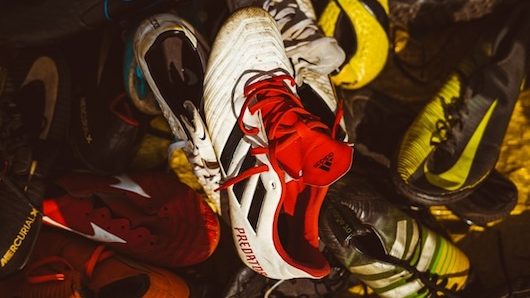
adidas brand shoe in sports marketing campaign

Identifying Brand Goals and Objectives

The first step in selecting the right influencer is understanding your brand’s goals. Are you aiming for increased awareness, loyalty, or promoting a specific product? Knowing your objectives will guide the choice of an athlete who can spark the right kind of engagement.

A prime example of this is Nike’s partnership with marathoner Eliud Kipchoge for the Breaking2 campaign. The collaboration wasn’t just about selling shoes; it was about showcasing Nike’s commitment to innovation and pushing human limits. The 2017 campaign solidified Nike’s credibility in the running community and inspired athletes around the world to strive for greatness.

Athletes vs. Digital Influencers

When it comes to brand partnerships, choosing between athletes and digital influencers comes down to impact. Athletes bring a level of authenticity and deep fan loyalty that influencers can struggle to match. When someone like Serena Williams or Patrick Mahomes endorses a product, fans see it as a genuine extension of their success. 

Digital influencers, especially those in niche sports, are rewriting the playbook. Fitness personalities like Noelle Benepe or lacrosse star Paul Rabil have built strong, engaged communities that brands are eager to tap into. In 2022, micro-influencers with audiences between 10,000 and 100,000 followers achieved engagement rates up to 60% higher than top-tier social media celebrities. 

Brands aiming to scale visibility fast often find success partnering with athletes who dominate on and off the field. Athletes active in mainstream sports already have exposure across ESPN, brand deals, and global fanbases. Meanwhile, brands looking to foster stronger ties within specific communities are finding that working with smaller influencers can drive more authentic and lasting connections.
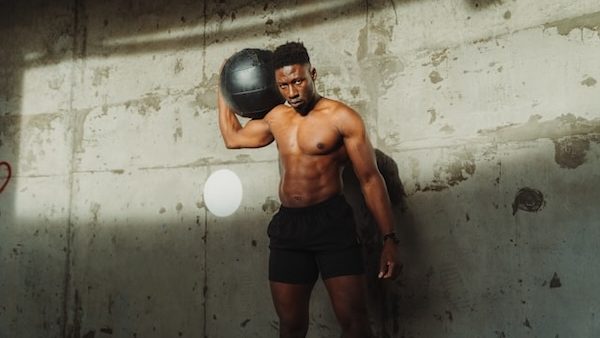
athlete influencer in fitness sports marketing campaign

The Athlete-Brand Fit

Picking the right sports influencer is about more than just numbers. It starts with making sure the athlete’s values, public image, and the brand’s mission actually fit together. In a 2021 Edelman survey, 61% of people said they trust influencers over traditional celebrities, but only when the partnership feels real and aligned.

When the athlete’s personal brand lines up with the company’s message, the connection hits harder. Athletes with a clear focus use storytelling to show fans what they stand for, which makes them a natural fit for brands that share their values. A partnership that feels forced never works, but when it clicks, fans notice.

A perfect example is the Wow Wipes campaign, where Athelo Group teamed up with athletes like Brisa Hennessy, Zoe Benedetto, Dani Speegle, Kyra Milligan, and Alex Aust. Every athlete lives a high-intensity, on-the-go lifestyle, so showing them using the product felt natural. That authenticity is what made the campaign take off and why followers bought into it.

On a larger scale, Beats by Dre’s partnership with LeBron James proves how powerful a real match can be. LeBron’s work ethic, intensity, and cultural impact synced perfectly with Beats’ brand of performance and street-smart style. When fans saw that connection, it became a social movement.

The Power of Knowing Your Audience

After finding the right athlete, brands must ensure the athlete’s audience matches their target market. A large following isn’t enough if the fans aren’t the right fit. Brands have to look at factors like age, location, and buying habits to make sure the partnership will actually move the needle.

Coca-Cola nailed this during the 2014 World Cup by partnering with Lionel Messi. As an official sponsor of the tournament, Coca-Cola made Messi the face of a campaign built around a $500 million global marketing push. His reach across Latin America, Europe, and Asia helped drive a 5% sales increase in Latin America alone, making it one of Coke’s strongest performances worldwide. Coca-Cola even localized its messaging by country to personalize the campaign everywhere it ran.

The best partnerships happen when brands actually know their audience. Without solid audience data, even the biggest campaigns can miss the mark. A Nielsen report found that only 26% of marketers fully trust their audience data, which shows just how much room there is to get sharper and smarter in building athlete collaborations that actually land.
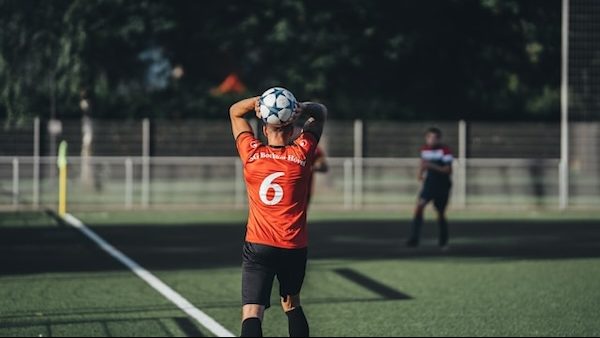
sports player throwing soccer ball

Why Focusing on Long-Term Partnerships Matters

One-off influencer campaigns create quick buzz, but long-term partnerships build real brand loyalty. When a brand works with an athlete over time, the connection with fans grows deeper and feels more authentic. A lasting relationship turns a brand’s message into part of the athlete’s story.

A prime example of this is Nike’s 27-year partnership with Tiger Woods. This enduring relationship has allowed Nike to not only market products but to integrate Woods’ personal journey into their brand narrative. The star became the face of the Nike Golf brand, representing excellence and perseverance.

This evolution aligns with the broader trend of athletes taking on entrepreneurial roles. Rather than serving as temporary endorsers, many athletes are now seeking equity stakes and long-term involvement in the brands they represent. We’ve seen this with Woods’ creation of TMRW Golf League and Allyson Felix’s women’s footwear brand Saysh, which raised $8 million in Series A funding. 

The shift toward deeper partnerships matters for brands too. A Marketing Dive report found that 83% of marketers believe long-term influencer relationships are more effective than short-term deals. Fans stick with athletes they believe in, so long-term partnerships help brands build deeper trust and stronger recognition among consumers.

Partnerships for Lasting Brand Success

KPIs are important, but they are not the full picture. Long-term partnerships often build value over time by turning athletes into authentic ambassadors who shape how fans see a brand. Real success comes when an athlete’s connection with a brand feels bigger than a single campaign.

Looking ahead, brands that want to expand reach and loyalty in sports will need a smarter strategy. Partnering with a sports marketing agency like Athelo Group can help brands move beyond short-term wins and build long-term athlete relationships. Success will depend less on quick sales spikes and more on deeper metrics like sentiment analysis and brand affinity, setting the stage for partnerships that truly resonate with fans.
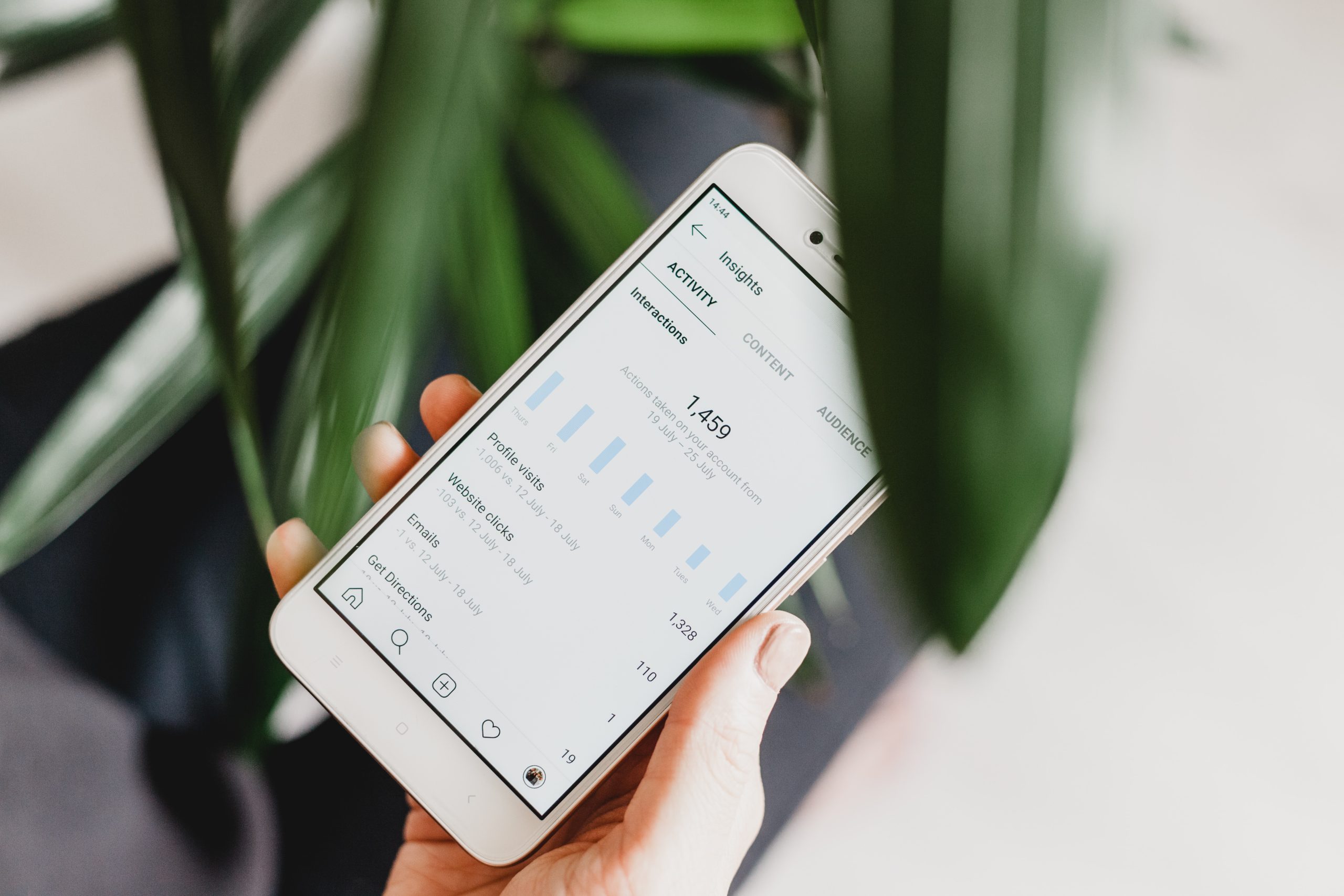
The Winning Playbook: Securing Success in Sports Influencer Marketing Strategy

With the influencer marketing industry expected to top $21B by the end of 2023, we’re seeing more and more athletes get in on the action. In fact, the sports vertical’s presence in the influencer space has grown three times in the past year alone! AG athletes like lacrosse star Alex Aust and CrossFit powerhouse Dani Speegle are actively showing us how it’s done by blending athleticism with an influencer charm that fosters relationships and captures audiences. It’s clear that at the exciting intersection of sports and influencer marketing, nailing long-term success means establishing authenticity, fostering engagement, and connecting consumers with a personal brand. As a result of these efforts, brands and athletes can unlock the full potential of sports influencer marketing strategy.

influencer marketing strategy

Authenticity

Authenticity in content creation within the sports landscape is essential to foster compelling storytelling. Athletes-turned-influencers embrace this authenticity by sharing the highs and lows of their journeys, exposing vulnerabilities, and presenting a multifaceted view of their lives that shares their unique identity. Simone Biles is an excellent example of an athlete that has shared her vulnerabilities. Biles has a huge social media platform, with 1.7M followers on Twitter alone. Over the years, she has used her platform to take a stand and enact change. In 2021, she spoke out to stop the governing body of USA Gymnastics from turning a blind eye to sexual assault allegations. Biles’ courage captivated her audience and helped cultivate a lucrative brand partnership with Athleta. Her transparency illustrates the human behind the athlete—a relatable figure navigating challenges, celebrating victories, and embodying resilience.

Another athlete to utilize authenticity is Baron Davis. After a career-ending injury left him wheelchair-bound and in chronic pain, Davis decided to dress up as “Black Santa” for Halloween. Based on the reaction he received from fans, he created The Black Santa Company in 2015. His media empire has dedicated itself to celebrating diversity in storytelling content ever since. Initiatives like Davis’ show how influencer authenticity builds trust and credibility with audiences. When people feel that an influencer is genuine, they are more likely to engage with their content and see them as a reliable source. 

Impactful Partnerships

When brands team up with athlete-influencers, they also seek authenticity in their partnerships. By investing in genuine, enduring relationships, brands bank on winning the sustained loyalty of their consumer base. Under Armour, for example, partnered long-term with Steph Curry back in 2013. Curry explained to his fans that “Under Armour bet on me, and I bet on them.” The partnership is rooted in authenticity and impact with an underlying goal to fund community initiatives that boost opportunity, access, and equity for the next generation of athletes.  Brands like Under Armour that invest time and resources into nurturing these relationships often reap the rewards of consistent collaborations that evolve over time.

In a similar fashion, Nike partnered with French basketball star, Rudy Gobert. Together, they spearheaded a new basketball court in Paris Levallois-Perret and created a space that offers academic support in disciplines such as writing, music, community outreach, and athletic development. Dedicated investments like these not only ensure a steady stream of engaging content but also build a foundation for long-lasting, meaningful partnership in the ever-changing world of sports influencer marketing. 

influencer marketing strategy

Diversification

Long-term success in sports influencer marketing also thrives on cross-market diversification. Brands often choose a diversification strategy either to reach niches within their industry or to extend operations into new markets. Red Bull and GoPro employed this strategy in 2016 to diversify partnerships across a spectrum of influencers, each with their own unique reach and audience. Netting audiences in two different verticals, Red Bull and GoPro could impact both the action sports and energy drink space. This strategy not only broadens brand exposure but also taps into various niches within the sports landscape, allowing for a more comprehensive and diverse engagement with audiences.

Measuring Results

After employing an influencer marketing strategy like diversification, it’s critical to measure efficacy. Beyond social media likes and shares, analyzing metrics like engagement rates, audience demographics, sentiment, and conversion offers a comprehensive understanding of campaign impact. These metrics reveal audience response, highlighting what resonates and what doesn’t. By dissecting these data points, brands learn how to better refine future campaigns and how to best select sports influencers.

Ultimately, success in sports influencer marketing is not always a clear-cut playbook. Every athlete has a unique personal brand with an audience to match, but it’s the impact and authenticity of their brand partnerships that truly resonate with audiences. As the sports influencer marketing space continues to expand, we can look forward to the exciting new partnerships and figures that are sure to emerge in 2024.

Sources:

  1. https://aicontentfy.com/en/blog/importance-of-influencer-authenticity-for-effective-content-sharing#:~:text=Influencer%20authenticity%20is%20important%20because,a%20reliable%20source%20of%20information.
  2. https://fastercapital.com/startup-topic/Impact-through-Influencer-Marketing.html
  3. https://www.business.com/articles/why-influencer-marketing-should-focus-on-relationships/#
  4. https://www.business-standard.com/article/sports/social-media-has-helped-gen-z-athletes-find-their-authentic-voice-121081700694_1.html
  5. https://www.ypulse.com/article/2019/07/02/athletes-to-influencers-how-social-media-has-changed-the-game-for-pro-sport/
  6. https://www.prnewswire.com/news-releases/gopro-and-red-bull-form-exclusive-global-partnership-300273533.html
  7. https://www.prnewswire.com/news-releases/under-armour-and-stephen-curry-enter-long-term-partnership-301785333.html
  8. https://hypebeast.com/2022/12/nike-athlete-partnership-future-of-sport-campaign
  9. https://influencermarketinghub.com/influencer-marketing-benchmark-report/

Athletes vs Social Media Influencers: Who Wins the Marketing War?

In 1905, Pittsburgh Pirates shortstop Honus Wagner became the first athlete to publicly endorse a sports product. The company paid Wagner $75 to use their signature bat in games. Recently, there has been a significant shift in how brands approach sponsorship marketing. Rather than relying solely on traditional advertising methods, many brands have begun to focus on social media influencers to promote their products or services. This trend has been particularly prevalent in industries where influencers have a large following and significant sway over their followers’ purchasing decisions.

Just last month, the clothing brand Eddie Bauer laid off its entire team of professional athletes in favor of social media influencers with large followings. While this may make it seem more difficult for athletes to secure sponsorships, there are many strategies athletes can employ to ensure they are eliciting results that will entice brands. Here are some tips:

Develop a unique brand identity

Athletes can build a strong personal brand by developing a unique identity that distinguishes them from their peers. This could involve identifying a particular style or aesthetic, creating a signature catchphrase or hashtag, or leveraging their personal story to create a compelling narrative. Through personal brand development, athletes’ personas transcend beyond their sport and create longevity for brand deals.

Athlete Influencer Marketing

Build a strong social media presence

Social media is a powerful tool for developing a personal brand and connecting with fans. Athletes can use social media platforms such as Instagram, Twitter, and TikTok to share their stories, showcase their skills, and engage with their followers. By building a large following, athletes possess more currency in potential sponsorship deals.

Showcase their athletic achievements

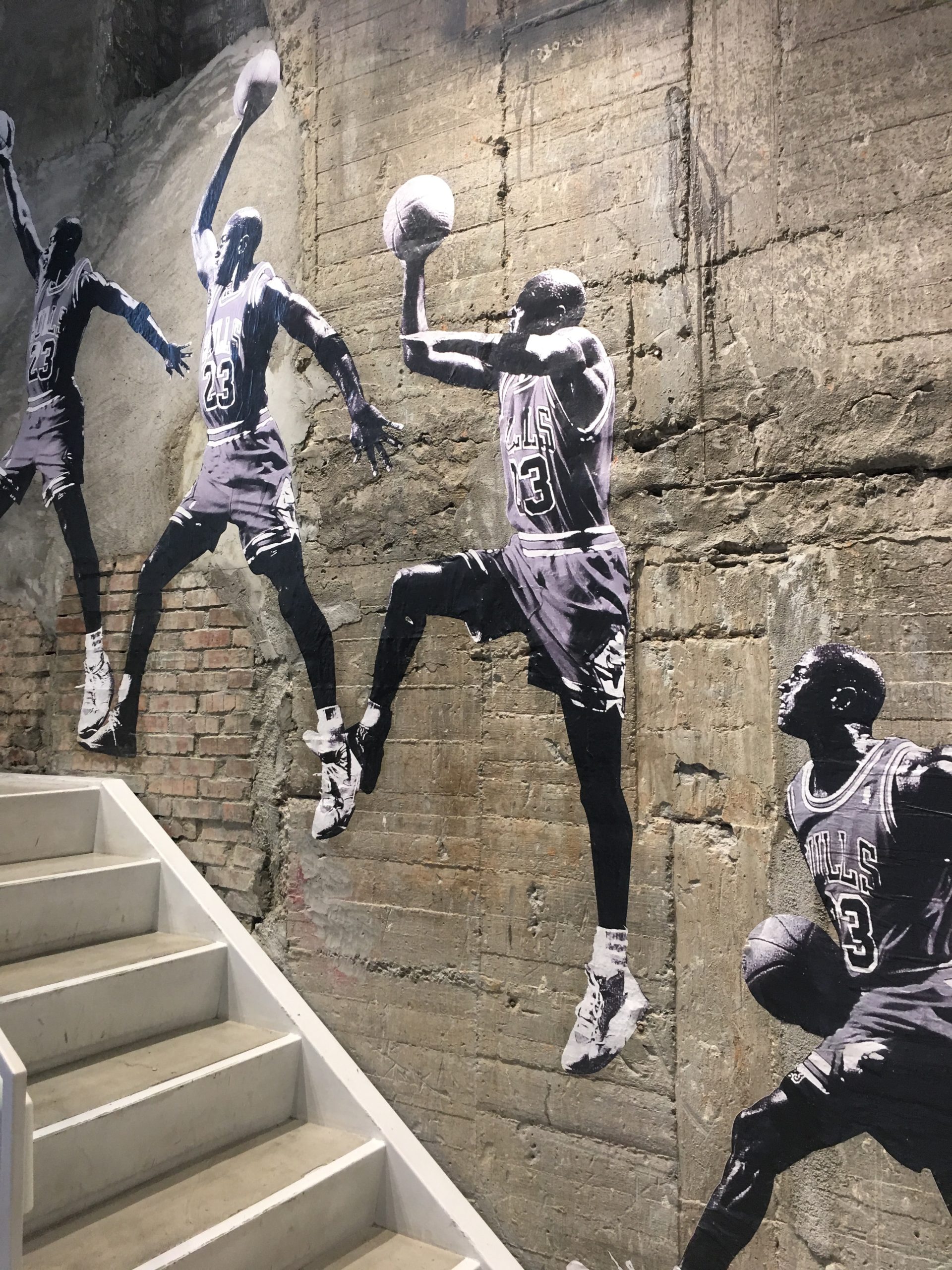
While some social media influencers may have a large following, they typically don’t have the same athletic prowess as professional athletes. Athletes can leverage their athletic achievements to demonstrate their dedication, discipline, and skill, and appeal to sponsors who value those qualities. Michael Jordan, widely regarded as the greatest basketball player of all time, has leveraged his success on the court to become one of the most lucrative athlete endorsers in history. His most successful deal was with Nike in 1984 to launch the Air Jordan sneaker brand. The brand continues to succeed: it generated over $2B in revenue last year alone. 

Athlete Influencer Marketing

Collaborating with the right brands

Athletes can leverage their platform to collaborate with brands that align with their personal brand. This could involve partnering with a clothing or equipment brand, promoting a health and wellness product, or supporting a local business or charity. Finding the right brands with the same values can lead to winning long-term partnerships over traditional influencers. Professional surfer, Brisa Hennessy, recently became a UNICEF Costa Rica Ambassador. This partnership builds Brisa’s brand by showing the world her passion for bringing awareness to children’s rights and her love for her home country, Costa Rica.   

Athlete Influencer Marketing

Create innovative content

Athletes can also build their personal brand by creating original content such as videos, podcasts, or blog posts that showcase their personality and expertise. This content can help athletes grow a loyal following and attract potential sponsors who value their unique perspectives and voice. Amber Torrealba, for example, is a professional skimboarder with her own unique style of content creation. Her action-packed drone and GoPro shots have landed her brand deals companies like Blenders Eyewear. 

Work with a sports marketing team

Athletes can benefit from working with a sports marketing team specializing in building personal brands and securing sponsorship opportunities. While general marketing agencies provide some value for athletes, an agency specializing in sports can provide athletes with meaningful industry connections and help construct sports-centric storylines. These agencies often already share relationships with brands already embedded in sports. By investing in a sports marketing team, athletes can better identify potential sponsors, negotiate contracts, and manage their personal brand to maximize their earning potential and combat the influencer marketing trends.

Sources:

  1. https://sports.yahoo.com/why-did-eddie-bauer-lay-002201023.html?guccounter=1&guce_referrer=aHR0cHM6Ly93d3cuZ29vZ2xlLmNvbS8&guce_referrer_sig=AQAAAA1dbGzKKG0QQRURKQSQ_66xcfJmbGaxRCkeDgyTyeXh5S-xYGDj2b2WvHWES3x5izo_xLol9l0m481MJp_UP2BhSqg6W1jZpfW4xAwxOX6u3btzezTPYjgnRa2lkvZFnnYDj_Kf6IjTxVCDN0L9Gbxl8xUnGm6uhAUxdNGf1MvP
  2. https://www.kreedon.com/easy-steps-to-help-athletes-find-sponsorship/
  3. https://creatitive.com/how-to-secure-a-sports-sponsorship-advice-for-athletes-sports-teams/
  4. https://www.themanual.com/culture/sports-endorsement-history/#:~:text=Multiple%20sources%20cite%20the%20Pittsburgh,them%20to%20identify%20their%20owners
  5. https://www.si.com/fannation/sneakers/news/jordan-brand-launched-25-years-ago-today

Become a Sponsor.

Join us in making a difference. Tell us a bit about yourself and we’ll be in touch with sponsorship details.

By submitting this form, you agree to be contacted by the Athelo Group team regarding sponsorship opportunities.