Sports Marketing Influencers: How to Choose the Right Partners

In today’s digital environment, consumers are bombarded with content, making it difficult for brands to stand out. One effective way to break through the sports marketing noise is by partnering with the right sports personalities. These athletes not only reflect the brand’s values but also create strong emotional connections with their audiences.

Recent research in influencer marketing and consumer psychology highlights the growing influence of athlete endorsements on brand trust, credibility, and loyalty. As marketing strategies evolve, trust remains crucial, especially in sports, where the authenticity of a campaign can highly impact its success.

Quick Highlights

  • SMART objectives help brands can make more strategic partnership decisions while streamlining the athlete selection process.
  • 61% of people trust influencers more when their values align with a brand’s.
  • Micro-influencers with 10,000 to 100,000 followers can achieve up to 60% higher engagement rates compared to larger influencers.
  • 83% of marketers state that long-term collaborations outperform short-term ones.
  • Authenticity drives sales, as 92% of consumers trust influencer recommendations more than traditional ads.
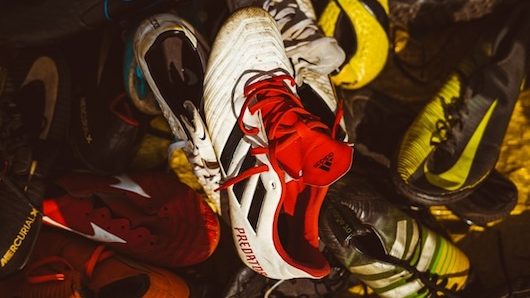
adidas brand shoe in sports marketing campaign

Identifying Brand Goals and Objectives

The first step in selecting the right influencer is understanding your brand’s goals. Are you aiming for increased awareness, loyalty, or promoting a specific product? Knowing your objectives will guide the choice of an athlete who can spark the right kind of engagement.

A prime example of this is Nike’s partnership with marathoner Eliud Kipchoge for the Breaking2 campaign. The collaboration wasn’t just about selling shoes; it was about showcasing Nike’s commitment to innovation and pushing human limits. The 2017 campaign solidified Nike’s credibility in the running community and inspired athletes around the world to strive for greatness.

Athletes vs. Digital Influencers

When it comes to brand partnerships, choosing between athletes and digital influencers comes down to impact. Athletes bring a level of authenticity and deep fan loyalty that influencers can struggle to match. When someone like Serena Williams or Patrick Mahomes endorses a product, fans see it as a genuine extension of their success. 

Digital influencers, especially those in niche sports, are rewriting the playbook. Fitness personalities like Noelle Benepe or lacrosse star Paul Rabil have built strong, engaged communities that brands are eager to tap into. In 2022, micro-influencers with audiences between 10,000 and 100,000 followers achieved engagement rates up to 60% higher than top-tier social media celebrities. 

Brands aiming to scale visibility fast often find success partnering with athletes who dominate on and off the field. Athletes active in mainstream sports already have exposure across ESPN, brand deals, and global fanbases. Meanwhile, brands looking to foster stronger ties within specific communities are finding that working with smaller influencers can drive more authentic and lasting connections.
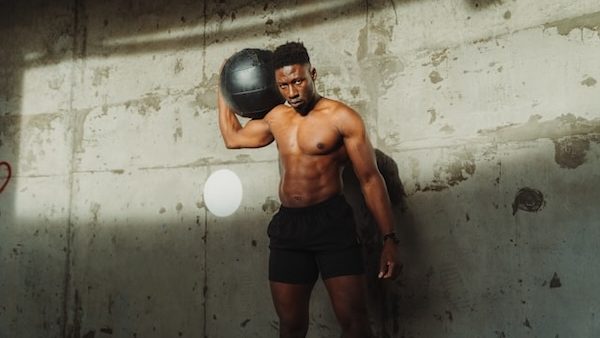
athlete influencer in fitness sports marketing campaign

The Athlete-Brand Fit

Picking the right sports influencer is about more than just numbers. It starts with making sure the athlete’s values, public image, and the brand’s mission actually fit together. In a 2021 Edelman survey, 61% of people said they trust influencers over traditional celebrities, but only when the partnership feels real and aligned.

When the athlete’s personal brand lines up with the company’s message, the connection hits harder. Athletes with a clear focus use storytelling to show fans what they stand for, which makes them a natural fit for brands that share their values. A partnership that feels forced never works, but when it clicks, fans notice.

A perfect example is the Wow Wipes campaign, where Athelo Group teamed up with athletes like Brisa Hennessy, Zoe Benedetto, Dani Speegle, Kyra Milligan, and Alex Aust. Every athlete lives a high-intensity, on-the-go lifestyle, so showing them using the product felt natural. That authenticity is what made the campaign take off and why followers bought into it.

On a larger scale, Beats by Dre’s partnership with LeBron James proves how powerful a real match can be. LeBron’s work ethic, intensity, and cultural impact synced perfectly with Beats’ brand of performance and street-smart style. When fans saw that connection, it became a social movement.

The Power of Knowing Your Audience

After finding the right athlete, brands must ensure the athlete’s audience matches their target market. A large following isn’t enough if the fans aren’t the right fit. Brands have to look at factors like age, location, and buying habits to make sure the partnership will actually move the needle.

Coca-Cola nailed this during the 2014 World Cup by partnering with Lionel Messi. As an official sponsor of the tournament, Coca-Cola made Messi the face of a campaign built around a $500 million global marketing push. His reach across Latin America, Europe, and Asia helped drive a 5% sales increase in Latin America alone, making it one of Coke’s strongest performances worldwide. Coca-Cola even localized its messaging by country to personalize the campaign everywhere it ran.

The best partnerships happen when brands actually know their audience. Without solid audience data, even the biggest campaigns can miss the mark. A Nielsen report found that only 26% of marketers fully trust their audience data, which shows just how much room there is to get sharper and smarter in building athlete collaborations that actually land.
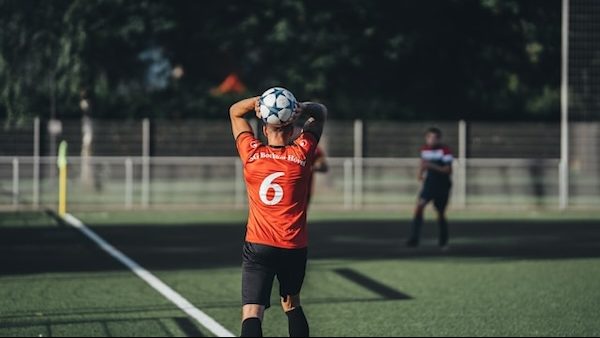
sports player throwing soccer ball

Why Focusing on Long-Term Partnerships Matters

One-off influencer campaigns create quick buzz, but long-term partnerships build real brand loyalty. When a brand works with an athlete over time, the connection with fans grows deeper and feels more authentic. A lasting relationship turns a brand’s message into part of the athlete’s story.

A prime example of this is Nike’s 27-year partnership with Tiger Woods. This enduring relationship has allowed Nike to not only market products but to integrate Woods’ personal journey into their brand narrative. The star became the face of the Nike Golf brand, representing excellence and perseverance.

This evolution aligns with the broader trend of athletes taking on entrepreneurial roles. Rather than serving as temporary endorsers, many athletes are now seeking equity stakes and long-term involvement in the brands they represent. We’ve seen this with Woods’ creation of TMRW Golf League and Allyson Felix’s women’s footwear brand Saysh, which raised $8 million in Series A funding. 

The shift toward deeper partnerships matters for brands too. A Marketing Dive report found that 83% of marketers believe long-term influencer relationships are more effective than short-term deals. Fans stick with athletes they believe in, so long-term partnerships help brands build deeper trust and stronger recognition among consumers.

Partnerships for Lasting Brand Success

KPIs are important, but they are not the full picture. Long-term partnerships often build value over time by turning athletes into authentic ambassadors who shape how fans see a brand. Real success comes when an athlete’s connection with a brand feels bigger than a single campaign.

Looking ahead, brands that want to expand reach and loyalty in sports will need a smarter strategy. Partnering with a sports marketing agency like Athelo Group can help brands move beyond short-term wins and build long-term athlete relationships. Success will depend less on quick sales spikes and more on deeper metrics like sentiment analysis and brand affinity, setting the stage for partnerships that truly resonate with fans.
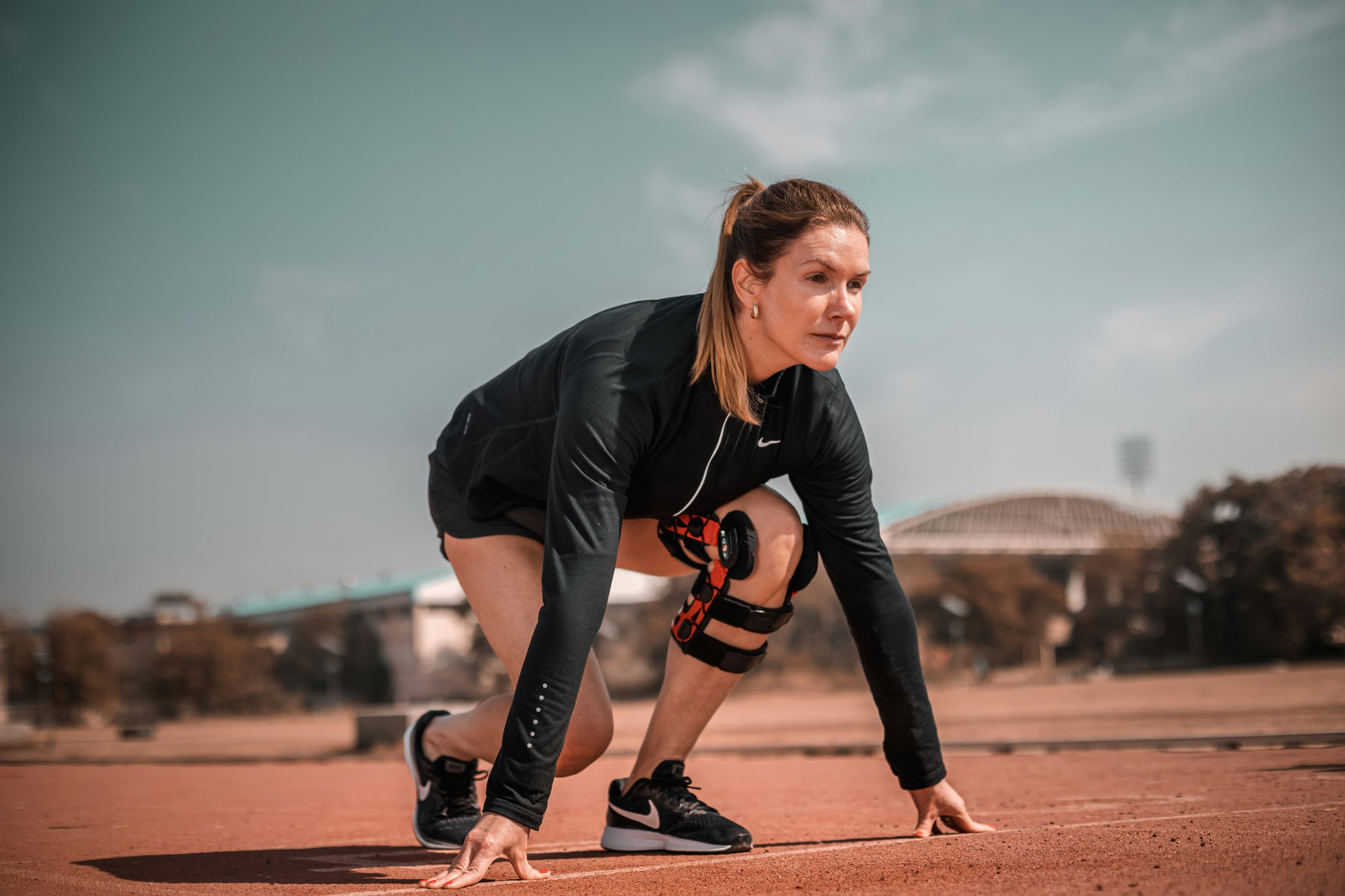
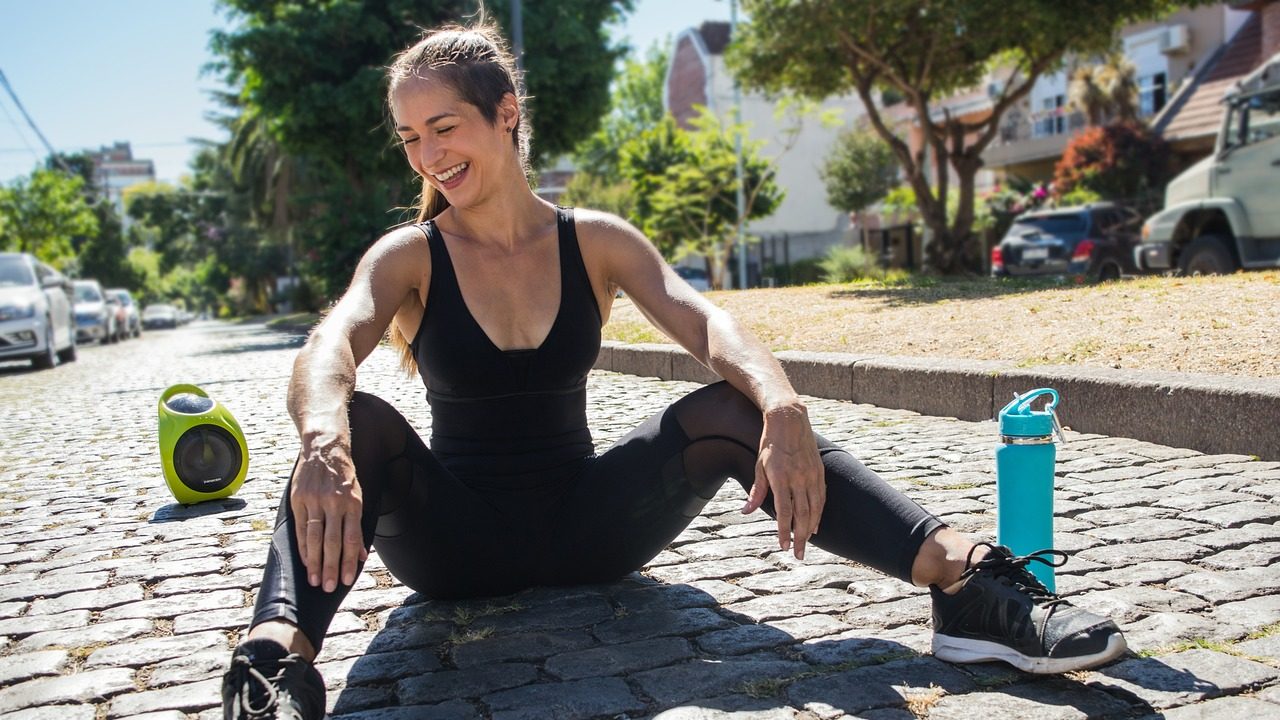
Athlete Micro-Influencers vs Pro Endorsements: The New Marketing

In today’s fast-changing world, brands are rethinking the traditional model of athlete endorsements as they navigate the complexities of social media-driven marketing. While elite professional athletes have long been the go-to choice for high-profile partnerships, the rise of micro and nano influencers is challenging the status quo. These smaller-scale influencers, with their highly engaged and niche audiences, are proving to be powerful players in brand marketing. This shift raises critical questions: are traditional, high-cost endorsements with star athletes still necessary, or are more targeted, authentic connections through nano and micro-influencers the key to driving brand success in this new era?

micro-influencers

Athlete-Influencers’ Time is Now

The shift toward micro and nano influencers isn’t just about cutting costs—it’s about delivering authentic results. As Isabella Ingrid from Sports Kred points out, the era of celebrity dominance in marketing is fading. Micro-influencers, with their more intimate and engaged followings, are proving far more effective at building genuine connections with audiences. Their personal touch fosters greater trust and authenticity, which are crucial in today’s marketing strategies.

Moreover, working with multiple micro or nano-influencers allows brands to stretch their marketing budgets across various audiences, offering a strategic way to increase reach and engagement. Take, for example, Athelo Group’s partnership with Wow Wipes. They launched a campaign featuring athletes like Alex Aust, Brisa Hennessy, Dani Speegle, Kyra Milligan, and Zoe Benedetto. By collaborating with athlete-influencers in niche sports from surfing to CrossFit, Wow Wipes was able to connect with multiple distinct audiences instead of focusing on a single celebrity endorsement that would target just one demographic. This approach underscores the changing landscape of athlete endorsements, challenging the past focus on traditional high-profile partnerships.

micro-influencers

The Rise of NIL Marketing in College Sports

The rise of NIL (Name, Image, Likeness) deals has opened up new opportunities for athlete endorsements, allowing brands to partner with college athletes in ways that were previously impossible. Since the 2021 Supreme Court ruling, companies like McDonald’s, Microsoft, and Gatorade have jumped at the chance to connect with younger audiences through these athletes. College athletes offer a cost-effective way to tap into the deep loyalty that fans—especially alumni—have for university sports teams. These deals also allow brands to build early relationships with athletes who might later go pro or compete in the Olympics while engaging with niche sports and diverse audiences.

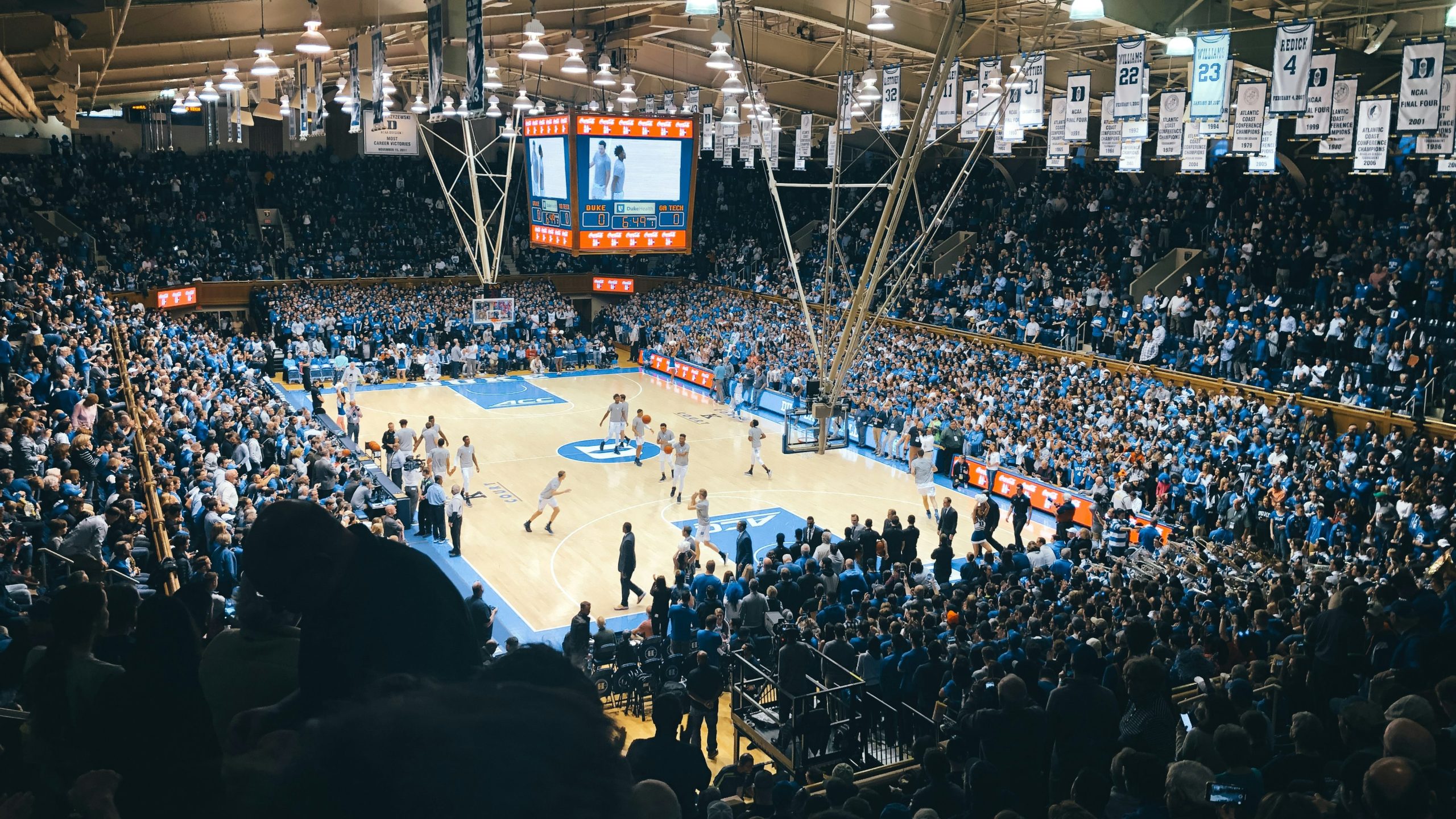
Partnering with college athletes is more than a cost-cutting exercise. Brands are increasingly valuing the character of the athletes they endorse, sometimes even more than their social media follower counts. This focus on authenticity reflects broader trends in influencer marketing, where genuine connections and trust are key. Take Jared McCain, for example. Last season, he was one of Duke basketball’s best players, creating content that stayed true to his authentic self—even if it didn’t fit the typical athlete mold. His ability to balance sports content with his personal brand made him attractive to companies seeking genuine representation. By carefully choosing athletes who align with their values and ensuring their social media presence is authentic and relatable, companies can reduce the risks of endorsing younger, less established figures while still benefiting from these dynamic partnerships.

micro-influencers

Influencer vs. A-Lister

When comparing social media influencers to traditional celebrity endorsements, each brings unique strengths and challenges. Influencers often excel in credibility and relatability, particularly within specific niches, which fosters trust and drives higher engagement. Their ability to connect with targeted audiences and deliver measurable ROI makes them a cost-effective choice for many brands. However, influencer marketing isn’t without its downsides. As influencers gain more followers, their engagement rates can drop, and while they generally carry less risk than celebrities, they aren’t entirely immune to controversy.

Celebrity endorsements, though typically more expensive and less targeted, can deliver massive visibility and prestige. This can result in either a big win or a serious setback for the brand. A prime example is Ugg’s 2012 partnership with NFL star Tom Brady. The brand aimed to reverse declining sales and expand beyond their primarily female consumer base. The endorsement ultimately fell flat and sales continued to drop. In contrast, GymShark’s work with micro YouTube influencers connected deeply with online fitness communities, contributing to the brand’s growth into a billion-dollar company. Whether a brand opts for a household name or influencers with a small base of loyal followers, a campaign’s success or failure largely depends on authenticity.

micro-influencers

In today’s social media-driven marketing world, athlete endorsements are undoubtedly shifting from celebrity partnerships to micro and nano influencers. These smaller influencers connect authentically with niche audiences, making them increasingly attractive to brands. The rise of NIL deals and the integration of athletes in broader entertainment collaborations further highlights this change. While celebrity endorsements still offer great visibility, brands are increasingly focusing on targeted and cost-effective influencer marketing in 2024 and beyond.

Sources:

  1. https://www.linkedin.com/posts/dancrosby_marketingstrategy-brandbuilding-biosteel-activity-7229086830061608962-R02d/?utm_source=share&utm_medium=member_ios
  2. https://hbr.org/2024/05/how-marketers-choose-college-athlete-influencers
  3. https://sportskred.com/navigating-the-evolving-landscape-of-influencer-marketing
  4. https://m7.agency/nil-influence-how-brands-can-score-big-in-the-new-era-of-athlete-influencers/
  5. https://www.google.com/url?q=https://www.isportconnect.com/trends-in-the-sports-sponsorship-business-in-2024/
  6. https://swaygroup.com/social-media-influencers-new-celebrities/
  7. https://collabstr.com/blog/how-gymshark-built-a-billion-dollar-empire-through-influencer-marketing
  8. https://247wallst.com/sports/2024/08/29/these-athlete-endorsement-deals-were-complete-disasters/

How NBA Jerseys Are Boosting the Fan Experience

When the NBA Jersey Patch Program was mentioned over a decade ago, deputy commissioner Adam Silver believed it would bring in a combined revenue of $100M across all 30 NBA teams. At first, fans feared this would merge the NBA with the corporate world. Critics drew comparisons to European soccer teams and worried brand placements would overshadow the team or city across the players’ chests. But sponsorship was nothing new within the sport: companies already sponsored basketball venues like the United Center, Barclays Center, and the Kia Center. It was only a matter of time before sponsored NBA jerseys became the new norm.

jersey sponsors

Teams and Sponsors Win Big

In the current NBA landscape, the program is projected to bring in over $250M annually, with innovation occurring year by year within jersey patch sponsorships. Last season, these sponsorships comprised nearly 15% of overall NBA sponsorship revenue, which netted a total $1.6B. And the benefits are mutual: companies with their logo on an NBA jersey win, too. They generate constant brand exposure to the millions of fans watching worldwide and earn opportunities to directly impact the fan experience at NBA games.

Fostering Fan Connections

The NBA first rolled out jersey patch sponsorships back in 2017, with two-thirds of teams joining this new-age marketing mechanism. Flash forward to this season, and fans will notice only three teams without them. Teams like the Orlando Magic and the Toronto Raptors have remained loyal to their sponsors for all seven seasons. Although teams may change sponsors, they typically stick with local brands and resonate with their fans and culture. For example, the Utah Jazz are in their first year of a jersey patch sponsorship deal with LiveView Technologies, a Utah-built and based national provider of innovative life safety and security technology. Ryan Smith, governor of the Utah Jazz, said, “We’re excited to feature the LVT logo on our jerseys and continue using that prominent space to celebrate the innovative, hard-working mindset that Utah is all about.” Sharing similar goals and mindsets is a key factor in developing a sports partnership, which is why LVT was a slam–dunk sponsorship fit for the Utah Jazz.

nba jerseys

Netting Engagement Among Younger Audiences

NBA teams are also utilizing jersey patch sponsorships to cater to younger audiences. By appealing to younger age ranges, typically 18–32, these teams are building longevity for their brand. The Charlotte Hornets’ new jersey patch sponsorship with MrBeast’s snack brand, Feastables, exemplifies this tactic. The sponsorship signifies the first creator-led company to partner with an NBA franchise. With over 230M subscribers on Youtube– the most by an individual creator– MrBeast has made a substantial impact in the content creator space. Considering 77% of internet users 15–35 years old watch YouTube, there’s a high probability this demographic either consumes or is familiar with MrBeast’s content. With the increase in influencers on YouTube and other social media apps like TikTok and Instagram, the Hornets could be the first franchise of many to wade into influencer marketing. Sponsorships could become less about showcasing faceless brands and instead move to elevating the platforms of online creators. In this new era, we can expect to see more NBA teams follow suit by placing a special focus on how younger audiences identify with their sponsors. Capturing the next generation not only ensures that the NBA maintains its millions of viewers each season, but also increases the revenue within the Jersey Patch Program.  

nba jerseys

Innovative Tech in NBA Jerseys

As technology becomes more prominent in our lives, we are bound to see innovation within jersey sponsorships on and off the court. We have already seen this from the Indiana Pacers, whose jersey patch sponsor, Spokenote, debuted their QR Code feature this month. This allows Spokenote to deliver content from within a live game, showcasing their “digital sticky note” product. For the Phoenix Suns, their jersey patch sponsorship deal with PayPal will elevate the fan experience by offering innovative payment solutions at the arena as well as online. This new agreement at the beginning of 2023 includes a Jersey Giveback program, where a portion of proceeds from jersey sales will be donated to non-profit organizations in the Phoenix area. This not only benefits the team and its sponsor but also the local communities of these teams, showcasing technological innovation and sports sponsorship centered around fan engagement.

While NBA jersey sponsors were initially met with skepticism, they now give significant boost to team finances and the NBA at large. Across professional sports, partnerships are increasingly embraced by companies aiming to leave their mark on one of the world’s highest revenue-generating industries. In just seven years of jersey sponsorships, there has been tremendous growth. With more teams switching to tech, financial sponsors, and even entertainment entities like MSG’s Sphere, there is promising improvement in not only delivering live content to fans but also in the overall fan experience at NBA games.

Sources:

  1. https://www.sportsbusinessjournal.com/Articles/2024/01/03/indiana-pacers-spokenote-jersey-ad-patch
  2. https://www.dailymail.co.uk/sport/nba/article-11792607/New-York-Knicks-eye-record-30m-year-jersey-sponsorship-rival-league-high-Nets-deal.html
  3. https://analyticsblog.blinkfire.com/blog/2022/10/26/2022-23-nba-jersey-patch-sponsors/
  4. https://www.forbes.com/sites/mikeozanian/2023/10/16/nba-sponsorship-revenue-hits-record-166-billion/?sh=326dfa972279
  5. https://www.sportspromedia.com/news/us-sports-sponsorship-revenue-2023-sponsorunited-mlb-nfl-nba-mls-nhl-wnba/#:~:text=National%20Basketball%20Association%20(NBA)%20franchises,over%20the%202022%2F23%20season
  6. https://www.marketingbrew.com/stories/2023/10/27/some-of-the-newest-nba-jersey-sponsors-are-brands-you-might-not-expect
  7. https://neoreach.com/feastables-sponsorship/#:~:text=The%20Feastables%20sponsorship%20could%20potentially,to%20a%20brand’s%20marketing%20strategy.
  8. https://newsroom.paypal-corp.com/2023-04-12-PHOENIX-SUNS-AND-PAYPAL-EXTEND-PARTNERSHIP-AGREEMENT-THROUGH-2026-NBA-SEASON-WITH-A-FOCUS-ON-ENHANCING-FAN-EXPERIENCE-AND-COMMUNITY-INVESTMENT#:~:text=As%20one%20of%20the%20largest,donated%20to%20local%20non%2Dprofits.
  9. https://www.nba.com/jazz/news/utah-jazz-announce-utah-based-lvt-as-jersey-patch-partner
  10. https://www.theshelf.com/the-blog/youtube-user-habits/

Become a Sponsor.

Join us in making a difference. Tell us a bit about yourself and we’ll be in touch with sponsorship details.

By submitting this form, you agree to be contacted by the Athelo Group team regarding sponsorship opportunities.