Future of the WNBA: How Expansion Teams Will Shape the League

The Women’s National Basketball Association (WNBA) is at a major turning point. The league will begin a new era following years of steady growth in attendance and popularity

The impact of WNBA executives’ plans to expand the league from 13 to 18 teams by 2030 goes beyond adding more games to the schedule. This expansion will bring professional women’s basketball to Cleveland, Toronto, Portland, Detroit, and Philadelphia. 

Beyond competitive changes on the court, new expansion teams have the potential to change women’s sports culture.

Quick Highlights

  • The 2025 WNBA postseason set a new viewership record on ESPN, averaging 1.2 million viewers per game across 24 playoff matchups.
  • The Golden State Valkyries, an expansion team, led the league with an average home attendance of 18,064 fans per game.
  • The 13 franchises of the WNBA increased in value by an average of 180% from 2024 to 2025
  • In 2024, the WNBA recorded nearly 2 billion social media video views, which was more than four times higher than in 2023.

Women's Basketball

Roster Growth and New Competition

The distribution of talent across more teams is among the most prominent outcomes of league expansion. More talented female athletes will have the chance to compete at the highest professional level with more roster spots available. This boosts competition throughout the league and fosters an increased demand for talent development as well as supplying more jobs and careers.

The Golden State Valkyries, the league’s first expansion team in more than ten years, have demonstrated that new teams can immediately make a name for themselves on the court. They are the first WNBA expansion team to make the playoffs in their first season. In 2025, Golden State ranked 4th in the Western Conference, averaging 77.7 points per game. Valkyries star Veronica Burton averaged 11.9 points and 6.0 assists per game while starting all 44 games, earning the WNBA Most Improved Player award.

Naturally, more rivalries will also be cultivated by this newly found competition. The New York Liberty and Connecticut Sun already have a strong Eastern Conference rivalry due to their close locations and frequent matchups. The establishment of a Philadelphia team could add even more excitement to the East Coast rivalries.
WNBA expansion team

Which Location is The Right Location?

Even while more teams lead to greater opportunity, not every market can sustain a WNBA franchise. The league must give priority to cities with strong basketball culture and a current interest in women’s sports if it intends to expand in the long run.

Philadelphia, Detroit, and Cleveland are prime examples of this tactic. The Cleveland Rockers and Detroit Shock, two former WNBA teams who had devoted fan bases prior to their respective collapse and relocation, both have significant basketball histories. Their comeback rekindles community spirit and draws on previously established support. 

Philadelphia, on the other hand, emerges as a new market with a legendary basketball culture and sporting facilities under construction. This includes the New South Philadelphia Arena, which is scheduled to open in 2030 and house the new WNBA franchise.

Lessons from previous professional leagues are reflected in the league’s focus on areas with strong fan bases. NBA, NFL, NHL, and MLB expansions demonstrate that success often depends on media engagement, advertisement, and fan loyalty which are factors that guarantee long term exposure and financial sustainability.

Economic Effect

For possible cities and states, expansion presents substantial economic potential. In addition to creating jobs for marketing teams and stadium employees, professional sports teams may boost local businesses by drawing fans to restaurants, hotels, and stores on and around game days. A new WNBA franchise may boost a city’s reputation both locally and globally by stimulating tourism and consumption.

The WNBA may avoid errors and adopt sustainable growth strategies by learning from both successful and unsuccessful expansion efforts in other major American sports leagues. With Cleveland in 2028, Detroit in 2029, and Philadelphia in 2030, the expansion shows signs of meticulous planning to hold competitive balance while strategically growing the league.

The Golden State Valkyries give an idea of how growth may create economic momentum. They contributed to greater media coverage and attendance in the Bay Area, generating additional employment and business possibilities. Their addition also increased the WNBA’s visibility in a significant sports market, showing how expansion teams can support the league’s long term financial success while swiftly boosting local economies.
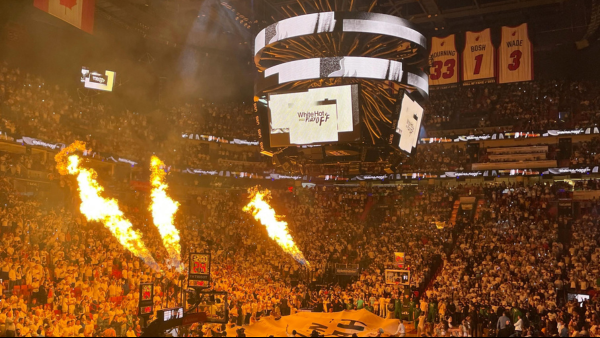
WNBA transformation

Cultural Impact

The effects of expansion extend beyond money. Expansion is necessary in order to enhance the culture of women’s sports. Younger generations of athletes and fans will be inspired by the increased exposure of female athletes as more teams compete and get media attention

The WNBA’s expansion is consistent with many shifts in women’s sports, where greater funding and media attention have created new possibilities and changed how not only sports fans, but how society views female athletes. By entering new markets, the league continues to push women’s basketball forward both culturally and socially.

Building The Next Era of The WNBA

The WNBA’s climate is changing significantly as it continues its historic expansion. The introduction of more franchises provides players with greater opportunities and additional cultural and economic advantages for surrounding communities. 

The WNBA is not only expanding in size, but also solidifying its position as a major force in women’s sports by choosing these potential cities and using lessons learned from precedent.

With a larger platform for women’s basketball to flourish, the next era promises new rivalries, packed arenas, and long-term opportunities for future generations.
WNBA Viewership Growth Offers a Blueprint for Women’s Sports

For years, the WNBA was underestimated and viewed as a secondary product, not a commercial force. Its numbers may still trail those of men’s leagues, but perhaps not for long. The WNBA is quickly becoming a business case study in how women’s sports can scale.

Driven by major gains in media deals, WNBA viewership growth, and a wave of rising global talent, the league is offering a real-time example of how to build women’s sports the right way.

Quick Highlights:

  • WNBA viewership jumped 170% from 2023 to 2024, with the Finals peaking at 18.7 million, its highest in 25 years.
  • The league’s 2025 expansion draft saw three international players taken in the top 10, highlighting the rise of international talent.
  • A new 11-year, $2.2 billion media deal and 42+ sponsors reflect growing commercial momentum and long-term confidence.
  • The league added the Golden State Valkyries in 2025. Toronto and Portland are set to join by 2026, with plans to reach 18 teams by 2030.
  • Stars like Caitlin Clark and A’ja Wilson have sparked record jersey sales and become generational role models inspiring young fans.
  • Globally, over 180,000 girls have participated in FIBA’s “Her World, Her Rules” program since 2018. 86 national federations signed on for 2025.
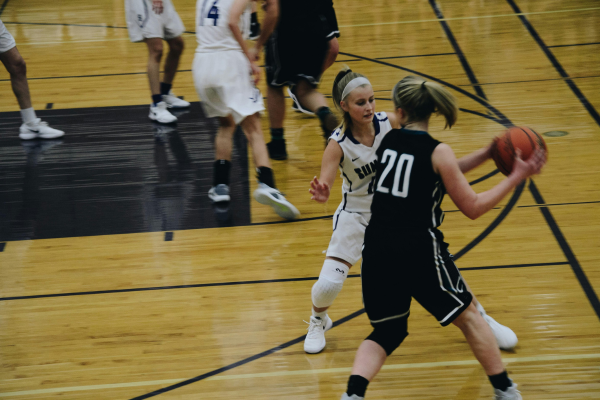
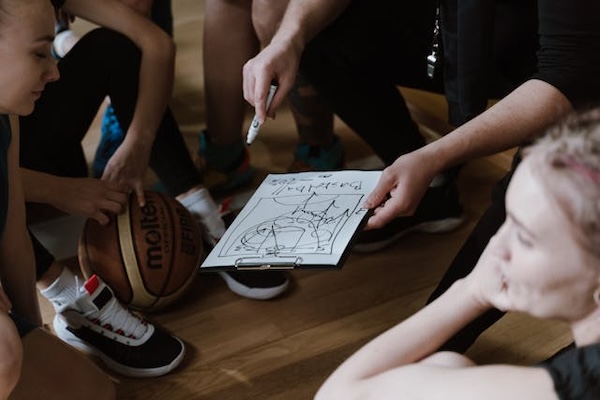
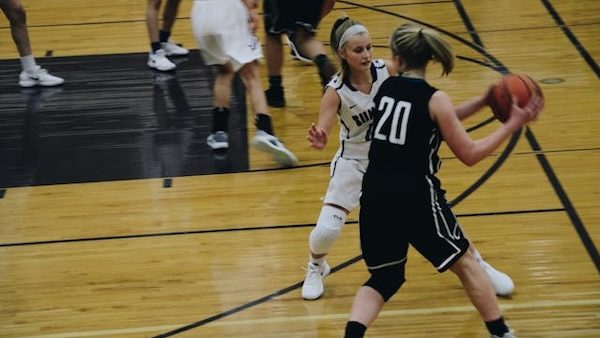
female basketball players on the court

Caitlin Clark and the Next Generation of Women’s Basketball

No story in sports last year has captured more attention than what people are calling the “Caitlin Clark Effect.” Drafted No. 1 overall by the Indiana Fever, Clark entered the league with record-breaking NCAA credentials, millions of social media followers, and the kind of spotlight usually reserved for top NBA prospects. And she’s lived up to the hype.

Wherever she plays, she generates numbers. Even her regular-season games have pulled in TV ratings that rival some NBA playoff matchups. Her debut against the Connecticut Sun drew 2.1 million viewers, the most-watched WNBA game in over 20 years. 

And when Clark returned from a quad injury in June 2025, her comeback broadcast averaged an extraordinary 2.2 million viewers, marking ESPN’s third most-watched WNBA game ever and trailing only her own previous records.

Kamilla Cardoso, Angel Reese, Paige Bueckers, and Dominique Malonga are also helping shape the league’s future. With standout play, social reach, and an entrepreneurial mindset, they’re drawing younger, more diverse fans and even influencing how the league and veteran players think about branding.

female basketball players dribbling

WNBA Viewership Figures: An Outstanding Model for Growth

While it’s difficult to pinpoint one sole factor behind successful business growth, the WNBA stands out as a clear example of how an audience-focused and commercially sustainable sports league can take shape.

The WNBA’s landmark 11-year, $200M annual media rights deal with Disney, Amazon Prime Video, and NBC Universal kicks off in 2026. That figure more than triples the league’s current media revenue. Additionally, the partnerships guarantee greater WNBA viewership, with over 125 games broadcast each year. 

The momentum expands beyond media rights. Breanna Stewart, Vice President of the WNBPA, is leading efforts to expand player influence. Through critical labor negotiations on pay equity and working conditions, she is developing a league where athlete voices drive policy.

Off the court, players are leveraging their brands year-round with Caitlin Clark as the top runner. With her upcoming Nike signature shoe, the deal is projected to generate $100 million, and her record-breaking jersey sales are examples of new revenue streams and growing fan engagement that extend beyond game time. 

Together, these developments illustrate how the WNBA is setting a new standard in women’s sports by combining athletic excellence and strategic brand activations.

WNBA basketballs

Why Education Matters in the WNBA’s Growth Model

Education is crucial to advancing women’s sports, not only by encouraging girls to participate, but by transforming how society values and supports female athletes.

Programs like the WNBA’s mentorship initiative, which reached over 50,000 girls in its first year, and the 50% rise in female enrollment at Sydney sports schools after the Women’s World Cup, show how education and visibility create lasting opportunities.

When it comes to constructing a more informed and supportive culture around women’s sports, education is paramount. Raising awareness around category-specific issues like fertility care and ACL injuries helps ensure the game continues to grow on and off the court.

future WNBA basketball player looks up at the net

The Cost of Building Something New

The WNBA has never had an easy financial path, with reports estimating annual losses of around $10 million per season. But that’s starting to change.

What was once seen as a long-term uphill battle is now showing signs of real progress. With rising WNBA viewership and attendance, stronger player branding, and a wave of new corporate investment, the league’s financial outlook is finally beginning to shift in a promising direction. 


Big East Inks New Media Rights Deal

The Big East has signed a new media rights deal with broadcasting giants Fox, NBC, and TNT. Fox will serve as the lead network in this six-year agreement, which will begin at the start of the 2025-26 academic year and run through 2031. This new deal represents a significant financial boost for the Big East. By the end of the current 12-year deal, the conference will have collected $500M in rights fees, averaging just under $41.7M per year. The new agreement is estimated to nearly double the annual rights payments. This increased revenue is set to create new opportunities not only for men’s basketball, but also for women’s basketball and niche women’s sports.

the big east

Big East Gains NBC, TNT as CBS Exits

CBS, a longtime media partner with the Big East, has decided not to renew its contract with the conference. However, the addition of NBC and Warner Bros. Discovery-owned TNT compensates for the loss, ensuring that over 150 men’s basketball regular-season games will be broadcast across various platforms. This coverage includes all league games and Big East tournament matchups. To maintain its position as the lead partner, Fox will air at least 80 men’s and women’s basketball games each season and will continue broadcasting the iconic men’s Big East Tournament final.

Peacock, a subsidiary of NBC, will expand its live sports portfolio by covering 25 regular-season games and 5 tournament games for the league’s men’s basketball this season. In the 2025-26 season, Peacock will take on an even bigger role, airing over 60 games, including both men’s and women’s basketball. TNT Sports will broadcast around 65 regular-season games per year once the new deal begins. These changes ensure extensive and diverse media coverage for Big East basketball, including streaming to enhance visibility and accessibility for fans.

Boost in Recruitment and Financial Stability 

The conference expects that this new media rights deal will attract top transfer portal talent due to the financial flexibility it provides to Big East universities. Creighton University President Daniel Hendrickson stated, “The arrangement will provide enhanced revenue and long-term stability for the conference, create benefits for our student-athletes, and allow us to remain nationally competitive in our marquee sport: basketball.”

Women’s basketball talent, in particular, will feel the impact of this deal due to the combination of financial flexibility and tripling of TV coverage. Many female athletes want to play on the big stage, and the Big East can now facilitate that. Attracting new transfer talent has already begun with Jada Blagrove moving to St. John’s, Kaitlyn Chen to UConn, and Faith Masonius to Seton Hall.

A New Era for Women’s Sports Visibility

The new media rights deal significantly boosts coverage for women’s sports, tripling the visibility of women’s basketball and ensuring the annual broadcast of women’s championship matches in soccer, lacrosse, volleyball, and softball. With major networks like Fox, NBC, and TNT now airing these events, niche women’s sports will reach a larger audience and gain greater recognition.

This increased exposure can attract more sponsorships and support for women’s athletic programs, improving facilities and resources for female athletes. It also marks a pivotal shift towards equality in sports media coverage, driven by standout performances from athletes like Caitlin Clark. Showcasing women’s sports on major networks gives these athletes the recognition they deserve and provides young girls with role models. This can inspire a new generation of female athletes, fostering broader acceptance and fandom of women’s sports, and promoting a more inclusive and diverse athletic landscape.

More NIL Deals for Women

With the rise of Name, Image, and Likeness (NIL) deals, female athletes can capitalize on their growing popularity. During the latest March Madness basketball season, four of the top five NIL earners were women, such as Caitlin Clark, Angel Reese, Flau’jae Johnson, and Paige Bueckers. The expanded media coverage ensures that NIL opportunities extend beyond men’s basketball and football, enabling female athletes in niche sports to secure endorsements and build personal brands. This holistic boost drives equality and expands the overall landscape of collegiate athletics.

the big east

Looking ahead for the Big East, it’s clear the conference’s storied history is poised for even greater heights. The new influx of cash will attract top talent and keep the conference competitive. The expanded coverage, especially for women’s sports, is a major win, giving these athletes the visibility they deserve. With the rise of NIL deals, female athletes in niche sports can now secure endorsements and grow their personal brands. This deal not only strengthens the Big East’s legacy but also promotes equality and growth in college sports, setting the stage for an exciting future.

Sources:

  1. https://www.sportspromedia.com/news/big-east-conference-fox-nbc-tnt-sports-media-rights-deals/#:~:text=Fox%20to%20continue%20as%20league’s,2031%2C%20while%20CBS%20exits%20partnership.&text=The%20Big%20East%20Conference%20has,TNT%20Sports%20as%20new%20partners.
  2. https://www.sportsbusinessjournal.com/Articles/2024/06/24/big-east-fox-nbc-tnt-sports-media-rights-deal
  3. https://www.sportico.com/business/media/2024/big-east-media-rights-deal-fox-sports-nbc-tnt-1234785885/
  4. https://247sports.com/college/xavier/article/big-east-new-tv-deal-media-streaming-fox-nbc-warner-brothers-tnt–233293363/
  5. https://www.nbcsports.com/pressbox/press-releases/big-east-announces-new-media-rights-agreement
  6. https://www.thenexthoops.com/ncaaw/big-east/big-east-notebook-media-rights-deal-top-transfer-talent/
  7. https://iconsource.com/blog/empowering-women-in-college-sports/

Caitlin Clark WNBA Draft: How the #1 Pick Changes Basketball

This past women’s college basketball season, all eyes have been on Caitlin Clark. She shattered countless records, including the college basketball scoring and three-point records, achieved a 40-point triple double in a tournament game, and amassed 3,000 points and 1,000 assists. Leading the Iowa Hawkeyes to the NCAA Tournament final, Clark ultimately fell to undefeated South Carolina. She was the top pick in the WNBA draft, with massive media attention and a stacked rookie class. As the women’s NCAA tournament gains popularity, the WNBA and its teams eagerly embrace Clark, while some current and former women’s basketball stars aim to temper expectations.

wnba draft

The League

The WNBA launched in 1997 and saw its most-watched season in over a decade last year. Increased attendance, viewership, gambling, and fan engagement signal that the WNBA and women’s sports are on the rise. Women’s college basketball has also been dominating sports discussions lately, with record-breaking viewership during the tournament. The championship game alone averaged around 19M viewers, marking the highest viewership for a basketball game in five years and the most-watched annual sporting event outside of football since 2019. Caitlin Clark, the top WNBA draft pick, has been a major focus, but she’s not the only standout. The draft drew 2.4M viewers, showcasing the class’ collective star power, including Paige Bueckers, Angel Reese, Kamilla Cardozo, Juju Watkins, Cameron Brink all poised to lead the WNBA into its next era.

After a standout year in the WNBA and college basketball, how will the league leverage its incoming talent? WNBA commissioner Cathy Engelbert likened this draft class to the NBA’s 1979 class with Magic Johnson and Larry Bird, which revitalized the NBA. They’d come just in time- former CBS President Neal Pilson claimed he “almost took the NBA off the air.” This moment also aligns perfectly with the WNBA’s US TV rights deal up for renewal in 2025, aiming to double their revenue from the current $60M deals with ESPN, Amazon, and Ion. They’ve also secured a multi-year deal with TNT Sports for international broadcasts.

The Teams

Rarely does a player emerge who shakes up the league before being drafted, but Caitlin Clark is one such phenomenon. The hype surrounding the Iowa star has prompted WNBA teams to revamp their storytelling, marketing, capacity, and audience. This is evident in the extensive preparation for arguably the most talked-about female athlete worldwide. The consensus top pick in the draft was virtually assured, leading the Indiana Fever to secure a staggering 36 out of 40 national television appearances before the draft. To put this in perspective, the last time the Fever made the playoffs was in 2016, with only one winning season since their 2012 WNBA Championship. Last season, they had just 22 national broadcast games, one on ESPN and none on ABC, with some games only streamed on Facebook. The Caitlin Clark effect is palpable, and the Fever plan to ride that wave as far as her star power takes them.

Teams like the Las Vegas Aces and Phoenix Mercury are also capitalizing on Caitlin Clark’s popularity to elevate their brand. The Aces relocated a game to T-Mobile Arena, expanding seating from 12,000 to 18,000 in anticipation of Clark’s presence. The Mercury framed their June 30th game against the Fever as Taurasi vs Clark, emphasizing the showdown between the GOAT and the Rook. They even promoted Clark with a silhouette and her jersey number before the draft to drive ticket sales. This buzz is just the start, with excitement building as the new rookie class hits the court.

The Players

Some veteran players and WNBA legends view the new rookie class, especially Caitlin Clark, as competition rather than allies. Diana Taurasi and Brianna Stewart, both UConn alumni with a combined 5 WNBA and 7 NCAA championships, have publicly criticized Clark’s style of play. Taurasi’s viral comment about Clark facing “grown women” and the “reality” of playing in the WNBA received backlash, while Stewart emphasized the importance of winning championships, despite acknowledging Clark’s records. Their remarks contrast with positive feedback from former number one pick Chiney Ogwumike, who hailed Clark as the greatest shooter in basketball.

Ogwumike, a respected analyst and former WNBA All-Star, highlighted Clark’s long-range shooting and dynamic playmaking abilities showcased at Iowa. She said that Clark will definitely have her “welcome to the league moments,” but believes Clark will make a significant impact on the Indiana Fever. Notably, Ogwumike included Clark on her college basketball Mount Rushmore, underscoring her potential to leave a lasting legacy in the sport.

Looking Ahead 

Despite differing opinions within the basketball community, Clark’s arrival has undeniably sparked excitement for the upcoming season. She comes during a rising tide for women’s basketball, with the NCAA Tournament and WNBA draft garnering more attention than ever. As she transitions from collegiate success to professional competition, all eyes will be on her as she navigates the challenges and opportunities of the WNBA. Whether she lives up to the hype or faces setbacks, Clark’s journey is sure to be closely followed by fans and critics alike. The WNBA’s ability to capitalize on the popularity of incoming draft class stars like Clark should shape the narrative of women’s basketball for years to come.

Sources:

  1. https://www.indystar.com/story/sports/basketball/wnba/fever/2024/04/10/indiana-fever-get-most-national-tv-games-on-wnba-2024-schedule-caitlin-clark-aliyah-boston/73277269007/ 
  2. https://www.cbsnews.com/news/caitlin-clark-wnba-las-vegas-aces-game-bigger-venue-indiana-fever-anticipated-to-be-first-draft-pick/ 
  3.  https://www.sportspromedia.com/news/wnba-tv-deal-tnt-sports/ 
  4. https://www.cnn.com/2024/04/10/us/ncaa-womens-basketball-ratings-dg/index.html
  5. https://espnpressroom.com/us/press-releases/2023/04/espn-platforms-set-unparalleled-records-with-ncaa-division-i-womens-basketball/
  6. https://www.outsports.com/2024/4/10/24091129/wnba-draft-caitlyn-clark-indiana-first-pick-diana-taurasi-breanna-stewart/
  7. https://ftw.usatoday.com/lists/the-brewing-beef-diana-taurasi-has-with-caitlin-clark-explained
  8. https://www.wnba.com/news/2023-season-record-breaking-success-recap 
  9. https://espnpressroom.com/us/press-releases/2023/10/espns-game-4-of-the-2023-wnba-finals-presented-by-youtubetv-is-most-watched-game-on-record/ 
  10. https://www.usatoday.com/story/sports/wnba/2024/04/15/caitlin-clark-wnba-draft-indiana-fever-angel-reese-cathy-engelbert/73308027007/ 
  11. https://bleacherreport.com/articles/10117128-2024-wnba-draft-draws-record-24m-viewers-amid-caitlin-clark-angel-reese-hype 
  12. https://www.azcentral.com/story/sports/wnba/mercury/2024/04/09/phoenix-mercury-release-tickets-indiana-fever-caitlin-clark/73263900007/ 
  13. https://www.overtimeheroics.net/2024/04/08/caitlin-clark-is-the-most-impactful-player-that-the-game-has-seen-in-a-generation-espn-analyst-chiney-ogwumike-believes-clark-should-be-considered-for-ncaas-mount-rushmore/

March Madness Commercialization: Fans vs Brand Marketing

March Madness is undoubtedly the epitome of college basketball. Consuming an entire month with its unforeseen heartache, improbable Cinderella stories, and gut wrenching battles between powerhouse teams, this NCAA basketball tournament might even be the epitome of college sports. Sixty-eight teams, three weeks, and a war to be the best. Despite such perfection at hand, it appears certain stakeholders are seeking to change the March Madness we all know and love.  

ncaa basketball tournament

Potential Expansion

For the first time ever, there is an internal push for an expansion of the tournament. SEC Commissioner Greg Sankey recently voiced his opinion, promoting expansion alongside awarding more bids to power conferences and less to weaker ones. The surprisingly popular model poses greater opportunities for brands and viewership money. It could also prevent witnessing another No. 16 seed defeat a No. 1 seed like with Farleigh Dickinson and Purdue—something that brings the “madness” to the March tournament. This expansion tradeoff will likely diminish overall fan interest in the tournament while opening the cash floodgates, leaving many to wonder if March Madness is just another money grab.

The Bigger the Better?

There is no universally decided final bracket. However, some expansion predictions would increase the size of March Madness to an astounding 96 teams, adding almost an additional 30 teams to the tournament. While adding more teams makes the tournament more inclusive, it also poses huge implications.

Many fans already dismiss the first four games in the current bracket. Expanding it could worsen this issue without offering significant financial incentives. TV providers may even resist expansion, fearing it would dilute the NCAA basketball tournament’s appeal and reduce overall popularity. After all, what excites viewers most about March Madness is that it is reserved for the elite. However, one factor could sway opinions: bids. Power conference commissioners often advocate for more bids, making expansion seem more practical. With more prestigious teams, there’s potential for more exciting matchups and increased viewership, something the networks could get behind.

ncaa basketball tournament

The College Football Problem

While money is essential to any successful product, college basketball faces an even greater challenge: college football.  A larger tournament would need to start earlier, forcing the regular season to follow. Games would be thrown deeper into a period where football is already getting almost everyone’s undivided attention. This challenge arises as the College Football Playoff gains momentum, having recently secured a lucrative 6-year media rights deal with ESPN worth $7.8 billion. It’s difficult to envision any positive outcome resulting from this clash of schedules.

Final Considerations

There will always be those for and those against an expansion, and for good reason. Sports would not be where they are today without evolution. Those for the expansion are all about inclusivity: bigger has always worked for the NCAA. If the tournament is at its best now after so much expansion from an initial 8 teams, then why stop? College football is also used as an argument–  over half of the teams find their way to bowl games, making it unfitting for just 20% of college basketball teams to make their tournament. Those against the expansion contrast the early days of March Madness and its recurring expansions with the reluctance to make changes in recent years, signaling perfection has been found. Whether in favor or against the potential expansion, the elephant in the room remains: is March Madness just another money grab?

Sources:

  1. https://www.sportingnews.com/us/ncaa-basketball/news/march-madness-expansion-adding-teams-ncaa-tournament/ac81f6b376fcc921a8993fe2
  2. https://www.washingtonpost.com/sports/2024/03/25/ncaa-tournament-expansion/
  3. https://apnews.com/article/march-madness-expansion-8e7a9c029bf12f6261538750cab4c9a5
  4. https://www.si.com/college/gonzaga/basketball/should-the-ncaa-tournament-expand-its-field
  5. https://blog.opensponsorship.com/leveraging-athlete-partnerships-in-march-madness-for-brand-exposure
  6. https://talksport.com/sport/1775517/ncaa-march-madness-college-football-playoff/

Dartmouth Basketball’s Unionization: The Downfall of Amateurism

March Madness is in full swing, showcasing 68 college teams vying for the championship and captivating millions of viewers. Teams not in contention for the national title are either participating in other postseason tournaments or winding down for the offseason. Dartmouth Basketball, currently in offseason mode, isn’t simply waiting around. They’re actively campaigning for employee status and collective bargaining rights. After voting to unionize, Dartmouth is set on shaking up college sports.  

March 5th, the date when the Dartmouth men’s basketball team voted to unionize, might soon be seen as the beginning of the end for amateurism. The team’s 13-2 vote to join SEIU (Service Employees International Union) Local 560 made them the first unionized college sports team in America. SEIU assists roughly 2M members across the U.S. and Canada in obtaining adequate compensation for their labor and improving their working conditions. Before the landmark vote, NLRB regional director Laura Sacks was already building their case. She publicly stated that an employer-employee relationship does exist between the Dartmouth basketball players and the college. The players, she explained, “benefit their school through things like alumni donations and publicity… and that Dartmouth exercises a lot of control over that work.”

dartmouth basketball

Not everyone is supportive of this movement. The Dartmouth Board of Trustees are opposed to the union vote as they aim to uphold the tradition of amateurism in college sports. Their lack of support stems from their efforts to maintain the status quo, prompting them to petition the National Labor Relations Board to intervene and overturn the decision. For decades, universities and the NCAA have upheld a model of college athletics where athletes dedicate themselves to practice, training, and competition without financial compensation. This setup ensures greater profits for the NCAA and universities alike. While recent changes allow athletes to profit from their name, image, and likeness, significant revenue opportunities remain elusive, particularly for non-Power 5 athletes, including those in the Ivy League.

In Division I athletics, especially in high-revenue sports like football, basketball, and hockey, most teams provide scholarships to nearly all players. Non-revenue sports typically offer 10 to 13 scholarships for men’s teams and 12 to 20 for women’s teams. Ivy League teams are ineligible for athletic scholarships; instead, they offer financial aid based on academic and financial need. Despite this aid, Ivy League students face higher costs than average. For example, Princeton, the most affordable Ivy League school, costs around $80K annually before financial aid. Ivy League student-athletes juggle demanding Division I schedules and tough academics with fewer opportunities for NIL deals and national exposure. Many feel representing their universities brings little tangible benefit. With these challenges in mind, Dartmouth athletes hope to change that narrative and shift the power from the universities to the athletes. 

Unionizing allows Dartmouth men’s basketball players to access improved health and insurance benefits, negotiation power for pay, better working conditions (including practice hours and travel), and more. Juniors Cade Haskins and Romeo Myrthil advocate for a fairer business model in college sports, including unions for Ivy League players. Establishing a Players Association aims to promote unity, advocate for athletes’ rights and well-being, and facilitate collaborative decision-making. This milestone signifies progress towards ending amateurism in college athletics.

While the March 5th vote won’t immediately classify all student-athletes as employees, it represents a significant step towards securing their rights. Official recognition of the union and collective bargaining remains months away, but college athletes, universities, and fans can anticipate positive changes to come.

Sources:

  1. https://apnews.com/article/dartmouth-union-ncaa-basketball-players-2fd912fade62ffd81218a6dc91461962
  2. https://www.npr.org/2024/03/05/1235877656/ncaa-dartmouth-mens-basketball-union-election-nlrb
  3. https://theathletic.com/5319403/2024/03/06/dartmouth-basketball-union-explained/
  4. https://www.nytimes.com/2024/03/05/us/dartmouth-basketball-union-athletes-employees.html
  5. https://www.recruitref.com/blog/what-sport-gives-the-most-scholarships#:~:text=In%20Division%20I%20men’s%20sports,%2C%20ice%20hockey%2C%20and%20basketball.
  6. https://www.causeiq.com/organizations/service-employees-international-union-560-local,036016587/
  7. https://www.politico.com/news/2024/03/05/dartmouth-basketball-team-union-vote-00144965#:~:text=But%20leaders%20of%20the%20Dartmouth,the%20basketball%20team%20also%20worked.

The Caitlin Clark Effect: Can the WNBA Sustain the Momentum?

Just last week, Iowa’s Caitlin Clark announced her commitment to enter the 2024 WNBA draft once this season comes to a close. Days later, Clark broke the record for most career points in NCCA history. After an absolutely scorching season and college career, the WNBA has the opportunity to capitalize and turn this momentum into a movement for women’s basketball – but can they sustain it?

The WNBA has struggled since its inception to garner support from fans, paling in comparison to its NBA counterpart. The NBA is a multi-billion dollar business while the WNBA remains in the low millions to this day. Viewership has massive disparities between the leagues. In 2023, the WNBA drew an average of 728K viewers during finals – an impressive stat considering its 36% increase over the previous year and 20-year-high record viewership overall. In contrast however, the NBA witnessed an average of 11.64M viewers. Despite incredible growth in recent years, the metrics simply do not come close.

But there is growth – an exponential shift taking place that could set the league on a path to greater success.

How the Caitlin Clark Effect Has Re-energized the WNBA

Leveraging the wave of support fans have built for star players like Clark and LSU’s Angel Reese (a duo that, together, blew records off the door with an astonishing 9.9M viewers tuning into their rival championship game) is the key to the future of the WNBA. Many talented women’s basketball players have similar stories – the rise up through their college teams, taking March Madness by storm, and winning NCAA Championships. Diana Taurasi, Sheryl Swoopes, Sue Bird, Lisa Leslie… the list could go on and on. The level of skill and ability to get a crowd off their feet is unmatched, but something different is happening with the latest generation. 

caitlin clark

Breaking Viewership Records and Brand Opportunities in Women’s Basketball

The excitement for these young women has blossomed in a way that we haven’t quite seen before. The 2024 Big Ten Tournament has sold out completely for the first time, ever, in anticipation of Caitlin Clark’s appearance in the tournament. This comes after a completely sold out 2023-2024 season for Iowa women’s basketball – another first of its kind stat for the school. Not only are they selling out, but the average prices for seats at one of Clark’s games skyrocketed, setting sales records all season. There is an evident shift in the appetite of fans to show up and show out for their star players – something that must be harnessed by the WNBA to sustain its success and continue to flourish.

Leveraging unique viewing opportunities and spotlighting exciting players through social media is certainly a piece of the puzzle. In anticipation of Clark’s recent game against Maryland, Fox tapped into its TikTok audience with the Caitlin Clark Cam – providing an experience for viewers unlike the typical game feed that resulted in viewership of over 800K people alone. Cross-collaboration is another: the recent NBA All-Star Weekend first of its kind 3-Point Challenge with Sabrina Ionescu vs. Stephen Curry put these fan favorites in a toe-to-toe match that eclipsed the dunk contest by a mile, causing a storm of media excitement.

caitlin clark

What Teams, Sponsors & Agencies Must Do to Maintain the Momentum

In just six weeks the WNBA draft will prove a solid indicator of what’s ahead. With Caitlin Clark projected as the No. 1 pick by the Indiana Fever, ticket sales have already soared. Ticket website Vivid Seats estimates prices to double year-on-year with Clark on the squad. As for the WNBA, the league has a ways to go to catch up with NBA’s massive fan base and revenue. But armed with Clark and the next generation of female basketball stars, they’re definitely headed in the right direction.

Sources:

  1. https://frontofficesports.com/big-ten-womens-tournament-sells-out-for-first-time/?utm_source=Athelo+Group&utm_campaign=1c1992aadb-EMAIL_CAMPAIGN_2020_08_20_10_53_COPY_01&utm_medium=email&utm_term=0_9477e18c65-1c1992aadb-
  2. https://www.wsn.com/nba/nba-vs-wnba/
  3. https://www.statista.com/statistics/240377/nba-finals-tv-viewership-in-the-united-states/#:~:text=The%202023%20NBA%20Finals%20were,the%20Boston%20Celtics%204%2D2.
  4. https://www.usatoday.com/story/sports/ncaaw/2024/02/28/caitlin-clark-tickets-final-home-game-most-expensive/72776115007/
  5. https://www.nba.com/news/2024-stephen-vs-sabrina-3-point-challenge
  6. https://twitter.com/caitlinclark22/status/1763313652277412179?s=42&t=BC9_zv0yoQ3gzEhZIjkJAw
  7. https://www.nytimes.com/2023/04/03/sports/ncaabasketball/lsu-iowa-womens-tournament-ratings-record.html
  8. https://www.thegazette.com/iowa-basketball/iowa-womens-basketball-sells-out-2023-24-season-tickets-for-first-time-in-program-history/ 

From Olympic Basketball to Flag Football: How the Olympics Boost Youth Sports

Ever since the 1992 Dream Team, there have been major benefits to NBA players participating in the Olympic basketball. Flash forward to today, and the NBA is a global brand with audiences from all corners of the world and all age groups. So when will other big U.S. sports follow suit? The NBA, NFL, and MLB have been left out of the Olympics for the better part of a decade and potentially will be in 2028 and 2026, neglecting a major opportunity for global expansion. Most critical to growth, putting these sports on the Olympic stage captures younger audiences and maximizes exposure. During periods in which NBA players compete in the Olympics, there are large spikes in participation among youth basketball compared to overall participation. Considering U.S. basketball has won gold in sixteen of the nineteen Olympic tournaments they’ve entered, the correlation is no surprise. Sporting success at the highest level inspires younger generations to pick up the game. 

olympic basketball

The NBA Success Model

While Olympic participation isn’t the only factor in youth participation, it provides an undeniable boost. After the 2008 Olympics when the U.S. clinched gold, more kids than ever took up basketball for the first time. There was a surge in participation for children aged 7-11 and 12-17 for youth basketball in 2009. For the NBA to continue this growth, they need future generations to stay engaged year-on-year. To make this possible, they must secure their top players’ participation in the Olympics. Lebron James hasn’t played since 2012, and Steph Curry has never played in the Games. Lebron and Steph are just two of many All-NBA players who have opted out in recent years. As we’ve seen with players like Paul George, Olympic participation does open up risks for injury outside of regular season play. Star basketball players in the NBA will have to weigh this risk with how their participation could benefit the league and basketball at large.

As other top American sports leagues explore the potential of Olympic expansion, they lean on the NBA’s success as a model. The NHL, for example, recently announced it would allow their players to participate in the Olympics for the first time since 2014. Similarly, flag football will be included in the Olympics beginning in 2028, which allows for NFL players to get in on the action. Baseball is also set to make its return as an Olympic sport that same year. These additions could provide massive boosts for the sports individually and the Olympics as a whole.

olympic basketball

NHL Seeks Another “Miracle on Ice” Moment

U.S. ice hockey has yet to secure another Olympic gold medal since the 1980 “Miracle on Ice.” Back in the 80s, their victory sparked an increase in youth participation, providing young American players with a memorable triumph to cherish. Decades later, U.S. hockey hasn’t medaled since 2010, and without consistent NHL participation, they haven’t even reached the bronze medal game. This all could change in 2026, as the NHL announced they’re returning to Olympic participation in time for Milan’s Winter Games. NHL commissioner Gary Bettman called the decision “the right thing to do,” citing that it “came down to doing something because the players really wanted it.” With players like Pittsburgh Penguins’ Sidney Crosby competing on the world’s stage in 2026, U.S. ice hockey awaits an exciting opportunity to capture a younger generation of players and fans.

MLB‘s Olympic Revival

MLB has been on a recent campaign to reignite engagement with rule changes and pitch clock enforcement. Olympic participation is one more avenue for MLB to supplement their growth plan, but much depends on the sport’s inclusion in future Games. While baseball returned to the Olympics in Tokyo after a 12-year absence, it will not be featured in Paris this summer. The sport is slated to make its Olympic comeback once more in 2028, with many major leaguers eager to participate. Reports indicate that both owners and players have advocated for major league athletes to compete in 2028. Despite a decline in children playing baseball since 2008, which saw just 17% of children ages 6-12 regularly participating, having MLB stars in the Los Angeles Olympics could reignite youth viewership, interest, and participation—a trend MLB has been striving to foster.

olympic basketball

NFL and Flag Football

The next sport to enter the Olympics is flag football. Many NFL players have expressed interest in participating including Dolphins star wide receiver Tyreek Hill. American football in any capacity has never been a part of the Olympics, so this move could play a major role in growing the game amongst youth outside of America. The NFL has already taken steps to increase its international presence, with games in London, Germany, Mexico, and soon to be Brazil. They have also introduced the International Home Marketing Areas initiative. This gives teams the opportunity to market to strategic countries, ideally creating a secondary home territory of international fans. Coupling these efforts with participation in Olympic flag football, the NFL has the push it needs to appeal to youth on an international level.  

Looking Ahead

No matter the sport, there’s an undeniable phenomenon tying youth participation and the Olympics together. Kids see their home country competing on the world’s biggest stage and feel inspired to take up the sport themselves. We saw this best back in 1992 when U.S. basketball’s Dream Team, stacked with legends like Charles Barkley and Scottie Pippen, captivated adults and children alike. The NBA’s global presence steadily climbed and more kids picked up a basketball than ever before. As more and more popular U.S. sports join the Games, many believe a similar Olympic effect is destined to occur.

Sources:

  1. https://apnews.com/article/nhl-olympics-b251c32f624639f76be2a3f510d7a313
  2. https://sports.yahoo.com/mlb-team-owners-increasingly-supportive-of-allowing-stars-to-participate-in-2028-la-olympics-per-report-024059541.html#:~:text=There%20won’t%20be%20any,Athletic’s%20Evan%20Drellich%20reported%20Wednesday
  3. https://www.nfl.com/news/tyreek-hill-other-nfl-players-could-play-flag-football-in-2028-olympics#:~:text=NFL%20executive%20Peter%20O’Reilly,by%20the%20International%20Olympic%20Committee 
  4. https://www.samford.edu/sports-analytics/fans/2016/olympics-good-or-bad-for-the-nba 
  5. https://www.tandfonline.com/doi/pdf/10.1080/13504851.2015.1068916#:~:text=The%20trickle%2Ddown%20effect%20assumes,sporting%20success%20to%20participate%20themselves
  6. https://abcnews.go.com/Sports/phillies-bryce-harper-hopes-mlb-allows-players-olympics/story?id=104024883#:~:text=Professional%20players%20were%20first%20allowed,Olympics%20(held%20in%202021)
  7. https://www.statista.com/statistics/982278/participation-kids-baseball/ 
  8. https://operations.nfl.com/journey-to-the-nfl/the-nfl-s-international-impact/the-nfl-international-series/
  9. https://operations.nfl.com/updates/the-game/nfl-announces-additional-international-home-marketing-areas/

How NBA Jerseys Are Boosting the Fan Experience

When the NBA Jersey Patch Program was mentioned over a decade ago, deputy commissioner Adam Silver believed it would bring in a combined revenue of $100M across all 30 NBA teams. At first, fans feared this would merge the NBA with the corporate world. Critics drew comparisons to European soccer teams and worried brand placements would overshadow the team or city across the players’ chests. But sponsorship was nothing new within the sport: companies already sponsored basketball venues like the United Center, Barclays Center, and the Kia Center. It was only a matter of time before sponsored NBA jerseys became the new norm.

jersey sponsors

Teams and Sponsors Win Big

In the current NBA landscape, the program is projected to bring in over $250M annually, with innovation occurring year by year within jersey patch sponsorships. Last season, these sponsorships comprised nearly 15% of overall NBA sponsorship revenue, which netted a total $1.6B. And the benefits are mutual: companies with their logo on an NBA jersey win, too. They generate constant brand exposure to the millions of fans watching worldwide and earn opportunities to directly impact the fan experience at NBA games.

Fostering Fan Connections

The NBA first rolled out jersey patch sponsorships back in 2017, with two-thirds of teams joining this new-age marketing mechanism. Flash forward to this season, and fans will notice only three teams without them. Teams like the Orlando Magic and the Toronto Raptors have remained loyal to their sponsors for all seven seasons. Although teams may change sponsors, they typically stick with local brands and resonate with their fans and culture. For example, the Utah Jazz are in their first year of a jersey patch sponsorship deal with LiveView Technologies, a Utah-built and based national provider of innovative life safety and security technology. Ryan Smith, governor of the Utah Jazz, said, “We’re excited to feature the LVT logo on our jerseys and continue using that prominent space to celebrate the innovative, hard-working mindset that Utah is all about.” Sharing similar goals and mindsets is a key factor in developing a sports partnership, which is why LVT was a slam–dunk sponsorship fit for the Utah Jazz.

nba jerseys

Netting Engagement Among Younger Audiences

NBA teams are also utilizing jersey patch sponsorships to cater to younger audiences. By appealing to younger age ranges, typically 18–32, these teams are building longevity for their brand. The Charlotte Hornets’ new jersey patch sponsorship with MrBeast’s snack brand, Feastables, exemplifies this tactic. The sponsorship signifies the first creator-led company to partner with an NBA franchise. With over 230M subscribers on Youtube– the most by an individual creator– MrBeast has made a substantial impact in the content creator space. Considering 77% of internet users 15–35 years old watch YouTube, there’s a high probability this demographic either consumes or is familiar with MrBeast’s content. With the increase in influencers on YouTube and other social media apps like TikTok and Instagram, the Hornets could be the first franchise of many to wade into influencer marketing. Sponsorships could become less about showcasing faceless brands and instead move to elevating the platforms of online creators. In this new era, we can expect to see more NBA teams follow suit by placing a special focus on how younger audiences identify with their sponsors. Capturing the next generation not only ensures that the NBA maintains its millions of viewers each season, but also increases the revenue within the Jersey Patch Program.  

nba jerseys

Innovative Tech in NBA Jerseys

As technology becomes more prominent in our lives, we are bound to see innovation within jersey sponsorships on and off the court. We have already seen this from the Indiana Pacers, whose jersey patch sponsor, Spokenote, debuted their QR Code feature this month. This allows Spokenote to deliver content from within a live game, showcasing their “digital sticky note” product. For the Phoenix Suns, their jersey patch sponsorship deal with PayPal will elevate the fan experience by offering innovative payment solutions at the arena as well as online. This new agreement at the beginning of 2023 includes a Jersey Giveback program, where a portion of proceeds from jersey sales will be donated to non-profit organizations in the Phoenix area. This not only benefits the team and its sponsor but also the local communities of these teams, showcasing technological innovation and sports sponsorship centered around fan engagement.

While NBA jersey sponsors were initially met with skepticism, they now give significant boost to team finances and the NBA at large. Across professional sports, partnerships are increasingly embraced by companies aiming to leave their mark on one of the world’s highest revenue-generating industries. In just seven years of jersey sponsorships, there has been tremendous growth. With more teams switching to tech, financial sponsors, and even entertainment entities like MSG’s Sphere, there is promising improvement in not only delivering live content to fans but also in the overall fan experience at NBA games.

Sources:

  1. https://www.sportsbusinessjournal.com/Articles/2024/01/03/indiana-pacers-spokenote-jersey-ad-patch
  2. https://www.dailymail.co.uk/sport/nba/article-11792607/New-York-Knicks-eye-record-30m-year-jersey-sponsorship-rival-league-high-Nets-deal.html
  3. https://analyticsblog.blinkfire.com/blog/2022/10/26/2022-23-nba-jersey-patch-sponsors/
  4. https://www.forbes.com/sites/mikeozanian/2023/10/16/nba-sponsorship-revenue-hits-record-166-billion/?sh=326dfa972279
  5. https://www.sportspromedia.com/news/us-sports-sponsorship-revenue-2023-sponsorunited-mlb-nfl-nba-mls-nhl-wnba/#:~:text=National%20Basketball%20Association%20(NBA)%20franchises,over%20the%202022%2F23%20season
  6. https://www.marketingbrew.com/stories/2023/10/27/some-of-the-newest-nba-jersey-sponsors-are-brands-you-might-not-expect
  7. https://neoreach.com/feastables-sponsorship/#:~:text=The%20Feastables%20sponsorship%20could%20potentially,to%20a%20brand’s%20marketing%20strategy.
  8. https://newsroom.paypal-corp.com/2023-04-12-PHOENIX-SUNS-AND-PAYPAL-EXTEND-PARTNERSHIP-AGREEMENT-THROUGH-2026-NBA-SEASON-WITH-A-FOCUS-ON-ENHANCING-FAN-EXPERIENCE-AND-COMMUNITY-INVESTMENT#:~:text=As%20one%20of%20the%20largest,donated%20to%20local%20non%2Dprofits.
  9. https://www.nba.com/jazz/news/utah-jazz-announce-utah-based-lvt-as-jersey-patch-partner
  10. https://www.theshelf.com/the-blog/youtube-user-habits/

MLB Pitch Clock & NFL Global Games: How Leagues Adapt for Fans

It seems in an age where entertainment is always at our fingertips, U.S. professional sports leagues are under more pressure than ever to capture the attention of new audiences and cater to fans. As a result, leagues like the NBA, NFL, MLB, and NHL have all taken steps to attract new fans, create a more exciting game experience, and increase audiences abroad. From MLB rule changes to international NFL games, let’s break down some of the biggest shifts in recent years and how it has directly affected U.S. professional sports and their fans. 

nfl international games

How Fan Engagement Drove MLB’s Evolution

MLB’s pitch clock implementation is one of the most widely-discussed enhancements to occur in sports this year, and it’s quickly creating positive results. Back in the 2010s, MLB was facing a 7% decline in attendance per-game. Heading into the next decade, MLB knew something had to be done to right the ship. A big complaint amongst MLB fans was that the games were too long and oftentimes boring. In response to the criticism, the league implemented a pitch clock to speed up game play. This strategy was an immediate success as the MLB saw a nearly 10% increase in attendance from the 2022 season to the 2023 regular season. In addition, MLB regional sports networks saw a 7% increase in ratings and the games were on average quicker by 30 minutes. The league’s revenue also soared, with MLB estimating a $500M increase as a result of its implementation. The NFL and NBA have taken similar approaches as well. The NFL, for example, added rules to better protect receivers and quarterbacks that result in more exciting offensive play for fans. The NBA added a play-in tournament before playoffs and made small tweaks to improve flow of play.

In another effort to capture new audiences and evolve with changing times, American sports leagues have honed in on globalization. Shifting the sports landscape abroad has opened new doors for leagues, teams, and fans everywhere. Prominent sports leagues have gained a global fanbase by holding regular-season games in various foreign cities. This move not only increases the popularity of these sports but also strengthens the bonds amongst followers throughout the world who have a passion for the same sport. For example, the NBA’s yearly Global Games series has helped to foster an international basketball community by crossing cultural divides and bringing the thrill of live action to fans in nations like China, Mexico, and the United Kingdom. MLB has held international games since 1996 when the Padres and Mets played a 3-game series in Monterrey, Mexico. International NFL games first started back in 2007, and the league just recently held their first game in Frankfurt, Germany where the Chiefs beat the Dolphins. Their approach was met with exciting results: the game was the most-watched international NFL game in history, averaging 9.6M viewers. 

nfl international games

The Business Case Behind the Fan-Focused Moves

American pro sports leagues have also emphasized recruiting foreign talent as a means of globalization. Teams now regularly scout and sign players from all over the world to increase their talent pool and create more competitive play for fans. For instance, the NHL has experienced a surge in the number of gifted European players who have greatly benefited their various clubs. In the same vein, MLB has seen a boost in the number of players from Asian and Latin American nations. In addition to improving the standard of play overall, these international athletes serve as role models for aspiring athletes back home and expand each league’s global reach. 

In addition, leagues have capitalized on the digital era to expand U.S. professional sports audiences worldwide. With streaming platforms like FuboTV, social media content, and international broadcasting deals such as the NFL’s 10-year agreement with DAZN, fans worldwide find it incredibly easy to follow their favorite teams and players. Fans from all over the world may watch live games, participate in online chats, and keep up with the most recent sports news with just the click of a button. These online platforms have surpassed national borders and created a worldwide sports community that is unaffected by linguistic and cultural divides. The NBA has seen an increase in their International League Pass every year. Similarly, NFL Game Pass saw a 10% increase over the past year.

nfl international games

What the Future Holds for Sports Leagues and Fans

Between globalization strategy and rule changes, professional sports leagues will continue to develop and adapt in the future to satisfy the shifting demands and expectations of their ever-expanding fan base. Fans and sports organizations are experiencing an exciting journey towards a sporting world that is even more fan-centric, inclusive, and internationally connected. So, whether you’re watching from home, abroad, or the stadium, the sense that professional sports are evolving to enhance your experience should feel more palpable than ever. 

Sources:

  1. https://www.newyorker.com/magazine/2023/04/24/newer-better-rule-changes-for-baseball-and-other-sports
  2. https://www.si.com/mlb/2019/12/23/baseball-decade-in-review
  3. https://www.sportspromedia.com/news/mlb-world-series-2023-tv-ratings-viewership-fox-texas-rangers/
  4. https://www.mlb.com/glossary/rules/pitch-timer
  5. https://creatitive.com/evolution-of-sports-fan-engagement/

Become a Sponsor.

Join us in making a difference. Tell us a bit about yourself and we’ll be in touch with sponsorship details.

By submitting this form, you agree to be contacted by the Athelo Group team regarding sponsorship opportunities.