How Women’s Sports Growth is Changing Representation in the Sports Industry

Since 2023, women’s sports have seen noticeable growth across viewership, attendance, sponsorship, media coverage, and fan engagement. At the same time, representation within the sports business industry is also becoming a larger conversation.

More women are being recognized not only as athletes, but also executives, marketers, investors, broadcasters, and more.

The growth of these two areas are connected. 

As women’s sports continue to grow, they create more business opportunities across the industry. Having more women involved in the business side of sports has helped leagues, teams, and brands better understand their audience, stories, and communities connected to women’s sports. 

Quick Highlights

  • Deloitte projects global women’s elite sports revenue to reach at least $3 billion in 2026.
  • SponsorUnited tracked more than 5,300 sponsorship deals across women’s sports properties in 2025.
  • Women’s sports sponsorship grew 17.5% year-over-year in 2025, excluding NIL.
  • The WNBA reported more than 2.35 million fans attended games during the 2024 season, its highest total attendance in 22 years.
  • The 2024 NCAA women’s basketball championship game averaged 18.9 million viewers, making it the most-viewed women’s college basketball game ever.
  • NWSL total viewership across Nielsen-rated platforms reached 18.7 million in 2024, a fivefold increase from 2023.
  • The NCAA reported 279 women serving as athletics directors in 2025, a 24% increase over the past decade.

Women’s Sports Are Becoming a Larger Part of Sports Business

Women’s sports have gained more attention in recent years because of increased fan interest, stronger media coverage, and more brand investment. 

Women’s basketball and soccer are two clear examples of this growth. 

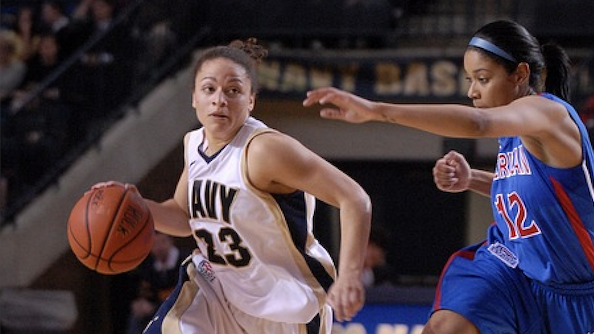
The WNBA has seen increased visibility through attendance, media coverage, merchandise, and player-driven attention. Athletes such as A’ja Wilson, Caitlin Clark, Angel Reese, Sabrina Ionescu, Breanna Stewart, and Cameron Brink have helped bring more casual fans into the sport. Many of them have strong followings through social media, fashion, community involvement, and brand partnerships. This allows for a wide array of audiences who then may become interested in their athletic careers. 

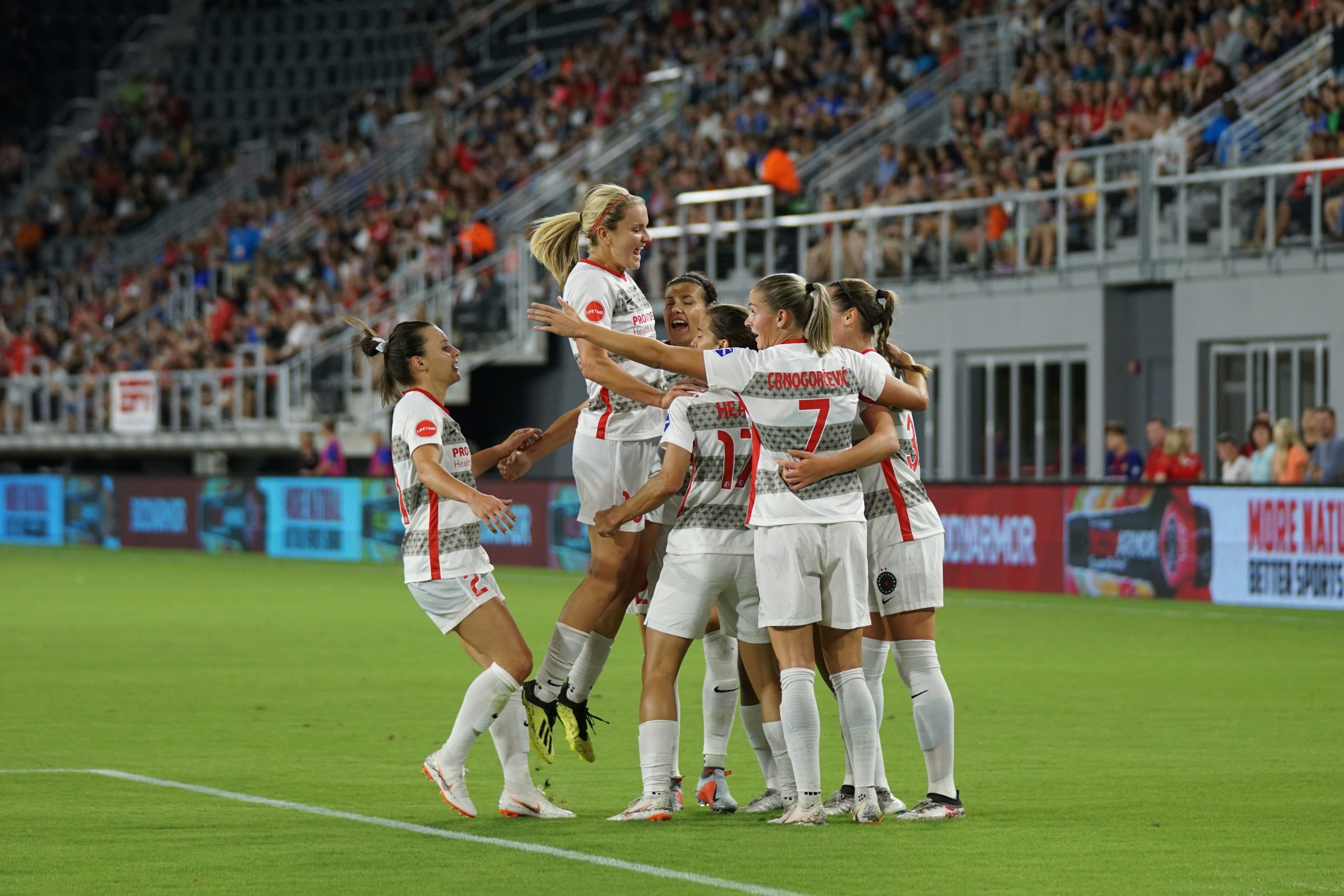
Women’s soccer has also continued to build momentum. The NWSL has grown through expansion, media deals, stronger attendance, and increased interest from sponsors. Clubs such as Angel City FC, Gotham FC, Kansas City Current, San Diego Wave, and Portland Thorns have shown how women’s soccer can connect with fans through both competition and community. 

Angel City FC is a strong example of this. Instead of solely building around the traditional sports model, Angel City has connected women’s soccer to entertainment, local LA culture, and representation. Angel City reports that they were No. 1 in NWSL in 2023 attendance, sponsorship revenue, and total revenue.

This growth matters because the sports business is built around audience attention. When more people watch, attend, follow, and engage, more opportunities follow. 

Advocacy is Helping Push Representation

Women athletes, executives, coaches, broadcasters, agents, and other sports business professionals have used their platforms to call for more visibility across the industry.

For athletes, advocacy can show up in different ways. Some use interviews, social media, podcasts, documentaries, or brand partnerships to speak about equal resources. This includes better media coverage, pay equity, and facility access. Others advocate simply by continuing to build their own brands, support other women athletes, and bring attention to the leagues they play in.

Women working on the business side of sports also play a major role. They help advocate through the decisions they make. They can push for stronger sponsorship deals, better storytelling, more inclusive hiring, and campaigns that highlight women athletes as serious competitors and marketable personalities.

This type of advocacy matters because representation does not only happen organically. It often grows because people inside and outside the industry continue to ask for better opportunities. 

In this way, women athletes and women in sports business are helping each other. Athletes create visibility through performance and storytelling. Women in the industry help turn that visibility into media coverage, partnerships, events, and leadership opportunities.

women in sports

Brand Investment is Expanding the Space

Brand investment shows how far women’s sports have come. A few years ago, a sponsor bought a logo on a jersey and called it done. Now, brands build entire campaigns around these leagues.

Google Pixel is a clear example. They didn’t just buy ad space, they became the official fan phone of the WNBA, and built real product features into the fan experience. Using Google Lens, fans can see exactly what players like Mo Bamba or Kelsey Plum are wearing. At WNBA All-Star Weekend, Pixel ran a “Hall of Fits” pop-up showcasing players’ favorite outfits and custom highlight reels fans could post to social.

That’s not a banner ad. That’s a brand writing itself into how fans watch and share the game.

Google took it a step further. It signed a deal with the WNBPA, NWSLPA, and USWNTPA to become the official phone of the players’ unions. It funded a project to capture and tell athletes’ stories directly.

That’s brand investment in the athlete, not just the league.

For brands, that pays off. Women’s sports fans notice who shows up and who doesn’t. Sponsor the moment right, and you earn attention that a courtside ad never could.

A Road to Opportunity

This is opening real doors. Not just bigger sponsorship checks, but a different kind of partnership.

In the NWSL, Ally and E.L.F. have built activations fans can actually step into: fan zones, content series, event moments tied to specific games. Not a static ad, but an experience.

In the WNBA, Ally sits alongside Google, Nike, CarMax, and Deloitte as a WNBA Changemaker partner. They backed programs on real community issues, not just logo placement. State Farm keeps investing in WNBA programming. 2K keeps building the league into its game. Each deal gives the sport another way to reach people. Whether that’s on TV, in a game console, or at a live event.

More brands means more of these moments. And more moments means stronger media coverage, stronger fan loyalty, and more business built around women’s sports. Not just around one big game.

The Industry Still Has Areas to Improve 

Women’s sports growth and representation in the sports business industry are closely connected. 

As women’s sports continue to grow, they create more opportunities across the industry. At the same time, more representation in business roles can help women’s sports grow in ways that are more authentic and sustainable.

Even with recent growth, there are still areas where the sports industry can improve.

Women’s sports still receive less overall coverage and investment than many men’s sports. Leadership opportunities have increased, but representation and pay gaps still exist in executive roles, ownership, media, and decision-making spaces. A 2026 survey by the Sport Integrity Global Alliance found that women held just over 32 per cent of executive positions across international sports federations.

That is why long-term investment matters. The growth of women’s sports should not only be connected to major events, star players, or short-term attention. It also requires consistent media coverage, strong sponsorship support, better facilities, fair resources, and continued career opportunities across the business side of sports.

FAQ:

  1. Why is women’s sports growth important for the sports business industry? Women’s sports growth is important because it creates new opportunities across media, sponsorship, events, ticketing, marketing, and athlete branding. As more fans engage with women’s sports, more companies and organizations are looking for ways to invest in the space.
  2. How does representation in sports business connect to women’s sports growth? Representation matters because the people behind the scenes help decide how sports are marketed, funded, covered, and experienced. When more women are included in these roles, the industry can better understand and support the growth of women’s sports.
  3. What can brands do to support women’s sports in a meaningful way? Brands can support women’s sports through long-term partnerships, athlete campaigns, team sponsorships, fan events, youth programming, content creation, and investment in women-led sports initiatives.

Future of the WNBA: How Expansion Teams Will Shape the League

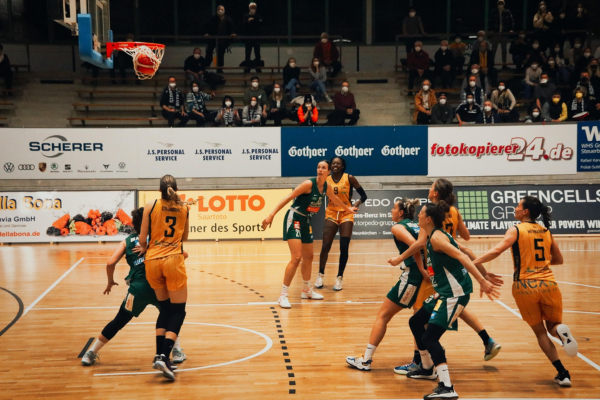
The Women’s National Basketball Association (WNBA) is at a major turning point. The league will begin a new era following years of steady growth in attendance and popularity. 

The impact of WNBA executives’ plans to expand the league from 13 to 18 teams by 2030 goes beyond adding more games to the schedule. This expansion will bring professional women’s basketball to Cleveland, Toronto, Portland, Detroit, and Philadelphia. 

Beyond competitive changes on the court, new expansion teams have the potential to change women’s sports culture.

Quick Highlights

  • The 2025 WNBA postseason set a new viewership record on ESPN, averaging 1.2 million viewers per game across 24 playoff matchups.
  • The Golden State Valkyries, an expansion team, led the league with an average home attendance of 18,064 fans per game.
  • The 13 franchises of the WNBA increased in value by an average of 180% from 2024 to 2025
  • In 2024, the WNBA recorded nearly 2 billion social media video views, which was more than four times higher than in 2023.
Women's Basketball

Roster Growth and New Competition

The distribution of talent across more teams is among the most prominent outcomes of league expansion. More talented female athletes will have the chance to compete at the highest professional level with more roster spots available. This boosts competition throughout the league and fosters an increased demand for talent development as well as supplying more jobs and careers.

The Golden State Valkyries, the league’s first expansion team in more than ten years, have demonstrated that new teams can immediately make a name for themselves on the court. They are the first WNBA expansion team to make the playoffs in their first season. In 2025, Golden State ranked 4th in the Western Conference, averaging 77.7 points per game. Valkyries star Veronica Burton averaged 11.9 points and 6.0 assists per game while starting all 44 games, earning the WNBA Most Improved Player award.

Naturally, more rivalries will also be cultivated by this newly found competition. The New York Liberty and Connecticut Sun already have a strong Eastern Conference rivalry due to their close locations and frequent matchups. The establishment of a Philadelphia team could add even more excitement to the East Coast rivalries.

WNBA expansion team

Which Location is The Right Location?

Even while more teams lead to greater opportunity, not every market can sustain a WNBA franchise. The league must give priority to cities with strong basketball culture and a current interest in women’s sports if it intends to expand in the long run.

Philadelphia, Detroit, and Cleveland are prime examples of this tactic. The Cleveland Rockers and Detroit Shock, two former WNBA teams who had devoted fan bases prior to their respective collapse and relocation, both have significant basketball histories. Their comeback rekindles community spirit and draws on previously established support. 

Philadelphia, on the other hand, emerges as a new market with a legendary basketball culture and sporting facilities under construction. This includes the New South Philadelphia Arena, which is scheduled to open in 2030 and house the new WNBA franchise.

Lessons from previous professional leagues are reflected in the league’s focus on areas with strong fan bases. NBA, NFL, NHL, and MLB expansions demonstrate that success often depends on media engagement, advertisement, and fan loyalty which are factors that guarantee long term exposure and financial sustainability.

Economic Effect

For possible cities and states, expansion presents substantial economic potential. In addition to creating jobs for marketing teams and stadium employees, professional sports teams may boost local businesses by drawing fans to restaurants, hotels, and stores on and around game days. A new WNBA franchise may boost a city’s reputation both locally and globally by stimulating tourism and consumption.

The WNBA may avoid errors and adopt sustainable growth strategies by learning from both successful and unsuccessful expansion efforts in other major American sports leagues. With Cleveland in 2028, Detroit in 2029, and Philadelphia in 2030, the expansion shows signs of meticulous planning to hold competitive balance while strategically growing the league.

The Golden State Valkyries give an idea of how growth may create economic momentum. They contributed to greater media coverage and attendance in the Bay Area, generating additional employment and business possibilities. Their addition also increased the WNBA’s visibility in a significant sports market, showing how expansion teams can support the league’s long term financial success while swiftly boosting local economies.

WNBA transformation

Cultural Impact

The effects of expansion extend beyond money. Expansion is necessary in order to enhance the culture of women’s sports. Younger generations of athletes and fans will be inspired by the increased exposure of female athletes as more teams compete and get media attention. 

The WNBA’s expansion is consistent with many shifts in women’s sports, where greater funding and media attention have created new possibilities and changed how not only sports fans, but how society views female athletes. By entering new markets, the league continues to push women’s basketball forward both culturally and socially.

Building The Next Era of The WNBA

The WNBA’s climate is changing significantly as it continues its historic expansion. The introduction of more franchises provides players with greater opportunities and additional cultural and economic advantages for surrounding communities. 

The WNBA is not only expanding in size, but also solidifying its position as a major force in women’s sports by choosing these potential cities and using lessons learned from precedent.

With a larger platform for women’s basketball to flourish, the next era promises new rivalries, packed arenas, and long-term opportunities for future generations.

The Truth About the Gender Pay Gap in Sports

Women’s sports are surging. Fans tune in at record levels, brands finally pay attention, and storytellers in women’s athletics shape culture beyond competition. From sold-out stadiums to major sponsorships, demand keeps rising.

Still, the opportunity and gender pay gap between men and women in sports remains huge. The conversation now goes beyond salaries. It’s about equity, visibility, and respect.

For many female athletes, it’s not just about money but about how their talent and impact are valued.

Quick Highlights:

  • Between 2022 and 2024, women’s sports in the U.S. grew 4.5Ă— faster than men’s sports.
  • Women’s football is projected to be among the top 5 global sports by 2030, with an audience of over 800M fans worldwide.
  • The WNBA landed an 11-year broadcast deal starting in 2026, with prime coverage on USA Network and streaming platforms—one of the largest media rights deals in women’s sports history.
  • Fans of women’s sports are 2.8Ă— more likely to purchase products endorsed by female athletes compared to men’s sports fans, driving sponsor ROI beyond exposure.
woman running on track

When Growth Isn’t Enough 

Women’s sports are booming: stadiums are full, TV ratings are soaring, and sponsorships are rising. Total U.S. women’s sports revenues surpassed $1 billion for the first time in 2024 and are projected to hit $2.35 billion globally in 2025—a 25% jump in just one year.

The surge in visibility has been undeniable. What many now call “The Caitlin Clark Effect” shows how one athlete’s rise can elevate an entire league. Major moments like these prove the audience and excitement are there.

Yet that success hasn’t translated into equal pay. Despite all the progress, many professional female athletes still earn only a fraction of what men in the same sports take home. The question now is whether this momentum can finally lead to fair compensation.

What’s Really Behind the Pay Gap

The imbalance often comes down to exposure. For decades, women’s sports were under-marketed and under-televised, which limited their ability to build audiences and attract sponsorship dollars. That cycle of less visibility leading to less revenue has been one of the hardest to break.

But when women’s sports get the spotlight, the results are undeniable.

The 2023 Women’s World Cup shattered attendance and broadcast records, drawing over 2 billion viewers worldwide. The NCAA women’s basketball championship between LSU and Iowa became the most-watched college basketball game, men’s or women’s, in ESPN history.

The success proves something female athletes have known for years: when you give them equal opportunity, they deliver equal excitement.

female soccer player kicking ball

The Real Barrier: Investment, Not Interest

Equal investment in marketing and sponsorship consistently drives engagement and profit, showing the gap is about opportunity, not audience. In fact, 86% of brands say their women’s sports sponsorships have met or exceeded ROI expectations, proving that when companies invest, the returns follow. 

Still, the system hasn’t caught up. Sponsorship dollars, prize money, and media contracts remain uneven.

As The Bounce points out, the gender pay gap persists not because of talent or demand but because of institutional inertia. Women’s leagues are still building the infrastructure men’s sports have had for decades—investment, storytelling, and consistent exposure.

Voices That Have Changed the Game

Venus and Serena Williams have been two of the most powerful forces in the fight for equality in sports. In one meeting about pay, Venus asked everyone to close their eyes and imagine their daughter, sister, or wife being paid less simply for being a woman. Then she left the room, letting the truth hang there.

As she later said, “A lot of people think that was impactful. It was just the truth. When you stand up for what’s right, that’s what my mom taught me.”

Serena carried that conviction far beyond the court. Through Serena Ventures, she’s invested in more than 60 companies—most led by women and people of color—and joined the ownership group of Toronto’s new WNBA franchise, using her success to build opportunity from the top down. 

Venus has done the same through her wellness brand Happy Viking and a growing portfolio of angel investments, proving advocacy can also mean ownership.

Together, the Williams sisters turned their influence into infrastructure, shifting the conversation from demanding equality to creating it.

Progress and Pressure

Women’s sports are entering what many call their “golden era,” but the pressure to sustain it is real. Fans are showing up, investors are paying attention, and female athletes continue to shoulder the dual role of performers and advocates.

The gender pay gap revolution in U.S. soccer set a major precedent when the women’s national team won its lawsuit for back pay and secured a collective bargaining agreement guaranteeing equal match compensation with the men’s team.

But progress isn’t linear. For every major win, disparities persist in leagues like the WNBA, where many players still head overseas in the off-season to supplement their income. The fight extends beyond closing the pay gap and to creating sustainable systems so female athletes can earn a livable wage.

The Future of Fair Play

Women’s sports are breaking barriers in real time, rewriting what’s possible and redefining what’s profitable. The pay gap remains a frustrating reminder of how far there is to go, but it also fuels the determination that defines so many female athletes. 

The next challenge lies with the systems that still lag behind: media deals that undervalue women’s leagues, brands that treat inclusion as a campaign instead of a commitment, and governing bodies slow to modernize their models.

The momentum is already there. What will define this era isn’t how hard women fight to be seen, but how quickly the institutions around them learn to catch up.

Short Form Content Is Winning the Sports Viewership Game

Social media has become central to how people consume information, and sports are no exception. Instead of sitting down to watch a full game, fans can now catch the most exciting moments in short form content delivered straight to their phones.

These bite-sized highlights package the best plays into quick, shareable content that spreads fast. The shift is changing how athletes, leagues, and sponsors think about marketing, fan engagement, and the overall viewing experience.

Quick Highlights:

  • In a 2021 survey, 58% of MLB fans, 54% of NBA fans, and 48% of NFL fans aged 18–34 said they prefer highlights over full games.
  • 43% of young adult sports fans follow their favorite league on social media.
  • In 2025, the average social media video length has dropped 13%.
  • The WNBA saw a 470% jump in average engagement per post from 2023 to 2024.
  • In the first half of 2025, vertical video formats (Reels, TikToks, etc.) made up 63% of all content — an 87.5% year-over-year increase.
nba fans at washington wizards game

How Short-Form Content and Social Media Link

The rise of platforms like TikTok and Instagram has changed how quickly information spreads and how people consume it. Instead of long-form content, audiences are now primed to receive and prefer shorter bursts of media.

Easily accessible technology has accelerated this shift, especially among younger generations. A Microsoft study found the average attention span has dropped to less than nine seconds… even shorter than a goldfish’s.

With most sporting events lasting hours, it’s no surprise fans are leaning toward highlights that match this shorter focus. In January 2025, a clip of NBA star Ja Morant dunking over Victor Wembanyama went viral with over 11 million views, despite the play being called off. For fans, every big moment — even those that don’t count — is still worth watching.

The NBA: A Highlights League

A recent example of short-form highlights shaping sports comes from NBA commissioner Adam Silver. At a September 16 press conference, Silver drew backlash after saying that “there’s a huge amount of our content that people essentially consume for free. [The NBA] is very much a highlights-based sport.”

In 2025, the NBA’s average audience was 1.04 million — a 5% year-over-year drop from the 2023–24 season. Many fans criticized Silver for promoting highlights over live broadcasts.

Still, Silver may have a point. Billionaire Mark Cuban defended him, arguing that while the wording could have been better, Silver is one of the few executives acting in fans’ best interests.

For all the pushback, short-form highlights could end up being a long-term advantage for the NBA.

nba court

Are Highlights Impacting Fan Engagement?

While live broadcasts are seeing declines, highlights are driving a surge in fan interactions. During the 2022–23 season, NBA social accounts generated 32 billion views with an increase of over 10% year over year. By posting highlights openly on social media, leagues make it easier for casual fans to connect with teams and players.

Highlights also serve as a powerful promotional tool. A recent study found that 64% of sports fans engage with teams or athletes on social platforms, giving organizations a way to spotlight upcoming events or showcase rising talent.

In short, even as live viewership dips, highlights are proving to be one of the strongest tools for keeping fans more connected and more engaged than ever.

A Rise in Athlete Recognition

It takes one piece of short-form content for an athlete’s brand to instantly boom. In the first half of 2025, 3.5 million highlights were published in real time, up 19% from 2024.

One example came during a recent WNBA game, when Indiana Fever’s Sophie Cunningham defended teammate Caitlin Clark after a hard foul. A clip of the exchange went viral that same night, and Cunningham’s following skyrocketed. Before the video, she had around 200K followers on TikTok and 350K on Instagram. 

Today, those numbers have grown to 1.6 million on TikTok and 1.3 million on Instagram. This kind of visibility not only builds personal brands for established athletes, but also gives amateurs a chance to showcase their ability and get noticed by high-level organizations.

The Shift in Sponsorship

Brands have noticed a substantial increase in short-form content viewership, and it is changing the way they sponsor sports.

Daniel Kirschner, Co-Founder and CEO of Greenfly, explained that “short-form content is now a primary way fans engage with sports, and rights holders must tap into its media and sponsorship value.”

To reach younger demographics, brands are leaning on social media instead of traditional signage. Rights deals tied to short-form content are delivering unprecedented returns, while billboards and static ads lose relevance.

The sports sponsorship market is projected to hit over $55 billion in 2025, an 8% increase from 2024. With short-form content now central to sports marketing, that growth should not come as a surprise.

Continued Growth and Relevance

The rise of short-form content shows no signs of slowing down. Instagram Reels, launched only four years ago, now draws more than 2 billion people to its short-form videos.

Sports highlights will remain a key driver of this growth. For athletes, leagues, and sponsors, short-form content has become an effective way to reach fans and strengthen engagement across platforms.

Certain sports may lean into this trend more than others. Motorsports and lacrosse, for example, are well positioned to benefit from a highlight-driven approach. Fans can expect to see athletes in these spaces, like Chandler Smith and Marcus Holman, appearing more frequently in their feeds.

WNBA Viewership Growth Offers a Blueprint for Women’s Sports

For years, the WNBA was underestimated and viewed as a secondary product, not a commercial force. Its numbers may still trail those of men’s leagues, but perhaps not for long. The WNBA is quickly becoming a business case study in how women’s sports can scale.

Driven by major gains in media deals, WNBA viewership growth, and a wave of rising global talent, the league is offering a real-time example of how to build women’s sports the right way.

Quick Highlights:

  • WNBA viewership jumped 170% from 2023 to 2024, with the Finals peaking at 18.7 million, its highest in 25 years.
  • The league’s 2025 expansion draft saw three international players taken in the top 10, highlighting the rise of international talent.
  • A new 11-year, $2.2 billion media deal and 42+ sponsors reflect growing commercial momentum and long-term confidence.
  • The league added the Golden State Valkyries in 2025. Toronto and Portland are set to join by 2026, with plans to reach 18 teams by 2030.
  • Stars like Caitlin Clark and A’ja Wilson have sparked record jersey sales and become generational role models inspiring young fans.
  • Globally, over 180,000 girls have participated in FIBA’s “Her World, Her Rules” program since 2018. 86 national federations signed on for 2025.
female basketball players on the court

Caitlin Clark and the Next Generation of Women’s Basketball

No story in sports last year has captured more attention than what people are calling the “Caitlin Clark Effect.” Drafted No. 1 overall by the Indiana Fever, Clark entered the league with record-breaking NCAA credentials, millions of social media followers, and the kind of spotlight usually reserved for top NBA prospects. And she’s lived up to the hype.

Wherever she plays, she generates numbers. Even her regular-season games have pulled in TV ratings that rival some NBA playoff matchups. Her debut against the Connecticut Sun drew 2.1 million viewers, the most-watched WNBA game in over 20 years. 

And when Clark returned from a quad injury in June 2025, her comeback broadcast averaged an extraordinary 2.2 million viewers, marking ESPN’s third most-watched WNBA game ever and trailing only her own previous records.

Kamilla Cardoso, Angel Reese, Paige Bueckers, and Dominique Malonga are also helping shape the league’s future. With standout play, social reach, and an entrepreneurial mindset, they’re drawing younger, more diverse fans and even influencing how the league and veteran players think about branding.

female basketball players dribbling

WNBA Viewership Figures: An Outstanding Model for Growth

While it’s difficult to pinpoint one sole factor behind successful business growth, the WNBA stands out as a clear example of how an audience-focused and commercially sustainable sports league can take shape.

The WNBA’s landmark 11-year, $200M annual media rights deal with Disney, Amazon Prime Video, and NBC Universal kicks off in 2026. That figure more than triples the league’s current media revenue. Additionally, the partnerships guarantee greater WNBA viewership, with over 125 games broadcast each year. 

The momentum expands beyond media rights. Breanna Stewart, Vice President of the WNBPA, is leading efforts to expand player influence. Through critical labor negotiations on pay equity and working conditions, she is developing a league where athlete voices drive policy.

Off the court, players are leveraging their brands year-round with Caitlin Clark as the top runner. With her upcoming Nike signature shoe, the deal is projected to generate $100 million, and her record-breaking jersey sales are examples of new revenue streams and growing fan engagement that extend beyond game time. 

Together, these developments illustrate how the WNBA is setting a new standard in women’s sports by combining athletic excellence and strategic brand activations.

WNBA basketballs

Why Education Matters in the WNBA’s Growth Model

Education is crucial to advancing women’s sports, not only by encouraging girls to participate, but by transforming how society values and supports female athletes.

Programs like the WNBA’s mentorship initiative, which reached over 50,000 girls in its first year, and the 50% rise in female enrollment at Sydney sports schools after the Women’s World Cup, show how education and visibility create lasting opportunities.

When it comes to constructing a more informed and supportive culture around women’s sports, education is paramount. Raising awareness around category-specific issues like fertility care and ACL injuries helps ensure the game continues to grow on and off the court.

future WNBA basketball player looks up at the net

The Cost of Building Something New

The WNBA has never had an easy financial path, with reports estimating annual losses of around $10 million per season. But that’s starting to change.

What was once seen as a long-term uphill battle is now showing signs of real progress. With rising WNBA viewership and attendance, stronger player branding, and a wave of new corporate investment, the league’s financial outlook is finally beginning to shift in a promising direction. 


NCAA Women’s March Madness: Is the Gender Gap Closing?

March Madness has long been a cultural cornerstone of American sports, drawing millions of viewers and generating billions in revenue. But historically, that spotlight has skewed toward the men’s tournament. In 2025, however, the narrative is shifting.

With record-breaking attendance, landmark media deals, and NIL momentum building for female athletes, the gender gap in college basketball is beginning to narrow.

Quick Highlights

  • ESPN sold out ad inventory for the 2024 Women’s NCAA Tournament, with brands like Nike, State Farm, and Gatorade driving record-breaking revenue.
  • The 2023 Women’s NCAA Championship drew 9.9 million viewers, shattering previous records and outdrawing the NBA on several nights.
  • NIL valuations for top women’s basketball players are rising, with young players like Flau’jae Johnson climbing to an estimated 1.5 million in 2025.
  • The WNBA secured a landmark media rights agreement valued at $200 million annually, underscoring a growing investment in women’s sports.
  • Athletes like Caitlin Clark, Angel Reese, and Paige Bueckers have become household names and top NIL earners, setting the tone for long-term brand building.

The Rise of Women’s March Madness

For years, the NCAA Women’s March Madness tournament was treated like an afterthought—less coverage, fewer resources, and minimal marketing support. In 2021, viral social media posts exposed the glaring disparities between the men’s and women’s facilities, sparking outrage and forcing the NCAA to reevaluate its approach. 

By 2023, the results spoke for themselves. The women’s championship between LSU and Iowa averaged nearly 10 million viewers—a 103% increase from the previous year.

That level of visibility translated into influence. Players like Angel Reese and Caitlin Clark became not just stars, but brands. The energy of March Madness has evolved from one-month hype to year-round momentum for women’s basketball.

women's basketball player preparing to shoot the ball

NIL and the Power of Personality

Female athletes are increasingly building NIL success by leaning into personality, community, and storytelling. Rather than relying solely on on-court dominance, they use lifestyle branding and authentic messaging to engage fans.

USC’s Juju Watkins, one of the most exciting sophomores in the country, has already inked deals with Nike and Celsius.

LSU’s Flau’jae Johnson, known equally for her basketball skills and her music career, boasts partnerships with Puma and Raising Cane’s.

Meanwhile, Hannah Hidalgo, Notre Dame’s breakout guard, has seen a spike in national attention due to her tournament performance, setting her up for NIL growth in 2025 and beyond.

These rising stars are reshaping the NIL conversation—and providing proof that success in college sports doesn’t need to wait for a pro contract.

players in women's march madness game

A Media Machine Catching Up

ESPN and ABC have upped their investment in women’s sports. For the first time, all rounds of the Women’s NCAA Tournament are being broadcast across national networks. Media rights for the tournament are expected to grow exponentially in the next deal cycle, signaling long-term confidence in the product. 

Sedona Prince, known for her viral TikToks and advocacy, recently signed a deal to host a digital March Madness breakdown series. As media becomes more decentralized and athlete-driven, women are leading the charge.

Our Take on What’s Next

There’s still work to do– pay gaps, media bias, and cultural expectations haven’t disappeared. But the tide is turning. With continued investment, athlete empowerment, and a new generation of fans demanding equity, March Madness might just become the most balanced battleground in sports. This shift is not only reshaping the game but also redefining the power dynamics within the sports industry.

At Athelo Group, we’ve always believed the future of sports is inclusive, marketable, and athlete-powered. NCAA Women’s March Madness is proving just that.

Whether it’s through NIL innovation, brand building, or audience engagement, female athletes are stepping into the spotlight and staying there. As this movement grows, we’re committed to supporting the athletes driving it forward.

New Leagues Like Unrivaled Are Shaping the Future of Pro Sports

At the start of 2025, two groundbreaking sports leagues—Unrivaled and The Kings League—have captured the attention of the media and fans. The Kings League World Cup, held January 12th, became an overnight sensation, attracting 1.5 billion impressions without the backing of traditional TV broadcasters.

Meanwhile, Unrivaled, a new 3v3 women’s basketball league, tipped off its inaugural season on January 17th, with an ambitious mission to transform the experience for WNBA players. Both leagues are making waves by addressing players’ needs, engaging new audiences, and offering fresh perspectives on sports marketing in the digital age.

Quick Highlights

  • Kings League garnered an average viewership of 700,000 per game, with a peak of 1.3 million viewers.
  • Juventus became the first professional soccer team to sponsor a Kings League team, Zebras FC.
  • Unrivaled will provide players with an average salary of $200,000 across the league and a 15% equity share in the league’s revenue.
  • Unrivaled aims to address long-standing concerns about player amenities in the WNBA, hoping to influence changes in the WNBA’s 2027 Collective Bargaining Agreement (CBA). 

The Kings League: A New Era for Soccer

The Kings League, founded by former soccer player Gerard PiquĂ© and Spain’s top online streamer, Ibai Llanos, is turning soccer on its head. Its distinctive format and quirky rule changes set it apart from traditional soccer, drawing comparisons to LIV and TGL Golf. 

Played with seven-a-side teams, the matches are 40 minutes long, divided into two 20-minute halves. Before each match, teams pick from a set of “golden cards” that offer various in-game advantages, like granting a penalty or removing an opposing player. These innovative twists have been a hit, drawing an average of 700,000 viewers per game, with peaks hitting 1.3 million.

The Kings League blends soccer with entertainment, appealing to Gen Z and Gen Alpha audiences on platforms like TikTok, YouTube, and Twitch. While it’s not a direct competitor to traditional soccer, the Kings League offers a fresh, entertaining experience that draws in a younger, digitally-native fanbase. In fact, some of the biggest names in soccer, including Javier “Chicharito” Hernández and Sergio Agüero, have joined the competition to generate cross-generational appeal.

Emerging Partnerships

Professional soccer teams are taking notice of this rapidly growing league. Juventus, Italy’s powerhouse club, made history by sponsoring Zebras FC, becoming the first professional team to sponsor a Kings League team. The team will compete in the debut season of the Italian Kings League this upcoming year. 

Through the partnership, Zebras FC gains access to Juventus’ exclusive training facilities and content creation labs, offering unique opportunities for fan engagement and media exposure. This kicks off a trend of professional clubs teaming up with leagues like the Kings League to win over young, affluent fans without firm team loyalties.

Unrivaled: Rewriting the Rules for Women’s Basketball

Just days after the Kings League’s explosive World Cup final, Unrivaled, a new 3v3 women’s basketball league, made its debut. WNBA stars Breanna Stewart and Napheesa Collier cofounded Unrivaled to improve player experience through benefits like increased salaries and better family support services.

The league has set a high bar for player compensation, with an average salary of over $200,000, an $8 million salary pool, and 15% of the league’s revenue pot split among the players. This approach is a significant step up from the WNBA’s current CBA, where the top players earn just over $200,000 and the supermax salary caps out at $241,000. 

Members of the league have access to childcare, with a nursery and playroom staff onsite. Additionally, players’ wellness amenities include saunas, cold plunges, a state-of-the-art gym, and a hair and makeup room. These features aim to expose the shortcomings of current WNBA accommodations and advocate for better treatment for female professional athletes.

Unrivaled isn’t designed to compete with the WNBA but to complement it during the offseason. However, it remains a powerful statement by modeling how female basketball players should be supported. By offering players better salaries, more family support, and a larger share of the revenue, Unrivaled is setting a new standard.

The Bigger Picture: What These Leagues Mean for Professional Sports

Both the Kings League and Unrivaled offer bold lessons for how new competitions can support existing professional leagues while also forging their own path.

The Kings League leverages digital platforms to engage with younger audiences in ways that traditional sports can’t match. It incorporates video game-style sound effects during rule changes and features interactive livestream elements, like real-time voting on match outcomes. Unrivaled, on the other hand, addresses the economic and personal challenges faced by female athletes, providing a platform that speaks to their needs.

For professional soccer clubs and leagues like the WNBA, these new competitions are not competitors, but collaborators. By tapping into these new and innovative leagues, soccer clubs can reach fresh audiences and strengthen their brand. Meanwhile, leagues like Unrivaled can create opportunities for athletes to shine, elevating the status and visibility of women’s sports as a whole.

The inception of these leagues is not just about the games played on the field; it’s about creating a more inclusive, dynamic, and profitable sports ecosystem—one that puts athletes first and taps into the power of digital engagement to build lasting, global fan bases.

WNBA’s Internal Struggle: Uphold Fairness or Chase Money?

The WNBA has recently experienced drastic growth through superstar players like Caitlin Clark and Kamilla Cardoso making their debuts. The 2024 draft saw an unprecedented average viewership of almost 2.5M, more than quadrupling the figures from the previous year. With a wave of momentum carrying the WNBA into the spotlight, organizations have been making moves to capitalize on its heightened popularity. The deal making the most headlines revolves around the Las Vegas Aces.

las vegas aces

Inside The New Las Vegas Deal

The Las Vegas Aces have struck a new deal with the Las Vegas tourism authority that grants each player an additional $100K every season. Initially designed to support a successful local team, the deal is now facing backlash from both fans and players. It has even triggered an investigation into the Aces organization. Critics argue that the deal undermines the spirit of salary cap rules and creates an unfair advantage by retaining Aces players and attracting new recruits. Although the deal does not technically violate salary cap regulations, many view it as unethical. While it could help grow the WNBA, this growth could come at the expense of the league’s values and competitiveness.

An Enticing Offer

When comparing WNBA salaries to their male counterparts in the NBA, the deal seems inconsequential. After all, NBA players’ inflated salaries are no secret. Stars like Devin Booker, Kevin Durant, and Anthony Edwards earn nearly $250M over just five years. Compared to these figures, $100K seems like a drop in the bucket, hardly enough to retain a player. However, WNBA contracts are significantly lower. For instance, Caitlin Clark, arguably the best women’s college basketball player in history, has a salary of just $75K. The Aces’ Jackie Young earns a team and league-high of $252K, highlighting why an additional $100K is unquestionably a game changer.

las vegas aces

The Ethical Dilemma

Although the deal does not violate WNBA salary cap rules, it has raised concerns among players and fans about its impact on recruiting. The uniqueness of this deal, unmatched by any other team or city, makes it particularly notable. Critics worry that it promotes a pay-to-play atmosphere, which could be problematic if confirmed by the WNBA’s investigation. The Las Vegas Convention and Visitors Authority (LVCVA) argues that the money functions as a sponsorship, requiring players to wear Las Vegas-related gear off the court. Since all Aces players are paid equally regardless of fame or court value, the money could be viewed as a bonus, thus not violating any rules. LVCVA President and CEO Steve Hill countered the pay-to-play criticism by noting that if the Aces win the title this year for a three-peat, players will receive more money, indicating the deal is performance-based.

Those in Favor

Some land on the other side of the coin, stating that the deal will aid in the advancement of the league and is a side product of its expansion. Reflecting on the fact that her organization has been investigated several times before, Aces’ star A’ja Wilson was adamant in her beliefs that investigation cannot always be the go-to. She feels that the deal will help grow the game and benefit both the franchise and its players. Aces coach, Becky Hammon, seconds the notion. She explains that the LVCVA “wanted the whole team.” Like a true sponsorship, LVCVA reached out to individual players and agents and “the Aces have nothing to do with it.”

las vegas aces


Despite an ongoing investigation, the future is not written in stone. Perhaps the deal will prompt other cities to similarly support their local players and teams, pouring more money into the sport. Maybe the deal will remain one-of-a-kind and attract the best players to the Aces, creating a dynasty like never before. In a different turn of events, the deal could be found to violate regulations and be terminated immediately. Whatever the outcome may be, we will find out what is more important to the WNBA– upholding fairness or chasing money.

Sources:

  1. https://www.sportspromedia.com/news/wnba-las-vegas-aces-tourism-sponsorship-payments-investigation/#:~:text=The%20Women’s%20National%20Basketball%20Association,the%20arrangement%20on%2017th%20May.
  2. https://www.nytimes.com/athletic/5503533/2024/05/18/wnba-investigation-aces-sponsorship/
  3. https://www.sportico.com/law/analysis/2024/wnba-aces-investigation-sponsorships-1234779579/
  4. https://www.sportingnews.com/us/wnba/news/caitlin-clark-tv-ratings-wnba-viewership-records/4f55c44f4a0965aa14e72fa7#:~:text=Behind%20No.%201%20pick%20Caitlin%20Clark%2C%20WNBA%20Draft%20sets%20TV%20record&text=An%20average%20of%202.45%20million,draft%2C%20which%20averaged%20572%2C000%20viewers.
  5. https://www.sportingnews.com/us/wnba/news/wnba-10-highest-paid-players-2024/1104a976fdfdbd322602b4c4

Caitlin Clark WNBA Draft: How the #1 Pick Changes Basketball

This past women’s college basketball season, all eyes have been on Caitlin Clark. She shattered countless records, including the college basketball scoring and three-point records, achieved a 40-point triple double in a tournament game, and amassed 3,000 points and 1,000 assists. Leading the Iowa Hawkeyes to the NCAA Tournament final, Clark ultimately fell to undefeated South Carolina. She was the top pick in the WNBA draft, with massive media attention and a stacked rookie class. As the women’s NCAA tournament gains popularity, the WNBA and its teams eagerly embrace Clark, while some current and former women’s basketball stars aim to temper expectations.

wnba draft

The League

The WNBA launched in 1997 and saw its most-watched season in over a decade last year. Increased attendance, viewership, gambling, and fan engagement signal that the WNBA and women’s sports are on the rise. Women’s college basketball has also been dominating sports discussions lately, with record-breaking viewership during the tournament. The championship game alone averaged around 19M viewers, marking the highest viewership for a basketball game in five years and the most-watched annual sporting event outside of football since 2019. Caitlin Clark, the top WNBA draft pick, has been a major focus, but she’s not the only standout. The draft drew 2.4M viewers, showcasing the class’ collective star power, including Paige Bueckers, Angel Reese, Kamilla Cardozo, Juju Watkins, Cameron Brink all poised to lead the WNBA into its next era.

After a standout year in the WNBA and college basketball, how will the league leverage its incoming talent? WNBA commissioner Cathy Engelbert likened this draft class to the NBA’s 1979 class with Magic Johnson and Larry Bird, which revitalized the NBA. They’d come just in time- former CBS President Neal Pilson claimed he “almost took the NBA off the air.” This moment also aligns perfectly with the WNBA’s US TV rights deal up for renewal in 2025, aiming to double their revenue from the current $60M deals with ESPN, Amazon, and Ion. They’ve also secured a multi-year deal with TNT Sports for international broadcasts.

The Teams

Rarely does a player emerge who shakes up the league before being drafted, but Caitlin Clark is one such phenomenon. The hype surrounding the Iowa star has prompted WNBA teams to revamp their storytelling, marketing, capacity, and audience. This is evident in the extensive preparation for arguably the most talked-about female athlete worldwide. The consensus top pick in the draft was virtually assured, leading the Indiana Fever to secure a staggering 36 out of 40 national television appearances before the draft. To put this in perspective, the last time the Fever made the playoffs was in 2016, with only one winning season since their 2012 WNBA Championship. Last season, they had just 22 national broadcast games, one on ESPN and none on ABC, with some games only streamed on Facebook. The Caitlin Clark effect is palpable, and the Fever plan to ride that wave as far as her star power takes them.

Teams like the Las Vegas Aces and Phoenix Mercury are also capitalizing on Caitlin Clark’s popularity to elevate their brand. The Aces relocated a game to T-Mobile Arena, expanding seating from 12,000 to 18,000 in anticipation of Clark’s presence. The Mercury framed their June 30th game against the Fever as Taurasi vs Clark, emphasizing the showdown between the GOAT and the Rook. They even promoted Clark with a silhouette and her jersey number before the draft to drive ticket sales. This buzz is just the start, with excitement building as the new rookie class hits the court.

The Players

Some veteran players and WNBA legends view the new rookie class, especially Caitlin Clark, as competition rather than allies. Diana Taurasi and Brianna Stewart, both UConn alumni with a combined 5 WNBA and 7 NCAA championships, have publicly criticized Clark’s style of play. Taurasi’s viral comment about Clark facing “grown women” and the “reality” of playing in the WNBA received backlash, while Stewart emphasized the importance of winning championships, despite acknowledging Clark’s records. Their remarks contrast with positive feedback from former number one pick Chiney Ogwumike, who hailed Clark as the greatest shooter in basketball.

Ogwumike, a respected analyst and former WNBA All-Star, highlighted Clark’s long-range shooting and dynamic playmaking abilities showcased at Iowa. She said that Clark will definitely have her “welcome to the league moments,” but believes Clark will make a significant impact on the Indiana Fever. Notably, Ogwumike included Clark on her college basketball Mount Rushmore, underscoring her potential to leave a lasting legacy in the sport.

Looking Ahead 

Despite differing opinions within the basketball community, Clark’s arrival has undeniably sparked excitement for the upcoming season. She comes during a rising tide for women’s basketball, with the NCAA Tournament and WNBA draft garnering more attention than ever. As she transitions from collegiate success to professional competition, all eyes will be on her as she navigates the challenges and opportunities of the WNBA. Whether she lives up to the hype or faces setbacks, Clark’s journey is sure to be closely followed by fans and critics alike. The WNBA’s ability to capitalize on the popularity of incoming draft class stars like Clark should shape the narrative of women’s basketball for years to come.

Sources:

  1. https://www.indystar.com/story/sports/basketball/wnba/fever/2024/04/10/indiana-fever-get-most-national-tv-games-on-wnba-2024-schedule-caitlin-clark-aliyah-boston/73277269007/ 
  2. https://www.cbsnews.com/news/caitlin-clark-wnba-las-vegas-aces-game-bigger-venue-indiana-fever-anticipated-to-be-first-draft-pick/ 
  3.  https://www.sportspromedia.com/news/wnba-tv-deal-tnt-sports/ 
  4. https://www.cnn.com/2024/04/10/us/ncaa-womens-basketball-ratings-dg/index.html
  5. https://espnpressroom.com/us/press-releases/2023/04/espn-platforms-set-unparalleled-records-with-ncaa-division-i-womens-basketball/
  6. https://www.outsports.com/2024/4/10/24091129/wnba-draft-caitlyn-clark-indiana-first-pick-diana-taurasi-breanna-stewart/
  7. https://ftw.usatoday.com/lists/the-brewing-beef-diana-taurasi-has-with-caitlin-clark-explained
  8. https://www.wnba.com/news/2023-season-record-breaking-success-recap 
  9. https://espnpressroom.com/us/press-releases/2023/10/espns-game-4-of-the-2023-wnba-finals-presented-by-youtubetv-is-most-watched-game-on-record/ 
  10. https://www.usatoday.com/story/sports/wnba/2024/04/15/caitlin-clark-wnba-draft-indiana-fever-angel-reese-cathy-engelbert/73308027007/ 
  11. https://bleacherreport.com/articles/10117128-2024-wnba-draft-draws-record-24m-viewers-amid-caitlin-clark-angel-reese-hype 
  12. https://www.azcentral.com/story/sports/wnba/mercury/2024/04/09/phoenix-mercury-release-tickets-indiana-fever-caitlin-clark/73263900007/ 
  13. https://www.overtimeheroics.net/2024/04/08/caitlin-clark-is-the-most-impactful-player-that-the-game-has-seen-in-a-generation-espn-analyst-chiney-ogwumike-believes-clark-should-be-considered-for-ncaas-mount-rushmore/

Rising Fortunes: The Women’s Sports Revenue Boom

Gone are the days when women’s sports were relegated to the background, and it’s about time we all take notice. They are now front and center, dazzling us with sheer talent, grit, and an unapologetic flair for drama. Women’s professional sports have witnessed a remarkable upswing in revenue, reflecting a major shift in perception and commercial viability. This trend can be attributed to several key factors, including increased media coverage, greater corporate sponsorships, and a growing global audience. It’s simple: women’s sports are here, they’re fierce, and they’re reshaping the landscape of athletics as we know it.

women's professional sports

Women’s Sports Have Hit a Revenue Inflection Point

In a landmark prediction by Deloitte, women’s professional sports are expected to surpass a revenue milestone of $1B by 2024, marking a 300% increase since 2021. This financial boom is a testament to the growing fanfare and marketing efforts in women’s sports. The 2023 FIFA Women’s World Cup, for example, brought in over $570M in revenue, produced record-breaking ticket sales, and experienced an all-time high in broadcasting viewership.

Media, Sponsorship & Global Audience: What’s Fueling the Boom

Sports publishers like The Gist even reported greater ad revenue from the women’s World Cup than the men’s tournament, while Front Office Sports reported an even yield between both genders. Compared to years past, results like these are monumental. They challenge the traditional narrative around women’s professional sports, often seen as a cost center rather than a revenue generator, and reflect their growing commercial appeal.

Networks and media moguls alike are placing more focus than ever on tapping into women’s sports audiences. During a meeting with NCAA President Mark Emmert, Georgia Tech Coach Nell Fortner passionately announced: “We’re a huge potential revenue stream.” She highlighted the longevity of college athletes, their ability to attract new fans, and the need for a change in perspective. Her plea reflects a growing consensus that women’s elite sports represent a significant investment opportunity. Take the NCAA women’s basketball, for instance. Their games are now must-watch events, with last summer’s championship game between LSU and Iowa drawing 10M viewers. Thanks to gritty performances by Angel Reese and Caitlin Clark, the game became the most-watched college sporting event ever broadcasted on the ESPN+ platform. 

women's professional sports

Brand Strategy Meets Female Athlete Opportunity

Record-breaking viewership has caught the attention of major brands and venture capitalists who all want in on women’s sports growing appeal. Now more than ever, aligning with women’s sports isn’t just goodwill–  it’s smart business. In recent years, we’ve seen AT&T, Deloitte, and Nike all become prominent WNBA partners. Sky Sports and the BBC are now committing an annual $20M to the Women’s Super League in the UK. In addition, Barclays’ recent sponsorship in the FA Women’s Super League and Gucci’s partnership with professional footballer Leah Williamson highlight the investment value behind female athletes. Even venture capitalists agree: a new NWSL team in Los Angeles, backed by Silicon Valley venture capital, points to the increasing valuation of female sports professional teams, now ranging between $20M to $100M. These developments underscore the rising importance of media and marketing in elevating the profile and profitability of women’s professional sports. It’s a win-win, with companies gaining positive exposure and women’s sports basking in the financial glow.

And let’s not forget the global audience – women’s sports have truly gone international, as events like the Women’s World Cup and the WNBA now draw record viewership in both the United States and Europe. As these leagues gain more recognition and visibility around the world, they are attracting a larger and more diverse audience. Fans from all corners of the world are tuning in, buying merchandise, and passionately following their favorite teams and athletes. This enthusiasm is evident in the Australian national team’s jersey sales during the last World Cup. Sales were up 19 to 1 compared to 2019, with the Matildas Nike kit quickly selling out in brick and mortar stores. Nike’s Pacific VP, Ashley Reade, told Octus Sports that the record sales are “a true testament to the power and pull of women’s sport” across the globe. 

women's professional sports

Sustainability, Investment and the Future of Women’s Sports

This shift in women’s athletics goes beyond financial aspects, marking a cultural renaissance in the sports world. The synergy of enhanced media coverage, sponsorships, and a growing global audience has propelled women to the forefront. As we approach 2024, the future of women’s athletics is filled with promise and excitement. This period is not just about athletic capability but also about the increasing influence of female athletes as role models. Their impact, combined with record-breaking global engagement, is setting the stage for 2024 to be a landmark year in shaping the cultural significance of women’s sports.

Sources:

  1. https://au.sports.yahoo.com/football-matildas-fans-huge-win-nike-makes-historic-call-mackenzie-arnold-jersey-224852566.html?guccounter=1&guce_referrer=aHR0cHM6Ly93d3cuZ29vZ2xlLmNvbS8&guce_referrer_sig=AQAAAH7PuOyRtwPELGrw8mEaJErcQdH3M2Kou9Ueh9_GLwXEtASuPz_F079yJNqth-ueLgAUfxzk_1B_8y6p0UwpdxZQE9P22mS5dOqI5XXgU7GWYMlS8QqB-RUBTg9VZZlzwAJv2tzBT5NZU9HhLixSHZSaEwP4BMMbUv68CfYxwQAR
  2. https://www.washingtonpost.com/sports/2021/04/01/womens-sports-growth-ratings-business/
  3. https://www.forbes.com/sites/forbesbusinesscouncil/2023/05/03/how-leaders-can-support-the-womens-sports-industry/
  4. https://www.cnbc.com/2023/03/04/for-womens-sports-the-media-buys-are-becoming-a-big-deal.html
  5. https://www.thegistsports.com/article/womens-sports-are-on-the-rise-thanks-to-increased-media-access-and-sponsorship-opportunities/
  6. https://www2.deloitte.com/us/en/insights/industry/technology/technology-media-and-telecom-predictions/2024/tmt-predictions-professional-womens-sports-revenue.html
  7. https://apnews.com/article/fifa-womens-world-cup-revenue-infantino-14b7f017ec50cc794899dc8291a6801e
  8. https://www.foxsports.com.au/football/fifa-world-cup-generated-close-to-900-million-in-revenue/news-story/328dfd46f69da9c27a586a8df91f62c6
  9. https://www.si.com/soccer/2019/07/03/uswnt-nike-jersey-sales-record-womens-world-cup

Become a Sponsor.

Join us in making a difference. Tell us a bit about yourself and we’ll be in touch with sponsorship details.

By submitting this form, you agree to be contacted by the Athelo Group team regarding sponsorship opportunities.