The Truth About the Gender Pay Gap in Sports

Women’s sports are surging. Fans tune in at record levels, brands finally pay attention, and storytellers in women’s athletics shape culture beyond competition. From sold-out stadiums to major sponsorships, demand keeps rising.

Still, the opportunity and gender pay gap between men and women in sports remains huge. The conversation now goes beyond salaries. It’s about equity, visibility, and respect.

For many female athletes, it’s not just about money but about how their talent and impact are valued.

Quick Highlights:

  • Between 2022 and 2024, women’s sports in the U.S. grew 4.5Ă— faster than men’s sports.
  • Women’s football is projected to be among the top 5 global sports by 2030, with an audience of over 800M fans worldwide.
  • The WNBA landed an 11-year broadcast deal starting in 2026, with prime coverage on USA Network and streaming platforms—one of the largest media rights deals in women’s sports history.
  • Fans of women’s sports are 2.8Ă— more likely to purchase products endorsed by female athletes compared to men’s sports fans, driving sponsor ROI beyond exposure.
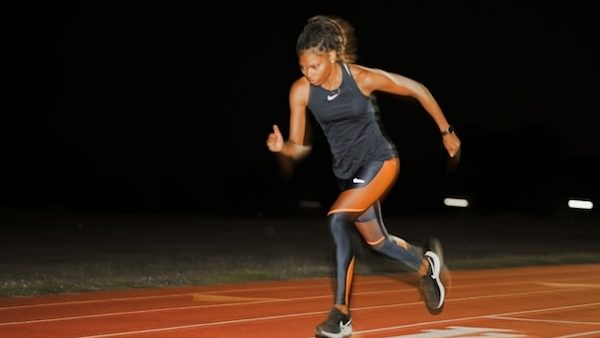
woman running on track

When Growth Isn’t Enough 

Women’s sports are booming: stadiums are full, TV ratings are soaring, and sponsorships are rising. Total U.S. women’s sports revenues surpassed $1 billion for the first time in 2024 and are projected to hit $2.35 billion globally in 2025—a 25% jump in just one year.

The surge in visibility has been undeniable. What many now call “The Caitlin Clark Effect” shows how one athlete’s rise can elevate an entire league. Major moments like these prove the audience and excitement are there.

Yet that success hasn’t translated into equal pay. Despite all the progress, many professional female athletes still earn only a fraction of what men in the same sports take home. The question now is whether this momentum can finally lead to fair compensation.

What’s Really Behind the Pay Gap

The imbalance often comes down to exposure. For decades, women’s sports were under-marketed and under-televised, which limited their ability to build audiences and attract sponsorship dollars. That cycle of less visibility leading to less revenue has been one of the hardest to break.

But when women’s sports get the spotlight, the results are undeniable.

The 2023 Women’s World Cup shattered attendance and broadcast records, drawing over 2 billion viewers worldwide. The NCAA women’s basketball championship between LSU and Iowa became the most-watched college basketball game, men’s or women’s, in ESPN history.

The success proves something female athletes have known for years: when you give them equal opportunity, they deliver equal excitement.

female soccer player kicking ball

The Real Barrier: Investment, Not Interest

Equal investment in marketing and sponsorship consistently drives engagement and profit, showing the gap is about opportunity, not audience. In fact, 86% of brands say their women’s sports sponsorships have met or exceeded ROI expectations, proving that when companies invest, the returns follow. 

Still, the system hasn’t caught up. Sponsorship dollars, prize money, and media contracts remain uneven.

As The Bounce points out, the gender pay gap persists not because of talent or demand but because of institutional inertia. Women’s leagues are still building the infrastructure men’s sports have had for decades—investment, storytelling, and consistent exposure.

Voices That Have Changed the Game

Venus and Serena Williams have been two of the most powerful forces in the fight for equality in sports. In one meeting about pay, Venus asked everyone to close their eyes and imagine their daughter, sister, or wife being paid less simply for being a woman. Then she left the room, letting the truth hang there.

As she later said, “A lot of people think that was impactful. It was just the truth. When you stand up for what’s right, that’s what my mom taught me.”

Serena carried that conviction far beyond the court. Through Serena Ventures, she’s invested in more than 60 companies—most led by women and people of color—and joined the ownership group of Toronto’s new WNBA franchise, using her success to build opportunity from the top down. 

Venus has done the same through her wellness brand Happy Viking and a growing portfolio of angel investments, proving advocacy can also mean ownership.

Together, the Williams sisters turned their influence into infrastructure, shifting the conversation from demanding equality to creating it.

Progress and Pressure

Women’s sports are entering what many call their “golden era,” but the pressure to sustain it is real. Fans are showing up, investors are paying attention, and female athletes continue to shoulder the dual role of performers and advocates.

The gender pay gap revolution in U.S. soccer set a major precedent when the women’s national team won its lawsuit for back pay and secured a collective bargaining agreement guaranteeing equal match compensation with the men’s team.

But progress isn’t linear. For every major win, disparities persist in leagues like the WNBA, where many players still head overseas in the off-season to supplement their income. The fight extends beyond closing the pay gap and to creating sustainable systems so female athletes can earn a livable wage.

The Future of Fair Play

Women’s sports are breaking barriers in real time, rewriting what’s possible and redefining what’s profitable. The pay gap remains a frustrating reminder of how far there is to go, but it also fuels the determination that defines so many female athletes. 

The next challenge lies with the systems that still lag behind: media deals that undervalue women’s leagues, brands that treat inclusion as a campaign instead of a commitment, and governing bodies slow to modernize their models.

The momentum is already there. What will define this era isn’t how hard women fight to be seen, but how quickly the institutions around them learn to catch up.
The Rise of Athlete Entrepreneurs: From Brand Partnerships to Equity Holders

Athletes are no longer just endorsing brands—they’re building them. This marks a significant shift from the traditional brand partnerships model, where athletes were seen merely as spokespeople, sharing their name and image with a product in exchange for lucrative but mostly short-term deals.

Now, a growing number of athletes are seizing opportunities to go beyond brand partnerships. They’re not just faces on commercials—they’re equity partners, investors, and even founders. This entrepreneurial approach aligns with a broader trend of athletes taking control of their careers and financial futures, leveraging their platforms to create sustainable, long-term wealth.

By aligning with brands that resonate with their personal values and goals, athletes are creating authentic connections with their audiences and reshaping consumer ideas. The rise of athlete entrepreneurs isn’t just transforming their individual careers—it’s transforming industries, influencing consumer trends, and redefining the nature of athlete branding.

brand partnerships

A New Era For Athlete-Brand Relationships

Historically, athletes were the faces of marketing campaigns, trading their image for a paycheck. While endorsements provided short-term financial gain, they often lacked the deeper connection athletes craved with the brands they represented. 

Today, a new model has emerged: equity-based deals and entrepreneurial ventures. These arrangements empower athletes to take ownership of the products they promote, aligning their personal brands with their business interests.

Notable examples include Serena Williams’ Serena Ventures, which has invested in over 60 startups, and Stephen Curry’s SC30 Inc., which facilitates ventures into production, tech investments, and brand partnerships. 

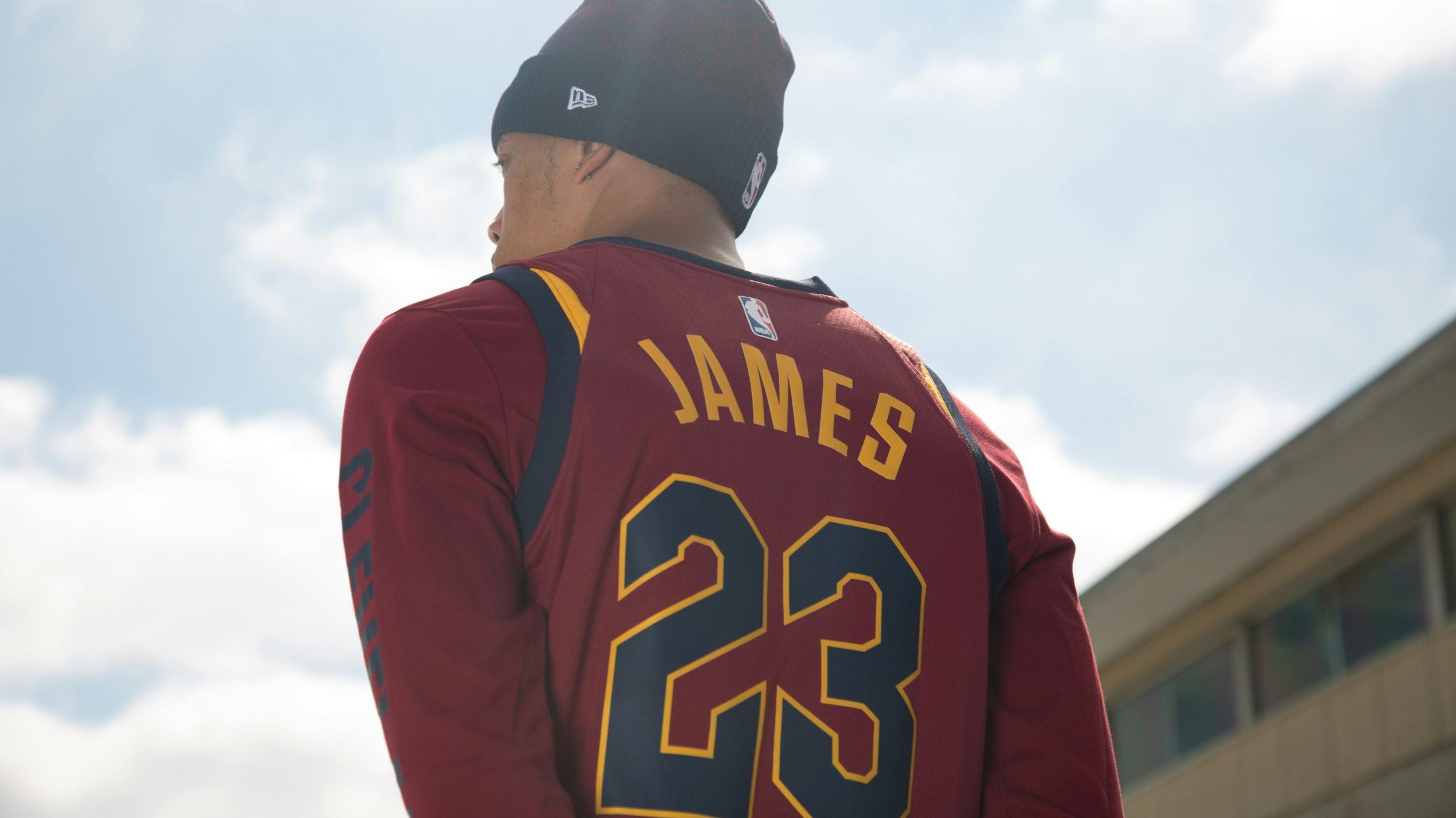
Meanwhile, LeBron James famously turned down a $15M endorsement deal with Reebok early in his career to prioritize long-term equity opportunities. His equity stakes in brands like Blaze Pizza and SpringHill Company have skyrocketed in value. These examples illustrate how equity deals are reshaping the athlete marketing landscape.

Athletes: Why Equity Deals and Entrepreneurship Work

Unlike traditional endorsement deals with short-term rewards, equity stakes and entrepreneurial ventures provide athletes with long-term financial stability and the potential for exponential growth. By actively participating in the decision-making process—whether as co-founders, investors, or advisors—they align their values and personal brands with the businesses they support. 

NBA star Stephen Curry’s investment in Tonal, a smart home gym company, highlights this trend. He serves as both an ambassador and an equity holder in the company.

Curry’s involvement in marketing and product development boosts the brand’s appeal among fitness-conscious consumers. It also reflects his dedication to fitness and innovative health solutions, making him an authentic and credible advocate for the brand.

By choosing equity over quick cash, athletes send a powerful message: they are visionaries shaping the future. This approach strengthens their personal brands as trailblazers and innovators, securing a legacy that extends far beyond their athletic achievements.

brand partnerships

Brands: Why Equity and Entrepreneurship Deals Work

Partnering with athletes as equity stakeholders gives brands a strategic advantage. Unlike one-off endorsement deals, equity partnerships create a symbiotic relationship where both parties share a vested interest in mutual success. Athletes bring unique insights that can shape product development, marketing strategies, and consumer engagement. 

The enduring success of the Air Jordan brand demonstrates the power of equity partnerships vs. traditional brand partnerships. Michael Jordan’s direct involvement in the design and promotion of the iconic sneaker line has made it a cultural phenomenon. As part of the deal, Jordan receives royalties and maintains influence over the brand’s direction, ensuring its longevity.

Transforming Emerging Industries

Athletes are increasingly investing in cutting-edge tech startups, wearable fitness devices, and esports platforms. Venture capital initiatives like Kevin Durant’s Thirty Five Ventures target disruptive technologies blending sports and lifestyle.

Athletes such as Chris Paul and Naomi Osaka promote eco-conscious brands, shaping consumer expectations and driving industries toward greener practices. Athlete-driven brands like Tom Brady’s TB12 Sports and Simone Biles’ Gold Over America Tour reshape consumer engagement with sports and wellness products. These ventures blend accessibility with aspirational marketing, influencing behaviors across demographics.

brand partnerships

The Broader Impact on Athlete Branding

As athletes embrace entrepreneurship, their influence extends far beyond the field. They blur the lines between sports, business, and culture, making them pivotal players in shaping modern consumer trends.

These efforts redefine brand partnerships, encouraging athletes to be seen as creators and innovators. The athlete-entrepreneur trend is still emerging, with more athletes investing in startups, co-founding companies, and prioritizing equity over endorsements. This evolution leads to greater representation in brand development and invigorates new industries such as augmented reality, health tech, and renewable energy.

Sources:

  1. https://moneywise.com/investing/investing-basics/athletes-investing-in-tech 
  2. https://insider.fitt.co/issue-no-99-the-athlete-vc/ 
  3. https://moneysmartathlete.com/the-business-side-of-being-an-athlete/entrepreneurial-athletes-building-businesses-beyond-sports/
  4. https://www.investopedia.com/who-are-the-most-famous-athlete-investors-5078036 
  5. https://afrotech.com/serena-williams-helped-14-companies-reach-unicorn-status 
  6. https://www.matesbrands.com/news/the-celebrity-athletes-winning-at-investing 
  7. https://sbf.capital/athletes-endorsements-influence-consumer-decisions-brand-value/

Sports Technology Evolution: How Innovation Is Changing the Game

In the dynamic realm of sports, where every second counts and every move can make or break a victory, the fusion of technology and athleticism has given rise to a revolution like never before. Now more than ever there is a fascinating intersection of sports and technology that is reshaping the landscapes of sports equipment, sports data, and athlete health. From sports gear innovations that push the boundaries of performance to data-driven analytics that unveil the intricacies of an athlete’s every move, we are witnessing an era where technology is not merely a spectator but an active player in the game. Many athletes like Alex Aust and Marcus Holman have bought into the technology and have seen incredible results in their performance and overall sports advancement.

sports technology

Redefining Equipment, Materials & Performance

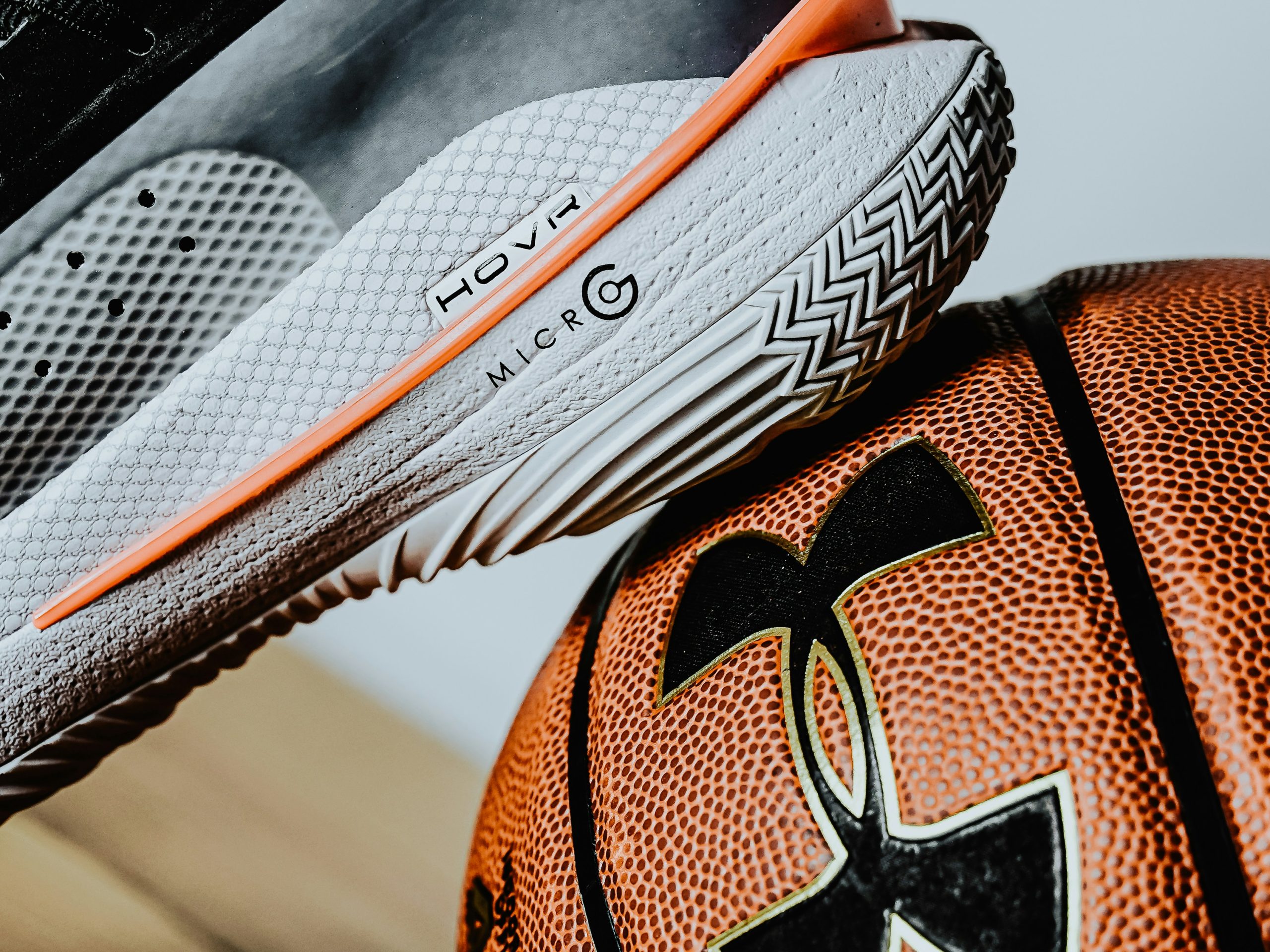
One of the most significant areas of technological advancement in sports is at the material level. Innovations in this field have given rise to lighter and more durable materials like carbon fiber and advanced polymers. This shift has notably impacted sports equipment from tennis rackets to golf clubs and helmets. The Paddletek Tempest Wave Pro Pickleball Paddle, for example, represents the advancement of material technology in paddle sports to reduce weight and increase performance. Material advancements also extend to the safety of athletes. In recent years, the design of football helmets has evolved to prevent life-altering head injuries. Energy-absorbent liners made of polystyrene and dual-density foams help mitigate the impact of hits. 3-D printing innovations help give players a customized, safer fit. The incorporation of slip-plane technology allows for the helmet’s shell to slightly rotate, addressing nonlinear impact.  

Wearables, Analytics & Real-Time Athlete Monitoring

Like material technology, advancements in wearable devices have also revolutionized athlete performance and longevity. Wearable devices help athletes better monitor their physiological metrics by tracking factors like heart rate, sleep patterns, and physical activity. Gathering this invaluable data allows athletes to be more in tune with their bodies during training, optimizing performance on and off the field. The real-time insights these wearables offer empower athletes to make informed decisions about their performance, contributing to improved training and injury prevention. Products like the Whoop Band work off the field, tracking the sleep and recovery times of athletes to optimize their performance. On the field, hundreds of professional soccer clubs use devices from brands like STATSports to measure actionable insights in real time. Worn under a vest, a STATSports device utilizes a GPS, accelerometer, gyroscope, and magnetometer to gather 600 data points at once. As a result, the information provided can help prevent non-contact injuries and thwart physical overload. Paired with machine learning algorithms, devices like these can also predict outcomes and recommend strategic changes, giving coaches and players a competitive edge and enhancing overall team performance.

sports technology

Integrity, Fair Play & Technology Safeguards

Technology has also become a guardian of fair play in sports. Employing advanced testing methods such as mass spectrometry and blood profiling helps detect doping. This aids in upholding the principles of fair competition, which have frequently been questioned, particularly in the international athletic field. Moreover, blockchain technology helps to decentralize information, securing the integrity of sports data and ensuring that records and results remain tamper-proof. These measures protect the game’s sanctity and foster a culture of fair play, ensuring that athletes’ hard work is rewarded. 

Ensuring that athletes are able to consistently perform their best and avoid career-ending injuries is one of the most impactful uses of sports technology. A particularly impactful application of technology in sports is the Q-Collar, a collaboration between lacrosse stars Marcus Holman and Alex Aust. The Q-Collar aims to shield the brain from the damage caused by repetitive head impacts. Research indicates that athletes not using the Q-Collar were three times more likely to experience significant changes in their brain tissue. This partnership underscores the potential of technology to prioritize athlete well-being and ensure a safer playing experience.

The Future of Sports Technology & Industry Impact

As technology advances, its pervasive influence on sports becomes increasingly evident. From reshaping equipment materials to enhancing athlete monitoring analytics and maintaining fair play, technology is undeniably changing the game. The future promises even more exciting innovations, further blurring the lines between sports and cutting-edge technology. Here at Athelo Group, we can’t wait to see what comes next.

Sources:

  1. https://tbi.com/advancements-in-football-helmet-technology/
  2. https://theathletic.com/4966509/2023/10/19/wearable-technology-in-football/
  3. https://indianexpress.com/article/technology/virat-kohli-what-is-whoop-band-athlete-fitness-9030614/
  4. https://www.nytimes.com/2022/12/19/sports/concussion-q-collar.html
  5. https://www.futurelearn.com/info/courses/everyday-chemistry/0/steps/22346
  6. https://www.standard.net/news/2023/oct/23/the-game-changing-impact-of-innovative-gps-technology-on-sports-field-marking/

Become a Sponsor.

Join us in making a difference. Tell us a bit about yourself and we’ll be in touch with sponsorship details.

By submitting this form, you agree to be contacted by the Athelo Group team regarding sponsorship opportunities.